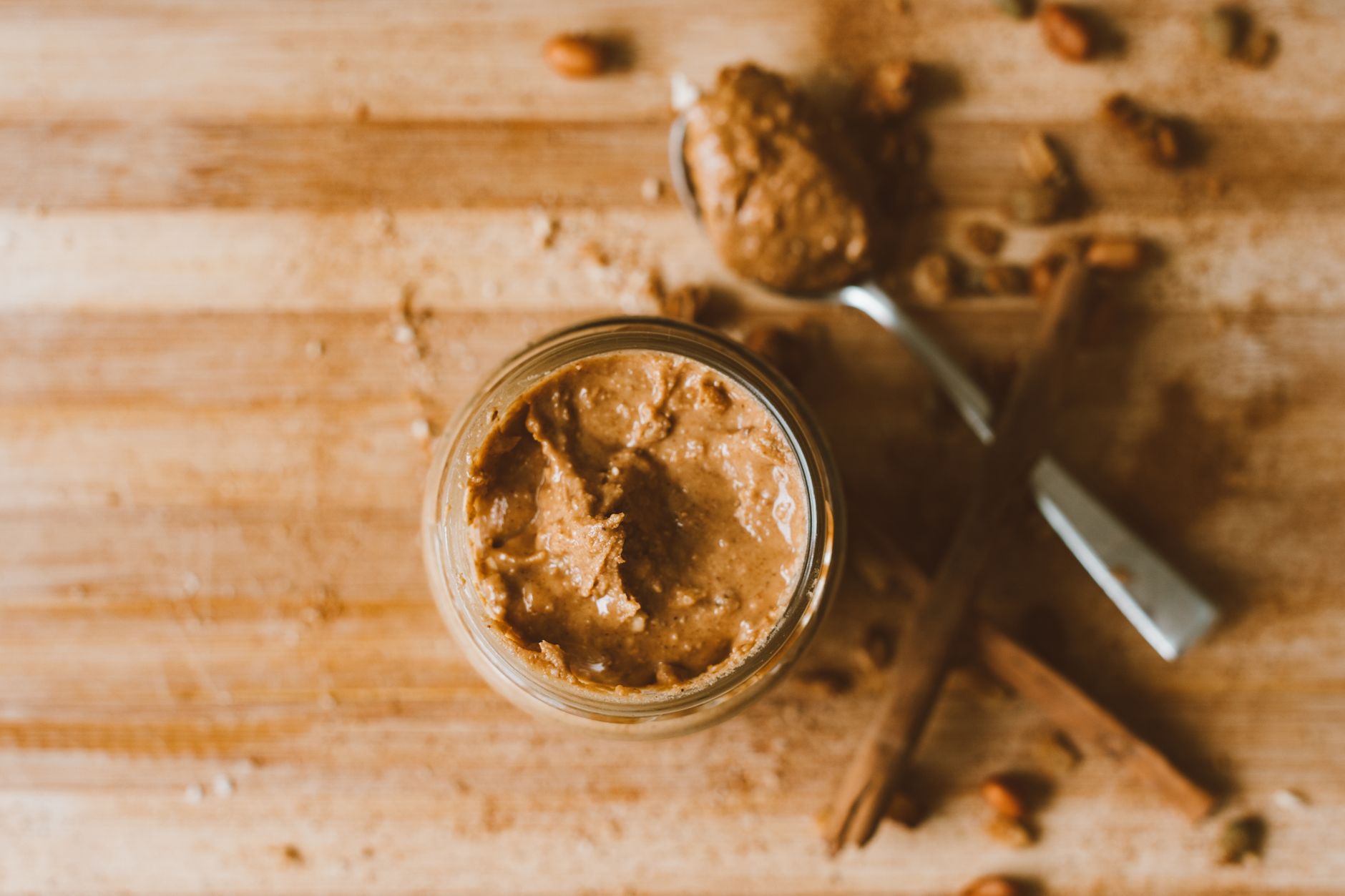
Discover the top 9 allergens and learn how to introduce them safely to your baby with our LEAP protocol guide and tracker
By Shubhra Mishra — a mom of two who turned her own confusion during pregnancy into BumpBites, a global mission to make food choices clear, safe, and stress-free for every expecting mother. 💛
Check whether any food is safe during pregnancy with the BumpBites Food Safety Checker.
Quick take: The LEAP protocol—early, regular exposure to peanuts and other major allergens—can dramatically lower a baby’s risk of developing food allergy. Start introductions around 4–6 months, follow the step‑by‑step schedule for each of the top 9 allergens, and keep a simple symptom diary. If you notice any concerning reactions, pause and contact your pediatrician.
It’s 2 a.m., you’ve just finished a warm bottle, and you’re scrolling through parenting forums wondering whether it’s okay to give your 5‑month‑old a tiny spoonful of peanut butter. The anxiety of “am I doing the right thing?” is real, especially when the stakes involve a lifelong allergy.
🔢 Calculate it for your situation: Use our Food Introduction Tracker for a personalized result in seconds.
We hear that question a lot, and the good news is that science now offers a clear roadmap. By following the LEAP (Learning Early About Peanut) protocol and a structured introduction plan for the nine most common food allergens, you can give your baby a strong chance of tolerating these foods safely. Below you’ll find a complete guide—what each allergen is, when to start, how to introduce it, how to track reactions, and when to call your provider.
What is the LEAP protocol and why does it matter?
The LEAP study, published in The New England Journal of Medicine in 2015, enrolled infants at high risk for peanut allergy (severe eczema or egg allergy) and compared early peanut consumption (starting at 4–11 months) with avoidance. After five years, 13 % of the early‑exposure group had developed a peanut allergy versus 35 % of the avoidance group—a 70 % relative risk reduction.
Following the study, major health bodies—including the American Academy of Pediatrics (AAP), the UK’s National Institute for Health and Care Excellence (NICE), and the World Health Organization (WHO)—updated their guidance to recommend early, regular ingestion of peanuts and other allergens for most infants, unless they have a known severe allergy.
Key points from the evidence base:
Early introduction (4–6 months) is most protective; waiting until after 12 months may miss the window of oral tolerance.
Regular, modest exposure (about 2 g of peanut protein ≈ a teaspoon of peanut butter) two to three times per week sustains tolerance.
The protocol works best for infants with eczema or a family history of allergy, but it’s safe for most healthy babies.
Because the LEAP findings apply specifically to peanuts, many clinicians now extend the same principle to the other eight common allergens—egg, dairy, wheat, soy, tree nuts, fish, shellfish, and sesame. This “top 9” approach is supported by the AAP’s 2022 Infant Food Allergy Prevention Guidelines and the UK’s 2023 NICE recommendations.
Beyond the original trial, follow‑up research shows that early exposure not only reduces the chance of a new allergy but also may lessen the severity of reactions if they do occur. The underlying mechanism is thought to be the promotion of a balanced immune response that favors tolerance rather than sensitization.
The top 9 food allergens you’ll meet
These
nine foods account for the majority of childhood food‑allergy reactions worldwide. Understanding each one helps you plan safe, varied introductions.
Allergen
Typical Form for Introduction
Common Allergy Symptoms
Peanut
Thinned peanut butter or smooth peanut powder
Hives, swelling, vomiting, wheeze
Egg
Well‑cooked scrambled egg or egg yolk puree
Rash, eczema flare, respiratory distress
Dairy (cow’s milk)
Full‑fat yogurt or cheese, not formula
Hives, colic, diarrhea
Wheat
Cooked wheat cereal or small pieces of whole‑grain toast
Eczema, abdominal pain, swelling
Soy
Silken tofu cubes or soy yogurt
Hives, itching, vomiting
Tree nuts (e.g., almond, cashew)
Nut butter thinned with water or a tiny piece of soft nut
Swelling, wheeze, anaphylaxis (rare)
Fish (e.g., salmon, cod)
Pureed baked fish, no bones
Rash, GI upset, breathing difficulty
Shellfish (e.g., shrimp, crab)
Finely minced, well‑cooked shrimp
Hives, facial swelling, respiratory symptoms
Sesame
Sesame paste (tahini) diluted, or toasted seeds
Swelling, hives, anaphylaxis (rare)
Each allergen can be introduced in a form that’s safe for a baby’s developing oral motor skills. The goal is a small, manageable amount that the infant can swallow without choking.
Because many of these foods appear in everyday family meals, early exposure also helps the whole household develop a shared eating routine, making mealtime smoother for everyone.
All nine allergens can be presented in baby‑friendly textures.
When to start each allergen: A safe introduction timeline
Most experts agree that 4–6 months (when the infant can sit up with support and has mastered the “tongue‑thrust” reflex) is the optimal window for the first exposure. Below is a month‑by‑month guide that accommodates the typical developmental milestones.
4 months: If your baby shows signs of readiness (good head control, interest in foods), you can begin with peanut, egg yolk, and dairy. Start with a single teaspoon of thinned peanut butter, a teaspoon of well‑cooked egg yolk, and a tablespoon of full‑fat yogurt.
5 months: Add wheat (small pieces of soft toast) and soy (silken tofu). Continue the previous allergens at the same frequency.
6 months: Introduce tree nuts (e.g., almond butter thinned) and fish. Ensure the fish is boneless and fully cooked.
7 months: Offer sesame (tahini diluted) and shellfish (finely minced shrimp). These are less common triggers, so a cautious start is fine.
8 months onward: Maintain a regular schedule—2–3 times per week for each allergen. You can increase portion size gradually as your baby’s appetite grows.
If your child has severe eczema, a known egg allergy, or a sibling with a confirmed food allergy, you may want to start earlier (around 4 months) and consult your pediatrician first. In those cases, a skin‑prick test or specific IgE blood test can confirm eligibility before the first exposure.
For families following the NHS’s “First Foods” guidance, the timeline aligns closely with the recommendation to introduce solids from 6 months, but the added nuance of early allergen exposure provides an extra layer of protection. Cultural variations—such as using chickpea flour in place of wheat or miso paste for soy—can be accommodated as long as the texture remains baby‑friendly.
Step‑by‑step guide for introducing each allergen
Follow this consistent routine for each new food. The process is the same whether you’re offering peanut or salmon, which helps you stay organized.
1. Prepare a safe, baby‑friendly portion
Wash your hands and clean all surfaces.
Use a clean, shallow bowl—no metal utensils that could react with acidic foods.
Thin the allergen if needed (e.g., mix 1 part peanut butter with 3 parts water).
2. Choose a calm feeding environment
Pick a time when your baby is neither hungry nor overly tired. A quiet corner of the living room after a nap works well. Keep a bottle of water handy in case the taste is unfamiliar.
3. Offer a tiny amount
Start with ¼ teaspoon (about 0.5 g) of the food. Use a soft silicone spoon that’s easy for your baby to latch onto. Let the baby explore the texture at their own pace—no pressure to finish the serving.
4. Observe for 2 hours
After the first bite, watch for any signs of reaction (see monitoring section below). Most immediate IgE‑mediated reactions appear within minutes, but delayed eczema flare‑ups can surface after several hours.
5. Record the experience
Note the date, time, amount, and any observed symptoms in a food‑introduction diary. This is the foundation of the Food Introduction Tracker, which helps you spot patterns over weeks.
6. Repeat on a regular schedule
After the initial successful exposure, aim for 2–3 servings per week. For peanut, that’s roughly a teaspoon of thinned butter each time; for egg, a small spoonful of scrambled egg; for dairy, a tablespoon of yogurt.
7. Gradually increase portion size
Every 2–3 weeks, add a little more—up to a full teaspoon for peanuts, a quarter‑cup of yogurt, or a bite‑size piece of fish—while continuing to monitor.
This routine creates a predictable exposure pattern that reinforces immune tolerance. Consistency is key; skipping weeks can reduce the protective effect.
Start with a tiny spoonful and watch closely.
Tracking reactions: Using a symptom diary and the Food Introduction Tracker
Keeping a systematic record helps you and your pediatrician differentiate a true allergy from a normal taste‑aversion or a mild gastrointestinal upset.
Severity grading (none, mild, moderate, severe). Use a simple 0–3 scale: 0 = no signs; 1 = minor (e.g., brief fussiness); 2 = moderate (e.g., hives, vomiting); 3 = severe (e.g., swelling of face, trouble breathing).
Duration of any symptoms.
How the Food Introduction Tracker helps
The BumpBites Food Introduction Tracker lets you input these data points and automatically generates charts showing:
Frequency of each allergen’s exposure.
Trend lines for any reactions over time.
Comparison of symptom severity across allergens.
Seeing a pattern—like mild eczema after dairy but none after peanuts—guides your next steps. If the tracker flags a repeat moderate‑severity event, it’s time to pause that allergen and discuss testing with your pediatrician.
Because the tracker visualizes data in an easy‑to‑read format, you’ll feel more confident about the decisions you make at each feeding session.
Managing multiple allergens: Simultaneous vs. sequential introductions
Some families wonder whether they can introduce several allergens on the same day to speed up the process. The evidence suggests both approaches can work, but there are trade‑offs.
Sequential (one‑at‑time) approach
Pros: Easier to attribute any reaction to a single food; less overwhelming for the baby.
Cons: Longer overall timeline—up to three months before all nine allergens are tried.
Simultaneous (multiple‑on‑same‑day) approach
Pros: Saves time; may reduce the number of “new‑food” days, which can be stressful for parents.
Cons: Increases the difficulty of pinpointing the culprit if a reaction occurs; may cause a higher cumulative allergen load, though most studies have not shown increased risk.
Our recommendation: start with the highest‑risk allergen (peanut) and a second one (egg) on the same day, then add a third (dairy) after a week if the first two are tolerated. This balanced method gives you data while keeping the schedule manageable.
Whichever method you choose, keep the same observation window and documentation routine for each food. Consistency across foods makes the symptom diary far more useful.
Success rates, research findings, and when to seek medical advice
Beyond the original LEAP trial, follow‑up studies such as the LEAP‑On extension (2020) showed sustained protection: at age 8, 7 % of the early‑exposure group still had a peanut allergy versus 20 % of the avoidance group. Similar early‑introduction studies for egg (the “PETIT” trial in Japan) demonstrated a 30 % reduction in egg allergy incidence.
Overall, pooled data from large‑scale cohorts (N ≈ 12,000 infants) indicate that early, regular exposure to the top 9 allergens reduces the combined food‑allergy risk by roughly 40–50 % compared with delayed introduction.
When to involve a healthcare professional:
If you observe any grade‑2 or higher reaction (hives, vomiting, wheeze, swelling) after a new food.
If your baby has a history of severe eczema flare‑ups that seem linked to a specific allergen.
If you have a strong family history of anaphylaxis or multiple food allergies.
If you’re unsure whether a symptom is related to the allergen or another cause (e.g., viral illness).
In those cases, a pediatric allergist can perform skin‑prick testing or specific IgE blood work to confirm sensitization before you continue the exposure schedule.
For families in the United States, the FDA’s guidance on pediatric food labeling recommends that any introduced food be free of added sugars and excess salt, reinforcing the idea that simple, whole‑food forms are best for early exposure.
From our medical team: Introducing allergens early is safe for most infants, but always keep a rescue plan—such as an antihistamine for mild reactions and an epinephrine auto‑injector for severe cases—on hand if your pediatrician prescribes one. If you’re ever in doubt, pause the new food and call your provider; a quick assessment is better than a prolonged exposure with an unknown reaction.
Understanding how food allergies develop
Food allergy begins when the immune system mistakenly produces IgE antibodies against a harmless protein. Those antibodies attach to mast cells, priming them to release histamine and other mediators when the food is encountered again. In infants, the gut barrier is still maturing, and early exposure can “teach” the immune system to tolerate rather than overreact.
Research from the American College of Obstetricians and Gynecologists (ACOG) notes that oral tolerance is most readily achieved when allergens are introduced while the infant’s gut microbiome is diverse and before the immune system has fully polarized toward a Th2‑dominant (allergy‑prone) response. This is why the 4–6 month window is emphasized across guidelines from AAP, NICE, and WHO.
For most babies, a single early exposure is not enough. Repeated, low‑dose ingestion reinforces the tolerant pathway, whereas avoidance can leave the immune system “unschooled,” increasing the odds of a later allergy.
Allergen‑friendly meal ideas for babies
Putting the allergens into everyday meals helps your baby see them as normal foods rather than “special” items. Here are three simple, balanced ideas that cover multiple allergens in one bite:
Peanut‑banana mash: Blend 1 tsp thinned peanut butter with half a mashed ripe banana. The sweetness masks the nutty flavor and makes the texture smooth enough for a 5‑month‑old.
Egg‑veggie mini‑frittata: Whisk one egg with a tablespoon of finely grated carrot and a pinch of mild cheese. Bake in a silicone mini‑muffin tray until set, then cut into bite‑size pieces.
Fish‑sweet potato puree: Steam a small piece of boneless salmon, then blend with cooked sweet‑potato until creamy. This introduces fish while delivering familiar carbs.
All three dishes can be prepared in bulk, frozen in single‑serve portions, and reheated as needed. By rotating these recipes, you keep the feeding schedule varied, which encourages the baby to accept new flavors and textures.
Simple, combined meals make daily allergen exposure effortless.
Common pitfalls and how to troubleshoot them
Even with a solid plan, hiccups happen. Recognizing common mistakes early can keep your introduction schedule on track.
Using too thick a consistency: If the peanut butter is too thick, the baby may gag. Always thin it with water, breast milk, or formula to a runny texture.
Skipping the 2‑hour observation: Missing the monitoring window can delay detection of a reaction. Set a timer on your phone and stay in the same room.
Cross‑contamination: Using the same spoon for multiple allergens before cleaning can blur symptom attribution. Keep dedicated utensils for each food during the first few weeks.
Rushing the schedule: Introducing a new allergen before the previous one is fully evaluated can create confusion. Stick to the recommended 2‑week “settling” period before moving on.
If you notice a mild rash or brief fussiness, note it but continue the exposure unless symptoms worsen. Persistent or escalating signs should prompt a pause and a call to your pediatrician.
Preparing your kitchen for safe allergen introductions
Cross‑contamination is a common concern, especially with peanuts and tree nuts. To keep your kitchen allergen‑friendly:
Designate a clean cutting board and spoon for each allergen during the first few weeks.
Wash hands and utensils thoroughly with hot, soapy water before and after handling each food.
Store allergen‑specific containers with clear labels (e.g., “Peanut” or “Sesame”).
If you have a family member with a severe allergy, consider preparing the baby’s portion on a separate surface to avoid accidental exposure.
These simple steps align with the FDA’s Food Safety Modernization Act recommendations for preventing accidental ingestion in households with mixed dietary needs.
Most parents find that a tidy, well‑organized prep area reduces stress and makes the feeding routine feel more predictable for the baby.
Special considerations for premature infants and babies with medical conditions
Premature infants often reach developmental milestones later than full‑term babies. The ability to swallow safely and coordinate breathing may not appear until 36 weeks corrected age. In such cases, wait until your neonatologist confirms that the infant can handle semi‑solid foods before starting any allergen exposure.
Babies with chronic conditions such as gastroesophageal reflux disease (GERD) or congenital heart disease may also need a modified schedule. The American Academy of Pediatrics advises that these infants can still benefit from early allergen exposure, but the introduction should be supervised by a pediatrician who can adjust portion size and frequency.
When in doubt, a brief consultation with your child’s specialist can clarify the safest timing and form of each allergen, ensuring that you don’t miss the “window of tolerance” while respecting the baby’s medical needs.
🔢 Ready to crunch your numbers? Use our Food Introduction Tracker for a personalized result in seconds.
Myth vs. fact
Myth: “If my baby has eczema, I should avoid all allergens until the skin clears.”
Fact: Controlled early exposure, especially to peanut and egg, actually lowers the risk of developing an allergy in children with eczema. The key is to start with tiny amounts under supervision.
Myth: “You can’t give a baby any peanut before they’re 12 months old.”
Fact: The LEAP protocol shows that introducing peanut as early as 4 months is safe and more effective at preventing allergy than waiting until after the first birthday.
Myth: “If a baby tolerates one allergen, they’ll tolerate all the others.”
Fact: Tolerance is food‑specific. A child may eat peanut without issue but still develop an egg or sesame allergy. Each allergen needs its own exposure schedule and monitoring.
Key takeaways
Start introducing the top 9 allergens between 4–6 months, beginning with peanut, egg, and dairy.
Use a consistent routine: tiny portion, calm setting, 2‑hour observation, and thorough documentation.
Track reactions with a symptom diary; the BumpBites Food Introduction Tracker visualizes trends and alerts you to repeat issues.
Both sequential and limited‑simultaneous introductions are safe; choose the method that fits your family’s schedule and stress level.
Early exposure reduces the overall risk of food allergy by about 40–50 % according to large‑scale studies.
Seek medical advice promptly for any moderate or severe reaction, persistent eczema flare, or if you have a strong family allergy history.
Frequently asked questions
What is the LEAP protocol and how does it work?
The LEAP (Learning Early About Peanut) protocol involves introducing peanut‑containing foods to infants as early as 4 months and continuing regular exposure (2–3 times per week) to promote oral tolerance and dramatically lower the chance of developing a peanut allergy.
When should I start introducing peanuts to my baby?
For most infants, start at 4–6 months with a teaspoon of thinned peanut butter; if your baby has severe eczema or a known egg allergy, discuss with your pediatrician and consider a skin‑prick test before the first exposure.
Can I introduce multiple allergens at the same time?
Yes, you can give two or three allergens on the same day, but it’s safest to start with one or two (commonly peanut and egg) and add others gradually. If a reaction occurs, pinpointing the specific trigger becomes harder when many foods are introduced together.
How do I know if my baby is reacting to a new food?
Watch for hives, swelling of lips or face, vomiting, wheezing, persistent crying, or a sudden eczema flare that doesn’t improve within an hour. Mild fussiness or a brief spit‑up is often not allergic, but note it in your diary anyway.
What are the top 9 allergens that should be introduced early?
The nine foods most commonly linked to childhood allergy are peanut, egg, dairy (cow’s milk), wheat, soy, tree nuts, fish, shellfish, and sesame. Introducing each in a baby‑friendly form between 4–7 months is recommended.
Is it safe to follow the LEAP protocol if my family has a history of allergies?
Yes. In fact, infants with a family history of food allergy or eczema benefit most from early exposure. Always coordinate with your pediatrician, who may suggest allergy testing before the first exposure if the family history is strong.
Can I use peanut butter powder instead of regular peanut butter?
Peanut powder is a convenient alternative because it’s easier to thin and control the dose. The key is to reconstitute it with water (or breast milk/formula) to achieve a smooth, runny consistency that your baby can swallow safely. The same amount of protein—about 2 g per teaspoon—applies.
What if my baby refuses the allergen?
Refusal is common and usually not a sign of allergy. Try offering the food at a different temperature, mixing it into a favorite puree, or waiting a few days before re‑offering. Keep the exposure schedule flexible but aim for at least three successful attempts over a two‑week period.
My baby already has a diagnosed allergy to one of the top 9 foods. Should I still try the others?
If a pediatric allergist has confirmed a true IgE‑mediated allergy to a specific food, you should avoid that food entirely and follow the doctor’s guidance on safe alternatives. The other allergens can still be introduced using the same step‑by‑step method, but always discuss the plan with your provider first.
I missed the 4–6 month window. Can I still start later?
Yes. While the 4–6 month period offers the strongest evidence for tolerance, later introductions (up to 12 months) are still beneficial for many infants. The key is to introduce the food gradually and monitor closely, just as you would earlier in the window.
When to call your doctor
If your baby shows any of the following after a new food: hives, swelling of lips or face, vomiting, wheezing, persistent crying, or a sudden eczema flare that doesn’t improve within an hour, call your pediatrician or go to the nearest emergency department. This article provides general information and is not a substitute for personalized medical advice.
References
Du Toit G, et al. Randomized Trial of Peanut Consumption in Infants at Risk for Peanut Allergy. New England Journal of Medicine. 2015;372:803‑813. (LEAP study)
World Health Organization. Guideline on the Prevention of Food Allergies. WHO, 2022.
American Academy of Pediatrics. Committee on Nutrition. “Prevention of Food Allergies in Children.” AAP Policy Statement, 2022.
National Institute for Health and Care Excellence. “Food Allergy in Under‑18s: Diagnosis and Management.” NICE NG85, 2023.
Ueda K, et al. Early Introduction of Egg to Prevent Egg Allergy (PETIT Study). Journal of Allergy and Clinical Immunology. 2020;145:1454‑1462.
British Society for Allergy and Clinical Immunology. Guidance on Early Allergen Introduction, 2021.
Centers for Disease Control and Prevention. Food Allergy – Data & Statistics. CDC, 2023.
National Health Service (UK). “Food allergies in children: advice for parents.” NHS, 2022.
Food Allergy Research & Education (FARE). “Early Introduction of Common Allergens.” FARE, 2023.
American College of Obstetricians and Gynecologists. “Allergy Prevention in Pregnancy and Early Infancy.” ACOG Committee Opinion, 2021.
U.S. Food and Drug Administration. “Guidance for Industry: Food Labeling for Allergens.” FDA, 2022.
Not sure about the label on Top 9 Allergens Safe Introduction Tracker Leap Protocol Guide products?
Snap the ingredients list and SafeFilter checks every ingredient for your stage — only 3 free scans this month, then you're locked until reset. Unlimited from $7/mo or $50/yr.
When Shubhra Mishra was expecting her first child in 2016, she was overwhelmed by conflicting food advice — one site said yes, another said never. By the time her second baby arrived in 2019, she realized millions of mothers face the same confusion.
That sparked a five-year journey through clinical nutrition papers, cultural diets, and expert conversations — all leading to BumpBites: a calm, compassionate space where science meets everyday motherhood.
Her long-term vision is to build a global community ensuring safe, supported, and free deliveriesfor every mother — because no woman should face pregnancy alone or uninformed. 🌿
🌍 Stand with mothers, shape safer guidance
Join a small circle of experts who review BumpBites articles so expecting parents everywhere can decide with confidence.