Dental work is often postponed during pregnancy, but a tooth abscess is an urgent condition that usually requires intervention. The consensus from the ADA, ACOG, and the UK National Health Service (NHS) is that dental treatment can be safely performed, especially in the second trimester.
Procedures you can expect
- Incision and drainage (I&D): The dentist makes a small cut to release pus, relieving pressure and pain. This can be done in any trimester and is considered low‑risk.
- Root canal therapy (RCT): Removes infected pulp tissue and seals the canal. Safe in the second trimester; many clinicians also perform it in the third trimester if needed.
- Tooth extraction: If the tooth is non‑restorable, removal is safe, particularly in the second trimester. The first trimester is generally avoided unless there is a life‑threatening infection.
- Dental cleaning (prophylaxis): Routine scaling and polishing are safe throughout pregnancy and help prevent future abscesses.
What to avoid
Elective cosmetic procedures (e.g., veneers, whitening) are best postponed until after delivery. Also, avoid any dental work that requires prolonged supine positioning in the first trimester, as this can increase uterine pressure.
Radiographs (X‑rays) and pregnancy
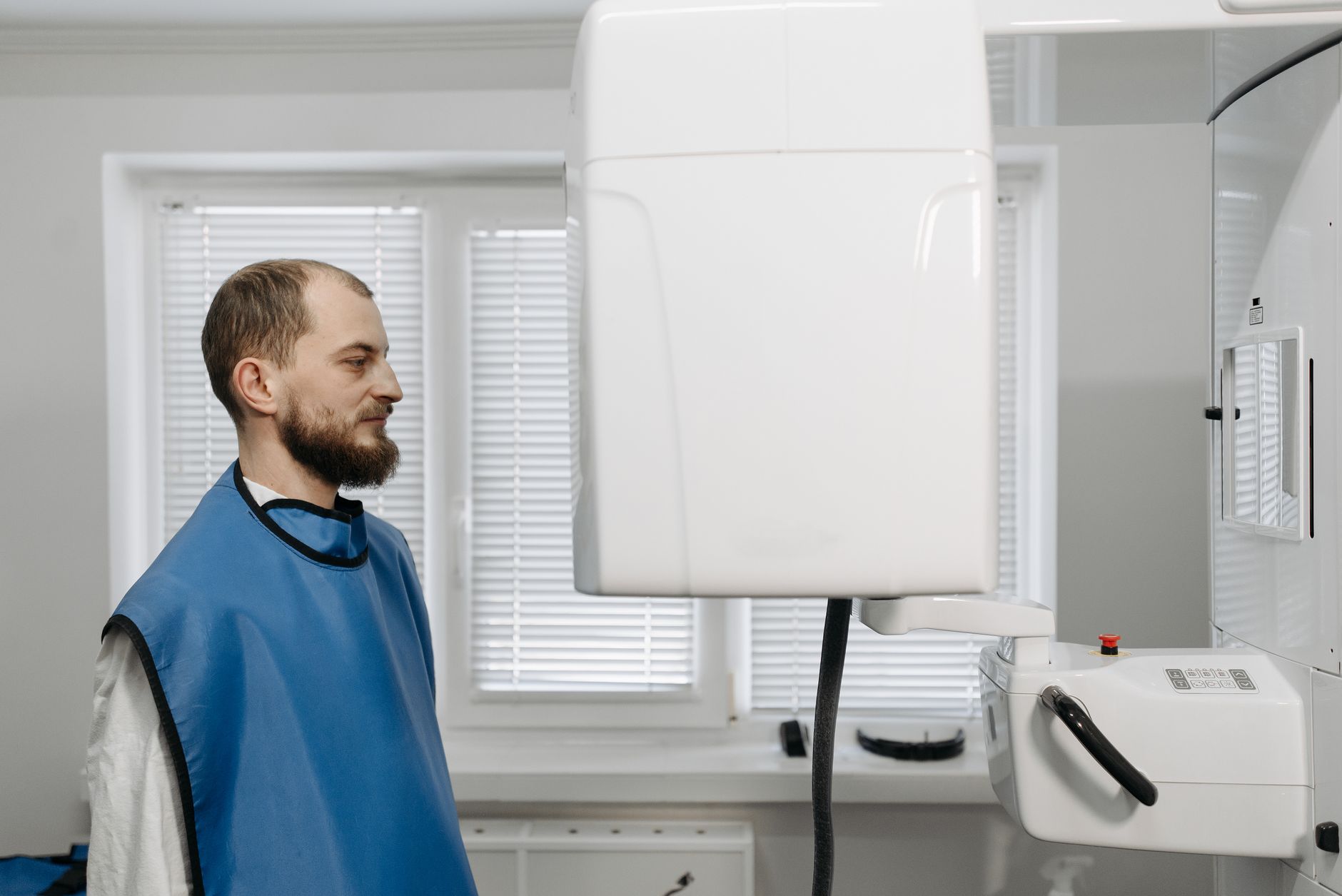
Dental X‑rays emit very low levels of radiation. With proper shielding—using a lead apron and thyroid collar—exposure is far below the threshold that could harm the fetus. The American Dental Association confirms that a single periapical X‑ray delivers less than 0.005 mGy, compared with the 50 mGy safety limit.
If you’re nervous, ask your dentist to use digital sensors, which reduce exposure further, and ensure the lead apron is correctly positioned.
What are the risks of untreated tooth abscess in pregnancy?
Leaving a dental abscess untreated can lead to serious complications for both mother and baby. The infection can spread to surrounding tissues, causing cellulitis, osteomyelitis, or even sepsis—a life‑threatening condition.
Specific pregnancy‑related risks include:
- Preterm labor: Inflammatory cytokines released during infection can trigger uterine contractions.
- Low birth weight: Chronic infection may affect placental blood flow.
- Maternal systemic infection: Fever and bacteremia increase the workload on the cardiovascular system, which is already heightened in pregnancy.
- Difficulty with nutrition: Painful chewing can limit intake of essential nutrients needed for fetal development.
Studies from the National Institute of Dental and Craniofacial Research (NIDCR) indicate that pregnant women with untreated dental infections have a 2‑3‑fold higher odds of delivering preterm.
Home remedies for tooth abscess safe for pregnant women
While professional treatment is essential, certain home measures can help control pain and swelling while you arrange a dental visit.
Warm salt‑water rinses
Mix ½ teaspoon of non‑iodized sea salt in 8 oz of warm water. Rinse gently for 30 seconds, three times a day. The saline solution draws out pus and reduces inflammation without any medication.
Cold compress
Apply a clean, cold pack wrapped in a thin towel to the outside of the cheek for 15 minutes, then remove for 15 minutes. This can numb the area and limit swelling.
Elevated head position
Sleeping with your head propped up on pillows reduces blood flow to the infected area, easing pressure.
Natural anti‑inflammatory foods
Incorporate turmeric (½ teaspoon in warm milk or broth), ginger tea, and omega‑3‑rich foods such as salmon or walnuts. These have modest anti‑inflammatory effects and are safe for pregnancy when consumed in normal food‑grade amounts.
What to avoid
Do not use over‑the‑counter oral antiseptic rinses containing alcohol or high concentrations of hydrogen peroxide, as they can irritate oral tissues and are not recommended for pregnant women.
How does a tooth abscess affect labor and delivery?
Most women who receive timely tooth abscess pregnancy treatment experience normal labor. However, an active infection at the time of delivery can increase the risk of certain complications.
Potential impacts
- Preterm labor: As noted, inflammatory mediators can stimulate uterine activity.
- Post‑partum infection: If the abscess is still present, the stress of labor may spread bacteria, leading to postpartum fever.
- Pain management challenges: Certain analgesics (e.g., ibuprofen) are avoided in the third trimester, so your provider may need to adjust pain‑control plans.
To minimize these risks, aim to resolve the infection at least two weeks before your estimated due date. Your OB‑GYN and dentist can coordinate care to ensure the infection is fully cleared.
When to see a dentist for a tooth abscess in the first trimester
The first trimester is a period of rapid organ formation, so many patients wonder if dental visits are safe. If you notice any of the following, schedule a dental appointment promptly—ideally within 24‑48 hours:
- Severe, throbbing pain that doesn’t improve with OTC acetaminophen.
- Visible swelling of the gums or cheek.
- Fever of 100.4 °F (38 °C) or higher.
- Pus‑filled pocket or a “pimple‑like” bump on the gum.
- Difficulty swallowing or breathing (rare but serious).
Even in the first 12 weeks, a dentist can safely perform incision and drainage or prescribe pregnancy‑compatible antibiotics. The key is early intervention to prevent the infection from worsening.
Pain relief options for tooth abscess during pregnancy
Managing pain while protecting your baby is a top priority. Below are the safest options, ranked from most to least recommended.
Acetaminophen (Tylenol)
Acetaminophen is classified as Category B by the FDA and is the first‑line analgesic for dental pain in pregnancy. The usual adult dose is 500‑1000 mg every 6 hours, not exceeding 3000 mg per day.
Localized anesthetic gels
Topical anesthetic gels containing benzocaine (≤20 %) are safe for short‑term use on the gums. Apply a thin layer directly to the painful spot for temporary numbness.
Prescription opioids (short‑term)
If pain is severe, a dentist may prescribe a low‑dose opioid such as codeine or hydrocodone for a brief course (usually 3‑5 days). These cross the placenta but have not been linked to birth defects when used sparingly. Always discuss potential risks with your provider.
What to avoid
Non‑steroidal anti‑inflammatory drugs (NSAIDs) like ibuprofen, naproxen, and aspirin are discouraged after 20 weeks gestation because they can affect fetal kidney development and prolong labor. In the first trimester, they are generally avoided due to possible association with miscarriage.
Is a root canal safe during pregnancy for a tooth abscess?
Yes—root canal therapy (RCT) is considered safe, especially in the second trimester. The procedure removes infected pulp, which eliminates the source of the abscess.
Why the second trimester is ideal
During weeks 13‑27, uterine size is still manageable, and the risk of nausea from dental anesthesia is lower. Moreover, the placenta is fully formed, reducing the theoretical risk of teratogenic effects.
What the procedure involves
The dentist administers a local anesthetic (often lidocaine with epinephrine, both safe in pregnancy). After cleaning the canal, the space is sealed with a biocompatible material. The entire process usually takes 60‑90 minutes and can be completed in one or two visits.
Post‑procedure care
Continue any prescribed antibiotics, use acetaminophen for lingering discomfort, and maintain gentle oral hygiene. A follow‑up appointment 1‑2 weeks later ensures the infection is fully resolved.
Best antibiotic for tooth infection in pregnancy
Among the options listed earlier, amoxicillin is often the preferred first‑line agent because of its broad coverage, safety profile, and ease of dosing. If you have a documented penicillin allergy, clindamycin becomes the next best choice.
Both drugs have been extensively studied in pregnant populations, with no increase in congenital anomalies reported in the large cohort studies conducted by the FDA and the European Medicines Agency.
Dental X‑ray safety during pregnancy
As mentioned, modern dental radiography is low‑dose. The lead apron shields the abdomen, and the thyroid collar protects the thyroid gland—both of which are sensitive during pregnancy.
Guidelines from the American College of Radiology (ACR) state that a single dental X‑ray delivers less than 0.001 % of the radiation dose associated with a typical abdominal CT scan. Therefore, the benefit of accurate diagnosis outweighs the minimal risk.
Tooth abscess symptoms in pregnant women
Symptoms are similar to those in non‑pregnant patients, but hormonal changes can make gums more inflamed, sometimes masking early signs.
- Persistent throbbing pain, often radiating to the ear or jaw.
- Swelling of the gum tissue or cheek.
- Redness and a “bump” on the gum that may feel warm.
- Fever, chills, or a general feeling of malaise.
- Bad taste or foul odor from the mouth.
If any of these appear, especially fever, call your dental office right away.
How long does a tooth abscess take to heal in pregnancy?
With appropriate tooth abscess pregnancy treatment, most infections resolve within 7‑10 days of starting antibiotics and completing any necessary dental procedure. Swelling may linger a few extra days, especially if the abscess was large.
Healing is typically monitored through a follow‑up visit 1‑2 weeks after treatment. Your dentist will check that the tissue has returned to normal color, that there’s no lingering pus, and that the tooth is stable.
Effects of tooth infection on fetal development
There is no evidence that a well‑treated tooth infection directly harms fetal organ formation. However, uncontrolled infection can lead to systemic inflammation, which has been linked to adverse outcomes such as low birth weight and preterm birth.
Animal studies (e.g., rat models) have shown that chronic bacterial exposure can affect placental blood flow, but human data remain limited. This underscores the importance of timely, evidence‑based treatment.
Natural ways to reduce tooth abscess swelling while pregnant
Beyond the warm salt‑water rinse and cold compress, consider these adjunctive strategies:
- Hydration: Drinking plenty of water helps flush toxins and keeps saliva thin, reducing bacterial growth.
- Soft‑food diet: Stick to mashed potatoes, oatmeal, and smoothies to avoid chewing on the affected side.
- Vitamin C‑rich foods: Oranges, strawberries, and bell peppers support gum healing.
- Probiotic yogurt: Lactobacillus strains may help balance oral flora, though evidence is modest.
Cost of dental emergency treatment during pregnancy
Dental coverage varies by insurance plan. In the United States, many private dental plans cover emergency procedures (incision and drainage, root canal, extraction) at 80‑100 % of the allowed amount. Out‑of‑pocket costs typically range from $150‑$500 for a simple drainage, $300‑$1,200 for a root canal, and $150‑$400 for an extraction, plus any associated X‑ray fees.
For those with Medicaid, the program covers emergency dental care, though access may depend on state-specific provider networks. In the UK, NHS dental services provide emergency treatment at a standard charge (£23.80 for adults as of 2023) with no additional cost for X‑rays.
Myth vs. fact
Myth: All painkillers are unsafe during pregnancy.
Fact: Acetaminophen is safe and recommended; NSAIDs like ibuprofen are avoided after the first trimester due to fetal kidney concerns.
Myth: Dental X‑rays will harm the baby.
Fact: With proper shielding, dental radiographs emit negligible radiation, far below harmful levels.
Myth: You should wait until after delivery to treat a tooth abscess.
Fact: Delaying treatment increases the risk of severe infection, preterm labor, and systemic complications.
Key takeaways
- Prompt, pregnancy‑compatible antibiotics and safe dental procedures are the cornerstone of tooth abscess pregnancy treatment.
- Acetaminophen is the first‑line pain reliever; avoid NSAIDs after the first trimester.
- Second‑trimester dental work, including root canals and extractions, is considered low‑risk.
- Home care—salt‑water rinses, cold compresses, and anti‑inflammatory foods—can ease discomfort while you arrange professional care.
- Untreated infection can increase the chance of preterm labor and low birth weight.
- Watch for red‑flag symptoms (fever, swelling, severe pain) and contact a dentist or OB‑GYN immediately.
Frequently asked questions
Can a pregnant woman take ibuprofen for a tooth abscess?
Ibuprofen is an NSAID and is generally avoided after 20 weeks gestation because it can affect fetal kidney development and may prolong labor. In the first trimester, some providers may allow short‑term use, but acetaminophen is the safer first‑line choice. Always discuss any medication with your OB‑GYN.
Yes. The second trimester (weeks 13‑27) is the optimal window for dental extractions and other invasive procedures. The uterus is still low enough to allow comfortable positioning, and the risk of miscarriage is lower than in the first trimester.
What are the signs that a tooth abscess is an emergency during pregnancy?
Key emergency signs include fever ≥ 100.4 °F (38 °C), rapid swelling of the cheek or gums, pus drainage, severe throbbing pain unrelieved by acetaminophen, and any difficulty breathing or swallowing. If you notice any of these, seek dental or emergency care immediately.
Do antibiotics cross the placenta and affect the baby?
Most antibiotics prescribed for dental infections (penicillin, amoxicillin, clindamycin) do cross the placenta, but extensive research shows they do not increase the risk of birth defects when taken at standard doses. The benefit of treating the infection outweighs the minimal risk.
How often should a pregnant woman see a dentist if she has a tooth abscess?
Initial evaluation should occur within 24‑48 hours of symptom onset. Follow‑up appointments are typically scheduled 1‑2 weeks after any procedure or antibiotic course to confirm healing. Routine dental cleanings can continue as recommended, usually every six months.
Can a tooth abscess cause preterm labor?
Yes. Inflammation from an untreated abscess can release cytokines that stimulate uterine contractions, increasing the risk of preterm labor. Timely treatment reduces this risk significantly.
Are there any natural supplements that help heal a tooth abscess during pregnancy?
While no supplement can replace antibiotics, vitamin C, zinc, and omega‑3 fatty acids support overall immune function and gum health. Always discuss supplement use with your prenatal provider to avoid exceeding recommended daily amounts.
When to see a doctor / specialist
Call your dentist or OB‑GYN immediately if you experience:
- Fever of 100.4 °F (38 °C) or higher.
- Rapid swelling of the cheek, gums, or neck.
- Severe, unrelenting tooth pain that does not improve with acetaminophen.
- Pus drainage or a visible “pimple‑like” bump on the gum.
- Difficulty swallowing, breathing, or speaking.
These signs may indicate a spreading infection that requires emergency dental care or, in rare cases, hospital admission for intravenous antibiotics. Your primary specialists will be a dentist (or oral surgeon) for the dental issue and an obstetrician‑gynecologist for pregnancy‑related monitoring.
Remember, this article provides general information and is not a substitute for personalized medical advice. Always consult your health care providers before starting any medication or treatment plan.
References
- American Dental Association. “Dental Care During Pregnancy.” ADA.org, 2023.
- American College of Obstetricians and Gynecologists. “Guidelines for Dental Management in Pregnancy.” ACOG Committee Opinion No. 762, 2022.
- American College of Radiology. “Radiation Dose in Dental Imaging.” ACR Practice Guideline, 2021.
- National Institute of Dental and Craniofacial Research. “Oral Health in Pregnancy.” NIH.gov, 2022.
- U.S. Food and Drug Administration. “Drug Safety Classification for Pregnancy.” FDA.gov, 2023.
- National Health Service (UK). “Dental Emergency Care for Pregnant Women.” NHS.uk, 2023.
- World Health Organization. “Maternal Oral Health.” WHO.int, 2022.
- Harvard T.H. Chan School of Public Health. “Nutrition and Inflammation.” hsph.harvard.edu, 2021.