hen your thyroid is misbehaving, your body’s energy production is on tilt. Hypothyroidism makes you feel like you’re running on a slow laptop battery—even after eating. Hyperthyroidism? You might burn through meals so fast you’re hungry again in 20 minutes. Both scenarios make weight loss feel impossible. The good news? The right foods can help reset your metabolism’s rhythm.
Here’s the rule of thumb: Prioritize foods that support thyroid hormone production (like selenium, zinc, and iodine) and avoid inflammatory triggers (like processed sugars and gluten, if sensitive). But here’s the twist: not all thyroid-friendly diets are created equal. For example, if you have Hashimoto’s (autoimmune hypothyroidism), you might need to avoid gluten entirely, while someone with Graves’ disease (hyperthyroidism) could benefit from a lower-calorie, higher-protein approach to slow their metabolism down.
Foods to enjoy:
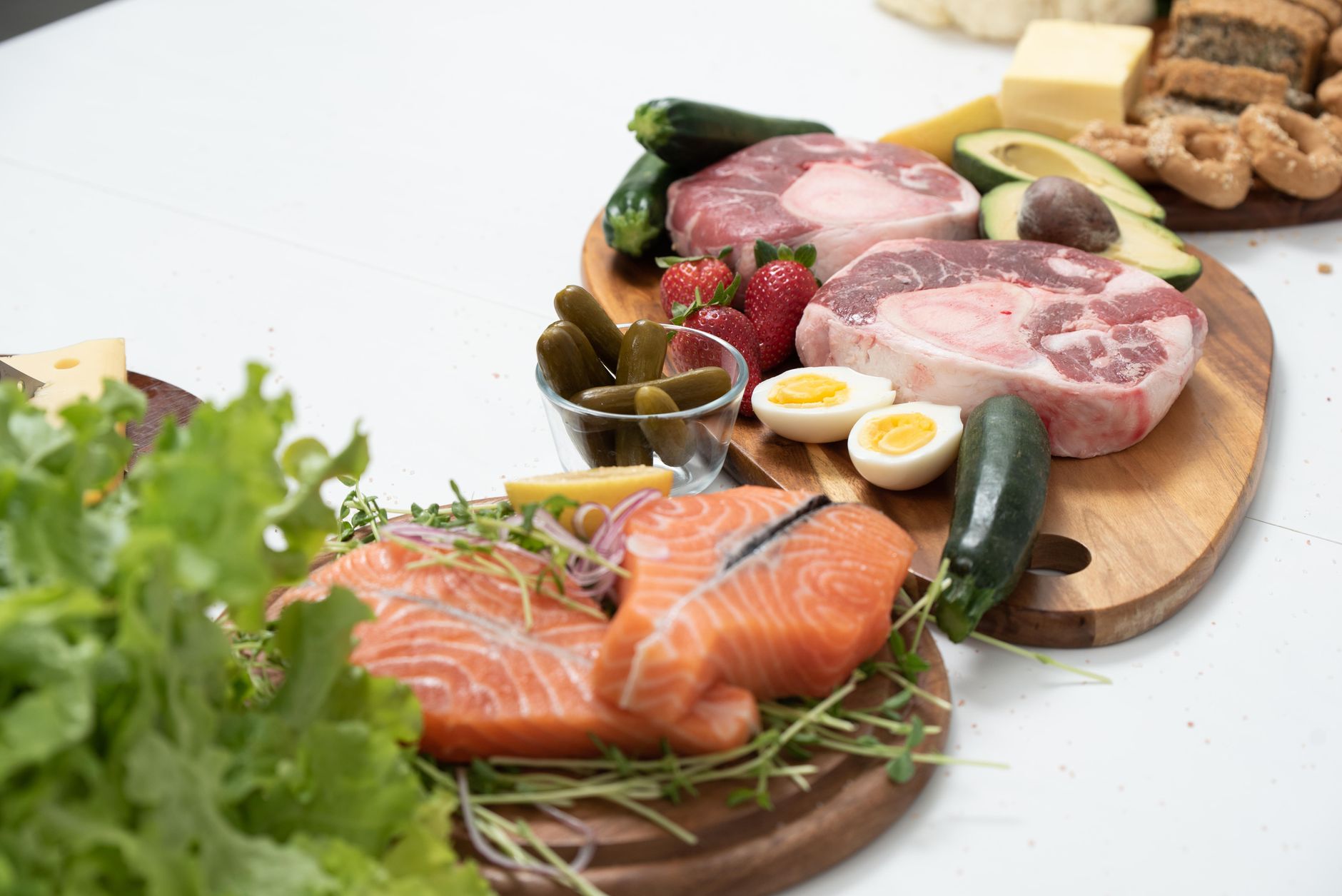
- Seafood (salmon, sardines, cod): Rich in omega-3s and selenium, which support thyroid function. Tip: Aim for 2–3 servings per week.
- Brazil nuts (1–2 per day): A single Brazil nut provides your daily selenium needs—critical for converting T4 to active T3.
- Leafy greens (kale, spinach, Swiss chard): Packed with magnesium and fiber to stabilize blood sugar and support digestion.
- Healthy fats (avocados, olive oil, nuts): Help your body absorb fat-soluble vitamins (like vitamin D) and keep you full.
- Fermented foods (sauerkraut, kimchi, kefir): Gut health is tied to thyroid function—aim for 1 cup daily.
- Protein-rich foods (eggs, chicken, tofu): Hypothyroidism can make protein digestion slower, so prioritize easy-to-digest sources.
Foods to limit or avoid:
- Processed sugars (soda, candy, pastries): Spike insulin and worsen inflammation, which can disrupt thyroid hormones.
- Gluten and soy (if sensitive): Can trigger autoimmune responses in Hashimoto’s patients. Try an elimination diet if you suspect intolerance.
- Excessive caffeine (more than 2 cups/day): Can interfere with levothyroxine absorption if taken within 30–60 minutes.
- Goitrogens (raw cruciferous veggies like broccoli, cabbage): Safe in cooked form, but raw can interfere with iodine absorption if you’re iodine-deficient.
Why this matters: Many women assume they need to starve themselves to lose weight with hypothyroidism, but that’s the opposite of what your thyroid needs. Instead, think of this diet as fueling your metabolism. For hyperthyroidism, the focus shifts to slowing the burn with steady, nutrient-dense meals to prevent muscle loss.
---
How to balance a thyroid-friendly diet for weight loss with hypothyroidism symptoms like fatigue
Let’s be real: hypothyroidism turns even the simplest tasks into marathons. Fatigue, brain fog, and cold hands make it feel like your body is running on a trickle of energy. So how do you eat for weight loss without feeling like you’re dragging a boulder up a hill?
The answer lies in three pillars:
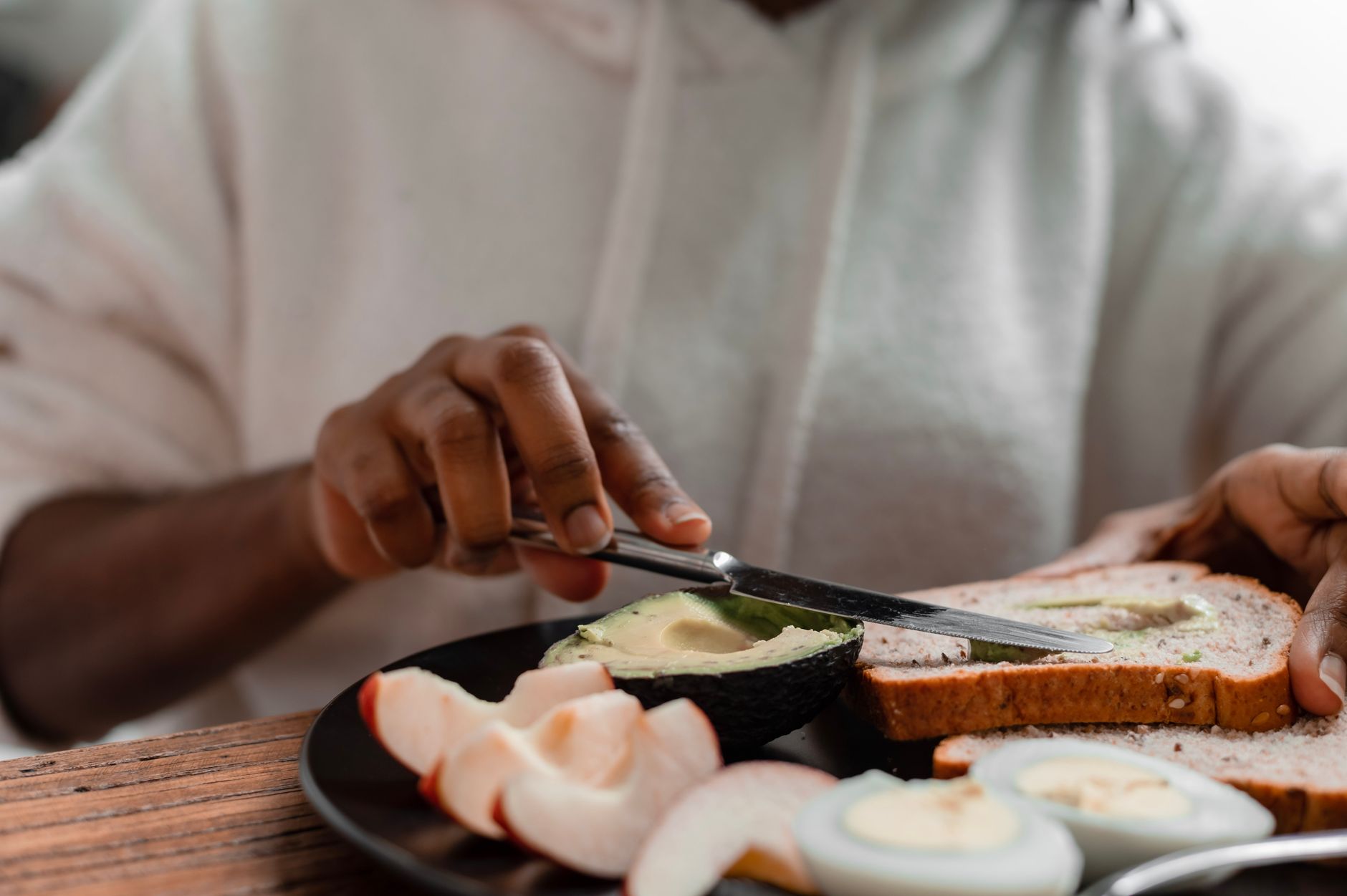
- Stabilize blood sugar to avoid energy crashes. Pair protein + fiber + healthy fats in every meal (e.g., eggs + avocado + spinach).
- Prioritize easy-to-digest proteins like poached eggs, baked chicken, or silken tofu to reduce digestive strain.
- Hydrate like it’s your job. Hypothyroidism can cause fluid retention, but dehydration worsens fatigue. Aim for 2–3L water daily, adding electrolytes if you’re prone to bloating.
One reader, Sarah (38, Hashimoto’s), shared: “I used to skip breakfast because I was ‘too tired,’ but now I eat a smoothie with almond butter, chia seeds, and spinach first thing. It’s the only way I have energy to move by noon.”
Sample anti-fatigue meal:
Morning: Scrambled eggs with sautéed mushrooms and a side of avocado toast (use gluten-free bread if sensitive).
Afternoon: Tuna salad (with olive oil mayo) wrapped in lettuce leaves with a handful of almonds.
Evening: Baked salmon with roasted sweet potatoes and steamed broccoli.
Pro tip: If you’re on levothyroxine, take it on an empty stomach (30–60 minutes before breakfast) and wait 3–4 hours before eating soy or calcium-rich foods (like milk or fortified orange juice), as they can reduce absorption.
---
Can you lose weight on a thyroid-friendly diet for weight loss if you have hyperthyroidism?
If your thyroid is overactive (hyperthyroidism), weight loss happens too fast—often without effort. While this might seem like a dream for the scale, it’s actually a red flag. Hyperthyroidism can lead to muscle loss, nutrient deficiencies, and even heart palpitations. The goal here isn’t just to lose weight, but to lose it safely while supporting your body’s recovery.
Here’s how to approach it:
- Increase protein and healthy fats to preserve muscle mass. Aim for 1.2–1.6g of protein per kg of body weight daily.
- Reduce caffeine and alcohol, which can worsen dehydration and heart palpitations.
- Focus on fiber-rich foods (like lentils, quinoa, and flaxseeds) to slow digestion and prevent rapid blood sugar spikes.
- Avoid crash diets. Rapid weight loss can strain your thyroid further. Aim for 0.5–1kg per week.
Sample hyperthyroidism-friendly meal:
Breakfast: Oatmeal with chia seeds, walnuts, and a drizzle of honey (low sugar, high fiber).
Lunch: Grilled chicken with quinoa and roasted Brussels sprouts.
Dinner: Lentil soup with a side of steamed carrots and a small portion of wild rice.
One reader, Emily (42, Graves’ disease), found that when she cut back on coffee and added more magnesium-rich foods (like pumpkin seeds), her anxiety and weight loss stabilized. “I thought I had to starve to lose weight, but my endocrinologist said my body was burning itself out. Now I eat more, but slower.”
---
What are the best thyroid-friendly snacks for weight loss that don’t spike blood sugar
Snacking on a thyroid-friendly diet isn’t about grazing mindlessly—it’s about choosing snacks that stabilize energy and support thyroid health. The best snacks are:
- Protein-packed (hard-boiled eggs, Greek yogurt, jerky).
- Healthy fats (avocado slices, nuts, hummus).
- Fiber-rich (veggie sticks with guacamole, apple slices with almond butter).
Top 5 thyroid-friendly snacks:
---
How to meal prep for a thyroid-friendly diet for weight loss on a tight schedule
Meal prepping with hypothyroidism can feel like a Herculean task—especially when fatigue makes even chopping veggies feel like a marathon. But the key is batch-cooking nutrient-dense meals that require minimal reheating. Here’s how:
- Cook proteins in bulk (chicken, turkey, tofu) and portion them into containers. Store in the fridge for up to 4 days or freeze for longer.
- Roast veggies in advance (broccoli, zucchini, bell peppers) and store in airtight containers. They reheat in 2 minutes!
- Pre-cut fruits and veggies for easy snacking (e.g., carrot sticks, bell pepper slices). Keep them in the fridge for grab-and-go options.
- Make overnight oats with chia seeds, almond butter, and berries for a no-cook breakfast.
- Use a slow cooker for soups and stews. Throw in lean protein, veggies, and broth in the morning, and dinner is ready by evening.
Sample meal prep plan:
Sunday:
- Bake 6 chicken breasts and portion into containers.
- Roast 4 cups of mixed veggies (broccoli, carrots, Brussels sprouts).
- Hard-boil 6 eggs.
- Prep overnight oats jars (½ cup oats + 1 tbsp chia seeds + 1 tbsp almond butter + 1 cup almond milk).
Weekdays:
- Grab prepped chicken + veggies for lunch.
- Snack on hard-boiled eggs or overnight oats.
- Reheat soups or stir-fry prepped veggies with fresh protein.
---
Does a thyroid-friendly diet for weight loss actually work for PCOS patients?
If you have both hypothyroidism and PCOS, you’re dealing with a double whammy: insulin resistance, hormonal imbalances, and a sluggish metabolism. The good news? A thyroid-friendly diet can help both conditions by:
- Reducing inflammation with anti-inflammatory foods (like fatty fish and leafy greens).
- Stabilizing blood sugar to combat insulin resistance (key for PCOS).
- Supporting liver detox with cruciferous veggies (cooked, not raw) to help with hormone balance.
Key adjustments for PCOS + hypothyroidism:
- Prioritize low-glycemic foods (sweet potatoes, quinoa, berries) to avoid blood sugar spikes.
- Add magnesium-rich foods (spinach, pumpkin seeds, dark chocolate) to support insulin sensitivity.
- Avoid dairy if sensitive, as it can worsen PCOS symptoms for some women.
Sample PCOS-friendly thyroid meal:
Breakfast: Chia pudding with almond milk, cinnamon, and berries.
Lunch: Grilled salmon with quinoa and roasted Brussels sprouts.
Dinner: Turkey chili with black beans and a side of steamed asparagus.
One reader, Priya (34, PCOS + Hashimoto’s), lost 12 lbs in 3 months by combining this diet with adenomyosis-friendly adjustments (like reducing nightshades). “I thought I’d have to choose between managing my thyroid and my PCOS, but this diet helped both.”
---
What supplements should you take alongside a thyroid-friendly diet for weight loss?
While food is your first line of defense, certain supplements can give your thyroid a boost—when needed. Always check with your endocrinologist before starting any new supplement, especially if you’re on thyroid medication.
Top thyroid-supporting supplements:
Supplements to avoid (or use cautiously):
- Excessive iodine (from supplements or seaweed) can worsen hyperthyroidism.
- High-dose vitamin A may interfere with thyroid function.
- Iron supplements (unless deficient) can worsen inflammation in Hashimoto’s.
---
How to transition from a standard diet to a thyroid-friendly diet for weight loss without feeling deprived
Switching to a thyroid-friendly diet can feel overwhelming—especially if you’re used to eating on the go or indulging in processed foods. The key is gradual changes and mindful swaps to avoid feeling like you’re missing out.
Step-by-step transition plan:
- Week 1: Swap one meal a day. Replace a sugary breakfast (like cereal) with eggs and avocado, or swap a fast-food lunch for a salad with grilled chicken.
- Week 2: Add a thyroid-supporting snack. Swap chips for Brazil nuts or yogurt, or add a side of veggies to your dinner.
- Week 3: Introduce fermented foods. Start with a small serving of sauerkraut or kefir daily to support gut health.
- Week 4: Meal prep basics. Cook proteins and veggies in advance to make healthy eating effortless.
Mindful swaps:
- Instead of white bread, try gluten-free or sourdough (if gluten-sensitive).
- Instead of soda, try sparkling water with lemon or herbal tea.
- Instead of fast food, try pre-made salads with grilled protein (check for added sugars).
- Instead of candy, try dark chocolate (85%+ cocoa) or a small handful of almonds.
What to do if you feel deprived:
- Allow one “flexible” meal per week (e.g., pizza night) to avoid burnout.
- Focus on how foods make you feel—not just what’s on the scale.
- Try new recipes to keep meals exciting (e.g., Thai coconut curry with chicken and veggies).
---
Best thyroid-friendly meal plan for weight loss with low T3 and T4 levels
If your thyroid lab results show low T3 and T4 (common in hypothyroidism), your body isn’t converting enough thyroid hormone. The goal is to support conversion with foods rich in selenium, zinc, and vitamin D. Below is a 7-day meal plan designed for steady weight loss (0.5–1kg per week) while nourishing your thyroid.
Day 1:
Breakfast: Scrambled eggs with sautéed spinach and avocado.
Snack: Greek yogurt with chia seeds and berries.
Lunch: Grilled salmon with quinoa and roasted Brussels sprouts.
Snack: Hard-boiled eggs with cucumber slices.
Dinner: Baked chicken with mashed cauliflower and steamed asparagus.
Day 2:
Breakfast: Overnight oats with almond butter, cinnamon, and walnuts.
Snack: Brazil nuts (2) and an apple.
Lunch: Turkey and avocado wrap (gluten-free tortilla) with side salad.
Snack: Hummus with carrot sticks.
Dinner: Lentil soup with a side of roasted sweet potatoes.
Grocery list (basic):
- Eggs
- Salmon or cod
- Chicken breast
- Quinoa or brown rice
- Leafy greens (spinach, kale)
- Avocados
- Brazil nuts
- Greek yogurt
- Lentils
- Sweet potatoes
- Berries
- Olive oil
Budget-friendly swaps:
- Use canned tuna instead of fresh salmon.
- Buy frozen veggies for soups and stir-fries.
- Opt for eggs over chicken for protein.
- Choose oats over quinoa for overnight meals.
---
How to lose belly fat specifically on a thyroid-friendly diet for weight loss
Belly fat is often the last to go—especially with hypothyroidism, where cortisol (stress hormone) can drive fat storage in the abdomen. To target it, focus on:
- Reducing cortisol with stress-management techniques (like deep breathing or yoga).
- Prioritizing protein to preserve muscle and boost metabolism.
- Avoiding liquid calories (soda, juice, alcohol) that contribute to belly fat.
- Incorporating strength training 2–3x per week to build muscle (muscle burns more calories at rest).
Sample belly-fat-burning meal:
Breakfast: Protein smoothie (almond milk, spinach, protein powder, almond butter).
Lunch: Grilled shrimp salad with olive oil dressing and mixed greens.
Dinner: Baked cod with roasted zucchini and quinoa.
Why this works: Protein and healthy fats keep you full, while strength training helps reshape your midsection. One reader, Lisa (45, hypothyroidism), lost 8 inches off her waist in 2 months by combining this diet with GERD-friendly adjustments (like avoiding spicy foods).
---
Thyroid-friendly diet for weight loss recipes that are easy to digest
If hypothyroidism has slowed your digestion, you need meals that are gentle but still satisfying. Here are three easy-to-digest, thyroid-friendly recipes:
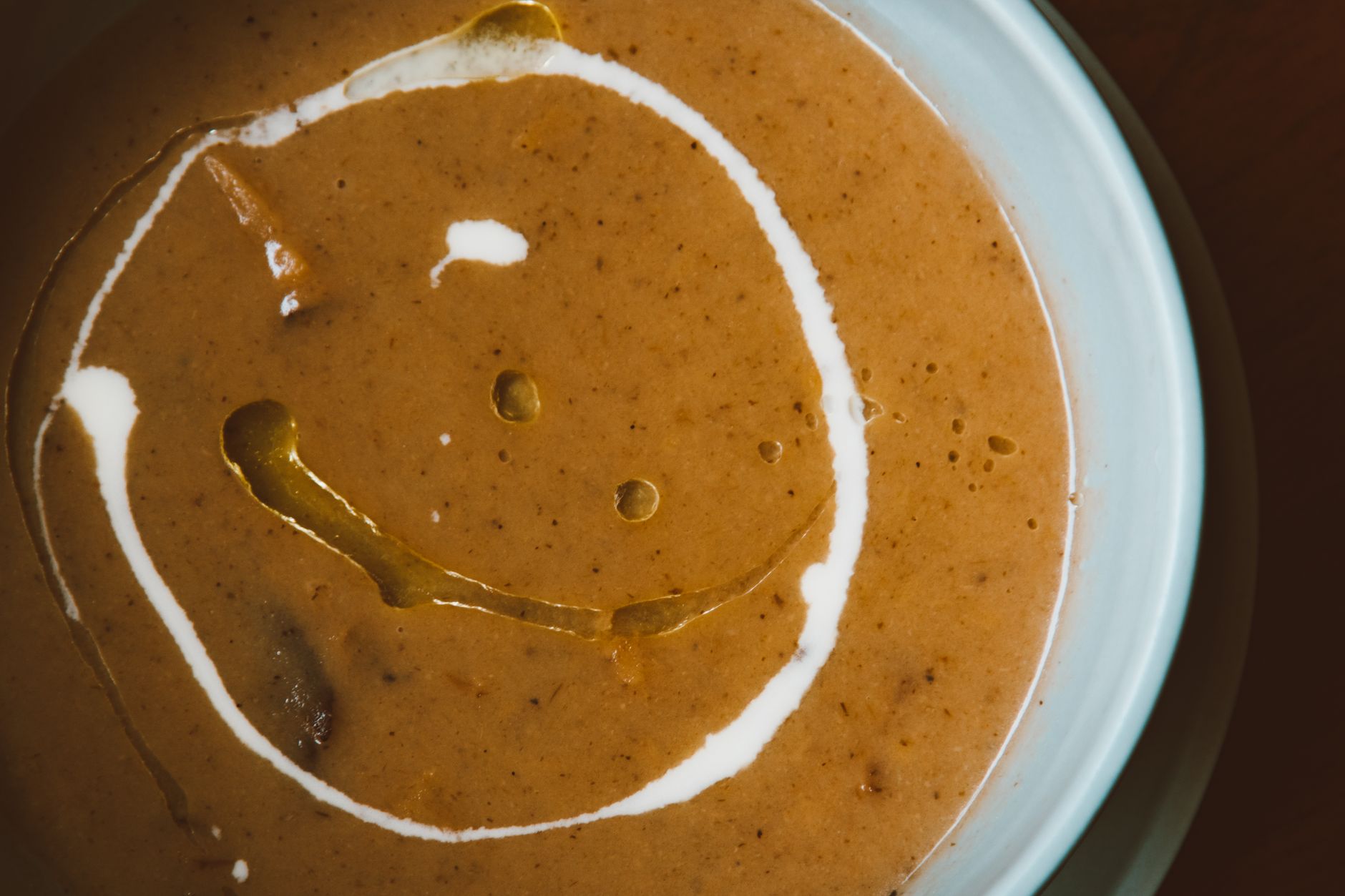
- Creamy butternut squash soup
Ingredients: 1 butternut squash (peeled and cubed), 1 onion, 2 garlic cloves, 4 cups vegetable broth, 1 tbsp olive oil, 1 tsp turmeric, salt to taste.
Instructions: Sauté onion and garlic in olive oil. Add squash, broth, and turmeric. Simmer for 20 minutes until soft. Blend until smooth. Serve with a drizzle of olive oil.
- Poached eggs with avocado
Ingredients: 2 eggs, 1 cup water, 1 tbsp apple cider vinegar, ½ avocado, salt to taste.
Instructions: Bring water and vinegar to a gentle simmer. Crack eggs into a small bowl, then slide them into the water. Poach for 3–4 minutes. Serve with sliced avocado.
- Baked salmon with lemon-dill sauce
Ingredients: 2 salmon fillets, 1 tbsp olive oil, 1 lemon (juiced), 2 tbsp fresh dill, 1 tsp honey, salt to taste.
Instructions: Preheat oven to 375°F (190°C). Place salmon on a baking sheet, drizzle with olive oil, lemon juice, and honey. Bake for 12–15 minutes. Top with chopped dill before serving.
---
Does a thyroid-friendly diet for weight loss help with thyroid nodules or goiter?
Thyroid nodules (lumps in the thyroid) and goiter (enlarged thyroid) are often caused by iodine deficiency or autoimmune thyroiditis. While diet alone won’t shrink nodules, it can help prevent further growth by:
- Ensuring adequate iodine intake (but not excess). Most women need 150 mcg/day from food.
- Reducing goitrogens (like raw cruciferous veggies) if you’re iodine-deficient.
- Supporting liver detox with cruciferous veggies (cooked) to help with hormone balance.
- Avoiding smoking and excessive alcohol, which can worsen thyroid inflammation.
What to eat:
- Iodine-rich foods: Seaweed (in moderation), iodized salt, dairy.
- Anti-inflammatory foods: Turmeric, ginger, fatty fish.
- Gut-supportive foods: Fermented foods, bone broth.
What to avoid:
- Excessive goitrogens (raw broccoli, cabbage) if iodine-deficient.
- High-sodium processed foods (can worsen fluid retention).
- Excessive caffeine (can interfere with thyroid function).
One reader, Karen (50, goiter), found that adding more selenium (from Brazil nuts) and reducing soy helped her goiter shrink slightly over 6 months. “I thought I had to live with it, but my endocrinologist said diet made a difference.” Always monitor nodules with your doctor—this diet supports, but doesn’t replace, medical evaluation.
---
Thyroid-friendly diet for weight loss vs. keto diet: which is better for hypothyroidism?
Many women with hypothyroidism wonder if keto is the answer—after all, low-carb diets can help with insulin resistance. But keto isn’t a one-size-fits-all solution for thyroid health. Here’s the breakdown:
Keto for hypothyroidism: pros and cons
Thyroid-friendly diet vs. keto: which wins?
For most women with hypothyroidism, a moderate-carb, nutrient-dense thyroid-friendly diet works better than strict keto. Why? Because keto can:
- Deplete selenium and zinc if you’re not eating enough nuts/seeds.
- Cause constipation (worse for hypothyroidism).
- Make it harder to absorb levothyroxine if taken without food.
If you’re curious about keto, try a modified approach:
- Prioritize healthy fats (avocado, olive oil, nuts) over processed oils.
- Include small amounts of carbs (sweet potatoes, berries) for energy.
- Take levothyroxine 30–60 minutes before breakfast (not with coffee or keto-friendly drinks).
- Supplement with selenium and zinc if you’re not eating enough nuts/seeds.
For hyperthyroidism, keto might help slow weight loss, but it’s risky without medical supervision. Read our full keto guide for thyroid-specific adjustments.
---
How to stay motivated with a thyroid-friendly diet for weight loss when progress is slow
Thyroid weight loss often moves at a glacial pace—and that can be demoralizing. The key is to focus on non-scale victories and adjust your mindset:
- Track energy levels, not just the scale. More energy to move? That’s progress.
- Celebrate small wins (e.g., “I meal prepped 3 days this week!”).
- Take progress photos (every 2




