you understand which chemicals to avoid, the next step is finding trusted brands that prioritize safety and effectiveness. The market for non-toxic cleaning products has expanded significantly, offering a wide array of choices for families seeking to minimize chemical exposure, especially important when you have little ones exploring every nook and cranny. When selecting products, look for transparency in ingredients, reputable certifications, and a commitment to plant-based or mineral-derived formulas.
One highly regarded brand is **Seventh Generation**. They offer a comprehensive line of household cleaners, laundry detergents, and dish soaps that are plant-based, biodegradable, and free from synthetic fragrances, dyes, and chlorine bleach. Their commitment to ingredient transparency is commendable, listing all components clearly on their labels. Many of their products are also USDA Certified Biobased.
**Branch Basics** is another excellent choice, particularly for those looking to simplify their cleaning routine. They offer a concentrate that can be diluted to create various cleaners – an all-purpose spray, streak-free window cleaner, bathroom cleaner, and even laundry detergent. Their formula is unscented, human-safe, and made with plant and mineral-based ingredients. This system reduces plastic waste and ensures you're using truly non-toxic ingredients throughout your home.
For a brand that's both effective and widely available, consider **ATTITUDE**. This Canadian brand focuses on products made with naturally derived ingredients, free of carcinogens, mutagens, and reproductive toxins. They are EWG Verified, vegan, and cruelty-free, offering everything from laundry detergent for newborns to bathroom cleaners and dish soaps. Their baby-specific line is particularly popular among new parents concerned about sensitive skin and respiratory health.
**Dr. Bronner's Sal Suds Biodegradable Cleaner** and their famous **Castile Soap** are incredibly versatile. Sal Suds is a concentrated, plant-based all-purpose cleaner that works wonderfully for dishes, floors, and general household cleaning. Dr. Bronner's Pure-Castile Soap, while not a dedicated "cleaning product" in the traditional sense, can be diluted for various uses, including hand soap, gentle surface cleaning, and even washing fruits and vegetables. Both are known for their minimal, natural ingredients and effectiveness.
**ECOS** is another strong contender, offering a range of plant-powered cleaners that are pH-balanced, readily biodegradable, and free from common allergens. They are certified by EPA Safer Choice and are known for their commitment to sustainable manufacturing practices, including carbon neutrality and water neutrality. Their laundry detergents and all-purpose cleaners are gentle yet effective.
When choosing a **safe laundry detergent for newborns**, look for options specifically formulated for sensitive skin, often labeled "free and clear" or "hypoallergenic." Brands like Seventh Generation Free & Clear, ATTITUDE Baby Laundry Detergent, or Molly's Suds are excellent choices. These typically avoid dyes, synthetic fragrances, optical brighteners, and harsh surfactants that can irritate a baby's delicate skin or respiratory system. Remember that even some "natural" brands might contain essential oils, which some parents prefer to avoid for newborns.
Ultimately, the "best" brand often comes down to personal preference and what works for your home. We recommend trying a few different options to see what you like, always prioritizing transparency in ingredients and reputable third-party certifications.
How to Make Effective DIY Natural Cleaners with Household Ingredients
Creating your own cleaning products at home is a fantastic way to ensure you're using truly non-toxic ingredients, save money, and reduce plastic waste. Many common household items like vinegar, baking soda, lemon juice, and hydrogen peroxide are surprisingly powerful cleaners and disinfectants when used correctly. The key is understanding their properties and how to combine them safely for different tasks.
**All-Purpose Cleaner:**
This is perhaps the simplest and most versatile DIY cleaner.
* **Ingredients:** 1 part distilled white vinegar, 1 part water.
* **Optional:** A few drops of essential oil (like lemon or tea tree, used cautiously if pregnant and always diluted).
* **Instructions:** Combine equal parts vinegar and water in a spray bottle. Shake gently.
* **Use:** Spray on countertops, sinks, floors, and other non-porous surfaces. Wipe with a clean cloth. The vinegar smell dissipates quickly as it dries.
* **Effectiveness:** Vinegar is a mild acid that can dissolve grease, grime, and mineral deposits. It’s also effective at killing many types of bacteria and viruses.
**Non-Toxic Window Cleaner Recipe:**
Forget the ammonia-based sprays; this recipe leaves windows sparkling without streaks.
* **Ingredients:** 1/2 cup distilled white vinegar, 1/2 cup water, 2 drops of liquid dish soap (a natural, unscented variety).
* **Instructions:** Mix ingredients in a spray bottle.
* **Use:** Spray on windows, mirrors, and glass surfaces. Wipe with a clean microfiber cloth or crumpled newspaper for a streak-free shine.
**Natural Ways to Disinfect Surfaces Without Bleach:**
While vinegar is great for general cleaning, for more robust disinfection, especially in kitchens and bathrooms, you have other natural options.
* **Hydrogen Peroxide:** A 3% hydrogen peroxide solution (the common drugstore variety) is an excellent disinfectant. Spray it directly onto surfaces, let it sit for 5-10 minutes, then wipe clean. It works by releasing oxygen, which helps to kill bacteria, viruses, and mold. Do not mix hydrogen peroxide with vinegar in the same bottle, as it can create peracetic acid, which is corrosive. Instead, use them sequentially if desired (e.g., clean with vinegar, then disinfect with hydrogen peroxide).
* **Rubbing Alcohol (Isopropyl Alcohol):** A solution of 70% isopropyl alcohol is an effective disinfectant. Spray on surfaces and allow to air dry. It evaporates quickly, killing germs as it does.
* **Steam Cleaners:** High-temperature steam can effectively kill bacteria, viruses, and dust mites on various surfaces without any chemicals. This is particularly useful for floors, sealed tile, and even upholstery.
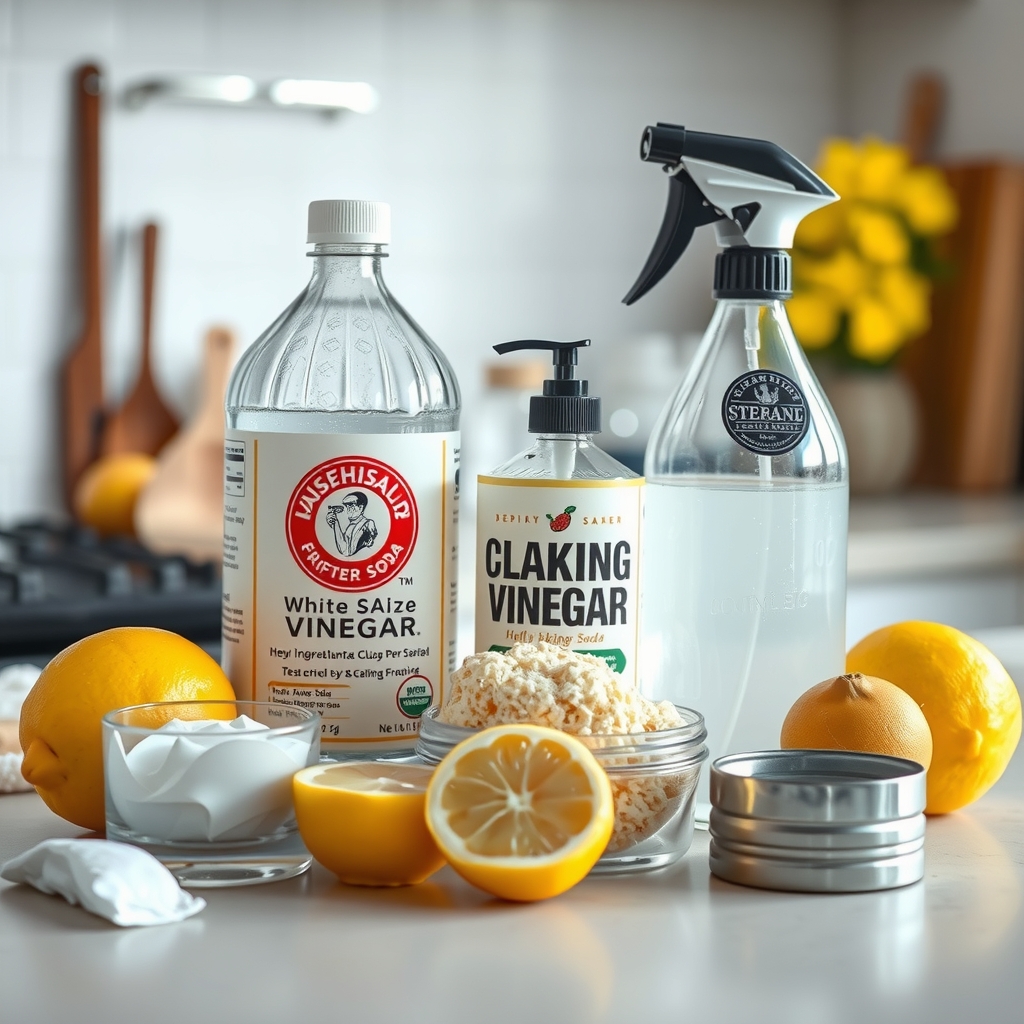 **Baking Soda Scrub:**
For abrasive cleaning, baking soda is your go-to.
* **Ingredients:** 1/2 cup baking soda, enough water to form a paste.
* **Optional:** A few drops of natural dish soap for extra degreasing.
* **Instructions:** Mix baking soda with a small amount of water to create a thick paste.
* **Use:** Apply to sinks, tubs, tiles, and even stubborn food stains on cookware. Scrub with a sponge or brush, then rinse thoroughly.
* **Effectiveness:** Baking soda is a mild abrasive that gently scrubs away grime and acts as a natural deodorizer.
**Are Vinegar and Baking Soda Safe for All Surfaces?**
While incredibly versatile, vinegar and baking soda are not suitable for *all* surfaces.
* **Vinegar:** Avoid using vinegar on natural stone surfaces like granite, marble, or travertine. Its acidity can etch and dull the stone, damaging the sealant and making it more porous. It should also be used cautiously on hardwood floors, as prolonged exposure can damage finishes (opt for diluted solutions and wipe quickly).
* **Baking Soda:** Generally safe, but its abrasive nature means it shouldn't be used on very delicate or easily scratched surfaces, like certain types of stainless steel or highly polished finishes, without testing in an inconspicuous area first.
**How to Store Homemade Cleaning Solutions Safely:**
* **Label Clearly:** Always label your bottles with the contents and date made.
* **Appropriate Containers:** Use dark glass bottles for solutions containing essential oils (to prevent degradation) or hydrogen peroxide (which degrades in light). Plastic spray bottles are fine for vinegar/water solutions.
* **Child-Proof:** Store all homemade cleaners out of reach of children and pets, just as you would with commercial cleaners. Even natural ingredients can be harmful if ingested in large quantities.
* **Freshness:** DIY cleaners don't contain preservatives, so they're best used within a few weeks to a couple of months. Solutions containing water can grow bacteria over time. For example, hydrogen peroxide should be stored in its original opaque bottle.
By incorporating these simple DIY recipes, you can take significant steps toward a healthier, chemical-free home environment, especially vital when preparing for or raising young children.
**Baking Soda Scrub:**
For abrasive cleaning, baking soda is your go-to.
* **Ingredients:** 1/2 cup baking soda, enough water to form a paste.
* **Optional:** A few drops of natural dish soap for extra degreasing.
* **Instructions:** Mix baking soda with a small amount of water to create a thick paste.
* **Use:** Apply to sinks, tubs, tiles, and even stubborn food stains on cookware. Scrub with a sponge or brush, then rinse thoroughly.
* **Effectiveness:** Baking soda is a mild abrasive that gently scrubs away grime and acts as a natural deodorizer.
**Are Vinegar and Baking Soda Safe for All Surfaces?**
While incredibly versatile, vinegar and baking soda are not suitable for *all* surfaces.
* **Vinegar:** Avoid using vinegar on natural stone surfaces like granite, marble, or travertine. Its acidity can etch and dull the stone, damaging the sealant and making it more porous. It should also be used cautiously on hardwood floors, as prolonged exposure can damage finishes (opt for diluted solutions and wipe quickly).
* **Baking Soda:** Generally safe, but its abrasive nature means it shouldn't be used on very delicate or easily scratched surfaces, like certain types of stainless steel or highly polished finishes, without testing in an inconspicuous area first.
**How to Store Homemade Cleaning Solutions Safely:**
* **Label Clearly:** Always label your bottles with the contents and date made.
* **Appropriate Containers:** Use dark glass bottles for solutions containing essential oils (to prevent degradation) or hydrogen peroxide (which degrades in light). Plastic spray bottles are fine for vinegar/water solutions.
* **Child-Proof:** Store all homemade cleaners out of reach of children and pets, just as you would with commercial cleaners. Even natural ingredients can be harmful if ingested in large quantities.
* **Freshness:** DIY cleaners don't contain preservatives, so they're best used within a few weeks to a couple of months. Solutions containing water can grow bacteria over time. For example, hydrogen peroxide should be stored in its original opaque bottle.
By incorporating these simple DIY recipes, you can take significant steps toward a healthier, chemical-free home environment, especially vital when preparing for or raising young children.
Decoding Cleaning Product Labels: What Ingredients Are Truly Safe?
Navigating the world of cleaning product labels can feel like trying to solve a complex puzzle, especially when terms like "natural," "eco-friendly," and "non-toxic" are thrown around without clear definitions. This is where understanding what to look for – and what to avoid – becomes your superpower. The key to truly safe products lies in transparency and reputable third-party certifications.
First, let's address the term "fragrance." As discussed earlier, this single word can hide hundreds of chemicals, including phthalates, which are known endocrine disruptors. When you see "fragrance" on an ingredient list without further clarification, assume it contains undisclosed chemicals. Look for products that explicitly state "fragrance-free," "unscented," or list specific essential oils if they use them (though caution is still advised with essential oils during pregnancy).
Next, be wary of "greenwashing." This is when companies use marketing tactics to make their products seem environmentally friendly or natural, without actually being so. Phrases like "earth-friendly" or "plant-based" might sound good, but without a detailed ingredient list or certification, they can be misleading. Always look beyond the marketing claims to the actual ingredients.
**What to Look For: Truly Safe Ingredients**
When reading labels, prioritize products with simple, recognizable ingredients. Here's a general guide:
* **Plant-based surfactants:** These are cleaning agents derived from plants (like coconut or corn) rather than petroleum. Look for names like decyl glucoside, lauryl glucoside, or coco-glucoside.
* **Mineral-derived ingredients:** Sodium carbonate (washing soda), sodium bicarbonate (baking soda), sodium percarbonate (oxygen bleach alternative), and citric acid are generally safe and effective.
* **Essential oils (with caution):** If a product uses essential oils for scent, ensure they are clearly listed. During pregnancy, it's often best to opt for unscented products or those with very mild, well-researched essential oils used in minimal concentrations.
* **Preservatives:** Even natural products need preservatives to prevent bacterial growth. Look for safer options like sodium benzoate or potassium sorbate, rather than parabens or formaldehyde-releasing agents.
**Understanding Certifications:**
Third-party certifications are your best friend in decoding labels, as they indicate that a product has met specific health and environmental standards set by an independent organization.
* **EPA Safer Choice:** This label (a blue and green logo with a checkmark) means the U.S. Environmental Protection Agency has vetted every ingredient in the product for human health and environmental safety. Products with this label contain ingredients that perform well and are safer for human health and the environment. This is one of the most reliable certifications in the US.
* **EWG Verified:** The Environmental Working Group (EWG) is a non-profit organization that rates products based on their potential health concerns. An "EWG Verified" mark means the product meets their strictest health standards, is free of their chemicals of concern, and provides full transparency on ingredients.
* **Green Seal:** This certification indicates that a product meets rigorous criteria for health, sustainability, and performance. It covers a broad range of products, including institutional and industrial cleaners.
* **Ecologo/UL Ecologo:** Similar to Green Seal, Ecologo certifies products and services that meet environmental performance standards.
* **USDA Certified Biobased Product:** This label indicates that a product is composed, in whole or in significant part, of biological products or renewable domestic agricultural materials. While it speaks to renewability, it doesn't always directly address toxicity, so it's best paired with other certifications.
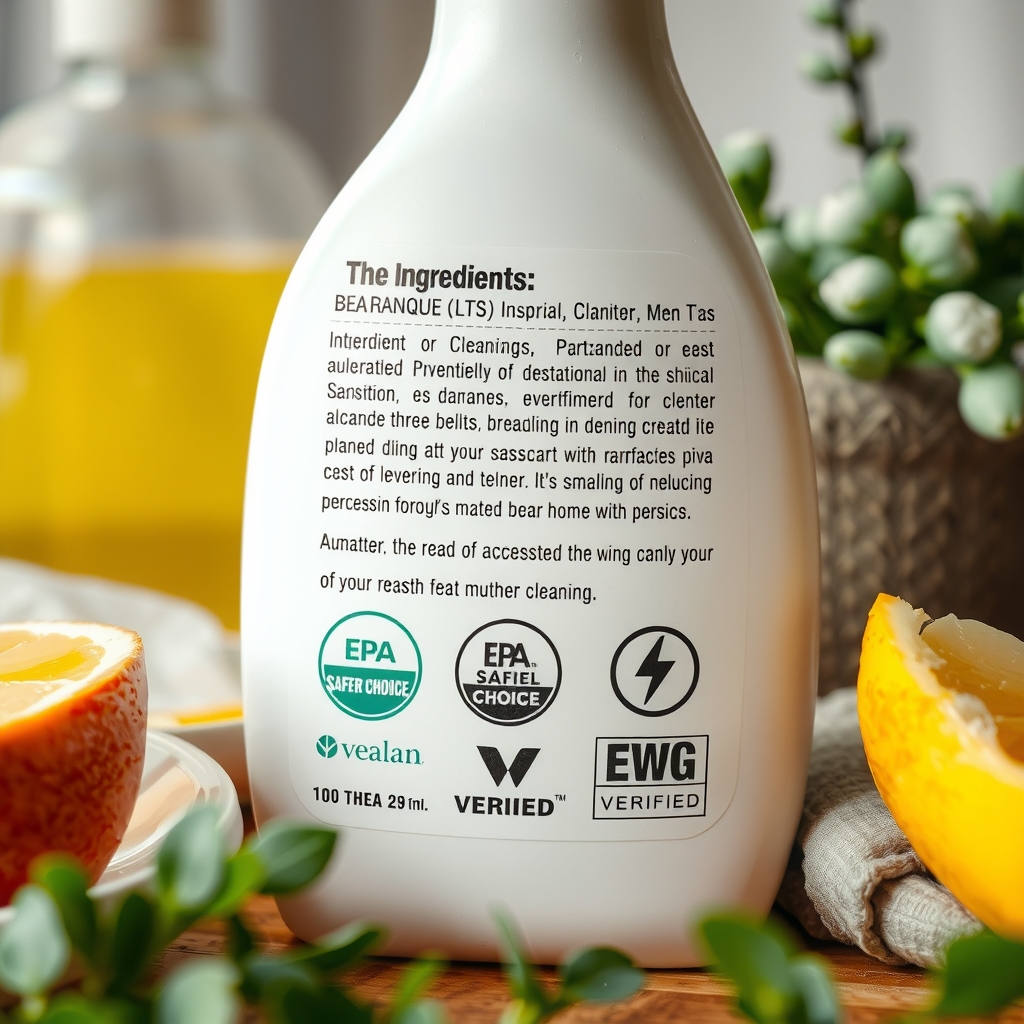 By looking for these certifications and scrutinizing ingredient lists for common offenders, you can make more informed choices. Remember that even with certified products, always follow usage instructions, ensure good ventilation, and store them safely away from children and pets. This diligence is particularly valuable when considering a clean home swap for kids, ensuring every product contributes to a truly healthy environment.
Is Switching to Green Cleaning Products Actually More Expensive?
One of the most common concerns women have when considering a switch to green cleaning products is the potential impact on their budget. The perception is often that "natural" or "eco-friendly" automatically equates to "expensive." While some specialty non-toxic brands might carry a higher price tag initially, a closer look reveals that swapping cleaning products safer doesn't necessarily have to break the bank. In fact, it can often lead to long-term savings.
Here’s a breakdown of the cost considerations:
**The DIY Advantage:**
Making your own cleaners with ingredients like white vinegar, baking soda, lemon juice, and hydrogen peroxide is by far the most cost-effective approach. These staples are inexpensive, readily available, and incredibly versatile. A large jug of vinegar can cost just a few dollars and last for months, replacing multiple specialized cleaners. Similarly, a box of baking soda is pennies and serves as a powerful scrub and deodorizer. When you consider the cost per use, DIY cleaners are almost always cheaper than even the most budget-friendly conventional options.
**The Concentrate Benefit:**
Many reputable non-toxic brands sell highly concentrated formulas. While the initial bottle might seem more expensive, you dilute it with water at home, meaning one bottle can make several spray bottles of cleaner. This dramatically reduces the cost per use and also cuts down on plastic packaging waste. Brands like Branch Basics, Dr. Bronner's, and even some Seventh Generation products offer concentrates that stretch your dollar further.
**Long-Term Health Savings:**
This is perhaps the most significant, though less tangible, cost-saving aspect. Reducing your family's exposure to harsh chemicals can potentially lead to fewer instances of allergies, asthma flare-ups, skin sensitivities, and other health issues linked to chemical exposure. While it's hard to put a precise number on preventing future health problems, investing in a healthier home environment can be seen as a long-term investment in your family's well-being, potentially reducing medical expenses down the line.
In summary, while some "green" products might appear more expensive at first glance, strategic choices – particularly embracing DIY solutions and purchasing concentrates – can make swapping cleaning products safer an affordable, even money-saving, endeavor. It requires a shift in mindset and perhaps a bit more upfront planning, but the financial and health benefits are well worth it.
Simple Strategies for Gradually Replacing Toxic Cleaners in Your Home
The idea of overhauling your entire cleaning cabinet overnight can feel overwhelming, especially when you're busy juggling family life. The good news is that you don't have to do it all at once. A gradual, strategic approach to swapping cleaning products safer is often the most sustainable and stress-free way to transition to a healthier home. Think of it as a marathon, not a sprint.
**1. Start with the "Empty and Replace" Method:**
Don't throw out perfectly good conventional cleaners if you’ve just bought them. Instead, commit to replacing each product with a non-toxic alternative only when the old one runs out. This prevents waste and allows you to integrate new products into your routine one by one. For example, when your all-purpose cleaner is empty, replace it with a DIY vinegar-based spray or a certified non-toxic brand. When your toilet bowl cleaner runs out, try a baking soda and vinegar scrub instead.
**2. Prioritize High-Use and High-Exposure Areas:**
Focus your initial efforts on the products you use most frequently or in areas where exposure is highest.
* **All-Purpose Cleaner:** This is often the first and most impactful swap, as it's used on many surfaces.
* **Dish Soap:** You're directly handling this, and residue can remain on dishes.
* **Laundry Detergent:** Your clothes are in constant contact with your skin, making this a crucial swap, especially with a clean home swap for kids in mind.
* **Bathroom Cleaners:** Often contain harsh chemicals like bleach or strong acids.
* **Air Fresheners:** These are notorious for releasing VOCs and synthetic fragrances directly into the air you breathe. Consider swapping them for open windows, essential oil diffusers (used cautiously and with good ventilation), or even simmering citrus peels and spices on the stove.
**3. Embrace DIY for the Basics:**
As we discussed, simple ingredients like vinegar, baking soda, and lemon juice can replace a surprising number of commercial cleaners. Start by mastering one or two DIY recipes, like the all-purpose spray or the baking soda scrub. This builds confidence and significantly reduces your reliance on store-bought chemical-laden products. Keep a small supply of these basic ingredients readily available.
**4. Educate Yourself (One Label at a Time):**
When you are ready to buy a new product, take an extra minute to read the label. Look for the certifications we discussed (EPA Safer Choice, EWG Verified) and try to identify any concerning ingredients. You don't need to become a chemist overnight, but familiarizing yourself with a few key toxins (like "fragrance" for phthalates, or "ammonia") will empower your choices.
**5. Improve Ventilation:**
Even with safer products, good ventilation is always a smart practice. When cleaning, open windows and doors, or use exhaust fans. This helps to dissipate any airborne particles or fumes, whether from natural or conventional cleaners.
**6. Store Safely and Smartly:**
Keep all cleaning products, whether conventional or natural, out of reach of children and pets. Consider a high cabinet with a childproof lock. Also, if you’re still using some conventional cleaners, store them separately from your non-toxic options to avoid any accidental mixing of chemicals.
By adopting these strategies, you can gradually and confidently transform your home into a healthier, less chemically-laden environment without feeling overwhelmed. Each small swap contributes to a significant positive change for your family's well-being.
Health Benefits of Using Eco-Friendly Cleaning Supplies for Maternal Health
Making the switch to eco-friendly cleaning supplies isn't just about sparkling surfaces; it's a profound investment in your family's health, with particular benefits for maternal well-being. During pregnancy and postpartum, a woman’s body is already undergoing immense changes and stresses, making her more susceptible to environmental toxins. Reducing exposure to harsh chemicals in cleaning products can offer a range of protective advantages.
**Reduced Respiratory Irritation:**
Many conventional cleaning products emit Volatile Organic Compounds (VOCs) and other irritants that can trigger or worsen respiratory issues like asthma, allergies, or chemical sensitivities. Pregnant women often experience increased nasal congestion and shortness of breath due to hormonal changes, making them more vulnerable to these airborne irritants. Using eco-friendly alternatives, which are typically low-VOC or fragrance-free, can significantly alleviate respiratory discomfort, reduce coughing, and create an easier breathing environment. This is particularly important as a sensitive respiratory system might also affect sleep quality, which is already a challenge for many pregnant women and new mothers.
**Lowered Risk of Endocrine Disruption:**
A major concern with conventional cleaners is the presence of endocrine-disrupting chemicals (EDCs) like phthalates, parabens, and triclosan. These chemicals can mimic or interfere with the body's natural hormones, which play critical roles in reproductive health, metabolism, and fetal development. During pregnancy, a stable hormonal environment is paramount for the healthy growth of the baby. By opting for eco-friendly products that are free from EDCs, expectant mothers can reduce their exposure and potentially lower the risk of adverse reproductive and developmental outcomes for their child, as well as protect their own hormonal balance postpartum.
**Decreased Skin Sensitivities and Allergies:**
Contact with harsh cleaning chemicals can lead to skin irritation, dryness, and allergic reactions, especially for individuals with sensitive skin or conditions like eczema. Pregnancy can sometimes exacerbate skin sensitivities. Eco-friendly cleaners often use gentler, plant-derived ingredients that are less likely to strip natural oils or cause allergic responses. This means less discomfort for the mother, and also reduces the risk of transferring irritants to a newborn through touch.
**Improved Indoor Air Quality:**
Conventional cleaning products are a significant source of indoor air pollution. The fumes and residues can linger in the air for hours after cleaning, creating a less than ideal environment for breathing. Switching to eco-friendly options dramatically improves indoor air quality by minimizing the release of harmful chemicals. This cleaner air benefits everyone in the household but is especially crucial for pregnant women and infants, whose developing lungs and immune systems are more vulnerable to pollutants. Better air quality can also contribute to a sense of overall well-being and might even indirectly support better sleep.
**Peace of Mind:**
Beyond the physiological benefits, there's a significant psychological advantage to knowing you're creating a safer home environment. The anxiety surrounding chemical exposure can be a real burden for expectant and new mothers. Choosing eco-friendly cleaners provides peace of mind, allowing you to focus your energy on your health and your growing family, rather than worrying about the hidden dangers in your cleaning cabinet. This reduction in stress is, in itself, a powerful health benefit. When you prioritize a healthy home, you're not just cleaning, you're nurturing a safe sanctuary. This holistic approach extends to other areas of home safety, such as understanding if aquarium water cleaning is safe during pregnancy, ensuring all aspects of your home environment are considered.
Common Misconceptions About Natural Cleaning Products Debunked
When you consider swapping cleaning products safer, you might encounter a few myths or misconceptions that could make you hesitate. Let's debunk some of the most common ones to give you confidence in your choices.
Myth vs. Fact
Myth: Natural cleaning products aren't as effective as conventional ones.
Fact: This is a common and often unfounded concern. Many eco-friendly and DIY cleaning solutions are incredibly effective. Vinegar, for example, is a powerful degreaser and mild disinfectant. Baking soda excels at scrubbing and deodorizing. Hydrogen peroxide is a proven disinfectant. While they might not foam up as much or have the same strong chemical scent, their cleaning power for everyday grime and germs is often comparable, if not superior, without the associated health risks. The key is understanding which natural ingredient works best for each task.
Myth: "Natural" always means "safe."
Fact: While generally a better starting point, the term "natural" is not regulated and can be misleading. Some natural ingredients, like certain essential oils, can still be irritants or allergens for some individuals, especially if used in high concentrations or without proper ventilation (and some essential oils are not recommended during pregnancy). Always look beyond the "natural" label to the full ingredient list and, ideally, for third-party certifications like EPA Safer Choice or EWG Verified, which provide a more rigorous assessment of safety.
Myth: You need harsh chemicals like bleach to properly disinfect your home.
Fact: Bleach is a powerful disinfectant, but it's far from the only effective option. For routine disinfection, especially in homes with pregnant women or young children, alternatives like 3% hydrogen peroxide, 70% isopropyl alcohol, or even high-temperature steam cleaners can effectively kill bacteria and viruses without the harsh fumes and risks associated with bleach. Regular cleaning with soap and water also significantly reduces germ counts. For surfaces that are not visibly soiled, a simple wipe down with a disinfectant spray that lists its active ingredients and has a short contact time can be very effective.
Myth: Making your own cleaners is too complicated and time-consuming.
Fact: While it might seem daunting at first, making your own basic cleaners is incredibly simple and quick. An all-purpose spray of vinegar and water takes less than a minute to mix. A baking soda paste for scrubbing is equally fast. Once you have the basic ingredients on hand, the process becomes second nature. Plus, you save time by not having to decipher confusing labels in the store. Many people find the process empowering and even a little therapeutic.
Myth: Eco-friendly cleaners are bad for septic systems.
Fact: On the contrary, most genuinely eco-friendly and plant-based cleaners are biodegradable and much better for septic systems than conventional cleaners. Harsh chemicals like bleach, antibacterial agents (triclosan), and strong acids or alkalis can disrupt the delicate balance of bacteria in a septic tank, which are essential for breaking down waste. Opting for biodegradable, phosphate-free cleaners helps maintain a healthy septic system.
Key Takeaways
- Prioritize swapping cleaning products for safer alternatives, especially if pregnant or with young children, to reduce exposure to harmful chemicals.
- Avoid key toxins like phthalates (often in "fragrance"), ammonia, bleach, and high VOCs, which can impact respiratory health and hormone function.
- Look for certified non-toxic brands (e.g., Seventh Generation, Branch Basics, ATTITUDE, ECOS) or embrace effective DIY cleaners using vinegar, baking soda, and hydrogen peroxide.
- Decipher labels by looking for third-party certifications like EPA Safer Choice and EWG Verified, and scrutinize ingredient lists for transparency.
- Implement a gradual transition strategy, replacing products as they run out, starting with high-use items, and embracing simple DIY recipes.
- Enjoy significant health benefits, including reduced respiratory irritation, lower risk of endocrine disruption, fewer skin sensitivities, and improved indoor air quality.
- Don't fall for common myths; natural cleaners are effective, can be cost-effective, and don't require harsh chemicals for disinfection.
Frequently Asked Questions
What cleaning products are safe to use while pregnant?
When pregnant, prioritize cleaning products labeled "fragrance-free" or "unscented," and those with third-party certifications like EPA Safer Choice or EWG Verified. Look for plant-based or mineral-derived ingredients. Safe options include diluted white vinegar, baking soda, hydrogen peroxide (3%), and reputable brands like Seventh Generation, Branch Basics, or ATTITUDE, which provide transparent ingredient lists and avoid known toxins. Always ensure good ventilation during cleaning.
Which cleaning chemicals should be avoided during pregnancy?
During pregnancy, it's best to avoid cleaning chemicals known to be irritants or endocrine disruptors. Key chemicals to steer clear of include phthalates (often hidden in "fragrance"), ammonia, chlorine bleach (sodium hypochlorite), and high concentrations of Volatile Organic Compounds (VOCs) like formaldehyde. Also, be cautious with parabens and triclosan. These can impact respiratory health, skin sensitivity, and potentially interfere with hormonal balance crucial for fetal development.
Are natural cleaning products truly effective?
Yes, natural cleaning products can be highly effective for most household cleaning tasks. Ingredients like white vinegar cut through grease and grime and act as a mild disinfectant. Baking soda is an excellent abrasive scrub and deodorizer. Hydrogen peroxide at 3% concentration is a reliable disinfectant. While they may not produce the same suds or strong scents as conventional cleaners, they deliver comparable cleanliness without the associated health risks.
What are the best non-toxic all-purpose cleaners?
For non-toxic all-purpose cleaning, you have several excellent options. You can easily make your own by mixing equal parts white vinegar and water in a spray bottle. For store-bought options, highly-rated brands include Branch Basics (a concentrate that makes various cleaners), Seventh Generation Disinfecting Multi-Surface Cleaner, and ATTITUDE All-Purpose Cleaner, all of which prioritize plant-based ingredients and avoid harsh chemicals.
How do I start switching to safer cleaning products?
Begin by adopting a gradual approach. Don't feel pressured to replace everything at once. Instead, as your conventional cleaning products run out, replace them with a safer alternative – either a certified non-toxic brand or a simple DIY solution. Prioritize high-use items like your all-purpose cleaner, dish soap, and laundry detergent first. Educate yourself on ingredient labels and look for third-party certifications to guide your choices.
Can cleaning products affect fertility or pregnancy?
Yes, exposure to certain chemicals in cleaning products can potentially affect fertility and pregnancy outcomes. Endocrine-disrupting chemicals (EDCs) like phthalates and parabens, often found in conventional cleaners and fragrances, can interfere with hormone function, which is critical for both conception and healthy fetal development. Strong irritants and VOCs can also contribute to poorer maternal health, which indirectly impacts pregnancy. Reducing exposure is a proactive step for reproductive health.
When to See a Doctor or Specialist
While swapping to safer cleaning products is a proactive health measure, it's important to recognize when symptoms might warrant medical attention. If you experience persistent or severe respiratory symptoms (like wheezing, severe coughing, or shortness of breath), skin rashes, headaches, nausea, or dizziness that you suspect are related to chemical exposure, especially during pregnancy, you should contact your healthcare provider. Your OB/GYN can assess how your symptoms might relate to chemical exposure and provide guidance. If symptoms are acute or severe after exposure to a specific chemical, seek immediate medical care. This article provides general information and is not a substitute for personalized medical advice from a qualified healthcare professional.
References
- Environmental Working Group (EWG). (n.d.). EWG's Guide to Healthy Cleaning. Retrieved from https://www.ewg.org/guides/cleaners/
- U.S. Environmental Protection Agency (EPA). (n.d.). Safer Choice Program. Retrieved from https://www.epa.gov/saferchoice
- American College of Obstetricians and Gynecologists (ACOG). (n.d.). Environmental Health. Retrieved from https://www.acog.org/clinical-information/policy-and-management/environmental-health
- National Institute of Environmental Health Sciences (NIEHS). (n.d.). Endocrine Disruptors. Retrieved from https://www.niehs.nih.gov/health/topics/agents/endocrine/index.cfm
- Centers for Disease Control and Prevention (CDC). (n.d.). Indoor Air Quality. Retrieved from https://www.cdc.gov/nceh/airpollution/indoor_air.htm
- World Health Organization (WHO). (n.d.). Chemical Safety. Retrieved from https://www.who.int/health-topics/chemical-safety
- Goodman, L. C., & Gordon, C. (2019). Green Cleaning: What's in your Cleaning Products?. Current Environmental Health Reports, 6(4), 218-226.
- Zota, A. R., & Shamasunder, B. (2017). The Environmental Injustice of Beauty: Framing Chemical Exposures in a Globalized World. Environmental Health Perspectives, 125(8), 084001.


 **Volatile Organic Compounds (VOCs)** are a broad category of chemicals that evaporate easily at room temperature, releasing gases into the air. Many cleaning products, air fresheners, and even new furniture can off-gas VOCs. Common VOCs in cleaners include formaldehyde, benzene, and toluene. Short-term exposure can cause headaches, nausea, and dizziness, while long-term exposure is linked to more serious health problems, including respiratory issues and certain cancers. During pregnancy, minimizing VOC exposure is essential for fetal development. Look for low-VOC or no-VOC certified products.
Other chemicals to be wary of include **parabens**, often used as preservatives in personal care and cleaning products, which are also endocrine disruptors. **Triclosan**, an antibacterial agent once common in soaps and some cleaners, has been linked to antibiotic resistance and hormone disruption and is increasingly being phased out. Even seemingly innocuous ingredients like **2-Butoxyethanol**, found in some window and all-purpose cleaners, can be absorbed through the skin and cause irritation or more systemic effects with prolonged exposure. When you’re pregnant, your body’s detoxification pathways are working overtime, so reducing the chemical burden from cleaning products is a tangible way to support your overall well-being and that of your developing baby.
**Volatile Organic Compounds (VOCs)** are a broad category of chemicals that evaporate easily at room temperature, releasing gases into the air. Many cleaning products, air fresheners, and even new furniture can off-gas VOCs. Common VOCs in cleaners include formaldehyde, benzene, and toluene. Short-term exposure can cause headaches, nausea, and dizziness, while long-term exposure is linked to more serious health problems, including respiratory issues and certain cancers. During pregnancy, minimizing VOC exposure is essential for fetal development. Look for low-VOC or no-VOC certified products.
Other chemicals to be wary of include **parabens**, often used as preservatives in personal care and cleaning products, which are also endocrine disruptors. **Triclosan**, an antibacterial agent once common in soaps and some cleaners, has been linked to antibiotic resistance and hormone disruption and is increasingly being phased out. Even seemingly innocuous ingredients like **2-Butoxyethanol**, found in some window and all-purpose cleaners, can be absorbed through the skin and cause irritation or more systemic effects with prolonged exposure. When you’re pregnant, your body’s detoxification pathways are working overtime, so reducing the chemical burden from cleaning products is a tangible way to support your overall well-being and that of your developing baby.

