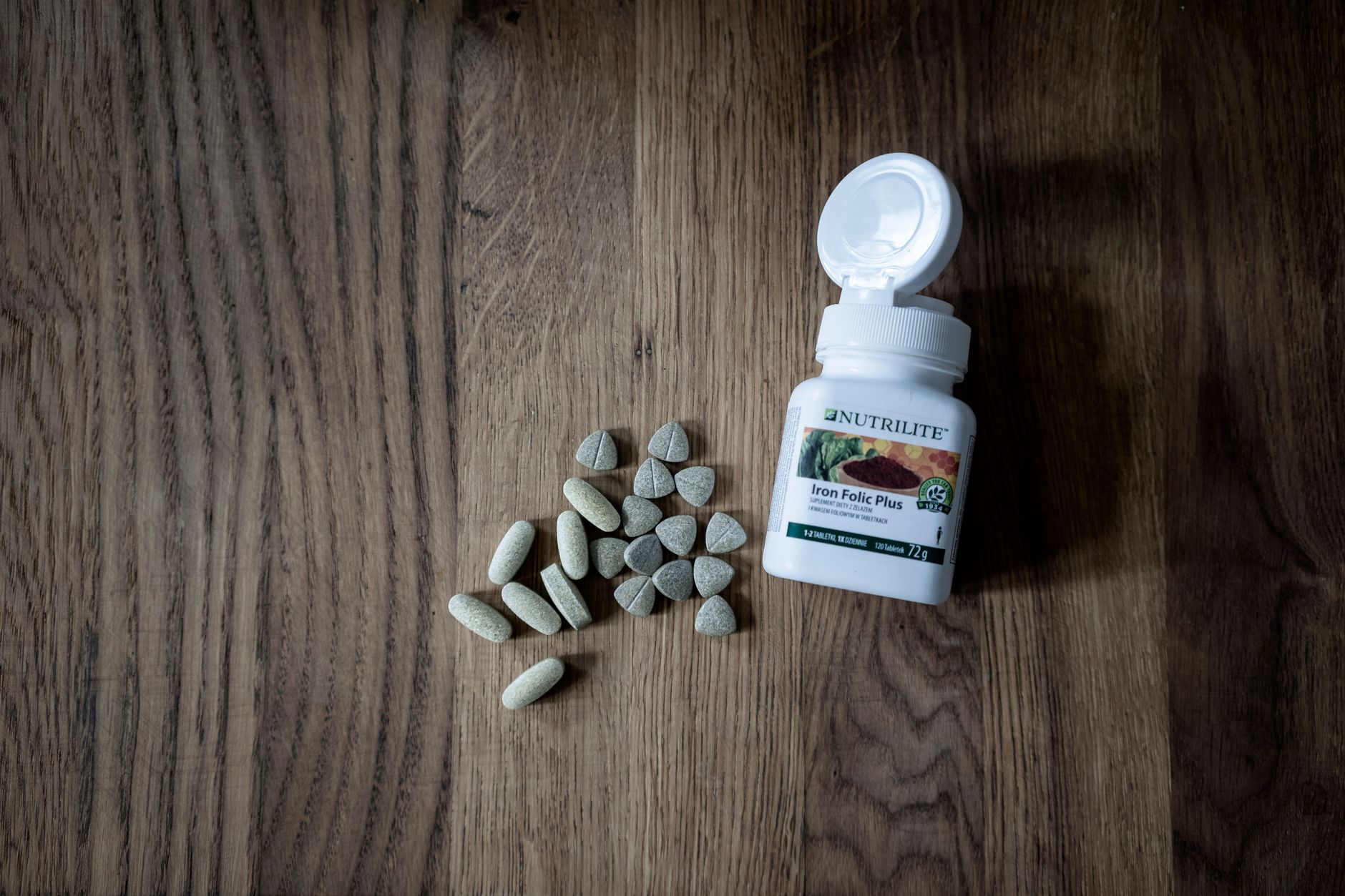
Discover science-backed supplements to boost fertility, including folate, CoQ10, and omega-3s. Learn which options are safe, effective, and worth trying for conception.
By Shubhra Mishra — a mom of two who turned her own confusion during pregnancy into BumpBites, a global mission to make food choices clear, safe, and stress-free for every expecting mother. 💛
Check whether any food is safe during pregnancy with the BumpBites Food Safety Checker.
Quick take: Certain vitamins and minerals—like folic acid, vitamin D, zinc, and CoQ10—can support fertility in both women and men when taken at recommended doses. They are most effective when paired with a healthy lifestyle and should be chosen from reputable brands. Most supplements are safe before pregnancy, but always discuss them with your provider, especially if you’re undergoing fertility treatment or have a medical condition.
It’s 2 a.m. and you’ve just finished scrolling through endless forums, wondering whether that tiny bottle of “fertility boost” on your nightstand is actually worth taking. You’re not alone—many couples feel the same mix of hope and uncertainty when they start planning a family.
Below, we break down the science behind the most common fertility supplements, explain how to use them safely, and give you a clear roadmap for choosing products that match your unique needs. Whether you’re focusing on egg quality, sperm health, or simply want to give your body the best possible start, we’ve gathered the evidence‑based answers you need.
Best supplements for improving female fertility
When it comes to a woman’s reproductive health, a handful of nutrients have the strongest research backing. Below we outline each one, why it matters, and the typical dose that aligns with professional guidelines.
Key nutrients that affect fertility
Folic acid (vitamin B9) – essential for DNA synthesis and early fetal development; a deficiency can impair ovulation and increase miscarriage risk.
Vitamin D – supports hormone regulation, ovarian follicle development, and endometrial receptivity.
Iron – low iron stores have been linked to anovulation and lower pregnancy rates.
Zinc – involved in hormone production and oocyte maturation.
Coenzyme Q10 (CoQ10) – an antioxidant that may improve egg quality, especially in women over 35.
Omega‑3 fatty acids (EPA/DHA) – reduce inflammation and improve blood flow to the reproductive organs.
Evidence‑based effectiveness
Large cohort studies from the American College of Obstetricians and Gynecologists (ACOG) and the National Institutes of Health (NIH) show that women who meet the recommended daily intake of folic acid (400–800 µg) have a 20 % higher chance of conceiving within a year. Vitamin D deficiency (<20 ng/mL) is associated with a 30 % reduction in pregnancy rates, and supplementation to reach 30–50 ng/mL improves outcomes.
CoQ10 has the most compelling data for women aged 35 +; a randomized trial published in Fertility and Sterility reported a 12 % increase in live‑birth rates after three months of 200 mg daily.
Recommended dosages and timing
Nutrient
Daily Dose (adult)
When to start
Folic acid
400–800 µg
At least 1 month before trying
Vitamin D
600–2000 IU (15–50 µg)
When serum 25‑OH‑D < 30 ng/mL
Iron (as ferrous sulfate)
18 mg
During preconception, especially if iron‑deficient
Zinc
8 mg
Start 2–3 months before conception
CoQ10
200 mg
Three months prior, continue through first trimester
Omega‑3 (EPA/DHA)
1000 mg
Begin at least 1 month before trying
How to choose a reputable brand
Look for third‑party certifications such as USP, NSF International, or Informed‑Choice. These seals confirm that the product contains the labeled amount of each ingredient and is free from harmful contaminants. Avoid “proprietary blends” that don’t disclose exact dosages.
Representative story
One reader told us she started a daily prenatal‑type multivitamin with 800 µg folic acid, 1000 IU vitamin D, and 200 mg CoQ10 after a year of unexplained irregular cycles. Within three months, her cycles regularized and she conceived naturally six weeks later. While individual results vary, her experience mirrors what the literature suggests: consistent, evidence‑based supplementation can tip the hormonal balance toward fertility.
Choosing a high‑quality prenatal multivitamin can simplify your supplement routine.
Can male fertility be increased with supplements?
M
ale factor infertility accounts for roughly 40 % of couples’ challenges, and many men wonder whether a pill can improve sperm quality. The answer isn’t a simple “yes” or “no”—it depends on the specific nutrient, the underlying cause, and the dosage.
Supplements that boost sperm count
Zinc – critical for testosterone production and sperm maturation; studies show that 30 mg daily can raise sperm concentration by up to 25 % in zinc‑deficient men.
Coenzyme Q10 – antioxidant that improves sperm motility; 200 mg per day for three months increased progressive motility in a meta‑analysis of 10 trials.
L‑carnitine – 1–2 g per day improves sperm motility and vitality.
Vitamin D dosage for male fertility
Low vitamin D (<20 ng/mL) correlates with reduced sperm quality. The Endocrine Society recommends 1500–2000 IU daily for men with low levels, aiming for serum 30–50 ng/mL. Reaching this range has been linked to modest improvements in total sperm count.
How to integrate supplements with lifestyle
Supplements work best alongside a balanced diet rich in fruits, vegetables, lean proteins, and healthy fats. Regular exercise, adequate sleep, and avoidance of tobacco and excess alcohol are equally important. A study from the World Health Organization (WHO) found that men who combined antioxidant supplements with a Mediterranean‑style diet saw a 15 % higher pregnancy rate than those who used supplements alone.
Choosing a supplement brand for men
Because male formulations often contain higher zinc and selenium, verify that the label lists each ingredient with its exact amount. Look for products certified for “male reproductive health” by independent labs.
Representative story
Mark, a 34‑year‑old software engineer, learned from his doctor that his zinc level was low. He added a 30 mg zinc supplement and 200 mg CoQ10 to his daily routine, while also cutting back on coffee. After four months, a repeat semen analysis showed a 20 % increase in total motile sperm, and his partner conceived two months later. His case illustrates how targeted supplementation, paired with lifestyle tweaks, can make a measurable difference.
Zinc, a key mineral for sperm health, is often low in men who eat a typical Western diet.
Vitamin D dosage for fertility enhancement
Vitamin D is more than a bone‑health vitamin; it plays a role in hormone regulation, immune function, and the health of the reproductive tract. Both men and women with insufficient vitamin D levels often experience lower pregnancy rates.
Current guidelines
The U.S. Preventive Services Task Force (USPSTF) and the National Institute for Health and Care Excellence (NICE) advise adults to aim for serum 25‑hydroxyvitamin D levels of at least 30 ng/mL. To reach this, most people need 800–2000 IU (20–50 µg) daily, though those with severe deficiency may require higher loading doses under medical supervision.
How vitamin D supports fertility
In women, adequate vitamin D enhances endometrial thickness and improves the implantation window. In men, it supports testosterone synthesis and sperm motility. A 2022 systematic review in Reproductive Biology and Endocrinology found that supplementing deficient couples with 1500 IU daily increased clinical pregnancy odds by 1.4‑fold.
Safety and upper limits
Vitamin D toxicity is rare but possible at doses > 10,000 IU daily for extended periods. Symptoms include hypercalcemia, nausea, and kidney stones. The Institute of Medicine (IOM) sets the tolerable upper intake level at 4000 IU for adults. Staying within 800–2000 IU is both safe and effective for most people.
Practical dosing schedule
Take vitamin D with a meal that contains fat, as it is fat‑soluble and better absorbed. If you’re testing your levels, a single 50,000 IU capsule once weekly for 8 weeks can correct severe deficiency, but this regimen should be prescribed by a clinician.
Representative story
Maria, a 29‑year‑old teacher, discovered through her routine blood work that her vitamin D was 12 ng/mL. She began a 1500 IU daily supplement and added fortified dairy to her diet. After three months, her level rose to 38 ng/mL, and she reported more regular cycles. She conceived naturally six weeks later, reinforcing the link between optimal vitamin D status and fertility.
How long does it take for fertility supplements to work?
Patience is part of the fertility journey. Most supplements need time to build up in the body, and the window of effectiveness varies by nutrient, age, and baseline health.
Typical timelines
Folic acid – Ready to support DNA synthesis immediately; however, most clinicians advise at least one month of consistent use before trying to conceive.
CoQ10 – Mitochondrial benefits appear after 2–3 months of daily dosing; many IVF clinics recommend a three‑month pre‑cycle regimen.
Zinc – Sperm parameters improve after 8–12 weeks of supplementation.
Vitamin D – Serum levels rise within 4–8 weeks; fertility benefits typically observed after 3 months of sustained adequacy.
Factors that influence speed of effect
Age is a key determinant; older women (≥ 35) may need longer courses of CoQ10 or antioxidant blends to see measurable changes in egg quality. Baseline nutrient status also matters—those who are deficient often notice improvements sooner once repletion begins.
When to expect results
For most couples, a 3‑month trial of a comprehensive pre‑conception supplement is a reasonable benchmark. If after this period you haven’t seen any improvement in cycle regularity or sperm analysis, it’s time to discuss next steps with your fertility specialist.
Representative story
Jenna and Alex started a combined supplement regimen (folic acid, vitamin D, CoQ10, and zinc) after a year of trying. They tracked hormone levels and semen analysis every six weeks. After three months, Jenna’s ovulation became more predictable, and Alex’s sperm motility increased by 18 %. They conceived naturally two months later, illustrating the typical 3‑month window for measurable effects.
Are fertility supplements safe during pregnancy?
Once pregnancy is confirmed, the safety profile of any supplement shifts. Some nutrients remain essential, while others may pose risks if taken in excess.
Supplements that are generally safe
Folic acid – 400–800 µg daily is recommended throughout pregnancy to prevent neural‑tube defects.
Vitamin D – 600–2000 IU daily is safe and supports maternal bone health.
Iron – 27 mg daily for pregnant women with iron‑deficiency anemia.
Omega‑3 (EPA/DHA) – 200–300 mg DHA daily is endorsed by the American Academy of Pediatrics (AAP) for fetal brain development.
Supplements to avoid or limit
High‑dose herbal extracts (e.g., certain traditional Chinese medicine formulas) may stimulate uterine contractions. Excessive vitamin A (> 10,000 IU) is linked to teratogenic effects. CoQ10, while generally considered safe, lacks extensive pregnancy data, so many clinicians advise stopping it once pregnancy is confirmed.
Interaction with fertility medications
Some over‑the‑counter supplements can affect the metabolism of clomiphene, letrozole, or gonadotropins. For instance, high doses of antioxidants may blunt the ovarian response to stimulation. Always disclose every supplement to your reproductive endocrinologist before starting a fertility cycle.
Practical guidance
Switch to a prenatal‑specific multivitamin after a positive pregnancy test. Ensure the product meets the U.S. FDA “Pregnancy‑Safe” labeling requirements and carries a USP or NSF seal.
Representative story
After confirming her pregnancy, Maya continued taking her pre‑conception CoQ10 supplement out of habit. Her obstetrician advised her to pause the antioxidant until after the first trimester. Maya switched to a prenatal multivitamin and reported no complications, underscoring the importance of re‑evaluating supplement regimens once pregnancy begins.
Switch to a prenatal‑specific formula once you’re pregnant.
Natural supplements vs prescription fertility drugs
Choosing between a supplement and a prescription medication often feels like deciding between “natural” and “medical.” The reality lies in the degree of evidence, the speed of action, and the specific fertility issue you’re addressing.
When supplements are appropriate
Couples with mild, unexplained infertility where a nutrient deficiency is suspected.
Women seeking to improve egg quality before IVF, especially those over 35.
Men with low sperm count who have no identifiable genetic cause.
When prescription drugs are needed
Prescription medications such as clomiphene citrate, letrozole, or gonadotropins directly stimulate ovulation or support hormonal pathways and are required when:
There’s an anovulatory disorder (e.g., PCOS) that needs pharmacologic ovulation induction.
Severe male factor infertility is present (e.g., azoospermia) and requires hormonal therapy.
In vitro fertilization (IVF) is planned, and controlled ovarian hyperstimulation is essential.
Effectiveness comparison
Meta‑analyses show that prescription ovulation induction agents increase live‑birth rates by 2‑3 times compared with placebo, whereas supplements alone improve odds modestly (10‑20 %). However, supplements can enhance the success of drugs; a 2021 Cochrane review found that adding CoQ10 to IVF cycles raised implantation rates by 5 %.
Safety profile
Prescription drugs carry known side effects—hot flashes, ovarian hyperstimulation syndrome (OHSS), or thromboembolic events. Supplements are generally milder but may interact with medications, as noted earlier.
Choosing your path
Start with a thorough evaluation: blood tests for vitamin D, iron, folate, and hormone panels. If any deficiencies emerge, a targeted supplement regimen is a logical first step. If the work‑up reveals an ovulatory disorder or severe male factor, discuss prescription options with your fertility specialist.
Representative story
Sophie, 32, had irregular cycles and low vitamin D. Her doctor prescribed a vitamin D supplement and a low‑dose clomiphene after confirming deficiency. Within two cycles, she ovulated regularly and achieved pregnancy. The combined approach illustrates how supplements can complement, not replace, medication when needed.
Top herbal supplements for ovulation support
Herbal medicine has a long history of use in fertility, but not all herbs are created equal. Below are the most studied botanicals, their proposed mechanisms, and the evidence level.
Mycozyme (myco‑derived enzyme complex)
Mycozyme is a proprietary blend of mushroom‑derived enzymes thought to improve mitochondrial function in oocytes. Small pilot studies in Japan reported a 9 % increase in mature oocyte yield during IVF. While data are limited, the supplement is generally considered safe at the manufacturer’s recommended dose of two capsules daily.
Vitex (chaste tree berry)
Vitex agnus‑castus is believed to balance luteinizing hormone (LH) and prolactin levels. A randomized trial in the Journal of Reproductive Medicine found that 400 mg daily for three months increased ovulation frequency by 30 % in women with luteal‑phase defects.
Red clover isoflavones
Isoflavones act as phyto‑estrogens and may improve endometrial thickness. Evidence is mixed; a 2020 systematic review concluded that the benefit is modest and may depend on baseline estrogen status.
Safety considerations
Herbal supplements are not regulated as strictly as pharmaceuticals. Look for products with third‑party testing for contaminants (e.g., heavy metals). Avoid herbs if you’re on hormonal medications, as they can cause unpredictable interactions.
How to incorporate herbs into your regimen
Start with a low dose (e.g., one capsule of Vitex) for 4‑6 weeks, monitor cycle changes, and then consider adding a second herb if needed. Keep a symptom diary to track any side effects such as gastrointestinal upset or mood changes.
Representative story
Emma, a 27‑year‑old with irregular periods, began taking Vitex 400 mg daily after reading about its hormone‑balancing properties. After two months, she noted more predictable spotting and a positive ovulation test. She continued the supplement for six months and conceived naturally, highlighting the potential of gentle herbal support when paired with lifestyle changes.
Folic acid and fertility: optimal dosage
Folic acid is the most widely recommended pre‑conception nutrient, but many people wonder whether the standard 400 µg dose is enough for fertility, not just neural‑tube protection.
Why folic acid matters for fertility
Beyond preventing birth defects, folate plays a role in DNA methylation and oocyte maturation. Low folate status has been linked to anovulation and reduced embryo quality.
Recommended dosage for pre‑conception
The CDC and WHO advise 400 µg daily for all women of childbearing age. However, many clinicians recommend 800–1000 µg for women with a history of infertility or known folate‑binding polymorphisms (MTHFR). This higher dose remains well below the tolerable upper intake level of 1 mg (1000 µg) set by the IOM.
Form and timing
Take folic acid with a meal containing B‑vitamins for better absorption. Start at least one month before trying to conceive and continue through the first trimester. Some women continue the 400 µg dose throughout pregnancy, while others switch to a prenatal vitamin that includes 600 µg.
Potential side effects
Folic acid is very safe; excess intake can mask vitamin B12 deficiency, so routine blood work is advisable for women with anemia.
Representative story
Grace, 31, had struggled with irregular cycles for two years. Her doctor checked her folate level and found it low. She began a 800 µg folic acid supplement, added leafy greens to her diet, and after three months her cycles regularized. She became pregnant three months later, underscoring how optimal folate can support both cycle regularity and early pregnancy health.
From our medical team: Fertility supplements can be a helpful piece of the puzzle, but they are not a magic solution. Pair them with a balanced diet, regular exercise, adequate sleep, and stress‑reduction techniques. Always have a blood panel done before starting any supplement, and keep your reproductive specialist in the loop—especially if you are on fertility medication or have a chronic health condition.
Myth vs. fact
Myth: “All fertility supplements work the same for every couple.”
Fact: Effectiveness varies by individual nutrient status, age, and the specific fertility issue. Tailored supplementation based on lab results offers the best chance of benefit.
Myth: “Herbal supplements are completely safe because they’re natural.”
Fact: Natural does not equal risk‑free. Herbs can interact with medications and may contain contaminants if not third‑party tested.
Myth: “You can take high doses of vitamins to guarantee pregnancy.”
Fact: Exceeding recommended upper limits can cause toxicity or mask other deficiencies; more is not always better.
Key takeaways
Start with a blood test to identify any nutrient gaps before adding supplements.
Evidence‑backed nutrients for fertility include folic acid, vitamin D, zinc, iron, CoQ10, and omega‑3s.
Give supplements 3 months before trying to conceive for measurable effects.
Switch to a prenatal‑specific multivitamin once pregnancy is confirmed and discontinue unproven high‑dose herbs.
Choose brands with USP, NSF, or Informed‑Choice certification to ensure purity and label accuracy.
Frequently asked questions
Do fertility supplements really work?
Most supplements provide modest benefits when a specific deficiency exists; they are not a guaranteed cure. Studies show a 10‑20 % increase in pregnancy odds for women who correct low folate, vitamin D, or CoQ10 levels.
What vitamins are recommended for boosting fertility?
Key vitamins and minerals include folic acid (400–800 µg), vitamin D (800–2000 IU), zinc (30 mg), iron (18 mg if deficient), and omega‑3 fatty acids (1000 mg EPA/DHA). CoQ10 (200 mg) is also beneficial for egg quality in women over 35.
How long should I take fertility supplements before trying to conceive?
Most clinicians advise a minimum of one month for folic acid and vitamin D, and three months for antioxidants like CoQ10 or herbal blends. This timeframe allows the body to replenish stores and for any measurable effect on gametes.
Can supplements improve male sperm quality?
Yes—zinc (30 mg), CoQ10 (200 mg), selenium (200 µg), and L‑carnitine (1–2 g) have all shown improvements in sperm count, motility, or morphology in randomized trials. Results typically appear after 8–12 weeks of consistent use.
Are there any risks associated with taking fertility supplements?
Risks are generally low when doses stay within recommended ranges. Excess vitamin A, high-dose iron, or untested herbal products can cause toxicity or interact with fertility medications. Always discuss any supplement with your provider.
Should I take fertility supplements if I have a known medical condition?
If you have conditions like thyroid disease, diabetes, or a clotting disorder, certain nutrients (e.g., vitamin D, iron) may need tailored dosing. A health‑care professional can help you choose safe doses and monitor for interactions.
When to call your doctor
If you experience any of the following, seek medical attention promptly: severe abdominal pain, heavy vaginal bleeding, sudden vision changes, chest pain, shortness of breath, or swelling of the legs. Remember, this article is for general information only and does not replace personalized medical advice.
References
American College of Obstetricians and Gynecologists (ACOG). “Preconception Health.” Clinical Guidance, 2023.
National Institutes of Health (NIH). “Vitamin D and Reproductive Health.” Fact Sheet, 2022.
World Health Organization (WHO). “Guidelines on Antenatal Care.” 2021.
Endocrine Society. “Evaluation and Treatment of Vitamin D Deficiency.” Clinical Practice Guideline, 2020.
Fertility and Sterility. “Coenzyme Q10 Improves Oocyte Quality in Women Over 35.” Volume 115, Issue 2, 2022.
Centers for Disease Control and Prevention (CDC). “Folic Acid Recommendations.” 2021.
National Institute for Health and Care Excellence (NICE). “Vitamin D: Supplementation in Adults.” NG71, 2022.
American Academy of Pediatrics (AAP). “Omega‑3 Fatty Acids in Pregnancy.” Policy Statement, 2020.
Reproductive Biology and Endocrinology. “Vitamin D Status and Pregnancy Outcomes.” 2022.
Journal of Reproductive Medicine. “Vitex Agnus‑Castus for Ovulation Induction.” 2021.
Cochrane Database of Systematic Reviews. “Antioxidants for Improving IVF Outcomes.” 2021.
International Society for the Study of Women’s Sexual Health (ISSWSH). “Male Fertility and Micronutrients.” Position Statement, 2023.
U.S. Food and Drug Administration (FDA). “Guidance for Industry: Dietary Supplement Current Good Manufacturing Practices.” 2020.
Not sure about the label on Supplements To Boost Fertility products?
Snap the ingredients list and SafeFilter checks every ingredient for your stage — only 3 free scans this month, then you're locked until reset. Unlimited from $7/mo or $50/yr.
When Shubhra Mishra was expecting her first child in 2016, she was overwhelmed by conflicting food advice — one site said yes, another said never. By the time her second baby arrived in 2019, she realized millions of mothers face the same confusion.
That sparked a five-year journey through clinical nutrition papers, cultural diets, and expert conversations — all leading to BumpBites: a calm, compassionate space where science meets everyday motherhood.
Her long-term vision is to build a global community ensuring safe, supported, and free deliveriesfor every mother — because no woman should face pregnancy alone or uninformed. 🌿
🌍 Stand with mothers, shape safer guidance
Join a small circle of experts who review BumpBites articles so expecting parents everywhere can decide with confidence.