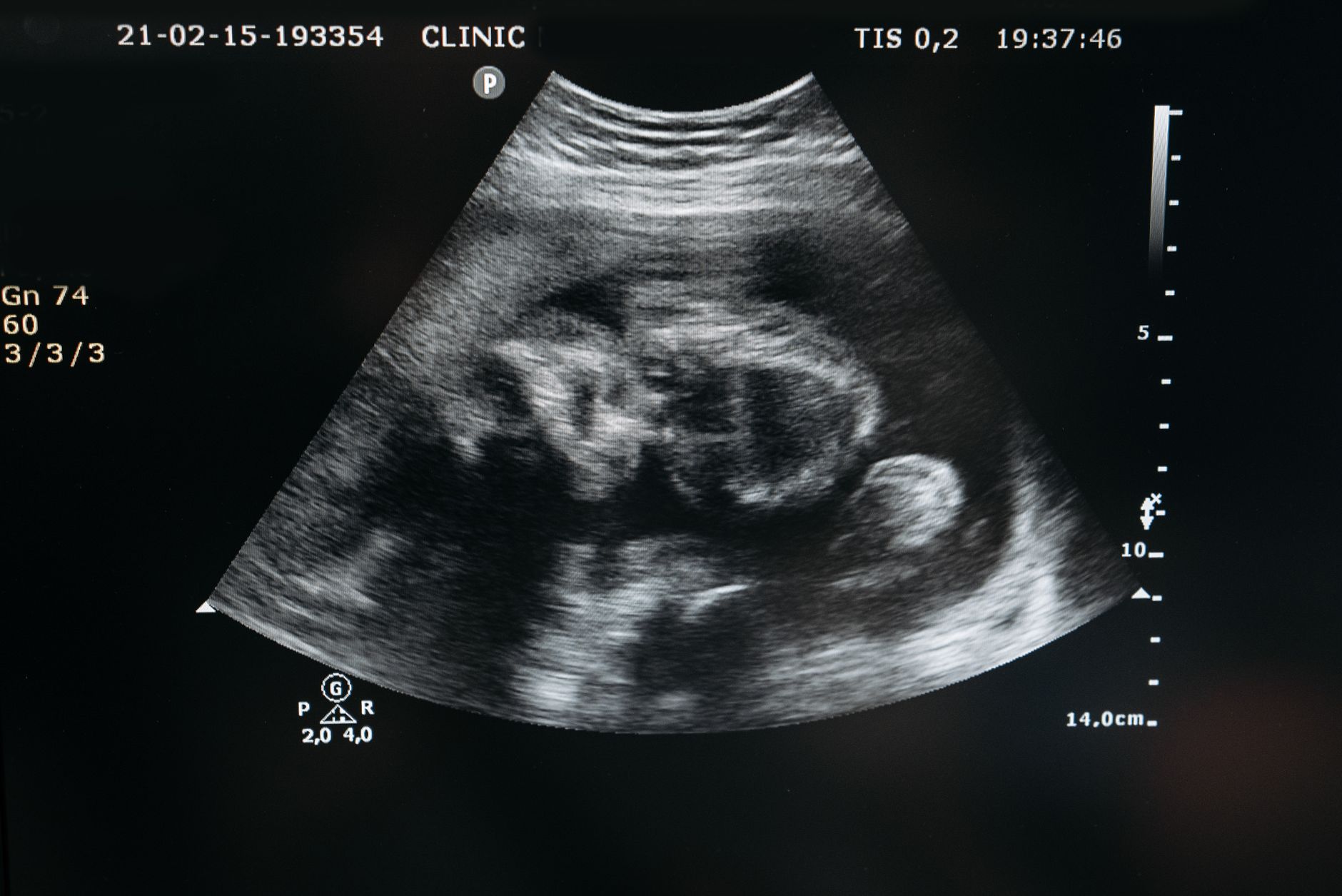
A sudden gush of clear fluid during pregnancy may signal your water breaking or another condition. Learn the signs, when to seek help, and what to expect next.
By Shubhra Mishra — a mom of two who turned her own confusion during pregnancy into BumpBites, a global mission to make food choices clear, safe, and stress-free for every expecting mother. 💛
Check whether any food is safe during pregnancy with the BumpBites Food Safety Checker.
Quick take: A sudden gush of clear fluid during pregnancy often means your amniotic sac has leaked, which can be amniotic fluid or, less commonly, urine. It’s important to confirm which fluid it is, assess any signs of preterm labor or infection, and contact your provider right away. Most leaks are manageable, but prompt medical evaluation ensures the best outcome for you and your baby.
It’s 2 a.m., you’re lying in bed feeling a wet spot under the pillow and a sudden rush of clear liquid. Your heart races—did your water just break? You’re not alone. Many expecting parents wake up to a mysterious leak and wonder whether it’s normal, dangerous, or simply a false alarm.
First, take a breath. A clear gush can be a sign of a ruptured membrane, especially if it’s painless and continuous, but it can also be urine or a harmless discharge. The difference matters because an early leak may require medical attention to prevent infection or preterm birth.
In this article we’ll break down exactly what a sudden gush of clear fluid means, how to tell if it’s amniotic fluid or urine, when to call your doctor, and what steps to take next. We’ll also cover common causes, how providers diagnose the leak, treatment options, and what to expect based on gestational age.
What does a sudden gush of clear fluid during pregnancy mean?
Answer: A sudden gush of clear fluid most often indicates that the amniotic membranes have ruptured, releasing amniotic fluid into the vagina.
Amniotic fluid surrounds and protects your baby, cushioning it from bumps, helping temperature regulation, and allowing the fetus to develop lungs and digestive systems. When the membranes break—called “rupture of membranes” (ROM)—the fluid can escape in a single gush or a slow trickle.
Early ruptures (before 37 weeks) are called preterm premature rupture of membranes (PPROM). If the leak happens before 24 weeks, it’s termed “early pregnancy membrane rupture,” which carries higher risks of infection and miscarriage. However, not every clear gush is amniotic fluid; sometimes a full bladder or a urinary tract infection can produce a similar sensation.
Typical signs of true amniotic fluid loss include:
Clear, watery fluid that may have a slight sweet or salty taste.
Continuous flow that doesn’t stop with the urge to urinate.
A dry, gritty feeling after the leak, unlike the relief that comes after urination.
When the fluid is amniotic, it can be accompanied by mild cramping, a feeling of pressure, or a change in fetal movement, though many women experience no pain at all. The presence of fluid also reduces the protective cushion for the baby, which is why timely evaluation is essential.
Because the membranes act as a barrier, even a small breach can change the environment around your baby, so early assessment is key.
When you notice a sudden gush, staying calm and assessing the fluid can help you communicate clearly with your provider.
How to tell if the fluid is amniotic fluid or urine?
<
strong>Answer: You can differentiate amniotic fluid from urine by its smell, taste, color, and how it behaves when you try to empty your bladder.
Urine typically has a yellow tint, a distinct ammonia‑like odor, and stops when you finish urinating. Amniotic fluid is usually clear or slightly frothy, has a mild sweet or salty taste, and continues to flow even after you’ve emptied your bladder.
Here are practical ways to tell the difference at home:
Observe the color and clarity. Pure amniotic fluid is clear; any pink, green, or brown tint may indicate blood or infection.
Check the smell. Urine has a stronger odor. If the fluid smells faintly of “raw egg” (a medical term for a sweet, sterile scent), it’s more likely amniotic.
Try to urinate. If the gush stops after you finish peeing, it was probably urine.
Perform a simple “nitrazine” test at home. Over‑the‑counter dip sticks (available at pharmacies) turn blue in the presence of alkaline amniotic fluid, whereas urine stays yellow. Use only if your provider advises.
While these clues can be helpful, they’re not definitive. The most reliable way to confirm the fluid type is through a medical exam, which we’ll discuss later. If you’re ever uncertain, err on the side of caution and call your care team.
Even a quick visual check can give you useful information while you wait for professional care.
Is a sudden gush of clear fluid a sign of preterm labor?
Answer: Not necessarily—while a leak can precede preterm labor, many women experience isolated membrane rupture without progressing to labor.
Preterm labor involves regular uterine contractions that cause cervical changes before 37 weeks. A fluid leak alone does not trigger these contractions, but it can increase the risk because the protective barrier for the fetus is compromised.
Studies referenced by the American College of Obstetricians and Gynecologists (ACOG) show that about 30 % of women with PPROM go into preterm labor within 48 hours, but the majority deliver later, especially if infection is avoided. This latency period gives clinicians an opportunity to intervene with steroids, antibiotics, or close monitoring.
Key warning signs that a leak is evolving into preterm labor include:
Increasing abdominal cramping or a tightening sensation.
Regular contractions (every 5–10 minutes) lasting more than 30 seconds.
Changes in vaginal discharge, such as a foul odor or increased amount.
Fever or chills, indicating possible infection.
If you notice any of these symptoms, contact your provider immediately. Early evaluation can lead to interventions like corticosteroids to help the baby’s lungs mature or antibiotics to prevent infection.
Most leaks do not lead directly to labor, but close monitoring is essential.
When should I call my doctor after a fluid leak in pregnancy?
Answer: Call your doctor right away if the leak is sudden, continuous, or accompanied by pain, fever, or foul‑smelling discharge.
Even if the fluid appears harmless, it’s safest to have a professional evaluate it within a few hours. Prompt assessment reduces the chance of infection, which can rise quickly once the protective membranes are breached.
Specific situations that merit an urgent call include:
Sudden gush of clear fluid at any gestational age.
Leak that continues for more than a few hours without stopping.
Associated abdominal cramping, bleeding, or a change in fetal movement.
Fever ≥ 38 °C (100.4 °F), chills, or a foul odor from the fluid.
Previous history of preterm birth or PPROM.
If you’re past 34 weeks, your provider may advise coming in for monitoring or even arranging delivery, as the baby may be ready for extra‑uterine life. The goal is always to balance the safety of the mother and the baby while avoiding unnecessary early delivery.
Quick communication with your care team helps keep both you and your baby safe.
What are the risks of a ruptured membranes at 20 weeks?
Answer: Rupture of membranes at 20 weeks carries higher risks of infection, preterm birth, and potential loss of the pregnancy.
At 20 weeks, the fetus is still developing critical organs, and the amniotic fluid plays a vital role in lung and gastrointestinal formation. When the membranes break—this early, the fluid loss can lead to oligohydramnios (low fluid volume), which may impair lung development and increase the chance of fetal growth restriction.
Key risks include:
Infection (chorioamnionitis). The open pathway allows bacteria to ascend from the vagina, potentially causing a serious infection for both mother and baby.
Preterm delivery. The average latency (time from rupture to delivery) at 20 weeks is 7–14 days, but it can be shorter if infection develops.
Miscarriage. Studies cited by the Royal College of Obstetricians and Gynaecologists (RCOG) indicate a miscarriage rate of up to 30 % with early membrane rupture.
Pulmonary hypoplasia. Prolonged fluid loss can prevent the lungs from expanding properly, leading to breathing difficulties after birth.
Because of these serious possibilities, early evaluation and, in many cases, hospitalization for close monitoring and antibiotics are recommended. The care plan is individualized, taking into account maternal health, gestational age, and the presence of any infection.
Even a brief leak at this stage deserves prompt medical attention.
How is a sudden fluid leak diagnosed by a healthcare provider?
Answer: Providers diagnose a fluid leak using a combination of visual inspection, speculum examination, nitrazine testing, and ultrasound imaging.
During a pelvic exam, the clinician will:
Inspect the fluid. Clear, watery fluid that pools in the vagina is a first clue.
Perform a speculum exam. This allows direct visualization of the cervix and any fluid pooling.
Use a nitrazine paper test. The paper turns blue in the presence of alkaline amniotic fluid, differentiating it from acidic urine.
Apply the ferning (microscopy) test. A drop of fluid is examined under a microscope; amniotic fluid forms a fern‑like pattern.
Conduct an ultrasound. Sonography assesses the amount of amniotic fluid remaining (the “AFI” or amniotic fluid index). Low fluid suggests a leak.
In some cases, a “pooling test” is performed where a sterile swab is placed in the vagina; if the swab becomes wet within a few minutes, it supports the diagnosis. The provider may also order a full blood count and C‑reactive protein (CRP) to screen for infection, following ACOG guidelines.
These combined methods give clinicians a clear picture of what’s happening.
Ultrasound helps doctors see how much amniotic fluid remains after a leak.
Can a sudden gush of fluid be treated at home or does it need hospital care?
Answer: Most sudden gushes require medical evaluation; while some minor leaks can be managed at home under close supervision, the safest route is to see a provider promptly.
Home management may be appropriate when:
The leak is small, stops after a short period, and the mother is under 34 weeks without signs of infection.
There are no contractions, fever, or foul odor.
She can keep a close watch on fetal movements and maintain good hydration.
In these cases, doctors often recommend:
Bed rest (often limited to a few hours a day) to reduce pressure on the cervix.
Hydration and a high‑protein diet to support healing.
Antibiotics (oral or intramuscular) if there’s any suspicion of infection.
Follow‑up appointments within 24–48 hours for repeat ultrasound.
Hospitalization becomes necessary if there is:
Continuous fluid loss lasting more than 24 hours.
Signs of infection (fever, chills, foul discharge).
Preterm labor or cervical shortening.
Gestational age beyond 34 weeks, where delivery may be the safest option.
Even when managed at home, a clear line of communication with your provider is essential. Many clinics provide a direct phone line for urgent questions after a leak.
Home care works only when the situation stays stable and closely monitored.
What are the next steps after a sudden gush of clear fluid in pregnancy?
Answer: After a sudden gush, the immediate steps are to stay calm, note the fluid’s characteristics, and contact your healthcare team for evaluation.
Here’s a practical roadmap:
Document the event. Write down the time, amount (gush vs trickle), color, smell, and any accompanying symptoms (cramping, bleeding, fever).
Contact your provider. Share the details and arrange an urgent appointment or go to labor and delivery if advised.
Prepare for the visit. Bring a clean cup or pad to collect any further fluid, and wear comfortable clothing that allows easy examination.
Undergo diagnostic testing. Expect a speculum exam, nitrazine test, and possibly an ultrasound to assess fluid volume.
Follow the treatment plan. This may include antibiotics, corticosteroids (if <38 weeks), bed rest, or hospitalization.
Monitor closely. Keep track of fetal movements, temperature, and any new fluid loss. Call your provider immediately if anything changes.
Most women who experience a leak before 37 weeks can carry their pregnancy to term with appropriate care, but the timeline varies widely based on gestational age and the presence of complications.
Staying organized and proactive makes the medical visit smoother.
Can I exercise after a fluid leak?
Answer: Light, low‑impact activity is usually safe, but high‑intensity or contact sports should be avoided until your provider confirms the leak has resolved.
Exercise can help maintain circulation and reduce swelling, but excessive strain may increase intra‑abdominal pressure, potentially worsening a leak or prompting premature labor. The National Health Service (NHS) advises pregnant people with a confirmed rupture to limit activity to gentle walking, prenatal yoga, or stretching, and to stop if they feel any new pain or fluid loss.
Typical recommendations from the American College of Obstetricians and Gynecologists (ACOG) include:
Resting on your left side to improve uterine blood flow.
Avoiding heavy lifting, jumping, or prolonged standing.
Stopping exercise immediately if you notice a gush, cramping, or a rapid heartbeat.
Always discuss your activity plan with your obstetric provider, who can tailor advice based on your gestational age, the size of the leak, and any concurrent complications.
Gentle movement is fine, but listen to your body and your doctor.
Is sexual activity safe after a fluid leak?
Answer: Most clinicians recommend abstaining from vaginal intercourse until the leak has been evaluated and, if needed, treated.
Sexual activity can introduce bacteria into the vagina, raising the risk of chorioamnionitis—an infection of the amniotic membranes that can be serious for both mother and baby. The Centers for Disease Control and Prevention (CDC) highlights infection as a leading cause of adverse outcomes after PPROM.
Guidelines from the Royal College of Obstetricians and Gynaecologists (RCOG) suggest:
Refraining from intercourse until a healthcare professional confirms that the membranes are intact or that infection risk is low.
Using a barrier method (such as a condom) only after clearance, as it does not eliminate the bacterial risk associated with vaginal penetration.
Resuming activity only after a follow‑up exam shows stable amniotic fluid levels and no signs of infection.
If you have concerns about intimacy, discuss them openly with your provider. They can offer practical suggestions for maintaining closeness while protecting your health.
Open communication with your partner and provider helps you navigate intimacy safely.
What medications are recommended after a fluid leak?
Answer: Antibiotics, corticosteroids, and sometimes tocolytics are the most common prescriptions following a confirmed rupture of membranes.
Antibiotics aim to prevent or treat chorioamnionitis. The ACOG 2023 practice bulletin recommends a regimen of ampicillin plus erythromycin for PPROM before 34 weeks, followed by a course of oral amoxicillin and erythromycin for 7 days if delivery does not occur.
Corticosteroids such as betamethasone are given when the pregnancy is between 24 and 34 weeks to accelerate fetal lung maturity, reducing the risk of respiratory distress syndrome after early delivery. The Society for Maternal‑Fetal Medicine (SMFM) advises a single course of two doses 24 hours apart.
Tocolytics (medications that suppress uterine contractions) may be used briefly to buy time for steroid administration, but they are not a long‑term solution. The FDA cautions that tocolytic use should be limited to 48 hours due to maternal side‑effects.
Always take medications exactly as prescribed and report any side effects—such as rash, fever, or increased uterine cramping—to your provider immediately.
Medication plans are tailored to your gestational age and any infection risk.
Staying hydrated and nourished supports healing after a fluid leak.
How does a fluid leak affect fetal monitoring?
When amniotic fluid volume drops, the baby’s movements may feel different, and the ultrasound’s ability to visualize the fetus can be reduced. Providers often increase the frequency of non‑stress tests (NST) or biophysical profiles (BPP) to ensure the baby’s heart rate remains reassuring.
According to NHS guidance, if the leak occurs after 28 weeks, clinicians typically schedule daily fetal monitoring until the fluid level stabilizes or delivery becomes necessary. This close surveillance helps catch early signs of distress and guides timely intervention.
Enhanced monitoring provides peace of mind while the pregnancy progresses.
Are there dietary considerations after a fluid leak?
Good nutrition supports healing and helps prevent infection. A diet rich in protein, iron, and vitamin C aids tissue repair, while ample fluids keep you hydrated—especially important if you’re losing amniotic fluid.
Both ACOG and NICE recommend staying well‑hydrated (at least 8‑10 glasses of water daily) and adding electrolyte‑rich drinks if you experience a large loss. Small, frequent meals that include lean meats, legumes, leafy greens, and whole grains can also help maintain energy levels.
Eating balanced meals and drinking enough water are simple steps that make a big difference.
Myth vs. fact
Myth: A sudden gush always means your water has broken and labor will start immediately.
Fact: A gush can be amniotic fluid, urine, or a harmless vaginal discharge. It may or may not lead to labor, especially if it occurs early in pregnancy.
Myth: You can safely “wait it out” at home without any medical check.
Fact: Even a brief leak can increase infection risk. Professional evaluation within a few hours is recommended to protect both mother and baby.
Myth: If the fluid is clear, it can’t be harmful.
Fact: Clear amniotic fluid loss can lead to oligohydramnios, infection, and preterm birth if not managed promptly.
Key takeaways
Sudden clear gush often signals a ruptured membrane—get evaluated promptly.
Distinguish amniotic fluid from urine by color, smell, and whether the flow stops after urination.
Call your provider right away if the leak is continuous, painful, or accompanied by fever or foul odor.
Diagnostic tools include speculum exam, nitrazine test, ferning microscopy, and ultrasound.
Early leaks (<34 weeks) may be managed at home with close monitoring; later leaks often require hospitalization.
Potential complications include infection, preterm labor, and, in very early cases, miscarriage.
Gentle exercise and abstaining from intercourse are usually advised until a clinician clears you.
Antibiotics, corticosteroids, and possibly tocolytics are standard treatments after confirmed rupture.
Frequently asked questions
Is a sudden gush of fluid always a sign of labor?
Answer: No. While it can indicate that the amniotic sac has ruptured, labor may not start for days or weeks, especially if the leak occurs early.
Many women experience a “latent” period after PPROM, during which the uterus does not contract. Monitoring for contractions and infection is essential, but immediate delivery is not inevitable.
How can I differentiate between urine and amniotic fluid?
Answer: Amniotic fluid is usually clear, odorless or mildly sweet, and continues to flow after you’ve emptied your bladder, whereas urine is yellow, has a distinct smell, and stops when you finish urinating.
If you’re unsure, a nitrazine test (available over the counter) can provide a quick indication, but a clinical exam is the most reliable method.
What should I do if I think my water has broken early?
Answer: Contact your obstetric provider immediately and describe the fluid’s appearance, amount, and any associated symptoms.
Bring a clean pad or cup to collect a sample, avoid sexual activity, and refrain from inserting anything into the vagina until you’re evaluated.
Can a small leak lead to a larger rupture?
Answer: Yes. A minor “pin‑hole” leak can progress to a full rupture, especially if the membranes are weakened or infection sets in.
Prompt medical assessment and, if indicated, antibiotics can help prevent the leak from worsening.
Are there any home remedies for a fluid leak in pregnancy?
Answer: Home care is limited to staying hydrated, resting, and monitoring for signs of infection; there are no proven “remedies” that seal a ruptured membrane.
Applying pressure or using herbal products is not recommended, as they can increase infection risk. Follow your provider’s guidance regarding antibiotics and activity restriction.
When is a fluid leak considered an emergency?
Answer: A leak is an emergency if it’s accompanied by fever, foul‑smelling discharge, heavy bleeding, severe abdominal pain, or a rapid, continuous gush that doesn’t stop.
These signs suggest infection or imminent preterm labor, requiring urgent medical attention, often in a hospital setting.
What is the difference between PROM and PPROM?
Answer: PROM (premature rupture of membranes) occurs after 37 weeks, while PPROM (preterm premature rupture of membranes) happens before 37 weeks.
PPROM carries higher risks of preterm birth and infection, so clinicians often administer steroids and antibiotics, whereas PROM near term usually leads to planned delivery.
How long can a leak last before delivery is necessary?
Answer: The duration varies; some women leak for a few hours, while others may have a slow trickle for days.
If the leak persists for more than 24–48 hours, or if infection or labor signs develop, most providers will recommend delivery, especially after 34 weeks.
Can I travel after a fluid leak?
Answer: Travel is generally safe if the leak is stable, you’re not in active labor, and you have access to medical care at your destination.
Discuss your plans with your provider; they may suggest a short‑term flight, staying hydrated, and carrying a copy of your medical records in case of an emergency.
What is the role of bed rest after a membrane rupture?
Answer: Bed rest reduces pressure on the cervix and can help limit further fluid loss while the body heals.
ACOG advises a short period of modified rest—often a few hours a day—rather than prolonged confinement, as excessive inactivity can increase clotting risk. Follow your provider’s specific instructions.
When to call your doctor
Call your provider immediately if you experience any of the following after a fluid leak:
Fever ≥ 38 °C (100.4 °F) or chills.
Foul‑smelling or colored discharge.
Persistent abdominal pain or cramping.
Heavy bleeding (soaking a pad in under an hour).
Decrease in fetal movement.
Continuous gush of fluid lasting more than a few hours.
These symptoms may indicate infection, preterm labor, or other complications that need prompt evaluation. This article provides general information only and is not a substitute for personalized medical advice.
References
American College of Obstetricians and Gynecologists (ACOG). “Management of Preterm Premature Rupture of Membranes.” Practice Bulletin No. 200, 2023.
Royal College of Obstetricians and Gynaecologists (RCOG). “Guidelines for the Management of Rupture of Membranes.” 2022.
Not sure about the label on Sudden Gush Of Clear Fluid Pregnancy products?
Snap the ingredients list and SafeFilter checks every ingredient for your stage — only 3 free scans this month, then you're locked until reset. Unlimited from $7/mo or lock $50/yr through Aug 31 (16 days left).
When Shubhra Mishra was expecting her first child in 2016, she was overwhelmed by conflicting food advice — one site said yes, another said never. By the time her second baby arrived in 2019, she realized millions of mothers face the same confusion.
That sparked a five-year journey through clinical nutrition papers, cultural diets, and expert conversations — all leading to BumpBites: a calm, compassionate space where science meets everyday motherhood.
Her long-term vision is to build a global community ensuring safe, supported, and free deliveriesfor every mother — because no woman should face pregnancy alone or uninformed. 🌿
🌍 Stand with mothers, shape safer guidance
Join a small circle of experts who review BumpBites articles so expecting parents everywhere can decide with confidence.