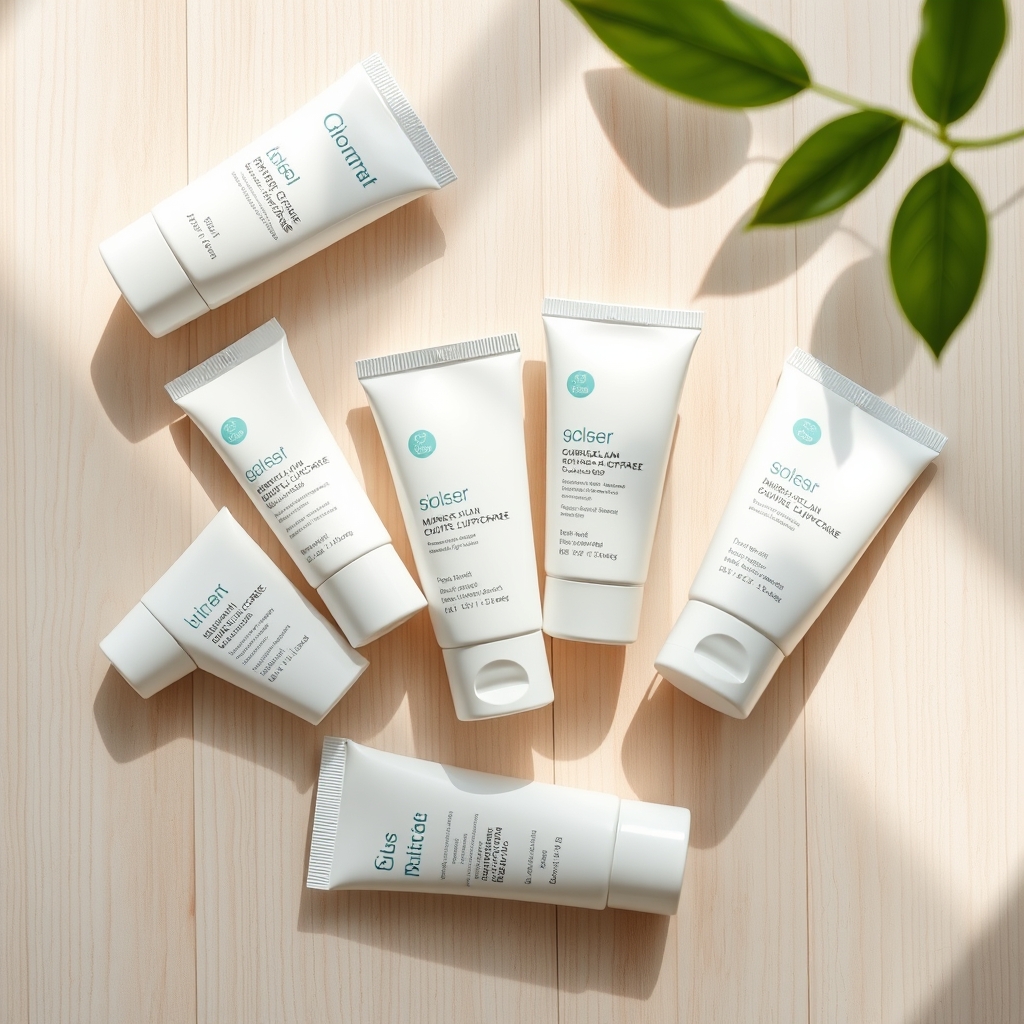
Yes—choose SPF 30‑50 broad‑spectrum suntan lotion free of retinoids and parabens for pregnancy safety. Our SPF recommendations protect you and your baby.
By Shubhra Mishra — a mom of two who turned her own confusion during pregnancy into BumpBites, a global mission to make food choices clear, safe, and stress-free for every expecting mother. 💛
Check whether any food is safe during pregnancy with the BumpBites Food Safety Checker.
Quick take: Yes, you can protect your bump safely with sunscreen—choose a broad‑spectrum mineral (zinc oxide or titanium dioxide) SPF 30‑50, apply it generously, and reapply every two hours or after swimming. Avoid chemical filters like oxybenzone, and steer clear of tanning beds altogether.
It’s 10 p.m., you’re curled up on the couch after a long day of prenatal appointments, and a sudden sun‑burn flashback from last summer makes you wonder: “Did that beach day affect my baby?” You’re not alone. Many expecting parents obsess over every product that touches their skin, especially something as ubiquitous as sunscreen. The good news is that protecting yourself from UV rays is both simple and essential—just a few mindful choices can keep you and your developing baby safe.
In this guide we’ll walk through exactly which sunscreens are safe, what SPF you really need, how to apply it correctly, and what alternatives exist when you’d rather skip the lotion. We’ll also debunk common myths, give you a handy comparison table, and outline red‑flag symptoms that require a call to your provider. By the end you’ll have a clear, doctor‑approved plan for sun‑safe pregnancy.
What sunscreen is safe to use during pregnancy?
When it comes to sunscreen, the safest option for most pregnant women is a mineral (also called “physical”) formulation that contains zinc oxide or titanium dioxide as the active UV‑filter. These ingredients sit on the surface of the skin and reflect UV radiation, rather than being absorbed into the bloodstream like many chemical filters.
Both the American College of Obstetricians and Gynecologists (ACOG) and the UK’s National Health Service (NHS) recommend mineral sunscreens as the first‑line choice during pregnancy. They are considered non‑irritating, non‑sensitizing, and have a long history of safe use in infants and children, which gives extra confidence for expectant mothers.
When you’re scanning the label, look for “zinc oxide” and/or “titanium dioxide” listed as the active ingredients. The product should also say “broad‑spectrum” to ensure it blocks both UVA (which ages skin) and UVB (which burns). If you can, choose a fragrance‑free, hypoallergenic formula to minimize the chance of a pregnancy‑related rash.
Even mineral sunscreens can cause a reaction in very sensitive skin, so a quick patch test on the inner forearm is wise before you apply it all over. If you have a history of eczema or other dermatologic conditions, a brief consultation with a dermatologist can help you pick a formula that feels comfortable throughout the day.
How to read and interpret sunscreen labels for pregnancy safety
Active ingredient list: Zinc oxide ≥ 5% or titanium dioxide ≥ 5%.
Broad‑spectrum claim: Guarantees protection against both UVA and UVB.
Water‑resistant: Useful if you’ll be swimming, but still reapply after 80 minutes.
Fragrance‑free / hypoallergenic: Reduces risk of skin irritation, especially important if you’ve experienced heightened sensitivity this trimester.
Natural sunscreen alternatives for pregnant women
If you’d rather avoid lotions altogether, consider these low‑tech options:
UPF‑rated clothing (UPF 50+ is ideal).
Wide‑brim hats made of tightly woven fabric.
Shade structures like umbrellas or canopies.
Mineral‑infused lip balms for protecting the lips.
These methods can be combined with a mineral sunscreen for a layered defense, especially during peak sun hours (10 a.m.–4 p.m.).
Mineral sunscreens with zinc oxide or titanium dioxide are the safest choice for pregnancy.
Best SPF level for pregnant women sun protection
SPF, or Sun Protection Factor, measures how long it takes for UVB rays to redden skin compared with unprotected skin. For most adults, SPF 30 blocks about 97 % of UVB radiation; SPF 50 blocks roughly 98 %. The difference sounds small, but for sensitive, pregnancy‑altered skin, that extra 1 % can matter.
Guidelines from ACOG, the FDA, and the World Health Organization (WHO) all suggest an SPF range of **30–50** for pregnant women who spend time outdoors. Choose SPF 30 for everyday errands, and bump up to SPF 50 if you’ll be at the beach, hiking, or otherwise exposed for extended periods.
Remember, SPF is only effective when applied correctly. A pea‑size amount for the face is not enough; you need about a **quarter‑teaspoon** (roughly 1 ml) for each arm and leg, and a **full teaspoon** for the torso. This “full‑coverage” method ensures the filter is thick enough to perform its protective function.
Because pregnancy can make skin feel tighter or drier, it’s helpful to follow sunscreen with a light, fragrance‑free moisturizer. The moisturizer locks in the sunscreen layer and prevents the skin from feeling sticky, which encourages consistent reapplication throughout the day.
Does SPF 30 provide enough protection for pregnant skin?
Yes, SPF 30 is generally sufficient for daily activities, provided you apply the correct amount and reapply regularly. However, if you have a history of melasma (the “pregnancy mask”) or notice that your skin burns more easily, err on the side of a higher SPF. The key is consistency—don’t skimp on the amount, and reapply after swimming, sweating, or towel‑drying.
UVB protection during pregnancy
UVB rays are the primary cause of sunburn, which can lead to inflammation that may exacerbate pregnancy rashes such as pruritic urticarial papules and plaques of pregnancy (PUPPP). By maintaining adequate SPF, you reduce the risk of UV‑induced skin irritation that could aggravate such conditions.
In addition, UVB exposure can increase maternal vitamin D synthesis, but most clinicians recommend meeting vitamin D needs through diet and supplements rather than relying on sunlight, especially when sunscreen use is consistent. This balances bone health for the baby with skin protection for mom.
Can I use chemical sunscreen while pregnant?
Chemical sunscreens absorb UV radiation and transform it into heat. They contain organic filters such as oxybenzone, avobenzone, octinoxate, and homosalate. While the FDA has approved these ingredients for general use, the safety data for pregnant women is limited, and several studies have detected trace amounts of these chemicals in maternal blood and amniotic fluid.
Because of the uncertainty, most obstetric societies—including ACOG and the Royal College of Obstetricians and Gynaecologists (RCOG)—advise pregnant patients to **avoid** chemical sunscreens, especially those with oxybenzone or octinoxate. If you must use a chemical sunscreen (e.g., for a specific sport), choose one that is free of oxybenzone, octinoxate, and other potentially endocrine‑disrupting compounds, and apply it sparingly.
When a chemical sunscreen is the only option, apply it after a mineral sunscreen base to create a dual‑layer barrier. This approach minimizes direct skin contact with the organic filters while still giving you the extra UV coverage you may need for intense outdoor activities.
Organic vs mineral sunscreen safety in pregnancy
Aspect
Mineral Sunscreen (Zinc Oxide / Titanium Dioxide)
Chemical Sunscreen (Organic Filters)
Primary UV‑filter mechanism
Reflects and scatters UV rays
Absorbs UV and converts to heat
Typical safety rating for pregnancy
Generally recognized as safe (GRAS) by FDA
Limited data; some filters flagged for caution
Common irritants
Low; may cause minor white cast
Higher potential for allergic reactions
Recommended for sensitive skin
Yes
Only if fragrance‑free and patch‑tested
Organic vs mineral sunscreen safety in pregnancy
Beyond the chemical vs mineral distinction, “organic” often refers to sunscreens marketed as “natural” or “eco‑friendly.” These products can still contain chemical filters, so the label matters more than the marketing claim. The safest route is to prioritize the **active ingredient list** over buzzwords.
When you see “organic sunscreen,” check whether zinc oxide or titanium dioxide is listed first. If the product lists “organic” plant extracts but still contains oxybenzone, it’s not a safer choice for pregnancy. Stick with mineral‑based formulas that are fragrance‑free and free of the high‑risk chemicals outlined earlier.
Some brands use “organic” to describe the non‑active ingredients (e.g., aloe, shea butter). Those can be soothing for dry skin, but they do not offset the presence of a potentially unsafe UV filter. Always read the fine print.
How often should pregnant women reapply sunscreen?
Sun protection is a marathon, not a sprint. The FDA recommends reapplying sunscreen **every two hours** under normal conditions. For pregnant women, the timeline stays the same, but you might need to reapply more frequently if you experience increased sweating, have a history of skin sensitivity, or are dealing with a pregnancy rash that makes you more aware of any irritation.
Here’s a simple schedule you can follow:
Apply the full amount at least 15 minutes before stepping outside.
Reapply after swimming, toweling off, or heavy sweating.
Set a timer on your phone for every 90 minutes as a reminder, especially on beach days.
Don’t forget to reapply on often‑missed spots: the tops of your shoulders, the back of your neck, and the skin around your belly button. Consistent reapplication is especially important during the second trimester, when many women notice melasma flaring.
Are tanning beds safe during pregnancy?
No. Tanning beds emit concentrated UVA and UVB radiation that can penetrate deeper than natural sunlight. The WHO and the American Academy of Dermatology (AAD) both warn that UV exposure from tanning beds may increase the risk of skin cancers and can potentially affect fetal development. While the exact mechanisms are still under study, the consensus is clear: tanning beds are not safe during pregnancy.
Even if you’re not aiming for a tan, the heat and UV exposure can raise your core body temperature, which in the first trimester is associated with a slight increase in neural tube defect risk. Opt for self‑tanning lotions or bronzers that are labeled “pregnancy‑safe” if you’re looking for a glow without UV exposure.
Sunscreen ingredients to avoid while pregnant
Based on guidance from the FDA, ACOG, and the European Commission’s Cosmetics Directive, the following ingredients should be avoided:
Oxybenzone – linked to hormone disruption in animal studies.
Avobenzone – may penetrate the skin more deeply than other filters.
Homosalate – limited safety data for pregnancy.
Parabens (if present as preservatives) – often avoided due to hormonal concerns.
These ingredients are commonly found in many over‑the‑counter chemical sunscreens. If you see any of them on the label, switch to a mineral alternative.
Pregnancy rash and sun exposure
Some pregnant women develop a pruritic rash (often called PUPPP) that can be aggravated by UV exposure. Keeping the rash covered with clothing and using a mineral sunscreen on exposed areas can help reduce itching and prevent secondary infection.
In addition, excessive sun can worsen melasma, a hyperpigmentation condition that many women notice in the second trimester. Consistent sun protection, combined with a gentle, fragrance‑free moisturizer, can keep the pigment from darkening further.
Does SPF 30 provide enough protection for pregnant skin?
As noted earlier, SPF 30 blocks about 97 % of UVB rays, which is adequate for most daily activities if applied correctly. However, pregnant skin can become more sensitive due to hormonal changes, making it prone to melasma, hyperpigmentation, and sunburn. If you notice that your skin burns faster or that melasma darkens quickly, you may want to choose SPF 50 for extra peace of mind.
In practice, the decision often comes down to your lifestyle:
Indoor work, occasional walks: SPF 30, applied once in the morning.
Outdoor errands, garden work: SPF 30–50, reapply every two hours.
Beach, pool, or sports: SPF 50, water‑resistant, reapply after swimming.
Regardless of the SPF, the most important factor is **coverage**—apply enough product to create an even, visible layer.
How to choose a mineral sunscreen for pregnancy
When shopping for a mineral sunscreen, keep these practical tips in mind:
Check the active ingredient concentration: at least 5 % zinc oxide or titanium dioxide for reliable protection.
Look for “broad‑spectrum” wording: ensures both UVA and UVB coverage.
Prefer fragrance‑free formulas: reduces the chance of a pregnancy‑related rash.
Consider texture: modern mineral sunscreens are often micronized to avoid a chalky white cast.
Read the expiration date: sunscreen can lose efficacy after three years.
Popular, doctor‑approved brands that meet these criteria include Neutrogena Sheer Zinc, Badger Broad Spectrum, and Thinksport Safe Sunscreen. Always do a patch test on a small area of skin before full application, especially if you have a history of eczema or other sensitivities.
Applying mineral sunscreen to the belly is safe and easy.
Sun protection for common pregnancy skin changes (melasma, stretch marks)
Melasma, often called the “pregnancy mask,” affects up to 70 % of pregnant women. It appears as dark patches on the cheeks, forehead, or upper lip, and UV exposure can intensify the pigmentation. Consistent use of mineral sunscreen—applied to the face, neck, and any other exposed area—helps prevent melasma from darkening further. Pairing sunscreen with a gentle, vitamin C‑rich serum can also support skin brightening without irritating sensitive skin.
Stretch marks (striae gravidarum) develop as the abdomen expands. While sunscreen won’t stop stretch marks from forming, protecting the skin from UV‑induced inflammation can keep the tissue more elastic and reduce the likelihood of severe scarring. Look for sunscreens that double as moisturizers, containing ingredients like hyaluronic acid or shea butter, which keep the skin supple.
Travel and outdoor activity sunscreen tips for pregnant women
Whether you’re heading to a beach vacation, a mountain hike, or a backyard barbecue, a few extra steps can make sun protection effortless. Pack a travel‑size mineral sunscreen (≤ 50 ml) in a clear bag for airport security, and keep a second bottle in your beach bag. Choose a water‑resistant formula if you’ll be swimming or sweating, but remember that “water‑resistant” still requires reapplication after 80 minutes.
Consider a multi‑product approach: apply sunscreen to exposed skin, then drape a lightweight UPF 50+ shirt and a wide‑brim hat. For babies or toddlers, bring a stroller shade or a pop‑up beach tent. If you’ll be at high altitude—where UV intensity increases—opt for SPF 50 and reapply more frequently.
Choosing sunscreen for different skin types (oily, dry, sensitive) during pregnancy
Pregnancy can change the way your skin feels. Oily skin may become shinier, while dry skin can feel tighter. For oily or acne‑prone skin, look for mineral sunscreens that are “non‑comedogenic” and have a matte finish. Gel‑based or silicone‑gel formulas often absorb quickly without leaving a heavy residue.
Dry or mature skin benefits from mineral sunscreens enriched with humectants such as glycerin or ceramides. These help lock in moisture while still providing a protective barrier. If you have a history of eczema or heightened sensitivity, choose fragrance‑free, hypoallergenic mineral sunscreens with soothing additives like aloe or oat extract.
Regardless of skin type, the key is to apply enough product to achieve a uniform, opaque layer. If the sunscreen feels too heavy, let it settle for a minute before adding a light moisturizer or a tinted mineral sunscreen that offers a sheer tint while still protecting.
What are the effects of sun exposure on fetal development?
Excessive UV exposure can raise maternal core temperature, and hyperthermia in the first trimester has been linked—though modestly—to neural tube defects. Additionally, high‑intensity UV can generate reactive oxygen species (ROS) that may cross the placenta, potentially influencing fetal growth. While occasional sun exposure is fine, consistent protection helps keep maternal temperature stable and reduces oxidative stress.
Moreover, UV‑induced vitamin D synthesis is a double‑edged sword. While vitamin D is crucial for fetal bone development, most experts recommend obtaining it from diet and supplements rather than excessive sun exposure, especially because sunscreen can limit natural synthesis. Talk to your provider about safe vitamin D dosing if you’re limiting sun time.
Balancing sun exposure and vitamin D needs during pregnancy
Vitamin D supports calcium absorption for the developing baby’s bones, but most prenatal guidelines (e.g., the American College of Obstetricians and Gynecologists) advise meeting daily needs through fortified foods or supplements rather than relying on sunlight, which can be unpredictable. A modest 10‑15 minutes of midday sun on the forearms a few times a week can help, but always pair that with sunscreen on the rest of your body to avoid burns.
If you’re concerned about deficiency, ask your provider to check your serum 25‑hydroxyvitamin D level. The typical recommendation is 600–800 IU of vitamin D per day for pregnant people, though some clinicians suggest higher doses if blood levels are low. This approach lets you enjoy safe sunlight while ensuring the baby gets enough vitamin D.
Storing and checking your sunscreen for effectiveness
Sunscreen loses potency over time, especially if exposed to heat or direct sunlight. Check the expiration date before each season; most formulas are good for three years from the date of manufacture. Store the bottle in a cool, dry place—your bathroom cabinet is fine as long as it’s not next to the shower where steam can degrade the product.
To test whether your sunscreen is still active, smear a thin layer on the back of your hand and let it dry. If the texture feels unusually thin or the color has faded dramatically, it’s time to replace it. Keeping a fresh bottle on hand ensures you always have reliable protection, especially during long outdoor outings.
Are tanning beds safe during pregnancy?
We already covered this, but it’s worth reinforcing: tanning beds are not a safe alternative. The concentrated UVA radiation can penetrate deeper layers of skin, potentially affecting fetal development indirectly through maternal hormonal changes. The AAD advises all pregnant women to avoid indoor tanning entirely.
What sunscreen is safe to use during pregnancy?
In summary, the safest sunscreens for pregnancy are those that:
Contain zinc oxide or titanium dioxide as the primary active ingredient.
Are labeled broad‑spectrum and SPF 30‑50.
Are fragrance‑free, hypoallergenic, and water‑resistant if needed.
Do not list oxybenzone, octinoxate, avobenzone, or homosalate.
Pair your sunscreen with protective clothing, wide‑brim hats, and seeking shade during peak hours to create a comprehensive sun‑safety plan.
From our medical team: “Pregnant skin can feel more delicate, and hormonal shifts may make you prone to melasma or sunburn. The simplest way to protect both you and your baby is to choose a mineral sunscreen, apply a generous amount, and reapply regularly—especially after swimming or sweating. If you ever notice a rash that worsens with sun exposure, or if you develop unexpected blistering, reach out to your obstetrician right away. Combining sunscreen with physical barriers like UPF clothing gives you the most reliable protection.”
Myth vs. fact
Myth: “All sunscreens are the same, so any SPF will do.”
Fact: Mineral sunscreens with zinc oxide or titanium dioxide are the safest for pregnancy, and SPF 30‑50 is recommended for adequate protection.
Myth: “You can safely use tanning beds for a quick glow.”
Fact: Tanning beds emit strong UV radiation that can raise maternal core temperature and potentially affect fetal development; they should be avoided entirely.
Myth: “If I’m inside most of the day, I don’t need sunscreen.”
Fact: UV rays can penetrate windows, so applying sunscreen to exposed skin (face, hands, arms) is still advisable, especially in rooms with large glass surfaces.
Key takeaways
Choose a mineral sunscreen (zinc oxide or titanium dioxide) with SPF 30‑50.
Apply about a quarter‑teaspoon per arm and a full teaspoon for the torso; don’t skimp.
Reapply every two hours, or sooner after swimming or heavy sweating.
Avoid chemical filters like oxybenzone, octinoxate, avobenzone, and homosalate.
Use additional protection: UPF clothing, wide‑brim hats, and shade.
Never use tanning beds during pregnancy.
Tailor sunscreen choice to your skin type and any pregnancy‑related skin changes.
Frequently asked questions
Is it safe to use SPF 50 sunscreen while pregnant?
Yes, SPF 50 mineral sunscreens are safe and provide a higher margin of protection for longer outdoor exposure. Just ensure the product is fragrance‑free and contains zinc oxide or titanium dioxide.
What ingredients in sunscreen should pregnant women avoid?
Avoid oxybenzone, octinoxate, avobenzone, homosalate, and parabens. These chemicals have limited safety data for pregnancy and may act as endocrine disruptors.
Can I apply sunscreen on my baby bump?
Absolutely. Apply a generous layer of mineral sunscreen to the abdomen, just as you would to any other skin area. The product sits on the surface and does not penetrate to the baby.
How often should I reapply sunscreen during pregnancy?
Reapply every two hours, or immediately after swimming, towel‑drying, or heavy sweating. Setting a phone reminder can help you stay consistent.
Are mineral sunscreens better than chemical sunscreens for pregnant women?
Yes. Mineral sunscreens are non‑penetrating, have a long safety record, and are recommended by ACOG and NHS as the first‑choice option during pregnancy.
Does pregnancy increase the risk of sunburn?
Hormonal changes can make skin more sensitive, and melasma can develop, but the actual risk of sunburn is not dramatically higher. However, because sunburn can exacerbate pregnancy‑related skin conditions, diligent protection is still advised.
Is spray sunscreen safe to use while pregnant?
Spray sunscreens can be convenient, but they may be inhaled, which is not ideal during pregnancy. If you choose a spray, apply it in a well‑ventilated area, then rub it in thoroughly. Many experts still prefer a lotion or cream for reliable coverage.
Can I use tinted mineral sunscreen for a natural glow?
Yes, tinted mineral sunscreens that list zinc oxide or titanium dioxide as the active ingredients are safe. The tint can help even out skin tone while still providing broad‑spectrum protection.
Can I use sunscreen on my face if I have acne during pregnancy?
Yes. Look for a non‑comedogenic mineral sunscreen with a matte finish; these formulas won’t clog pores and are safe for both skin and baby.
Is it okay to use sunscreen on my hands that I wash frequently?
Absolutely. Apply sunscreen before you start your day, and reapply after washing your hands if you’ve removed the protective layer. Keeping a travel‑size bottle handy makes quick re‑application easy.
When to call your doctor
If you notice any of the following after sun exposure, contact your obstetrician or midwife promptly: severe sunburn covering more than 10 % of your body, blistering, fever, rapid swelling, a new rash that spreads, or any unexpected swelling of the abdomen. Remember, this article is for information only and does not replace personalized medical advice.
References
American College of Obstetricians and Gynecologists (ACOG). "Skin Care During Pregnancy." Clinical Guidance, 2023.
U.S. Food and Drug Administration (FDA). "Sunscreen Monograph." 2022.
National Health Service (NHS). "Sunscreen guidance for pregnant women." 2022.
World Health Organization (WHO). "Ultraviolet radiation and health." 2021.
American Academy of Dermatology (AAD). "Indoor tanning and pregnancy." 2023.
Mayo Clinic. "Pregnancy and sun safety." 2022.
Royal College of Obstetricians and Gynaecologists (RCOG). "Guidelines on sun exposure in pregnancy." 2023.
European Commission. "Cosmetics Regulation on sunscreen ingredients." 2021.
National Institute for Health and Care Excellence (NICE). "Vitamin D supplementation in pregnancy." 2022.
Centers for Disease Control and Prevention (CDC). "UV radiation and its effects on health." 2023.
Not sure about the label on Suntan Lotion Safe For Pregnancy Spf Recommendations products?
Snap the ingredients list and SafeFilter checks every ingredient for your stage — only 3 free scans this month, then you're locked until reset. Unlimited from $7/mo or $50/yr.
When Shubhra Mishra was expecting her first child in 2016, she was overwhelmed by conflicting food advice — one site said yes, another said never. By the time her second baby arrived in 2019, she realized millions of mothers face the same confusion.
That sparked a five-year journey through clinical nutrition papers, cultural diets, and expert conversations — all leading to BumpBites: a calm, compassionate space where science meets everyday motherhood.
Her long-term vision is to build a global community ensuring safe, supported, and free deliveriesfor every mother — because no woman should face pregnancy alone or uninformed. 🌿
🌍 Stand with mothers, shape safer guidance
Join a small circle of experts who review BumpBites articles so expecting parents everywhere can decide with confidence.