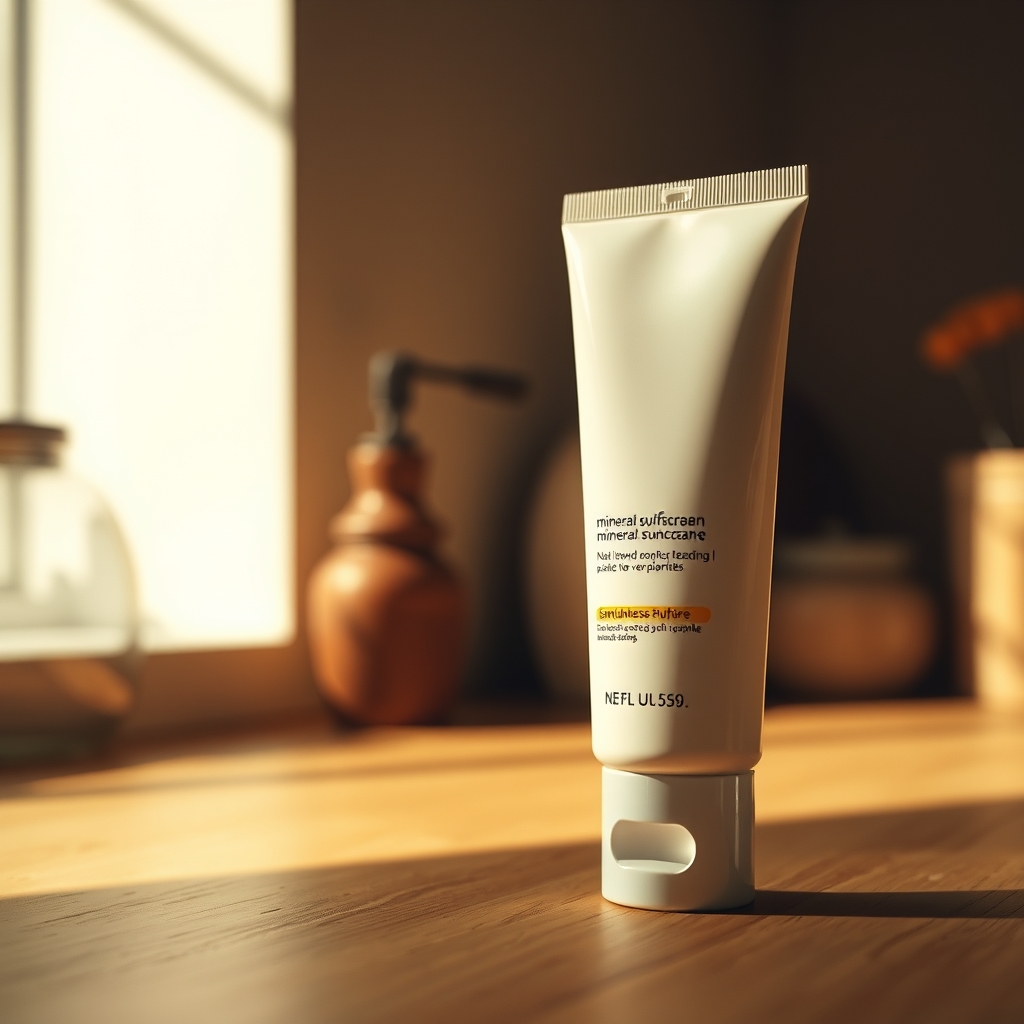
Discover which sunscreen ingredients are safe during pregnancy. Learn about mineral vs. chemical options and what to avoid for your baby’s health.
By Shubhra Mishra — a mom of two who turned her own confusion during pregnancy into BumpBites, a global mission to make food choices clear, safe, and stress-free for every expecting mother. 💛
Check whether any food is safe during pregnancy with the BumpBites Food Safety Checker.
Quick take: Most dermatologists and obstetric societies agree that mineral sunscreens containing zinc oxide or titanium dioxide are safe for pregnancy, while many chemical filters such as oxybenzone, avobenzone, and octinoxate are best avoided. Choose a broad‑spectrum SPF 30‑50 product, apply it generously, and reapply every two hours or after swimming.
It’s 10 p.m., you’re still feeling the lingering heat of a summer day, and you’ve just noticed a faint pink line on your belly. While you’re scrolling for “is sunscreen safe in pregnancy,” a wave of worry washes over you: are the lotions you trust actually harming your baby? You’re not alone. Expectant mothers often wonder whether the SPF they reach for every morning might be a hidden risk.
The good news is that protecting your skin from UV radiation is more important than ever during pregnancy. Hormonal changes can make you more prone to melasma, sunburn, and even skin‑cancer‑related concerns. By choosing the right sunscreen ingredients, you can enjoy safe sun exposure without compromising your baby’s development.
In this guide we’ll answer the most common safety questions, break down which ingredients are pregnancy‑friendly, show you how to read labels, and give practical tips on application, re‑application, and choosing products for sensitive skin. By the end you’ll have a clear, doctor‑approved plan for sun‑smart pregnancy.
Applying sunscreen is a simple daily habit that protects both you and your developing baby.
What sunscreen ingredients are safe to use during pregnancy?
When you scan a sunscreen label, the first thing you’ll see is a list of active UV filters. The safest options for pregnancy are mineral (also called “physical”) filters—specifically zinc oxide and titanium dioxide. These work by reflecting and scattering UV rays rather than being absorbed into the skin.
Both the American College of Obstetricians and Gynecologists (ACOG) and the UK’s National Institute for Health and Care Excellence (NICE) note that zinc oxide and titanium dioxide are considered non‑penetrating and have a long history of safe use in infants and children. The FDA classifies them as “generally recognized as safe and effective” (GRAS) for topical use.
Because mineral filters sit on the surface of the skin, they are less likely to enter the bloodstream. Studies measuring systemic absorption of zinc oxide and titanium dioxide have consistently shown negligible levels, even after repeated application.
In contrast, many chemical filters—oxybenzone, avobenzone, octinoxate, and homosalate—are absorbed to varying degrees. The FDA’s 2021 safety review flagged oxybenzone for its endocrine‑disrupting potential in animal models, prompting the agency to recommend limiting exposure, especially for pregnant individuals.
For peace of mind, look for products that list “zinc oxide %” or “titanium dioxide %” as the sole active ingredients. Formulations that combine both can provide broad‑spectrum protection (UVA + UVB) while staying within the safety guidelines set by ACOG, CDC, and WHO.
In addition to the active filters, pay attention to the inactive matrix. A silicone‑based, fragrance‑free base can improve wearability without adding unnecessary chemicals. The overall formulation should be non‑comedogenic for pregnant women who may experience acne flare‑ups.
Are mineral sunscreens safe for pregnant women?
Y
es—when used as directed, mineral sunscreens are the gold standard for pregnancy. The key is to choose a product that is non‑nano, meaning the particles are larger than 100 nm. Nano‑sized particles have raised theoretical concerns about deeper skin penetration, though current evidence from the European Commission’s Scientific Committee on Consumer Safety (SCCS) still classifies them as safe when applied to intact skin.
Most reputable brands now label their mineral sunscreens as “non‑nano” to reassure consumers. For example, EltaMD UV Clear SPF 46 lists 9.0% zinc oxide and 7.0% titanium dioxide, both non‑nano, and is frequently recommended by dermatologists for pregnant patients with sensitive skin or melasma.
Beyond safety, mineral sunscreens tend to be gentler on the skin. They are less likely to cause irritation, allergic reactions, or the stinging sensation that some chemical filters provoke—important considerations when pregnancy hormones make the skin more reactive.
When you apply a mineral sunscreen, use a pea‑sized amount for each hand, face, and neck, then spread evenly. The product should feel slightly chalky at first but will blend into a clear finish within a few minutes. If you notice a white cast, that’s a sign you’re using enough—don’t dilute it with moisturizer, as that reduces protection.
Recent data from the American Academy of Dermatology (AAD) suggest that mineral sunscreens also have a modest anti‑inflammatory effect, which can soothe the occasional redness that pregnancy hormones trigger.
Chemical sunscreen vs mineral sunscreen safety in pregnancy
Both types aim to shield skin from UVA (aging) and UVB (burn) rays, but they do so in different ways. Chemical filters absorb UV energy and convert it to heat, while mineral filters reflect it. This distinction matters because absorption can lead to systemic exposure.
Aspect
Chemical Sunscreens
Mineral Sunscreens
Typical Active Ingredients
Oxybenzone, Avobenzone, Octinoxate, Homosalate
Zinc Oxide, Titanium Dioxide
Systemic Absorption
Detectable in blood; higher with repeated use
Negligible; particles remain on skin surface
Pregnancy Guidelines (ACOG, NICE)
Prefer to avoid, especially oxybenzone & octinoxate
Considered safe; non‑nano preferred
Skin Sensitivity
May cause irritation, especially on eczema‑prone skin
Gentle; suitable for sensitive or melasma‑prone skin
Water Resistance
Often labeled “water‑resistant” for 80 min
Usually water‑resistant; reapply after swimming
Given the current evidence, most obstetricians advise pregnant patients to prioritize mineral sunscreens, especially during the second and third trimesters when hormone‑driven hyperpigmentation (melasma) is common. If you do need a chemical sunscreen—for example, for a sport‑specific product—choose one that is oxybenzone‑free, avobenzone‑free, and limited to low concentrations of octinoxate, and discuss it with your provider.
It’s also worth noting that some newer “hybrid” sunscreens combine low levels of both mineral and chemical filters to achieve a transparent finish. While early safety data are reassuring, the safest route during pregnancy remains a fully mineral formulation.
Best sunscreen for pregnant women with sensitive skin
Pregnant skin can feel tight, itchy, or prone to breakouts. A fragrance‑free, hypoallergenic mineral sunscreen is typically the safest bet. Below are three products that consistently receive high marks from dermatologists and pregnancy‑focused health sites in 2024:
Badger Broad Spectrum SPF 30 – 20 % non‑nano zinc oxide, certified organic, contains jojoba oil for extra moisturization without irritation.
Neutrogena Sheer Zinc Sheer Face Fluid SPF 50 – 21 % zinc oxide, lightweight gel texture, non‑comedogenic, and dermatologist‑tested for sensitive skin.
All three meet the FDA’s broad‑spectrum criteria, have an SPF of at least 30, and are free from oxybenzone, octinoxate, and parabens. When selecting a sunscreen, also check for “water‑resistant” labeling if you’ll be swimming or sweating, and store the bottle away from direct heat to preserve the integrity of the minerals.
For those who prefer a creamier texture, the Badger line offers a “gentle” version that includes shea butter, which can be soothing for dry, hormonally‑affected skin. The key is to test a small patch first—apply a dab to the inner forearm and wait 24 hours to confirm no irritation.
How to read sunscreen labels for pregnancy safety
Label literacy can feel overwhelming, but focus on three key areas:
Active ingredients list – Look for zinc oxide or titanium dioxide. If you see oxybenzone, avobenzone, octinoxate, homosalate, or octocrylene, consider an alternative.
SPF rating – SPF 30 blocks about 97 % of UVB rays; SPF 50 blocks roughly 98 %. For pregnancy, SPF 30–50 is sufficient when applied correctly.
Broad‑spectrum claim – Guarantees protection against both UVA and UVB. This is crucial for preventing melasma, which is driven by UVA exposure.
Additional label cues to watch for include “non‑nano,” “fragrance‑free,” “paraben‑free,” and “hypoallergenic.” If a product is marketed as “organic” or “natural,” verify that the active filters are still mineral; some “organic” sunscreens still rely on chemical filters.
Don’t be misled by “SPF 100” claims; the incremental protection beyond SPF 50 is minimal, while higher SPF numbers often come with higher concentrations of chemical filters that may not be pregnancy‑friendly.
Sunscreen ingredients to avoid while pregnant
The consensus among ACOG, the FDA, and the European SCCS is to steer clear of the following filters during pregnancy:
Oxybenzone – Linked to endocrine disruption in animal studies; FDA recommends limiting exposure.
Octinoxate (Octyl Methoxycinnamate) – Shows hormone‑mimicking activity in vitro; many countries have banned it in cosmetics.
Avobenzone – While generally considered low risk, it can degrade under UV exposure and may increase skin irritation.
Homosalate & Octocrylene – Both have been detected in urine after regular use, suggesting systemic absorption.
Parabens & Phthalates – Not UV filters, but common preservatives that some expectant mothers prefer to avoid.
If you already own a sunscreen that contains any of these ingredients, you don’t need to panic. The risk is linked to chronic, high‑frequency use. Switch to a mineral alternative, and use the old product only as a short‑term backup while you transition.
For those who love the feel of a “dry‑touch” sunscreen, there are non‑nano mineral options that mimic that texture without resorting to the chemicals above. Look for descriptors like “silica‑enhanced” or “powder‑finish” in the inactive ingredient list.
Can I use SPF 50 sunscreen during pregnancy?
Absolutely—SPF 50 is safe as long as the product’s active ingredients are pregnancy‑friendly. The CDC’s Sun Safety guidelines explain that the SPF number reflects the amount of UVB protection; it does not indicate toxicity. What matters is the filter type.
When applying SPF 50, you still need the same amount—about one ounce (a shot‑glass full) for full‑body coverage. Under‑application is the most common mistake, leading to a false sense of security. For the face and neck, a nickel‑sized dollop is enough, but be generous on exposed areas like the arms and legs.
Re‑apply every two hours, or sooner after swimming, sweating, or towel‑drying. Pregnancy can increase skin blood flow, which may cause sunscreen to wear off slightly faster, so keep a travel‑size bottle handy for quick touch‑ups.
When selecting SPF 50 mineral sunscreens, verify that the product is also “broad‑spectrum.” Some high‑SPF formulas focus heavily on UVB protection and may lack adequate UVA coverage, which is essential for preventing melasma.
Organic sunscreen safe for pregnancy
“Organic” typically refers to the non‑active ingredients (the base cream, plant extracts, etc.) rather than the UV filters themselves. An organic sunscreen that uses zinc oxide or titanium dioxide as its only UV filters can be a great choice for pregnancy.
Brands such as Badger and Raw Elements market their sunscreens as USDA‑certified organic, meaning the carrier oils, butters, and botanical extracts meet strict organic standards. These products often avoid synthetic fragrances and preservatives, reducing the risk of irritation.
However, always double‑check the active filter list. Some “organic” sunscreens still incorporate chemical filters like avobenzone to achieve a clear finish. If the label lists only zinc oxide (non‑nano) or titanium dioxide, the product aligns with the safety recommendations from ACOG and the WHO.
Organic carriers can also bring skin‑benefiting nutrients. For example, a shea‑butter base supplies natural vitamins A and E, which may help soothe dry, hormonally‑sensitive skin without compromising sun protection.
Look for “zinc oxide” or “titanium dioxide” as the only active ingredients.
Pregnancy safe sunscreen recommendations and top‑rated options for 2024
Based on reviews from the Mayo Clinic, the UK’s NHS, and leading pregnancy blogs, the following five sunscreens have emerged as the most trusted for expectant mothers in 2024:
Product
Active Ingredients
SPF
Key Features
EltaMD UV Clear
9 % zinc oxide, 7 % titanium dioxide
46
Fragrance‑free, oil‑free, suited for melasma
Badger Broad Spectrum
20 % non‑nano zinc oxide
30
USDA‑organic, creamy texture
Neutrogena Sheer Zinc Face Fluid
21 % zinc oxide
50
Lightweight gel, water‑resistant
Coola Classic Body SPF 30
15 % zinc oxide, 5 % titanium dioxide
30
Vegan, antioxidant‑rich botanical blend
Blue Lizard Australian Sunscreen Sensitive
10 % zinc oxide, 5 % titanium dioxide
30+
Fragrance‑free, quick‑dry finish
All five meet the “broad‑spectrum” requirement, are free of oxybenzone and octinoxate, and have been praised for being gentle on pregnancy‑altered skin. When selecting a product, consider your skin type (oily vs. dry), preferred texture, and whether you need water‑resistance for outdoor activities.
Remember that sunscreen is only one part of a sun‑smart regimen. Pairing it with protective clothing, wide‑brim hats, and sunglasses creates a layered defense that further reduces melasma risk.
Application guidelines: amount, frequency, and re‑application during pregnancy
Correct application is the cornerstone of effective sun protection. Here’s a step‑by‑step routine you can follow each morning:
Cleanse your skin with a gentle, pregnancy‑safe cleanser.
Moisturize if needed—choose a fragrance‑free, hypoallergenic moisturizer.
Apply sunscreen at least 15 minutes before heading outside. Use about 1 teaspoon for the face and neck, 1 tablespoon for each arm, and 2 tablespoons for the torso (the “shot‑glass” rule).
Blend thoroughly to avoid white streaks; mineral sunscreens may need a minute to settle.
Re‑apply every two hours, or after swimming, sweating, or towel‑drying. During pregnancy, some women find that re‑application is needed slightly more often due to increased skin oiliness.
Don’t forget often‑missed spots: the tops of your ears, the back of your neck, the décolletage, and the area behind your knees. If you’re using a mineral sunscreen with a matte finish, you can layer a light, non‑comedogenic moisturizer on top without compromising protection.
Pregnancy vitamins (prenatal supplements) contain antioxidants like vitamin C and E, which can actually enhance skin’s resilience to UV damage. There’s no known harmful interaction between these vitamins and topical sunscreen, so you can safely continue both.
Special considerations: sensitive skin, hyperpigmentation, and melasma in pregnancy
Hormonal fluctuations often trigger melasma (the “mask of pregnancy”) and can exacerbate existing hyperpigmentation. UVA rays are the main driver of melasma, making broad‑spectrum protection essential. Mineral sunscreens with zinc oxide or titanium dioxide block both UVA and UVB effectively, and their gentle nature reduces the risk of further irritation.
If you have a history of eczema or rosacea, choose a fragrance‑free, oil‑free mineral sunscreen. The “non‑nano” versions reduce the chance of the particles feeling gritty on compromised skin. For extra soothing, look for sunscreens that include calming ingredients like aloe vera, chamomile, or oat extract—just verify that these are listed under “inactive ingredients” and not hidden chemical filters.
In the second trimester, many women notice darker patches appearing on the cheeks and forehead. Applying sunscreen within 30 minutes after waking, and re‑applying after any water exposure, can help prevent these patches from deepening. Pair sunscreen use with a broad‑spectrum antioxidant serum (vitamin C) to aid in fading existing dark spots, but always check with your OB‑GYN before introducing new topical actives.
For those who experience a “tight” feeling after applying mineral sunscreen, a light mist of facial spray with hyaluronic acid can restore moisture without interfering with the sun barrier.
Sunscreen and vitamin D during pregnancy
Vitamin D is vital for fetal bone development, and many pregnant women wonder whether diligent sunscreen use could cause a deficiency. The body produces vitamin D when UVB rays strike the skin, but only a small portion of the body needs to be exposed for adequate synthesis.
Studies published in the Journal of Clinical Endocrinology (2022) show that regular sunscreen use does not significantly lower serum vitamin D levels in pregnant women, especially when dietary intake and prenatal supplements are accounted for. The American Academy of Pediatrics (AAP) recommends continuing prenatal vitamin D supplementation (usually 600–800 IU daily) regardless of sunscreen habits.
If you have a documented deficiency, your provider may suggest a modest, brief sun exposure (e.g., 10‑15 minutes on the forearms a few times a week) while still using sunscreen on the rest of your body. This balanced approach protects against UV damage while supporting healthy vitamin D levels.
Travel and outdoor activities: sun protection strategies for pregnant women
Whether you’re heading to a beach vacation or a weekend hike, sun safety becomes a logistics question. Pack a travel‑size mineral sunscreen (about 30 ml) that fits easily in a diaper bag or carry‑on. Look for “water‑resistant” formulas that stay effective for at least 80 minutes of swimming or sweating.
In addition to sunscreen, wear UPF‑rated clothing, a wide‑brim hat, and UV‑blocking sunglasses. A lightweight, breathable rash guard can double as a sun‑protective shirt for beach days. If you’ll be at high altitude (e.g., mountain resorts), remember that UV intensity increases about 10 % for every 1,000 feet of elevation, so you may need to reapply more frequently.
When traveling abroad, check the local regulations. Some countries (e.g., parts of the EU) have banned certain chemical filters, making mineral sunscreens the default. This can simplify your packing list and reduce the risk of inadvertently using a restricted ingredient.
From our medical team: “Sunscreen is one of the safest, most effective tools you have during pregnancy. Stick with zinc oxide or titanium dioxide formulations, apply generously, and re‑apply regularly. If you notice any redness, itching, or new spots despite sunscreen use, reach out to your dermatologist or OB‑GYN—early evaluation can keep both you and your baby comfortable.”
Myth vs. fact
Myth: All sunscreens are equally safe during pregnancy.
Fact: Mineral sunscreens with zinc oxide or titanium dioxide are widely endorsed as safe, while many chemical filters (oxybenzone, octinoxate) are best avoided due to potential endocrine activity.
Myth: You can skip sunscreen on cloudy days because UV rays don’t reach the skin.
Fact: Up to 80 % of UVB and 100 % of UVA rays penetrate clouds; pregnant skin is still at risk for melasma and sunburn.
Myth: Higher SPF numbers mean safer sunscreen for pregnancy.
Fact: SPF 30‑50 provides adequate protection when applied correctly; the safety hinges on the filter type, not the SPF rating.
Key takeaways
Choose mineral sunscreens with non‑nano zinc oxide or titanium dioxide; they are the safest options for pregnancy.
Avoid chemical filters such as oxybenzone, octinoxate, avobenzone, and homosalate.
Apply at least 1 teaspoon for the face/neck and 2 tablespoons for the body, re‑applying every two hours.
For sensitive or melasma‑prone skin, opt for fragrance‑free, hypoallergenic mineral formulas.
Read labels for “broad‑spectrum,” “non‑nano,” and “SPF 30‑50” to ensure adequate protection.
Stay consistent: sunscreen should become part of your daily prenatal routine, just like prenatal vitamins.
If you travel or spend extended time outdoors, pair sunscreen with UPF clothing, hats, and sunglasses.
Frequently asked questions
Can I use sunscreen while pregnant?
Yes—sunscreen is recommended for pregnant women, especially those with increased skin sensitivity or melasma. Choose mineral filters (zinc oxide or titanium dioxide) and apply as you would any other time.
Which sunscreen ingredients are unsafe during pregnancy?
Ingredients to avoid include oxybenzone, octinoxate, avobenzone, homosalate, and octocrylene. These chemical filters have shown systemic absorption and potential endocrine‑disrupting effects in animal studies.
Is mineral sunscreen better than chemical sunscreen for pregnant women?
Generally, yes. Mineral sunscreens sit on the skin’s surface, providing effective UV protection without the systemic absorption associated with many chemical filters, making them the preferred choice during pregnancy.
How often should I reapply sunscreen during pregnancy?
Reapply every two hours, or after swimming, sweating, or towel‑drying. Because pregnancy can increase skin oiliness, you may need to reapply a bit sooner if you notice the product wearing off.
Can sunscreen cause birth defects?
Current evidence does not link mineral sunscreens to birth defects. Concerns focus on chemical filters like oxybenzone, which some studies suggest could affect hormone pathways, so it’s safest to avoid them.
Are there any sunscreen brands recommended for pregnancy?
Top‑rated options in 2024 include EltaMD UV Clear SPF 46, Badger Broad Spectrum SPF 30, Neutrogena Sheer Zinc SPF 50, Coola Classic Body SPF 30, and Blue Lizard Sensitive SPF 30+. All contain only zinc oxide or titanium dioxide and are free of oxybenzone and octinoxate.
Will sunscreen affect my vitamin D levels?
Using mineral sunscreen as directed does not significantly lower vitamin D levels in most pregnant women, especially when prenatal vitamin D supplements are taken. A brief, limited sun exposure can be added if a deficiency is identified.
What should I do if I develop a rash after applying sunscreen?
If you notice redness, itching, or a rash within 24 hours of applying a new sunscreen, stop using the product and rinse the area with cool water. Contact your OB‑GYN or dermatologist to rule out an allergic reaction and to get a recommendation for an alternative formulation.
When to call your doctor
If you develop severe skin irritation, unexplained rashes, sudden worsening of melasma despite regular sunscreen use, or any signs of an allergic reaction (swelling, difficulty breathing), contact your OB‑GYN or dermatologist right away. This article provides general information and is not a substitute for personalized medical advice.
References
American College of Obstetricians and Gynecologists (ACOG). “Guidance on Sunscreen Use During Pregnancy.” 2023.
U.S. Food and Drug Administration (FDA). “Sunscreen Ingredient Safety.” 2021.
World Health Organization (WHO). “Ultraviolet Radiation and Health.” 2022.
National Institute for Health and Care Excellence (NICE). “Skin Cancer Prevention.” 2023.
Centers for Disease Control and Prevention (CDC). “Sun Safety.” 2022.
European Commission Scientific Committee on Consumer Safety (SCCS). “Safety Assessment of Zinc Oxide and Titanium Dioxide.” 2020.
Mayo Clinic. “Sunscreen: How to Choose the Right One.” 2024.
National Health Service (NHS). “Sunscreen and Pregnancy.” 2024.
American Academy of Dermatology (AAD). “Mineral Sunscreens and Skin Inflammation.” 2022.
Journal of Clinical Endocrinology. “Sunscreen Use and Vitamin D Levels in Pregnancy.” 2022.
American Academy of Pediatrics (AAP). “Vitamin D Recommendations for Pregnant Women.” 2023.
Not sure about the label on Sunscreen During Pregnancy Safe Ingredients products?
Snap the ingredients list and SafeFilter checks every ingredient for your stage — only 3 free scans this month, then you're locked until reset. Unlimited from $7/mo or $50/yr.
When Shubhra Mishra was expecting her first child in 2016, she was overwhelmed by conflicting food advice — one site said yes, another said never. By the time her second baby arrived in 2019, she realized millions of mothers face the same confusion.
That sparked a five-year journey through clinical nutrition papers, cultural diets, and expert conversations — all leading to BumpBites: a calm, compassionate space where science meets everyday motherhood.
Her long-term vision is to build a global community ensuring safe, supported, and free deliveriesfor every mother — because no woman should face pregnancy alone or uninformed. 🌿
🌍 Stand with mothers, shape safer guidance
Join a small circle of experts who review BumpBites articles so expecting parents everywhere can decide with confidence.