Stomach Cramps and Diarrhea in Early Pregnancy

Stomach Cramps and Diarrhea in Early Pregnancy
On this page

Stomach Cramps and Diarrhea in Early Pregnancy are common, usually caused by hormonal changes, find out what to expect and how to manage symptoms

Shubhra Mishra

By Shubhra Mishra — a mom of two who turned her own confusion during pregnancy into BumpBites, a global mission to make food choices clear, safe, and stress-free for every expecting mother. 💛

Are you a qualified maternal-health or nutrition expert? Join our reviewer circle.

Wondering about another food?

Check whether any food is safe during pregnancy with the BumpBites Food Safety Checker.

Download the Complete Pregnancy Food Guide (10,000 Foods) 📘

Instant PDF download • No spam • Trusted by thousands of moms

💡 Your email is 100% safe — no spam ever.

Quick take: Stomach cramps and diarrhea in early pregnancy are often normal, caused by hormonal shifts, uterine changes, and dietary sensitivities. While usually harmless, it's crucial to stay hydrated and recognize warning signs like severe pain, fever, or signs of dehydration, which warrant a call to your doctor or midwife.
It’s 3 a.m., and you’ve just woken up with that familiar, unsettling feeling: stomach cramps and an urgent need to run to the bathroom. If you’re in your first trimester, your mind might race, wondering if this is just another "fun" part of early pregnancy or something more serious. Take a deep breath. You’re not alone, and for many expecting parents, these symptoms are a surprisingly common experience. Early pregnancy brings a whirlwind of changes to your body, and your digestive system is no exception. From fluctuating hormones to a rapidly growing uterus, many factors can contribute to an upset stomach. While it can be uncomfortable and anxiety-inducing, most cases of cramps and diarrhea in the first trimester are harmless and resolve on their own. However, it's also important to know when to pay closer attention. This guide will walk you through the common causes behind these symptoms, how to find relief safely, and most importantly, when it’s time to reach out to your healthcare provider for reassurance and advice. We're here to help you understand what's happening and feel more prepared.

Pregnant woman gently holding her stomach, looking a little uncomfortable but calm, in a soft, bright bedroom
Experiencing stomach cramps and diarrhea in early pregnancy can be unsettling, but it's often a normal part of your body adapting.

Why do I get stomach cramps and diarrhea during the first trimester?

It might feel counterintuitive, but stomach cramps and diarrhea are very common in the first trimester, and they're usually tied to the incredible changes happening within your body as you prepare to grow a baby. Your body is undergoing a massive transformation, and your digestive system is often one of the first to react. One of the biggest culprits is the surge in **hormones**, particularly progesterone. Progesterone’s main job is to relax the smooth muscles of your uterus to prevent contractions and support the growing pregnancy. But here’s the thing: your digestive tract is also made of smooth muscle. So, when progesterone tells your uterus to relax, it also tells your intestines to slow down. This can lead to a sluggish digestive system, which might sound like it would cause constipation (and it often does for many), but for some, this relaxation can lead to unpredictable bowel movements, including bouts of diarrhea. The muscles move food through your system less efficiently, which can sometimes result in food passing through too quickly or, conversely, getting backed up and then suddenly releasing. Beyond hormones, your **uterus is beginning to stretch and grow** even in these early weeks. This expansion can cause mild cramping, often described as period-like aches or a dull pressure in your lower abdomen. These "round ligament pains" are usually felt later, but early stretching can still contribute to general abdominal discomfort. This stretching and increased blood flow to the pelvic area can also impact the surrounding digestive organs, sometimes leading to changes in bowel habits. Then there’s the **increased sensitivity** of your digestive system during pregnancy. Many expecting parents find that foods they once enjoyed now cause indigestion, gas, or an upset stomach. Your body is working harder, your immune system is slightly altered, and your gut microbiome might even shift. This heightened sensitivity can make you more prone to reacting to certain foods, stress, or even just the general internal changes, leading to cramps and diarrhea. It's also worth noting that **dietary changes** can play a role. Many people try to eat healthier or make different food choices once they find out they're pregnant. Sometimes, an abrupt increase in fiber (like switching to whole grains or more fruits and vegetables) can initially cause gas, bloating, and looser stools until your body adjusts. Conversely, some experience aversions to certain foods, leading to a more restrictive diet that might lack necessary fiber or nutrients, also affecting bowel regularity. Finally, **stress and anxiety** can also contribute. Discovering you're pregnant, especially if it's your first time, is a huge life event. The worry about what you can eat, what's safe, and all the unknowns can manifest physically, including digestive upset. It’s a bit of a vicious cycle: you get cramps and diarrhea, you worry, and that worry can make the symptoms feel worse. These symptoms, especially when mild and intermittent, are often just a normal, albeit unpleasant, part of your body’s incredible work in early pregnancy. They typically don't last the entire pregnancy; many find their digestive system settles down by the second trimester as hormone levels stabilize. However, it's always wise to monitor your body and discuss any persistent or concerning symptoms with your healthcare provider. For many, these episodes will pass within a day or two, but understanding the underlying causes can help alleviate some of the worry.

Is stomach cramping and diarrhea a sign of miscarriage?

Th
is is one of the most common and distressing worries for anyone experiencing stomach cramps and diarrhea in early pregnancy. It's natural to jump to the worst-case scenario, especially with the high emotional stakes of a developing pregnancy. However, it's important to know that **isolated stomach cramping and diarrhea on their own are generally NOT a direct sign of miscarriage.** Miscarriage typically presents with a very specific set of symptoms, the most prominent of which is **vaginal bleeding**. This bleeding can range from light spotting to heavy flow, often accompanied by clots or tissue. The other key symptom is **severe, persistent abdominal pain or cramping**, which is usually much more intense and localized than the general discomfort or "period-like" cramps many experience in early pregnancy. This pain often feels like strong contractions and can radiate to your back or pelvis. While some individuals experiencing a miscarriage might also have digestive upset, it's usually secondary to the primary symptoms of bleeding and severe cramping. If you are experiencing mild, intermittent cramps and diarrhea without any vaginal bleeding or intense, worsening pain, it is far more likely to be related to the normal physiological changes of early pregnancy, as discussed earlier. **Can diarrhea *cause* a miscarriage?** This is another common fear. Generally, no. Diarrhea itself does not directly cause a miscarriage. The concern with severe or prolonged diarrhea in pregnancy is primarily the risk of **dehydration and electrolyte imbalance**. Severe dehydration can be dangerous for anyone, and in pregnancy, it can potentially lead to reduced blood flow to the uterus, which in extreme cases, *could* theoretically pose a risk. However, this is usually only a concern with very severe, persistent, and untreated dehydration. Mild, occasional diarrhea that is managed by staying hydrated is highly unlikely to impact your pregnancy. It's crucial to differentiate between the general digestive upset that is common in early pregnancy and the distinct warning signs of a potential miscarriage. If your cramps are mild, fleeting, and not accompanied by bleeding, and your diarrhea is not severe or prolonged, try to reassure yourself that these are likely normal pregnancy symptoms. However, if you experience any of the following, it is important to contact your healthcare provider immediately: * Vaginal bleeding (any amount, especially if it's bright red or heavy) * Severe, sharp, or worsening abdominal pain that doesn't go away * Pain that feels like strong contractions * Passage of tissue from the vagina * Diarrhea accompanied by a high fever (over 100.4°F or 38°C) * Signs of severe dehydration (dizziness, reduced urination, extreme thirst) Your provider can perform an examination or ultrasound to assess your situation and provide the necessary reassurance or care. While anxiety is understandable, knowing the specific signs to look out for can help you respond appropriately and reduce unnecessary stress.

Can food poisoning cause stomach cramps and diarrhea in early pregnancy?

Yes, absolutely. Food poisoning can definitely cause stomach cramps and diarrhea in early pregnancy, and it's a particular concern because your immune system is slightly suppressed during pregnancy to help prevent your body from rejecting the growing fetus. This means you might be more susceptible to foodborne illnesses, and the symptoms could potentially be more severe. Food poisoning occurs when you eat food contaminated with bacteria (like *Salmonella*, *Listeria*, *E. coli*), viruses (like norovirus), or parasites. The symptoms typically include sudden onset of nausea, vomiting, stomach cramps, and diarrhea, often accompanied by fever, chills, and body aches. These symptoms can sometimes mimic general pregnancy upset, but food poisoning tends to be more abrupt, more intense, and may include a fever. **Why is food poisoning a bigger concern during pregnancy?** 1. **Dehydration:** As with any severe diarrhea, the biggest risk is dehydration and electrolyte imbalance. Dehydration can be more problematic for pregnant individuals, potentially leading to uterine contractions or reduced blood flow to the baby. 2. **Severity of Illness:** While most types of food poisoning (like from *Salmonella* or *E. coli*) primarily affect the mother, leading to severe discomfort and dehydration, they usually don't directly harm the fetus *unless* the mother becomes severely ill or dehydrated. 3. **Specific Pathogens:** Some foodborne pathogens, like *Listeria monocytogenes*, are particularly dangerous during pregnancy. *Listeria* can cross the placenta and cause serious complications for the baby, including miscarriage, premature birth, stillbirth, or severe illness in the newborn. Symptoms of listeriosis can be mild and flu-like (fever, muscle aches, nausea, diarrhea) in the pregnant person, making it easy to mistake for a common cold or mild stomach bug. **How to Differentiate Food Poisoning from Normal Pregnancy Symptoms:** * **Onset and Severity:** Food poisoning often comes on suddenly and intensely, with more severe vomiting, diarrhea, and cramps than typical pregnancy discomfort. * **Fever:** A fever (100.4°F or 38°C or higher) is a strong indicator of infection, including food poisoning, and is less common with normal pregnancy-related digestive upset. * **Other Symptoms:** Chills, body aches, and headaches are also more indicative of an infection. * **Duration:** While some pregnancy symptoms can linger, severe food poisoning symptoms usually peak within 24-48 hours, though recovery may take longer. **Food Safety Considerations:** To minimize your risk of food poisoning during pregnancy, it’s vital to be extra vigilant with food safety: * **Avoid certain foods:** Steer clear of unpasteurized dairy products, soft cheeses (like Brie, Feta, Blue Cheese, unless clearly made with pasteurized milk), raw or undercooked meats, poultry, seafood (including sushi and raw oysters), deli meats, hot dogs (unless reheated until steaming hot), raw sprouts, and pre-made salads from deli counters. * **Cook thoroughly:** Ensure all meats, poultry, and eggs are cooked to their recommended internal temperatures. * **Wash produce:** Thoroughly wash all fruits and vegetables under running water, even if you plan to peel them. * **Prevent cross-contamination:** Use separate cutting boards and utensils for raw meats and produce. Wash hands frequently when preparing food. * **Refrigerate promptly:** Store leftovers in the refrigerator within two hours of cooking. If you suspect food poisoning, especially if you have a fever, severe symptoms, or have eaten a high-risk food, contact your doctor immediately. They may recommend testing and specific treatments to protect both you and your baby. Prompt medical attention is key to managing potential risks.
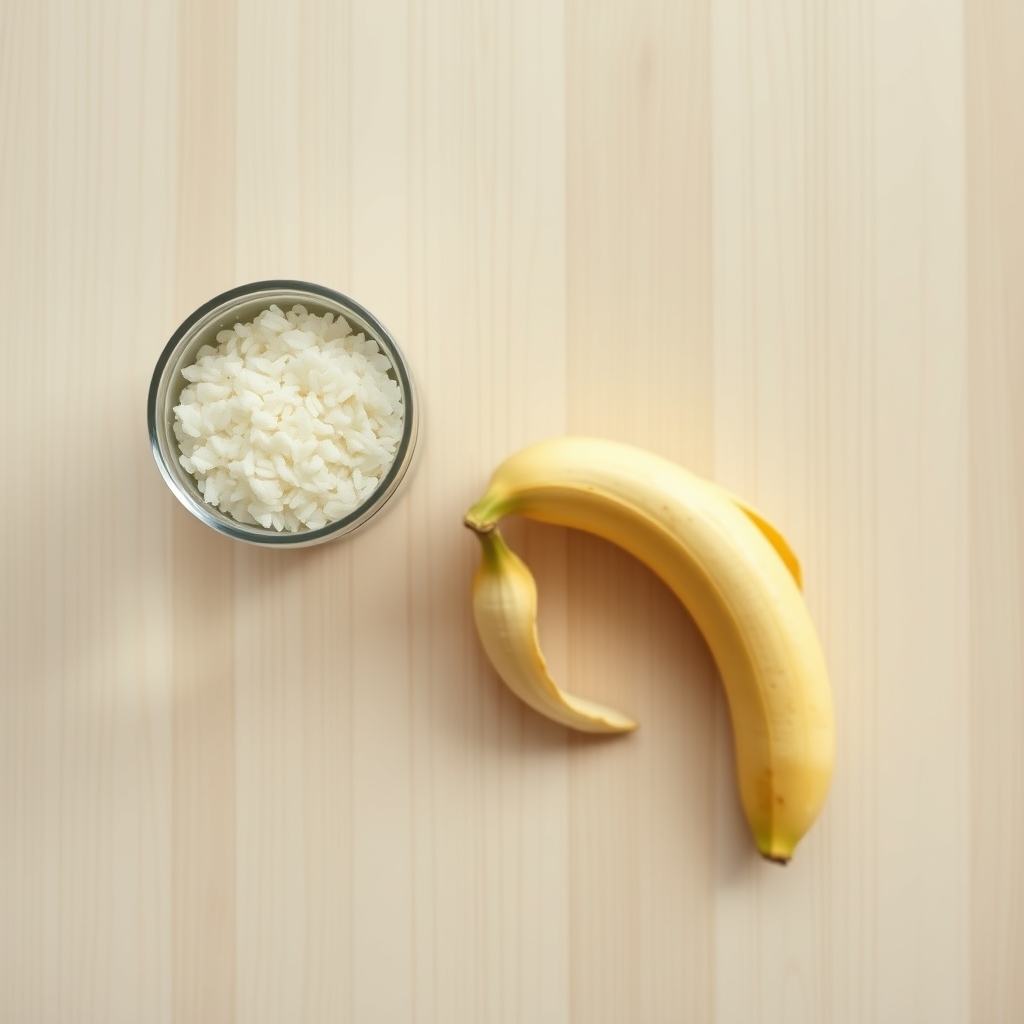
A glass of water next to a bowl of plain rice and a banana on a light wooden table, suggesting bland diet for upset stomach
When dealing with an upset stomach, focus on hydrating fluids and bland, easy-to-digest foods like those in the BRAT diet.

How to safely relieve stomach cramps and diarrhea while pregnant?

When you're dealing with stomach cramps and diarrhea during pregnancy, your priority is to find safe relief while protecting your baby. The good news is that many effective strategies focus on comfort, hydration, and gentle dietary adjustments. Always remember to consult your healthcare provider before taking any new medications or if symptoms persist.

Prioritize Hydration and Electrolytes

This is the most critical step. Diarrhea causes significant fluid loss, and dehydration can be particularly risky during pregnancy. * **Drink plenty of fluids:** Aim for small, frequent sips of water, clear broths (chicken or vegetable), and diluted fruit juices (like apple juice). * **Electrolyte solutions:** Oral rehydration solutions (ORS) like Pedialyte or homemade versions (water, salt, sugar) are excellent for replenishing lost electrolytes. Sports drinks can also work, but be mindful of their sugar content and dilute them if necessary. The CDC recommends ORS for managing dehydration. * **Avoid dehydrating drinks:** Steer clear of caffeine (coffee, certain teas, energy drinks) and sugary sodas, as these can sometimes worsen dehydration or irritate your digestive system.

Embrace the BRAT Diet and Other Bland Foods

When your stomach is upset, think bland, easy-to-digest foods that can help bind your stools. The BRAT diet is a classic for a reason: * **B**ananas: Rich in potassium (often lost during diarrhea) and easy to digest. * **R**ice: Plain white rice is low in fiber and can help firm up stools. * **A**pplesauce: Easy on the stomach and provides some nutrients. * **T**oast: Plain, dry toast (white bread is best here) can be gentle. * **Other bland options:** Boiled potatoes, plain crackers, plain cooked oatmeal, lean chicken or fish (steamed or baked), and clear soups are good choices. * **Eat small, frequent meals:** Don't try to eat large portions. Small, gentle meals are easier for your digestive system to handle.

Rest and Comfort

* **Get plenty of rest:** Your body is working hard already. Rest allows your body to recover and focus its energy on healing. * **Apply a warm compress:** A warm (not hot) compress or heating pad on your abdomen can help soothe muscle cramps. Ensure it's not too hot and place a cloth barrier between the compress and your skin. Never apply directly to the skin. * **Loose clothing:** Wear comfortable, loose-fitting clothing that doesn't put pressure on your abdomen.

Medication Options (Consult Your Doctor First!)

When it comes to medications during pregnancy, always, always, *always* consult your healthcare provider first. Many over-the-counter (OTC) medications are not recommended, or their safety profile in pregnancy hasn't been fully established. * **Loperamide (Imodium):** Some providers may deem loperamide acceptable for short-term use in pregnancy for severe diarrhea, especially if dehydration is a concern. However, it's not a first-line treatment and should only be used under medical guidance. The American College of Obstetricians and Gynecologists (ACOG) generally advises caution with most OTC medications. * **Antacids for cramps and heartburn:** For accompanying heartburn or general stomach upset (which can feel like cramps), some antacids containing calcium carbonate (like Tums) are generally considered safe in pregnancy when used as directed. However, avoid antacids containing sodium bicarbonate, magnesium trisilicate, or aspirin. Always check the active ingredients and discuss with your doctor. * **Probiotics:** While not a direct treatment for acute diarrhea, some studies suggest that certain probiotic strains can help maintain a healthy gut microbiome and may reduce the duration or severity of some types of diarrhea. Discuss with your doctor if a probiotic supplement is right for you. * **Avoid:** Pepto-Bismol (contains bismuth subsalicylate, similar to aspirin), anti-diarrhea medications not cleared by your doctor, and herbal remedies without professional medical advice, as their safety in pregnancy is often unknown.

Monitoring and Tracking

Keep track of your symptoms: when they started, their severity, what you've eaten, and any other accompanying symptoms. This information will be invaluable if you need to call your doctor. Note the frequency and consistency of bowel movements, and look for any changes in color or presence of blood. By focusing on hydration, a bland diet, rest, and only using medications approved by your doctor, you can safely manage most cases of stomach cramps and diarrhea in early pregnancy.

When should I call your doctor for stomach cramps and diarrhea in early pregnancy?

While most instances of stomach cramps and diarrhea in early pregnancy are harmless and resolve on their own, there are definite red flags that mean it's time to pick up the phone and call your healthcare provider or midwife. It’s always better to be safe and get professional advice, especially when you’re pregnant. You should call your doctor or midwife immediately if you experience any of the following: * **Signs of Dehydration:** This is a major concern. Look out for: * **Decreased urination:** Not peeing or peeing very little for several hours. * **Dark urine:** Urine that is much darker than usual. * **Excessive thirst:** Feeling unquenchably thirsty. * **Dizziness or lightheadedness:** Especially when standing up. * **Dry mouth, lips, or skin.** * **Fatigue or weakness** that is more severe than typical pregnancy tiredness. * **High Fever:** A temperature of 100.4°F (38°C) or higher, especially if accompanied by chills or body aches. This can indicate an infection, which needs prompt medical attention. * **Severe or Worsening Pain:** If your abdominal cramps are sharp, intense, localized, or don't ease up. This is particularly important if the pain is worse than typical period cramps, feels like contractions, or is accompanied by shoulder tip pain, which could indicate an ectopic pregnancy (though this usually presents earlier and with more severe, one-sided pain and often bleeding). * **Vaginal Bleeding or Spotting:** Any amount of vaginal bleeding, from light spotting to heavy flow, especially if accompanied by pain or cramping, warrants immediate medical evaluation. This could be a sign of miscarriage or other complications. * **Bloody, Black, or Tar-like Stools:** This indicates bleeding in the digestive tract and needs urgent medical assessment. * **Persistent Vomiting:** If you can't keep any fluids down for more than 12-24 hours, you're at high risk of dehydration. * **Symptoms Lasting More Than 24-48 Hours:** If your diarrhea and cramps don't start to improve after a day or two, or if they worsen, it's time to consult your doctor. * **Lack of Fetal Movement (later in pregnancy):** While this article focuses on early pregnancy, it's a general rule that any change in fetal movement should be reported. * **Exposure to Food Poisoning:** If you know you've eaten something high-risk (like raw deli meat or unpasteurized dairy) and then develop digestive symptoms, contact your doctor even if your symptoms seem mild. Remember, your healthcare provider is there to help guide you through your pregnancy. Don't hesitate to reach out with any concerns, no matter how small they may seem. They can offer reassurance, advise on safe remedies, or recommend further investigation if needed. It's always best to get personalized medical advice for your unique situation.

What foods trigger stomach cramps and diarrhea in the first trimester?

During the first trimester, your body is a sensitive ecosystem, and certain foods that you once enjoyed might now upset your digestive system, leading to cramps and diarrhea. This increased sensitivity is largely due to hormonal changes and a more irritable gut. Identifying these triggers can help you manage your symptoms and feel more comfortable. Here are some common food culprits that can trigger stomach cramps and diarrhea in early pregnancy: * **Greasy and Fatty Foods:** Foods high in fat, like fried foods, rich sauces, and some processed snacks, can be harder for your digestive system to break down. This can lead to indigestion, gas, and sometimes diarrhea as your body struggles to process the fat. The gallbladder, which helps digest fats, can also become sluggish due to pregnancy hormones. * **Spicy Foods:** While some people can handle spice without issue, others find that hot peppers and heavily spiced dishes irritate the lining of their stomach and intestines, leading to cramps and a quick trip to the bathroom. * **Dairy Products (Lactose Intolerance):** Pregnancy can sometimes unmask or worsen temporary lactose intolerance. The hormonal shifts can affect the production of lactase, the enzyme needed to digest lactose (the sugar in milk). If you suddenly find dairy products like milk, cheese, or ice cream causing bloating, gas, cramps, and diarrhea, try reducing your intake or opting for lactose-free alternatives. * **High-Fiber Foods (Sudden Increase):** While fiber is generally good for you, a sudden, drastic increase in fiber intake (e.g., switching from a low-fiber diet to lots of whole grains, raw vegetables, and legumes) can initially overwhelm your digestive system. This can lead to increased gas, bloating, and looser stools until your body adjusts. Introduce fiber gradually. * **Artificial Sweeteners:** Some artificial sweeteners (like sorbitol, xylitol, or mannitol, often found in sugar-free gums, candies, and diet drinks) are known to have a laxative effect, especially in larger quantities. Your pregnant digestive system might be even more sensitive to them. * **Caffeine:** While moderate caffeine intake is generally considered safe in pregnancy (up to 200 mg/day, according to ACOG and NHS), for some, caffeine can act as a stimulant to the bowels, leading to increased bowel movements and sometimes diarrhea. If you're sensitive, even a small amount might trigger symptoms. * **Acidic Foods:** Highly acidic foods like citrus fruits, tomatoes, and some juices can sometimes irritate a sensitive stomach, especially if you're also experiencing heartburn or nausea. * **Gas-Producing Foods:** While they don't always cause diarrhea, foods like beans, lentils, broccoli, cabbage, and onions can lead to significant gas and bloating, which can be accompanied by cramping and general digestive discomfort that might feel similar to pre-diarrhea pangs. * **"Heavy" or Rich Meals:** Large, elaborate meals, especially those consumed late at night, can put a strain on your digestive system, which is already working harder during pregnancy. This can result in indigestion, cramps, and diarrhea. **Diet Tips for Diarrhea in the First Trimester:** * **Keep a food diary:** Note what you eat and when your symptoms appear. This can help you pinpoint specific triggers. * **Eat small, frequent meals:** This is easier on your digestive system than three large meals. * **Cook foods thoroughly:** Raw or undercooked foods (especially meat, poultry, and eggs) and unpasteurized products carry a higher risk of foodborne illness, which can cause severe diarrhea. * **Focus on bland, cooked foods:** When symptoms strike, return to the BRAT diet (bananas, rice, applesauce, toast) and other easily digestible options. * **Stay hydrated:** As always, drinking plenty of water and electrolyte solutions is paramount. By being mindful of these common triggers and adjusting your diet accordingly, you can often significantly reduce the occurrence and severity of stomach cramps and diarrhea during your first trimester.

Are hormonal changes responsible for stomach cramps and diarrhea in early pregnancy?

Yes, absolutely. Hormonal changes are often the primary drivers behind many of the early pregnancy symptoms you experience, and stomach cramps and diarrhea are definitely on that list. Your body undergoes a dramatic hormonal shift from the moment of conception, and these powerful messengers influence nearly every system, including your digestive tract. The main hormone responsible for many of these changes is **progesterone**. As soon as you conceive, progesterone levels begin to rise significantly. This hormone is crucial for maintaining a healthy pregnancy: * **Uterine Relaxation:** Progesterone relaxes the smooth muscles of the uterus, preventing premature contractions and allowing the uterus to grow and accommodate the developing baby. This is its essential role. * **Digestive Tract Relaxation:** The problem (or rather, the side effect) is that progesterone doesn't just target the uterus. It also relaxes the smooth muscles throughout your entire body, including those in your digestive system – your esophagus, stomach, and intestines. When the muscles of your intestines relax, they don't contract as efficiently as usual. This can lead to: * **Slower Digestion:** Food moves through your digestive tract more slowly. This can result in increased gas, bloating, and constipation for many. * **Unpredictable Bowel Movements:** For others, this relaxation can lead to a less coordinated digestive process. Sometimes, food can sit for longer, fermenting and causing gas, followed by periods where it moves too quickly, resulting in diarrhea. This irregularity can be quite frustrating. * **Increased Sensitivity:** The overall slower movement can make your digestive system more sensitive to certain foods or even minor irritants, triggering a diarrheal response more easily. Beyond progesterone, other hormones and pregnancy-related factors also play a role: * **Estrogen:** While progesterone is the star, estrogen levels also rise. Estrogen can also influence gut motility and sensitivity, contributing to digestive changes. * **Human Chorionic Gonadotropin (hCG):** This is the hormone detected by pregnancy tests. High levels of hCG are strongly linked to morning sickness (nausea and vomiting), and while it doesn't directly cause diarrhea, severe nausea and vomiting can disrupt the digestive system and sometimes lead to diarrheal episodes. * **Increased Blood Flow:** In early pregnancy, there's a significant increase in blood flow to the pelvic area, including the uterus and surrounding organs. This increased vascularity can affect the digestive organs and contribute to a general feeling of abdominal fullness or discomfort, sometimes interpreted as cramping. * **Uterine Changes:** As the uterus begins to grow and stretch, even subtly in the first trimester, it can put mild pressure on the surrounding intestines. This physical change, combined with hormonal effects, can contribute to abdominal cramps and altered bowel habits. In essence, your body is adapting to a new state, and your digestive system is caught in the crossfire of hormonal shifts. While it's certainly uncomfortable, understanding that these symptoms are often a natural, hormonally-driven part of early pregnancy can provide some reassurance. They are typically a sign that your body is working hard to support your developing baby.

How to tell the difference between normal pregnancy cramps and concerning symptoms?

Distinguishing between the normal aches and pains of early pregnancy and symptoms that warrant medical attention can be one of the most stressful parts of the first trimester. Many pregnant people experience mild cramping, bloating, and digestive changes, which can easily be mistaken for more serious issues. The key lies in observing the **characteristics** of your symptoms: their intensity, duration, location, and any accompanying signs. Here’s a breakdown to help you differentiate:

Normal Pregnancy Cramps and Digestive Upset

* **Mild to Moderate Intensity:** Often described as a dull ache, stretching sensation, or light pressure, similar to mild period cramps. It shouldn't be debilitating pain. * **Intermittent:** These cramps usually come and go, lasting for a few minutes and then subsiding. They might be triggered by certain movements, gas, or bowel movements. * **Generalized Location:** Often felt across the lower abdomen, sometimes radiating to the sides (round ligament pain), but not typically focused intensely on one spot. * **Accompanied by:** Gas, bloating, changes in bowel habits (either constipation or occasional diarrhea), mild nausea, fatigue. * **Response to Comfort Measures:** Often relieved by rest, changing positions, passing gas, a warm bath, or drinking water. * **Diarrhea Characteristics:** Usually mild, resolves within 24-48 hours, no blood or mucus, and doesn't lead to severe dehydration. **Examples of Normal Cramping:** * **Implantation cramps:** Very early on, light cramping and spotting can occur as the embryo implants. * **Uterine stretching:** As your uterus begins to grow, you might feel mild pulling or stretching sensations. * **Gas and bloating:** Digestive discomfort from changing hormones and dietary shifts can cause significant cramping. * **Round ligament pain:** While more common in the second trimester, some mild, sharp pains in the groin area can occur earlier.

Concerning Symptoms (When to Call Your Doctor)

* **Severe or Worsening Pain:** Sharp, intense, persistent pain that doesn't go away, especially if it's localized to one side or feels like strong contractions. This is a red flag. * **Accompanied by Vaginal Bleeding:** Any amount of vaginal bleeding (from light spotting to heavy flow), especially when combined with cramps, is a significant concern and requires immediate medical attention. * **Fever and Chills:** A temperature of 100.4°F (38°C) or higher, along with body aches, can indicate an infection (like food poisoning or a urinary tract infection), which needs prompt treatment. * **Signs of Dehydration:** Dizziness, lightheadedness, extreme thirst, reduced urination, or a racing heart rate alongside diarrhea. * **Bloody, Black, or Tar-like Stools:** This is a serious symptom indicating internal bleeding. * **Pain Radiating to the Shoulder Tip:** This specific symptom, combined with abdominal pain, can be a sign of an ectopic pregnancy (where the fertilized egg implants outside the uterus), requiring urgent care. * **Persistent Vomiting:** If you can't keep any fluids down for more than 12-24 hours. * **Diarrhea Lasting More Than 48 Hours:** If symptoms don't improve or worsen after two days, or if they are extremely frequent and watery. To help you quickly assess your symptoms, here’s a comparison table:
Symptom Characteristic Likely Normal Pregnancy Symptom Potentially Concerning Symptom (Call Doctor)
Pain Intensity Mild to moderate; dull ache, pressure, stretching. Severe, sharp, persistent, worsening; feels like strong contractions.
Pain Duration Intermittent; comes and goes; short-lived. Constant; doesn't subside; lasts for hours.
Pain Location Generalized lower abdomen; can shift; associated with gas. Localized to one side; radiates to back/shoulder; specific spot.
Vaginal Bleeding No bleeding, or very light spotting (implantation). Any amount of bright red, heavy, or clotty bleeding.
Fever No fever or very slight elevation. 100.4°F (38°C) or higher, often with chills.
Diarrhea Severity Mild, occasional, improves quickly; no blood. Severe, frequent, watery; lasting >48 hours; bloody/black stools.
Other Symptoms Gas, bloating, mild nausea, fatigue, food aversions. Dizziness, fainting, extreme thirst, decreased urination, persistent vomiting.
It's important to trust your instincts. If something feels "off" or you're genuinely worried, don't hesitate to contact your healthcare provider. They are the best resource for personalized medical advice and can offer reassurance or further investigation if necessary.
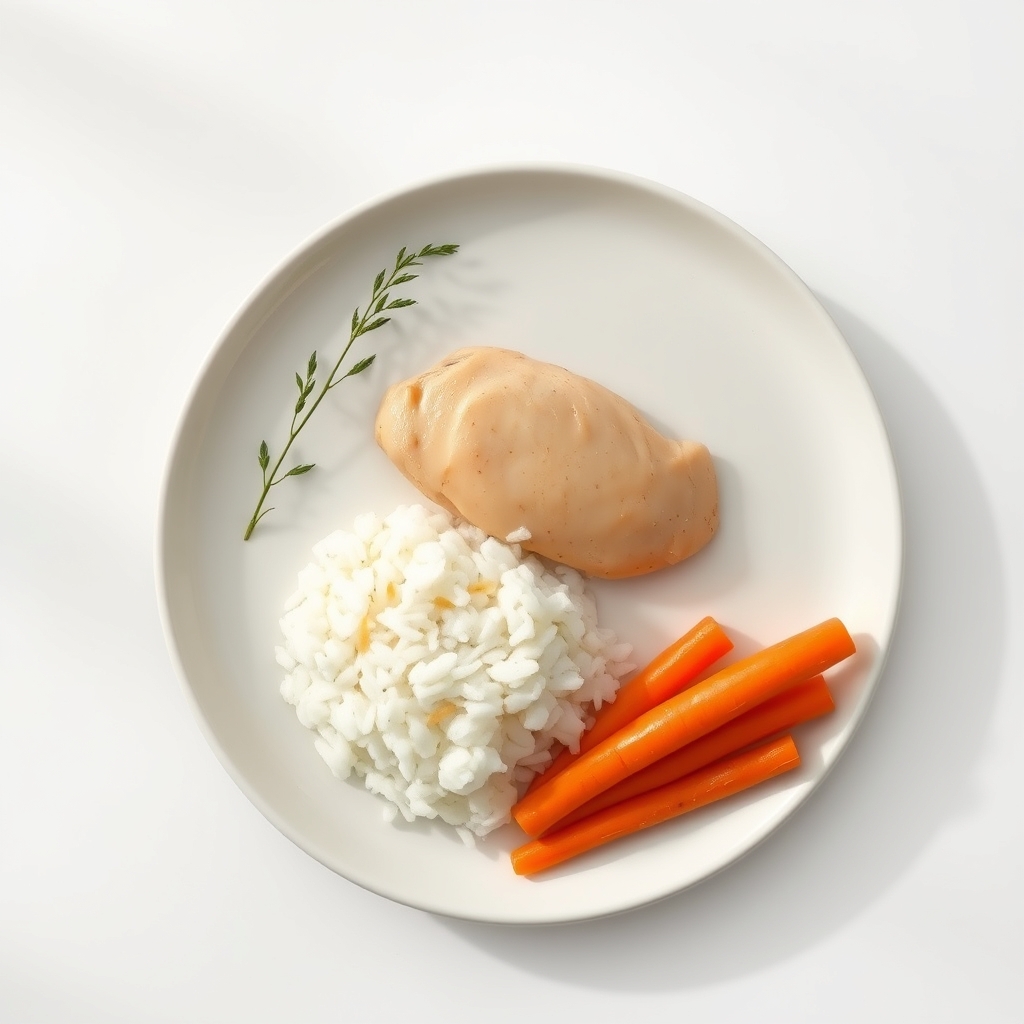
A balanced plate with plain chicken breast, steamed white rice, and cooked carrots, good for sensitive stomach
When your digestive system is sensitive, opt for simple, cooked meals that are easy to digest and nourishing.
From our medical team: "It's incredibly common for pregnant individuals to experience digestive upset, including cramps and diarrhea, especially in the first trimester. Your body is undergoing profound changes, and your gut is very responsive to these shifts. The most important thing is to stay well-hydrated. However, don't hesitate to reach out if you have any concerns – especially if symptoms are severe, persistent, or accompanied by fever or bleeding. We're here to help you navigate these changes safely."

Myth vs. fact

Navigating pregnancy means sifting through a lot of information, and when it comes to digestive issues, there are plenty of myths circulating. Let's set the record straight on some common misconceptions about stomach cramps and diarrhea in early pregnancy. * Myth: Any cramping in early pregnancy means you're having a miscarriage. Fact: This is a very common fear, but it's largely untrue. While severe, persistent cramping accompanied by bleeding can be a sign of miscarriage, mild, intermittent cramping is a normal part of early pregnancy. It can be caused by uterine stretching, implantation, gas, or even changes in bowel habits. Many healthy pregnancies involve some degree of mild cramping in the first trimester. * Myth: Diarrhea is your body "cleansing" itself and is good for the baby. Fact: Diarrhea is a symptom of digestive upset, not a beneficial "cleanse." While it often passes quickly, persistent or severe diarrhea can lead to dehydration and electrolyte imbalance, which can be harmful to both you and your baby if not addressed. Staying hydrated is crucial. * Myth: You can't take any medication for stomach cramps or diarrhea during pregnancy. Fact: While many medications are indeed off-limits or require caution, some over-the-counter options can be used safely under the guidance of your healthcare provider. For example, certain antacids (like calcium carbonate-based ones) are generally considered safe for heartburn and mild stomach upset. For diarrhea, your doctor might approve short-term use of specific anti-diarrheal medications if dehydration is a concern. Always consult your doctor or midwife before taking any medication.

Key takeaways

* Stomach cramps and diarrhea are very common in early pregnancy, primarily due to hormonal changes, uterine stretching, and increased digestive sensitivity. * Prioritize hydration by drinking plenty of water, clear broths, and electrolyte solutions to prevent dehydration. * Opt for bland, easy-to-digest foods like bananas, rice, applesauce, and toast (the BRAT diet) when experiencing symptoms. * Always consult your healthcare provider before taking any over-the-counter medications for cramps or diarrhea during pregnancy. * Seek immediate medical attention if you experience severe pain, high fever, vaginal bleeding, signs of dehydration (dizziness, reduced urination), or if symptoms last longer than 24-48 hours. * Be extra vigilant about food safety to prevent food poisoning, as your immune system is slightly suppressed during pregnancy.

Frequently asked questions

Can diarrhea cause a miscarriage?

Generally, no, diarrhea itself does not directly cause a miscarriage. The main concern with severe or prolonged diarrhea in pregnancy is the risk of dehydration and electrolyte imbalance. While severe dehydration could theoretically impact blood flow to the uterus in extreme cases, mild, occasional diarrhea that is managed by staying hydrated is highly unlikely to cause a miscarriage. Always consult your doctor if you're concerned.

What causes stomach cramps in early pregnancy?

Stomach cramps in early pregnancy are commonly caused by hormonal changes (especially progesterone relaxing smooth muscles), the uterus beginning to stretch and grow, increased gas and bloating due to slower digestion, and sometimes implantation. These cramps are usually mild, intermittent, and resemble light period pains.

Is it safe to take antacids for cramps during pregnancy?

Some antacids are considered safe for occasional use in pregnancy, particularly those containing calcium carbonate (like Tums). However, you should avoid antacids with sodium bicarbonate, magnesium trisilicate, or aspirin. Always check the ingredients and, most importantly, consult your healthcare provider before taking any medication, even over-the-counter ones.

How many times a day is normal diarrhea in the first trimester?

There's no single "normal" number, as bowel habits vary greatly. However, if you are having more than three loose, watery stools a day, or if diarrhea is accompanied by other concerning symptoms like fever, severe pain, or signs of dehydration, it warrants a call to your doctor. Mild, occasional loose stools that resolve quickly are generally less concerning.

Do hormonal changes cause stomach cramps?

Yes, absolutely. Hormonal changes, particularly the surge in progesterone, are a primary cause of stomach cramps in early pregnancy. Progesterone relaxes smooth muscles throughout the body, including those in the digestive tract, which can lead to slower digestion, increased gas, bloating, and sometimes unpredictable bowel movements that result in cramping and diarrhea.

When should I be concerned about cramping and diarrhea in pregnancy?

You should be concerned and contact your doctor if you experience severe, persistent, or worsening pain; any vaginal bleeding or spotting; a high fever (100.4°F/38°C or higher); signs of dehydration (dizziness, extreme thirst, reduced urination); bloody or black stools; or if your symptoms last longer than 24-48 hours and are not improving.

When to call your doctor

While most cases of stomach cramps and diarrhea in early pregnancy are normal, it's crucial to know when to seek medical advice. Call your doctor or midwife immediately if you experience any of the following: * **Severe, persistent, or worsening abdominal pain or cramping.** * **Any vaginal bleeding or spotting.** * **A fever of 100.4°F (38°C) or higher, especially with chills.** * **Signs of dehydration:** severe thirst, dizziness, lightheadedness, reduced urination, or a racing heart. * **Diarrhea that is bloody, black, or tar-like.** * **Diarrhea that lasts longer than 24-48 hours** and does not show signs of improvement. * **Persistent vomiting** that prevents you from keeping fluids down. * **Sharp, one-sided abdominal pain** that could indicate an ectopic pregnancy. This article is for informational purposes only and is not a substitute for professional medical advice, diagnosis, or treatment. Always seek the advice of your physician or other qualified health provider with any questions you may have regarding a medical condition.

References

  1. American College of Obstetricians and Gynecologists (ACOG). FAQs: Early Pregnancy.
  2. National Health Service (NHS) UK. Common health problems in pregnancy.
  3. Centers for Disease Control and Prevention (CDC). Food Safety for Pregnant Women.
  4. Mayo Clinic. Pregnancy Week by Week.
  5. National Institute of Health (NIH). Progesterone.
  6. Food Standards Agency (FSA) UK. Pregnant women.

Editor's pick for this topic

Shubhra Mishra

About the Author

When Shubhra Mishra was expecting her first child in 2016, she was overwhelmed by conflicting food advice — one site said yes, another said never. By the time her second baby arrived in 2019, she realized millions of mothers face the same confusion.

That sparked a five-year journey through clinical nutrition papers, cultural diets, and expert conversations — all leading to BumpBites: a calm, compassionate space where science meets everyday motherhood.

Her long-term vision is to build a global community ensuring safe, supported, and free deliveriesfor every mother — because no woman should face pregnancy alone or uninformed. 🌿

🌍 Stand with mothers, shape safer guidance

Join a small circle of experts who review BumpBites articles so expecting parents everywhere can decide with confidence.

⚠️ Always consult your doctor for medical advice. This content is informational only.