Quick take: A healthy sperm count is typically ≥ 15 million sperm per milliliter of semen. Counts above this range are considered normal for most men, but lifestyle, age, and temporary health issues can cause fluctuations. Regular testing, a balanced diet, stress management, and avoiding tobacco and excess alcohol are the most reliable ways to keep sperm count normal levels within the ideal range.
Imagine you’re sitting in a quiet clinic bathroom, the fluorescent light humming overhead, as you watch the technician pull a tiny sample into a glass slide. Your heart races—not because you’re afraid of needles, but because the numbers on that slide will tell you a lot about your future family plans. Whether you’re planning a first child, trying for twins, or simply curious about your reproductive health, understanding sperm count normal levels can turn uncertainty into actionable insight.
In this guide we’ll break down exactly what “normal” means, how age and everyday habits shape those numbers, and what you can do—today and tomorrow—to protect or improve them. We’ll also walk you through testing procedures, clarify the thresholds doctors use, and compare what’s needed for natural conception versus assisted reproductive technologies like IVF.
By the end of the article you’ll have a clear roadmap: the numbers to aim for, lifestyle tweaks that really work, and the red‑flag signs that mean a specialist’s help is needed. Let’s get started.
What is a normal sperm count and how is it measured?
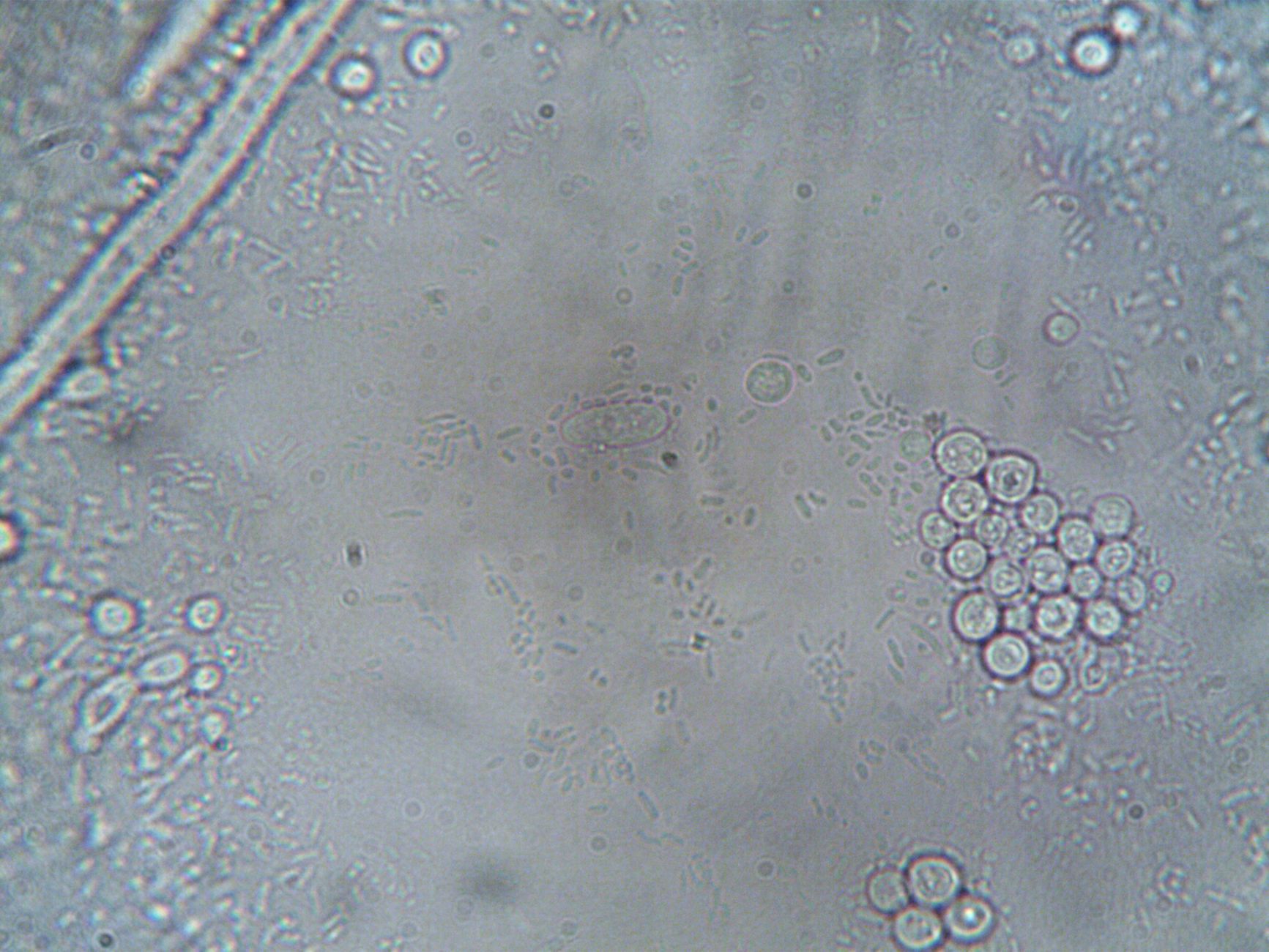
Sperm count is the number of sperm cells present in one milliliter (ml) of semen. In a standard semen analysis, the sample is diluted and examined under a microscope, and the laboratory reports the total sperm concentration (million/ml) and the total number of sperm in the entire ejaculate. The World Health Organization (WHO) 2021 reference values define a normal sperm count as ≥ 15 million sperm per ml. Anything below this threshold is generally classified as low, though clinicians also consider motility, morphology, and volume when interpreting results.
Units and terminology you’ll hear
- Concentration: sperm per milliliter (million/ml).
- Total count: concentration × ejaculate volume (total million sperm).
- Motility: percentage of sperm that move forward (progressive motility).
- Morphology: shape of sperm heads, tails, and midpieces.
When you receive your results, the report will usually list each of these metrics. For most men, the concentration is the primary number used to judge whether the count is within the normal range. If you see a number like “20 million/ml,” that falls comfortably inside the WHO’s normal window.
How do age and health conditions affect sperm count normal levels?
Age is a subtle but important factor. While men can produce sperm throughout life, the quantity and quality tend to decline gradually after the mid‑30s. For men over 40, the average concentration drops a few million per milliliter, and the proportion of abnormal sperm rises. Still, many men in their 40s maintain counts well above the 15 million/ml threshold, especially if they lead healthy lifestyles.
What is considered a normal sperm count for men over 40?
Research from the American Society for Reproductive Medicine (ASRM) shows that the median sperm concentration for men aged 40‑49 is around 40 million/ml, with roughly 20 % falling below 15 million/ml. In practical terms, a count of 20 million/ml is still considered normal for a 45‑year‑old, but the risk of infertility or longer time to pregnancy increases as the count approaches the lower limit.
Sperm count normal levels after a fever or illness
Acute illnesses—especially those that cause high fevers—can temporarily suppress sperm production. A single episode of fever (≥ 38.5 °C/101.3 °F) can reduce sperm count for up to three months, reflecting the roughly 74‑day cycle of sperm development. Most men rebound to baseline within 2–3 months after recovery, provided no underlying chronic condition is present.
Beyond age, conditions such as varicocele, hormonal imbalances (low testosterone), diabetes, and certain medications (e.g., chemotherapy, some antidepressants) can also lower sperm count. The Endocrine Society advises that men with persistent low counts be evaluated for hormonal or structural issues, as targeted treatments can sometimes restore normal levels.
How does lifestyle—including diet, smoking, alcohol, and stress—impact sperm count normal levels?
Every day you make a choice—what you eat, whether you light up after work, how many hours you stay up late—adds up to a cumulative effect on your reproductive health. The evidence is strongest for diet, tobacco, and alcohol, with stress acting as a more indirect but still significant player.
Best foods to increase sperm count
Studies from the Academy of Nutrition and Dietetics highlight several nutrients that support spermatogenesis:
- Zinc‑rich foods: oysters, pumpkin seeds, and beef.
- Antioxidant‑rich fruits and vegetables: berries, spinach, and broccoli.
- Omega‑3 fatty acids: salmon, walnuts, and flaxseed.
- Folate‑rich sources: lentils, leafy greens, and fortified cereals.
Incorporating these foods regularly can boost sperm count normal levels by up to 30 % in some men, according to a 2022 cohort study from Harvard T.H. Chan School of Public Health.
Can supplements raise sperm count to normal levels?
Supplements such as zinc, selenium, vitamin C, vitamin E, and L‑carnitine have modest evidence for improving count. The American Urological Association (AUA) notes that combined supplementation may raise concentrations by 5‑10 million/ml in men with borderline counts, but results vary widely. Always discuss any supplement regimen with a healthcare provider, especially if you’re taking prescription medications.
How long does it take for sperm count to improve after lifestyle changes?
Because sperm take about 74 days to mature, most lifestyle interventions show measurable changes after 2–3 months of consistent effort. A systematic review in 2023 found that men who quit smoking, reduced alcohol intake, and adopted a Mediterranean‑style diet saw an average increase of 12 million/ml after 12 weeks.
Effects of smoking on sperm count normal levels
Smoking introduces oxidative stress that damages sperm DNA and reduces concentration. The CDC reports that daily smokers have, on average, 13 million/ml fewer sperm than non‑smokers. Quitting can restore count toward normal within three months, but long‑term heavy smokers may experience lingering deficits.
How alcohol consumption influences sperm count
Moderate alcohol (≤ 2 drinks per day) generally has a minimal impact, but heavy or binge drinking (> 4 drinks per occasion) can lower sperm concentration by 20‑30 %. The National Institute on Alcohol Abuse and Alcoholism (NIAAA) recommends limiting intake to protect reproductive health.
Impact of stress on sperm count normal levels
Chronic stress elevates cortisol, which can suppress the hypothalamic‑pituitary‑gonadal (HPG) axis, leading to reduced testosterone and lower sperm production. Mind‑body interventions—such as yoga, meditation, and regular aerobic exercise—have been shown in small trials to improve both hormone levels and sperm count after 8‑12 weeks.

What is the average sperm count per milliliter for fertile men and what thresholds define low, borderline, and normal?
Fertile men typically produce between 40 and 300 million sperm per ml. The WHO’s lower reference limit of 15 million/ml captures the majority of men who can achieve pregnancy naturally. However, clinicians often use three categories to guide counseling:
- Low: < 15 million/ml – significantly reduced chance of natural conception; further evaluation recommended.
- Borderline: 15‑39 million/ml – may still conceive, but success rates improve with lifestyle optimization.
- Normal: ≥ 40 million/ml – aligns with the typical range for fertile couples.
Sperm count normal levels vs. total motility
Even within a normal concentration, low motility can hinder fertilization. The WHO defines progressive motility ≥ 32 % as normal. A man with 50 million/ml but only 20 % motile sperm may still face fertility challenges, prompting the need for both concentration and motility assessment.
How often should a man get his sperm count tested and what does a typical test involve?
For men actively trying to conceive, a baseline test followed by a repeat after 3 months of any lifestyle change is reasonable. If you’re not planning a pregnancy, a test every 1‑2 years can serve as a health check, especially if you have risk factors such as smoking, occupational exposures, or a known medical condition.
What the test looks like
The process is straightforward: you provide a semen sample by masturbating into a sterile container, usually at a clinic or a private lab. The sample should be kept at body temperature and delivered within an hour. The lab then measures volume, pH, concentration, motility, and morphology, delivering a detailed report within a few days.
When to repeat testing
- After a fever or illness lasting more than a week.
- Following a significant lifestyle shift (e.g., quitting smoking, starting a new diet).
- When a partner experiences difficulty conceiving after 12 months of trying.
How do sperm count requirements differ for natural conception, IVF, and twins?
Natural conception typically needs a concentration of at least 15 million/ml, but higher counts improve odds and reduce the time to pregnancy. In assisted reproductive technologies, thresholds shift because clinicians can select the best sperm.
Normal sperm count range in ml for IVF
For in‑vitro fertilization (IVF), the laboratory requires a minimum of 5‑10 million/ml to ensure enough sperm for oocyte fertilization and cryopreservation. Some clinics accept lower counts if they use intracytoplasmic sperm injection (ICSI), which can work with as few as 1 million/ml.
Sperm count normal levels for twins
Couples aiming for twins often have higher baseline counts, simply because more sperm increases the probability that multiple eggs will be fertilized. While there’s no strict cutoff, a concentration above 70 million/ml is associated with a modestly higher chance of naturally conceiving twins, according to a 2021 analysis from the National Institute of Child Health and Human Development (NICHD).
Comparing natural vs. assisted thresholds
What evidence‑based strategies and treatment options can help improve sperm count to normal levels?
The good news is that many men can boost their numbers with targeted changes. Below is a concise comparison of the most common interventions, from lifestyle tweaks to medical treatments.
Treatment options comparison
Natural remedies with evidence
- Coenzyme Q10: Antioxidant that improved concentration by 10 million/ml in a 2020 randomized trial.
- Fenugreek seed extract: Showed modest gains (≈ 5 million/ml) in a small 2021 study.
- Vitamin D supplementation: Deficiency correction linked to higher counts in men with low baseline levels.
Step‑by‑step plan to improve your count
- Schedule a baseline semen analysis.
- Adopt a Mediterranean‑style diet rich in zinc, omega‑3, and antioxidants.
- Quit smoking and limit alcohol to ≤ 2 drinks per day.
- Incorporate 30 minutes of moderate exercise most days to lower stress.
- Consider a daily supplement regimen (zinc 30 mg, selenium 200 µg, vitamin C 500 mg) after discussing with your provider.
- Re‑test after 12 weeks; adjust the plan based on results.
Most men see measurable improvements within three months, and many reach the normal range without needing prescription medication. If counts remain low despite diligent effort, a referral to a urologist or reproductive endocrinologist is the next logical step.
Myth vs. fact
Myth: A single orgasm a day guarantees a high sperm count.
Fact: Frequent ejaculation can temporarily lower concentration; optimal collection is after 2‑3 days of abstinence.
Myth: Only men with a family history of infertility have low sperm counts.
Fact: Lifestyle factors—smoking, poor diet, heat exposure—affect anyone, regardless of genetics.
Myth: Over‑the‑counter “male fertility” pills are proven to boost count.
Fact: Many contain unregulated ingredients; only supplements with documented nutrients (zinc, selenium, antioxidants) have modest evidence.
Key takeaways
- Normal sperm count is ≥ 15 million/ml; most fertile men fall between 40‑300 million/ml.
- Age, fever, smoking, alcohol, diet, and stress all influence count.
- Regular testing (every 12 months or after a major lifestyle change) helps track trends.
- Adopting a Mediterranean‑style diet, quitting smoking, limiting alcohol, and managing stress can raise counts by 5‑20 million/ml in 2‑3 months.
- For IVF, labs accept ≥ 5‑10 million/ml; ICSI can work with far lower numbers.
- If counts stay below 15 million/ml after 6 months of lifestyle work, see a urologist or reproductive endocrinologist.
Frequently asked questions
What is the normal sperm count range?
The WHO defines normal as ≥ 15 million sperm per ml. Most healthy men have 40‑300 million/ml. Counts below 15 million/ml are considered low and may warrant further evaluation.
How many sperm are needed for pregnancy?
Only one sperm needs to fertilize an egg, but higher concentrations increase the odds of successful fertilization and reduce time to pregnancy. A count of 20‑30 million/ml is typically sufficient for natural conception.
Can a low sperm count be temporary?
Yes. Fever, recent illness, high stress, or recent exposure to heat (e.g., hot tubs) can cause a temporary dip. Counts usually rebound within 2‑3 months after the trigger resolves.
Does age affect sperm count?
Age leads to a gradual decline. Men in their 40s often see a modest reduction in concentration and an increase in abnormal sperm, but many still maintain normal levels if they live healthily.
What lifestyle changes can improve sperm count?
Key changes include eating a diet rich in zinc, antioxidants, and omega‑3s; quitting smoking; limiting alcohol; reducing stress through exercise or mindfulness; and maintaining a healthy weight.
How is sperm count measured?
A semen analysis involves collecting a sample, which is then examined under a microscope to determine concentration (million/ml), total count, motility, and morphology. Results are reported in a detailed lab report.
When should I see a doctor about my sperm count?
If you have a count below 15 million/ml after 3 months of lifestyle optimization, if you’ve experienced a fever or illness that hasn’t resolved, or if you and your partner have been trying to conceive for over 12 months without success, schedule an appointment with a urologist or reproductive endocrinologist.
When to see a doctor or specialist
While occasional low readings can be normal, certain signs signal that professional evaluation is needed:
- Consistently low count (< 15 million/ml) after 3 months of lifestyle changes.
- Pain, swelling, or lumps in the testicles.
- Persistent low motility (< 32 % progressive) alongside low concentration.
- History of undescended testicle, varicocele, or recent chemotherapy/radiation.
- Hormonal symptoms such as low libido, erectile dysfunction, or fatigue.
In these cases, an appointment with a urologist or a reproductive endocrinologist is appropriate. They can order hormone panels, ultrasound imaging, and discuss advanced options like medication or assisted reproductive technologies.
This article is for informational purposes only and does not replace personalized medical advice. Always consult your healthcare provider before making changes to your health regimen.
References
- World Health Organization. WHO Laboratory Manual for the Examination and Processing of Human Semen, 2021.
- American Society for Reproductive Medicine. “Male Factor Infertility,” 2022.
- American Urological Association. “Guidelines for the Evaluation of the Male Infertility,” 2020.
- Harvard T.H. Chan School of Public Health. “Diet and Male Fertility,” 2022.
- Centers for Disease Control and Prevention. “Smoking and Reproductive Health,” 2021.
- National Institute on Alcohol Abuse and Alcoholism. “Alcohol Use and Fertility,” 2023.
- American Psychological Association. “Stress and Reproductive Health,” 2020.
- National Institute of Child Health and Human Development. “Twin Births and Paternal Factors,” 2021.
- Endocrine Society. “Clinical Practice Guidelines for Male Hypogonadism,” 2023.
- American Academy of Family Physicians. “Semen Analysis Interpretation,” 2022.



