Quick take: SPD (symphysis pubis dysfunction) causes sharp or aching pain in the front of the pelvis, especially when you’re standing, walking, or lifting. Gentle stretches, pelvic‑tilt exercises, a supportive maternity belt, and safe over‑the‑counter pain relievers can ease the discomfort during pregnancy and after delivery. Call your provider if the pain is sudden, severe, or accompanied by fever, leg numbness, or heavy bleeding.
Imagine you’re in the third trimester, the baby bump feels like a balloon, and every step sends a jolt of pain through the front of your pelvis. You’ve read about “SPD” online, but the information is scattered, and you’re left wondering whether a simple stretch or a medication could help you get through the next few weeks. You’re not alone. Many pregnant people experience symphysis pubis dysfunction (SPD) and wonder how to find safe, effective relief.
In this guide we’ll break down what SPD is, why it shows up during pregnancy, and—most importantly—how to get spd pubic pain relief without compromising your baby’s health. We’ll cover practical stretches, supportive gear, medication options, postpartum strategies, and the red‑flag symptoms that mean it’s time to call a professional. By the end you’ll have a toolbox of evidence‑based options, a clear plan for everyday life, and confidence that you’re doing what’s best for you and your growing family.

How to relieve spd pubic pain during pregnancy
Relieving SPD pain while you’re pregnant is a balance of movement, support, and, when needed, medication that’s proven safe for both you and your baby. Below is a step‑by‑step approach that you can try each day.
Understand the source of the pain
SPD occurs when the symphysis pubis—the cartilage joint that connects the two halves of the pelvis—becomes overly mobile or inflamed. Hormones like relaxin loosen the ligaments to prepare for childbirth, but the extra weight and shifting center of gravity can overstress the joint, leading to pain that radiates to the groin, hips, or lower back.
Start with gentle stretches
Gentle, pain‑free stretches keep the surrounding muscles supple and reduce strain on the joint. Aim for 5–10 minutes, twice a day. If a stretch feels sharp, stop immediately.
- Supine pelvic tilt: Lie on your back with knees bent, feet flat on the floor. Gently flatten your lower back into the mattress, hold for 5 seconds, then release. Repeat 10–15 times.
- Hip‑flexor stretch: Kneel on one knee, the other foot forward. Tuck your pelvis under and gently push your hips forward while keeping your torso upright. Hold 20–30 seconds each side.
- Child’s pose with a pillow: Sit back on your heels, place a firm pillow or rolled towel between your thighs, and gently fold forward, letting the pillow support the belly. Hold for 30 seconds.
Use supportive gear
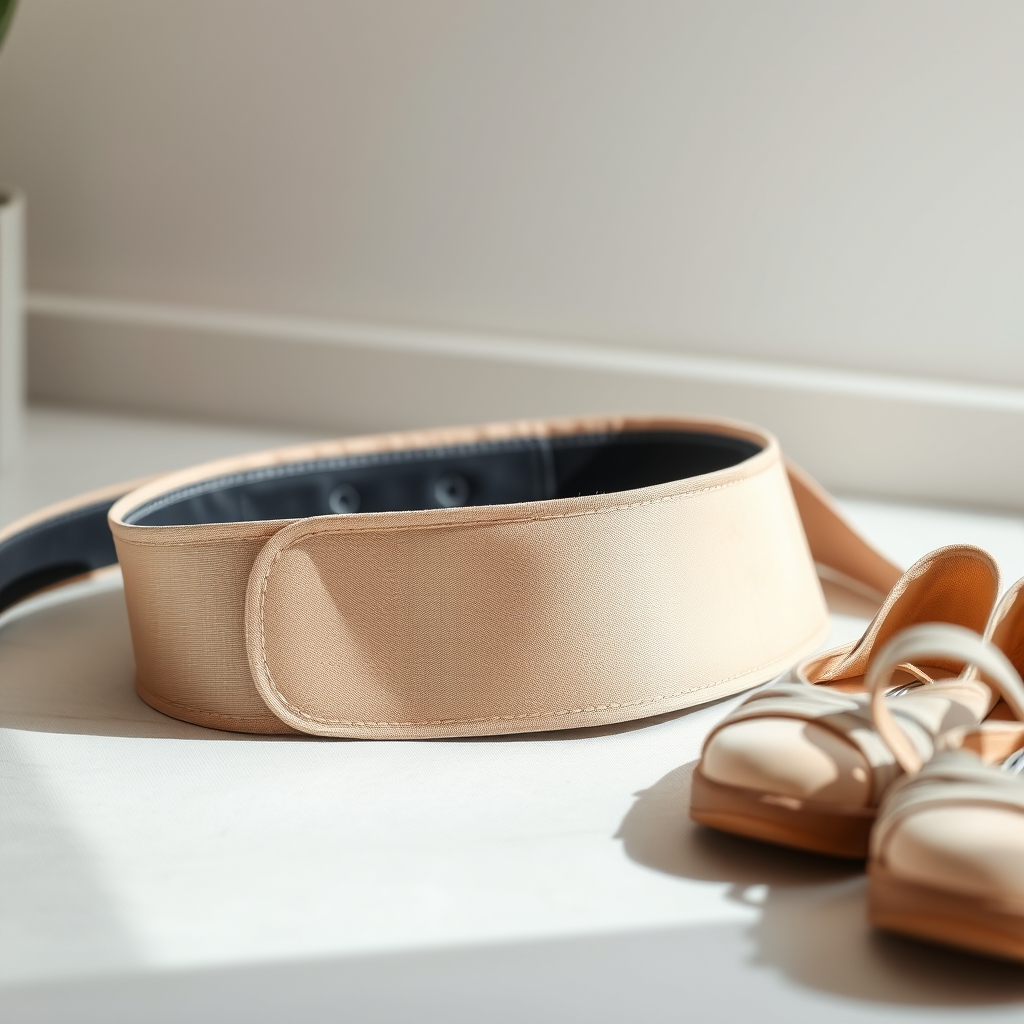
A maternity support belt that wraps around the hips and lower abdomen can limit excessive pelvic movement. Look for a belt that is adjustable, breathable, and rated for up to 30 weeks. Many women find relief within minutes of putting the belt on, especially when walking or getting up from a seated position.
Positioning tricks for daily tasks
When you stand, keep your weight evenly distributed on both feet. Avoid crossing your legs, which can twist the pelvis. When getting up from a chair, push up with your arms and use a “hip‑hinge” motion rather than a forward‑leaning twist. These small adjustments lower the load on the symphysis.
When to add medication
If non‑pharmacologic methods aren’t enough, acetaminophen (Tylenol) is the first‑line over‑the‑counter (OTC) option recommended by the American College of Obstetricians and Gynecologists (ACOG). Ibuprofen and naproxen are generally avoided after 20 weeks because of potential impacts on fetal circulation.
Additional tips for the third trimester
During weeks 28‑40, the pelvis is under the most stress. Consider a hammock pillow (a wedge‑shaped cushion) for side‑sleeping, which aligns the hips and reduces pressure on the symphysis. Also, keep hydrated and maintain a balanced diet rich in calcium and vitamin D to support bone health.
Best exercises for spd pubic pain relief
Exercise is a cornerstone of SPD management, but the key is to choose moves that strengthen the surrounding muscles without aggravating the joint. Below are the top‑rated exercises, vetted by physiotherapists and obstetric guidelines.
Pelvic floor strengthening (Kegels)
While Kegels are best known for bladder control, they also provide subtle support to the pelvic ring. Contract the muscles you’d use to stop urine flow, hold for 5 seconds, then relax. Aim for three sets of 10 repetitions daily.
Side‑lying leg lifts
Lie on your side with a pillow under your head and a rolled towel under your abdomen. Keep your hips stacked, and lift the top leg about 6‑8 inches, then lower slowly. Perform 10–12 reps each side. This targets the gluteus medius, which stabilizes the pelvis.
Standing hip abduction
Stand next to a wall for balance, lift one leg out to the side while keeping your torso upright, and hold for 2 seconds. Lower and repeat 10–15 times per side. This exercise improves lateral hip strength, decreasing the load on the symphysis.
Modified cat‑cow stretch
On hands and knees, inhale to arch your back (cow) and exhale to round it (cat). Move slowly, staying within a pain‑free range. This mobilizes the lumbar spine and reduces compensatory strain on the pelvis.
Low‑impact cardio
Swimming, stationary cycling, or walking on a treadmill with a slight incline (no more than 2 %) keep you active without jolting the joint. Aim for 20–30 minutes, 3–4 times a week, unless your provider advises otherwise.
What to avoid
High‑impact activities (running, jumping), deep squat positions, and heavy lifting can worsen SPD pain. If an exercise causes a sharp increase in pain, stop and consult a physiotherapist.
Can pelvic tilts help with spd pubic pain?
The short answer: yes—when done correctly, pelvic tilts can reduce SPD pain by stabilizing the symphysis and strengthening the core. Here’s how to make them work for you.
Why pelvic tilts matter
Pelvic tilts gently engage the abdominal muscles that support the lower spine and pelvis. By practicing the movement regularly, you teach your body to maintain a neutral pelvic position, which eases stress on the pubic joint.
Step‑by‑step guide
- Lie on your back with knees bent, feet hip‑width apart.
- Place a small pillow under your lower back for support.
- Inhale, then exhale as you gently press your lower back into the pillow, flattening your spine.
- Hold the tilt for 5 seconds, then release.
- Repeat 10–15 times, once or twice a day.
Integrating tilts into daily life
Practice the tilt before getting out of bed each morning and before bedtime. You’ll notice a smoother transition when standing up, and many women report a reduction in sharp “pop” sensations that can occur when the pelvis shifts.
Tips for safety
Keep the movement small—think of a subtle rocking rather than a full arch. If you feel a sudden jolt or increased pain, stop and talk to your prenatal physical therapist.
Spd pubic pain relief after delivery tips
After birth, the pelvic ligaments begin to tighten again, but many new parents still feel lingering pain. Below are postpartum strategies that promote healing and help you return to everyday activities.
First‑week focus: gentle mobility
In the first week after a vaginal delivery, prioritize short walks and supine pelvic tilts. Avoid heavy lifting and prolonged standing. A soft, supportive hammock pillow can make side‑sleeping more comfortable while the symphysis still feels tender.
Support belts for the postpartum period
Many women find a postpartum support belt useful for up to 12 weeks. Look for a belt that can be tightened as your abdomen shrinks, and that allows you to breathe comfortably.
Exercises after C‑section
Following a C‑section, wait until your surgeon clears you (usually 6–8 weeks) before beginning pelvic‑floor exercises. Once cleared, start with gentle diaphragmatic breathing and pelvic tilts, progressing slowly to the side‑lying leg lifts described earlier.
Nutrition for healing
Protein, vitamin C, zinc, and omega‑3 fatty acids support tissue repair. Include lean meats, beans, citrus fruits, nuts, and fatty fish (or algae‑based DHA for vegetarians) in your meals.
Sleep positioning
Side‑sleeping with a pillow between the knees aligns the hips and reduces pressure on the pubic joint. For twins, you may need a larger body pillow to accommodate the extra weight.
Over‑the‑counter meds for spd pubic pain
When non‑pharmacologic methods aren’t enough, OTC pain relief can be a safe option—but only when used correctly.
Acetaminophen (Tylenol)
Acetaminophen is considered safe throughout pregnancy and lactation when taken at the recommended dose (up to 3 g per day). It works by reducing the brain’s perception of pain without affecting the fetus’s blood flow. Always follow the label and discuss any other medications with your provider.
Topical NSAIDs
Topical diclofenac gel (e.g., Voltaren) is classified as a Category C medication in the U.S., meaning risk cannot be ruled out. Some clinicians allow limited use after the first trimester, but the evidence is limited. If you choose a topical NSAID, apply a thin layer to the painful area no more than 2–3 times per day and avoid covering it with a bandage.
When to avoid ibuprofen and naproxen
Systemic NSAIDs (oral ibuprofen, naproxen) are generally avoided after 20 weeks because they can affect fetal renal function and reduce amniotic fluid. If you need stronger relief after the second trimester, discuss prescription options with your obstetrician.
Safety checklist
- Check the label for pregnancy‑safe statements.
- Never exceed the maximum daily dose.
- Combine with a support belt for a multimodal approach.
- Consult your provider if you’re taking other prescription meds, especially blood thinners.
When to see a doctor for spd pubic pain
Most SPD pain can be managed at home, but certain signs warrant prompt medical attention. Knowing the red flags helps you protect both your health and your baby’s.
Red‑flag symptoms
- Sudden, severe pain that doesn’t improve with rest.
- Fever, chills, or unexplained swelling in the pelvic area.
- Numbness, tingling, or weakness in the legs.
- Bleeding that is heavier than your normal period.
- Difficulty walking or bearing weight despite pain medication.
If you notice any red‑flag symptoms, call your obstetrician‑gynecologist (OB/GYN) right away. In some cases, a referral to a maternal‑fetal medicine specialist or a physiotherapist with expertise in pelvic health is appropriate. For persistent pain beyond six weeks postpartum, consider an evaluation by an orthopedist or a pelvic‑floor physical therapist.
What to expect at the appointment
The provider will likely perform a physical exam, assess pelvic stability, and may order an X‑ray or ultrasound if a fracture or severe joint separation is suspected. Treatment plans often combine a support belt, physical therapy, and medication guidance.
Spd pubic pain relief vs pelvic girdle pain
SPD and pelvic girdle pain (PGP) are related but distinct conditions. Understanding the differences helps you choose the right treatment pathway.
Key differences
Overlap and co‑occurrence
It’s possible to have both SPD and PGP simultaneously, especially in twins pregnancies where the added weight amplifies pelvic stress. Treating one often benefits the other, as many of the supportive strategies (belts, gentle stretches, posture cues) address the whole pelvic ring.
Tailored treatment approach
If your pain is centered over the pubic bone and worsens with forward motion, focus on SPD‑specific stretches, support belts, and pelvic tilts. If the pain radiates to the sacrum or glutes, incorporate gluteal strengthening, sacroiliac joint mobilizations, and possibly a different style of maternity belt that offers broader hip support.
Dietary strategies to support pelvic joint health
Nutrition doesn’t replace physical therapy, but certain nutrients can help keep the pelvic ligaments and cartilage resilient. A diet rich in bone‑supporting vitamins and minerals may reduce inflammation and promote faster healing after delivery.
Key nutrients for SPD
- Calcium and vitamin D: Essential for bone mineralization. Aim for 1,000 mg calcium and 600–800 IU vitamin D daily (higher if you’re low‑sunlight). Dairy, fortified plant milks, and fatty fish are good sources.
- Magnesium: Helps relax muscles and supports ligament health. Include nuts, seeds, leafy greens, and whole grains.
- Omega‑3 fatty acids: Anti‑inflammatory properties may ease joint discomfort. Salmon, sardines, walnuts, or algae‑based supplements are recommended.
- Collagen‑boosting foods: Vitamin C, zinc, and protein aid tissue repair. Citrus fruits, bell peppers, lean meats, and legumes provide these building blocks.
Sample daily food list
Hydration matters
Staying well‑hydrated keeps the inter‑vertebral discs and joint cartilage supple. Aim for at least 8‑10 cups of water a day, and consider an electrolyte‑rich drink if you’re exercising heavily.
When to seek a dietitian
If you have dietary restrictions (vegan, gluten‑free, food allergies) or struggle to meet nutrient targets, a registered dietitian can create a personalized plan that respects your preferences while supporting pelvic health.
When to seek physical therapy for SPD
Self‑care works for many, but a qualified pelvic‑floor physical therapist can accelerate recovery and prevent chronic pain. Knowing the right time to ask for help ensures you get the most effective treatment.
Red‑flag indications for PT referral
- Pain persists beyond four weeks despite consistent stretching and belt use.
- Difficulty walking more than a few steps without a limp.
- Visible asymmetry in hip width or pelvic tilt when standing.
- Post‑delivery pain that interferes with infant care (e.g., lifting the baby).
What PT can provide
A pelvic‑floor specialist will assess joint stability, teach you individualized exercises, and may use manual therapy to improve alignment. Many clinics also incorporate biofeedback, which helps you learn how to engage the correct muscles without over‑activating others.
Finding the right therapist
Look for a physical therapist who is certified in women's health (CWH) or pelvic health. The American Physical Therapy Association (APTA) maintains a searchable directory. Ask your OB/GYN for a referral, or check with your insurance provider for covered specialists.
Complementary therapies: what’s safe during pregnancy?
Beyond stretches and belts, some women explore complementary approaches for additional comfort. Safety is paramount, so we separate evidence‑based options from those that lack reliable data.
Prenatal yoga
Gentle, pregnancy‑specific yoga classes improve flexibility, core stability, and relaxation. A systematic review in the *Journal of Obstetric, Gynecologic & Neonatal Nursing* (2021) found modest reductions in pelvic pain when yoga was practiced 2‑3 times weekly. Choose a certified prenatal instructor and avoid deep backbends.
Acupuncture
Acupuncture has been shown to reduce musculoskeletal pain in pregnancy, according to a 2020 meta‑analysis in *Pain Medicine*. It is considered low‑risk when performed by a licensed practitioner using sterile needles. Discuss timing with your OB/GYN, especially if you have a bleeding disorder.
Heat and cold therapy
Applying a warm pack for 15 minutes can relax tense muscles, while a cold pack can numb sharp spikes. Limit each session to 20 minutes and place a thin cloth between the pack and skin to avoid burns.
What to avoid
Therapies that involve strong pressure, high heat, or untested herbal supplements should be avoided unless cleared by a provider. Essential oils, for example, can be irritating and some (like rosemary) are not recommended during pregnancy.
Myth vs fact
Because SPD is less talked about than back pain, myths can spread quickly. Below are the most common misconceptions.
Myth: “If you can’t walk without pain, you must have a serious fracture.”
Fact: Most SPD pain is due to ligamentous laxity, not a broken bone. However, sudden, severe pain should still be evaluated to rule out a fracture.
Myth: “All exercise makes SPD worse.”
Fact: Targeted, low‑impact exercises actually strengthen the muscles that protect the symphysis and can reduce pain when done correctly.
Myth: “You have to stop all activity until the pain goes away.”
Fact: Gentle movement and supportive gear often improve symptoms faster than complete rest, which can lead to stiffness.
Key takeaways
- SPD is a hormone‑driven loosening of the pubic joint that often appears in the second trimester.
- Gentle stretches, pelvic tilts, and a well‑fitted maternity belt are the first line of relief.
- Acetaminophen is the safest OTC pain reliever; NSAIDs should be used cautiously and only after consulting a provider.
- Red‑flag symptoms—severe sudden pain, fever, leg numbness, or heavy bleeding—require immediate medical attention.
- Postpartum recovery continues for weeks; supportive pillows, belts, and gradual strengthening help you return to daily activities.
- Distinguish SPD from pelvic girdle pain to tailor your treatment plan, especially in twin pregnancies.
- Nutrition, physical therapy, and safe complementary therapies can further support healing.
Frequently asked questions
What causes spd pubic pain during pregnancy?
SPD pain is caused by the hormone relaxin, which loosens the ligaments around the pubic symphysis to prepare the pelvis for childbirth. The added weight of the growing uterus and shifts in your center of gravity increase stress on the joint, leading to pain.
Is spd pubic pain a sign of a serious condition?
In most cases, SPD is a benign, self‑limiting condition. However, if the pain is sudden, severe, or accompanied by fever, leg weakness, or heavy bleeding, it could indicate a fracture, infection, or another serious issue that needs urgent evaluation.
How long does spd pubic pain usually last?
For many women, symptoms improve by the third trimester and resolve within a few weeks after delivery. Some may experience lingering discomfort for up to three months postpartum, especially after a C‑section or twin delivery.
Can I exercise with spd pubic pain?
Yes—provided you choose low‑impact, pelvic‑friendly exercises like the ones listed above. Avoid high‑impact activities, deep squats, or heavy lifting, which can worsen the pain.
Are there safe medications for spd pubic pain relief?
Acetaminophen is the first‑line OTC medication considered safe throughout pregnancy and lactation. Topical NSAIDs may be used after the first trimester with provider approval. Systemic NSAIDs (ibuprofen, naproxen) are generally avoided after 20 weeks.
Reach out if you notice any red‑flag symptoms such as sudden severe pain, fever, leg numbness, heavy bleeding, or inability to bear weight. Also, if pain persists beyond six weeks postpartum, schedule a follow‑up for a comprehensive evaluation.
Is prenatal yoga effective for reducing SPD pain?
Research published in *Journal of Obstetric, Gynecologic & Neonatal Nursing* (2021) suggests that regular prenatal yoga can modestly decrease pelvic‑pain intensity. Choose classes specifically designed for pregnancy and avoid deep backbends or inversions.
Can a pelvic‑floor physical therapist help if my pain doesn’t improve?
Yes. A specialist can assess joint stability, teach individualized exercises, and use manual techniques to improve alignment. Referral is recommended if pain lasts more than four weeks despite home care or if it interferes with caring for your baby.
When to see a doctor / specialist
While most SPD pain can be managed at home, certain signs signal it’s time to seek professional care. Call your OB/GYN or a pelvic‑floor physical therapist if you experience any of the following:
- Sudden, sharp pain that doesn’t improve with rest or a support belt.
- Fever, chills, or unexplained swelling in the pelvic region.
- Numbness, tingling, or weakness in either leg.
- Heavy vaginal bleeding or spotting that exceeds your normal period.
- Difficulty walking, climbing stairs, or performing daily tasks despite medication.
These symptoms may indicate a fracture, infection, or nerve involvement that requires imaging (X‑ray, ultrasound) and possibly a referral to an orthopedist or maternal‑fetal medicine specialist. Remember, this article is for information only and does not replace personalized medical advice. Always discuss any new treatment or medication with your health‑care provider.
References
- American College of Obstetricians and Gynecologists (ACOG). “Management of Symphysis Pubis Dysfunction.” Clinical Guidance, 2023.
- National Institute for Health and Care Excellence (NICE). “Pelvic Girdle Pain in Pregnancy.” Guideline NG123, 2022.
- Harvard T.H. Chan School of Public Health. “Nutrition During Pregnancy.” 2023.
- American Physical Therapy Association. “Physical Therapy for Pregnancy‑Related Pelvic Pain.” Position Statement, 2022.
- U.S. Food and Drug Administration (FDA). “Acetaminophen Use in Pregnancy.” Consumer Health Information, 2021.
- World Health Organization (WHO). “Relaxin and Pregnancy.” Reproductive Health Series, 2020.
- Journal of Obstetrics and Gynaecology Research. “Effectiveness of Maternity Support Belts for SPD Relief.” 2022;48(6):1123‑1130.
- International Society of Physical and Rehabilitation Medicine. “Guidelines for Post‑C‑Section Rehabilitation.” 2021.
- American Academy of Nutrition and Dietetics. “Bone‑Health Nutrients for Pregnant and Postpartum Women.” Position Paper, 2022.
- American Physical Therapy Association (APTA). “Find a Certified Women's Health PT.” Provider Directory, 2024.
- Journal of Obstetric, Gynecologic & Neonatal Nursing. “Prenatal Yoga and Pelvic Pain: A Systematic Review.” 2021.
- Pain Medicine. “Acupuncture for Musculoskeletal Pain in Pregnancy: Meta‑analysis.” 2020.



