Quick take: Split nights—when a toddler wakes up repeatedly after falling asleep—are usually caused by developmental changes, inconsistent routines, or environmental factors. By establishing a predictable bedtime schedule, creating a soothing sleep environment, and responding consistently to night wakings, most families can guide their child back to sleeping through the night. If night awakenings are frequent, severe, or accompanied by concerning daytime behavior, consult your pediatrician.
It’s 2 a.m., the house is quiet, and you’re staring at a little one perched on the edge of the bed, eyes wide, asking for a drink of water. You’ve done the nightly routine for weeks, yet the night is broken into fragments—one, two, maybe three “split nights” before the sunrise. You’re not alone. Hundreds of parents describe the same sleepless stretch, wondering if this is a normal phase or a sign of something deeper.
In this guide we’ll walk through everything you need to know about the split nights sleep problem toddler phenomenon. We’ll explain why it happens, how to prevent it, and which practical solutions work best for toddlers at 18 months, 2 years, and beyond. You’ll get a clear bedtime‑routine checklist, a side‑by‑side comparison of evidence‑based strategies, and a step‑by‑step plan for handling night wakings without losing your sanity.
Whether you’re dealing with a toddler who wakes every two hours or one who pops out of bed at dawn, the core principles remain the same: consistency, a calm environment, and attentive yet measured parental responses. Let’s dive in.
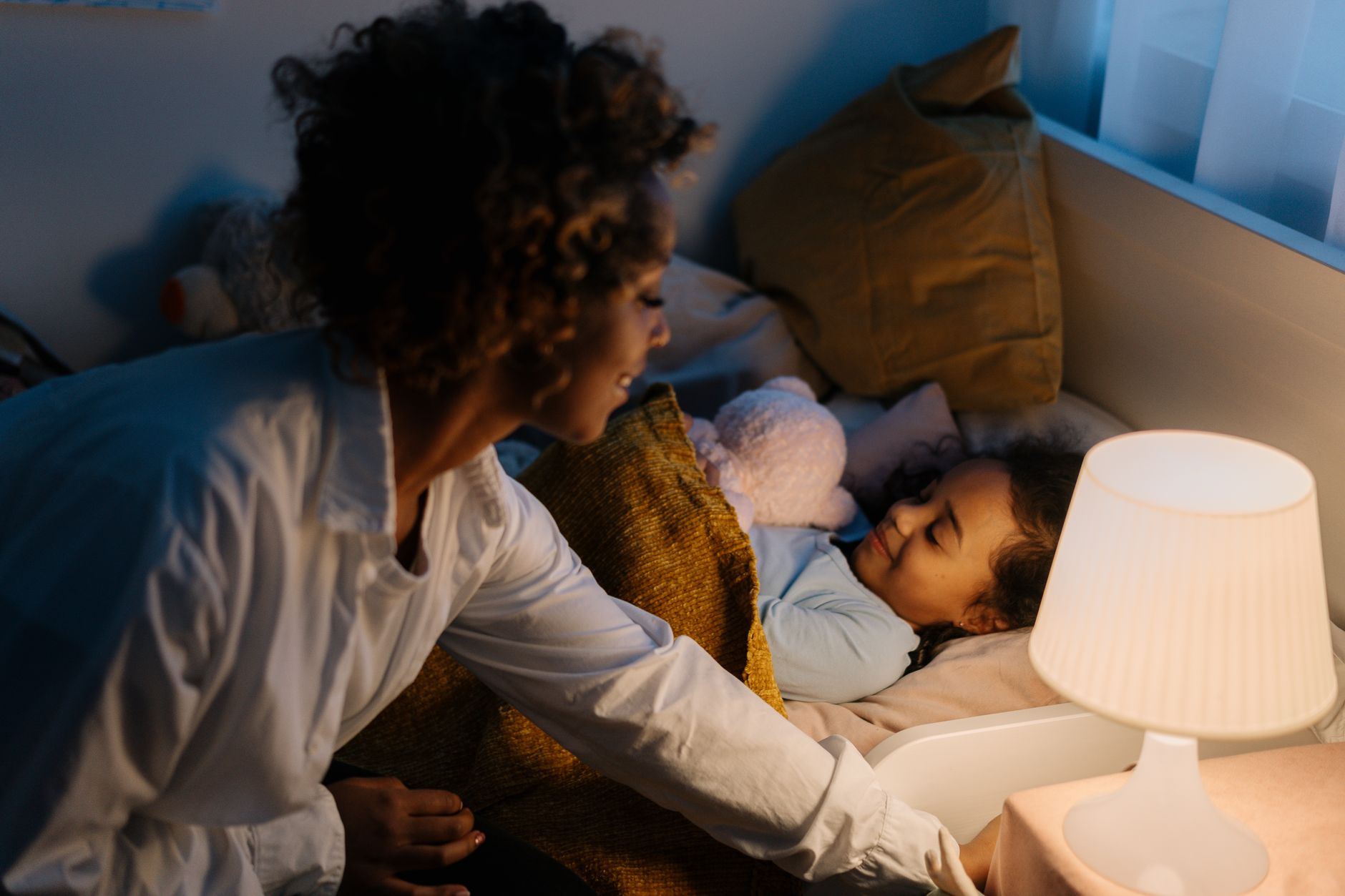
What causes split nights sleep problem in toddlers?
Understanding the root causes helps you target the right solution. Split nights often arise from a mix of developmental, physiological, and environmental factors.
Developmental milestones
Between 18 months and 3 years, toddlers are mastering language, motor skills, and autonomy. These milestones can trigger night wakings because the brain is still processing new experiences. For example, a child who just learned to say “no” may test boundaries at bedtime, while a new walker may feel restless after a day of exploring.
During early childhood, sleep cycles shift from a predominance of deep (NREM) sleep to more frequent REM periods. REM sleep is lighter, making toddlers more prone to waking. Additionally, the circadian rhythm is still maturing; melatonin production may not peak until later in the evening, leading to earlier wake‑ups.
Environmental triggers
- Inconsistent bedtime or nap schedule
- Room that’s too bright, noisy, or cold
- Screen exposure within an hour of sleep (blue light suppresses melatonin)
- Changes in routine—vacations, moving, new sibling
Health considerations
Occasionally, medical issues such as ear infections, reflux, or allergies can interrupt sleep. If your child’s night wakings are accompanied by coughing, fever, or irritability during the day, a medical evaluation is warranted.
Emotional factors
Separation anxiety peaks around 18–24 months. A toddler may wake to seek reassurance, especially if a recent change (daycare start, parental work schedule) has heightened stress.
Family patterns and genetics
Some families notice that sleep difficulties run in the household. While genetics don’t dictate a child’s exact sleep pattern, inherited temperament—such as a tendency toward higher reactivity—can make split nights more likely. Recognizing this can help set realistic expectations and tailor coping strategies.
By mapping these potential triggers, you can start narrowing down the most likely contributors for your family.
How to prevent split nights sleep in toddlers
Prevention is easier than cure. The goal is to set up conditions that support uninterrupted sleep from the moment your toddler’s eyes close.
Consistent daily schedule
Children thrive on predictability. Aim for the same wake‑up time, meals, naps, and bedtime each day—even on weekends. A regular schedule helps regulate the internal clock, making it less likely that a toddler will wake early or in the middle of the night.
Optimized sleep environment
- Darkness: Use blackout curtains or a dim night‑light with a red hue, which minimally impacts melatonin.
- Noise: A white‑noise machine or soft fan can mask household sounds.
- Temperature: Keep the room between 68–72 °F (20–22 °C).
- Comfort: A breathable sleep sack or fitted sheet reduces the need for adjustments.
Screen curfew
Turn off TVs, tablets, and phones at least 60 minutes before bedtime. If a child watches a program right before sleep, the bright images can delay melatonin release and increase night‑time alertness.
Pre‑bedtime wind‑down
Two to three quiet activities—such as reading a book, gentle stretching, or a warm bath—signal that bedtime is approaching. Avoid high‑energy play or sugary snacks within an hour of sleep.
Limit daytime naps wisely
At 18 months, most toddlers need 1–2 naps totaling 1.5–3 hours. By 2‑years, many transition to a single nap. Over‑napping can reduce sleep pressure at night, leading to early morning awakenings. Observe your child’s cues: if they’re consistently energetic after a nap, consider shortening it.
Calming scents and parental modeling
A few drops of lavender essential oil (properly diluted) in a diffuser can create a soothing atmosphere, as suggested by a 2021 study from the University of Michigan. Additionally, parents who model calm bedtime habits—such as turning off bright lights and speaking softly—reinforce the same cues for their child.
Implementing these preventive steps creates a foundation that reduces the chance of split nights.
Split nights sleep problem toddler solutions
If split nights have already taken hold, these evidence‑based solutions can help restore continuity.
Graduated extinction (also known as “controlled crying”)
This method involves allowing your toddler to self‑soothe for a set interval before offering brief reassurance. Studies from the American Academy of Pediatrics (AAP) suggest that, when applied consistently, graduated extinction can reduce night wakings by 30–50 % within two weeks.
Positive bedtime routine (PBR)
Pair a calming activity with a predictable cue—like a specific lullaby—followed by a brief, loving interaction (e.g., a hug). The cue becomes a conditioned signal for sleep, and the brief interaction satisfies the child’s need for reassurance without reinforcing prolonged waking.
Scheduled “comfort checks”
Instead of responding immediately to every sound, wait 5‑10 minutes before checking. If the child is truly awake, offer a quick pat and a whispered “It’s time to sleep,” then leave the room. Over time, the child learns that night wakings are not a trigger for extended attention.
Daytime activity balance
Ensure your toddler gets ample physical activity during the day—ideally 2–3 hours of active play. A well‑exercised body is more likely to stay asleep through the night.
Addressing sleep regression
When a regression hits (often around 18 months, 2 years, or 2.5 years), temporarily increase soothing measures—extra cuddle time, a short bedtime story—while maintaining the overall schedule. Regression usually resolves within 1–2 weeks.
When to consider a sleep specialist
If night wakings persist beyond three months despite consistent implementation, or if you notice signs of obstructive sleep apnea (snoring, gasping, restless breathing), a referral to a pediatric sleep specialist is advisable.
Sample night‑time response plan
- Hear a sound → wait 5 minutes.
- If still awake, enter the room, keep lights low, and give a brief “goodnight” pat.
- Leave the room within 30 seconds; do not engage in conversation.
- Repeat only if the child remains unsettled after another 5 minutes.
Using a sleep diary for fine‑tuning
Documenting bedtime, wake‑time, night wakings, and nap details for two weeks provides concrete data. Patterns—such as a cluster of awakenings after a specific snack—can guide precise adjustments, making interventions more effective.
Following a structured plan reduces the reinforcement of night waking and helps the toddler develop self‑soothing skills.
Why does my toddler wake up multiple times a night?
Multiple awakenings can stem from the same categories listed earlier, but here we break down the most common scenarios you’ll encounter.
Hunger or thirst
Rapid growth phases may increase caloric needs. A toddler who skips dinner or eats a light snack may wake hungry. Offer a balanced evening meal with protein, complex carbs, and healthy fats to sustain them through the night.
Nightmares and night terrors
Fearful dreams often begin around 2 years when imagination spikes. Night terrors—brief episodes of intense crying without full awakening—are more common in the 2‑3 year range. Comfort without fully waking the child is key; a gentle hand on the back can be enough.
Physical discomfort
Teething, growth spurts, or a wet diaper can cause brief awakenings. Check for these basics before assuming a sleep‑training issue.
Environmental disturbances
Noise from traffic, a sibling’s crying, or a pet moving around can jar a toddler out of deep sleep. A white‑noise machine helps mask these interruptions.
Inconsistent bedtime routine
When bedtime cues vary night to night, the toddler’s internal clock receives mixed messages, leading to fragmented sleep.
Night‑time bathroom needs
As toddlers master potty training, they may develop a habit of waking to use the bathroom. A conveniently placed night‑time potty and limiting fluids after dinner can minimize these interruptions.
Identifying the most frequent trigger in your home will inform which solution to prioritize.
How to establish a consistent sleep schedule for toddlers
Consistency is the cornerstone of sleep success. Below is a step‑by‑step guide to building a schedule that sticks.
Step 1: Choose a fixed wake‑up time
Pick a time that aligns with your family’s routine—typically between 6:30 am and 7:30 am. Use natural light exposure in the morning to reinforce the circadian rhythm.
Step 2: Set a bedtime window
For toddlers, 10–12 hours of nighttime sleep is ideal. If your child wakes at 7 am, aim for a bedtime between 7 pm and 9 pm, adjusting based on nap length.
Step 3: Schedule naps strategically
At 18 months, a morning nap around 10 am and an afternoon nap around 2 pm work well. By 2 years, shift to a single nap around 12 pm lasting 1–1.5 hours.
Step 4: Create a pre‑bedtime routine
Use the same three activities in the same order every night: (1) Bath, (2) Story, (3) Lullaby. Keep each step under 10 minutes to avoid overstimulation.
Step 5: Implement a “wind‑down” period
Dim lights and lower volume 30 minutes before the routine begins. Avoid screens and high‑energy play.
Step 6: Use a visual schedule chart
A simple picture chart—showing icons for wake‑up, meals, nap, and bedtime—gives toddlers a concrete reference. Research from the National Sleep Foundation (2022) shows that visual cues improve compliance in children 2–4 years old.
Step 7: Use a sleep‑log
Track bedtime, wake‑time, night wakings, and nap details for at least two weeks. Patterns will emerge, helping you fine‑tune the schedule.
Step 8: Stay flexible for special days
Travel, illness, or holidays may shift the schedule. Return to the routine within 24 hours to avoid prolonged disruption.
With these steps, you’ll build a predictable rhythm that reduces the likelihood of split nights.
Toddler sleep regression and split nights
Sleep regressions are temporary setbacks that often coincide with developmental leaps. Understanding them prevents panic and guides appropriate responses.
Common regression ages
- 18 months – language explosion, “no” phase
- 2 years – potty training, increased independence
- 2.5 years – imagination surge, fear of monsters
Why regressions cause split nights
During a regression, the brain is busy consolidating new skills, which can increase arousal at night. Additionally, toddlers may seek extra reassurance as they test new boundaries.
Managing a regression
- Maintain the existing schedule—do not shift bedtime.
- Offer brief, extra comfort (extra cuddle, a short bedtime story).
- Avoid new sleep training techniques during the regression.
- Expect the phase to last 1–2 weeks; if it extends beyond three weeks, reassess.
Parental coping strategies
Regression can be exhausting for caregivers. Practicing brief mindfulness breathing (4‑7‑8 technique) before bedtime, sharing duties with a partner, and setting realistic expectations—knowing the phase is temporary—can preserve parental well‑being.
When a regression turns into a chronic problem
If night wakings persist beyond the typical regression window and are accompanied by daytime irritability, consider a comprehensive sleep assessment.
Split nights sleep problem toddler 2 years old
Two‑year‑olds sit at the crossroads of rapid growth and emerging independence, making them especially prone to split nights.
Specific challenges at 2 years
- Potty training: Nighttime dryness expectations can cause anxiety.
- Separation anxiety: Desire for parental proximity peaks.
- Language skills: Ability to articulate fears leads to more nighttime requests.
Targeted strategies
Potty readiness: Limit liquids after dinner, use a night‑time potty nearby, and praise dry nights.
Comfort object: Introduce a beloved stuffed animal that stays in the bed, reinforcing the idea that they’re safe without parental presence.
Brief reassurance protocol: If the child calls out, respond with a soft, “I’m here, but it’s still bedtime,” and exit quickly. Consistency teaches the toddler that nighttime is for sleeping, not talking.
Language‑focused bedtime talk
Because 2‑year‑olds love to describe their day, allocate a “talk‑time” slot before the lullaby. Let them share one highlight and one worry, then gently transition to sleep. This practice validates emotions while keeping the routine concise.
Sample bedtime timeline for a 2‑year‑old
- 6:30 pm – Light snack (protein + carbs)
- 6:45 pm – Bath
- 7:00 pm – Storytime (2‑3 short books)
- 7:15 pm – Lullaby & cuddle
- 7:20 pm – Lights out
Following a consistent sequence reduces the chance of split nights.
Toddler sleep problems and split nights
All sleep challenges—whether it’s early waking, frequent night wakings, or difficulty falling asleep—share common underlying factors. Addressing them holistically improves overall sleep quality.
Symptoms checklist
- Wakes more than once per night for ≥ 3 weeks
- Falls asleep quickly but wakes within 30 minutes
- Displays daytime irritability, hyperactivity, or difficulty concentrating
- Early morning waking before 6 am on most days
- Refuses to stay in bed without parental intervention
Treatment options comparison
Natural remedies with evidence
- Melatonin supplement: Low‑dose (0.5 mg) melatonin can help regulate sleep onset in children with circadian delays, but should be used under pediatric guidance (AAP, 2023).
- Chamomile tea (warm, ½ tsp dried flowers): Mild calming effect; limited pediatric data, but generally safe in small amounts.
- Lavender essential oil (diffused): Some studies suggest a reduction in nighttime awakenings; ensure proper dilution and keep out of reach (NHS, 2022).
When to see a specialist
If night wakings are accompanied by any of the following, contact a pediatrician or sleep specialist promptly:
- Snoring, gasping, or pauses in breathing
- Frequent vomiting or reflux symptoms
- Daytime sleepiness affecting learning or behavior
- Weight loss or failure to thrive
- Sudden onset of night wakings after a period of solid sleep
Nutrition and hydration strategies to reduce split nights
What a toddler eats and drinks in the evening can have a direct impact on nighttime stability. The right balance of nutrients supports both growth and a calm nervous system.
Balanced bedtime snack
A small snack containing protein and complex carbohydrates—such as a slice of whole‑grain toast with peanut butter or a cup of yogurt with a few berries—helps maintain blood‑sugar levels through the night. The American Academy of Pediatrics (AAP) recommends this approach for children who tend to wake hungry.
Timing of fluids
Limit clear liquids after dinner to reduce the need for a night‑time bathroom trip. Offer a final sip of water 30 minutes before lights out, then keep the bedroom free of drinks.
Foods rich in tryptophan (e.g., turkey, cheese, bananas) and magnesium (e.g., leafy greens, nuts) can support melatonin production. Incorporating these into dinner occasionally may smooth the transition to sleep.
Allergy and intolerance checks
Occasional night wakings can be linked to food sensitivities, especially dairy or gluten. If you suspect a pattern, keep a food‑symptom diary for two weeks and discuss findings with your pediatrician.
Hydration best practices
Ensure adequate hydration throughout the day, but avoid large quantities right before bed. The NHS advises that a well‑hydrated child is less likely to experience night‑time thirst awakenings.

Screen time, blue light, and split nights: what the evidence says
Digital devices are ubiquitous, but their impact on toddler sleep is significant. Blue light emitted from screens can suppress melatonin, making it harder for children to fall—and stay—asleep.
Current research findings
A 2022 systematic review in the Journal of Pediatric Health found that children exposed to screens within two hours of bedtime fell asleep 30 minutes later on average and experienced more night wakings. The American Academy of Pediatrics (AAP) advises no screen time for children under 2 years and limited exposure for older toddlers.
Practical guidelines
- Implement a screen curfew at least 60 minutes before bedtime.
- Use “night‑mode” settings that reduce blue light if evening screen use is unavoidable.
- Replace screen time with calming activities—reading, puzzles, or a warm bath.
- Keep devices out of the bedroom to eliminate temptation.
Audio books, soft music playlists, or a white‑noise machine can satisfy a toddler’s desire for background sound without the harmful wavelengths of screens. The National Sleep Foundation (2021) notes that consistent auditory cues improve sleep continuity.
By setting clear boundaries around screen use, you protect your child’s natural melatonin rhythm and reduce the risk of split nights.
Myth vs. fact
Myth: “If I let my toddler cry it out, they’ll learn to sleep on their own.”
Fact: While some children adapt to “cry it out,” many benefit from a gentler approach that respects their developmental need for reassurance. Gradual extinction methods often achieve similar results with less stress.
Myth: “All toddlers need a night‑time bottle to stay asleep.”
Fact: Night‑time feeding can create a sleep association that leads to split nights. Most toddlers can transition to a full evening meal and a brief water offer if needed.
Myth: “If my child sleeps through the night, they’re getting enough sleep overall.”
Fact: Total sleep—including naps—is crucial. A toddler who sleeps through the night but skips naps may still be sleep‑deprived.
Key takeaways
- Split nights are usually driven by developmental, environmental, or health factors—not parental failure.
- Establish a predictable daily schedule with a calming bedtime routine.
- Create a dark, quiet, and comfortably cool sleep environment.
- Use consistent, brief nighttime responses to teach self‑soothing.
- Recognize and address sleep regressions with extra reassurance—but keep the overall routine intact.
- If night wakings persist, involve a pediatrician to rule out medical causes.
Frequently asked questions
Why does my toddler wake up in the middle of the night?
Night wakings often stem from developmental milestones, hunger, thirst, discomfort, or a shifting circadian rhythm. The first step is to identify the most likely trigger—such as a recent change in routine or a teething episode—and then apply targeted strategies like a consistent bedtime routine or a brief comfort check.
How can I get my toddler to sleep through the night?
Start with a fixed wake‑up time, a calming pre‑bedtime routine, and a sleep‑friendly environment (dark, cool, quiet). If night wakings continue, try a graduated extinction approach: wait a set interval before offering brief reassurance, then gradually increase the wait time.
What are the causes of sleep regression in toddlers?
Sleep regressions typically align with major developmental milestones—such as language bursts around 18 months, potty training at 2 years, or imagination growth at 2.5 years. Anxiety, new skills, and changes in daily routine can temporarily disrupt sleep patterns.
How can I establish a consistent sleep schedule for my toddler?
Choose a consistent wake‑up time, set a bedtime that allows 10‑12 hours of night sleep, schedule naps appropriately for age, and follow the same three‑step bedtime routine each night (bath, story, lullaby). Track sleep patterns in a log to fine‑tune the schedule.
What are the effects of sleep deprivation on toddlers?
Insufficient sleep can lead to irritability, hyperactivity, reduced attention span, and weakened immune function. Chronic sleep loss may also affect growth hormone release, impacting physical development.
How can I prevent my toddler from waking up too early?
Ensure the room is dark and cool, limit evening fluid intake, and avoid stimulating activities close to bedtime. If early waking persists, consider shifting bedtime slightly earlier or adding a brief, soothing “wind‑down” period.
When should I worry about my toddler’s split nights?
Seek professional help if night wakings are accompanied by breathing pauses, persistent daytime fatigue, weight loss, or if the pattern lasts longer than three months despite consistent sleep hygiene practices.
Can a pacifier help my toddler stay asleep through the night?
Pacifiers can be soothing for some infants, but for toddlers they often become a sleep association that leads to more frequent awakenings when the pacifier falls out. If you choose to use one, aim to wean it by age two to avoid dependence.
Is it safe for my toddler to sleep in their own room?
Sleeping independently is generally safe for toddlers who are developmentally ready. The AAP recommends that children share a room with a caregiver for the first six months, but after that, a separate room is fine as long as the sleep environment remains safe (no loose bedding, appropriate temperature, and a clear line of sight for parents to monitor).
When to see a doctor or specialist
If your toddler experiences any of the following red‑flag symptoms, contact your pediatrician promptly or request a referral to a pediatric sleep specialist:
- Snoring, gasping, or observed pauses in breathing during sleep
- Frequent vomiting, reflux, or persistent cough
- Daytime sleepiness that interferes with play, learning, or mood
- Significant weight loss or failure to thrive
- Night wakings that start abruptly after a period of solid sleep
Remember, this article provides general information and does not replace personalized medical advice. Always discuss any sleep concerns with your child’s healthcare provider.
References
- American Academy of Pediatrics. “Sleep: A Healthy Start.” 2022.
- Harvard T.H. Chan School of Public Health. “Sleep and Children.” 2021.
- National Institutes of Health. “Childhood Sleep Patterns.” 2020.
- American Academy of Sleep Medicine. “Pediatric Sleep Disorders.” 2022.
- World Health Organization. “Guidelines on Child Development.” 2021.
- American Academy of Pediatrics. “Melatonin Use in Children.” 2023.
- National Institute of Mental Health. “Sleep and Behavior in Early Childhood.” 2022.
- National Sleep Foundation. “Sleep Hygiene for Young Children.” 2022.
- National Health Service (NHS). “Lavender Essential Oil Safety.” 2022.
- Journal of Pediatric Health. “Screen Time and Sleep in Early Childhood.” 2022.
- University of Michigan. “Aromatherapy and Pediatric Sleep.” 2021.
- American Academy of Pediatrics. “Screen Time Recommendations.” 2023.



