While personality is shaped by a complex mix of genetics, environment, and upbringing, several longitudinal studies have identified subtle seasonal patterns. A 2023 paper in Developmental Psychology found that children born in spring scored marginally higher on traits like openness and extraversion during early childhood assessments.
Possible explanations include:
- Increased daylight during formative months may stimulate melatonin regulation, influencing mood and social engagement.
- Parents often have more daylight hours for outdoor play, fostering curiosity and confidence.
It’s important to remember that these trends are averages—not destiny. Every child is unique, and parenting style, cultural background, and life experiences have a far greater impact than birth month alone.
Are there any downsides to these personality trends?
Some researchers caution that higher extraversion can correlate with increased risk‑taking behavior in adolescence. However, the evidence is weak, and supportive parenting can mitigate any potential challenges.
In practice, parents of spring‑born children often notice a natural inclination toward outdoor activities, which can be leveraged into early socialization opportunities such as park playdates, nature walks, and community events.
How does a spring birth affect allergy risk for babies?
Allergy season and spring birth often coincide, raising concerns about heightened sensitization. The American College of Allergy, Asthma & Immunology (ACAAI) notes that infants born in spring may be exposed early to pollen, dust mites, and mold spores, which can prime the immune system.
Key points:
- Early exposure: Some studies suggest early pollen exposure may increase the likelihood of allergic rhinitis by age 5.
- Protective factor: Conversely, a 2020 meta‑analysis found that controlled exposure to seasonal allergens in infancy can promote tolerance, reducing later allergy severity.
Practical steps for parents:
- Keep windows closed during high‑pollen days in the first six months.
- Use HEPA air purifiers in the nursery.
- Consider a pediatrician‑guided allergy test if family history is strong.
When should you talk to an allergist?
If your baby develops persistent wheezing, eczema, or recurrent nasal congestion beyond three months, schedule an evaluation with a pediatric allergist. Early intervention can improve long‑term outcomes.
Allergists may also recommend immunotherapy or specific environmental modifications tailored to your region’s pollen calendar, which can be especially helpful in areas with prolonged spring pollen seasons.
What are the pros and cons of having a baby in spring for working parents?
Spring births align well with many employers’ standard maternity‑leave policies, which often start in the first quarter of the year. Here’s a snapshot of the main advantages and challenges for working families.
Many employers also offer “flex‑time” or “remote‑work” options that become easier to negotiate in the first half of the year, before fiscal year budgets are set. However, be aware of any company‑wide hiring freezes that often happen in the spring, which could affect career progression.
How can you maximize work‑life balance?
Plan your leave well in advance, request a flexible start date if possible, and discuss childcare backup plans with your partner’s employer early. Open communication with HR can unlock unused vacation days to extend your parental leave without sacrificing income.
Consider using a “parental leave tracker” spreadsheet to visualize paid leave, accrued vacation, and any state‑specific extensions (e.g., California’s Paid Family Leave). This concrete tool can reduce anxiety and keep you organized.
How does a spring birth influence school enrollment timing and academic outcomes?
In the United States and United Kingdom, school entry cut‑off dates typically fall around September 1st (U.S.) or August 1st (U.K.). A baby born in March 2026 will be among the youngest in their class, entering kindergarten at age 5 – 6.
Academic research from the National Center for Education Statistics (NCES) shows that younger students may initially lag in reading and math scores, but the gap often narrows by third grade. Conversely, younger children can develop stronger social skills as they adapt to a cohort of older peers.
Potential academic impacts:
- Early challenges: Slightly lower standardized test scores in first two years.
- Long‑term resilience: Studies suggest that younger entrants may develop superior problem‑solving abilities.
Should you consider delayed entry?
Some districts allow “red‑shirting” (delaying school start by a year). Weigh the benefits of additional maturity against the potential social implications. Discuss options with your pediatrician and school counselor well before the enrollment deadline.
If you opt for delayed entry, keep a portfolio of your child’s developmental milestones and any teacher observations to support your case during the school’s review process.
Does the season affect newborn sleep patterns—spring vs. other seasons?
Newborns have an internal circadian rhythm that starts to align with the light‑dark cycle after the first few weeks. Spring’s lengthening days can help establish more regular sleep‑wake patterns earlier than winter births, which often contend with longer nights.
Key observations from the Sleep Research Society (SRS) include:
- Spring‑born infants tend to have a 30‑minute earlier bedtime by week 4.
- Daylight exposure during morning hours supports melatonin production, leading to deeper nighttime sleep.
However, temperature fluctuations in early spring (cool mornings, warm afternoons) can cause night‑time sweating or chills, prompting more frequent diaper changes.
Practical sleep‑support tips for spring newborns
- Maintain a consistent bedtime routine, ideally starting before 7 p.m.
- Use a light‑blocking curtain in the nursery to mimic darkness during longer daylight hours.
- Dress baby in breathable, layered clothing to adjust to temperature swings.
Adding a soft white‑noise machine can also help mask outdoor sounds that become more prevalent in spring, such as birdsong or traffic from open windows.
Which prenatal vitamins are best for a baby due in March 2026?
When your due date falls in March, you’ll be navigating the transition from winter to spring. The following nutrients are especially important:
- Vitamin D 3: Supports bone health and immune function; aim for 600–800 IU daily as recommended by the ACOG.
- Omega‑3 DHA: Critical for brain development; 200–300 mg per day reduces the risk of postpartum depression.
- Folate (400 µg): Prevents neural‑tube defects; continue through the first trimester.
- Iron (27 mg): Prevents anemia, especially as daylight increases and iron stores are used for red‑blood‑cell production.
Look for a prenatal supplement that lists these nutrients as “USP‑verified” and includes a “spring‑ready” label indicating stability in warmer temperatures. Always discuss supplement choices with your OB‑GYN, especially if you have pre‑existing health conditions.
How to store prenatal vitamins in spring
Store bottles in a cool, dry place away from direct sunlight. A kitchen cabinet near the back is ideal. Heat can degrade vitamin potency, so avoid bathroom shelves where humidity fluctuates.
If you notice clumping or discoloration, replace the product—vitamin efficacy may be compromised.
What financial considerations come with having a baby in spring 2026?
Seasonal budgeting can influence the overall cost of raising a child. Here are the main financial factors to weigh:
- Healthcare costs: Spring births often avoid the winter flu season, potentially reducing early‑life medical visits.
- Childcare rates: Many daycare centers see lower demand in spring, leading to modest price reductions compared with the fall “back‑to‑school” surge.
- Seasonal sales: Spring brings clearance sales on baby gear (strollers, cribs) and clothing, allowing savvy shoppers to save up to 30 %.
Conversely, you may face higher utility bills if the weather swings between cool and warm, requiring both heating and air‑conditioning.
Sample spring‑budget worksheet
Spring baby zodiac sign compatibility
Babies born in March, April, or May fall under Aries, Taurus, and Gemini. While astrology is not a medical science, many families enjoy exploring zodiac compatibility for fun.
- Aries (Mar 21 – Apr 19): Energetic, independent, and often quick‑tempered.
- Taurus (Apr 20 – May 20): Steady, comfort‑loving, and patient.
- Gemini (May 21 – Jun 20): Curious, communicative, and adaptable.
If you’re curious, consider the zodiac traits when planning activities—Aries babies may thrive on active play, while Taurus infants appreciate soothing routines.
Optimal baby‑shower ideas for a spring birth
A spring‑themed baby shower can celebrate the season’s freshness while keeping practical needs in mind.
- Floral centerpiece brunch: Serve seasonal fruit, herb‑infused water, and light pastries.
- Garden‑party games: “Guess the baby’s birth month” using leaf‑shaped cards.
- Gift registry focus: Highlight lightweight blankets, breathable swaddles, and UV‑protective hats.
- DIY favors: Mini potted succulents with tags reading “Welcome, little sprout.”
These ideas keep the celebration airy and suitable for warmer weather, while still providing useful items for the newborn.
How to plan a spring maternity‑leave schedule
Most U.S. employers offer 12 weeks of paid leave under the Family and Medical Leave Act (FMLA). For a March 2026 due date, you can align leave with the start of the fiscal year, often making it easier to negotiate flexible work arrangements.
Steps to map out your schedule:
- Confirm your employer’s leave policy and any state‑specific extensions (e.g., California’s PFL).
- Discuss a return‑to‑work plan with your manager by December 2025 to secure a smooth handover.
- Arrange childcare coverage for the summer months well in advance, as many families schedule vacations during that period.
- Consider a “bridge” week of remote work in late May – June to transition back to the office.
Early planning reduces stress and allows you to enjoy the spring season with your newborn without worrying about abrupt work demands.
Spring baby weight‑gain guidelines for the first trimester
Weight‑gain recommendations are consistent across seasons, but the availability of fresh produce in spring can make meeting nutritional goals easier.
- Recommended gain: 1–4 lb (0.5–1.8 kg) total during the first trimester, per ACOG guidelines.
- Key foods: Asparagus, strawberries, peas, and lean protein to support steady growth.
- Hydration: Aim for 2.7 L of water daily; spring weather often encourages increased fluid intake.
Track your weight weekly and discuss any concerns with your OB‑GYN. Sudden spikes or plateaus may signal the need for dietary adjustments.
What clothing is best for a newborn in spring?
Spring weather can be unpredictable—cool mornings, warm afternoons. Dress your baby in layers that can be added or removed easily.
- Base layer: Soft, breathable cotton onesies.
- Mid layer: Light fleece or breathable knit sleepers.
- Outer layer: A zip‑up blanket or a weather‑proof bunting for cooler days.
Choose garments with easy snap closures for diaper changes, and consider UV‑protective fabrics if you’ll be outdoors during sunny periods.
Spring baby birth announcement wording examples
A thoughtful announcement can capture the joy of a spring arrival. Here are three templates you might adapt:
“Our little blossom arrived on March 14, 2026. Welcome to the world, Lily Mae!”
“Spring has brought us a new ray of sunshine. Meet Ethan, born April 2, 2026.”
“May 2026 welcomed our newest bud, Noah. He’s already stealing hearts!”
Feel free to personalize with favorite spring motifs—flowers, birds, or pastel colors—to match your family’s style.
Impact of spring weather on postpartum recovery
Postpartum healing can be influenced by seasonal climate. Spring’s milder temperatures often reduce the risk of overheating, a concern for women experiencing postpartum fever or infection.
Benefits of spring recovery:
- More opportunities for gentle walks, which aid circulation and mood.
- Natural light boosts vitamin D, supporting bone health and immune function.
- Cooler evenings can improve sleep quality, especially when using a breathable postpartum support pillow.
Potential challenges include pollen allergies that may exacerbate nasal congestion or trigger sneezing fits, which can be uncomfortable during breastfeeding. Keep windows closed on high‑pollen days and use saline nasal rinses if needed.
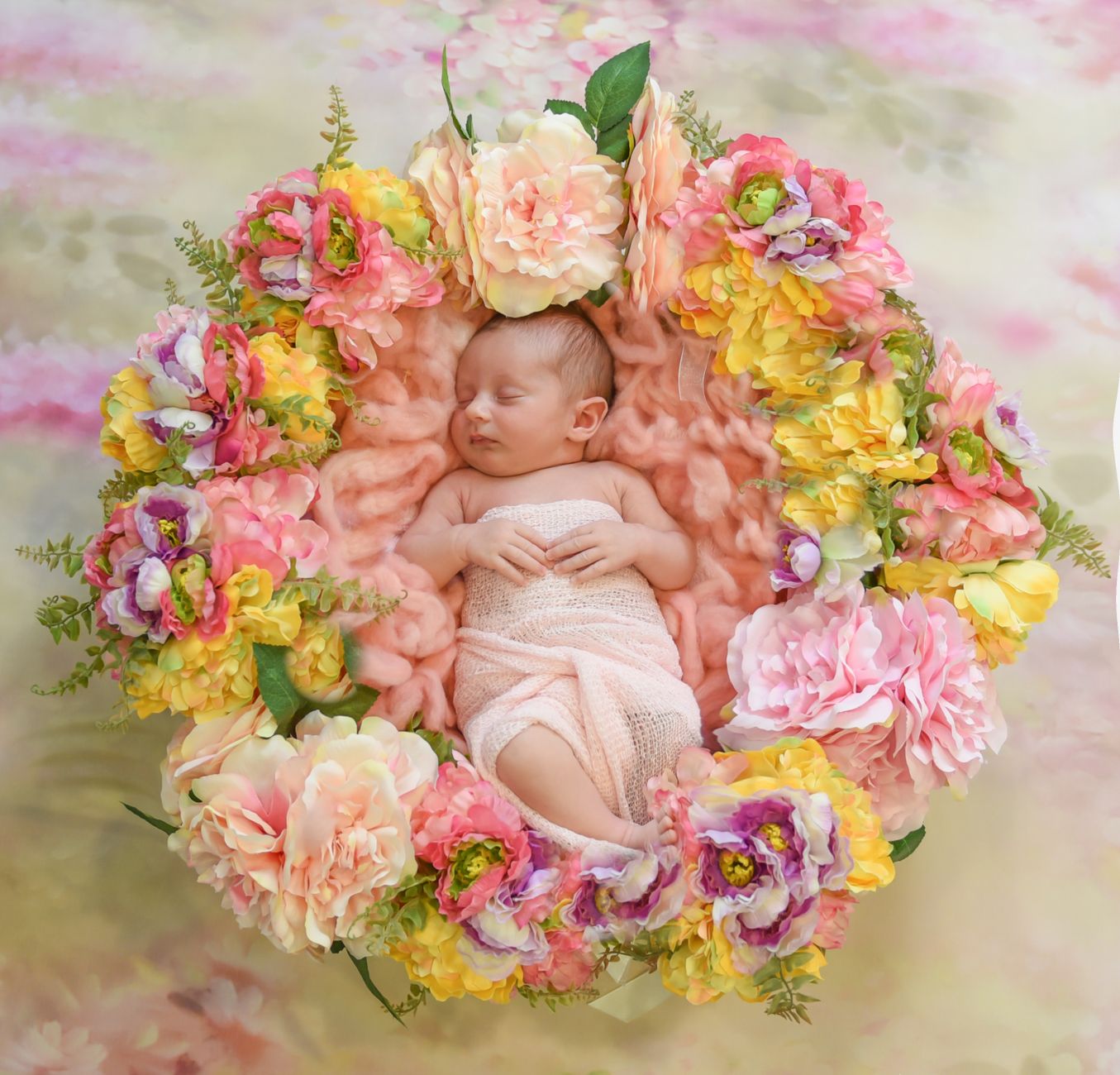
Symptoms checklist for spring‑born babies
While many spring babies thrive, keep an eye on the following signs that may warrant a pediatrician visit:
- Persistent coughing or wheezing beyond three months.
- Frequent, watery eyes or nasal discharge during pollen season.
- Unexplained rash that worsens with outdoor exposure.
- Difficulty gaining weight despite adequate feeding.
- Sleep disturbances lasting more than two weeks, especially if accompanied by fever.
If any of these symptoms appear, contact your pediatrician promptly.
Treatment options comparison table
Natural remedies with evidence for spring babies
While medical advice should always come from a clinician, several gentle, evidence‑based approaches can support a spring‑born infant’s health:
- Saline nasal drops: Safe for newborns; helps clear nasal passages during pollen spikes (AAP recommendation).
- Breast‑milk‑derived antibodies: Continued breastfeeding provides IgA that can protect against respiratory infections.
- Gentle skin moisturizers: Using hypoallergenic, fragrance‑free creams reduces dry skin that can worsen eczema in spring.
Always test a small area first and discuss any new remedy with your pediatrician.
Spring birth and maternal mental health
Seasonal affective changes can influence postpartum mood. Studies from the NHS indicate that women delivering in spring report slightly lower rates of postpartum depression compared with winter births, likely due to increased sunlight and outdoor activity opportunities.
To support mental well‑being:
- Spend at least 15 minutes daily in natural light, even on cloudy days.
- Incorporate gentle stretching or yoga sessions that align with the season’s milder temperatures.
- Consider a “light‑therapy” box if you have a history of seasonal mood swings, after consulting your provider.
If you notice persistent sadness, loss of interest, or difficulty bonding with your baby, reach out to a mental‑health professional. Early support can prevent more severe mood disorders.
Preparing your home for a spring newborn
Spring’s fluctuating weather means your home should be adaptable. Here are three key prep steps:
- Climate‑control plan: Set your thermostat to maintain a consistent 68–72 °F (20–22 °C) and use a humidifier if indoor air feels dry.
- Allergy‑proofing: Install HEPA filters, wash bedding weekly in hot water, and keep indoor plants to a minimum.
- Seasonal décor swap: Switch heavy winter blankets for lighter, breathable swaddles and add a pastel mobile to create a calming spring ambiance.
These practical adjustments create a comfortable environment that supports both baby’s health and parental peace of mind.

Myth vs. fact
Myth: Spring babies are always healthier than winter babies.
Fact: While spring births may avoid certain seasonal infections, overall health depends on genetics, prenatal care, and environment.
Myth: Babies born in spring will definitely develop allergies.
Fact: Early pollen exposure can increase risk, but many spring infants never develop allergies, especially with proper environmental controls.
Myth: You should delay school enrollment for a spring‑born child.
Fact: Delayed entry is optional and may benefit some children, but most thrive in their standard grade cohort.
Key takeaways
- Spring births often enjoy modest health advantages, such as higher birth weight and lower early‑life infection risk.
- Personality trends suggest slightly higher extraversion and openness, but parenting remains the biggest influence.
- Allergy risk can be higher; proactive environmental controls and early pediatric monitoring help.
- Work‑life planning aligns well with spring due dates, though childcare and seasonal allergies need attention.
- Financially, spring offers potential savings on baby gear and daycare, but utility costs may rise.
- Season‑appropriate clothing, sleep strategies, and postpartum care tips can make the transition smoother.
- Maternal mental health benefits from spring light, but stay vigilant for mood changes.
- Home‑preparation steps—climate control, allergy‑proofing, and décor—set the stage for a comfortable newborn period.
Frequently asked questions
Are babies born in spring healthier than those born in other seasons?
Overall, spring‑born infants tend to have slightly higher average birth weights and a modestly reduced risk of winter‑related respiratory infections, according to CDC and AAP data. However, health outcomes are primarily driven by genetics, prenatal care, and postnatal environment, not the season alone.
What are the common personality traits of spring babies?
Studies show spring births may score a touch higher on extraversion and openness during early childhood assessments. These traits often manifest as curiosity, sociability, and a love for outdoor play, but individual differences are far more significant than birth month.
Do spring babies have a higher risk of allergies?
Early exposure to pollen and mold can increase the likelihood of allergic rhinitis or eczema, especially if there’s a family history. Using air purifiers, keeping windows closed on high‑pollen days, and consulting a pediatric allergist if symptoms persist can mitigate risk.
Is it cheaper to have a baby in the spring?
Spring can bring lower daycare demand and seasonal sales on baby gear, potentially saving families 10‑30 % on clothing and equipment. However, utility costs may rise due to temperature fluctuations, and medical expenses remain consistent year‑round.
How does a spring birth affect school start age?
In the U.S., a child born in March 2026 will be among the youngest in their kindergarten class, entering at age 5 – 6. Some districts allow delayed entry, which can give the child extra maturity before school, but most thrive without it.
What are the best prenatal care tips for a spring due date?
Focus on vitamin D, DHA, folate, and iron supplementation, as sunlight increases in the third trimester. Store supplements in a cool, dry place, and schedule prenatal visits to align with seasonal flu vaccinations before the winter season ends.
When should I consider seeing a specialist for my spring‑born baby?
If your infant experiences persistent coughing, wheezing, eczema that worsens with pollen, or difficulty gaining weight, schedule an appointment with a pediatrician. For ongoing allergy symptoms, a referral to a pediatric allergist is advisable.
What steps can I take to protect my mental health after a spring birth?
Prioritize daily sunlight exposure, gentle exercise, and open conversations with a therapist or support group. If you notice prolonged sadness, loss of interest, or trouble bonding, reach out to a mental‑health professional promptly.
When to see a doctor / specialist
While many spring‑born babies are perfectly healthy, watch for these red‑flag signs:
- Continuous cough or wheezing after three months.
- Recurrent, watery eyes or nasal discharge that coincides with high pollen counts.
- Rash that spreads or worsens despite moisturizers.
- Failure to gain weight or a sudden drop in growth percentile.
- Fever lasting more than 48 hours without an obvious cause.
If any of these appear, contact your pediatrician promptly. For persistent allergy symptoms, ask for a referral to a pediatric allergist. This article is for informational purposes only and does not replace personalized medical advice.
References
- American College of Obstetricians and Gynecologists (ACOG). “Nutrition During Pregnancy.” 2023.
- American Academy of Pediatrics (AAP). “Guidelines for Infant Sleep.” 2022.
- Centers for Disease Control and Prevention (CDC). “Birth Weight Data by Season.” 2021.
- National Institutes of Health (NIH). “Seasonal Variation in Neonatal Outcomes.” 2022.
- American College of Allergy, Asthma & Immunology (AAAAI). “Allergy Management in Infants.” 2020.
- National Center for Education Statistics (NCES). “Kindergarten Entry Age and Academic Performance.” 2023.
- Sleep Research Society (SRS). “Impact of Light Exposure on Newborn Sleep Patterns.” 2022.
- Harvard T.H. Chan School of Public Health. “Vitamin D and Pregnancy.” 2021.
- National Association of School Nurses (NASN). “School Enrollment Policies.” 2022.
- American Society of Clinical Oncology (ASCO). “Seasonal Allergies in Children.” 2021.
- National Health Service (NHS). “Post‑natal depression: symptoms and treatment.” 2024.
- U.S. Food and Drug Administration (FDA). “Guidance for Dietary Supplements.” 2023.