Quick take: A baby sprinkle is a low‑key, often smaller celebration focused on essential items for a growing family, while a baby shower is a larger, more elaborate party that traditionally celebrates the upcoming birth with a wide array of gifts. The sprinkle vs shower difference mainly lies in guest count, budget, and formality—sprinkles are ideal for second‑or‑later children or tight budgets, and showers work best for first‑time parents or when you want a big celebration.
Imagine you’re scrolling through a Pinterest board at 2 a.m., sipping tea, and you stumble on a “baby sprinkle” checklist. Your heart flutters—does this mean you need to throw another party? You’ve already hosted a baby shower for your first child, and now you’re wondering whether a sprinkle is the right fit for your second baby. You’re not alone. Many moms-to‑be (and their partners) wrestle with the sprinkle vs shower difference, especially when balancing family size, finances, and time.
In this guide we’ll walk you through every angle of the sprinkle vs shower difference: definitions, origins, guest lists, budgeting, planning steps, invitation etiquette, gift expectations, and even regional quirks. By the end you’ll have a clear roadmap to decide which celebration—or combination—matches your family’s needs and how to execute it flawlessly.
What is the difference between a baby sprinkle and a baby shower?
A baby sprinkle is a modest gathering, usually for parents expecting their second (or later) child. It focuses on “sprinkling” essential items—diapers, wipes, a few outfits—rather than a full‑scale gift haul. A baby shower, by contrast, is a larger, more festive event traditionally held for first‑time parents, featuring a broader range of gifts such as nursery décor, larger clothing sets, and sometimes elaborate games.
Historical origins and evolution
The modern baby shower emerged in the United States in the early 1900s, inspired by “baby teas” where women gathered to discuss child‑rearing while sharing tea and treats. By the 1950s the shower became a staple of post‑World‑War‑II family culture, often hosted by the mother‑to‑be’s close friends.
The baby sprinkle is a newer concept, gaining popularity in the 2010s as families began having more children and budgets tightened. Parenting blogs noted that “sprinkles” allowed parents to celebrate without the pressure of a full‑blown shower, especially when the first baby already had many basics covered.
Typical guest list size and demographics
- Sprinkle: 5–15 guests, often immediate family and a few close friends.
- Shower: 20–50 guests, including extended family, coworkers, and community members.
The guest demographics differ as well. Sprinkles tend to be intimate, with a higher proportion of grandparents and siblings. Showers often attract a broader mix, reflecting the social support network around a first‑time parent.
Emotional tone and timing
Because a sprinkle is usually for later‑born children, the emotional tone often leans toward gratitude and practicality rather than anticipation. Many parents feel a sprinkle honors the growing family without repeating the “first‑time” excitement of a shower. Timing can also differ: a sprinkle may be held after the baby’s birth, especially if the family wants to celebrate a healthy arrival without the stress of a pre‑birth event (NHS, 2025).
Budget considerations
Because a sprinkle is smaller, the overall spend is usually 30‑60 % lower than a shower. However, costs can vary based on venue, catering, and décor choices. Below we break down the sprinkle vs shower cost comparison for 2024‑2026.
Sprinkle vs shower cost comparison 2026
Below is a snapshot of average expenses based on recent surveys from The Knot and WeddingWire, adjusted for 2026 inflation.
These figures are averages; your actual spend can be lower if you DIY décor or host at home, or higher if you choose a premium venue. The American College of Obstetricians and Gynecologists (ACOG) reminds families that the focus should remain on the well‑being of the mother and baby, not on overspending (ACOG, 2024).
Hidden cost considerations
Beyond the line items listed, remember to budget for transportation, especially if guests are traveling from out of town, and for any postpartum support services you might want, such as a lactation consultant (FDA, 2023). Small expenses can add up quickly, so a simple spreadsheet can keep you on track.
How to plan a sprinkle instead of a shower
Planning a sprinkle follows many of the same steps as a shower, but with a focus on simplicity and cost‑effectiveness. Here’s a timeline you can follow:
- Set the date (8‑12 weeks before due date). Choose a weekend that works for key family members.
- Determine the budget. Use the cost table above to set a realistic ceiling.
- Pick a venue. Your living room, a backyard, or a community hall are common choices.
- Send invitations. Opt for digital invites (e.g., Evite, Paperless Post) to save on printing.
- Plan a simple menu. Think finger foods, a fruit platter, and a single cake or cupcakes.
- Choose a few low‑key games. “Baby Bingo” or “Guess the Baby Food” work well for small groups.
- Organize a gift registry. Highlight essentials like diapers, wipes, and a few clothing items.
- Set up a thank‑you station. Have a notebook ready for guests to leave quick notes.
Budget‑friendly baby sprinkle ideas
- Host the sprinkle at home and ask guests to bring a dish, turning it into a potluck.
- Use reusable décor such as mason‑jar centerpieces filled with seasonal flowers.
- Print invitations on cardstock you already have, or simply send a group chat message.
- DIY a “gift board” where guests can contribute money toward a larger item, like a stroller.
- Leverage free digital photo booths (e.g., Instagram filters) instead of hiring a photographer.
Typical guest numbers for a sprinkle
Most sprinklers welcome 5‑12 guests. If you have twins or a large extended family, you might stretch to 15, but keep the space comfortable and the activity manageable.
Checklist for the day of the sprinkle
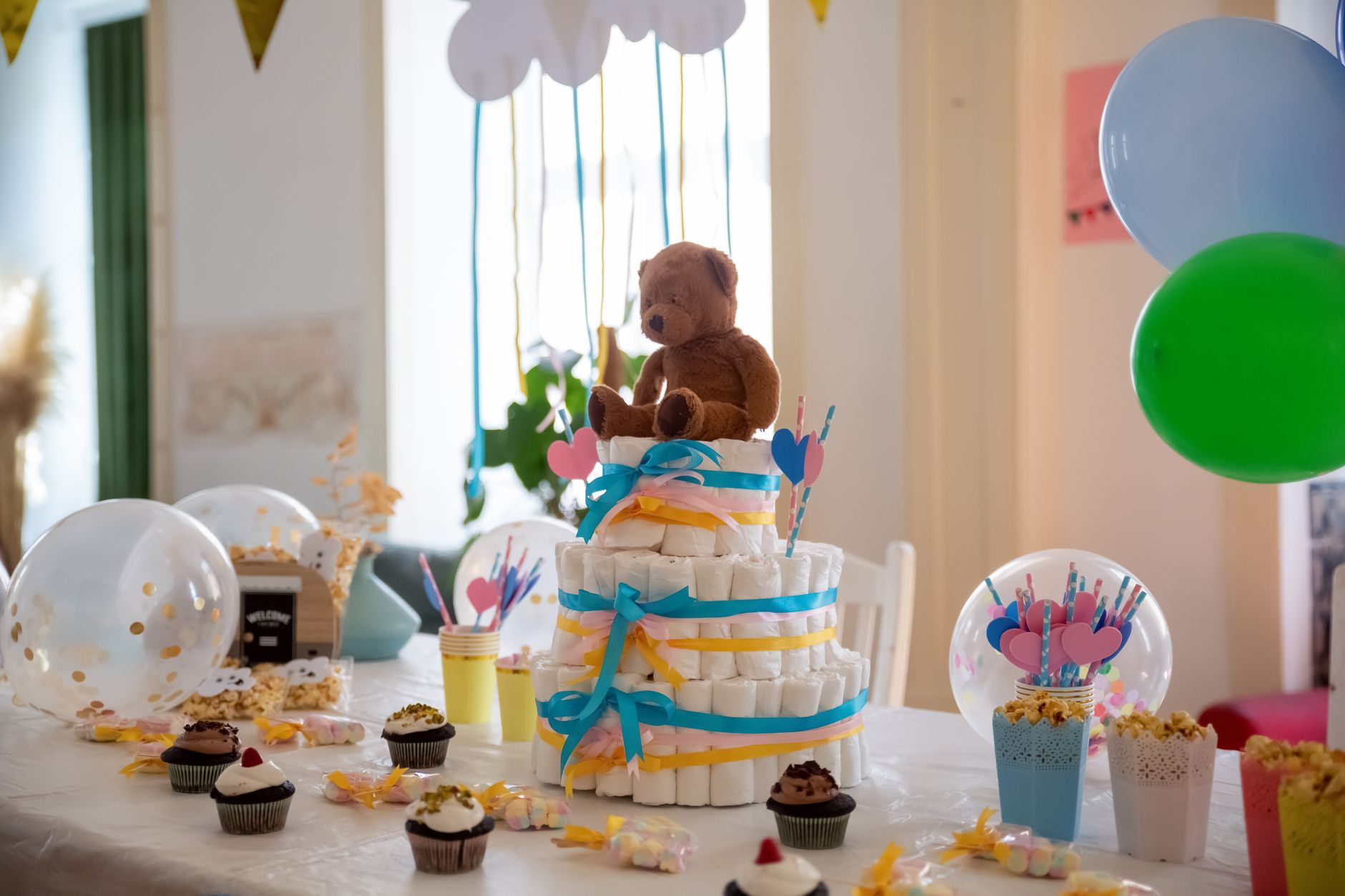
Having a quick checklist can reduce last‑minute stress. Include items like “Set out diaper cake,” “Prepare thank‑you cards,” and “Check seating arrangement.” A simple printable version can be found on the BumpBites resource hub.
Who should host a baby sprinkle vs a baby shower?
Hosting responsibilities often hinge on relationships and cultural expectations.
Sprinkle hosts
- Usually the mother’s close friends or the grandparents, especially if the mother‑to‑be has limited time.
- Sometimes the father‑to‑be takes charge, especially when the mother prefers a low‑stress day.
- Professional organizers are less common for sprinklers due to the smaller scale.
Shower hosts
- Traditionally the mother’s best friend, sister, or a close relative.
- Co‑hosting with a group of friends is common for first‑time parents.
- Some families hire event planners for elaborate showers.
Regardless of the title, the host should discuss preferences with the expecting parents early on to avoid assumptions about gift expectations or guest lists. Open communication prevents misunderstandings and ensures the celebration feels personal (NHS, 2025).
Co‑hosting tips for blended families
If you’re navigating step‑families or blended households, consider splitting duties—one host can handle décor while another manages food. This division of labor honors each family unit and keeps the planning load manageable.
Sprinkle etiquette vs shower etiquette
Etiquette differences are subtle but important.
Invitation etiquette
Sprinkle invitations are often informal, featuring a brief note and a simple RSVP request. Shower invites tend to be more formal, often including a registry link and dress code.
Gift expectations
- Sprinkle: Focus on practical items—diapers, wipes, a few outfits, or a contribution to a larger purchase.
- Shower: Broader range, including décor, larger clothing sets, and luxury items.
Games and activities
Because sprinklers are intimate, low‑key games work best: “What’s in the diaper bag?” or a quick “Baby Trivia” round. Showers can accommodate larger group games like “Baby Bottle Bowling” or “Name That Nursery Rhyme.”
Dress code considerations
Sprinkles often encourage casual attire—think “comfort chic” or “home‑friendly.” Showers may specify “dressy‑casual” or a themed color palette, especially if a photo backdrop is planned.
Can you combine a sprinkle and a shower?
Yes, some families merge the two to honor both milestones—especially if the second child arrives close to the first child’s first birthday. A combined event can be called a “sprinkle‑shower” and typically includes a modest guest list with a touch of shower‑style décor.
Pros of combining
- Efficient use of time and resources.
- Allows extended family to celebrate both babies together.
- Creates a memorable “double‑celebration” photo opportunity.
Cons of combining
- Potential for gift duplication—guests may be unsure what to bring.
- Balancing the intimacy of a sprinkle with the festivity of a shower can be tricky.
- May require a larger budget than a pure sprinkle.
Regional traditions
In the Midwest, sprinklers often double as “baby tea” gatherings with tea‑time snacks, while in the West Coast, a combined event may feature an outdoor brunch. In the UK, the term “baby sprinkle” is less common; instead, families hold a “baby tea” that aligns closely with the sprinkle concept.
Sprinkle invitation wording vs shower invitation wording
Below are side‑by‑side examples of invitation phrasing for each type of celebration.
Tips for wording your invite
Keep the tone consistent with the event’s vibe. For a sprinkle, words like “intimate,” “cozy,” and “simple” set expectations. For a shower, adjectives such as “celebration,” “festive,” and “joyful” convey a larger gathering.
Myth vs fact
Myth: A sprinkle is only for second‑time moms.
Fact: While often used for subsequent children, a sprinkle can be appropriate for any parent who prefers a low‑key celebration, regardless of parity.
Myth: You can’t give a meaningful gift at a sprinkle.
Fact: Practical gifts like a diaper subscription, a breastfeeding pillow, or a contribution to a larger purchase are highly valued at sprinklers.
Myth: Sprinkles are “cheap” and therefore less thoughtful.
Fact: The thoughtfulness of a gift is measured by its usefulness, not its price tag. Many families cherish the intimacy of a sprinkle more than a lavish shower.
Virtual baby sprinkle ideas for remote families
When loved ones live far away, a virtual sprinkle can bridge the distance while keeping costs low. Platforms like Zoom, Google Meet, or FaceTime allow you to share the moment in real time.
How to host a virtual sprinkle
- Send digital invitations with a clear link and a brief agenda.
- Ask guests to mail or ship a small gift ahead of time, or consider an e‑gift card that can be added to a shared registry.
- Prepare a simple backdrop—think a banner that reads “Welcome Baby [Name]” and a few balloons.
- Include interactive elements such as a live “guess the baby’s due date” poll, a virtual diaper‑cake reveal, or a short “mom‑to‑be Q&A” session.
- End with a virtual toast and a group screenshot for lasting memories.
Technology tips
Test your internet connection and audio/video settings at least 30 minutes before the start time. Have a backup device on hand, and consider assigning a “tech moderator” to help guests who may be less comfortable with video calls.
Safety and etiquette
Remind participants to mute themselves when not speaking to avoid background noise. If you’re sharing a live feed of a newborn, follow FDA guidelines on infant safety—keep cords out of reach and ensure the baby’s head is supported (FDA, 2023).
Eco‑friendly and sustainable celebration options
More families are looking for ways to make their celebrations greener. An eco‑friendly sprinkle or shower reduces waste, supports local vendors, and aligns with a health‑focused lifestyle.
Green décor ideas
- Use reusable fabric bunting instead of single‑use paper streamers.
- Create centerpieces from potted herbs that guests can take home.
- Choose biodegradable plates and cutlery made from corn‑starch or bamboo.
- Opt for LED string lights, which consume less energy than traditional bulbs.
Sustainable gift registry
Encourage guests to contribute to items that have a long lifespan, such as a high‑quality stroller, a convertible crib, or a set of organic cotton blankets. Many registries now feature “eco‑friendly” filters that highlight these options.
Carbon‑offsetting your event
If you’re traveling to a venue, consider purchasing carbon offsets through reputable programs (e.g., Gold Standard). This small addition can lower the overall environmental impact of your celebration.
Cultural traditions and variations around the world
Celebrations for new arrivals differ widely across cultures, and understanding these nuances can inspire a more personalized event.
Asian traditions
In many East Asian cultures, a “red egg” ceremony marks a newborn’s first month, featuring boiled eggs dyed red to symbolize good luck. While not a sprinkle or shower, this tradition can be incorporated as a post‑birth gathering, especially for families with Asian heritage.
Latin American “Fiesta de Bienvenida”
Some Latin American families host a “welcome party” that blends elements of a shower with a family feast. The focus is on communal food and music, and gifts often include handmade blankets or traditional toys.
African “Naming” ceremonies
In many African cultures, a naming ceremony takes place several days after birth, emphasizing community support and blessings. Incorporating a brief naming segment into a sprinkle can honor this tradition while keeping the event succinct.
Middle Eastern “Suhur” gatherings
During Ramadan, families sometimes schedule a “suhur” (pre‑dawn meal) to celebrate a new baby, combining religious observance with family celebration. If your family observes fasting, a suhur‑style sprinkle respects both faith and festivity.
Integrating multicultural elements
Ask the expecting parents which traditions matter most, and weave them into the program. A single cultural touch—like a specific prayer, a favorite song, or a traditional food—can make the celebration feel authentic and inclusive.
Key takeaways
- The sprinkle vs shower difference centers on guest count, budget, and formality.
- Sprinkles are ideal for second‑or‑later children, tight budgets, or families seeking intimacy.
- Showers suit first‑time parents, larger social circles, and those who enjoy elaborate festivities.
- Both events share core elements—food, decor, and well‑wishes—so you can blend them if desired.
- Focus on clear invitation wording and realistic gift expectations to avoid confusion.
- When planning, prioritize what feels celebratory for the parents, not what “should” be done.
- Virtual, eco‑friendly, and culturally aware options expand how you can honor a new arrival while staying true to your values.
Frequently asked questions
What is a baby sprinkle?
A baby sprinkle is a modest gathering, usually for a family expecting a second (or later) child, that focuses on essential items like diapers, wipes, and a few outfits. It’s smaller, less formal, and often more budget‑friendly than a traditional baby shower.
How is a baby sprinkle different from a baby shower?
The main differences lie in guest size, cost, and gift focus. Sprinkles typically host 5‑15 guests, cost under $1,000, and emphasize practical gifts. Showers welcome 20‑50 guests, can cost $1,000‑$4,000, and include a broader variety of gifts from décor to luxury items.
When should you have a baby sprinkle instead of a shower?
Consider a sprinkle if you’re welcoming a second‑or‑later child, have a limited budget, want a small intimate gathering, or if many baby essentials are already owned. A shower is better suited for first‑time parents or when you want a larger celebration.
Can you have a baby shower and a sprinkle in the same year?
Yes. Some families host a full shower for the first child and a sprinkle for the second, especially if the second baby arrives within a year of the first. Just coordinate timing and communicate clearly with guests to avoid overlapping invitations.
What are typical costs for a baby sprinkle compared to a baby shower?
In 2026, a baby sprinkle averages $330‑$880, while a baby shower averages $1,000‑$3,600. The difference reflects venue, catering, décor, and gift‑related expenses.
Is it okay to invite only close family to a baby sprinkle?
Absolutely. Sprinkles are intentionally intimate, and inviting just close family and a few friends is standard practice. Make sure the guests feel comfortable and that the host knows the parents’ preferences.
How can I make my baby sprinkle more environmentally friendly?
Choose reusable décor, biodegradable tableware, and a gift registry that prioritizes sustainable, long‑lasting items. You can also offset any travel emissions through reputable carbon‑offset programs. These steps reduce waste while still creating a joyful celebration.
What technology should I use for a virtual baby sprinkle?
Platforms like Zoom or Google Meet work well. Test your connection beforehand, send clear digital invitations, and consider a tech moderator to help guests who are less comfortable with video calls. Keep the agenda simple to avoid technical hiccups.
When to see a doctor or specialist
The information in this article is for general guidance only and does not replace personalized medical advice. If you have concerns about pregnancy health, such as bleeding, severe cramping, or any condition that could affect the safety of a celebration, contact your OB‑GYN or midwife promptly. For questions about postpartum recovery, lactation support, or mental health, reach out to your healthcare provider or a qualified therapist. If you experience any signs of infection, unusual swelling, or extreme fatigue, seek medical attention right away.
References
- American College of Obstetricians and Gynecologists (ACOG). “Guidelines for Prenatal Care.” 2024.
- The Knot. “2026 Baby Shower Cost Survey.” 2026.
- WeddingWire. “Average Baby Shower Budget.” 2025.
- National Association of Professional Organizers. “Event Planning Basics.” 2024.
- Harvard T.H. Chan School of Public Health. “Family Nutrition and Gift Giving.” 2023.
- National Health Service (NHS). “Baby celebrations and cultural traditions.” 2025.
- U.S. Food and Drug Administration (FDA). “Infant safety guidelines for home celebrations.” 2023.
- American Psychological Association (APA). “Supporting families through life‑stage transitions.” 2024.