
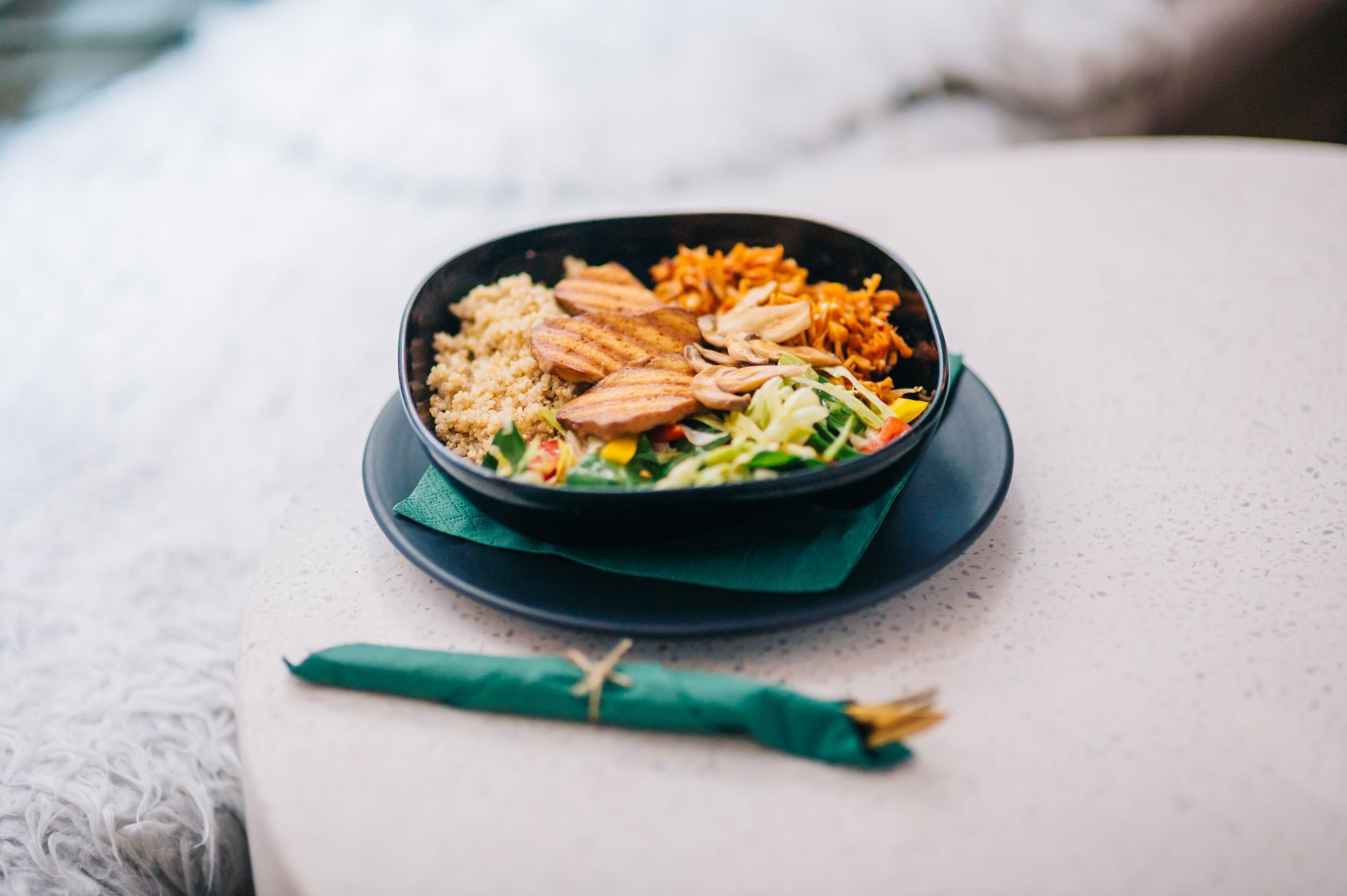

Quick take: A semaglutide-friendly diet focuses on low-calorie, high-protein, and fiber-rich foods to support weight loss and manage side effects like nausea. Aim for 1,200–1,500 calories/day (or less with provider guidance), prioritize lean proteins, non-starchy veggies, and healthy fats, and space meals every 3–4 hours to avoid blood sugar crashes. Hydration and portion control are key—start with small bites and gradually increase as tolerated. ⚠️ Avoid high-fat or fried foods (they worsen nausea), and ✅ opt for broth-based soups or ginger tea if your stomach is sensitive. This plan is not safe during pregnancy—consult your provider before making changes if you're expecting or planning to conceive.Semaglutide-Friendly Diet Meal Plan 7-Day: The Complete 2026 Guide
There’s a moment in the grocery store aisle when you stare at the cereal boxes, your stomach in knots. You’re on semaglutide—your provider said it would help with weight loss, but now you’re overwhelmed. "Can I eat this?" you ask yourself, eyeing the granola bar with 20g of sugar. The truth is, semaglutide works best when paired with a structured, nutrient-dense diet. But what does that actually look like? How do you avoid the nausea? And where do you even start with meal prep when your appetite is already small?
You’re not alone. Many women on semaglutide report feeling lost between the hype of "low-carb" and the fear of triggering side effects like constipation or fatigue. This 7-day meal plan is designed to support your body’s needs while keeping meals simple, satisfying, and science-backed. We’ll cover calorie targets, how to adjust for individual needs, and even how to navigate semaglutide during pregnancy (spoiler: it’s not safe—we’ll explain why). No guesswork. Just practical, doctor-approved guidance to help you feel your best.
Before you start: This plan assumes you’re following your provider’s prescribed dose of semaglutide (e.g., Ozempic, Wegovy, or Rybelsus). Always check with your healthcare team before making dietary changes, especially if you have diabetes, thyroid issues, or other conditions. And remember: results vary. Some women see noticeable changes in 4–6 weeks; others take longer. Patience—and consistency—are your allies.

Breakfast is the hardest meal for many on semaglutide—especially if nausea or a reduced appetite is keeping you from eating. The key is small, high-protein portions to stabilize blood sugar and curb cravings later. Think of it like building a foundation: if you start with a heavy, greasy meal, you’ll pay for it with sluggishness by noon.
Many women tell us they avoid breakfast entirely on semaglutide, but skipping it can lead to blood sugar crashes and increased hunger later. Instead, try these gentle, easy-to-digest options that hit the mark for 100–200 calories per meal (adjust based on your provider’s guidance):
- Greek yogurt bowl: ½ cup plain Greek yogurt (130 cal) + ¼ cup blueberries + 1 tbsp chia seeds. Pro tip: Add a pinch of cinnamon to help regulate blood sugar.
- Scrambled eggs with spinach: 2 eggs (140 cal) + ½ cup sautéed spinach + 1 slice turkey bacon. Why it works: Eggs are rich in choline, which supports metabolism.
- Avocado toast (light version): 1 slice whole-grain toast (50 cal) + ¼ avocado mashed + 1 tbsp feta + sprinkle of everything bagel seasoning. Watch out: Avoid high-fat breads or sugary jams.
- Cottage cheese with cucumber: ½ cup low-fat cottage cheese (90 cal) + ½ cup diced cucumber + black pepper. Bonus: Cottage cheese is high in casein protein, which digests slowly and keeps you full.
- Smoothie (low-sugar): ½ cup unsweetened almond milk + ½ scoop vanilla protein powder + ½ banana + 1 tbsp almond butter. Blend it cold to reduce nausea triggers.
If you’re struggling with nausea, start with clear liquids like ginger tea or broth-based soups (e.g., miso or bone broth). Once tolerated, ease into solid foods. Hydration is critical—drink a glass of water before each meal to help digestion.
⚠️ Avoid at breakfast:
- High-sugar cereals (even "healthy" granola bars often have hidden sugars).
- Fried foods (pancakes, hash browns, or bacon grease).
- Caffeine on an empty stomach (wait 30 minutes after eating).
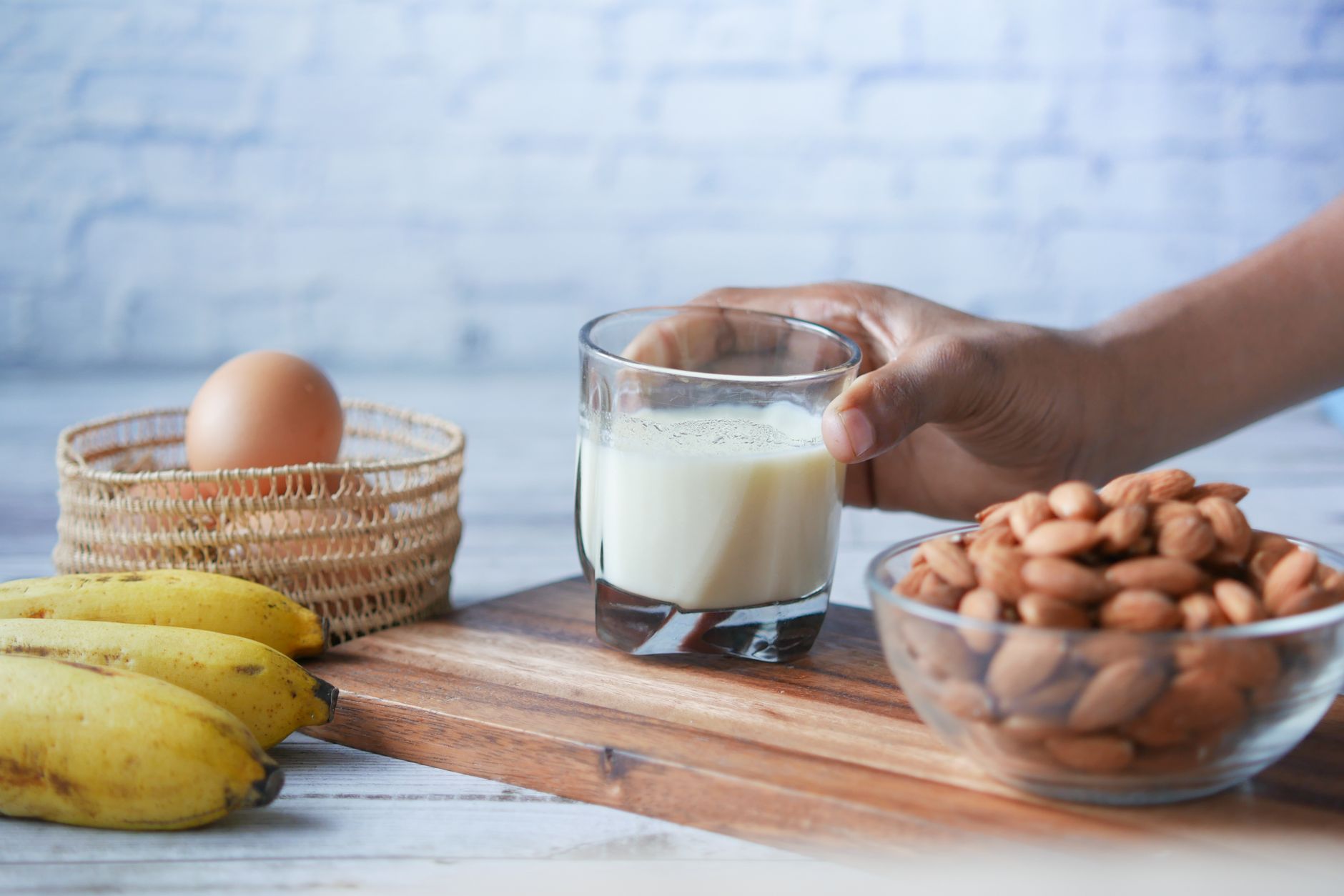
Meal prepping on semaglutide is all about efficiency. You’ll want non-perishable staples for quick assembly, plus frozen veggies to avoid spoilage. Below is a 7-day grocery list organized by category, with notes on quantities to minimize waste.
Protein (prioritize lean or plant-based):
- Chicken breast (2 lbs)
- Ground turkey or lean beef (1 lb)
- Eggs (1 dozen)
- Canned tuna or salmon (2 cans)
- Greek yogurt (32 oz plain, 2% or nonfat)
- Cottage cheese (16 oz)
- Tofu or tempeh (1 block)
- Lentils or chickpeas (1 can or 1 cup dry)
Vegetables (fresh + frozen):
- Spinach (1 large bunch or 10 oz bag)
- Broccoli (1 head or 12 oz frozen)
- Zucchini (2 medium)
- Bell peppers (2)
- Carrots (1 lb)
- Cucumber (1)
- Cherry tomatoes (1 pint)
- Mushrooms (8 oz)
- Avocados (2)
Fruits (low-sugar options):
- Berries (strawberries, blueberries, raspberries—1 pint)
- Apples (2)
- Bananas (2)
- Lemons (2, for tea or flavor)
Grains (whole, low-carb where possible):
- Quinoa (1 cup dry)
- Brown rice or cauliflower rice (1 bag)
- Whole-grain bread (1 loaf, check for <5g sugar/slice)
- Oats (1 small canister, for occasional oatmeal)
Healthy fats:
- Almond butter or peanut butter (unsweetened, 1 jar)
- Olive oil (small bottle)
- Avocado oil (for cooking)
- Nuts/seeds (almonds, walnuts, chia seeds—small bags)
Dairy (low-fat or dairy-free alternatives):
- Milk (unsweetened almond or 1% dairy)
- Cheese (feta, cheddar, or goat cheese—small blocks)
Pantry staples:
- Ginger (fresh or powdered, for nausea relief)
- Turmeric
- Cinnamon
- Spices (garlic powder, cumin, paprika)
- Low-sodium broth (chicken or vegetable)
- Protein powder (vanilla or unflavored)
- Dark chocolate (85%+ cocoa, 1 bar)
Snacks (pre-portioned for convenience):
- Hard-boiled eggs (pre-peeled, 6)
- Roasted chickpeas (1 bag)
- Seaweed snacks (1 pack)
- String cheese or cheese cubes (1 pack)
Drinks:
- Herbal teas (ginger, peppermint)
- Sparkling water (plain or flavored)
- Black coffee (if tolerated)
Pro tip: Batch-cook proteins and grains on Sunday (e.g., roast chicken, cook quinoa) to save time during the week. Store in airtight containers for up to 4 days, or freeze portions for longer storage.
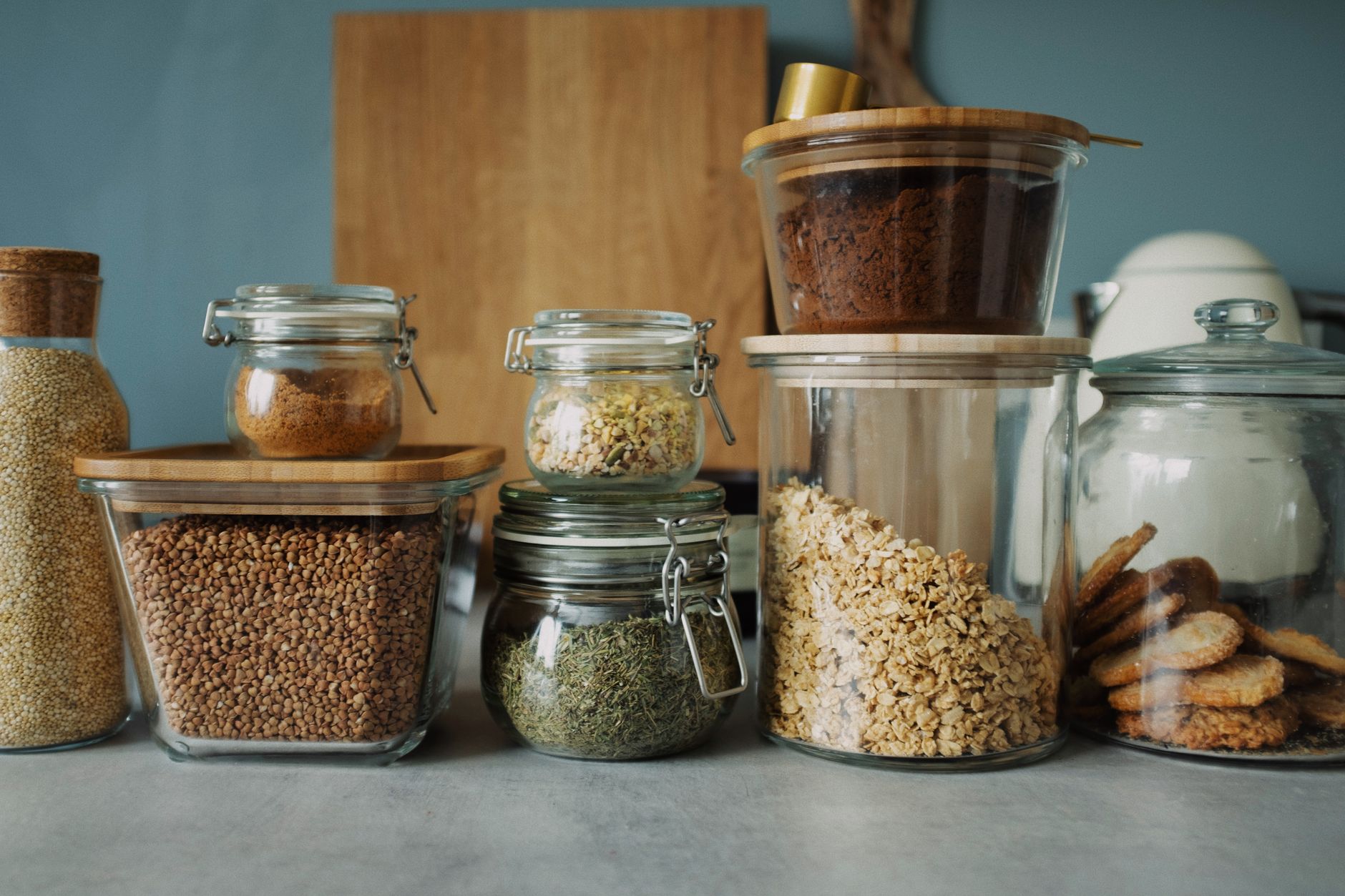
Lunch is where many women fall off the wagon on semaglutide—either because they’re too busy to prep or they crave comfort foods that trigger side effects. The goal here is balanced, high-volume meals that keep you full without weighing you down. Aim for 300–400 calories per lunch, with a mix of protein, fiber, and healthy fats.
Here are 7 lunch ideas that hit the mark:
1. Lemon-Garlic Chicken with Roasted Veggies
Ingredients:
- 4 oz grilled chicken breast
- ½ cup roasted broccoli
- ½ cup quinoa
- 1 tbsp olive oil
- 1 tsp lemon juice
- ½ tsp garlic powder
- Sprinkle of parsley
- Marinate chicken in olive oil, lemon juice, and garlic powder for 10 minutes.
- Grill or bake chicken at 375°F for 15–20 minutes.
- Roast broccoli and quinoa separately (or use pre-cooked quinoa).
- Serve with a side of cucumber slices.
2. Turkey and Avocado Wrap (Low-Carb)
Ingredients:
- 1 low-carb tortilla (or lettuce wrap)
- 3 oz turkey slices
- ¼ avocado, mashed
- 1 tbsp Greek yogurt (instead of mayo)
- Handful of spinach
- Squeeze of lemon
- Spread mashed avocado on the tortilla.
- Layer turkey, spinach, and a drizzle of Greek yogurt.
- Roll tightly and slice in half.
3. Lentil and Vegetable Soup
Ingredients:
- ½ cup dried lentils
- 1 cup low-sodium broth
- ½ cup diced carrots
- ½ cup diced zucchini
- 1 tbsp olive oil
- Spices: cumin, turmeric, black pepper
- Sauté veggies in olive oil for 5 minutes.
- Add lentils and broth; simmer for 20 minutes.
- Season with spices and serve with a side of whole-grain crackers (if tolerated).
For variety, try these other semaglutide-friendly lunch swaps:
- Tuna salad (canned tuna + Greek yogurt + celery + lemon).
- Egg salad (hard-boiled eggs + avocado + mustard).
- Stir-fry (tofu or chicken + bell peppers + snap peas + soy sauce).
- Caprese salad (tomatoes + fresh mozzarella + basil + balsamic glaze).
⚠️ Watch out for:
- Heavy sauces (e.g., Alfredo or creamy ranch).
- Processed deli meats (high in sodium).
- Large portions of starchy sides (e.g., white rice or mashed potatoes).
Pro tip: If you’re short on time, prep a big batch of lentil soup or roasted veggies on Sunday and freeze portions. Reheat in the microwave for a 5-minute lunch.
--- ## **Semaglutide-Friendly Diet Meal Plan 7-Day Dinner Ideas: Wind Down Right**Dinner is where many women test their limits—whether it’s craving carbs after a long day or experimenting with new recipes. The key is gentle digestion to avoid side effects like bloating or fatigue. Aim for 350–450 calories per dinner, with protein as the star to keep you satisfied overnight.
Here are 7 dinner ideas that balance flavor and ease:
1. Baked Salmon with Asparagus
Ingredients:
- 4 oz salmon fillet
- ½ cup asparagus
- 1 tsp olive oil
- Lemon wedge
- Dried dill or parsley
- Preheat oven to 375°F.
- Place salmon and asparagus on a baking sheet; drizzle with olive oil and lemon.
- Bake for 12–15 minutes.
- Sprinkle with herbs and serve with a side salad.
2. Turkey and Spinach Stuffed Peppers
Ingredients:
- 1 small bell pepper, halved
- 3 oz ground turkey
- ¼ cup cooked quinoa
- ½ cup spinach
- 1 tsp tomato paste
- Spices: oregano, garlic powder
- Preheat oven to 375°F.
- Cook turkey with spices and tomato paste.
- Mix with quinoa and spinach; stuff into pepper halves.
- Bake for 20 minutes.
3. Shrimp and Zucchini Noodles
Ingredients:
- 4 oz shrimp
- 1 medium zucchini, spiralized
- 1 tbsp olive oil
- Garlic, red pepper flakes
- Lemon juice
- Sauté shrimp in olive oil with garlic for 3 minutes.
- Add zucchini noodles and cook for 2–3 minutes.
- Finish with lemon juice and red pepper flakes.
For more variety, try these semaglutide-friendly dinner swaps:
- Grilled chicken with roasted Brussels sprouts (toss with olive oil and balsamic).
- Stuffed bell peppers with lean beef and cauliflower rice.
- Baked cod with a side of steamed green beans.
- Vegetable stir-fry with tofu and tamari.
⚠️ Avoid at dinner:
- Heavy cream sauces (e.g., Alfredo).
- Fried foods (e.g., onion rings, fried chicken).
- Large portions of rice or pasta.
Pro tip: If you’re struggling with constipation (a common side effect of semaglutide), add prunes or chia seeds to your dinner routine. Prunes are a natural laxative, while chia seeds absorb water to soften stools.
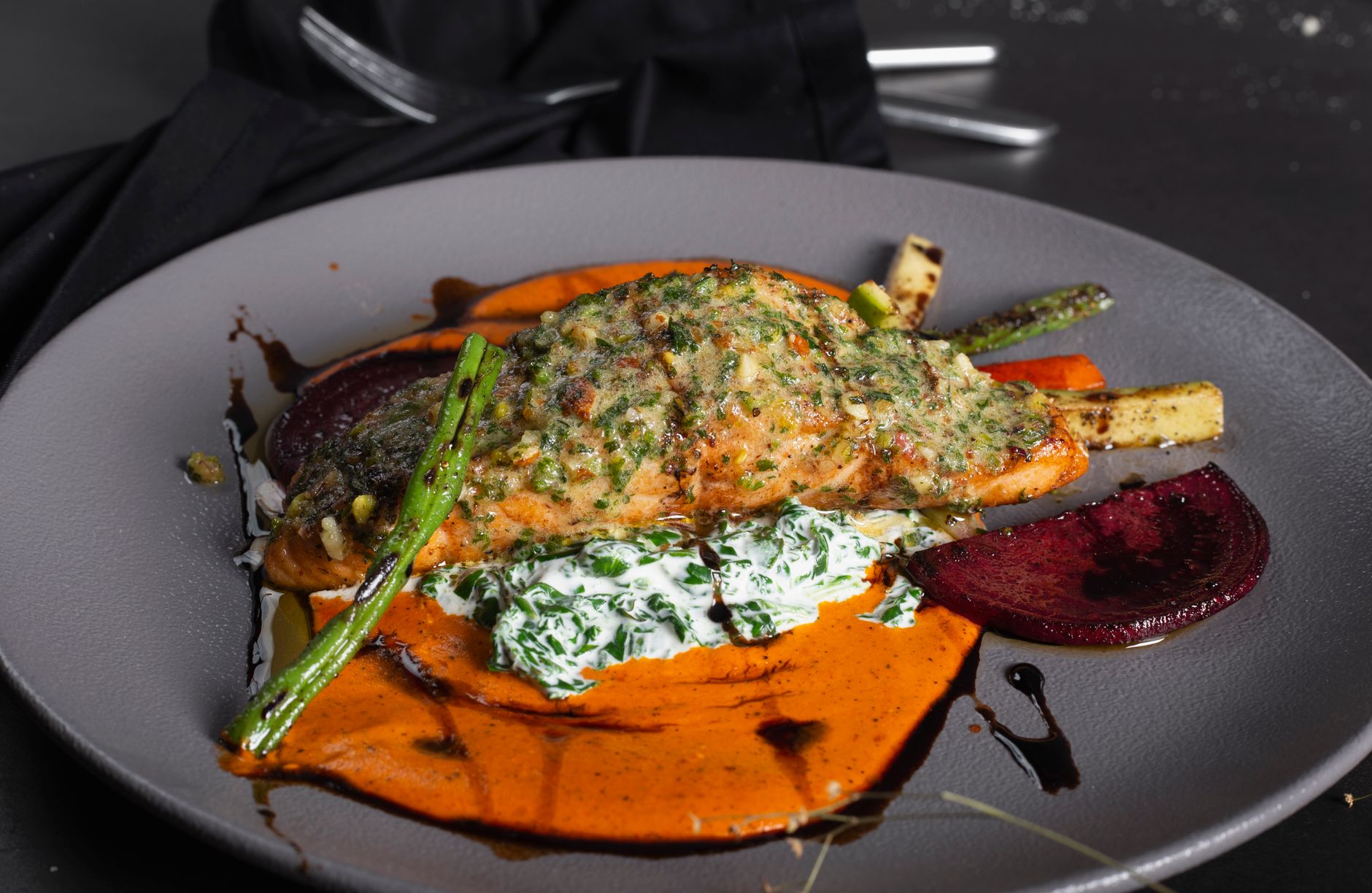
Snacks are your secret weapon on semaglutide—if chosen wisely. The goal is to stabilize blood sugar and prevent cravings without triggering nausea. Aim for 50–150 calories per snack, with a mix of protein and fiber.
Here are 10 semaglutide-friendly snack ideas:
| Snack | Calories | Macros (P/F/C) | Prep Time | Why It Works |
|---|---|---|---|---|
| Hard-boiled eggs (2) | 140 | 12g P / 10g F / 1g C | 5 mins (prep ahead) | High in choline for metabolism. |
| Cottage cheese + cucumber | 120 | 14g P / 2g F / 6g C | 2 mins | Slow-digesting casein protein. |
| Roasted chickpeas (¼ cup) | 110 | 5g P / 4g F / 20g C | 10 mins (bake ahead) | Fiber-rich for satiety. |
| String cheese + berries | 100 | 6g P / 7g F / 8g C | 1 min | Combination of protein and antioxidants. |
| Almond butter + apple slices | 150 | 5g P / 12g F / 15g C | 2 mins | Healthy fats + fiber for steady energy. |
| Seaweed snacks (1 pack) | 50 | 1g P / 0g F / 10g C | 0 mins | Low-calorie, high-iodine for thyroid support. |
| Greek yogurt + chia seeds | 130 | 10g P / 5g F / 12g C | 2 mins | Omega-3s from chia for inflammation. |
| Turkey jerky (1 oz) | 80 | 9g P / 1g F / 2g C | 0 mins | Portable protein for on-the-go. |
| Dark chocolate (1 square, 85%) | 50 | 1g P / 3g F / 4g C | 0 mins | Magnesium for stress relief. |
| Hummus + veggie sticks | 100 | 3g P / 5g F / 12g C | 3 mins | Fiber + plant-based protein. |
Pro tip: If you’re struggling with cravings, try the 5-minute rule: wait 5 minutes before grabbing a snack. Often, the craving passes. If it doesn’t, opt for a high-protein, low-sugar option like cottage cheese or turkey jerky.
⚠️ Avoid as snacks:
- Chips or crackers (high in refined carbs).
- Sugary granola bars (even "natural" ones can spike blood sugar).
- Fried snacks (e.g., onion rings, mozzarella sticks).
Meal prepping on semaglutide is all about efficiency. You’ll want to minimize decision fatigue while keeping meals nutrient-dense and easy to reheat. Here’s how to plan ahead like a pro:
1. Batch-Cook Proteins
Do this: Cook a large batch of chicken, turkey, or tofu on Sunday. Divide into 4–6 portions and store in the fridge for up to 4 days or freeze for longer storage. Use these proteins in:
- Lunches (e.g., wraps, salads, grain bowls).
- Dinners (e.g., stir-fries, stuffed peppers, soups).
- Snacks (e.g., hard-boiled eggs, pre-portioned leftovers).
2. Prep Veggies in Advance
Do this: Wash, chop, and store veggies in airtight containers for quick assembly. Try:
- Baby carrots + hummus.
- Cherry tomatoes + mozzarella.
- Pre-cut bell peppers for stir-fries.
3. Make Soups and Stews
Do this: Soups are naturally low-calorie and easy to digest. Make a big pot of:
- Lentil soup.
- Chicken and veggie broth-based soup.
- Minestrone (with beans and whole-grain pasta).
4. Use Mason Jars for Meals
Do this: Layer ingredients in a jar for grab-and-go meals. Example for a salad:
- Bottom: Dressing (olive oil + vinegar).
- Middle: Greens (spinach, arugula).
- Top: Protein (chicken, chickpeas) + veggies (cucumber, cherry tomatoes).
5. Pre-Portion Snacks
Do this: Divide snacks into small, single-serving containers to avoid overeating. Examples:
- Almonds (¼ cup per baggie).
- Cheese cubes (1 oz per container).
- Hard-boiled eggs (peeled and stored in the fridge).
6. Keep a "Freezer Staples" List
Stock your freezer with:
- Frozen berries (for smoothies).
- Cauli-rice (pre-cooked).
- Pre-cooked shrimp or salmon.
- Frozen veggie mixes (for quick stir-fries).
Pro tip: If you’re short on time, use pre-made semaglutide-friendly meal kits (e.g., GAPS diet meals or Noom-approved options) as a backup. Just check the labels for low-calorie, high-protein markers.
⚠️ Common meal-prep mistakes to avoid:
- Overcooking proteins (they can dry out).
- Using high-sodium sauces (opt for herbs and spices instead).
- Skipping portion control (measure out snacks to avoid overeating).
Semaglutide works by mimicking a hormone called GLP-1, which slows digestion and reduces appetite. For many women, this leads to 10–15% of body weight loss in 6 months—but the journey isn’t linear. How you eat plays a huge role in how well semaglutide works for you.
Here’s what to expect:
1. Initial Weight Loss (First 2–4 Weeks)
You’ll likely lose 5–10 lbs quickly due to:
- Reduced appetite.
- Increased water loss (as your body sheds excess fluid).
- Lower carb intake (if you’re cutting back on sugar and refined carbs).
2. Plateaus (After 4–6 Weeks)
Weight loss may slow down as your body adapts. This is normal—but it doesn’t mean the diet isn’t working. Try:
- Adjusting calories: If you’re not losing weight after 2 weeks, your provider may suggest a smaller calorie target (e.g., 1,000–1,200 calories/day).
- Increasing protein: Aim for 20–30g per meal to preserve muscle.
- Walking 8–10K steps/day: Even light movement helps.
3. Long-Term Maintenance
After 6 months, many women plateau again. To keep weight off:
- Reintroduce small portions of carbs (e.g., ½ cup quinoa or sweet potato) if you’re craving them.
- Practice mindful eating: Eat slowly, chew thoroughly, and stop when you’re 80% full.
- Stay hydrated: Sometimes thirst is mistaken for hunger.
⚠️ When to talk to your provider:
- You’re losing more than 2 lbs per week (could


