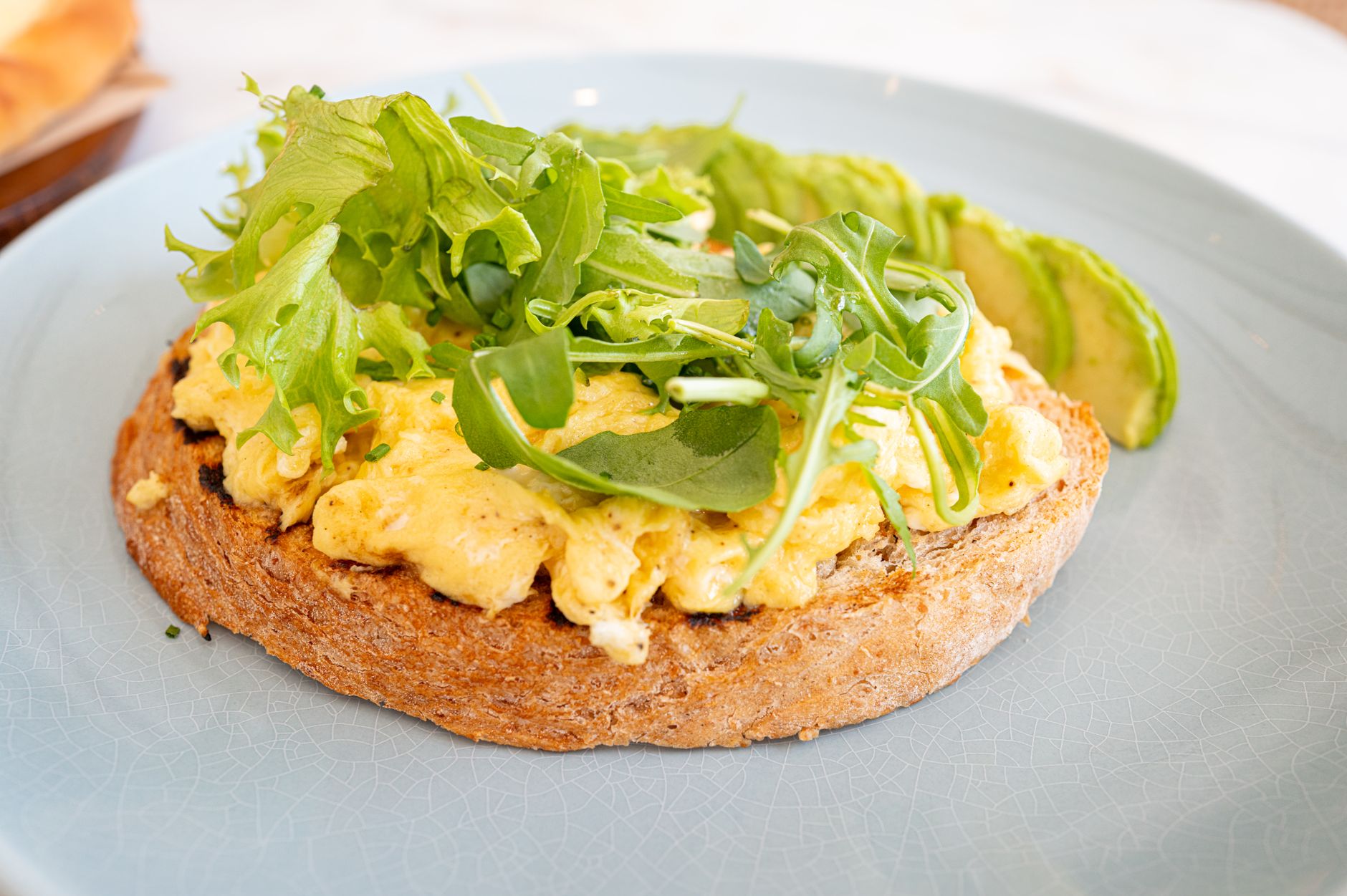
Breakfast is often the hardest meal to nail on GAPS, especially if you're used to cereal, toast, or smoothies. The key is to focus on protein and healthy fats to keep you full and energized. One of the most popular breakfast options is scrambled eggs with sautéed spinach and avocado. Here's how to make it:
- Crack 2–3 eggs into a bowl and whisk with a splash of water or unsweetened almond milk.
- Heat a non-stick pan over medium heat and add a small amount of ghee or coconut oil.
- Add a handful of fresh spinach and sauté for 1–2 minutes until wilted.
- Pour in the eggs and let them cook undisturbed for a minute, then gently stir with a spatula.
- Once the eggs are set but still slightly runny, add slices of avocado and mix gently.
- Season with salt and pepper to taste.
This meal is packed with protein, healthy fats, and fiber to keep you satisfied. For a quicker option, try GAPS-friendly smoothie bowls. Blend 1 cup of coconut milk (full-fat), 1 frozen banana, 1 tablespoon of chia seeds, and a handful of frozen berries. Top with a dollop of coconut yogurt and a sprinkle of pumpkin seeds.
If you're craving something warmer, bone broth with a side of soft-cooked veggies is a great Introduction phase option. Simmer 4 cups of bone broth with a pinch of sea salt and a splash of apple cider vinegar. Serve with steamed carrots or zucchini, which are easy to digest.
**Pro tip:** If you're following GAPS for weight loss, prioritize protein at breakfast to curb cravings later in the day. For athletes, add an extra source of healthy fats like nuts or seeds to fuel your workouts.
---
GAPS diet meal plan 7 day lunch recipes: soups, salads, and more that won't make you feel bloated
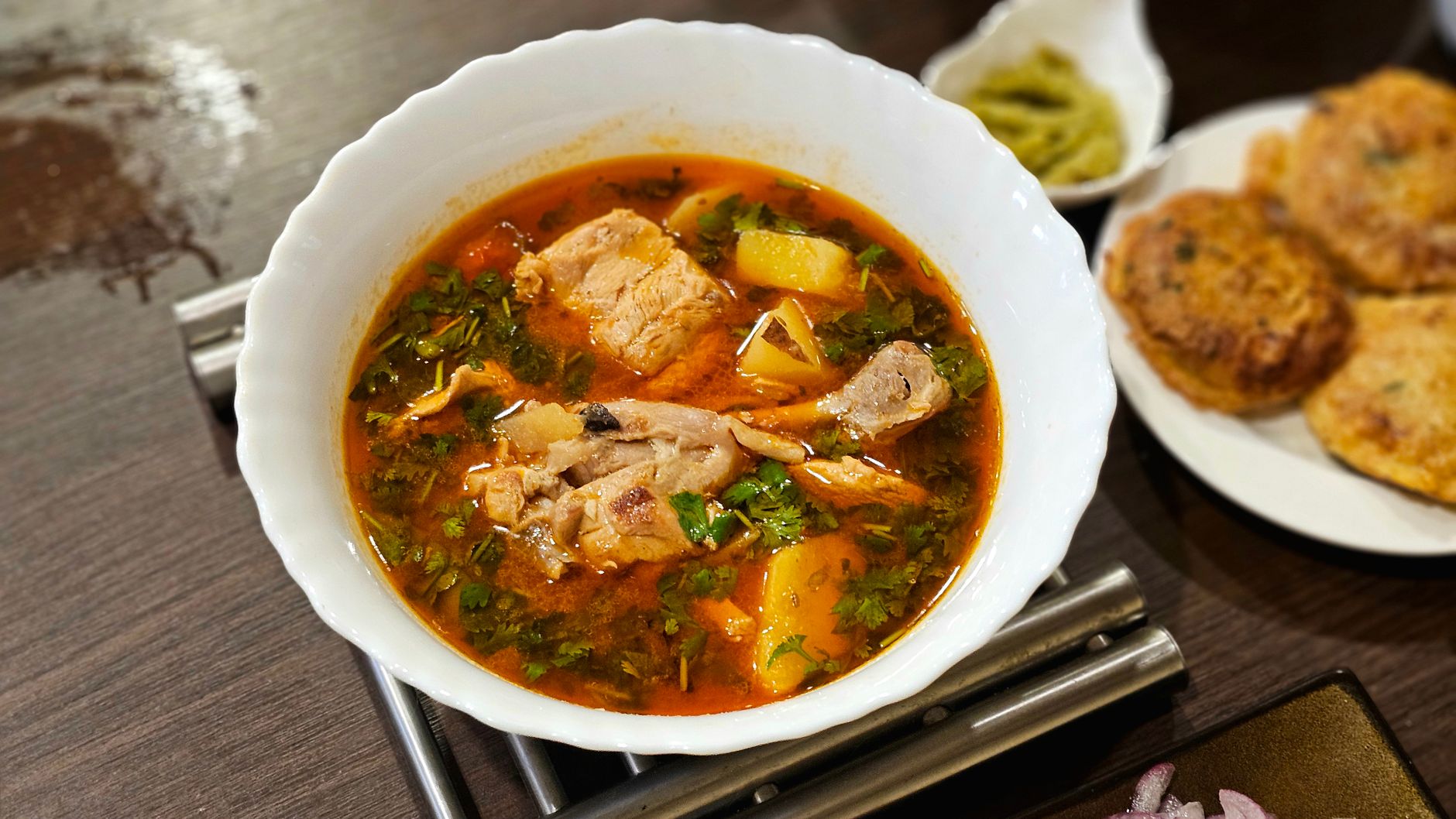
Lunch is where many people struggle to find variety on GAPS, but it doesn't have to be boring. Soups are a lifesaver—they're easy to digest, nutrient-dense, and can be made in big batches. One of our favorite GAPS chicken and veggie soup recipes starts with a base of bone broth, then adds shredded chicken, carrots, celery, and a handful of leafy greens like kale or spinach.
- In a large pot, combine 8 cups of bone broth, 1 cup of shredded chicken, 2 diced carrots, 2 celery stalks, and 1 diced onion.
- Add 1 cup of chopped kale or spinach and a pinch of sea salt.
- Simmer for 20–30 minutes until the veggies are tender.
- Blend half the soup for a creamy texture, then stir back in.
- Serve with a side of soft-cooked sweet potato or a small handful of pumpkin seeds.
For a lighter option, try a zucchini and chicken salad. Sauté 1 diced zucchini in ghee until tender, then mix with shredded chicken, a drizzle of olive oil, and a squeeze of lemon. Top with fresh herbs like parsley or dill for extra flavor.
If you're in the Introduction phase, mashed sweet potato with coconut oil and cinnamon is a comforting lunch. Mash 1 cup of cooked sweet potato with 1 teaspoon of coconut oil and a pinch of cinnamon. Serve with a side of steamed green beans.
**Common lunch mistakes to avoid:**
- Overloading on raw veggies—stick to cooked or soft-cooked veggies in the Introduction phase.
- Skipping healthy fats—fats help with nutrient absorption, so always include sources like olive oil, ghee, or avocado.
- Ignoring portion sizes—start with smaller portions and adjust based on how your body responds.
---
GAPS diet meal plan 7 day dinner suggestions: hearty, satisfying meals that won't leave you craving junk food
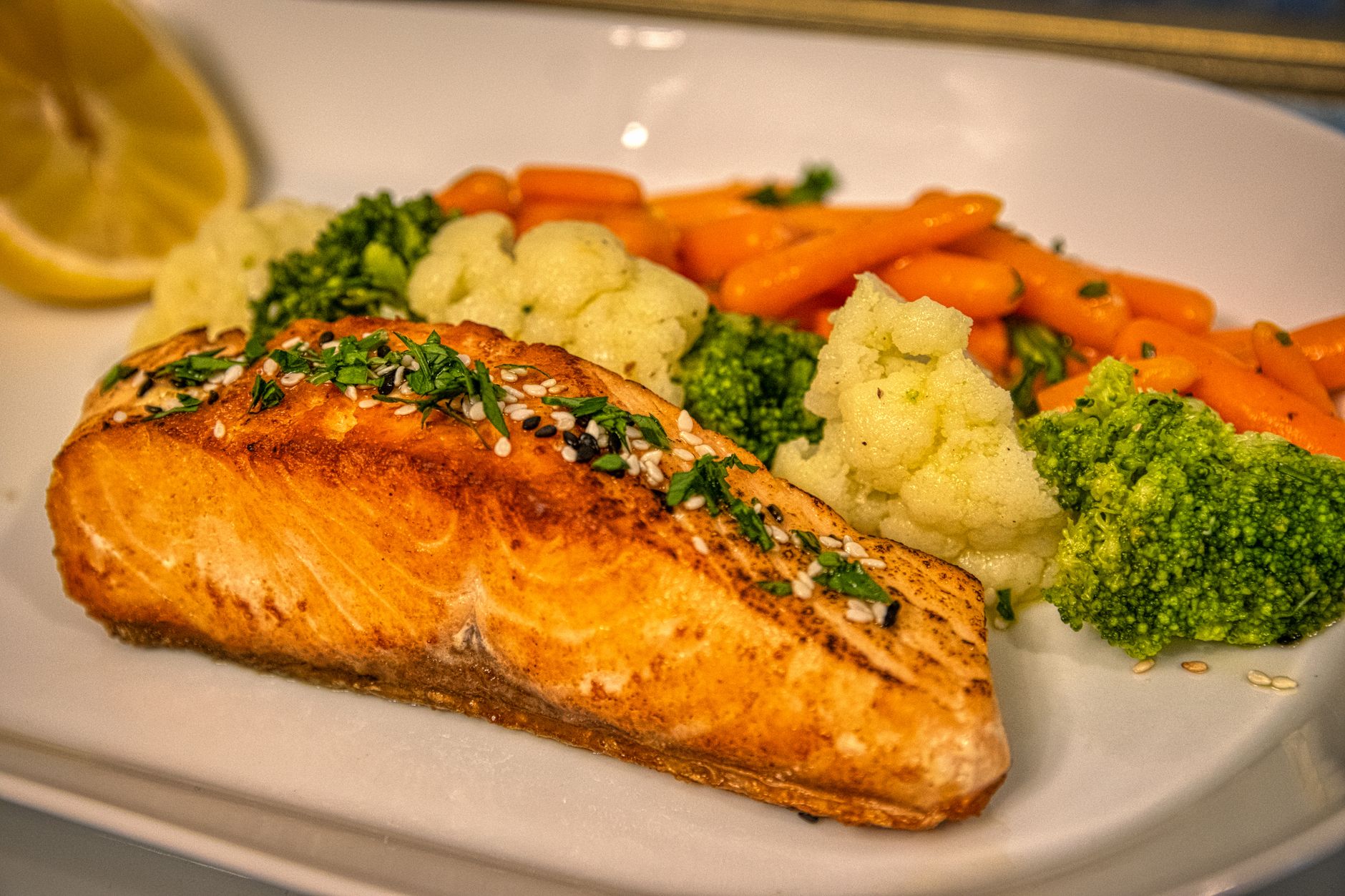
Dinner is where the GAPS diet really shines—you can get creative with proteins, veggies, and healthy fats. One of our go-to GAPS-friendly baked salmon recipes is simple yet flavorful. Preheat your oven to 375°F (190°C), place a salmon fillet on a lined baking sheet, and drizzle with olive oil, lemon juice, salt, and pepper. Bake for 12–15 minutes, then serve with roasted carrots and a side of mashed cauliflower.
- Preheat oven to 375°F (190°C).
- Place salmon fillet on a lined baking sheet and drizzle with 1 tablespoon of olive oil, 1 teaspoon of lemon juice, salt, and pepper.
- Roast for 12–15 minutes until the salmon flakes easily.
- While the salmon bakes, toss 2 diced carrots in olive oil, salt, and pepper, then roast alongside the salmon.
- For the mashed cauliflower, steam 1 head of cauliflower until tender, then blend with 1 tablespoon of coconut oil and a pinch of salt.
For a vegetarian option, lentil and vegetable stew is a great choice. Cook 1 cup of dried lentils in 4 cups of bone broth until tender. Add diced carrots, celery, and zucchini, then simmer for another 20 minutes. Season with sea salt and a splash of apple cider vinegar.
If you're following GAPS for heart health, focus on lean proteins like turkey or chicken and pair them with plenty of veggies. For athletes, consider adding extra protein like grass-fed beef or wild-caught fish to support muscle recovery.
---
GAPS diet meal plan 7 day grocery list: what to buy and what to skip
Shopping for GAPS can feel like a treasure hunt, especially if you're new to the diet. Here’s a comprehensive grocery list to get you started, organized by category:
Proteins
- Grass-fed beef (ground, steaks, roasts)
- Wild-caught salmon or other fatty fish (mackerel, sardines)
- Chicken or turkey (preferably pasture-raised)
- Eggs (preferably pasture-raised)
- Bone broth (store-bought or homemade)
Vegetables
- Carrots
- Celery
- Zucchini
- Sweet potatoes
- Spinach or kale
- Cauliflower
- Green beans
- Asparagus
Fruits
- Bananas
- Apples
- Berries (blueberries, raspberries)
- Pears
Fats and Oils
- Olive oil
- Coconut oil
- Ghee
- Avocado oil
- Coconut milk (full-fat)
Dairy (if tolerated)
- Coconut yogurt
- Full-fat coconut milk yogurt
- Butter (grass-fed, if tolerated)
Pantry Staples
- Sea salt
- Apple cider vinegar
- Chia seeds
- Pumpkin seeds
- Cinnamon
- Fresh herbs (parsley, dill, basil)
**Pro tip:** If you're following GAPS for autoimmune protocol (AIP), avoid all nightshades, nuts, and seeds. For dairy alternatives, stick to coconut-based products or fermented dairy if tolerated.
**What to skip:**
- Processed foods
- Refined sugars
- Artificial additives
- Nightshades (tomatoes, potatoes, peppers) in the Introduction phase
- Legumes (beans, lentils) in the Introduction phase
---
GAPS diet meal plan 7 day nutrition facts: what you're actually getting from this plan
The GAPS diet is designed to be nutrient-dense, but it’s important to understand what you’re fueling your body with. Here’s a breakdown of the key nutrients you’ll get from this plan:
**Note on pregnancy:** If you're pregnant or planning to conceive, the GAPS diet can be adapted, but it’s crucial to work with your provider. Some women find that the Introduction phase helps with morning sickness, while others may need to adjust portions due to increased caloric needs. We’ll cover pregnancy-specific adaptations later in this article.
---
GAPS diet meal plan 7 day variations for pregnancy: what to eat and what to avoid
Pregnancy changes everything—including how you eat. The GAPS diet can be beneficial for pregnant women, particularly if you're dealing with digestive issues, food sensitivities, or autoimmune conditions. However, it’s essential to consult your provider before making significant dietary changes during pregnancy.
Here’s how to adapt the GAPS diet for pregnancy:
What to Eat More Of
- High-quality protein—supports fetal development and helps manage pregnancy-related cravings.
- Healthy fats—critical for brain development and hormone production.
- Bone broth—rich in collagen and amino acids that support joint and tissue health.
- Fermented foods (if tolerated)—probiotics can help with digestive issues common in pregnancy.
- Leafy greens—packed with folate, which is vital for preventing neural tube defects.
What to Be Cautious Of
- Raw fish and undercooked meats—risk of foodborne illnesses like listeria.
- Excessive caffeine—stick to decaf or limit to 200mg/day.
- Very low-calorie intake—ensure you’re meeting your increased caloric needs (typically +300–500 calories/day).
- Nightshades in excess—some women find they trigger heartburn or reflux.
**Sample Pregnancy-Friendly GAPS Meal Plan:**
- Breakfast: Scrambled eggs with sautéed spinach and avocado.
- Lunch: Chicken and veggie soup with a side of soft-cooked carrots.
- Dinner: Baked salmon with roasted sweet potatoes and steamed green beans.
- Snack: Coconut yogurt with pumpkin seeds.
**When to talk to your provider:**
- If you experience severe nausea or vomiting that doesn’t improve.
- If you notice weight loss or difficulty gaining weight.
- If you have concerns about nutrient deficiencies (e.g., iron, vitamin D).
---
GAPS diet meal plan 7 day for weight loss: how to structure the plan for fat loss without feeling deprived
Many women turn to the GAPS diet for weight loss, especially if they suspect gut health issues are contributing to their struggles. The key to losing weight on GAPS is to focus on protein and healthy fats while gradually reintroducing foods to avoid cravings. Here’s how to structure the plan for fat loss:
Tips for Weight Loss on GAPS
- Prioritize protein at every meal—helps maintain muscle and keeps you full.
- Increase healthy fats—avocado, olive oil, and fatty fish can help curb cravings.
- Stay hydrated—sometimes thirst is mistaken for hunger.
- Track portions—use a food scale if needed to avoid overeating.
- Move your body—gentle exercise like walking or yoga can support digestion and metabolism.
**Sample Weight Loss Meal Plan:**
- Breakfast: 2 scrambled eggs with sautéed spinach and ½ avocado.
- Lunch: 4 cups of chicken and veggie soup with a side of steamed green beans.
- Dinner: 4 oz of baked salmon with 1 cup of roasted Brussels sprouts and ½ cup of mashed cauliflower.
- Snack: 1 cup of coconut yogurt with 1 tablespoon of chia seeds.
**Common weight loss pitfalls:**
- Skipping meals—can lead to overeating later or blood sugar crashes.
- Not eating enough fat—fats are essential for satiety and hormone balance.
- Rushing the Introduction phase—digestive issues can stall progress if you reintroduce foods too quickly.
---
GAPS diet meal plan 7 day for beginners: how to start without feeling overwhelmed
Starting GAPS can feel like stepping into a whole new world, especially if you're used to eating a standard Western diet. The good news is that with a little planning, you can ease into it smoothly. Here’s how to begin:
Step 1: Stock Your Pantry
Before diving in, make sure you have the basics. Buy bone broth (or make your own), grass-fed meats, wild-caught fish, and plenty of fresh veggies. If you’re in the Introduction phase, focus on easy-to-digest foods like carrots, zucchini, and sweet potatoes.
Step 2: Start with the Introduction Phase
The Introduction phase is designed to be gentle on your gut. Stick to:
- Bone broth
- Cooked veggies (carrots, zucchini, sweet potatoes)
- Fruits (bananas, apples, pears)
- Healthy fats (olive oil, coconut oil, ghee)
- Fermented foods (if tolerated)
Step 3: Gradually Transition to Full GAPS
Once you’re comfortable with the Introduction phase (typically 2–4 weeks), you can start adding:
- Meats (beef, chicken, turkey)
- Fish and seafood
- Eggs
- Dairy (if tolerated)
Step 4: Plan Your Meals
Use our 7-day meal plan as a starting point, but don’t be afraid to swap ingredients based on what you enjoy. Meal prepping can save you time—cook a big batch of bone broth, chop veggies in advance, and portion out snacks.
---
GAPS diet meal plan 7 day with dairy alternatives: what to eat if you're lactose intolerant or avoiding dairy
If you're avoiding dairy due to lactose intolerance or personal preference, there are plenty of GAPS-friendly alternatives. The key is to focus on coconut-based products and other non-dairy sources of calcium and healthy fats.
Dairy-Free GAPS Staples
- Coconut yogurt—a great alternative to dairy yogurt, rich in probiotics.
- Coconut milk—use in smoothies, soups, or as a creamy base for sauces.
- Almond or coconut butter—for healthy fats and flavor (ensure they’re nut-free if following AIP).
- Fermented coconut milk—similar to kefir, supports gut health.
Sample Dairy-Free Meal Plan
- Breakfast: Scrambled eggs with sautéed spinach and avocado.
- Lunch: Chicken and veggie soup with a side of coconut yogurt and pumpkin seeds.
- Dinner: Baked salmon with roasted sweet potatoes and steamed green beans.
- Snack: Sliced apples with almond butter (if nut-free, use sunflower seed butter).
**Pro tip:** If you're avoiding dairy, ensure you’re getting enough calcium from other sources like leafy greens, bone broth, and fermented foods.
---
Athletes have unique needs when it comes to nutrition—you need energy for performance, but you also need to support gut health. The GAPS diet can work well for athletes if structured correctly. Here’s how to fuel your workouts without digestive issues:
Pre-Workout
- Eat a small, easily digestible meal 1–2 hours before exercise.
- Try a smoothie with coconut milk, banana, and chia seeds.
- Avoid heavy, fatty meals right before working out.
Post-Workout
- Prioritize protein to support muscle recovery.
- Try a protein shake with bone broth, coconut milk, and a scoop of collagen powder.
- Include healthy fats like avocado or olive oil to support hormone balance.
Sample Athlete Meal Plan
- Breakfast: 3 scrambled eggs with sautéed spinach and a side of avocado.
- Pre-Workout Snack: Smoothie with coconut milk, banana, and chia seeds.
- Post-Workout Meal: Grilled chicken with roasted sweet potatoes and a side salad.
- Dinner: Baked salmon with quinoa (if tolerated) and steamed asparagus.
- Snack: Coconut yogurt with pumpkin seeds and a handful of berries.
**Pro tip:** Stay hydrated with electrolytes, especially if you’re sweating a lot. Coconut water or homemade electrolyte drinks can help.
---
GAPS diet meal plan 7 day for vegans: can it work? and what are the alternatives?
The GAPS diet is primarily an animal-based protocol, which makes it challenging for vegans. However, if you're a vegan looking to support gut health, there are alternative approaches. The AIP diet offers a plant-based option, though it excludes nightshades, nuts, and seeds. For GAPS-like healing without animal products, focus on:
Vegan-Friendly Gut-Healing Foods
- Bone broth alternatives (vegan broth made from mushrooms or seaweed)
- Cooked veggies (carrots, zucchini, sweet potatoes)
- Fermented foods (sauerkraut, kimchi, coconut kefir)
- Healthy fats (avocado, olive oil, coconut oil)
- Plant-based proteins (lentils in moderation, if tolerated)
**Sample Vegan Meal Plan (GAPS-Inspired):**
- Breakfast: Sautéed spinach with olive oil and a side of mashed sweet potato.
- Lunch: Mushroom and veggie soup with a side of fermented coconut yogurt.
- Dinner: Stuffed bell peppers (if tolerated) with quinoa, mushrooms, and zucchini.
- Snack: Sliced apple with almond butter (if nut-free, use sunflower seed butter).
**Note:** If you're a vegan following GAPS, you may need to supplement with nutrients like B12, omega-3s, and vitamin D, as these are harder to obtain from plant-based sources alone. Always consult a healthcare provider before making significant dietary changes.
---
How to follow the GAPS diet during pregnancy: a step-by-step guide
If you're pregnant and considering the GAPS diet, it’s important to approach it with caution. While some women find it helpful for managing nausea or digestive issues, others may need to adjust portions or avoid certain foods. Here’s a step-by-step guide:
- Consult your provider—before making any changes, discuss your plans with your healthcare team. They can help you tailor the diet to your specific needs.
- Focus on nutrient-dense foods—prioritize proteins, healthy fats, and leafy greens to support fetal development.
- Stay hydrated—drink plenty of water and herbal teas to prevent dehydration.
- Monitor portions—ensure you’re meeting your increased caloric needs (typically +300–500 calories/day).
- Avoid raw fish and undercooked meats—to reduce the risk of foodborne illnesses.
- Listen to your body—if you experience severe nausea, vomiting, or other discomfort, adjust your diet accordingly.
**Sample Pregnancy-Friendly GAPS Meal Plan:**
- Breakfast: Scrambled eggs with sautéed spinach and a side of avocado.
- Lunch: Chicken and veggie soup with a side of soft-cooked carrots.
- Dinner: Baked salmon with roasted sweet potatoes and steamed green beans.
- Snack: Coconut yogurt with pumpkin seeds and a handful of berries.
---
Myth vs. Fact: clearing up common misconceptions about the GAPS diet
Myth: "The GAPS diet is just another fad diet for weight loss."
Fact: While some people do lose weight on GAPS, its primary purpose is to heal the gut and address underlying health issues like autoimmune conditions, digestive disorders, and neurological symptoms. Weight loss is often a secondary benefit as the body heals.
Myth: "You can eat as much as you want on GAPS and still lose weight."
Fact: Like any diet, portion control matters. Overeating—even healthy foods—can lead to weight gain. Focus on balanced meals with protein, healthy fats, and veggies to stay satisfied and support gut healing.
Myth: "The GAPS diet is safe for everyone, including pregnant women."
Fact: While some women benefit from GAPS during pregnancy, it’s not universally safe. Always consult your provider before starting any elimination diet while pregnant. Some women find it helps with nausea, while others may need to adjust portions due to increased caloric needs.
Myth: "You have to give up all fruits and vegetables on GAPS."
Fact: You can eat fruits and vegetables on GAPS, but they’re typically introduced gradually, especially in the Introduction phase. Focus on easy-to-digest options like carrots, zucchini, and bananas.
---
Key takeaways: your GAPS diet checklist
- Start with the Introduction phase if you're new to GAPS—focus on bone broth, cooked veggies, and fruits.
- Prioritize protein and healthy fats at every meal to stay full and energized.
- Meal prep to save time—cook big batches of bone broth, chop veggies in advance, and portion out snacks.
- If you're pregnant, work with your provider to adapt the diet to your needs.
- For weight loss, focus on portion control and gradual food reintroductions.
- Stay hydrated and listen to your body—digestive issues can stall progress if you rush the process.
---
Frequently asked questions about the GAPS diet meal plan
What is the GAPS diet, and how does it differ from other elimination diets?
The GAPS diet, developed by Dr. Natasha Campbell-McBride, is designed to heal gut health by eliminating processed foods, grains, and certain veggies in the Introduction phase. Unlike the AIP diet, which excludes nightshades and nuts, GAPS reintroduces these foods in the Full phase. It’s more flexible but also more gradual. The goal is to repair the gut lining, which is believed to address neurological and psychological symptoms. If you're sensitive to nightshades, the AIP might be a better fit.
Is the GAPS diet safe for pregnancy?
The GAPS diet can be adapted for pregnancy, but it’s not universally safe. Some women find it helps with nausea or digestive issues, while others may need to adjust portions due to increased caloric needs. Always consult your provider before starting GAPS during pregnancy. Focus on nutrient-dense foods like protein, healthy fats, and leafy greens, and avoid raw fish or undercooked meats to reduce foodborne illness risks.
How long does it take to see results on the GAPS diet?
Results vary depending on the individual, but many women report improvements in digestion, energy, and mental clarity within 2–4 weeks. For more chronic issues like autoimmune conditions, it may take several months to see significant changes. Patience and consistency are key—rushing the process can lead to digestive flare-ups.
What foods are allowed on the GAPS diet?
In the Full GAPS




