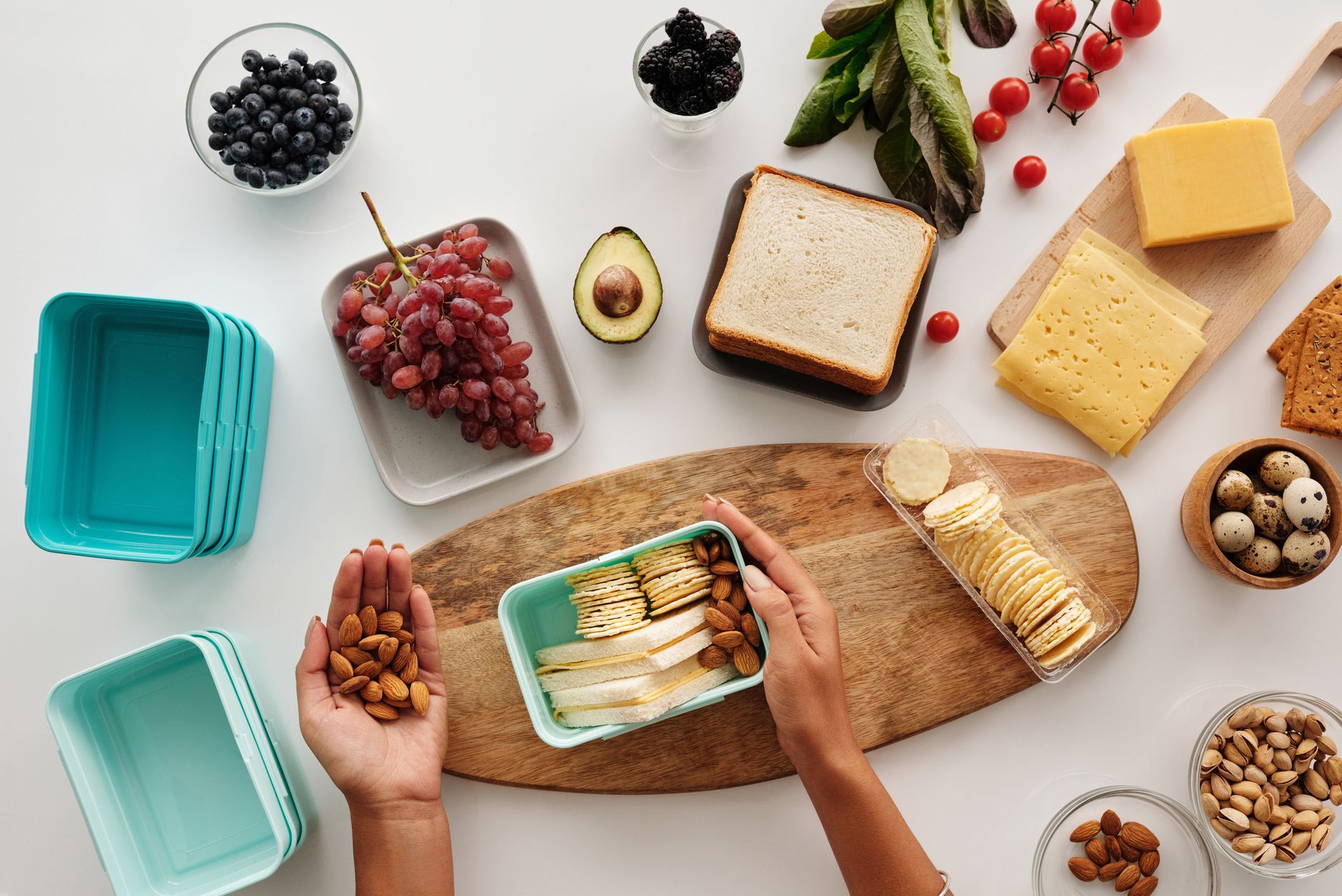
with kids, especially as a new or expectant mom, often means you have zero time for elaborate snack prep. The beauty of no-cook snacks is that they require minimal effort and often come ready-to-eat or with just a quick assembly. These are the unsung heroes of the busy mom's kitchen, providing quick protein boosts when you need them most.
The key to these snacks is often leveraging pre-made components or ingredients that require no heat. Think about items you can grab directly from the fridge or pantry and toss into your bag. Many women find that having a dedicated snack drawer or shelf makes it easier to quickly assemble something nutritious.
Here's a list of fantastic no-cook, high-protein snack ideas perfect for a busy schedule:
- Cottage cheese with fruit: A half-cup of cottage cheese offers around 12-14 grams of protein. Pair it with berries, sliced peaches, or pineapple for added vitamins and fiber. Just remember to keep it chilled.
- Apple slices with peanut or almond butter: This classic combination provides fiber, healthy fats, and about 4-8 grams of protein (depending on the nut butter amount). Look for natural nut butters with no added sugar or hydrogenated oils.
- Mini whole-wheat pitas with hummus: Hummus is made from chickpeas, a great plant-based protein source. Two tablespoons of hummus provide about 2-3 grams of protein, and whole-wheat pita adds fiber.
- Canned tuna or salmon pouches: These convenient pouches are excellent protein sources (around 20 grams per pouch). Choose varieties packed in water and drain well. Mix with a little Greek yogurt or avocado for creaminess, or eat plain with whole-grain crackers. Always opt for low-mercury fish during pregnancy, such as light canned tuna or salmon, and limit intake as per FDA guidelines.
- Overnight oats (prepped the night before): While technically "prepped," they require no cooking in the morning. Combine rolled oats, milk (dairy or plant-based), chia seeds (for extra protein and omega-3s), and a scoop of protein powder or Greek yogurt. Let it sit overnight in the fridge.
- Avocado toast (prepped components): While you'll assemble it, you can pre-slice avocado and pack it with whole-grain bread for a quick, healthy fat and protein-rich snack. Avocado provides healthy fats, and a slice of whole-grain toast adds complex carbs.
- Protein muffins or energy bites: While they involve baking, these can be made in a batch and stored. Look for recipes that use protein powder, nut butter, oats, and seeds. They're grab-and-go once made.
Remember to choose whole-grain options for crackers and bread to boost fiber intake, which can also help with common pregnancy discomforts like constipation. For more ideas on how to incorporate protein into your daily meals, check out our Beginner’s High-Protein Diet Food List.
Store-Bought High-Protein Snacks Safe for Pregnancy Travel?
Traveling, whether it's a road trip or a flight, can make healthy eating a significant challenge, especially when you're pregnant. The unpredictability of food options, coupled with the need for frequent, nutritious snacks, means relying on smart store-bought choices is essential. The key here is not just protein content but also food safety, avoiding items that might pose a risk during pregnancy.
When selecting store-bought snacks, always check labels for ingredients, protein content, and potential allergens. Look for options with minimal added sugars, artificial ingredients, and excessive sodium. For pregnant women, avoiding unpasteurized dairy, deli meats (unless reheated until steaming hot), and certain high-mercury fish is paramount to prevent foodborne illnesses. The CDC provides clear guidelines on food safety during pregnancy, emphasizing caution with ready-to-eat foods.
Here are some excellent store-bought, pregnancy-safe, high-protein snacks for travel:
- Individual nut butter packets: Squeeze packs of almond or peanut butter are incredibly convenient. Pair them with a banana, apple slices, or whole-grain crackers.
- Roasted chickpeas or edamame snacks: Many brands offer crunchy, seasoned roasted chickpeas or edamame. These are shelf-stable, satisfyingly crunchy, and provide a good amount of plant-based protein and fiber (around 5-7 grams per serving).
- Shelf-stable milk boxes or plant-based protein drinks: Small, single-serving cartons of milk (dairy or fortified plant-based like soy or pea protein milk) can be great. Some brands also offer protein-fortified shakes that are shelf-stable. Always check the ingredient list to ensure it's not overly processed or high in sugar.
- Single-serving packets of beef or turkey jerky: As mentioned before, these are highly portable. Look for brands that are lower in sodium and don't contain excessive preservatives. Always ensure they are from a trusted manufacturer.
- Whole-grain crackers with individual cheese portions: A classic pairing. Ensure the cheese is clearly labeled "pasteurized."
- Protein bars (with caution): Not all protein bars are created equal. Look for bars with a good protein-to-sugar ratio (aim for at least 10-15g protein and under 10g added sugar), made with whole food ingredients, and free from excessive artificial sweeteners or questionable additives. We'll delve more into protein bars and shakes in a later section.
- Trail mix (homemade or store-bought): A mix of nuts, seeds, and dried fruit. Be mindful of portion sizes due to calorie density and choose mixes without excessive candy or added sugars.
When packing for travel, use an insulated lunch bag with an ice pack for anything that needs to stay cool, such as cheese or yogurt. Always wash your hands or use hand sanitizer before eating, especially when on the go, to minimize the risk of foodborne illness.
How to Meal Prep High-Protein Snacks for a Week During Pregnancy?
Meal prepping is a pregnant woman's secret weapon against unhealthy cravings and energy slumps. By dedicating a bit of time once a week, you can ensure a steady supply of nutritious, high-protein snacks that are ready to grab whenever hunger strikes. This proactive approach saves time, reduces stress, and guarantees you're fueling your body and baby optimally.
The goal of snack meal prepping is efficiency. You want to create components that can be mixed and matched, or individual portions that are ready to go. Think about the types of snacks you enjoy and how you can prepare them in bulk. This strategy is also excellent for managing a budget, as buying ingredients in larger quantities often costs less than individual pre-packaged snacks.
Here’s a step-by-step guide to meal prepping high-protein snacks for a week:
- Plan Your Menu: Look at your week ahead and identify how many snacks you'll need. Choose 3-4 different high-protein snack ideas from the lists above to keep things interesting.
- Grocery Shop Smart: Make a detailed list based on your chosen snacks. Buy ingredients in bulk when possible (e.g., a large container of Greek yogurt, a bag of nuts, a dozen eggs).
- Prep Protein Powerhouses:
- Hard-boiled eggs: Boil a dozen eggs at once. Once cooled, peel them or store them in their shells for easy peeling later. They last up to a week in the fridge.
- Cooked lean protein: Grill or bake a batch of chicken breast, turkey, or firm tofu. Shred or dice it, then use it for protein boxes with veggies and hummus.
- Edamame: Steam a large bag of frozen edamame. Portion into small containers.
- Portion Nuts and Seeds: Measure out daily servings of almonds, walnuts, or pumpkin seeds into small reusable containers or snack bags. Add a few dried cranberries for a touch of sweetness.
- Assemble Snack Packs: Create "mini-meals" in small containers. For example:
- Container 1: Hard-boiled egg, a handful of cherry tomatoes, a few whole-grain crackers.
- Container 2: Greek yogurt with a separate container of berries and a sprinkle of chia seeds.
- Container 3: Sliced bell peppers and carrots with a small tub of hummus.
- Make Overnight Oats or Chia Pudding: Prepare several jars of overnight oats or chia seed pudding on Sunday evening. These will be ready to grab from the fridge each morning.
- Wash and Cut Produce: Wash and chop fruits and vegetables like apples, carrots, celery, and bell peppers. Store them in airtight containers with a damp paper towel to maintain freshness.
- Batch Bake Protein Bites/Muffins: If you enjoy baking, make a batch of high-protein muffins or energy bites. Store them in an airtight container or freeze for longer storage.
Remember to use airtight containers to keep your snacks fresh and prevent cross-contamination. Labeling containers with the date can also be helpful. This systematic approach ensures you always have a healthy, protein-packed option within reach, making it easier to meet your nutritional needs throughout pregnancy. For more ideas on how to organize your kitchen for healthy eating, consider checking out our GLP-1 Ozempic Diet Grocery Shopping List, which offers tips on stocking a health-conscious pantry.
Are Protein Bars and Shakes Safe for Pregnant Women?
Protein bars and shakes have become incredibly popular for their convenience and high protein content. For a pregnant woman trying to meet increased protein needs while on the go, they might seem like an ideal solution. However, it's crucial to approach these products with caution and a discerning eye, as not all are created equal or safe for pregnancy.
The primary concern with protein bars and shakes during pregnancy revolves around their ingredients. Many contain artificial sweeteners, excessive sugars, herbal supplements, high levels of vitamins and minerals (sometimes exceeding safe upper limits), and caffeine. The FDA does not regulate dietary supplements, including protein powders and bars, as strictly as food and drugs. This means there can be inconsistencies in labeling and potential contaminants.
Here’s what to consider when looking at protein bars and shakes:
Protein Powders for Shakes: If you opt for protein powder, choose a simple, unflavored, unsweetened whey isolate or pea protein. Mix it with milk (dairy or fortified plant-based), fruit, and a handful of spinach for a nutrient-dense smoothie. Always discuss any protein powder or supplement use with your OB/GYN or a registered dietitian before incorporating it into your pregnancy diet. They can help you assess the safety and necessity based on your individual needs.
For most pregnant women, it's generally safer and more beneficial to obtain protein from whole food sources first. However, if you struggle to meet your protein needs, a carefully selected protein bar or shake can be a convenient supplement, but always with professional guidance.
Vegetarian and Vegan High-Protein Snack Options for Pregnancy?
Meeting protein needs during pregnancy can be a concern for many, but for vegetarian and vegan expectant mothers, it requires a bit more intentional planning. The good news is that the plant kingdom is brimming with excellent protein sources that are perfectly safe and beneficial during pregnancy. The key is to combine different plant-based proteins to ensure you're getting all essential amino acids.
A varied vegetarian or vegan diet during pregnancy can be incredibly healthy, providing ample fiber, vitamins, and minerals. The Academy of Nutrition and Dietetics states that well-planned vegetarian and vegan diets are appropriate for all stages of the life cycle, including pregnancy.
Here are some fantastic plant-based, high-protein snack ideas for on-the-go pregnancy:
- Roasted chickpeas: Crunchy, savory, and packed with about 7-8 grams of protein per half-cup. You can roast them at home with your favorite spices or buy pre-roasted varieties.
- Edamame: Whether shelled and steamed or roasted, edamame is a complete protein, offering about 8 grams per half-cup.
- Nut and seed butter with fruit or crackers: Peanut, almond, cashew, or sunflower seed butter are all excellent. Pair with apple slices, banana, or whole-grain crackers.
- Hummus with veggie sticks or whole-wheat pita: A classic plant-based protein powerhouse. Chickpeas provide about 2-3 grams of protein per two tablespoons of hummus.
- Tofu cubes: Firm or extra-firm tofu can be pressed, cubed, and baked or pan-fried with a little soy sauce or nutritional yeast for a savory, protein-rich snack. About 10 grams of protein per half-cup.
- Lentil or bean dips: Beyond hummus, consider dips made from black beans or lentils. These are excellent sources of protein and fiber.
- Vegan protein bars: As with all protein bars, scrutinize labels. Look for bars made with pea, brown rice, or soy protein, and minimal added sugars or artificial ingredients.
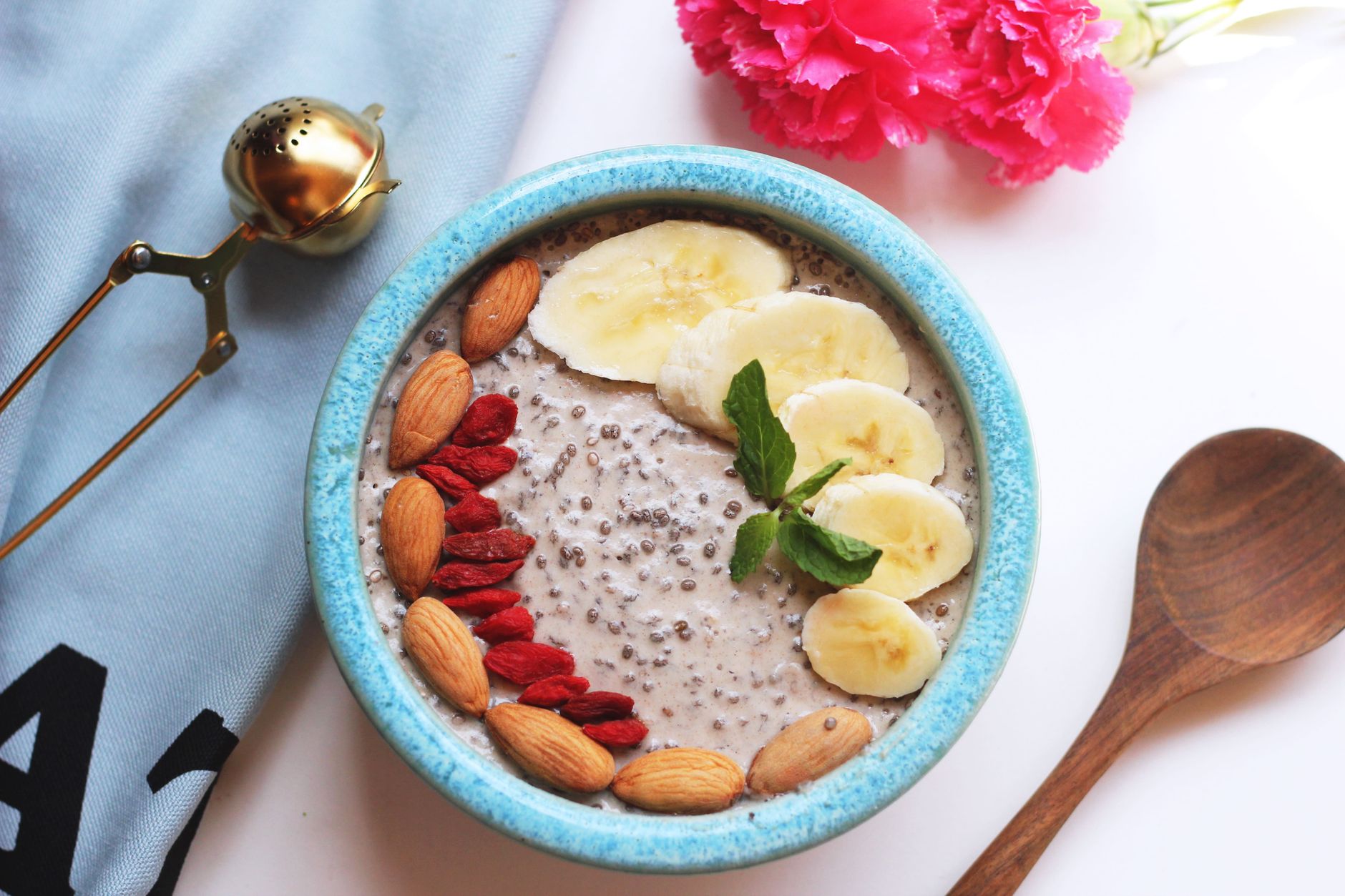
- Chia seed pudding: Chia seeds are a complete protein and rich in omega-3s. Mix with plant-based milk (soy, almond, oat) and let it set overnight. Add fruit for flavor. About 5 grams of protein per 2 tablespoons of chia seeds.
- Trail mix: Create your own mix with a variety of nuts (almonds, walnuts), seeds (pumpkin, sunflower), and dried fruit.
- Soy milk or pea protein milk: Individual cartons of fortified soy milk or pea protein milk provide a good protein boost (around 8 grams per cup) and are often fortified with calcium and vitamin D.
To ensure you're getting all essential amino acids, aim for a variety of plant protein sources throughout the day. Combining legumes (beans, lentils) with grains (quinoa, oats) and nuts/seeds is a great strategy. For more comprehensive plant-based meal planning, our High Protein Diet Breakfast Ideas article offers excellent plant-based options to start your day strong.
Affordable High-Protein Snacks for Pregnancy on a Budget?
Pregnancy comes with many expenses, and healthy eating shouldn't have to break the bank. Fortunately, some of the most nutritious, high-protein snacks are also the most affordable. The key to budget-friendly snacking is focusing on whole, unprocessed ingredients, buying in bulk, and doing a bit of simple preparation at home.
Prioritizing staples and making smart choices at the grocery store can significantly cut down costs without compromising on nutrition. Many women find that planning their snacks alongside their main meals helps them stick to a budget while ensuring they get adequate protein.
Here are some excellent, affordable high-protein snack options for pregnancy:
- Eggs: One of the most cost-effective protein sources. A dozen eggs are typically inexpensive and can be hard-boiled, scrambled, or made into mini frittatas for snacks.
- Canned beans and lentils: Inexpensive and versatile. Use them to make homemade hummus, black bean dip, or add them to salads. A can of chickpeas or black beans is usually under $1-2 and provides multiple servings of protein and fiber.
- Peanut butter: A large jar of peanut butter is typically very affordable and provides a dense source of protein (around 8 grams per 2 tablespoons) and healthy fats. Pair with apples, bananas, or whole-wheat bread.
- Cottage cheese: Often more affordable than Greek yogurt, cottage cheese is a fantastic source of protein (about 12-14 grams per half-cup) and calcium. Buy a large tub and portion it out.
- Oats: A large container of rolled oats is very budget-friendly. Use them to make overnight oats with water or inexpensive milk, or blend them into smoothies.
- Sunflower seeds and pumpkin seeds: While nuts can be pricey, sunflower and pumpkin seeds are generally more affordable and offer similar nutritional benefits, including protein and healthy fats. Buy them in bulk.
- Store-brand Greek yogurt: Many store brands offer Greek yogurt at a lower price point than national brands. Look for plain, unsweetened varieties.
- Frozen edamame: A bag of frozen edamame is often cheaper than fresh produce and provides a quick, protein-rich snack.
- Tuna or salmon (canned/pouches): As long as you choose low-mercury options and stick to recommended serving sizes, canned fish can be a very affordable protein source (around 20 grams per can).
- Milk (dairy or fortified plant-based): A carton of milk provides a good amount of protein and calcium for a relatively low cost.
Tips for saving money:
- Buy in bulk: Purchase nuts, seeds, oats, and protein powders (if using) in larger quantities.
- Cook from scratch: Making your own roasted chickpeas, hummus, or energy bites is almost always cheaper than buying pre-made.
- Shop sales: Keep an eye out for discounts on your favorite protein sources.
- Utilize frozen foods: Frozen fruits and vegetables are often cheaper than fresh and just as nutritious.
By prioritizing these affordable options and adopting smart shopping habits, you can easily ensure a steady supply of high-protein snacks throughout your pregnancy without straining your budget.
High-Protein Snacks to Combat Morning Sickness and Fatigue?
Morning sickness (which, as many pregnant women know, can strike at any time of day) and overwhelming fatigue are two of the most common and challenging symptoms of early pregnancy. While there's no magic cure, strategic snacking, particularly with protein-rich foods, can make a significant difference in managing these discomforts.
Protein helps stabilize blood sugar levels, preventing the dips that can trigger nausea or exacerbate fatigue. Small, frequent meals and snacks are often recommended to keep your stomach from becoming too empty, which can worsen nausea. The key is to find foods that you can tolerate and that provide sustained energy.
Here are high-protein snack ideas specifically tailored to help combat morning sickness and fatigue:
- Plain toast or crackers with a thin layer of nut butter: The bland carbohydrates can settle your stomach, while the nut butter provides protein and healthy fats to keep you full longer.
- Hard-boiled eggs: Often well-tolerated because they are relatively bland and provide a solid protein punch (about 6 grams per egg).
- Ginger-infused snacks: Ginger is a natural anti-nausea remedy. Try ginger snaps (in moderation due to sugar), ginger tea, or add a little fresh grated ginger to a smoothie. Pair with a protein source like Greek yogurt.
- Small portions of bland, cooked chicken or turkey: If you can stomach it, a few bites of plain, cooked lean meat can provide significant protein without strong flavors that might trigger nausea.
- Cold snacks: Many women find cold foods more palatable when experiencing nausea. Think cottage cheese, Greek yogurt, or a smoothie.
- Protein smoothies: Blend a scoop of pregnancy-safe protein powder (or plain Greek yogurt/cottage cheese) with ice, a banana, and a small amount of milk. Keep it simple to avoid overwhelming flavors.
- Dry cereal with milk: A small bowl of low-sugar, whole-grain cereal with milk (dairy or plant-based) can be a gentle way to get protein and carbs.
- Cheese sticks or cubes: Mild, easy to eat, and a good source of protein and calcium.
- Saltine crackers with cheese: The saltiness of the crackers can sometimes help with nausea, and the cheese adds protein.
- Almonds or cashews: A small handful can provide a quick protein boost. Start with just a few to see how you tolerate them.
Tips for managing morning sickness and fatigue with snacks:
- Eat small, frequent snacks: Don't let your stomach get completely empty.
- Keep bland foods nearby: Have a stash of crackers, plain toast, or nuts on your nightstand or in your bag.
- Avoid strong smells and greasy foods: These can often trigger or worsen nausea.
- Stay hydrated: Dehydration can worsen fatigue and nausea. Sip water or electrolyte-rich fluids throughout the day.
- Listen to your body: What works one day might not work the next. Be flexible and forgiving with your food choices.
Remember, these symptoms are temporary, and finding what works for you is a process of trial and error. Always consult your healthcare provider if morning sickness is severe or persistent, as it could indicate hyperemesis gravidarum.

Myth vs. Fact
When it comes to high-protein diets and pregnancy, there's a lot of information floating around. Let's clear up some common misconceptions.
Myth: All protein bars and shakes are healthy and safe for pregnancy.
Fact: Not necessarily. Many protein bars and shakes contain artificial sweeteners, excessive sugar, herbal supplements, or high doses of vitamins/minerals that may not be safe or beneficial during pregnancy. Always check ingredient labels carefully and prioritize whole food sources of protein. Consult your OB/GYN or a registered dietitian before adding any supplements to your diet during pregnancy.
Myth: You need to eat massive amounts of protein during pregnancy to ensure your baby grows well.
Fact: While protein needs do increase during pregnancy, "massive amounts" are usually not necessary and can even be harmful if exceeding recommended limits. Most pregnant women need about 70-100 grams of protein per day, depending on their weight and trimester. This can typically be achieved through a balanced diet of lean meats, dairy, eggs, legumes, nuts, and seeds, rather than relying solely on supplements. The focus should be on *adequate* and *quality* protein, not excessive intake.
Myth: Protein snacks are only for muscle building, not general health during pregnancy.
Fact: Protein is a fundamental macronutrient essential for countless bodily functions, especially during pregnancy. It's crucial for fetal tissue development (organs, muscles, skin, hair), maternal tissue growth (uterus, breasts), increased blood volume, enzyme and hormone production, and maintaining stable blood sugar levels. High-protein snacks provide sustained energy, help manage hunger, and contribute significantly to both maternal and fetal health, far beyond just muscle building.
Key Takeaways
- Adequate protein intake is crucial during pregnancy for fetal development, maternal health, and sustained energy.
- Prioritize portable, minimal-mess, and shelf-stable high-protein snacks for on-the-go convenience.
- Safe options include hard-boiled eggs, cheese sticks, nuts, seeds, Greek yogurt, edamame, and lean jerky.
- Always check food labels for pasteurization, low-mercury fish, and minimal artificial ingredients, especially during pregnancy.
- Meal prepping protein snacks once a week can save time, reduce stress, and ensure consistent healthy eating.
- Approach protein bars and shakes with caution during pregnancy; opt for whole food sources first and consult your doctor about supplements.
- For morning sickness and fatigue, bland, cold, and easy-to-digest protein snacks can provide relief and sustained energy.
- Budget-friendly protein options include eggs, canned beans, peanut butter, and store-brand dairy.
Frequently Asked Questions
What are good high-protein snacks for pregnancy?
Excellent high-protein snacks for pregnancy include hard-boiled eggs, cheese sticks made from pasteurized milk, unsalted nuts and seeds (like almonds or pumpkin seeds), plain Greek yogurt, cottage cheese, and roasted edamame. These options are typically safe, provide sustained energy, and contribute to your baby's development and your overall well-being.
What snacks are high in protein and easy to carry?
For ease of carrying, look for snacks that are individually portioned, non-perishable for a few hours, and mess-free. Examples include pre-portioned bags of nuts or seeds, individual cheese sticks, beef or turkey jerky (low sodium), shelf-stable roasted chickpeas, and single-serving nut butter packets. Hard-boiled eggs are also a fantastic, portable option.
How much protein should a pregnant woman eat daily?
While individual needs vary, most pregnant women require approximately 70-100 grams of protein per day, increasing slightly in the second and third trimesters. This is higher than non-pregnant recommendations. It's best to discuss your specific protein needs with your healthcare provider or a registered dietitian, especially if you have dietary restrictions or specific health conditions.
Are protein shakes safe during pregnancy?
Protein shakes can be safe during pregnancy, but caution is advised. Many contain artificial sweeteners, herbal supplements, or excessive vitamins/minerals that may not be suitable. Prioritize simple protein powders (like unflavored whey isolate or pea protein) from reputable brands. Always consult your OB/GYN or a registered dietitian before consuming protein shakes or any supplements during pregnancy.
What are some quick healthy snacks for work?
For quick, healthy snacks at work, consider options that require minimal prep and can be stored easily. Good choices include a handful of almonds or walnuts, a cheese stick with a piece of fruit, a container of Greek yogurt, a small tub of cottage cheese, or pre-cut veggies with hummus. These provide sustained energy without much fuss, helping you stay focused throughout your workday.
What foods are high in protein for breakfast on the go?
For a high-protein breakfast on the go, consider options like overnight oats made with milk and chia seeds, a hard-boiled egg with a slice of whole-grain toast, a small container of Greek yogurt with berries, or a quick smoothie blended with protein powder (if cleared by your doctor), fruit, and milk. These provide essential nutrients and keep you full until your next meal.
When to See a Doctor or Specialist
While this guide provides general information on high-protein snacks for pregnancy, it is not a substitute for personalized medical advice. You should always consult your OB/GYN, a registered dietitian, or another qualified healthcare provider for guidance tailored to your specific health needs and pregnancy.
You should especially talk to your provider if:
- You have specific dietary restrictions or allergies that make it challenging to meet protein needs.
- You are experiencing severe or persistent morning sickness (hyperemesis gravidarum) that prevents you from keeping food down.
- You have been diagnosed with gestational diabetes and need specific guidance on managing blood sugar with snacks.
- You are considering taking any protein supplements, protein powders, or other dietary supplements during pregnancy.
- You have any concerns about your weight gain, energy levels, or overall nutritional intake during pregnancy.
- You have any pre-existing medical conditions that might affect your dietary needs during pregnancy.
Your healthcare team can help you create a safe and effective nutrition plan that supports both your health and your baby's development.
References
- American College of Obstetricians and Gynecologists (ACOG). Nutrition During Pregnancy.
- Centers for Disease Control and Prevention (CDC). Food Safety for Pregnant Women.
- Academy of Nutrition and Dietetics. Position of the Academy of Nutrition and Dietetics: Vegetarian Diets.
- U.S. Food and Drug Administration (FDA). Advice About Eating Fish.
- The American Journal of Clinical Nutrition. Protein and amino acid requirements during pregnancy.
- National Institutes of Health (NIH). Dietary Supplement Fact Sheet: Protein.