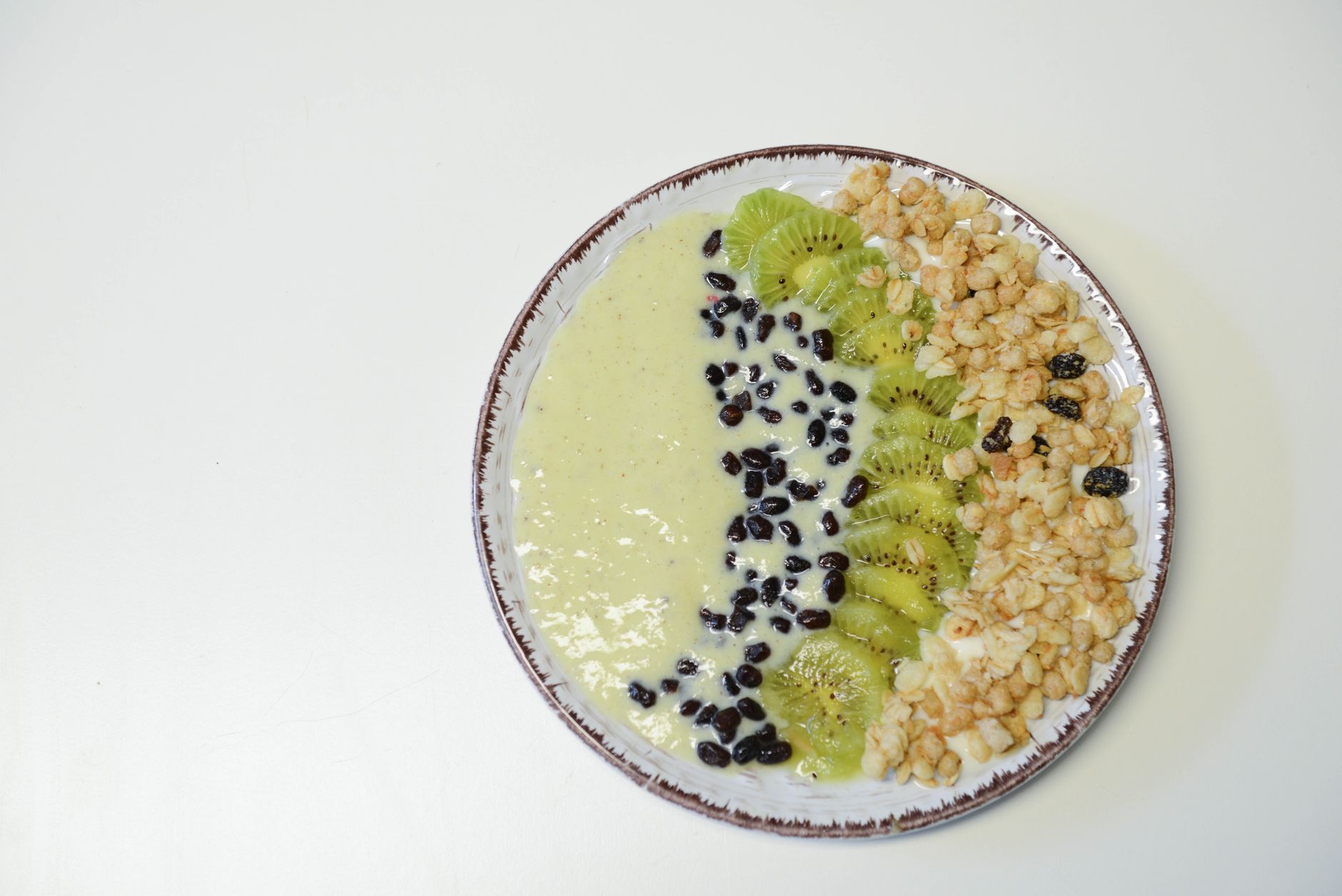
Protein isn’t just about quantity—it’s also about timing. Spreading protein intake evenly across your meals helps stabilize blood sugar, keeps you fuller longer, and supports muscle maintenance, which is especially important as your body changes during pregnancy. Research from the *Journal of Nutrition* suggests that consuming protein every 3–4 hours can help prevent the energy crashes that often plague pregnant women.
Here’s how to structure your protein intake:
- Breakfast: 15–20 g of protein (e.g., Greek yogurt, eggs, or a protein smoothie).
- Mid-morning snack: 10–15 g (e.g., a handful of nuts or a hard-boiled egg).
- Lunch: 20–25 g (e.g., grilled chicken with quinoa or a lentil salad).
- Afternoon snack: 10–15 g (e.g., cottage cheese with fruit or a protein bar).
- Dinner: 20–25 g (e.g., salmon with roasted veggies or tofu stir-fry).
If you’re lactating, aim for slightly higher protein intake at each meal, as your body needs extra protein to produce milk. The National Institute of Child Health and Human Development recommends lactating women consume about 70 g of protein per day. For postpartum recovery, focus on protein-rich meals that also include collagen-rich foods like bone broth or gelatin, which can support skin and tissue repair.
Quick high protein breakfast recipes for busy moms
We all know mornings can feel like a sprint. If you’re looking to get protein in without spending a lot of time in the kitchen, try these grab-and-go options that you can prepare in minutes or ahead of time. These recipes are designed to fit into your schedule, whether you’re working from home, running errands, or just trying to get out the door on time.
For lactating mothers, these quick meals can also support milk production. Protein helps maintain energy levels, which is crucial for new moms juggling feeding, sleep deprivation, and household tasks. If you’re breastfeeding, pair these breakfasts with a small, hydrating snack like cucumber slices or herbal tea to keep your energy up throughout the day.
- Greek yogurt parfait: Layer 1 cup Greek yogurt (≈23 g protein) with granola (watch the sugar) and berries. Top with a drizzle of honey if you need a touch of sweetness. Postpartum tip: Add a spoonful of flaxseeds for extra omega-3s to support recovery.
- Protein smoothie: Blend 1 scoop plant-based protein powder, 1 cup unsweetened almond milk, ½ banana, and a handful of spinach. Freeze a portion for an instant, cold breakfast. Bonus: Add a tablespoon of almond butter for healthy fats and extra protein.
- Egg muffin cups: Whisk 4 eggs with diced veggies (bell pepper, zucchini). Pour into a muffin tin and bake at 350°F for 15 min. Store in the fridge for up to 5 days. Meal prep hack: Freeze extras for a quick grab-and-go option later in the week.
- Nut-butter banana toast: Spread 2 tbsp natural peanut butter (≈7 g protein) on whole-grain bread and top with sliced banana. For lactation support: Add a sprinkle of pumpkin seeds, which are rich in zinc and magnesium, both of which support milk production.
- Cottage cheese and fruit bowl: ½ cup cottage cheese (≈14 g protein) + ½ cup mixed berries + 1 tbsp chia seeds. Postpartum recovery tip: Cottage cheese is also high in casein, a slow-digesting protein that can help with muscle repair.
When you’re short on time, a protein-rich snack can bridge the gap until you can sit down to a full meal. A handful of almonds (≈6 g protein) or a boiled egg (≈6 g) is a quick, portable option. For lactating moms, these snacks can also help maintain energy levels between meals.
For low-carb or low-sugar options, swap the granola in the yogurt parfait for a sprinkle of unsweetened shredded coconut or a dash of cinnamon. Weight Watchers Points Diet Breakfast Ideas for Quick Starts also offers a similar approach that keeps carbs in check. If you’re watching your carb intake, opt for almond milk or coconut yogurt instead of dairy-based options to reduce lactose intake, which can sometimes cause discomfort for sensitive individuals.
High protein breakfast ideas that are low in sugar
High-sugar breakfasts can give you a quick spike and then a crash, which is especially problematic during pregnancy when blood sugar swings can affect mood and energy. Below are protein-rich, low-sugar options that keep your insulin steady. These meals are also great for women with gestational diabetes or those looking to manage their weight gain during pregnancy.
For women with gestational diabetes, it’s important to monitor your carbohydrate intake alongside protein. The American Diabetes Association recommends focusing on meals with a low glycemic index (GI) and high fiber content. The meals below are designed to keep your blood sugar stable while providing the protein your body needs.
For a low-sugar twist on classic oatmeal, replace the honey with a sprinkle of cinnamon or a few fresh berries. Berries are naturally lower in sugar than most fruits, and the antioxidants help combat inflammation. If you’re using protein powder in your smoothies, opt for unflavored or vanilla varieties with no added sugars. Acne Clear Skin Diet Breakfast Ideas highlights how low-sugar breakfasts can improve skin health—a bonus for many pregnant women.
If you’re lactating and concerned about sugar intake, focus on natural sweeteners like stevia or monk fruit. These can help satisfy your sweet tooth without impacting your milk supply or your baby’s blood sugar levels. Always introduce new sweeteners gradually to monitor your baby’s reaction.
High protein breakfast ideas using Greek yogurt and berries
Greek yogurt is a protein powerhouse and pairs beautifully with berries, which provide antioxidants and natural sweetness without the sugar spike. Here are a few creative ways to mix them up. These combinations are not only delicious but also support lactation by providing probiotics and essential nutrients.
For lactating mothers, the protein in Greek yogurt supports milk production, while berries provide vitamins that help your baby’s development. Berries are also rich in antioxidants, which can help reduce inflammation and support postpartum recovery. If you’re on a low-carb diet, keep the berries to a small handful and add extra nuts for healthy fats.
- Berry-protein bowl: 1 cup plain Greek yogurt (≈23 g protein) + ½ cup mixed berries + 1 tbsp flaxseed + a drizzle of honey (optional). Postpartum tip: Add a spoonful of hemp seeds for extra omega-3s to support skin elasticity and recovery.
- Frozen yogurt pops: Blend yogurt with frozen berries, pour into popsicle molds, and freeze for a cool, protein-rich treat. For lactation: These can be a great on-the-go snack for new moms who need a quick energy boost.
- Yogurt and nut parfait: Layer yogurt, crushed nuts (almonds, walnuts), and berries. Top with a sprinkle of cacao nibs for extra flavor. Meal prep hack: Pre-portion the nuts and berries in small containers for easy assembly.
- Yogurt and granola with chia seeds: Mix 1 cup Greek yogurt with ¼ cup granola (low-sugar) and 1 tbsp chia seeds. Top with a few raspberries. For postpartum recovery: Chia seeds are also high in calcium, which supports bone health during breastfeeding.
Don’t forget to choose plain, unsweetened yogurt. Many brands add fruit puree or sugar; these can add unnecessary carbs. A quick check of the nutrition label can save you from accidental sugar overload. If you’re sensitive to dairy, opt for coconut or almond-based yogurts, which are often lower in lactose and still provide protein.
High protein breakfast ideas for weight gain during pregnancy
In the second and third trimesters, your baby’s growth rate accelerates, and so does the need for extra calories—especially from protein. The goal is to add healthy calories without overloading on saturated fats or sugars. Aim for an additional 300–500 calories per day, with a focus on nutrient-dense foods. The American College of Obstetricians and Gynecologists (ACOG) recommends gaining about 25–35 pounds total during a healthy pregnancy, with most of that weight gained in the second and third trimesters.
For women who need to gain weight, it’s important to focus on calorie-dense but nutrient-rich foods. Healthy fats, like those found in avocados, nuts, and olive oil, can help you add calories without feeling bloated. Protein-rich foods like eggs, lean meats, and dairy can also help you meet your increased caloric needs while supporting fetal growth.
- Quinoa and egg breakfast bowl: ½ cup cooked quinoa (≈4 g protein) + 2 poached eggs (≈12 g) + sautéed veggies + 1 tbsp olive oil. For lactation: Quinoa is a complete protein, making it a great choice for breastfeeding moms.
- Peanut-butter banana protein shake: Blend 2 tbsp peanut butter (≈7 g), 1 cup milk, 1 banana, and 1 scoop whey protein (≈20 g). Smooth out to a creamy shake. Postpartum tip: Add a tablespoon of almond butter for extra healthy fats to support energy levels.
- Whole-grain waffles topped with cottage cheese: 1 waffle (≈4 g protein) + ½ cup cottage cheese (≈13 g) + fresh fruit. For weight gain: Add a drizzle of honey or a sprinkle of granola for extra calories.
- Avocado and egg toast: Whole-grain toast topped with mashed avocado (≈3 g protein) + 2 fried eggs (≈12 g) + a sprinkle of chili flakes. For lactation support: Avocado provides healthy fats that support milk production.
- Cheese and turkey roll-ups with hummus: Whole-grain tortilla wrapped with turkey slices, cheese, and hummus. For postpartum recovery: Hummus provides fiber and plant-based protein to support digestion.
When you’re adding calories, choose nutrient-dense foods: avocado for healthy fats, nuts for protein and omega-3s, and whole grains for fiber. Keep an eye on sodium and added sugars, which can lead to water retention and discomfort. For lactating mothers, these meals can also help maintain energy levels and support milk production.
High protein breakfast ideas that are easy to prepare in advance
Batch cooking is a lifesaver for busy moms. By preparing protein-rich breakfast components ahead of time, you can assemble a wholesome meal in less than a minute. This is especially helpful for lactating mothers who need to fuel up quickly between feedings. The key is to choose ingredients that stay fresh and maintain their nutritional value when stored properly.
Here’s a simple “build-your-own” system for pregnancy and postpartum:
- Protein base: Cook a batch of scrambled eggs or a protein-rich muffin tray. Store in the fridge for up to 5 days. Meal prep tip: Use silicone muffin liners for easy removal and reheating.
- Veggie prep: Chop spinach, bell pepper, and mushrooms. Keep in airtight containers. For lactation: Add a handful of fresh herbs like basil or parsley to boost flavor without extra calories.
- Fruit and nut mix: Portion out nuts and berries into small containers or zip-top bags. Postpartum tip: Add dried apricots for natural sweetness and iron.
- Sauces and toppings: Prepare dressings like lemon-tahini or yogurt-based sauces. Store in small jars. For weight gain: Add a drizzle of olive oil to your veggies for extra calories.
Each morning, grab your pre-cooked protein, add a handful of veggies, and heat or serve cold. Pair with a slice of whole-grain toast or a side of Greek yogurt. If you’re on a low-carb plan, substitute the toast with a slice of avocado or a small handful of nuts. For lactating moms, these prepped meals can be a game-changer, saving time and ensuring you’re getting the protein and nutrients you need.
For a quick protein smoothie, pre-portion your greens and fruit into freezer bags. Blend with protein powder and liquid for a fresh breakfast in 30 seconds. Postpartum tip: Add a scoop of collagen powder to your smoothie for extra support in skin and tissue repair.
Batch-prepped breakfast muffins are especially handy for lactating mothers. They’re high in protein and can be reheated in the microwave, freeing up time for feeding or a quick nap. For a lactation-boosting twist, add a spoonful of pumpkin seeds or sunflower seeds to your muffin batter.
How much protein should a pregnant woman eat per day, and how does it change postpartum?
Protein needs rise steadily as pregnancy progresses. The American College of Obstetricians and Gynecologists (ACOG) recommends 71 g of protein daily for all trimesters. That’s a modest increase from the 46 g recommended for non-pregnant adults. The key is to distribute protein evenly across meals, aiming for 15–20 g per breakfast.
Sources of protein can be animal (egg, dairy, poultry, fish) or plant (beans, lentils, tofu, quinoa). Pair plant proteins with iron or vitamin C-rich foods to improve absorption. For example, a lentil salad with citrus dressing is a great way to get iron and protein together. If you’re vegetarian or vegan, consider combining beans with rice or hummus with whole-grain bread. Protein powders—whey, pea, or soy—can also help you reach your daily goal without extra volume.
For lactating mothers, protein needs increase to about 70–80 g per day, according to the National Institute of Child Health and Human Development. This is because your body needs extra protein to produce milk. Focus on a mix of animal and plant proteins, healthy fats, and iron-rich foods to support both your energy levels and milk production. Foods like eggs, Greek yogurt, lean meats, and nuts are excellent choices.
Postpartum recovery also benefits from a higher protein intake. Aim for 100–120 g of protein per day to support tissue repair, muscle recovery, and overall healing. Include collagen-rich foods like bone broth or gelatin, which can help with skin elasticity and joint recovery. Protein also helps regulate hormones, which can be particularly important as your body adjusts to postpartum changes.
Beginner’s high-protein diet food list, including postpartum and lactation-friendly options
Here’s a quick reference of foods you can add to your breakfast menu, categorized by protein content, suitability for pregnancy, and benefits for lactation and postpartum recovery.
For lactating mothers, focus on foods that are rich in both protein and healthy fats, as these support milk production. Foods like avocado, nuts, and seeds are excellent choices. Postpartum recovery also benefits from foods rich in collagen, iron, and antioxidants, which help repair tissues and reduce inflammation.
Use this list as a cheat sheet when you’re planning your meals or grocery shopping. Pair foods that are rich in iron with vitamin C sources—like citrus or bell peppers—to boost absorption. For lactating mothers, include healthy fats like avocado, nuts, and seeds to support milk production. Postpartum recovery benefits from foods rich in collagen, such as bone broth or gelatin, which can help with skin elasticity and joint repair.
High protein breakfast ideas for postpartum recovery
Postpartum recovery is a time when your body is healing from childbirth, adjusting to hormonal changes, and supporting your new role as a mother. A high-protein breakfast can help with muscle repair, hormone balance, and energy levels. Focus on foods that are rich in protein, healthy fats, and nutrients like iron and vitamin C to support your body’s recovery process.
For women who have had a C-section, protein is especially important for wound healing. Aim for 100–120 g of protein per day, distributed across your meals. Include foods like eggs, Greek yogurt, lean meats, and fish, which are rich in protein and other essential nutrients. Foods like bone broth, collagen peptides, and leafy greens can also support recovery by reducing inflammation and promoting tissue repair.
- Collagen and berry smoothie: Blend 1 scoop collagen powder (≈10 g protein), 1 cup unsweetened almond milk, ½ banana, and a handful of spinach. Add a tablespoon of almond butter for healthy fats. Postpartum tip: Collagen supports skin elasticity and joint health.
- Avocado and egg toast with smoked salmon: Whole-grain toast topped with mashed avocado, 2 fried eggs, and 2 oz smoked salmon. For recovery: Salmon provides omega-3s for brain health and inflammation reduction.
- Protein-packed overnight oats with chia seeds: ½ cup oats, 1 scoop protein powder, 1 tbsp chia seeds, and 1 cup almond milk. Top with a handful of blueberries. Postpartum tip: Chia seeds are rich in omega-3s and fiber.
- Cottage cheese and fruit bowl with nuts: ½ cup cottage cheese, ½ cup mixed berries, and a handful of almonds. For recovery: Cottage cheese provides casein, a slow-digesting protein that supports muscle repair.
- Turkey and cheese scramble with sweet potato: Scrambled turkey sausage (≈15 g protein), cheese, and roasted sweet potato. Postpartum tip: Sweet potatoes are rich in vitamin A and fiber, which support immune function.
For women who are breastfeeding, these meals can also help maintain energy levels and support milk production. Focus on foods that are rich in both protein and healthy fats, as these nutrients are essential for milk production. Include a variety of protein sources, such as eggs, dairy, lean meats, and plant-based options, to ensure you’re getting a balanced diet.
Common mistakes to avoid with high-protein breakfasts
- Over-relying on processed meats: Hot dogs and deli meats often contain sodium and nitrates, which can raise blood pressure. Opt for fresh, lean meats like chicken breast, turkey, or fish instead.
- Skipping whole grains: Whole-grain toast or oats provide fiber that helps regulate blood sugar and supports gut health. Fiber is especially important during pregnancy to prevent constipation, which is common due to hormonal changes.
- Ignoring portion sizes: A 100-g serving of salmon is about 20 g protein, but a 200-g portion can add too many calories. Use measuring spoons or a food scale to ensure you’re getting the right amount of protein without overdoing it.
- Neglecting iron sources: Protein alone isn’t enough; pair it with iron-rich foods and vitamin C for better absorption. For example, pair your eggs with spinach and a squeeze of lemon.
- Choosing sugary yogurt or granola: Opt for plain Greek yogurt and low-sugar granola or nuts. Added sugars can spike your blood sugar and contribute to excess weight gain during pregnancy.
- Forgetting hydration: Protein metabolism requires water—aim for at least 8 cups of fluids daily. Dehydration can lead to fatigue and other discomforts during pregnancy. Herbal teas like ginger or peppermint can also help with nausea.
- Skipping variety: Eating the same high-protein foods every day can lead to nutrient deficiencies. Rotate your protein sources to ensure you’re getting a wide range of nutrients. For example, alternate between eggs, Greek yogurt, lean meats, and plant-based proteins like tofu or lentils.
- Not adjusting for lactation needs: Lactating mothers require more protein than pregnant women. Ensure your meals include a variety of protein-rich foods to support milk production and your energy levels.
Myth vs. fact
Myth: “Protein is the only nutrient that matters during pregnancy.”
Fact: While protein is vital for fetal growth, balanced nutrition also requires iron, calcium, folate, and healthy fats. A diet high in protein but low in other nutrients can lead to deficiencies. For example, iron deficiency is common in pregnancy and can cause fatigue, so pairing protein with iron-rich foods is crucial.
Myth: “High-protein breakfasts are always high in calories.”
Fact: Protein is relatively low in calories compared to fats. A protein-rich meal can be low in calories if you pair it with low-calorie vegetables and healthy fats. For example, a Greek yogurt parfait with berries and nuts is high in protein but can be kept low in calories by choosing unsweetened yogurt and small portions of nuts.
Myth: “I can skip whole grains if I’m getting protein.”
Fact: Whole grains provide fiber, B vitamins, and minerals that support overall health. Even in pregnancy, they’re a valuable part of a balanced breakfast. Fiber helps regulate blood sugar and supports digestive health, which is especially important during pregnancy.
Myth: “All protein sources are safe during pregnancy.”
Fact: Some protein sources, like raw or undercooked eggs and fish, can carry risks of foodborne illnesses. Always cook eggs thoroughly and choose low-mercury fish like salmon or sardines. Avoid raw or undercooked meats and seafood to prevent infections.
Myth: “High-protein diets can help with postpartum weight loss.”
Fact: While protein can help you feel fuller and maintain muscle mass, rapid weight loss after pregnancy is not recommended. Focus on a balanced diet and gradual weight loss to support your body’s recovery and milk production. Aim for a deficit of 300–500 calories per day, with plenty of protein and nutrients.
Key takeaways
- Target 15–20 g of protein per breakfast to support fetal growth and keep you full. For lactating mothers, aim for slightly higher protein intake at each meal.
- Choose iron-rich proteins and pair with vitamin C to maximize absorption. This is especially important for pregnant women who are at risk of iron