Maximize semaglutide weight loss results with this 2026-friendly diet guide. Learn top foods, meal timing, and science-backed tips for safe, effective fat loss.
By Shubhra Mishra — a mom of two who turned her own confusion during pregnancy into BumpBites, a global mission to make food choices clear, safe, and stress-free for every expecting mother. 💛
Check whether any food is safe during pregnancy with the BumpBites Food Safety Checker.
Quick take: A semaglutide-friendly diet focuses on high-protein, high-fiber foods, controlled carbs, and healthy fats to support weight loss while minimizing side effects like nausea. Prioritize lean proteins, non-starchy vegetables, and slow-digesting carbs (like oats or quinoa), and stay hydrated. Avoid sugary, fried, or high-fat foods that can trigger cravings or discomfort. Pair your diet with light exercise and gradual adjustments to your meal plan as your body adapts.
Semaglutide Friendly Diet for Weight Loss: The Complete 2026 Guide
You’re standing in the grocery store aisle, staring at the cereal boxes. You know semaglutide is helping you lose weight—your doctor said so—but you’re not sure which options will leave you feeling satisfied without triggering that dreaded nausea. Or maybe you’re scrolling through meal prep ideas on your phone at 11 p.m., wondering if you can actually enjoy a treat without sabotaging your progress. Sound familiar?
Semaglutide (the active ingredient in medications like Wegovy and Ozempic) works by mimicking a hormone that regulates appetite and blood sugar, helping you feel fuller longer and reducing cravings. But the right diet can make the difference between steady, sustainable weight loss and frustration. Many women tell us they feel overwhelmed by conflicting advice—should they cut carbs completely? How much protein do they *really* need? And why does their body react differently to foods than it used to?
This guide is your roadmap. We’ll break down the science-backed diet principles that pair best with semaglutide, share a 7-day meal plan to get you started, and address the questions no one else seems to answer—like how to handle sugar cravings or whether intermittent fasting is safe. Think of this as your personal cheat sheet, written by someone who’s been there: the woman who’s tried every "trendy" diet but needs a plan that actually works with her medication, not against it.
Whether you’re just starting semaglutide or have been on it for months, you’ll find practical tips, food lists, and even a few surprises—like the foods that might actually help ease side effects. And remember: progress isn’t linear. Some days will feel easier than others, and that’s okay. Let’s get started.
---
How Semaglutide Works for Weight Loss—and What Your Diet Should Do
Semaglutide belongs to a class of medications called GLP-1 receptor agonists. It works in two key ways:
Appetite control: It slows stomach emptying, making you feel full faster and for longer. Many users report their hunger pangs diminish within weeks.
Blood sugar regulation: By mimicking the hormone GLP-1, semaglutide helps stabilize blood sugar levels, which can reduce energy crashes and cravings for sugary foods.
But here’s the thing: semaglutide isn’t a magic bullet. Its effectiveness depends on how you fuel your body. Studies show that people who combine semaglutide with a structured diet and exercise lose more weight and keep it off longer than those who rely on the medication alone (New England Journal of Medicine, 2019).
So what does that diet look like? It’s not about deprivation—it’s about smart choices. Think of it as a partnership: semaglutide helps regulate your appetite, and your diet provides the nutrients your body needs to thrive while supporting weight loss. The goal is to:
Prioritize high-protein, high-fiber foods to stay full and satisfied.
Choose complex carbs that digest slowly to avoid blood sugar spikes.
Avoid processed foods, sugars, and unhealthy fats that can trigger cravings or side effects.
Stay hydrated—dehydration can worsen nausea, a common side effect.
If you’re new to semaglutide, you might notice your taste preferences change. Some women crave savory flavors, while others find sweet foods more appealing. The key is to listen to your body and adjust your diet as needed. And if you’re wondering whether you can still enjoy treats occasionally, the answer is yes—but we’ll get to that later.
---
Semaglutide Friendly Diet Plan for Weight Loss in 2026
Not all diets are created equal when it comes to semaglutide. Low-fat diets can backfire because they often lack protein, leaving you hungry and irritable. High-carb diets can spike blood sugar, making cravings worse. The sweet spot? A balanced approach that aligns with your medication’s effects.
Here’s what research and real-world success stories tell us works best:
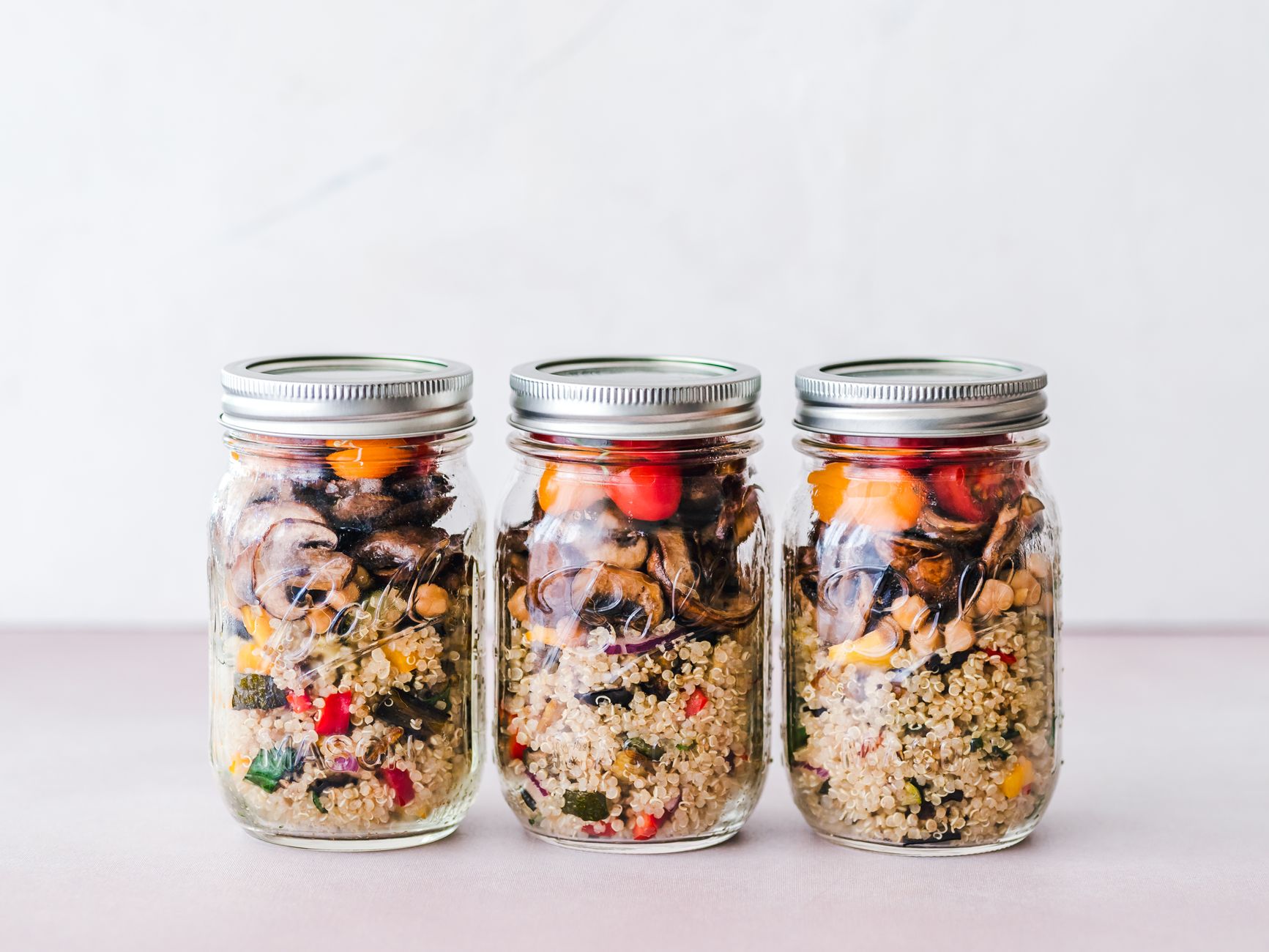
Meal prepping is your secret weapon for consistency.
**Macronutrient breakdown for semaglutide users:**
Macronutrient
Recommended Daily Intake
Why It Matters
Protein
20–30% of total calories (or ~1.2–1.6g per kg of body weight)
Helps maintain muscle mass, keeps you full, and supports metabolism.
Carbohydrates
40–50% of total calories (focus on complex carbs)
Provides energy without spiking blood sugar. Prioritize fiber-rich options.
Fats
25–35% of total calories (healthy fats only)
Supports hormone production and brain health. Avoid trans fats and limit saturated fats.
**Meal timing tips:**
Eat smaller, more frequent meals: Semaglutide slows digestion, so eating large meals can cause discomfort. Aim for 3 balanced meals plus 1–2 snacks if needed.
Prioritize protein at every meal: Start your day with protein (like eggs or Greek yogurt) to stabilize blood sugar and curb cravings later.
Avoid skipping meals: Skipping meals can lead to overeating later or trigger nausea. If you’re not hungry, opt for a high-protein smoothie or broth.
One reader described her experience: “At first, I thought semaglutide would let me eat whatever I wanted. But when I tried that, I felt sluggish and nauseous. Now I focus on protein and veggies, and I notice I don’t crave junk food as much.”
Best Foods to Eat While on Semaglutide for Weight Loss
You’ve probably noticed that some foods make you feel great on semaglutide, while others leave you wishing you’d just skipped them. The foods you choose can ease side effects like nausea, stabilize energy, and keep cravings at bay. Here’s what to stock your fridge and pantry with:
Prioritize lean proteins, non-starchy veggies, and healthy fats.
**Foods to enjoy daily:**
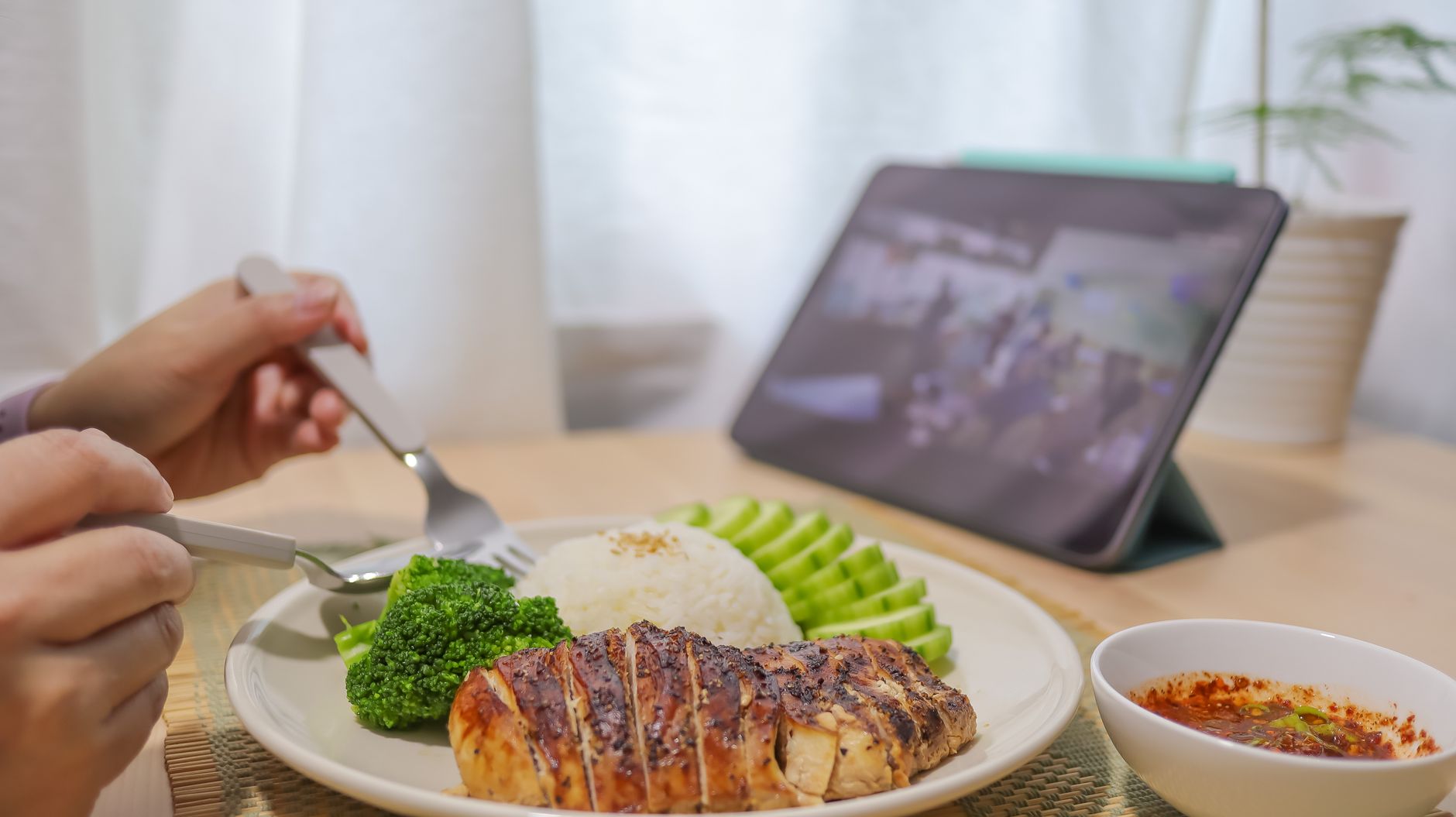
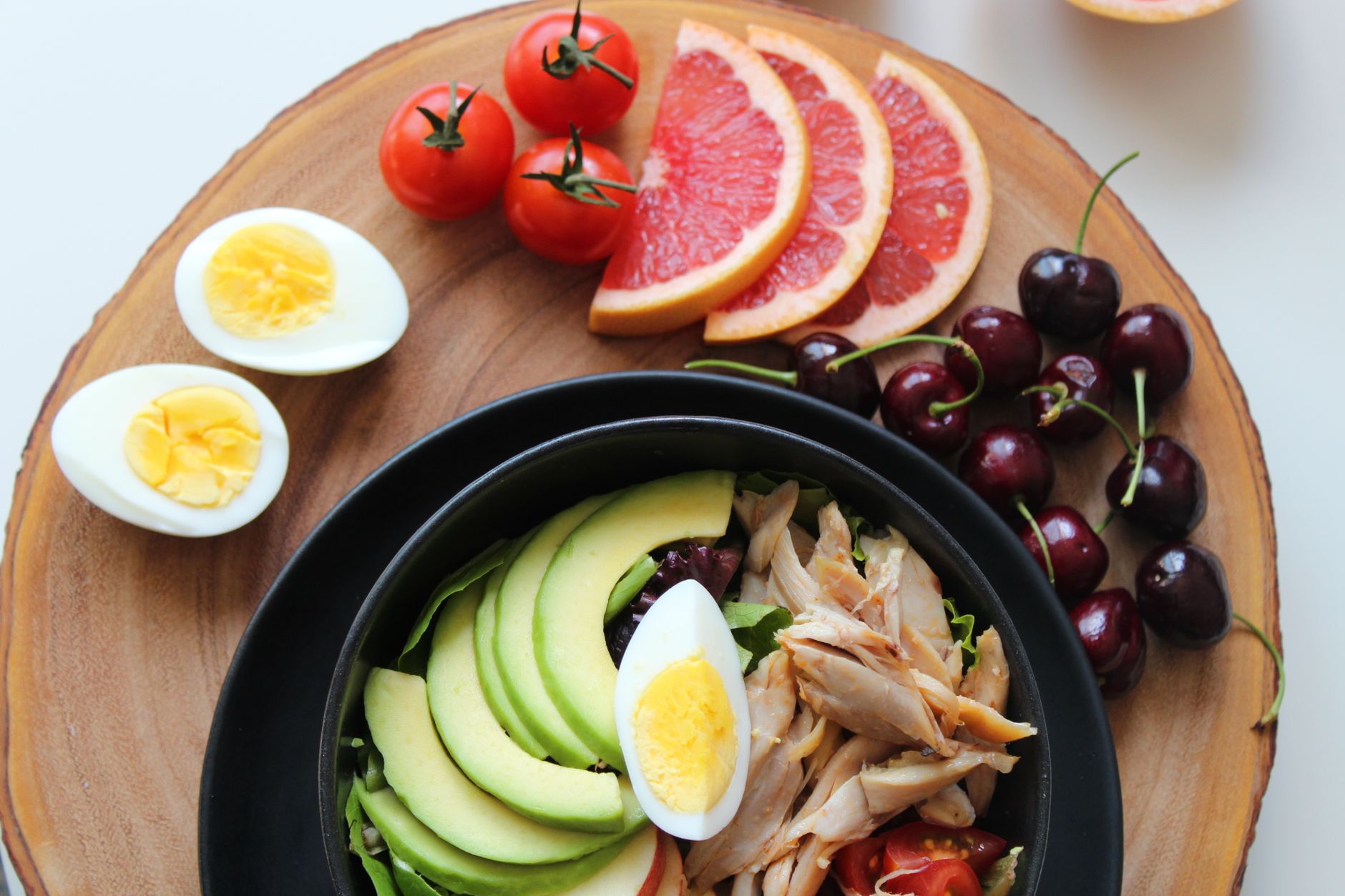
Lean proteins: Chicken breast, turkey, fish (salmon, cod), tofu, eggs, and Greek yogurt. These help you feel full and support muscle maintenance.
Non-starchy vegetables: Spinach, broccoli, zucchini, cauliflower, and bell peppers. They’re low in calories but high in fiber, which helps regulate digestion.
Complex carbohydrates: Oats, quinoa, sweet potatoes, and brown rice. These digest slowly, preventing blood sugar spikes.
Healthy fats: Avocados, nuts (almonds, walnuts), seeds (chia, flax), and olive oil. These support hormone production and keep you satisfied.
Hydration heroes: Water, herbal teas, and broths. Dehydration worsens nausea, so aim for at least 2–3 liters daily.
**Foods to limit or avoid:**
Processed sugars: Soda, candy, pastries, and sugary cereals. These can trigger cravings and energy crashes.
Fried foods: Fast food, chips, and fried snacks. These are high in unhealthy fats and can cause bloating or discomfort.
Highly processed carbs: White bread, white rice, and sugary snacks. These digest quickly, leading to blood sugar spikes and crashes.
Alcohol: Can interfere with appetite control and hydration. If you drink, opt for dry wines or spirits in moderation.
**Pro tip:** If you’re craving something sweet, try berries with a dollop of Greek yogurt or dark chocolate (70%+ cocoa). These satisfy cravings without derailing your progress.
---
How to Combine Semaglutide with Intermittent Fasting for Weight Loss
Intermittent fasting (IF) has surged in popularity, and many women wonder if it’s safe—or even beneficial—when combined with semaglutide. The short answer? It can work, but with caution. Semaglutide already slows digestion, so fasting too aggressively can lead to nausea, dizziness, or even low blood sugar.
If you’re curious about trying IF with semaglutide, start with a 12–14 hour overnight fast (e.g., stopping eating at 7 p.m. and eating again at 7–9 a.m.). This is the safest approach for most people. Here’s how to do it right:
Hydration is key when combining semaglutide and intermittent fasting.
**Do’s and don’ts for IF + semaglutide:**
Do
Don’t
Start with a 12-hour fast and gradually increase if tolerated.
Skip meals entirely if you’re not hungry. Eat a small, high-protein snack if needed.
Stay hydrated—sip water, herbal tea, or broth during your fast.
Drink sugary beverages (like juice or soda) that can trigger cravings.
Break your fast with a balanced meal (protein + fiber + healthy fat).
Eat a large carb-heavy meal first thing. This can cause a blood sugar spike.
Listen to your body. If you feel dizzy or nauseous, shorten your fast.
Force yourself to fast longer than you can handle. Consistency matters more than duration.
**Who should avoid IF with semaglutide?**
People who experience severe nausea or dizziness when skipping meals.
Those with a history of eating disorders.
Women who are pregnant, breastfeeding, or trying to conceive.
If you’re new to fasting, start with a Weight Watchers Points Diet approach—it’s flexible and easy to adjust as you learn what works for your body.
---
Semaglutide Weight Loss Meal Prep Ideas
Meal prepping is your secret weapon when it comes to semaglutide. It saves time, reduces temptation, and ensures you’re eating balanced meals even on busy days. The key is to prep foods that are:
High in protein to keep you full.
Low in refined carbs to avoid blood sugar spikes.
Easy to reheat or eat cold.
Here are some foolproof meal prep ideas:
Batch-cook proteins and veggies for the week ahead.
**Lunch ideas:**
Grilled chicken salad: Mix grilled chicken, spinach, cherry tomatoes, cucumber, and avocado. Drizzle with olive oil and lemon juice.
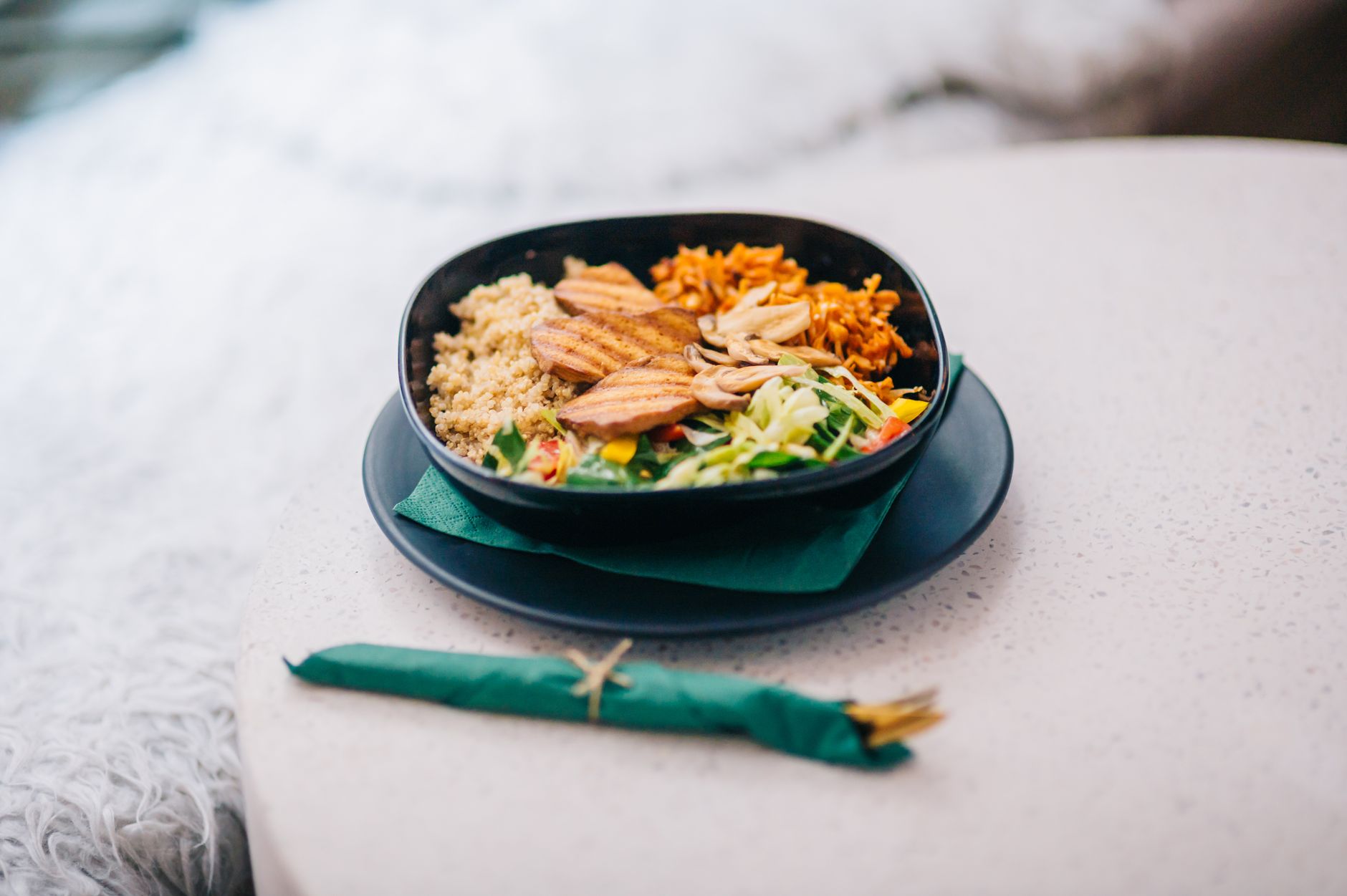
Quinoa bowls: Combine cooked quinoa, black beans, corn, bell peppers, and a dollop of Greek yogurt.
Turkey and hummus wrap: Use a whole-grain tortilla with turkey slices, hummus, lettuce, and shredded carrots.
**Dinner ideas:**
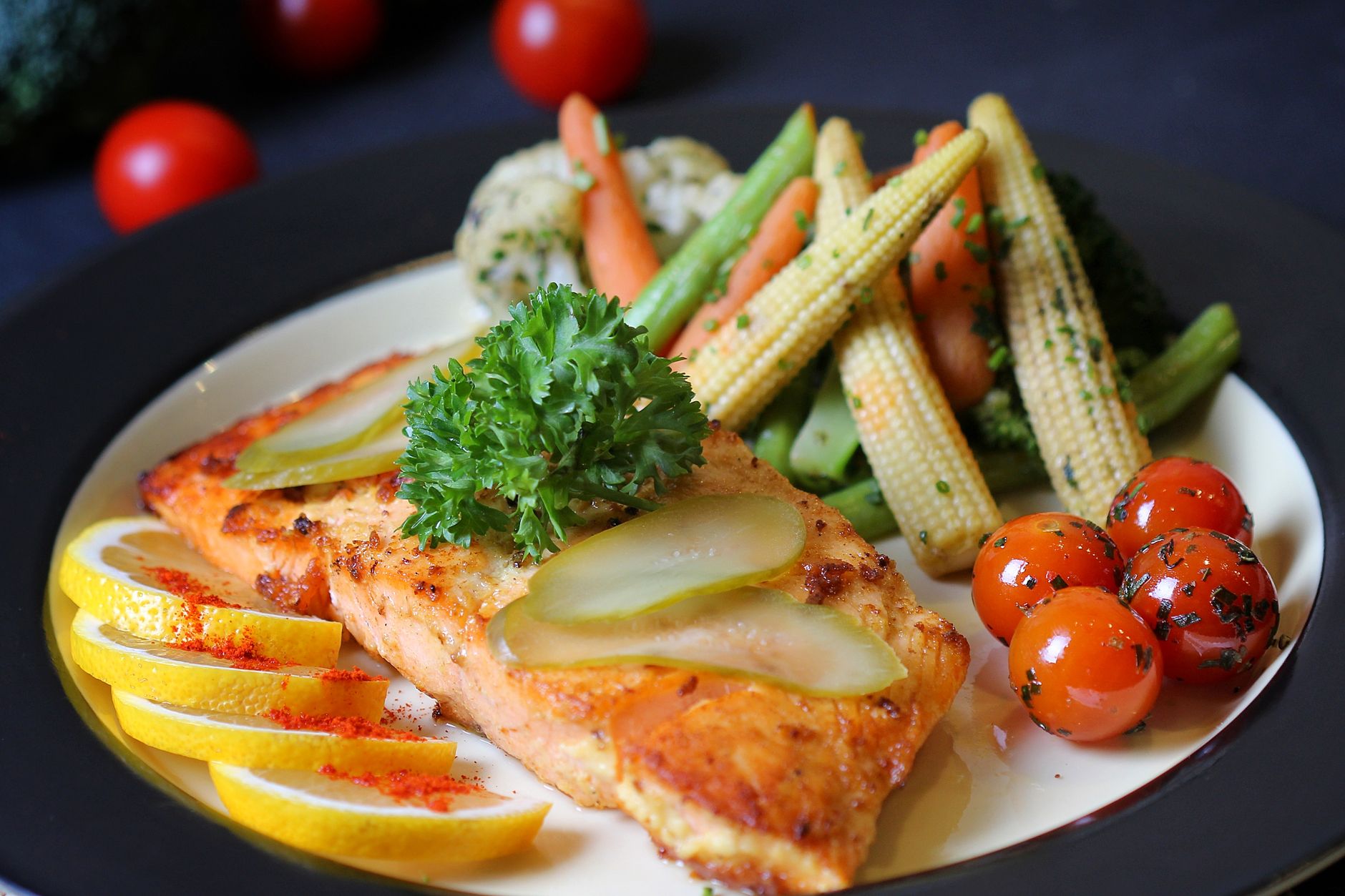
Baked salmon with roasted veggies: Season salmon with lemon and herbs, then bake with asparagus and sweet potatoes.
Stir-fry with tofu and veggies: Use low-sodium soy sauce, bell peppers, broccoli, and snap peas. Serve over cauliflower rice.
Stuffed bell peppers: Fill bell peppers with ground turkey, quinoa, and tomatoes. Bake until tender.
**Snack ideas:**
Hard-boiled eggs with a sprinkle of sea salt.
Greek yogurt with a handful of almonds.
Veggie sticks (carrots, cucumbers, bell peppers) with hummus.
Protein Intake Recommendations for Semaglutide Users
Protein is your best friend when you’re on semaglutide. It helps maintain muscle mass, keeps you full, and stabilizes blood sugar—all of which support weight loss. But how much protein do you actually need? And what are the best sources?
Research suggests that semaglutide users should aim for 1.2–1.6 grams of protein per kilogram of body weight daily. For example, if you weigh 70 kg (154 lbs), you’d aim for 84–112 grams of protein per day. That might sound like a lot, but it’s easier to hit than you think!
Plant-based: Tofu, tempeh, lentils, chickpeas, black beans, edamame, quinoa.
**How to fit more protein into your day:**
Start your morning with a protein-rich breakfast, like scrambled eggs with spinach or a smoothie with Greek yogurt and protein powder.
Add protein to every meal—think grilled chicken in your salad, turkey slices in your wrap, or lentils in your soup.
Snack on protein-rich foods like nuts, jerky, or cheese.
**Pro tip:** If you’re struggling to hit your protein goal, try adding a scoop of unflavored or vanilla whey or plant-based protein powder to smoothies or oatmeal. It’s a discreet way to boost your intake without adding extra calories.
Carb cycling—the practice of varying your carbohydrate intake on different days—can be a useful strategy for semaglutide users. The idea is to align your carb intake with your activity levels and energy needs, which can help stabilize blood sugar and reduce cravings.
Here’s how to do it right:
Use an app to track your carb intake and adjust as needed.
Complex carbs, fruits (in moderation), lean proteins
High activity (HIIT, long runs, intense workouts)
**Tips for carb cycling with semaglutide:**
Start with a low-carb day to help regulate blood sugar and reduce cravings.
Avoid high-carb days on rest days unless you’re planning a workout later.
Listen to your body—if you feel sluggish or nauseous, adjust your carb intake accordingly.
Prioritize fiber-rich carbs (like vegetables and whole grains) to slow digestion and avoid blood sugar spikes.
Carb cycling can be tricky at first, so don’t hesitate to experiment with different ratios until you find what works for you. If you’re new to this approach, start with a simple plan like the one above and adjust as needed.
---
Low-Carb Diet Guidelines for Semaglutide Patients
If you’re considering a low-carb diet with semaglutide, you’re not alone. Many women find that reducing carbs helps manage cravings and side effects like nausea. However, it’s important to approach this carefully—especially if you’re new to semaglutide.
The goal isn’t to eliminate carbs entirely (your brain needs them for energy), but to focus on complex, fiber-rich carbs that digest slowly and stabilize blood sugar. Here’s how to do it right:
Focus on non-starchy vegetables, healthy fats, and lean proteins.
**Low-carb diet guidelines for semaglutide users:**
Aim for 50–100g net carbs per day: Net carbs = total carbs – fiber. This range is safe for most people and helps manage blood sugar while keeping you energized.
Prioritize non-starchy vegetables: Spinach, broccoli, zucchini, cauliflower, and bell peppers are your best friends. They’re low in carbs but high in fiber and nutrients.
Choose complex carbs in moderation: If you include carbs like oats, quinoa, or sweet potatoes, pair them with protein and healthy fats to slow digestion.
Avoid refined sugars and processed carbs: These can trigger cravings and energy crashes, making it harder to stick to your plan.
Stay hydrated and electrolyte-balanced: Low-carb diets can cause your body to lose electrolytes (like sodium and potassium). Drink plenty of water and consider adding a pinch of salt to your meals.
**Sample low-carb meal plan:**
Breakfast: Scrambled eggs with spinach and avocado.
Lunch: Grilled chicken salad with olive oil and lemon dressing.
Dinner: Baked salmon with roasted Brussels sprouts and cauliflower mash.
How to Track Macros on Semaglutide for Weight Loss
Tracking macros (macronutrients: protein, carbs, and fats) can help you stay on top of your diet and make adjustments as needed. While it’s not necessary for everyone, it can be especially helpful if you’re struggling with cravings, energy levels, or weight loss stalls.
Here’s how to get started:
Apps like MyFitnessPal or Cronometer make tracking macros easy.
**Steps to track macros:**
Calculate your daily calorie and macro needs: Use an online calculator (like the one on MyFitnessPal) to estimate your total daily energy expenditure (TDEE) and adjust based on your weight loss goals. Aim for a slight calorie deficit (250–500 calories below maintenance) to lose weight safely.
Set macro targets: Based on the guidelines above, aim for 20–30% protein, 40–50% carbs, and 25–35% fats. For example, if your TDEE is 2,000 calories, your macros might look like:
400–600 calories from protein (100–150g).
800–1,000 calories from carbs (200–250g).
500–700 calories from fats (55–77g).
Track your food intake: Use an app like MyFitnessPal, Cronometer, or Lose It! to log your meals and snacks. Weigh your food when possible for accuracy.
Adjust as needed: If you’re not losing weight after 2–3 weeks, reduce calories by 100–250 per day or adjust macros slightly (e.g., increase protein or reduce carbs).
**Common tracking mistakes to avoid:**
Underestimating portion sizes: Always measure your food at first to get a sense of what a serving looks like.
Ignoring hidden carbs: Sauces, dressings, and condiments can add up quickly. Check labels and opt for low-carb options.
Over-restricting: If you’re feeling sluggish or irritable, you might need to adjust your carb intake. Don’t be afraid to include some healthy carbs if you need them.
Semaglutide Side Effects on Appetite—and How to Manage Them
Semaglutide is incredibly effective for weight loss, but it’s not without side effects. The most common? Changes in appetite, nausea, and constipation. The good news is that most side effects lessen after the first few weeks as your body adjusts. Here’s how to manage them:
Ginger tea and bland crackers can help ease nausea.
**Common side effects and how to manage them:**
Side Effect
Cause
How to Manage It
Nausea
Semaglutide slows stomach emptying, which can cause discomfort.
Start with small, frequent meals (every 2–3 hours).
Eat bland foods like crackers, toast, or plain rice.
Drink ginger tea or sip water slowly.
Avoid greasy or spicy foods.
Constipation
Slower digestion can lead to slower bowel movements.
Drink plenty of water (aim for 2–3 liters daily).
Eat high-fiber foods like vegetables, fruits, and whole grains.
Stay active—even a short walk can help.
Consider a fiber supplement if needed (consult your doctor first).
Changes in appetite
Semaglutide reduces hunger hormones, which can lead to cravings or loss of appetite.
If you’re not hungry, eat small, high-protein snacks.
If you’re craving sweets, opt for dark chocolate or berries.
Stay busy—distraction can help curb mindless eating.
**When to see a doctor:**
If nausea or vomiting persists for more than a few days.
If you experience severe constipation or bloating that doesn’t improve with diet and hydration.
If you notice signs of dehydration (dizziness, dark urine, extreme thirst).
If you develop symptoms like chest pain, irregular heartbeat, or severe abdominal pain.
One of the most common questions we hear is: How much weight will I lose on semaglutide? The answer depends on several factors, including your starting weight, diet, exercise habits, and consistency. But here’s what the research says:
**Clinical trial results for semaglutide (Wegovy):
In a major study published in the New England Journal of Medicine, participants lost an average of 15% of their body weight over 68 weeks when combined with lifestyle changes.
Weight loss was more significant in those who adhered to a structured diet and exercise plan.
Most weight loss occurred in the first 12–20 weeks, with continued progress over time.
**Real-world expectations:**
Many women lose 10–20% of their body weight within the first year, especially if they combine semaglutide with a healthy diet and regular exercise.
Some people see faster results (especially if they’re overweight or have metabolic issues), while others may lose weight more gradually.
Plateaus are normal—your body adjusts, and weight loss may slow after the first few months. This is when diet and lifestyle habits become even more important.
**How to maximize weight loss:**
Stick to a structured diet (like the one outlined in this guide).
Stay active—even light exercise like walking can help.
Be patient. Weight loss isn’t linear, and setbacks are normal.
Track your progress (weight, measurements, photos) to stay motivated.
Semaglutide Diet vs. Diet Alone: What’s the Difference?
If you’re wondering whether semaglutide is worth it compared to dieting alone, the answer is a resounding yes—for most people. Studies consistently show that semaglutide combined with lifestyle changes leads to greater weight loss than diet alone. Here’s why:
Semaglutide + diet wins in clinical trials.
**Key differences between semaglutide + diet and diet alone:**
Not sure about the label on Semaglutide Friendly Diet For Weight Loss products?
Snap the ingredients list and SafeFilter checks every ingredient for your stage — only 3 free scans this month, then you're locked until reset. Unlimited from $7/mo or $50/yr.
When Shubhra Mishra was expecting her first child in 2016, she was overwhelmed by conflicting food advice — one site said yes, another said never. By the time her second baby arrived in 2019, she realized millions of mothers face the same confusion.
That sparked a five-year journey through clinical nutrition papers, cultural diets, and expert conversations — all leading to BumpBites: a calm, compassionate space where science meets everyday motherhood.
Her long-term vision is to build a global community ensuring safe, supported, and free deliveriesfor every mother — because no woman should face pregnancy alone or uninformed. 🌿
🌍 Stand with mothers, shape safer guidance
Join a small circle of experts who review BumpBites articles so expecting parents everywhere can decide with confidence.