This is where the rubber meets the road. It’s easy to *want* a Self-Care Sunday, but how do you realistically achieve it when you have little ones demanding your attention every few minutes? The key is to shift your mindset from a perfect, uninterrupted block of time to creative, flexible strategies that fit into your unique family dynamic.
Creative Strategies for Carving Out Time
- The Early Bird Gets the Worm (Sometimes): If you're a morning person, consider waking up 30-60 minutes before your kids. This quiet time can be incredibly powerful for uninterrupted self-care, whether it's journaling, a cup of coffee in silence, or a quick workout. For more on making early mornings work, check out our guide on realistic 5am club for moms.
- Nap Time is Sacred Time: If your child still naps, protect that time fiercely. While the urge to clean or catch up on work is strong, try to dedicate at least part of their nap to something that recharges you.
- Strategic Screen Time (Guilt-Free): On a designated Self-Care Sunday, judiciously using screen time for your kids can be a lifesaver. A favorite show or educational app for a set period can buy you a precious 20-30 minutes for yourself. Just be intentional about it – it's a tool, not a crutch.
- Tag-Teaming with a Partner: If you have a partner, this is perhaps the most effective strategy. Divide and conquer. One parent takes the kids for a set block of time (e.g., 2-3 hours), allowing the other to truly disengage and recharge. Then, switch!
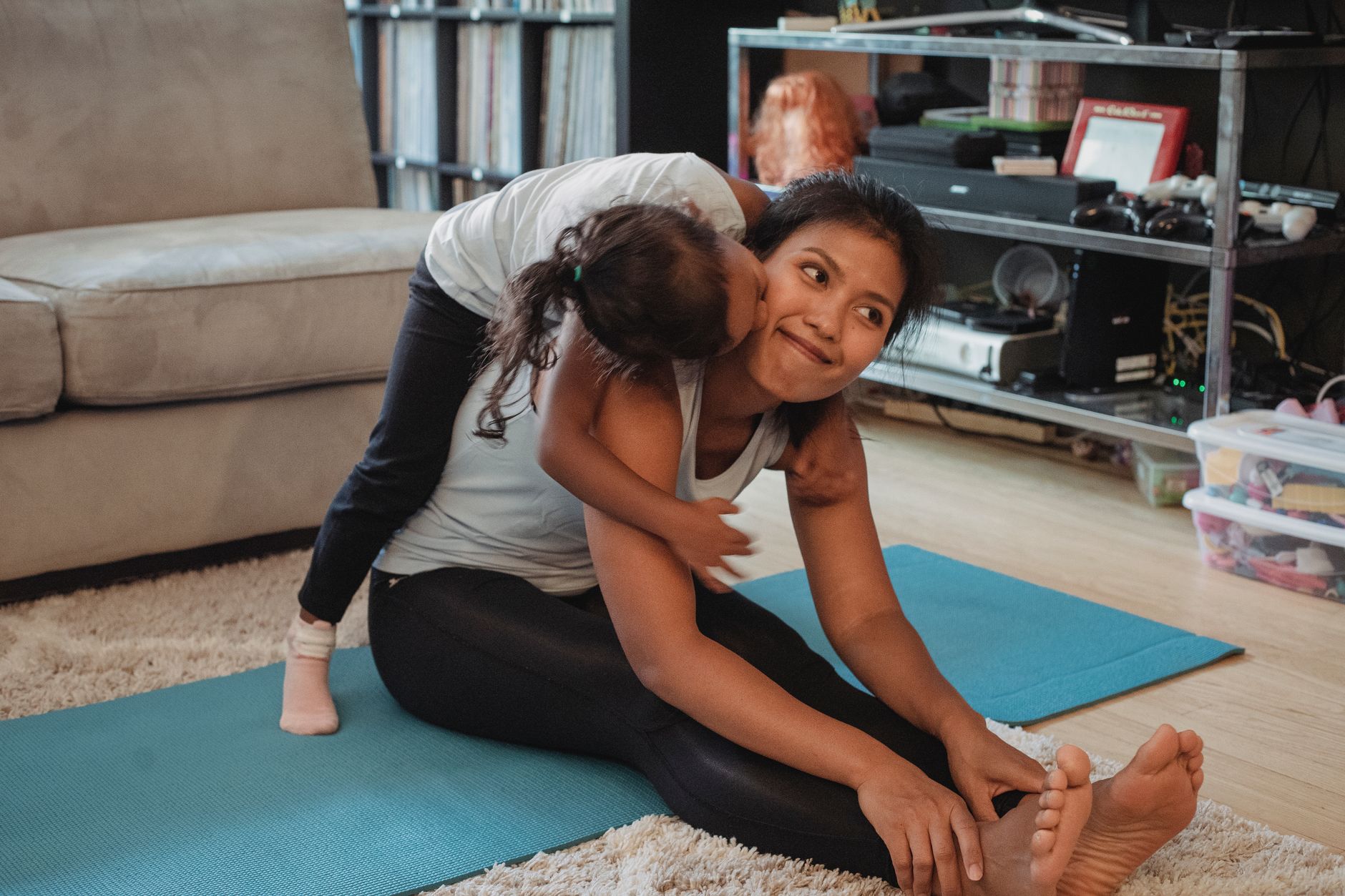
- Involve the Kids (Sometimes): Not all self-care has to be solitary. Some activities, like a nature walk, listening to music, or even a relaxed baking session, can be adapted to include your children in a way that still feels restorative for you. The trick is to choose activities that reduce your stress, rather than adding to it.
- Babywearing & Playpens: For younger babies, babywearing can allow you to move your body or do light chores while keeping them close. For toddlers, a safe, designated play space (like a playpen or gated area) with engaging toys can provide a short window of independent play.
Setting Realistic Expectations
Forget the image of a perfectly serene Self-Care Sunday. Your reality will likely involve interruptions, compromises, and moments where you have to pivot. And that's okay. The goal isn't perfection; it's progress. Aim for pockets of peace, not an entire day of uninterrupted bliss. Even 15-30 minutes of intentional self-care can make a significant difference. If you're looking for more ways to integrate short bursts of care, explore our article on easy micro self care for busy moms.
Realistic and Free Self-Care Sunday Ideas for Tired Moms
Self-care doesn't require a hefty budget or a trip to a fancy spa. Many of the most powerful ways to recharge are completely free and can be done right at home, or just outside your door. The key is to choose activities that genuinely replenish *you*, not just what you think self-care "should" be.
Ideas for Physical Rejuvenation
- A long, uninterrupted shower or bath: No, not every self-care idea is a bath, but sometimes a simple, unhurried shower where you can actually wash your hair and shave your legs without interruption is pure luxury.
- Gentle stretching or yoga: Follow a free online yoga video (there are many designed for beginners or quick sessions) or simply stretch your body in a way that feels good.
- A brisk walk outdoors: Even 20-30 minutes in nature can do wonders for your mood and energy. Leave the phone at home or put it on silent.
- Prioritize a nap: If you're sleep-deprived, a nap is not a luxury; it's a necessity. Don't underestimate its power.
- Hydrate mindfully: Sit down with a large glass of water, perhaps with some lemon or cucumber, and consciously savor it.
Ideas for Mental & Emotional Refreshment
- Journaling: Spend 10-15 minutes writing down your thoughts, feelings, or a gratitude list. No pressure for perfect prose, just get it out.
- Mindful breathing or meditation: Use a free app like Calm or Headspace (many offer free introductory sessions) or simply focus on your breath for a few minutes.
- Read a book (for pleasure!): Pick up a novel, a magazine, or anything that isn't a parenting manual or a to-do list.
- Listen to a favorite podcast or music: Put on headphones and truly immerse yourself in something you enjoy, without distractions.
- Declutter one small area: Tidy up a drawer, a shelf, or your nightstand. A little bit of order can bring a surprising sense of calm.
- Connect with a friend: A quick phone call or video chat with a supportive friend who understands your journey can be incredibly therapeutic.
Ideas for Creative & Connective Self-Care
- Engage in a hobby: If you have a forgotten hobby – drawing, knitting, playing an instrument, gardening – dedicate a small amount of time to it.
- Cook or bake something just for you: Prepare a meal or treat that you genuinely enjoy, perhaps something your kids wouldn't typically eat.
- Watch a show or movie you actually want to see: Curl up and enjoy some entertainment that isn't animated.
- Sit and stare: Sometimes, the most profound self-care is simply allowing yourself to be still, without agenda, for a few minutes. Stare out the window, watch the clouds, or just exist.
For more diverse self-care ideas that go beyond the typical bath, check out our article Self Care That Isn't a Bath: Real Ideas for Modern Moms.
Quick Self-Care Ideas for Moms: A Snapshot
Planning Your Self-Care Sunday: Practical Tips for Busy Schedules
The biggest hurdle to self-care isn't usually a lack of ideas, but a lack of planning. For busy moms, spontaneity is a luxury, not a strategy. To make Self-Care Sunday a reality, you need to treat it with the same importance as any other appointment in your schedule.
Treat It Like a Non-Negotiable Appointment
- Calendar It: Physically block out time in your planner or digital calendar. Even if it's just 30 minutes, write it down. This signals to yourself and others that this time is reserved.
- Communicate Your Needs: Discuss your Self-Care Sunday plans with your partner, family, or support network ahead of time. "Sunday afternoon from 2-4 PM is my time to recharge. Can you manage the kids during that window?"
- Set Boundaries: During your self-care time, try to put away your phone, close your laptop, and resist the urge to do chores. This is your time to disconnect from obligations.
Prioritizing What Truly Recharges You
Not all self-care is created equal for every person. What one mom finds relaxing, another might find boring or even stressful. Take a moment to reflect:
- What truly makes you feel rested and renewed? Is it quiet solitude, creative expression, physical activity, or social connection?
- What activities drain you? Sometimes self-care means saying no to things that deplete your energy, even if they seem like "good" things to do.
- What have you been craving? Listen to your body and mind. If you've been craving silence, prioritize that. If you've been craving movement, make that happen.
Creating a Flexible Framework
While planning is crucial, rigidity can be the enemy of self-care for moms. Life with kids is unpredictable, so build in flexibility:
- Have a "Plan A" and a "Plan B": Your ideal plan might be a long solo walk, but if the weather is bad or a child is sick, have a backup like a quiet reading session indoors.
- Break it Up: If a continuous block of time isn't possible, plan for smaller segments throughout the day. Perhaps 30 minutes in the morning, another 30 during nap time, and 20 in the evening after kids are asleep.
- Be Kind to Yourself: If your Self-Care Sunday doesn't go as planned, don't beat yourself up. Acknowledge the effort, pivot, and look for opportunities for micro self-care throughout the week.
What If You Don't Have a Full Sunday? Embracing Mini Self-Care Moments
Let's be honest: a full, uninterrupted Sunday dedicated to self-care is a rare unicorn for most moms. The beauty of self-care, however, is that it doesn't need to be an all-or-nothing endeavor. Even tiny, intentional moments sprinkled throughout your day can accumulate and make a significant difference in your overall well-being. These are your "mini self-care moments."
Integrating Self-Care Throughout Your Day
The goal here is to find small pockets of time and infuse them with intention. Think of these as mental and emotional pit stops that prevent you from running on empty:
- The 60-Second Reset: When you feel stress building, take 60 seconds. Close your eyes, take three deep, slow breaths, and notice the sensations in your body. This brief pause can interrupt the stress response.
- Mindful Sips: Whether it's your morning coffee, a glass of water, or an evening tea, take a moment to truly savor the taste, warmth, or coolness. Don't just gulp it down; experience it.
- Sensory Engagement: Light a favorite candle, put on a soothing playlist, or run your hands over a soft blanket. Engaging your senses can be a quick way to ground yourself.
- The "One Thing" Rule: When your kids are independently playing for a few minutes, resist the urge to immediately jump to a chore. Instead, do "one thing" for yourself – stretch, look out the window, or jot down a thought.
- Nature Glimpses: Step outside for 2 minutes and simply feel the sun, listen to the birds, or notice the sky. Even a quick connection with nature can be restorative.
- "Car-pool Karaoke" (or just quiet driving): If you have time between drop-offs or errands, instead of immediately turning on a podcast or news, put on your favorite upbeat song and sing along, or simply enjoy the silence.
- Acknowledge and Release: When a wave of frustration or overwhelm hits, silently acknowledge it ("I feel overwhelmed right now") and then consciously take a breath to release it. This simple act of naming and releasing can be powerful.
The Power of Accumulation
These mini moments might seem insignificant on their own, but their power lies in their accumulation. Five minutes here, ten minutes there – by the end of the day, you might have accumulated 30-60 minutes of intentional self-care. This approach makes self-care accessible even on the busiest days, preventing you from reaching a state of total depletion.
Think of it like charging your phone: you don't always need a full overnight charge; sometimes, plugging it in for 10 minutes here and there keeps it from dying completely. Your energy is no different.
Overcoming Mom Guilt and Making Self-Care a Non-Negotiable Priority
Mom guilt is a pervasive, heavy blanket that many mothers carry. It whispers that taking time for yourself is selfish, that you should always put your children first, and that any moment not spent actively mothering is a moment wasted. This insidious feeling is perhaps the biggest barrier to consistent self-care.
Recognizing and Challenging Mom Guilt
The first step is to recognize mom guilt for what it is: a societal construct, often amplified by social media and unrealistic expectations, rather than an inherent truth. It's not a sign that you're a bad mom; it's a sign that you care deeply, but it's also holding you back from being your best self.
Challenge the narrative: When the guilt creeps in, ask yourself:
- "Is taking this time truly harming my children, or am I teaching them about healthy boundaries and self-worth?"
- "Am I a better parent when I'm running on empty, or when my cup is at least partially full?"
- "What message am I sending my children about their own future self-care if I never prioritize mine?"
Reframing Self-Care: An Investment, Not a Luxury
One of the most powerful ways to overcome mom guilt is to reframe how you view self-care. It's not an indulgence; it's an investment in:
- Your mental health: Protecting yourself from anxiety, depression, and burnout.
- Your physical health: Giving your body the rest and nourishment it needs to function.
- Your family's well-being: A happier, more present, and more patient mom creates a more harmonious home environment.
- Your children's future: Modeling what healthy adulthood looks like, where personal needs are respected.
Many women tell us that once they started seeing self-care as a vital component of their mothering, rather than something extra, the guilt began to subside. One reader described, "I used to feel so guilty leaving my kids for an hour to go for a run. Then I realized, I come back a completely different person – lighter, more patient. That's a gift to them, not a taking away."
Making Self-Care a Non-Negotiable
Just as you wouldn't skip feeding your children or taking them to school, self-care needs to be elevated to a non-negotiable status in your life. This doesn't mean it will always be easy, but it means you commit to finding a way, even if it's imperfect.
- Start Small: If a full Self-Care Sunday feels too daunting, commit to 15-20 minutes. Success with a small goal builds momentum.
- Communicate Your "Why": Explain to your partner and even older children *why* you need this time. "Mommy needs to rest so I can have more energy to play with you later."
- Set Boundaries with Yourself: It's easy to use your self-care time to catch up on chores or scroll aimlessly. Be intentional about your chosen activity to ensure it truly recharges you.
Remember, you are worthy of care and attention. Your needs matter, and addressing them makes you a stronger, more resilient mother.
How to Get Your Partner or Family to Support Your Self-Care Sunday
For Self-Care Sunday to truly work, especially with young children, you often need the support of your partner, family members, or even close friends. This isn't about demanding help; it's about clear communication, delegation, and mutual understanding that your well-being benefits everyone.
Clear Communication is Key
Don't expect your partner or family to read your mind. You need to explicitly state your needs and plans:
- Express Your "Why": Explain *why* self-care is important for you and, by extension, for the family. "I need this time to recharge so I can be a more patient and present mom throughout the week. It helps me prevent burnout."
- Be Specific About Your Needs: Instead of "I need a break," try "I need two hours on Sunday afternoon to myself. Could you take the kids to the park or manage lunch and naptime?"
- Plan Ahead: Discuss your Self-Care Sunday plans during a calmer moment, like Friday evening or Saturday morning, rather than springing it on them when you're already overwhelmed.
Delegation and Shared Responsibilities
Self-Care Sunday often means a temporary shift in responsibilities. This is an opportunity to practice delegation and ensure that childcare and household tasks are shared equitably:
- Create a Schedule: If you have a partner, map out who is responsible for the kids during which blocks of time on Sunday. This can be as simple as "You have 9 AM - 12 PM, I have 12 PM - 3 PM."
- Identify Specific Tasks: What specific tasks can your partner or family member take on? Meal prep, diaper changes, putting kids down for naps, entertainment. The more specific you are, the easier it is for them to step in.
- Let Go of Control (a little): It might not be done exactly your way, and that's okay. The goal is for you to get your break, not for everything to be perfect.
Educating and Empowering Your Support System
Sometimes, partners or family members genuinely don't understand the invisible load mothers carry. Educating them can foster greater empathy and support:
- Share Resources: You could even share articles like this one or other reputable resources on maternal mental health and burnout.
- Frame it as a Benefit to Them: Remind them that a rested, happier you benefits them too. It reduces household tension, improves communication, and strengthens relationships.
- Reciprocate: If your partner is taking on extra childcare for your Self-Care Sunday, offer to do the same for them when they need a break. Mutual support builds stronger partnerships.
If a partner isn't available, or you need more support, consider your broader community:
- Grandparents or Relatives: If family lives nearby, could they take the kids for a few hours?
- Trusted Friends/Other Moms: Consider a reciprocal arrangement where you watch each other's kids for a few hours once a week or month.
- Mom Groups: Joining a local mom's group, whether formal or informal, can provide a network of support where you can share childcare, vent, and find understanding. For advice on finding and joining one, see our guide on joining a church moms group.
- Asking for a "Care Package": Sometimes, asking for specific help (e.g., "Could you bring us dinner on Sunday so I don't have to cook?") can free up time. Our article on modern care package ideas for new moms has some great ideas you can share with your loved ones.
Remember, asking for help is a sign of strength, not weakness. Your community wants to support you, but they often need clear guidance on how to do so effectively.
Making Self-Care a Consistent Habit: Beyond Just Sundays
While Self-Care Sunday is a wonderful concept, the ultimate goal is to weave self-care into the fabric of your daily life, making it a consistent habit rather than a one-off event. Sundays can be a dedicated reset, but daily micro-moments are the maintenance that keeps you from getting completely depleted.
The Power of Small, Daily Practices
Think of self-care not as a grand gesture, but as a collection of small, deliberate actions:
- Morning Ritual: Even 5-10 minutes of quiet time before the kids wake up – drinking water, stretching, a moment of gratitude – can set a positive tone for the day.
- Intentional Breaks: During your busiest hours, schedule mini-breaks. Step away from your tasks for 2-3 minutes to breathe, look out a window, or listen to a calming sound.
- Mindful Eating: When you eat, try to do so without distraction. Savor your food, notice the flavors and textures. This can be a moment of grounding.
- Movement Snacks: Instead of waiting for a dedicated workout, do a few squats while waiting for water to boil, stretch during commercial breaks, or take the stairs.
- Evening Wind-Down: Create a consistent routine before bed that signals to your body it's time to rest. This could be reading, a warm shower, or gentle stretching.
Building a Sustainable Self-Care Routine
Consistency is built through intention and adaptation:
- Start Small and Be Realistic: Don't try to overhaul your entire life at once. Choose one or two small self-care practices to implement daily. Once those feel natural, add another.
- Connect it to Existing Habits: "Habit stacking" makes it easier. For example, after you brush your teeth, spend 2 minutes meditating. After you put your child in the car seat, take two deep breaths before driving.
- Track Your Progress (Optional): A simple checklist can be motivating. Seeing how many days you've consistently engaged in a self-care practice can reinforce the habit.
- Be Flexible and Forgiving: There will be days when life gets in the way. Don't let one missed day derail your entire effort. Just pick up where you left off the next day.
- Reflect and Adjust: Periodically check in with yourself. Are your current self-care practices truly recharging you? Do you need to swap out an activity that no longer serves you for something new?
Making self-care a consistent habit is an ongoing journey, not a destination. It's about developing a deeper awareness of your own needs and making a continuous commitment to meet them, one small, intentional moment at a time. Sundays can be your big refill, but daily self-care keeps the tank from running dry.
Myth vs. Fact
Myth: Self-care is a luxury that only some moms can afford.
Fact: Self-care is a necessity for every mom, regardless of financial status or time constraints. While spa days are lovely, true self-care encompasses a vast range of free or low-cost activities like mindful breathing, a walk in nature, reading, or connecting with a friend. The most effective self-care activities prioritize internal replenishment and mental well-being over external indulgence, making them accessible to all.
Myth: Taking time for self-care means you're not putting your kids first.
Fact: Prioritizing your own well-being allows you to be a more patient, present, and resilient parent. When your cup is filled, you have more emotional and physical energy to give to your children. Self-care is a proactive measure against burnout, benefiting the entire family by fostering a calmer, happier home environment. It's about putting on your own oxygen mask first so you can effectively help those around you.
Myth: If your self-care isn't a long, uninterrupted block of time, it doesn't count.
Fact: While extended self-care sessions are wonderful, even mini self-care moments (5-15 minutes) throughout the day can significantly impact your well-being. The cumulative effect of short, intentional acts of self-care—like a mindful cup of tea, a few deep breaths, or listening to one favorite song—can prevent depletion and build resilience. All self-care counts, no matter how small.
Key Takeaways
- Self-Care Sunday is an intentional time for moms to recharge, not a luxury, but a necessity for mental and physical health.
- It doesn't require a full day; even short, creative blocks of time can make a significant difference, especially with babies or toddlers at home.
- Many powerful self-care activities are free, like walks in nature, journaling, mindful breathing, or connecting with friends.
- Overcoming mom guilt is crucial; reframe self-care as an investment in your family's well-being and your own resilience.
- Communicate clearly with your partner and family to gain their support, delegating tasks to ensure you get your dedicated time.
- Beyond Sundays, integrate mini self-care moments into your daily routine to maintain your energy and prevent burnout consistently.
Frequently Asked Questions
What does a Self-Care Sunday look like for a mom?
A Self-Care Sunday for a mom is highly individual but typically involves a dedicated block of time (from an hour to several) where she intentionally engages in activities that replenish her energy, reduce stress, and bring her joy, without the usual demands of childcare or household chores. This might look like a solo walk, reading a book, a long bath, journaling, pursuing a hobby, or simply quiet rest, often supported by a partner or family.
What are some realistic self-care activities for busy moms?
Realistic self-care activities for busy moms focus on being accessible, often free or low-cost, and flexible. Examples include taking a hot, uninterrupted shower, going for a brisk walk outdoors (even with a stroller), listening to a favorite podcast with headphones, journaling for 10 minutes, doing gentle stretches, calling a supportive friend, or simply sitting in silence with a cup of tea. The key is choosing what genuinely recharges you, not what social media dictates.
How do moms make time for self-care?
Moms make time for self-care by planning ahead, communicating needs, and being creative. Strategies include waking up earlier than the kids, utilizing nap times, tag-teaming with a partner, strategically using screen time for children, and delegating household tasks. It also involves setting boundaries, saying no to extra commitments, and accepting that self-care moments might be short and imperfect.
Why is self-care important for mothers' well-being?
Self-care is crucial for mothers' well-being because it prevents burnout, reduces stress, and improves mental health, which are all vital for sustainable motherhood. When moms prioritize self-care, they have more patience, energy, and emotional capacity to be present and engaged with their children, fostering a healthier and happier family environment. It's an investment in their long-term physical and emotional health.
How can I practice self-care with a baby?
Practicing self-care with a baby often means integrating them into activities or leveraging their sleep schedule. This can involve babywearing during a gentle walk, listening to music or an audiobook while nursing, taking a longer shower during nap time, or doing simple stretches with the baby on a mat beside you. It's about finding small, adaptable moments rather than expecting complete solitude.
What are quick self-care ideas for moms?
Quick self-care ideas for moms are short, impactful activities that can be done in 5-15 minutes. These include taking three deep breaths, listening to one favorite song, stepping outside for a minute of fresh air, drinking a glass of water mindfully, doing a quick brain dump in a journal, or looking out the window and simply observing. These micro-moments add up to provide significant stress relief and mental clarity.
When to See a Doctor or Specialist
While self-care is a powerful tool for managing stress and promoting well-being, it's not a substitute for professional medical or mental health care. If you find that self-care strategies aren't enough, or if you're experiencing persistent or worsening symptoms, it's important to reach out for professional help.
Consider contacting your doctor, OB/GYN, or a mental health professional if you experience:
- Persistent feelings of sadness, hopelessness, or emptiness that last for more than two weeks.
- Overwhelming anxiety, panic attacks, or constant worrying.
- Significant changes in sleep patterns (insomnia or sleeping too much).
- Changes in appetite or weight.
- Loss of interest or pleasure in activities you once enjoyed.
- Difficulty concentrating, remembering, or making decisions.
- Irritability, anger, or extreme mood swings.
- Thoughts of harming yourself or your children.
- Feeling completely overwhelmed, unable to cope with daily tasks, or experiencing severe parental burnout.
These symptoms could be signs of a treatable condition like postpartum depression, anxiety disorder, or chronic stress. Your healthcare provider can offer guidance, diagnosis, and appropriate treatment options. Remember, seeking help is a sign of strength, and you don't have to navigate these challenges alone.
This article is for informational purposes only and does not constitute medical advice. Always consult with a qualified healthcare professional for any health concerns or before making any decisions related to your health or treatment.
References
- American Psychological Association (APA). Stress effects on the body. Accessed October 26, 2023.
- Mayo Clinic. Stress management. Accessed October 26, 2023.
- National Institute of Mental Health (NIMH). Stress. Accessed October 26, 2023.
- World Health Organization (WHO). Maternal health. Accessed October 26, 2023.