Quick take: If your baby shows rapid breathing, a fever above 101°F (38.3°C), wheezing, or looks unusually floppy, head to the ER right away. Early signs that need hospital care include trouble feeding, bluish lips, or a sudden drop in oxygen levels. Most infants recover in 3‑5 days with supportive care, but high‑risk babies may stay longer. Call your pediatrician or go to the nearest hospital if any red‑flag symptom appears.
It was 2 a.m. when Maya heard her newborn’s soft whimper turn into a harsh gasp. She stared at the tiny chest rising and falling, feeling a knot tighten in her stomach. In moments like this, the question that races through a parent’s mind is simple: “Is this RSV, and do I need to go to the hospital?” You’re not alone. Every year, thousands of families face the same urgent dilemma, and the line between “watchful waiting” and “urgent care” can feel blurry.
Respiratory syncytial virus (RSV) is the most common cause of bronchiolitis and pneumonia in infants, especially those under six months. While many babies experience a mild cold at home, a subset develop serious breathing problems that require hospital admission. This guide walks you through the early warning signs, how to assess severity, what doctors do in the hospital, treatment options, and how to protect your little one from future infection.
We’ll answer the exact questions you’re likely typing into Google, from “what are the early signs of RSV that require hospital admission for a baby” to “how long does a baby stay in the hospital for RSV infection.” By the end, you’ll have a clear checklist, know when to call emergency services, and feel confident about the care your baby may need.
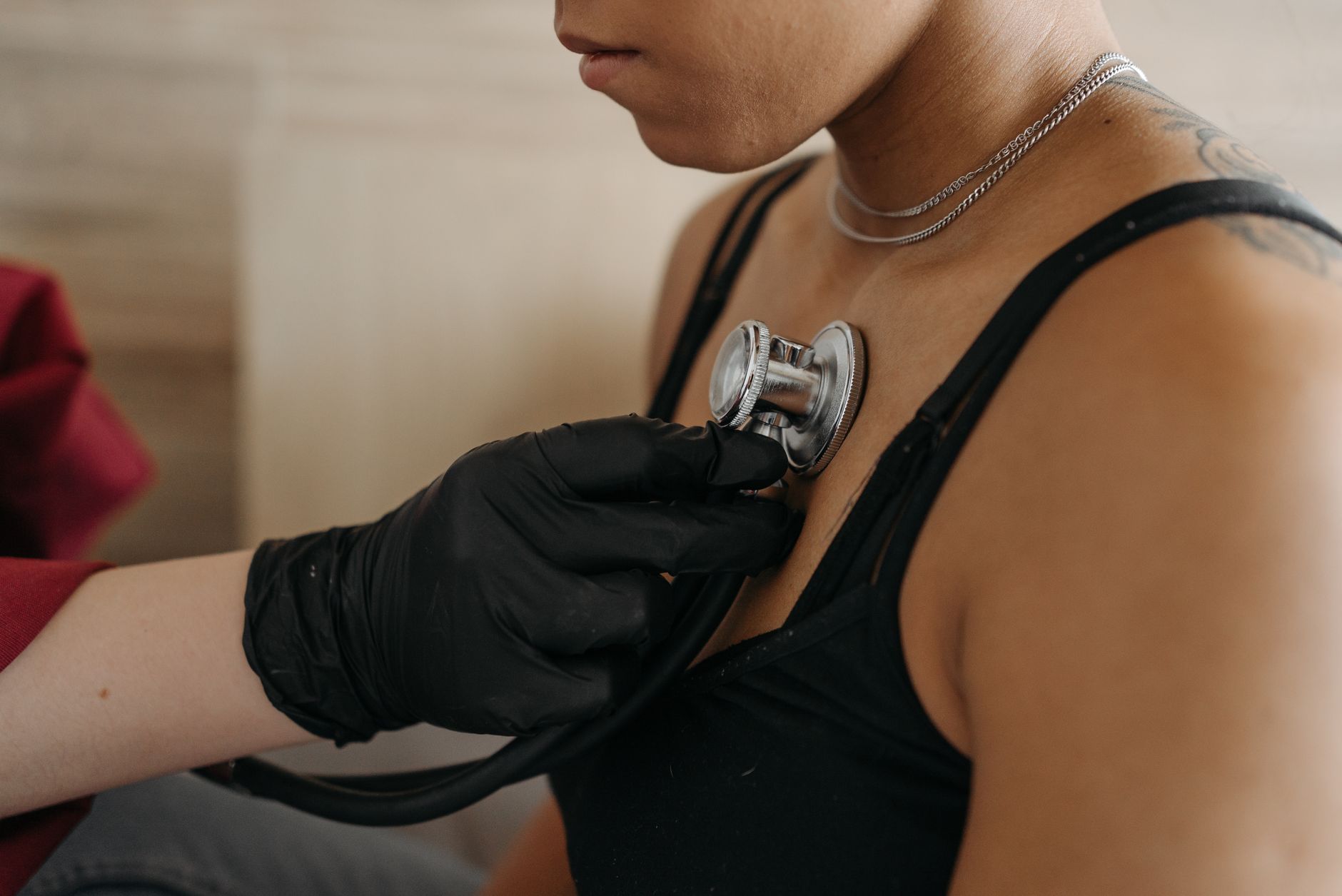
What are the early signs of RSV that require hospital admission for a baby
RSV often starts like any other cold—runny nose, mild cough, and low‑grade fever. However, certain red‑flag symptoms signal that the virus is affecting the lower airways and that the infant may need hospital‑level care.
Key red‑flag symptoms
- Rapid breathing: More than 60 breaths per minute for a newborn, or over 40 for a 2‑month‑old.
- Chest retractions: Noticeable pulling in of the skin between the ribs or under the ribs when the baby inhales.
- Wheezing or crackles: Audible high‑pitched sounds when the baby breathes.
- Low oxygen saturation: Below 92% on a fingertip pulse oximeter.
- Feeding difficulty: Inability to take a bottle or breastfeed due to shortness of breath.
- Bluish lips or nail beds: A sign of insufficient oxygen.
- Fever above 101°F (38.3°C): Persistent high fever combined with breathing trouble.
The American Academy of Pediatrics (AAP) notes that any of these signs in an infant younger than three months should prompt immediate medical evaluation, often in an emergency department (ED). For older infants, parental intuition—“something just doesn’t feel right”—is also an important cue.
When to call before you go
If you notice any of the above, call your pediatrician or the hospital’s pediatric line right away. Keep a phone nearby, have your baby’s birth weight and gestational age ready, and be prepared to describe breathing rate, temperature, and feeding behavior. This helps the ED staff prioritize care and may expedite admission.
How to tell if my baby's RSV symptoms are severe enough for the ER
Deciding whether to head to the ER can feel like a high‑stakes gamble, but a systematic approach makes it less stressful. Below is a simple “3‑step severity check” you can run at home.
Step 1: Count the breaths
Place a hand on your baby’s chest and count breaths for 30 seconds, then double the number. If the count exceeds the age‑specific thresholds listed above, that’s a red flag.
Step 2: Check the skin
Look at the lips, tongue, and nail beds. Any bluish tint (cyanosis) indicates low oxygen and requires immediate ER care.
Step 3: Assess feeding and alertness
If your baby refuses to feed, becomes unusually sleepy, or is hard to wake for a bottle, these are signs of worsening illness.
In addition to the three steps, the CDC’s “When to Seek Emergency Care for Respiratory Illness” guideline recommends heading to the ER if the baby’s fever persists for more than 24 hours despite antipyretics, or if the child shows signs of dehydration (dry mouth, no wet diapers for 6 hours).
RSV baby fever and breathing difficulty: when to go to the hospital
Fever and breathing difficulty often appear together in severe RSV cases. The combination is especially concerning because fever can increase metabolic demand, worsening breathing effort.
Fever thresholds
For infants under three months, any temperature of 100.4°F (38°C) or higher warrants a pediatric call. For older babies, a fever over 101°F (38.3°C) that lasts more than 24 hours, or is accompanied by a rapid heart rate, should trigger an ER visit.
Breathing difficulty specifics
Watch for the “tripod position”—the baby sits upright, leaning on the arms, which is a classic sign of respiratory distress. Also, listen for grunting sounds at the end of an exhale; this indicates the child is working hard to keep airways open.
The National Institute of Child Health and Human Development (NICHD) advises that if a baby’s breathing rate spikes suddenly, or if the child appears to be “floppy” or unusually irritable, you should go to the ER immediately—even if fever is mild.
Difference between mild RSV at home and emergency RSV in infants
Understanding the spectrum of RSV helps you avoid unnecessary ER trips while ensuring you don’t miss a serious case.
Mild RSV (home care)
- Runny nose, mild cough, low-grade fever (<100.4°F/38°C).
- Breathing rate within normal age range.
- Baby remains alert, feeds normally, and has normal skin color.
- Symptoms improve within 5‑7 days.
Emergency RSV (hospital care)
- High fever (>101°F/38.3°C) persisting >24 hours.
- Rapid breathing, chest retractions, wheezing, or crackles.
- Low oxygen saturation (<92%).
- Feeding difficulty, lethargy, or cyanosis.
- Rapid deterioration over hours.
When in doubt, call your pediatrician. The AAP’s “Red Flag” list can be a quick reference while you’re at home.
Hospital treatment options for infants with RSV bronchiolitis
Once admitted, babies receive supportive care aimed at keeping their airways open and ensuring adequate oxygenation. Antibiotics are not used unless there’s a bacterial co‑infection, as RSV is a virus.
Most infants recover with these supportive measures. The CDC emphasizes that antiviral medications for RSV (like ribavirin) are reserved for high‑risk children, such as those with severe immunodeficiency.
Natural adjuncts in the hospital
While the primary focus is medical support, some families ask about natural remedies. In the hospital setting, humidified air (via HFNC) is the safest, evidence‑based method to keep airways moist. Other complementary approaches—like gentle massage or parental presence—can reduce stress but should never replace medical treatment.
How long does a baby stay in the hospital for RSV infection
Length of stay (LOS) varies by severity, age, and underlying health conditions. On average:
- Typical infants (full term, no comorbidities): 2‑4 days.
- High‑risk infants (premature, congenital heart disease, chronic lung disease): 4‑7 days, sometimes longer if complications develop.
- Infants requiring intensive care: 7‑14 days, depending on ventilator needs and recovery.
According to a 2023 analysis by the American Academy of Pediatrics, the median hospital stay for RSV bronchiolitis was 3 days, with a readmission rate of about 5% within 30 days.
Factors influencing LOS
- Age at presentation (younger infants tend to stay longer).
- Presence of co‑existing conditions (e.g., prematurity, heart defects).
- Response to oxygen therapy—if oxygen weans off quickly, discharge is sooner.
- Family’s ability to provide home oxygen or follow‑up care.
When your baby is admitted, clinicians use a combination of clinical assessment and targeted testing to confirm RSV and rule out other causes.
- Nasopharyngeal swab PCR: The gold standard for RSV detection; results usually return within a few hours.
- Pulse oximetry: Continuous monitoring of oxygen saturation.
- Chest X‑ray: Helps differentiate bronchiolitis from pneumonia; typically shows hyperinflated lungs with peribronchial thickening.
- Complete blood count (CBC): May reveal elevated white blood cells if bacterial infection is suspected.
- Blood gas analysis: Checks carbon dioxide levels if the baby appears in respiratory distress.
The National Health Service (NHS) in the UK advises that routine viral testing is not always required if the clinical picture is classic for RSV, but many hospitals still perform PCR to guide infection control measures.
Complications are rare in healthy full‑term infants but more common in those with underlying vulnerabilities.
Complication checklist
- Apnea episodes: Pauses in breathing lasting more than 20 seconds.
- Severe dehydration: No wet diapers for >6 hours, sunken fontanelle.
- Secondary bacterial pneumonia: New fever, worsening cough, or localized lung findings on X‑ray.
- Worsening hypoxia despite oxygen: Saturations stay below 90%.
- Cardiac strain: Rapid heart rate (>180 bpm) with poor perfusion.
If any of these appear, call emergency services (999 in the UK, 911 in the U.S.) and request “pediatric emergency.” Early intervention can prevent intensive‑care admission.
RSV symptoms checklist for parents
Having a quick reference on hand can calm anxiety and help you act decisively.
- Runny or stuffy nose
- Low‑grade fever (under 100.4°F/38°C)
- Mild cough
- Decreased appetite but still feeding
- Normal breathing rate for age
- Alert and interactive
Red‑flag items (call doctor or go to ER):
- Rapid breathing (>60 breaths/min for newborns)
- Chest retractions or belly breathing
- Wheezing or high‑pitched sounds
- Fever >101°F (38.3°C) persisting >24 hours
- Blue lips/nail beds
- Difficulty feeding or refusing feeds
- Extreme lethargy or inability to wake
How to prevent RSV spread to newborns
Prevention is especially important for infants under six months, who are most vulnerable.
- Hand hygiene: Wash hands with soap for at least 20 seconds before touching the baby.
- Limit exposure: Keep newborns away from crowded places during RSV season (typically fall‑winter).
- Vaccinate caregivers: The newly approved RSV vaccine for adults (2024) reduces transmission risk.
- Use a mask: Encourage family members with cold symptoms to wear masks around the baby.
- Clean surfaces: Disinfect toys, doorknobs, and other high‑touch areas daily.
The CDC’s 2023 “RSV Prevention in Infants” advisory highlights that hand hygiene alone can cut transmission by up to 40%.
RSV vaccine availability for infants 2026
In 2024, the FDA approved the first RSV vaccine for adults 60 years and older (Shingrix‑type). By 2026, a maternal vaccine (given during the third trimester) is expected to be widely available in the U.S. and U.K., offering passive immunity to newborns for the first 6 months of life.
Key points for parents:
- Maternal vaccine: Administered at 32‑36 weeks gestation; shown to reduce infant RSV hospitalization by ~45% (Phase III trial, NIH).
- Pediatric vaccine (for infants ≥6 months): A single dose is under review; early data suggest good safety and efficacy, but rollout is not yet universal.
- Eligibility: Infants born premature (<32 weeks) or with chronic lung disease may qualify for a prophylactic monoclonal antibody (palivizumab) until the vaccine is approved for younger ages.
Talk to your OB‑GYN or pediatrician about vaccine timing and whether your baby qualifies for palivizumab.
Home care tips for babies with mild RSV
If your baby’s symptoms are mild, supportive care at home can ease discomfort and speed recovery.
- Maintain hydration: Offer frequent, small breastfeeds or formula feeds. Consider an oral rehydration solution if diaper output drops.
- Use a humidifier: Cool‑mist humidifiers add moisture to the air, easing nasal congestion. Clean the device daily to prevent mold.
- Nasal suction: A bulb syringe can gently clear mucus before feeds.
- Elevate the head: Slightly raise the mattress (by placing a folded towel under the sheet) to improve breathing.
- Fever control: Use acetaminophen (paracetamol) dosed per weight; always follow your pediatrician’s instructions.
- Monitor: Keep a log of temperature, breathing rate, and diaper output for quick reference if you need to call the doctor.
Remember, the AAP advises against using over‑the‑counter cough or cold medicines in infants under 12 months.
When can a baby return to daycare after RSV
RSV is most contagious for the first 3‑5 days of illness, but viral shedding can continue for up to 2 weeks.
- Standard recommendation: Keep the baby out of daycare until fever‑free for 24 hours without antipyretics and respiratory symptoms have improved.
- High‑risk infants: Some pediatricians extend the exclusion period to 10 days to reduce transmission.
- Daycare policies: Verify that the facility follows CDC guidelines—e.g., daily cleaning, hand‑washing protocols, and exclusion of symptomatic children.
When you’re unsure, a quick call to the daycare director and your pediatrician can clarify the safest return date.
RSV vs flu symptoms in babies
Both viruses cause fever, cough, and nasal congestion, but there are subtle differences that help differentiate them.
If your baby has a sudden high fever and severe fatigue, flu may be more likely, and antiviral treatment (oseltamivir) could be considered. Always discuss with your pediatrician for accurate diagnosis.
Cost of RSV hospital stay for infants
Hospitalization costs vary by country, insurance coverage, and length of stay.
- United States: Average total cost $7,500‑$12,000 for a standard 3‑day stay, not including potential ICU charges ($15,000‑$30,000).
- United Kingdom (NHS): Hospital care is covered by the public system; private patients may incur £2,500‑£5,000.
- Insurance: Most private plans cover RSV hospitalization, but out‑of‑pocket expenses depend on deductibles and co‑pays.
Families can explore financial assistance programs through hospital social workers, the Children’s Hospital Association, or charitable foundations that aid families with high medical bills.
What antibiotics are used for RSV in babies
RSV itself is viral, so antibiotics do not treat the infection. However, secondary bacterial pneumonia can develop, especially in high‑risk infants.
When a bacterial co‑infection is suspected, pediatricians may prescribe:
- Amoxicillin: First‑line for typical bacterial pneumonia; dosage based on weight.
- Clindamycin: For suspected anaerobic infection or penicillin allergy.
- Ceftriaxone (IV): For severe infections requiring hospitalization.
All antibiotic choices follow the American Academy of Pediatrics guidelines, which stress the importance of culture‑guided therapy whenever possible to avoid unnecessary resistance.
Myth vs. fact
Myth: “If my baby has a cold, it can’t be RSV.”
Fact: RSV often begins as a common cold. The presence of a runny nose does not rule out RSV, especially in infants under six months.
Myth: “Antibiotics will cure my baby’s RSV.”
Fact: RSV is caused by a virus; antibiotics only help if a bacterial infection develops on top of RSV.
Myth: “All infants recover at home; hospital care isn’t needed.”
Fact: About 1‑2% of infants with RSV require intensive care, especially those born prematurely or with heart/lung conditions. Prompt hospital care can be lifesaving.
Key takeaways
- Rapid breathing, chest retractions, bluish lips, or feeding difficulty are red‑flag signs that need immediate ER care.
- Use the 3‑step severity check at home: count breaths, check skin color, assess feeding/alertness.
- Hospital treatment focuses on oxygen support, hydration, and monitoring; antibiotics are only for secondary bacterial infections.
- Typical hospital stay is 2‑4 days for healthy infants, longer for high‑risk babies.
- Prevent RSV with hand hygiene, limiting exposure, and maternal vaccination (available 2026).
- Consult your pediatrician promptly if any red‑flag symptom appears; this guide is informational, not a substitute for professional medical advice.
Frequently asked questions
What are the warning signs of RSV in babies?
Warning signs include rapid breathing (over 60 breaths/min for newborns), chest retractions, wheezing, low oxygen saturation (<92%), fever above 101°F (38.3°C), difficulty feeding, and bluish lips or nail beds. If you notice any of these, call your pediatrician or go to the ER.
When should I take my baby to the hospital for RSV?
Take your baby to the hospital if they have any red‑flag symptoms listed above, if fever persists for more than 24 hours despite acetaminophen, or if they become unusually sleepy, lethargic, or irritable. Trust your instincts—if something feels off, seek care.
How is RSV diagnosed in infants?
Doctors typically use a nasopharyngeal swab tested by polymerase chain reaction (PCR) to confirm RSV. They may also perform a chest X‑ray, pulse oximetry, and blood tests to assess severity and rule out bacterial co‑infection.
Can RSV be treated with antibiotics?
Antibiotics do not treat RSV because it’s a virus. They are only prescribed if a secondary bacterial infection, such as pneumonia, is suspected. Overuse of antibiotics can lead to resistance, so they are used sparingly and under guidance.
How long does it take for a baby to recover from RSV after hospital discharge?
Most babies recover within 1‑2 weeks after discharge. Follow‑up appointments are usually scheduled within 3‑5 days to monitor breathing, oxygen levels, and feeding. Full recovery of lung function may take up to 4‑6 weeks in severe cases.
Is RSV more dangerous for premature babies?
Yes. Premature infants (especially those born before 32 weeks) and those with chronic lung disease have a higher risk of severe RSV, hospitalization, and complications. Prophylactic palivizumab is often recommended for these high‑risk groups.
When to see a doctor / specialist
If your baby shows any red‑flag symptom—rapid breathing, chest retractions, blue lips, persistent fever, feeding difficulty, or extreme lethargy—call emergency services (999 / 911) and request a pediatric emergency evaluation. For ongoing concerns, schedule an appointment with your infant’s pediatrician. High‑risk infants may also need to see a pediatric pulmonologist or an infectious disease specialist for specialized care.
This article is for informational purposes only and does not replace personalized medical advice. Always consult your health care provider for diagnosis and treatment tailored to your baby’s specific needs.
References
- American Academy of Pediatrics. “Red‑Flag Signs for Respiratory Illness in Infants.” AAP Clinical Practice Guidelines, 2023.
- Centers for Disease Control and Prevention. “Respiratory Syncytial Virus (RSV) Infection.” CDC, updated 2023.
- National Institute of Child Health and Human Development. “RSV in Infants and Young Children.” NICHD, 2022.
- World Health Organization. “RSV Prevention and Control.” WHO Technical Report, 2024.
- Harvard T.H. Chan School of Public Health. “Hand Hygiene and Respiratory Virus Transmission.” 2023.
- National Health Service (UK). “RSV in Children.” NHS Clinical Guidelines, 2023.
- American College of Obstetricians and Gynecologists. “Maternal RSV Vaccination Recommendations.” ACOG Committee Opinion, 2025.
- American Thoracic Society. “Management of Bronchiolitis in Infants.” ATS Guidelines, 2023.
- U.S. Food and Drug Administration. “Palivizumab (Synagis) Prescribing Information.” FDA, 2022.
- National Institute of Allergy and Infectious Diseases. “RSV Vaccine Development.” NIH Press Release, 2025.



