Pregnancy hormones like estrogen and progesterone can amplify rosacea symptoms, making your skin more sensitive to triggers. You might notice increased redness, visible blood vessels, or even dryness and stinging. The good news? Diet can be a powerful tool to help manage these changes. Foods rich in omega-3s, antioxidants, and anti-inflammatory compounds can calm your skin, while avoiding known triggers like alcohol, spicy foods, and high-histamine items can prevent flare-ups.
Many women with rosacea also experience pregnancy acne or perioral dermatitis, which can overlap with rosacea symptoms. While these conditions have different causes, the same dietary principles—avoiding dairy, sugar, and processed foods—can help with all three. If you’re dealing with gestational diabetes or IBS, we’ll cover how to adjust this plan to fit your specific needs.
**Key takeaway:** Your rosacea diet doesn’t have to be restrictive. Focus on whole, nutrient-dense foods and make gradual changes to avoid triggering cravings or nutritional gaps.
---
What Foods to Avoid with Rosacea Flare-Ups During Pregnancy
When rosacea flares up during pregnancy, identifying and avoiding trigger foods is key. While individual triggers vary, here are the most common culprits to limit:
- High-histamine foods: Aged cheeses, cured meats, fermented foods (like sauerkraut or kimchi), vinegar, and alcohol. Histamine can worsen inflammation and redness.
- Dairy (especially if sensitive): Milk, yogurt, and cheese can increase inflammation and worsen rosacea for some women. If you’re dairy-intolerant, opt for fortified plant-based alternatives.
- Processed foods and sugars: Chips, candies, and fast food can spike blood sugar and trigger inflammation. Stick to whole, unprocessed foods whenever possible.
- Spicy foods and caffeine: While these aren’t triggers for everyone, some women with rosacea report increased redness or stinging after consuming them.
- Tomatoes and nightshades: These can sometimes worsen rosacea symptoms, though reactions vary. If you’re sensitive, limit or avoid them.
**Representative story:** “I used to love a big glass of wine with dinner, but after my first trimester, my rosacea acted up within an hour,” shares Sarah, a mom of two. “I swapped it for sparkling water with lemon and noticed a huge difference in my skin within a few days.”
**Pro tip:** If you’re unsure whether a food is a trigger, keep a food diary for a week to track patterns. This can help you identify personal sensitivities.
---
Safe Rosacea-Friendly Snacks for Morning Sickness Relief
Morning sickness can make snacking feel impossible, but gentle, easy-to-digest options can help soothe your stomach while keeping your rosacea under control. Here are some pregnancy-safe, rosacea-friendly snacks:
- Cucumber slices with a sprinkle of sea salt – Hydrating and low-histamine.
- Steamed carrots or zucchini with a drizzle of olive oil – Easy to digest and rich in beta-carotene.
- Rice cakes with almond butter – A crunchy, protein-rich option without dairy.
- Fresh fruit like watermelon or cantaloupe – Hydrating and low in acidity.
- Roasted chickpeas (unsalted) – A crunchy, fiber-rich snack that’s easy to make ahead.
- Herbal tea (like chamomile or ginger) – Soothes nausea and is caffeine-free.
**Image placeholder:** 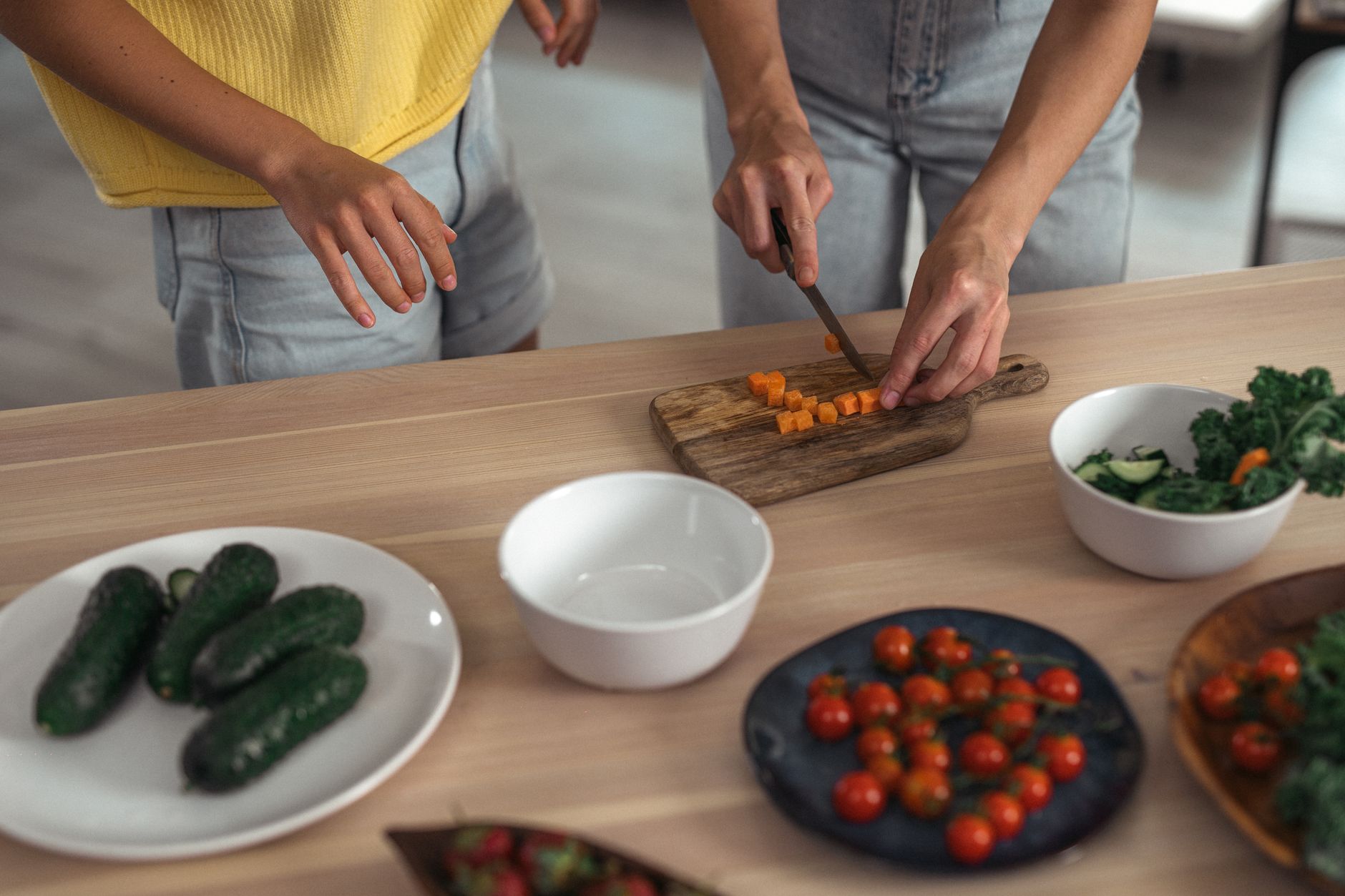
**Tip for meal prep:** Batch-cook snacks like roasted chickpeas or steamed veggies on Sunday to grab and go during busy mornings.
---
How to Modify a Rosacea Diet Meal Plan for Gestational Diabetes
If you’ve been diagnosed with gestational diabetes, your rosacea diet will need a few adjustments to keep blood sugar stable while still being skin-friendly. Focus on:
- Low-glycemic foods: Choose whole grains like quinoa, brown rice, and oats instead of white bread or pasta.
- Healthy fats: Avocados, nuts, and seeds help stabilize blood sugar and reduce inflammation.
- Fiber-rich veggies: Leafy greens, broccoli, and Brussels sprouts keep you full and blood sugar balanced.
- Avoid sugary fruits: Skip high-sugar fruits like mangoes or pineapples; opt for berries or green apples instead.
**Example meal swap:** Instead of white rice with salmon, try quinoa with wild-caught salmon and steamed asparagus. The quinoa provides slow-digesting carbs, while the salmon offers omega-3s for skin health.
**Image placeholder:** 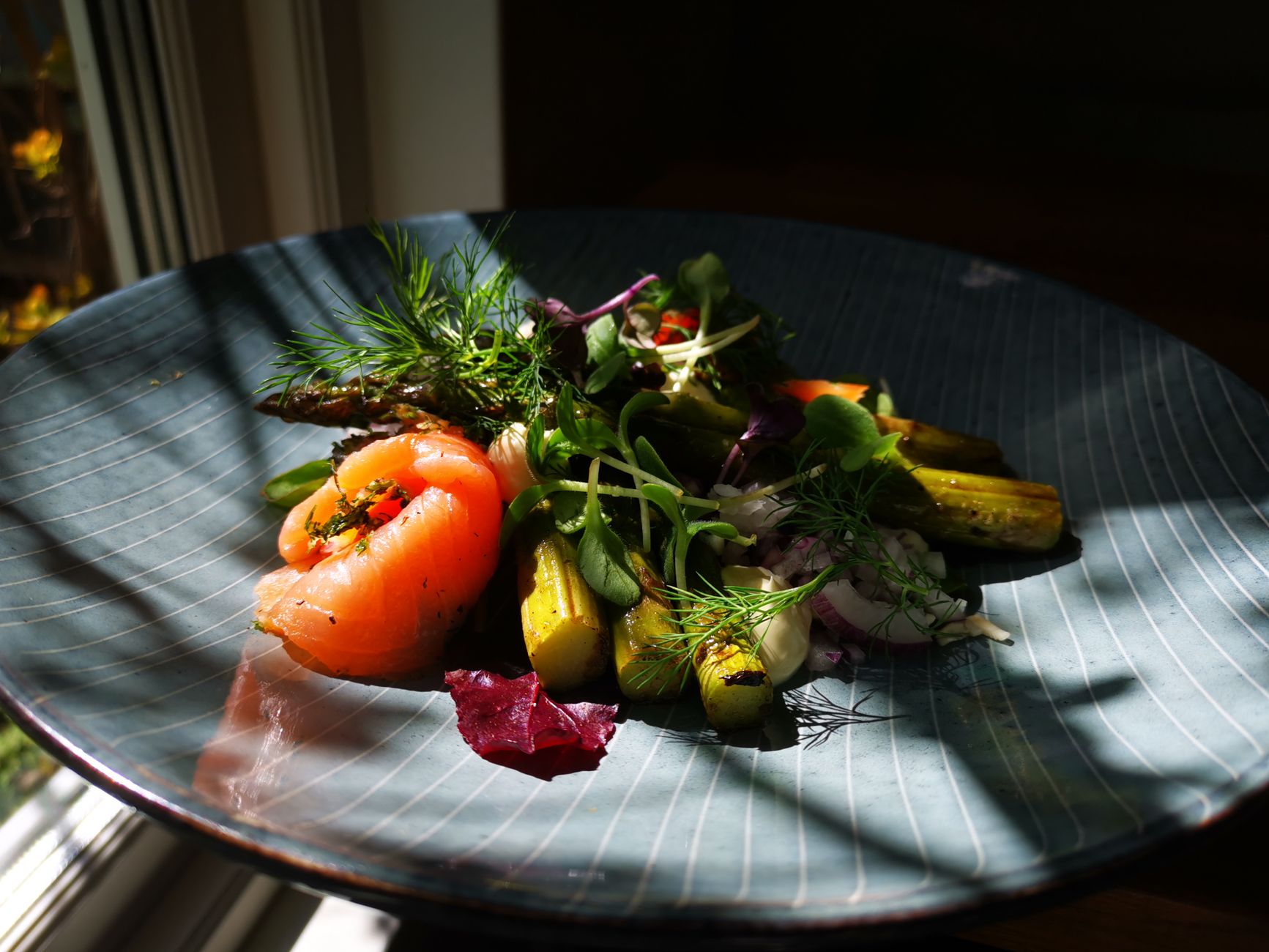
**When to see a specialist:** If you’re struggling to manage gestational diabetes alongside rosacea, work with a dietitian who specializes in both conditions to create a personalized plan.
---
Best Anti-Inflammatory Foods for Rosacea-Prone Skin in Early Pregnancy
Anti-inflammatory foods are your best friends when managing rosacea during pregnancy. These nutrients help calm skin irritation and support overall health:
- Omega-3s: Found in fatty fish like salmon, sardines, and mackerel, as well as flaxseeds and walnuts. These reduce inflammation and support skin barrier function.
- Leafy greens: Spinach, kale, and Swiss chard are packed with antioxidants and vitamin C, which help repair skin damage.
- Berries: Blueberries, strawberries, and raspberries are rich in antioxidants that combat oxidative stress.
- Turmeric and ginger: These spices have anti-inflammatory properties and can be added to meals or teas.
- Bone broth (if tolerated): Rich in collagen and amino acids, which support skin elasticity and repair.
**Representative story:** “I started drinking turmeric golden milk every night, and my rosacea flare-ups have significantly decreased,” says Priya, a mom of one. “It’s a simple way to add anti-inflammatory power to your routine.”
**Pro tip:** Pair omega-3-rich foods with vitamin E (found in almonds or sunflower seeds) to enhance absorption.
---
Does a Rosacea Diet Help with Pregnancy Acne Beyond the First Trimester?
While pregnancy acne often improves after the first trimester, some women continue to struggle with breakouts or rosacea-like symptoms. A rosacea diet can still help by reducing inflammation and avoiding trigger foods. Here’s how:
- Avoid dairy: Many women with acne or rosacea report improvements when they eliminate dairy.
- Limit sugar and processed foods: These can spike insulin levels, worsening acne and inflammation.
- Increase zinc-rich foods: Pumpkin seeds, lentils, and oysters (if you’re not vegetarian) support skin healing.
- Stay hydrated: Drinking enough water helps flush out toxins and keeps skin hydrated.
**Comparison table: Foods to enjoy vs. limit for pregnancy acne and rosacea
**Image placeholder:** 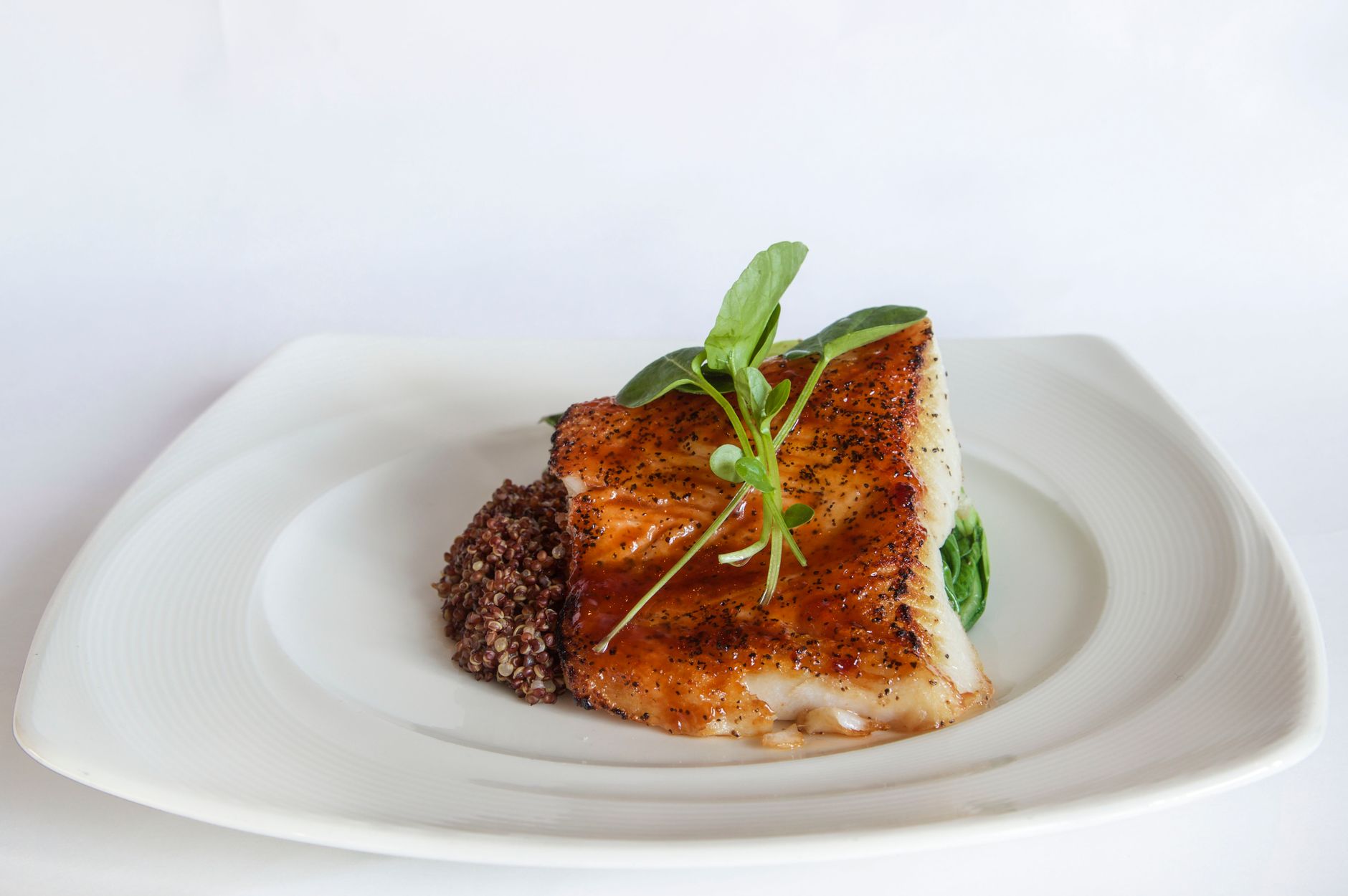
**When to see a specialist:** If your acne or rosacea persists beyond the second trimester, consult a dermatologist to rule out perioral dermatitis or other conditions.
---
Sample Rosacea Diet Meal Plan 7 Day for Low-Histamine Sensitive Skin
Here’s your 7-day rosacea-friendly meal plan, designed to be low in histamine while still meeting your nutritional needs. Each day includes breakfast, lunch, dinner, and snacks—all tailored to support your skin and baby.
Day 1
- Breakfast: Scrambled eggs with spinach and avocado on whole-grain toast
- Snack: Fresh pear slices with almond butter
- Lunch: Grilled chicken salad with mixed greens, cucumber, olive oil, and lemon
- Snack: Steamed carrots with hummus
- Dinner: Baked cod with roasted Brussels sprouts and mashed cauliflower
Day 2
- Breakfast: Chia pudding with coconut milk and blueberries
- Snack: Rice cakes with sunflower seed butter
- Lunch: Turkey and avocado wrap in a low-histamine tortilla with lettuce
- Snack: Sliced watermelon
- Dinner: Lentil soup with a side of quinoa and steamed green beans
Day 3
- Breakfast: Smoothie with spinach, banana, flaxseeds, and almond milk
- Snack: Roasted pumpkin seeds
- Lunch: Grilled shrimp with zucchini noodles and pesto (made with basil and olive oil)
- Snack: Cucumber and avocado slices
- Dinner: Baked chicken with roasted sweet potatoes and sautéed kale
Day 4
- Breakfast: Oatmeal with almond butter, cinnamon, and sliced strawberries
- Snack: Fresh celery sticks with guacamole
- Lunch: Quinoa bowl with black beans, corn, avocado, and lime dressing
- Snack: Herbal tea with a handful of walnuts
- Dinner: Grilled salmon with roasted asparagus and wild rice
Day 5
- Breakfast: Scrambled tofu with turmeric, spinach, and whole-grain toast
- Snack: Sliced apple with almond butter
- Lunch: Stuffed bell peppers with ground turkey, quinoa, and tomatoes (if tolerated)
- Snack: Steamed edamame with sea salt
- Dinner: Baked chicken with roasted carrots and mashed sweet potatoes
Day 6
- Breakfast: Smoothie bowl with frozen mango, spinach, and coconut yogurt
- Snack: Rice crackers with sunflower seed butter
- Lunch: Grilled chicken Caesar salad (made with romaine, olive oil, and parmesan-free dressing)
- Snack: Fresh pineapple chunks
- Dinner: Turkey meatballs with zucchini noodles and marinara (low-histamine)
Day 7
- Breakfast: Buckwheat pancakes with maple syrup and fresh berries
- Snack: Roasted chickpeas with paprika
- Lunch: Sardine salad with mixed greens, cucumber, and olive oil
- Snack: Fresh pear with a sprinkle of cinnamon
- Dinner: Baked cod with roasted zucchini and quinoa
---
How to Balance a Rosacea Diet with Increased Nutritional Needs in Pregnancy
Pregnancy increases your need for nutrients like folate, iron, calcium, and omega-3s. Here’s how to meet those needs while staying rosacea-friendly:
- Folate: Found in leafy greens, lentils, and fortified grains. Aim for 600–800 mcg daily.
- Iron: Spinach, pumpkin seeds, and lean meats help prevent anemia. Pair with vitamin C (like lemon or bell peppers) to enhance absorption.
- Calcium: Fortified plant-based milk, almonds, and tahini support bone health.
- Omega-3s: Fatty fish (if tolerated), flaxseeds, and walnuts reduce inflammation.
- Probiotics (carefully): While probiotics can help gut health, some strains may worsen histamine intolerance. Opt for low-histamine fermented foods like coconut yogurt or sauerkraut (if tolerated).
**Image placeholder:** 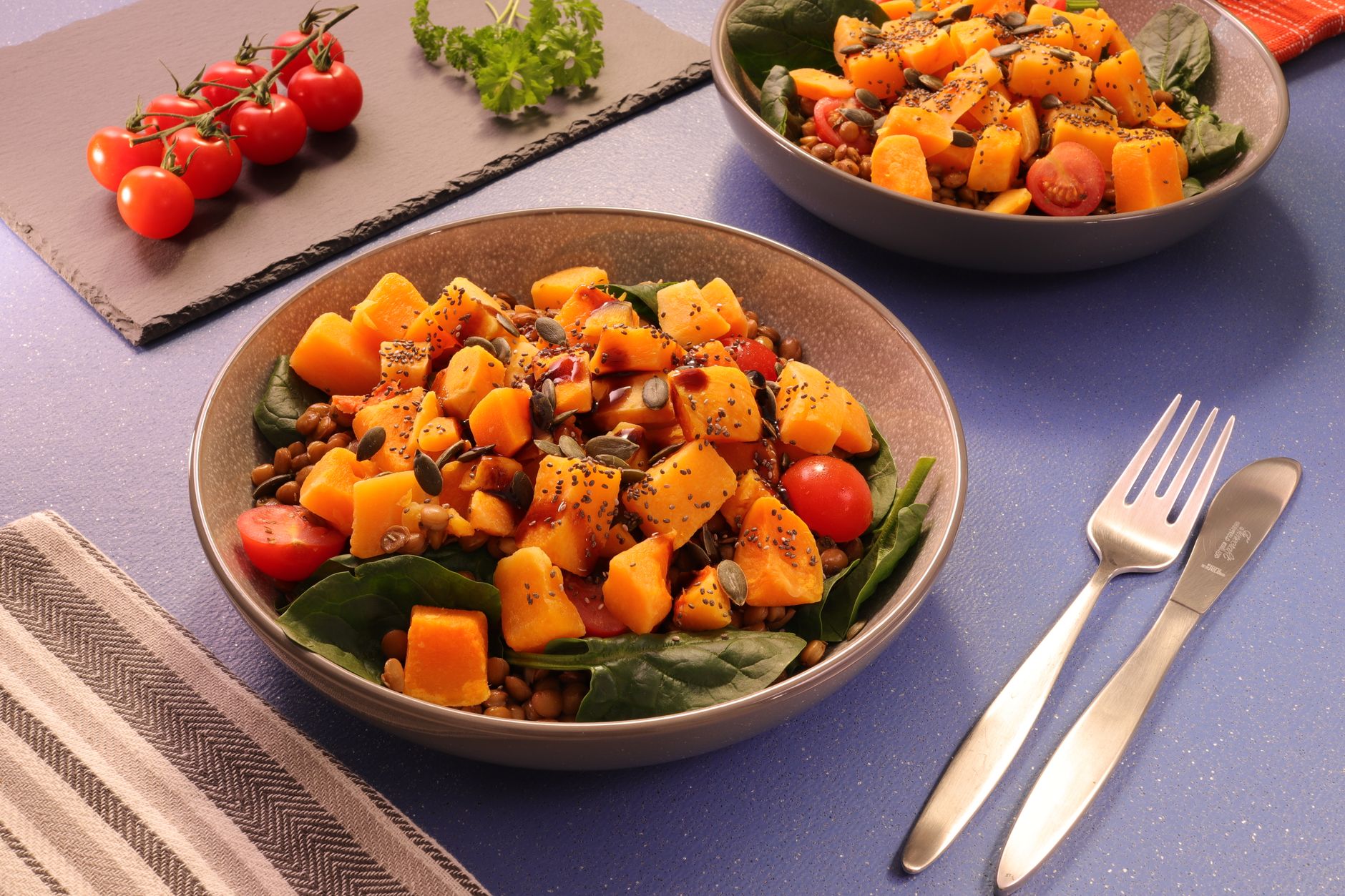
**Pro tip:** If you’re struggling to get enough nutrients, consider a prenatal vitamin that aligns with your rosacea diet (e.g., one without artificial dyes or high-histamine additives).
---
Can Probiotics Worsen Rosacea Symptoms While Breastfeeding?
Probiotics can be beneficial for gut health, but some women with rosacea or histamine intolerance report worsened symptoms after consuming them. If you’re breastfeeding and concerned about probiotics:
- Choose low-histamine strains: Look for probiotics with Lactobacillus acidophilus or Bifidobacterium bifidum, which are less likely to trigger histamine reactions.
- Start slow: Introduce probiotics gradually to monitor your body’s response.
- Avoid fermented foods if sensitive: If sauerkraut or kimchi worsen your rosacea, skip them and opt for non-fermented probiotic sources like coconut yogurt.
- Monitor baby’s reaction: If you’re breastfeeding, pay attention to any changes in your baby’s skin or digestion.
**Representative story:** “I switched from a high-histamine probiotic to a low-histamine supplement, and my rosacea flare-ups decreased significantly,” says Priya. “It was a game-changer for my skin—and my baby’s too!”
---
How to Meal Prep a Rosacea Diet for a Busy Mom-to-Be
Meal prepping is your best friend when managing rosacea during pregnancy, especially as your energy levels fluctuate. Here’s how to stay ahead:
- Batch-cook proteins: Grill or bake chicken, turkey, or fish for the week. Store in airtight containers for up to 4 days.
- Pre-cut veggies: Wash and chop veggies like bell peppers, cucumbers, and carrots for easy snacking.
- Make freezer-friendly meals: Soups, stews, and casseroles freeze well and can be reheated quickly.
- Pre-portion snacks: Divide nuts, seeds, or roasted chickpeas into small bags for grab-and-go options.
- Use meal delivery services: If cooking feels overwhelming, services like HelloFresh or Freshly offer rosacea-friendly meal options.
**Image placeholder:** 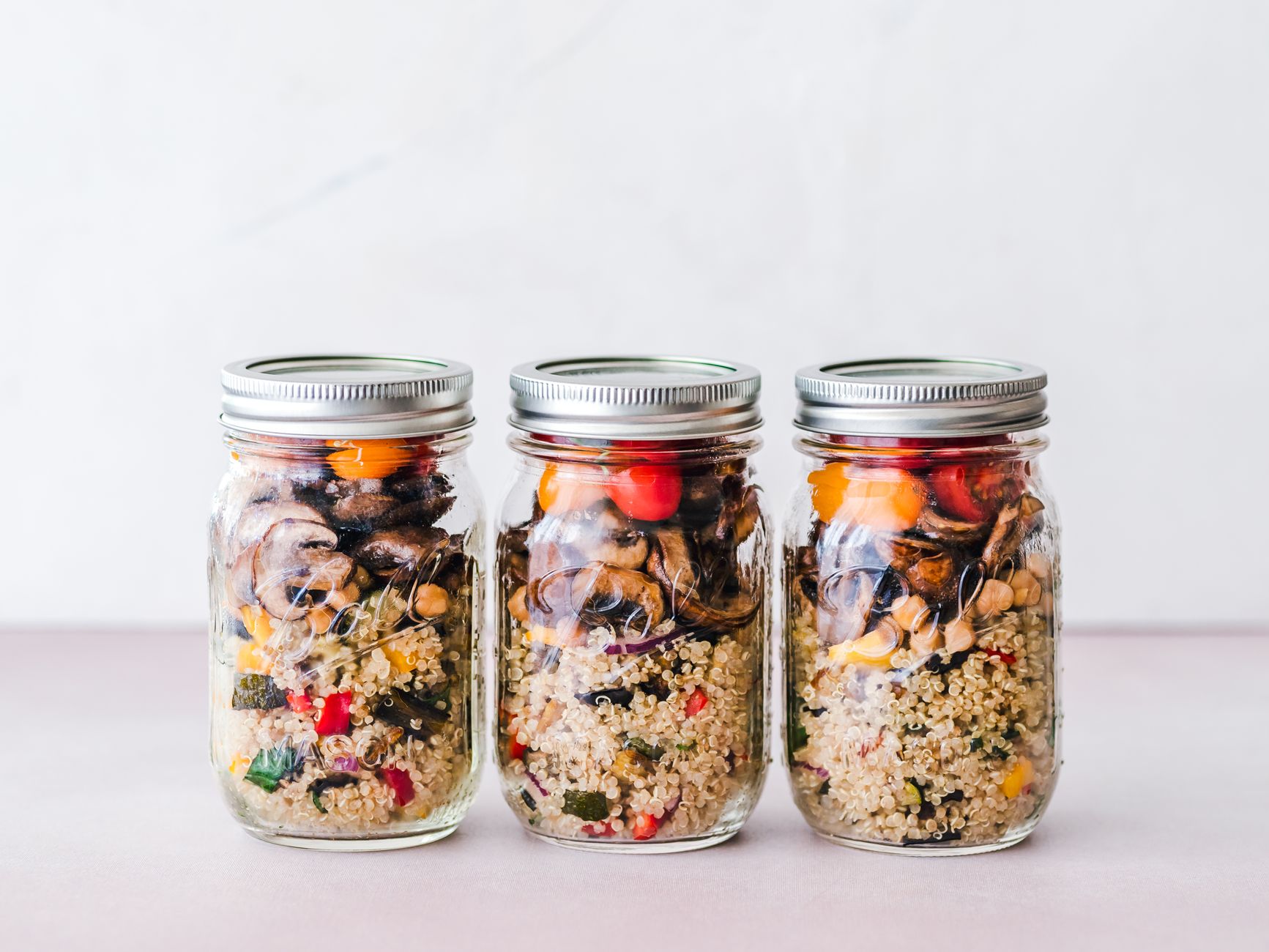
**Pro tip:** Dedicate one day a week to meal prep—Sunday works well. Keep a list of easy, repeatable recipes to simplify the process.
---
Rosacea Diet Meal Plan 7 Day for Women with IBS and Rosacea
If you’re managing both IBS and rosacea, your diet will need to address both conditions. Focus on:
- Low-FODMAP foods: Avoid high-FODMAP triggers like onions, garlic, and apples. Opt for low-FODMAP alternatives like carrots, cucumbers, and blueberries.
- Gentle proteins: Choose easily digestible proteins like chicken, turkey, or tofu.
- Avoid high-histamine foods: Stick to fresh, low-histamine ingredients like salmon, spinach, and zucchini.
- Small, frequent meals: Eat every 3–4 hours to avoid bloating and discomfort.
**Sample IBS-friendly rosacea meal plan for one day:
- Breakfast: Scrambled eggs with sautéed spinach and a slice of whole-grain toast
- Snack: Fresh pear slices with almond butter
- Lunch: Grilled chicken with quinoa and steamed carrots
- Snack: Rice cakes with sunflower seed butter
- Dinner: Baked cod with roasted zucchini and mashed cauliflower
**When to see a specialist:** If your IBS or rosacea symptoms persist or worsen, consult a gastroenterologist or dietitian to create a personalized plan.
---
Common Mistakes to Avoid When Following a Rosacea Diet While Pregnant
While a rosacea diet can be incredibly helpful, there are a few pitfalls to avoid:
- Over-restricting: Cutting out too many foods can lead to nutrient deficiencies or cravings that trigger binges. Focus on adding anti-inflammatory foods rather than eliminating.
- Sudden dietary changes: Abruptly removing trigger foods can cause histamine release, worsening symptoms. Make gradual changes over 1–2 weeks.
- Ignoring hydration: Dehydration can exacerbate rosacea and IBS symptoms. Aim for at least 8 cups of water daily.
- Skipping meals: Low blood sugar can trigger inflammation and cravings. Eat balanced meals every 3–4 hours.
- Not tracking triggers: Without a food diary, it’s hard to identify personal sensitivities. Keep a log for a few weeks to spot patterns.
**Representative story:** “I tried eliminating everything at once, and my rosacea got worse,” says Emily. “Now I focus on adding more greens and healthy fats instead of cutting out foods.”
---
Gentle Skincare Routines That Complement a Rosacea Diet
While diet is key, your skincare routine can also help manage rosacea during pregnancy. Avoid harsh ingredients like alcohol, fragrance, or exfoliants. Instead:
- Cleanser: Use a gentle, fragrance-free cleanser like CeraVe Hydrating Cleanser.
- Moisturizer: Apply a lightweight, non-comedogenic moisturizer with ceramides or hyaluronic acid.
- Sunscreen: Wear a mineral-based sunscreen (like zinc oxide) daily to protect against UV-induced redness.
- Avoid: Retinoids, alpha-hydroxy acids (AHAs), and physical exfoliants.
**Image placeholder:** 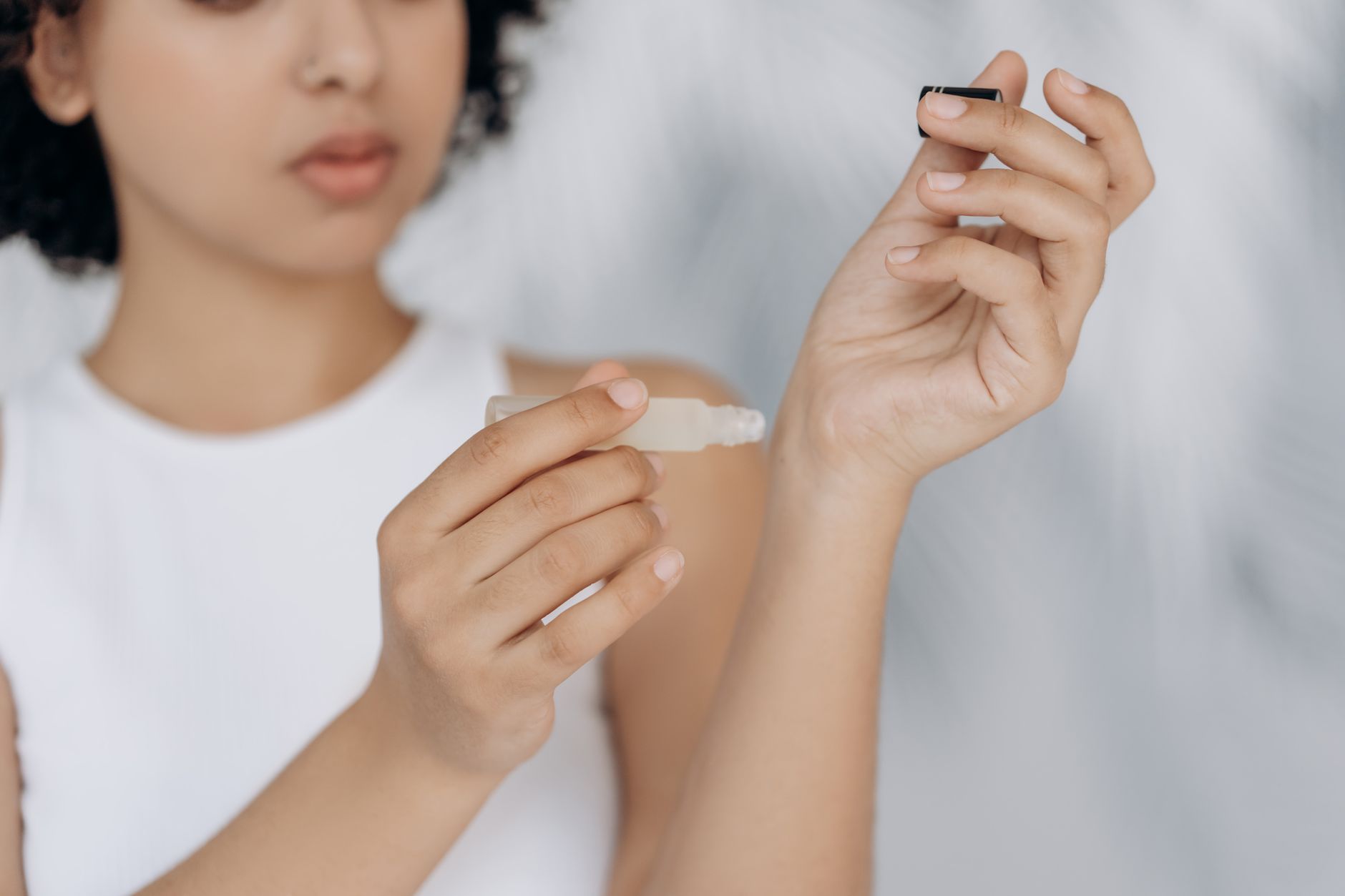
**Pro tip:** If you’re using new skincare products, patch-test them on your inner arm first to check for reactions.
---
How to Handle Cravings While Staying True to a Rosacea-Friendly Diet
Cravings are normal during pregnancy, but they don’t have to derail your rosacea diet. Here’s how to satisfy them without triggering flare-ups:
- Swap processed snacks: Instead of chips, try roasted seaweed snacks or rice crackers.
- Opt for healthier versions of cravings: If you crave pizza, make a whole-wheat crust with tomato-free sauce and veggie toppings.
- Incorporate dark chocolate (85% or higher): A small square satisfies sweet cravings without sugar spikes.
- Stay hydrated: Sometimes thirst is mistaken for cravings. Drink a glass of water before reaching for a snack.
- Listen to your body: If you truly need a trigger food, enjoy it mindfully and in moderation.
**Representative story:** “I used to crave pickles constantly, but I swapped them for cucumber slices with a sprinkle of sea salt,” says Sarah. “It’s a rosacea-friendly way to get that salty fix!”
---
Myth vs. Fact: Rosacea Diet During Pregnancy
Let’s clear up some common misconceptions about managing rosacea with diet during pregnancy.
Myth: You have to eliminate all dairy to manage rosacea.
Fact: Many women with rosacea tolerate dairy just fine. If you suspect dairy is a trigger, try eliminating it for 2–3 weeks and monitor your symptoms. If you’re dairy-intolerant, opt for fortified plant-based alternatives like almond or oat milk.
Myth: A rosacea diet will automatically cure pregnancy acne.
Fact: While diet can help manage symptoms, pregnancy acne is often caused by hormonal changes. A rosacea diet reduces inflammation and triggers, but it won’t cure hormonal acne on its own.
Myth: You can’t enjoy any fermented foods if you have rosacea.
Fact: Some fermented foods (like coconut yogurt or fresh sauerkraut) are low in histamine and may be tolerated. Others (like aged cheeses or soy sauce) can trigger flare-ups. Listen to your body and adjust accordingly.
---
Key Takeaways
- A rosacea diet focuses on anti-inflammatory, low-histamine foods like leafy greens, omega-3s, and fermented options (if tolerated).
- Pregnancy hormones can worsen rosacea, but diet and gentle skincare can help manage symptoms.
- Meal prepping and gradual dietary changes make it easier to stick with the plan without triggering cravings.
- If you have gestational diabetes or IBS, adjust your rosacea diet to include low-glycemic and low-FODMAP foods.
- Always consult your provider before making major dietary changes during pregnancy.
- Gentle skincare and hydration are just as important as diet for managing rosacea.
---
Frequently Asked Questions
Is it safe to follow a rosacea diet while pregnant?
Yes, but always check with your provider before making major dietary changes. A rosacea diet focuses on whole, nutrient-dense foods and avoids known triggers like high-histamine items and processed sugars. If you’re managing gestational diabetes or IBS, your provider can help tailor the plan to your needs.
What are the worst foods for rosacea that pregnant women should avoid?
The worst offenders include high-histamine foods like aged cheeses, cured meats, fermented foods, and alcohol. Processed foods, sugary snacks, and spicy dishes can also trigger flare-ups. Dairy is another common trigger, but reactions vary—some women tolerate it fine. Keep a food diary to identify your personal sensitivities.
A rosacea diet won’t cure melasma, but it can help manage inflammation and reduce other skin sensitivities. Foods rich in antioxidants (like berries and leafy greens) and omega-3s (like salmon) support skin health. For melasma, focus on sun protection and gentle skincare—avoiding triggers like citrus or exfoliants can also help prevent irritation.
How do I know if my rosacea is getting worse during pregnancy?
Watch for increased redness, visible blood vessels, stinging or burning sensations, or dryness. If your symptoms feel severe or if you notice swelling or persistent pain, consult your provider. Hormonal changes can make rosacea more noticeable, but if it feels different from your usual pattern, it’s worth checking in.
Are there any supplements that can help manage rosacea symptoms while pregnant?
Some women find relief with omega-3 supplements (like fish oil) or probiotics (if low-histamine). However, always ask your provider before starting any supplement, especially during pregnancy. Vitamin D and zinc may also support skin health, but stick to the dose recommended by your provider.
What are some easy rosacea-friendly recipes for a first-time mom?
Start with simple, nutrient-dense meals like:
- Scrambled eggs with spinach and avocado toast
- Grilled chicken salad with cucumber, olive oil, and lemon
- Lentil soup with quinoa and steamed veggies
- Baked salmon with roasted sweet potatoes
- Chia pudding with coconut milk and berries
These recipes are easy to prep ahead and avoid common triggers. For more ideas, check out our 7-Day AIP Meal Plan for inspiration!
---
When to See a Doctor or Specialist
If your rosacea symptoms feel severe or if you notice any of the following, contact your provider:
- Persistent redness or swelling that doesn’t improve with diet and skincare
- Visible blood vessels that feel tender or painful
- Pustules, cysts, or other acne-like breakouts that don’t match typical rosacea
- Signs of infection like pus or excessive pain
- New symptoms like vision changes or facial numbness (which could indicate another condition)
If you’re managing gestational diabetes or IBS alongside rosacea, work with a dietitian to create a plan that supports all three conditions.
---
References
- American Academy of Dermatology. (2023). *Rosacea: Diagnosis and Treatment*. https://www.aad.org
- National Institute of Health. (2022). *Nutrition During Pregnancy*. https://www.nih.gov
- Mayo Clinic. (2023). *Rosacea: Symptoms and Causes*. https://www.mayoclinic.org
- American College of Obstetricians and Gynecologists. (2023).




