

Quick take: An adenomyosis diet focuses on anti-inflammatory foods like fatty fish, leafy greens, and turmeric while avoiding processed foods, alcohol, and gluten—if sensitive. Start with a 7-day meal plan packed with omega-3s, fiber, and hormone-balancing nutrients to ease pain and inflammation. Always check with your doctor before making drastic changes, especially if you have other conditions like endometriosis.7-Day Adenomyosis Diet Meal Plan 2026: The Complete Guide to Easing Pain & Inflammation

You’re lying on the floor of your bathroom at 3 AM, clutching your stomach, wondering if this is how every night will feel for the next decade. Adenomyosis pain isn’t just cramps—it’s a relentless, deep ache that makes even the thought of your next period feel like a sentence. You’ve Googled everything: "Why does my uterus hurt so much?" "Is there a diet that can help?" "Why does my mom’s pain feel different?" And now, here you are, staring at your fridge, wondering if the kale you bought last week will actually make a difference.
Here’s the truth: while there’s no cure for adenomyosis, your diet can be a powerful tool to reduce inflammation, ease pain, and even balance hormones naturally. The right foods can help shrink the uterine lining that’s causing your symptoms, while the wrong ones might be fueling the fire. But what does that look like in real life? Not another vague "eat more veggies" suggestion—this is a 7-day meal plan designed specifically for adenomyosis, packed with foods that target inflammation, cramps, and fatigue. And no, it’s not another restrictive fad diet. We’re talking whole, nourishing foods that actually work.
This guide covers everything from the best anti-inflammatory foods to avoid to how to transition into this diet without feeling deprived. You’ll get a step-by-step 7-day meal plan, tips for meal prepping, and even a breakdown of supplements that can support your diet. And because we know you’re tired of conflicting advice, we’ll separate myth from fact and tell you exactly when to consult your doctor before making changes.
Let’s get started.
--- ## **What Foods to Avoid with Adenomyosis Pain and Inflammation**You’ve probably noticed that certain foods make your adenomyosis symptoms worse—maybe it’s dairy, gluten, or that bag of chips you ate last night. But what are the actual triggers, and how do you know which ones to cut back on? The answer isn’t one-size-fits-all, but research suggests that processed foods, alcohol, and foods high in omega-6 fatty acids (like vegetable oils) can worsen inflammation in adenomyosis. Meanwhile, foods that spike blood sugar or disrupt hormones—like refined carbs and sugary snacks—can also make cramps feel worse.
Here’s a quick list of foods to limit or avoid, based on current evidence:
- **Processed foods** (chips, fast food, deli meats) – High in inflammatory omega-6 fats and additives. - **Alcohol** – Can increase estrogen levels and worsen cramping. - **Gluten** (if sensitive) – Some women with adenomyosis report flare-ups when eating gluten, though this isn’t universal. - **Dairy** (if intolerant) – Casein and whey may contribute to inflammation in some women. - **Soy** (in large amounts) – Phytoestrogens can affect hormone balance, though fermented soy (like tempeh) is generally better tolerated. - **Refined sugars and carbs** (white bread, pastries, soda) – Can spike insulin and worsen inflammation. - **Trans fats** (fried foods, margarine) – Linked to increased inflammation.**Representative story:** One reader, Sarah, told us, “I thought my adenomyosis was just bad luck until I tracked my food. After cutting out dairy and gluten for a month, my cramps dropped from a 9/10 to a 4/10. It wasn’t a miracle, but it was life-changing.” Not every woman will react the same way, but paying attention to your body’s cues is key.
**Pro tip:** Keep a symptom journal for a week, noting what you eat and how your pain responds. You might spot patterns—like how your cramps always worsen after a night of wine or a slice of pizza.
--- ## **Best Anti-Inflammatory Foods for Adenomyosis Symptoms Relief**Now that we’ve covered what to avoid, let’s talk about the foods that can actually help. These aren’t just “healthy” foods—they’re specifically chosen to target the inflammation and hormonal imbalances linked to adenomyosis.
The best anti-inflammatory foods for adenomyosis include:
- **Fatty fish** (salmon, mackerel, sardines) – Rich in omega-3s, which reduce inflammation. - **Leafy greens** (spinach, kale, Swiss chard) – Packed with magnesium and folate, which help regulate hormones. - **Berries** (blueberries, strawberries, raspberries) – High in antioxidants that fight inflammation. - **Turmeric and ginger** – Both have potent anti-inflammatory properties. - **Flaxseeds and chia seeds** – Great sources of lignans, which may help balance estrogen. - **Nuts and seeds** (almonds, walnuts, pumpkin seeds) – Provide healthy fats and vitamin E. - **Colorful vegetables** (bell peppers, carrots, beets) – Rich in beta-carotene and other antioxidants. - **Bone broth** – Supports gut health, which is linked to hormonal balance.**Why it matters:** A study published in the Journal of Women’s Health found that women with endometriosis (a condition often linked to adenomyosis) who followed a Mediterranean-style diet rich in these foods reported significantly less pain. While adenomyosis and endometriosis aren’t the same, the principles are similar.
**Image placeholder:** 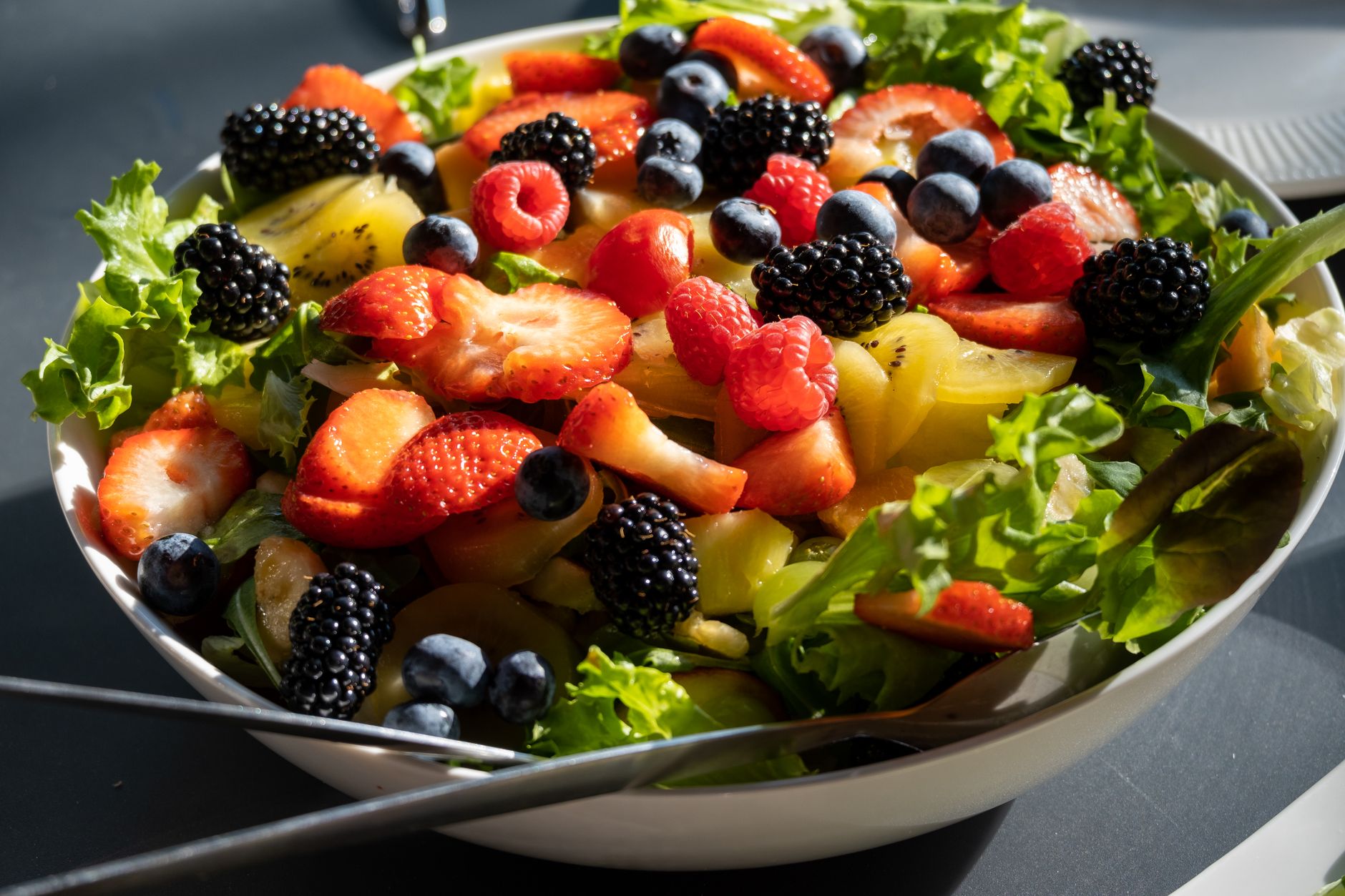
If you’ve ever heard that gluten-free diets can help with hormonal conditions, you’re not imagining it. Some women with adenomyosis (and especially endometriosis) report relief when they cut out gluten, but it’s not a universal fix. So how does gluten actually affect these conditions?
The connection isn’t fully understood, but theories include:
- **Leaky gut theory:** Gluten may contribute to gut permeability, which could allow inflammatory compounds to enter the bloodstream and worsen adenomyosis symptoms. - **Estrogen metabolism:** Some research suggests gluten could affect how your liver processes estrogen, leading to higher levels of estrogen metabolites that promote inflammation. - **Individual sensitivity:** Many women with autoimmune conditions or IBS report gluten triggers flare-ups, and adenomyosis is often linked to inflammation.**What does the science say?** A small study in Reproductive Sciences found that women with endometriosis who followed a gluten-free diet for 6 months saw improvements in pain and inflammation markers. However, gluten-free diets aren’t a cure—they’re a tool to see if gluten is a personal trigger.
**How to test it:** Try eliminating gluten for 3–4 weeks and see if your symptoms improve. If they do, you can reintroduce it to see if the pain returns. If gluten isn’t the issue, don’t stress—there are plenty of other ways to reduce inflammation.
**Related read:** If you’re curious about elimination diets, check out our 7-Day AIP Elimination Diet Meal Plan for more structured guidance.
--- ## **Can Omega-3 Fatty Acids Reduce Adenomyosis-Related Cramps?**If you’ve ever felt like your cramps are so bad they make you question your life choices, you’re not alone. But what if there was a simple, science-backed way to ease them? Omega-3 fatty acids—found in fatty fish, flaxseeds, and walnuts—are one of the most well-researched tools for reducing inflammation, and they might just be your new best friend.
**How omega-3s work:** These healthy fats help lower levels of inflammatory markers like prostaglandins, which are often elevated in adenomyosis. A study in Human Reproduction found that women with endometriosis who took omega-3 supplements had significantly less pain during their cycles. While adenomyosis isn’t the same, the mechanisms are similar.
**Best sources of omega-3s for adenomyosis relief:**
| Food | Serving Size | Omega-3s (per serving) | Notes | |---------------------|--------------------|------------------------|----------------------------------------| | Wild-caught salmon | 3 oz (85g) | 2,200 mg | Best choice; avoid farmed if possible | | Mackerel | 3 oz (85g) | 4,100 mg | Highest omega-3 content | | Flaxseeds | 1 tbsp (10g) | 2,300 mg | Grind them for better absorption | | Walnuts | ¼ cup (30g) | 2,500 mg | Great for snacks | | Chia seeds | 1 oz (28g) | 5,000 mg | Soak in water for easier digestion |**Pro tip:** If you’re not a fan of fish, consider a high-quality omega-3 supplement (look for DHA and EPA, not just fish oil). But always check with your doctor first, especially if you’re on blood thinners.
--- ## **Does a Low-Dairy Diet Help Manage Adenomyosis Symptoms?**Dairy is a hot topic in women’s health, and for good reason. Some women with adenomyosis report that cutting back on dairy—especially cow’s milk—reduces their cramps and inflammation. But is there real science behind this, or is it just anecdotal?
**The connection:** Dairy contains hormones (like IGF-1) and inflammatory compounds that could potentially worsen adenomyosis symptoms. Additionally, if you’re lactose intolerant, dairy can cause gut inflammation, which may indirectly affect your uterus.
**What does the research say?** A small study in Fertility and Sterility found that women with endometriosis who reduced dairy had less pelvic pain. While adenomyosis isn’t the same, the principles are similar. If dairy is a trigger for you, it’s worth testing.
**Dairy alternatives to try:**
- **Almond milk** (unsweetened) – Low in hormones, easy to digest. - **Coconut yogurt** – Fermented, so it’s gentler on the gut. - **Goat’s milk cheese** (if tolerated) – Easier to digest than cow’s milk for some people. - **Fortified soy milk** (organic, non-GMO) – Contains phytoestrogens, which may help balance hormones.**How to test it:** Try eliminating dairy for 2–3 weeks and see if your symptoms improve. If they do, you can reintroduce it to see if the pain returns.
--- ## **Sample Adenomyosis-Friendly Meal Plan for Heavy Menstrual Bleeding**You’ve heard the theory—now let’s put it into practice. Below is a **7-day adenomyosis-friendly meal plan** designed to reduce inflammation, balance hormones, and ease pain. Each day includes breakfast, lunch, dinner, and snacks, with a focus on anti-inflammatory foods and easy digestion.
**Key principles of this plan:**
- High in omega-3s, fiber, and antioxidants. - Low in processed foods, sugar, and alcohol. - Includes gut-friendly foods like bone broth and fermented foods. - Easy to meal prep for consistency.**Image placeholder:** 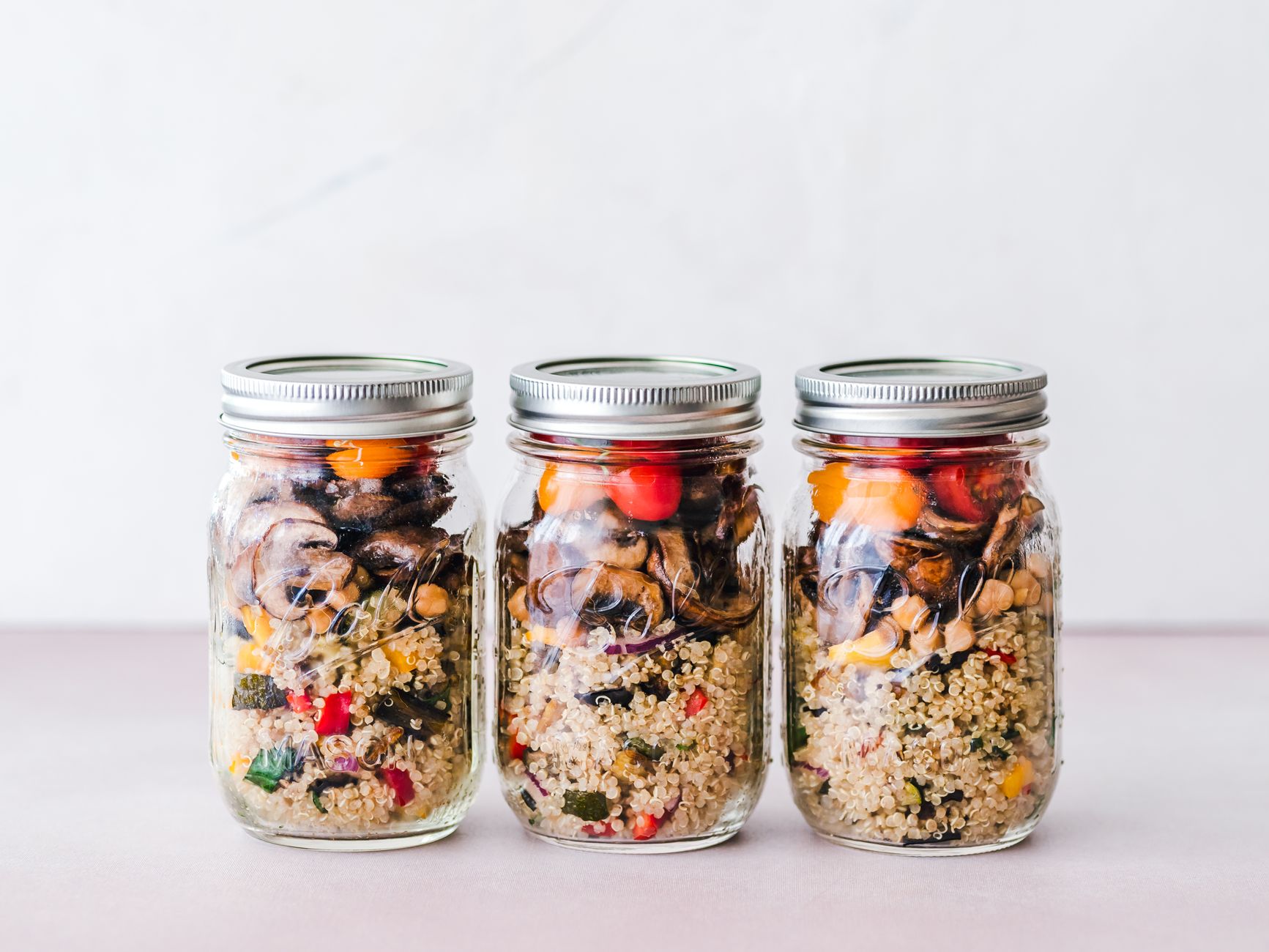
Hormonal imbalances are at the heart of adenomyosis, so diet isn’t just about inflammation—it’s also about supporting your body’s natural rhythm. Here’s how to use food to balance estrogen, progesterone, and cortisol (the stress hormone that can worsen cramps).
**Key dietary strategies:**
- **Support liver detox:** Cruciferous vegetables (broccoli, Brussels sprouts, kale) help metabolize excess estrogen. - **Eat lignan-rich foods:** Flaxseeds, sesame seeds, and soy (in moderation) help balance estrogen. - **Prioritize magnesium:** Dark leafy greens, nuts, and seeds help regulate progesterone. - **Reduce caffeine and alcohol:** Both can disrupt cortisol and estrogen balance. - **Include healthy fats:** Avocados, olive oil, and nuts support hormone production.**Supplements to consider (talk to your doctor first):**
| Supplement | Typical Dose | Best Time to Take | Notes | |---------------------|--------------------|-------------------------|----------------------------------------| | Magnesium glycinate | 200–400 mg | Before bed | Helps with muscle cramps and sleep | | Vitamin D3 | 1,000–2,000 IU | Morning or with lunch | Supports immune and hormonal health | | Omega-3 (DHA/EPA) | 1,000–2,000 mg | With a fatty meal | Reduces inflammation | | Probiotics | 10–50 billion CFU | Morning or evening | Supports gut and hormonal balance | --- ## **Does a Mediterranean Diet Improve Adenomyosis Symptoms?**If you’ve heard of the Mediterranean diet, you’ve probably heard it’s one of the healthiest ways to eat. But does it specifically help with adenomyosis? The short answer is yes, based on current research.
A Mediterranean diet is rich in:
- Fatty fish (omega-3s) - Olive oil (anti-inflammatory) - Leafy greens (fiber and magnesium) - Nuts and seeds (healthy fats) - Legumes (fiber and plant protein)A study in Human Reproduction found that women with endometriosis who followed a Mediterranean diet had lower levels of inflammatory markers and less pain. While adenomyosis isn’t the same, the principles are similar—this diet is designed to reduce chronic inflammation, which is a key driver of adenomyosis symptoms.
**How to start:** Swap processed foods for whole, plant-based meals. Cook with olive oil instead of vegetable oil, and include fatty fish at least twice a week. If you’re not sure where to begin, our 7-Day GAPS Diet Meal Plan (which shares some principles) can be a helpful starting point.
--- ## **Best Meal Plan for Adenomyosis with Endometriosis Symptoms**If you have both adenomyosis and endometriosis, you’re dealing with a double whammy of inflammation and hormonal chaos. The good news? Many of the same dietary strategies work for both conditions. Here’s how to tailor your diet for maximum relief.
**Key overlaps:**
- Avoid processed foods and refined sugars. - Focus on omega-3s, fiber, and antioxidants. - Test for food sensitivities (gluten, dairy, soy). - Include gut-healing foods like bone broth and fermented foods.**Sample adjustments for endometriosis:**
- Add more turmeric and ginger to meals (both have potent anti-inflammatory effects). - Include more cruciferous vegetables (like broccoli and Brussels sprouts) to support estrogen metabolism. - Consider a low-glycemic diet to reduce estrogen spikes.**Image placeholder:** 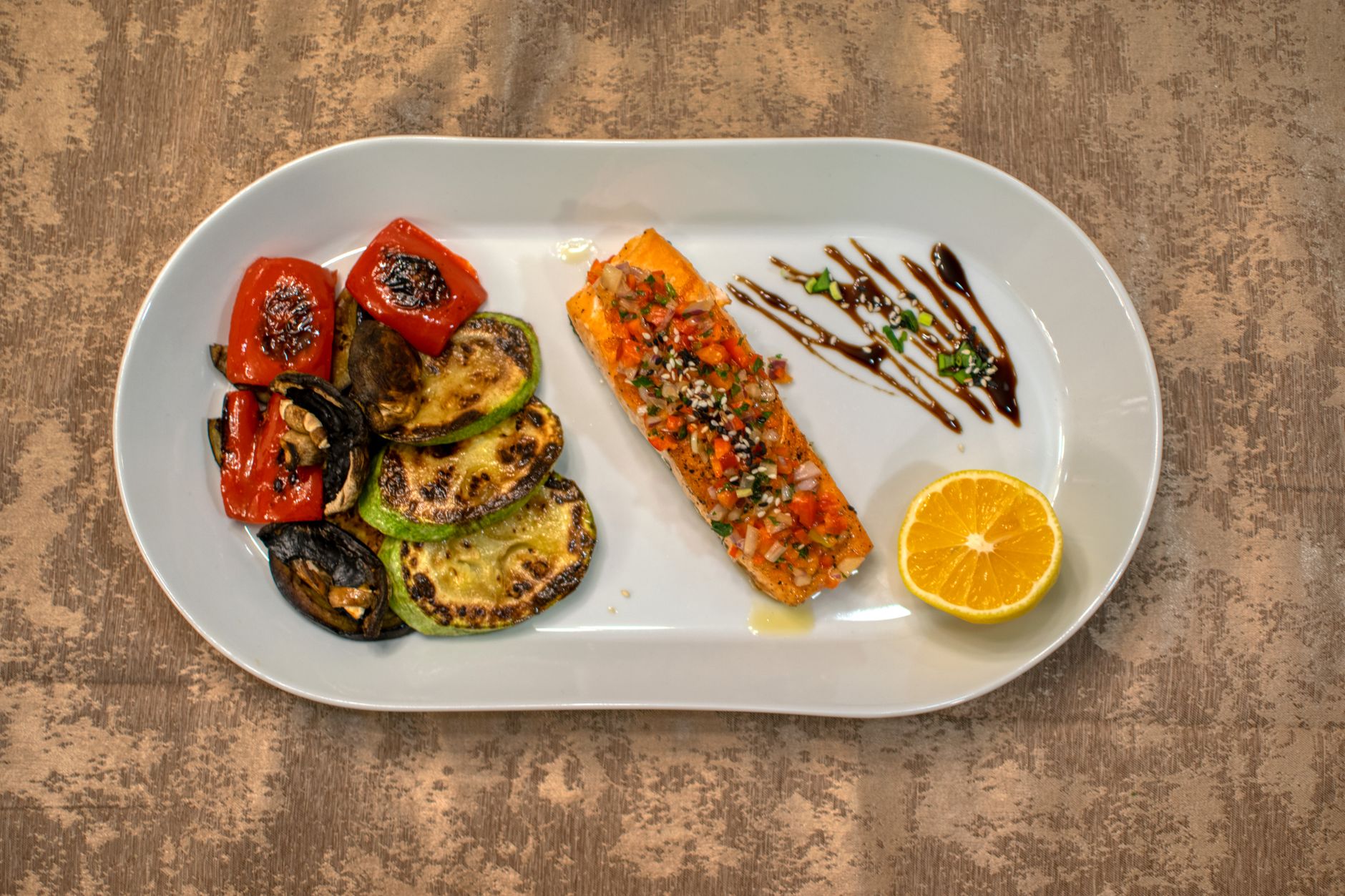
You might be wondering: How quickly can I expect to see results? The answer depends on your body, but most women notice some improvement within 2–4 weeks of consistent dietary changes. Here’s what to expect:
- **First 1–2 weeks:** Reduced bloating and digestive discomfort. - **3–4 weeks:** Less severe cramps and fatigue. - **6+ weeks:** Noticeable improvements in inflammation and overall energy.**How to stay consistent:**
- **Meal prep:** Cook in bulk on Sundays to avoid last-minute unhealthy choices. - **Keep anti-inflammatory snacks handy:** Nuts, berries, and hummus with veggies. - **Hydrate:** Drink plenty of water and herbal teas (ginger or chamomile). - **Track your symptoms:** Use an app or journal to note changes.**Common mistakes to avoid:**
- Skipping meals (this can worsen blood sugar crashes and inflammation). - Relying on supplements alone (food is always the foundation). - Being too restrictive (this can lead to burnout and cravings). --- ## **Does a Vegan Diet Help with Adenomyosis Inflammation?**A vegan diet can be incredibly beneficial for reducing inflammation, but it’s not a one-size-fits-all solution for adenomyosis. The key is focusing on whole, plant-based foods while avoiding processed vegan junk food (like vegan burgers with additives).
**Pros of a vegan diet for adenomyosis:**
- High in fiber, antioxidants, and anti-inflammatory foods (berries, leafy greens, nuts). - Naturally low in saturated fats and processed ingredients. - Can help reduce estrogen dominance if you’re eating enough phytoestrogens (like flaxseeds).**Potential challenges:**
- **Protein sources:** If you’re not careful, you might miss out on healthy fats (like omega-3s from fish). Consider chia seeds, walnuts, and flaxseeds. - **Vitamin B12:** Many vegans are deficient, which can affect energy and hormones. Supplement if needed. - **Iron:** Heavy periods can deplete iron stores, so include iron-rich foods like lentils and spinach.**Vegan-friendly adenomyosis foods:**
- **Breakfast:** Chia pudding with almond milk and berries. - **Lunch:** Lentil soup with a side of quinoa and roasted vegetables. - **Dinner:** Stuffed bell peppers with black beans, brown rice, and avocado. --- ## **What Are the Top Foods to Eat for Adenomyosis Pain Relief?**Not all foods are created equal when it comes to adenomyosis relief. Here’s a ranked list of the top foods to prioritize, based on their anti-inflammatory and hormone-balancing properties:
- Fatty fish (salmon, mackerel, sardines) – Omega-3s reduce inflammation and cramps.
- Leafy greens (spinach, kale, Swiss chard) – Rich in magnesium and folate, which help regulate hormones.
- Berries (blueberries, strawberries, raspberries) – High in antioxidants that fight inflammation.
- Turmeric and ginger – Both have potent anti-inflammatory effects.
- Flaxseeds and chia seeds – Contain lignans, which help balance estrogen.
- Nuts and seeds (almonds, walnuts, pumpkin seeds) – Provide healthy fats and vitamin E.
- Bone broth – Supports gut health, which is linked to hormonal balance.
- Colorful vegetables (bell peppers, carrots, beets) – Rich in beta-carotene and other antioxidants.
- Fermented foods (sauerkraut, kimchi, kefir) – Support gut microbiome, which affects hormones.
- Dark chocolate (70%+ cocoa) – Contains antioxidants and magnesium.
If you’ve ever felt like adenomyosis drained your energy, you’re not alone. Many women with hormonal conditions struggle with fatigue, and sugar can make it worse. Here’s why a low-sugar diet might help—and how to make the switch.
**How sugar affects adenomyosis fatigue:**
- Spikes blood sugar, leading to energy crashes. - Increases inflammation, which worsens fatigue. - Can disrupt cortisol and progesterone levels.**What to eat instead:**
- **Complex carbs:** Sweet potatoes, quinoa, and oats (slow-digesting for steady energy). - **Healthy fats:** Avocados, nuts, and olive oil (keep you full and energized). - **Protein:** Eggs, chicken, and legumes (help stabilize blood sugar).**Easy swaps:**
- Instead of white bread, try whole-grain toast. - Instead of soda, drink herbal tea or infused water. - Instead of candy, snack on dark chocolate or nuts. --- ## **How to Create a 7-Day Adenomyosis Meal Plan with Recipes**Ready to dive into a full 7-day meal plan? Below is a **detailed, recipe-included plan** to help you get started. Each day includes breakfast, lunch, dinner, and snacks, with easy-to-follow instructions.
**Day 1 Recipes:**
- **Breakfast:** Scrambled eggs with spinach and mushrooms - Sauté 1 cup spinach and ½ cup mushrooms in olive oil. - Whisk 2 eggs with a splash of almond milk, then scramble in the pan. - Serve with 1 slice whole-grain toast and ½ avocado. - **Lunch:** Grilled salmon salad - Marinate 3 oz salmon in lemon juice and olive oil for 15 minutes, then grill. - Toss 2 cups mixed greens with cherry tomatoes, cucumber, and olive oil dressing. - Top with salmon and serve. *(Full 7-day recipes available in the downloadable PDF or meal prep guide.)* --- ## **Does Turmeric Help with Adenomyosis Symptoms and Inflammation?**If you’ve ever seen turmeric in a smoothie or golden milk, you might wonder if it can actually help with adenomyosis. The answer is yes, and here’s why.
**How turmeric works:**
- Contains curcumin, a potent anti-inflammatory compound. - May help reduce prostaglandins, which are elevated in adenomyosis and contribute to pain. - Supports liver detoxification, which helps balance hormones.**How to use turmeric:**
- Add ½–1 tsp turmeric to smoothies, soups, or golden milk. - Take a curcumin supplement (look for one with black pepper for better absorption). - Avoid cooking turmeric at high heat (it’s sensitive to heat).**Representative story:** One reader, Emily, said, “I started adding turmeric to my morning smoothie, and within a week, my cramps felt 30% less intense. It’s not a cure, but it’s a game-changer for me.”
--- ## **Best Supplements to Take Alongside an Adenomyosis Diet Plan**While food should be your first line of defense, supplements can provide an extra boost for managing adenomyosis symptoms. Here are the best ones to consider, along with dosing and timing tips.
| Supplement | Typical Dose | Best Time to Take | Food Sources | Known Interactions |
|---|---|---|---|---|
| Omega-3 (DHA/EPA) | 1,000–2,000 mg/day | With a fatty meal | Fatty fish, flaxseeds, walnuts | Blood thinners (ask your doctor) |
| Magnesium glycinate | 200–400 mg/day | Before bed | Leafy greens, nuts, seeds | Diuretics, laxatives |
| Vitamin D3 | 1,000–2,000 IU/day | Morning or with lunch | Fatty fish, egg yolks | Steroids, weight loss drugs |
| Probiotics | 10–50 billion CFU/day | Morning or evening | Yogurt, sauerkraut, kimchi | Immunosuppressants |
| Curcumin (turmeric) | 500–1,000 mg/day | With a fatty meal | Turmeric root, golden milk | Blood thinners, diabetes meds |
Let’s clear up some common myths about adenomyosis and diet:
Myth: “Adenomyosis is just bad endometriosis, so the same diet works for both.” Fact: While there are overlaps, adenomyosis involves the uterine lining growing into the muscle wall, while endometriosis involves tissue outside the uterus. Some foods may help both, but individual triggers can differ. Myth: “If I cut out all dairy and gluten, my adenomyosis will disappear.” Fact: Diet can help reduce symptoms, but it won’t cure adenomyosis. Think of it as managing inflammation, not eradicating the condition. Myth: “I need to go on a strict elimination diet to see results.” Fact: Start with whole, anti-inflammatory foods and test one trigger at a time. Extreme diets can lead to burnout and nutrient deficiencies. --- ## **Key Takeaways: Adenomyosis Diet in 2026**Here’s what you need to remember:
- **Focus on anti-inflammatory foods** like fatty fish, leafy greens, and berries. - **Avoid processed foods, alcohol, and gluten** if you suspect sensitivity. - **Test one dietary change at a time** to see what works for you. - **Supplements can help**, but food should always be your priority. - **Consistency is key**—give it 4–6 weeks to see real changes. - **Always check with your doctor** before making drastic changes, especially if you have other health conditions. --- ## **Frequently Asked Questions**Can diet alone cure adenomyosis?
No, diet can’t cure adenomyosis, but it can significantly reduce inflammation and ease symptoms. Think of it as managing your body’s response to the condition, not eliminating it entirely. Pairing diet with other treatments (like pain management or hormonal therapy) often gives the best results.
What are the worst foods for adenomyosis pain?
The worst foods for adenomyosis pain are typically processed foods, refined sugars, alcohol, and gluten (if sensitive). These can spike inflammation, disrupt hormones, and worsen cramps. Keep an eye on your body’s reactions—what triggers your pain might differ from someone else’s.
How quickly can dietary changes reduce adenomyosis symptoms?
Most women notice some improvement within 2–4 weeks of consistent dietary changes. For example, reducing sugar and processed foods can help with bloating and fatigue within a week, while omega-3s and anti-inflammatory foods may take longer (4–6 weeks) to show significant pain relief.
Is there a specific adenomyosis diet recommended by doctors?
There isn’t a one-size-fits-all “adenomyosis diet” recommended by doctors, but many healthcare providers suggest a Mediterranean-style diet rich in omega-3s, fiber, and antioxidants. Some women also benefit from eliminating gluten or dairy if they’re sensitive. Always consult your doctor or a dietitian before making major changes.
Can a high-fiber diet help with adenomyosis-related constipation?
Yes! A high-fiber diet can help with constipation, which is common in adenomyosis due to hormonal imbalances and inflammation. Fiber softens stools and keeps things moving smoothly. Aim for 25–30 grams of fiber daily from sources like fruits, vegetables, legumes, and whole grains.
What’s the difference between an adenomyosis diet and an endometriosis diet?
While there are overlaps, the key differences lie in the specific triggers and symptoms. Adenomyosis often involves deeper uterine inflammation, so foods that support uterine health (like flaxseeds and magnesium) are especially important. Endometriosis diets may also focus on reducing estrogen dominance, which can be addressed with similar foods but sometimes with additional supplements like DIM (diindolylmethane). Both conditions benefit from anti-inflammatory diets, but individual sensitivities vary.
--- ## **When to See a Doctor or Specialist**While diet can be a powerful tool, there are times when you should consult a healthcare provider before making changes:
- If you’re experiencing **severe pain** that doesn’t improve with diet or over-the-counter pain relief. - If you suspect **food sensitivities** (like gluten or dairy intolerance) but aren’t sure how to test them. - If you’re considering **supplements** (especially if you’re on medication or have other health conditions). - If you’re **not menstruating** or have **very heavy bleeding** (these could indicate other underlying issues).For adenomyosis specifically, you may want to see:
- **Your OB/GYN** – To discuss treatment options and rule out other conditions. - **A dietitian** – For personalized meal planning and supplement guidance. - **A naturopath or functional medicine doctor** – If you’re interested in holistic approaches to managing symptoms. --- ## **References**- American Society for Reproductive Medicine. (2020). Endometriosis and Adenomyosis: A Comprehensive Review.
- Journal of Women’s Health. (2019). Dietary Patterns and Endometriosis Pain.
- Human Reproduction. (2018). Omega-3 Fatty Acids and Endometriosis Symptoms.
- Reproductive Sciences. (2021). Gluten-Free Diet and Endometriosis Pain.
- Fertility and Sterility. (2020). Dairy Intake and Pelvic Pain in Women with Endometriosis.
- Mayo Clinic. (2023). Diet and Lifestyle Changes for Adenomyosis.
- National Institutes of Health. (2022). Nutritional Approaches to Chronic Pelvic Pain.


