
Quick take: Reducing plastic in your kitchen, especially with kids around, is a powerful step for both your family's health and the planet. It doesn't have to be overwhelming or expensive. By making thoughtful, gradual swaps to materials like glass, stainless steel, and silicone, involving your children in the process, and focusing on practical changes, you can create a safer, more sustainable kitchen environment.The sight of plastic containers overflowing from your cabinets or the endless stream of single-use snack bags can feel like a silent testament to modern parenthood. We’re all juggling a million things, and the idea of overhauling your kitchen to be "plastic-free" might sound like another impossible task on an already long to-do list. But if you’ve found yourself wondering about the plastic items your kids eat from, or the impact of all that packaging, take a breath. You're not alone, and it's more manageable than you might think. Many of us are becoming increasingly aware of the potential health concerns associated with plastic, from tiny microplastic particles ending up in our food to chemicals like BPA and phthalates that can disrupt hormones. For developing children, these exposures can be particularly concerning. The good news is that making a shift towards a less plastic-dependent kitchen doesn't require perfection overnight. It's a journey of small, intentional steps that can lead to big benefits for your family's well-being and the environment. This guide is designed for busy moms and families, offering practical, budget-friendly strategies to reduce plastic in your kitchen. We’ll explore smart swaps, simple storage solutions, and fun ways to get your kids involved, helping you create a healthier home without adding extra stress.
How to Reduce Plastic in Your Kitchen with Kids—Simple, Honest
On this page
- Why Reduce Plastic in Your Kitchen, Especially with Kids?
- How to Start Reducing Plastic in Your Kitchen Without Breaking the Bank
- Smart, Non-Toxic Plastic-Free Swaps for Families with Kids
- Easy Ways to Store Baby and Kids' Food Without Plastic Containers
- Involving Kids in Your Plastic-Free Kitchen Journey
- Safe Plastic Alternatives for Kids' Lunchboxes and Water Bottles
- Organizing a Plastic-Free Kitchen and Transitioning Old Containers
- Common Pitfalls and Smart Hacks for a Plastic-Free Family Kitchen
- Myth vs. Fact: Debunking Plastic-Free Kitchen Misconceptions
- Key Takeaways for Reducing Plastic in Your Family Kitchen
- Frequently Asked Questions About Reducing Kitchen Plastic with Kids
- Is it safe to use plastic containers for kids' food?
- What are the best alternatives to plastic wrap for kids' snacks?
- How do I get my kids to stop using plastic straws?
- Are silicone food storage bags safe for children?
- What are the easiest plastic-free swaps for a family kitchen?
- How can I reduce plastic in my kitchen without making it harder for my kids?
- When to See a Doctor or Specialist
- References
Discover practical ways to reduce plastic in your kitchen with kids. Safe, easy swaps for busy moms to cut waste without stress—start today!

By Shubhra Mishra — a mom of two who turned her own confusion during pregnancy into BumpBites, a global mission to make food choices clear, safe, and stress-free for every expecting mother. 💛
Wondering about another food?
Check whether any food is safe during pregnancy with the BumpBites Food Safety Checker.
Smart, Non-Toxic Plastic-Free Swaps for Families with Kids
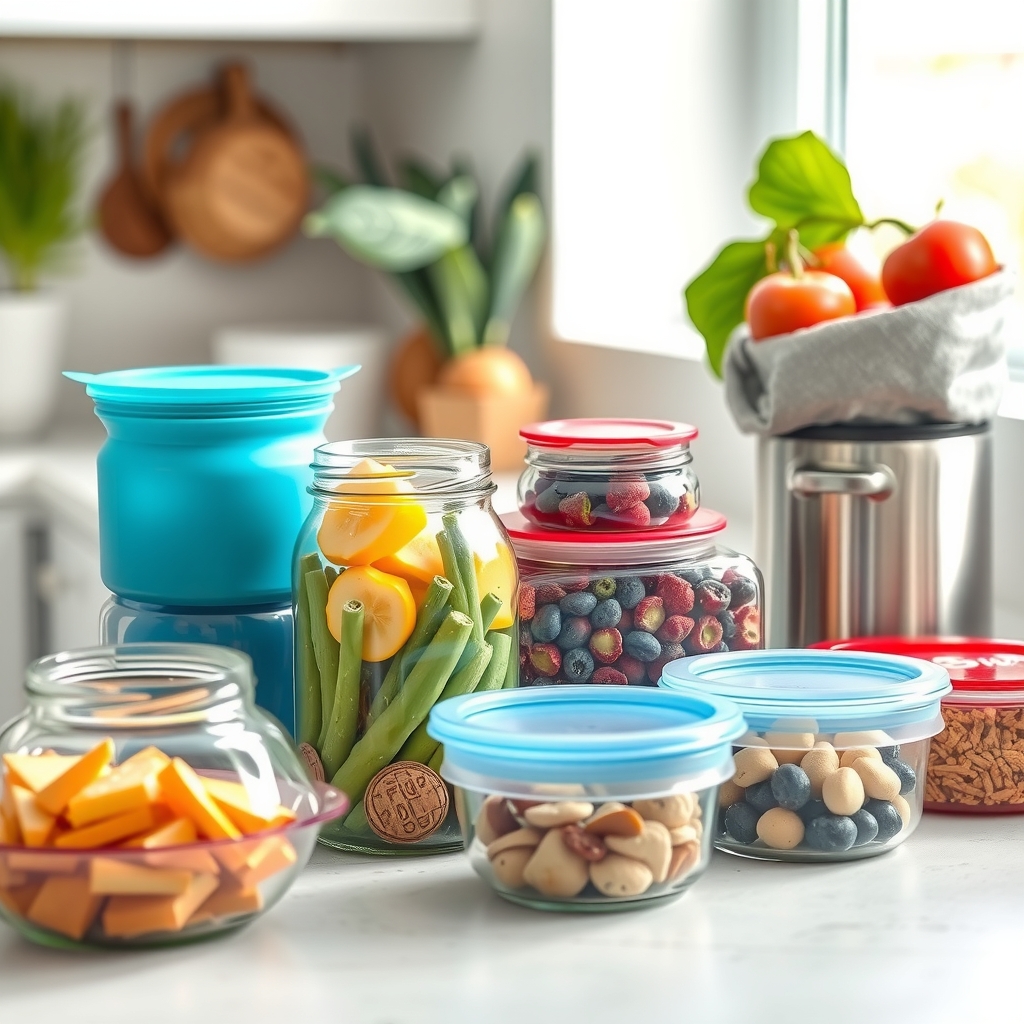
When you're ready to start replacing plastic items, choosing the right materials is key. For families with kids, durability, ease of cleaning, and safety are top priorities. Fortunately, there are many excellent non-toxic alternatives that stand up to the rigors of family life. The primary materials to consider are glass, stainless steel, and food-grade silicone. Each has its unique benefits:- Glass: Excellent for food storage because it's non-porous, doesn't leach chemicals, and is easy to clean. It's also transparent, so you can easily see what's inside. For kids, look for tempered glass or options with silicone sleeves for added protection against breakage. Small mason jars are fantastic for snacks, baby food, or yogurt.
- Stainless Steel: Incredibly durable, lightweight, and won't leach chemicals. It's perfect for lunchboxes, water bottles, and snack containers for active kids. Look for food-grade 18/8 or 18/10 stainless steel. It can keep food warm or cold for hours.
- Food-Grade Silicone: A flexible, non-toxic alternative often used for baking mats, storage bags, and container lids. It's resistant to high and low temperatures, durable, and doesn't leach chemicals. Be sure to choose "food-grade" silicone, as not all silicone is created equal.
- Wood and Bamboo: Great for cutting boards, utensils, and serving bowls. These natural materials are biodegradable and can add a lovely aesthetic to your kitchen. Just ensure they are properly cared for (hand-washed and oiled) to prevent warping or cracking.
| Plastic Item | Plastic-Free Alternative | Benefits for Families |
|---|---|---|
| Plastic Food Storage Containers | Glass containers with silicone or bamboo lids, Stainless steel containers | No chemical leaching, easy to clean, durable, long-lasting. Glass is transparent, steel is shatterproof. |
| Plastic Ziploc Bags | Reusable silicone food storage bags, Cloth snack bags, Beeswax wraps | Washable, reduces waste, versatile for snacks/sandwiches. Beeswax wraps are compostable. |
| Plastic Water Bottles | Stainless steel water bottles, Glass water bottles with silicone sleeves | Durable, keeps drinks cold/hot, no chemical leaching, easy to clean. Glass allows visibility. |
| Plastic Lunchboxes | Stainless steel bento boxes, Fabric lunch bags, Insulated lunch bags | Robust, keeps food fresh, often compartmentalized, easy to clean, eco-friendly. |
| Plastic Utensils (cooking) | Wood, bamboo, or stainless steel utensils, Silicone spatulas | Heat-resistant, won't scratch non-stick pans (silicone), natural, durable. |
| Plastic Cutting Boards | Wood or bamboo cutting boards | Natural, self-healing properties, less prone to harboring bacteria than scratched plastic. |
| Plastic Baby Bottles/Sippy Cups | Glass baby bottles with silicone nipples, Stainless steel sippy cups, Silicone sippy cups | Eliminates concerns about BPA/BPS, durable (steel/silicone), easy to sterilize. |
Easy Ways to Store Baby and Kids' Food Without Plastic Containers
Storing food for babies and young children often means dealing with small portions and frequent use, making plastic-free solutions particularly appealing. Whether you’re preparing purees, packing snacks for a toddler, or managing baby-led weaning, there are many safe and practical alternatives to plastic. For homemade baby purees, small glass jars are a game-changer. You can sterilize them easily, and they won't absorb food odors or colors like plastic can. Consider using small mason jars (4 oz or 8 oz sizes are perfect) or purpose-made glass baby food containers. They're freezer-safe, meaning you can batch-cook and store portions for weeks. Just remember to leave a little headspace when freezing liquids to prevent cracking. Another excellent option for freezing baby food, especially purees or breast milk, is a food-grade silicone ice cube tray with a lid. Once frozen, you can pop out the individual cubes and transfer them to a larger silicone bag or glass container for long-term storage. This makes portion control incredibly simple, and you can easily thaw just what you need. When it comes to packing snacks or meals for older kids, stainless steel containers are a hero. They come in various sizes, often with multiple compartments (bento-style), making them ideal for separating different food items without needing extra plastic bags. For smaller snacks like berries, crackers, or cut-up fruit, small stainless steel rounds or even repurposed clean glass jam jars work wonderfully. For baby-led weaning, where finger foods are key, silicone plates with suction bases can be very helpful, as they stay put and are entirely plastic-free. For on-the-go, silicone snack pouches are fantastic for things like yogurt, smoothies, or fruit purees. They’re reusable, easy to clean, and less prone to spills than open containers. Remember that a bit of planning, like meal prepping on a Sunday, can significantly reduce your reliance on last-minute, plastic-packaged solutions during the busy week.Involving Kids in Your Plastic-Free Kitchen Journey
Getting your children on board with reducing plastic isn't just about making your life easier; it's a fantastic opportunity to teach them about environmental responsibility and healthy choices. Kids are often more receptive than we think, especially when you make it fun and understandable. Start with age-appropriate explanations. For younger children, focus on simple concepts: "We're choosing special bottles that help protect the fish in the ocean" or "These bags keep our snacks fresh and we can use them again and again, which is good for the earth." Avoid scary or overly complex details about pollution. Instead, frame it as a positive team effort. You might say, "We're making our kitchen a super-healthy zone for our family!" One effective strategy is to involve them in the decision-making process. Let them pick out their own stainless steel water bottle or choose the color of a new silicone snack bag. Giving them ownership over their items can make them more excited to use and care for them. For instance, you could let them decorate their new reusable bottle with stickers, making it a personalized item they'll be proud to carry. Assign simple tasks that contribute to the plastic-free goal. For toddlers, this might be putting their empty snack container in the sink after use. Older children can help wash reusable bags, pack their own plastic-free lunchboxes, or even assist with sorting recyclables (if your old plastics are designated for recycling). When they participate, they feel a sense of contribution and understand the value of these habits. You can also turn it into a game. Perhaps a "no plastic wrap" challenge for a week, where everyone finds creative ways to cover leftovers. Or a "reusable shopping bag" mission where they help carry the bags into the store. Leading by example is crucial here. If your kids see you consistently choosing reusable options and talking positively about it, they’ll naturally start to adopt those habits themselves. This journey isn't just about reducing plastic; it's about fostering a mindful, eco-conscious mindset in your children, which is a wonderful legacy to pass on.Safe Plastic Alternatives for Kids' Lunchboxes and Water Bottles
Packing school lunches and ensuring your kids stay hydrated throughout the day are daily tasks for many parents. Making these choices plastic-free is one of the most impactful changes you can make, as these items are used constantly and often come into direct contact with food and drink for extended periods. For lunchboxes, stainless steel bento boxes are a fantastic investment. They are incredibly durable, often lasting for years, and come with multiple compartments that eliminate the need for individual plastic baggies for different food items. Many models include silicone seals to prevent leaks, making them perfect for yogurt, hummus, or fruit. They're also easy to clean and won't absorb food odors or stains. Another great option is an insulated fabric lunch bag, which can hold a mix of stainless steel containers, glass jars (with caution for younger kids), and silicone bags. When it comes to water bottles, stainless steel is the undisputed champion for kids. It’s lightweight, incredibly tough (it can withstand drops and bumps without shattering), and keeps water cold for hours. Look for bottles with a wide mouth for easy cleaning and adding ice, and consider those with a straw or sport cap that's easy for little hands to open and close. Glass water bottles with thick silicone sleeves are also an option for older, more careful children, offering the purity of glass with some impact protection. To replace single-use plastic wrap and sandwich bags, reusable silicone food storage bags are a game-changer. They are freezer, microwave, and dishwasher safe, and come in various sizes suitable for sandwiches, snacks, and even liquids. Beeswax wraps are another natural alternative, perfect for covering bowls or wrapping sandwiches and fruit. They are moldable, reusable, and compostable at the end of their life, offering a charming, eco-friendly touch to your lunch packing routine. When packing snacks, consider small stainless steel containers or even small glass jars (like repurposed jam jars) for things like nuts, seeds, or pre-cut veggies. By making these thoughtful swaps, you're not only reducing plastic but also providing a healthier, more sustainable way for your children to enjoy their meals and drinks.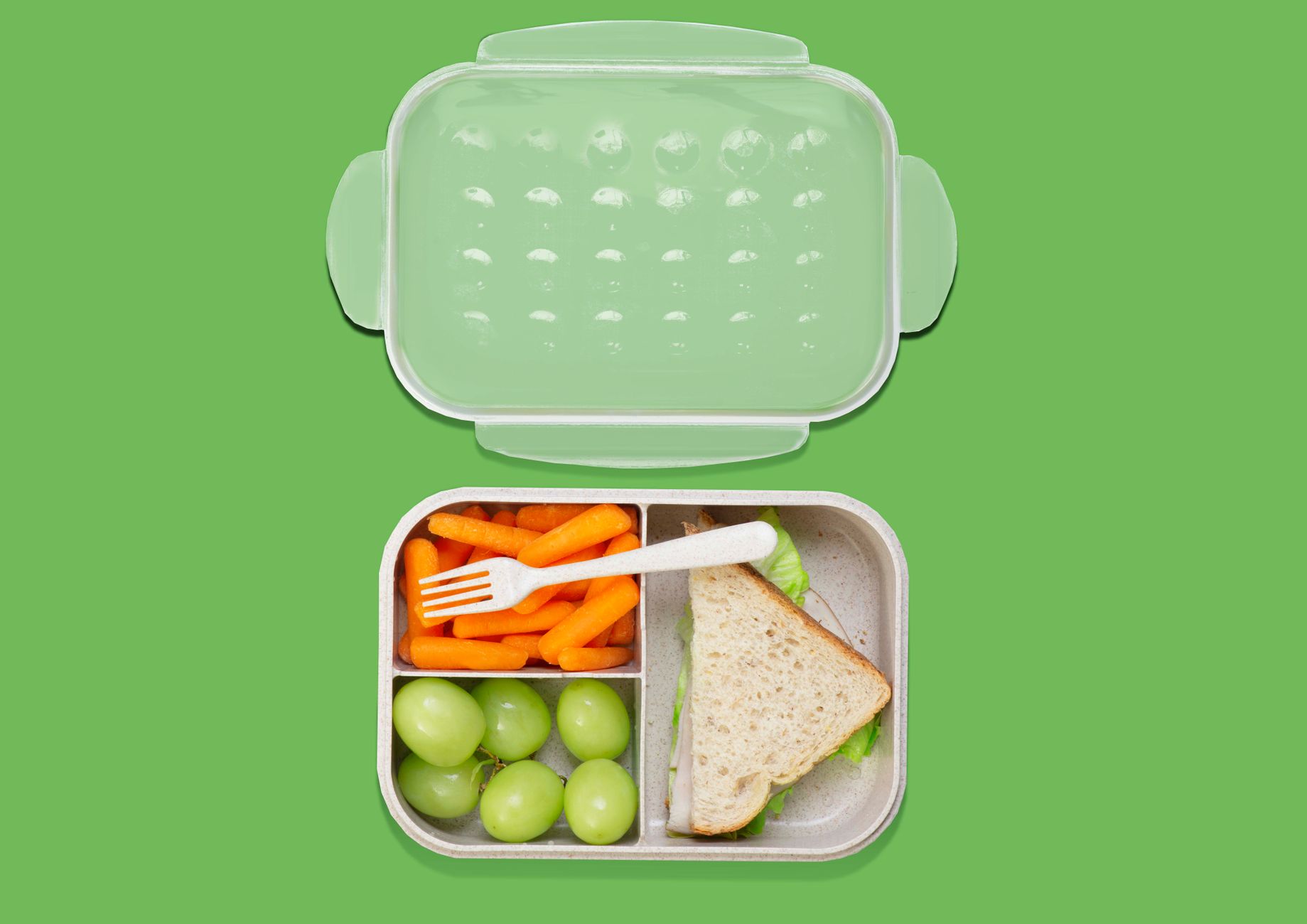
Organizing a Plastic-Free Kitchen and Transitioning Old Containers
As you gradually introduce plastic-free alternatives, you might find yourself facing a new challenge: what to do with all your old plastic containers and how to keep your newly "greened" kitchen organized? A clear strategy for decluttering and organizing will make the transition much smoother. First, take stock of your existing plastic. Don't feel pressured to throw everything out at once. If you have plastic containers that are still in good condition and don't come into direct contact with hot food (e.g., for storing dry goods like pasta or rice), you might keep them for a while. However, prioritize replacing any plastic items that are scratched, discolored, or frequently used for heating food, as these are more likely to leach chemicals. When you're ready to part with old plastic, think beyond the trash can. Check with your local recycling facility to see if they accept the specific types of plastic your containers are made from (look for the recycling symbol number). Many community centers or schools might accept clean, intact plastic containers for craft projects or storage. You can also repurpose them for non-food storage around the house – think organizing craft supplies, screws in the garage, or even as small planters for seedlings. The goal is to maximize their life cycle before disposal. Once you start bringing in glass, stainless steel, and silicone, thoughtful organization becomes key. These materials are heavier and sometimes bulkier than plastic. * **Stackable Solutions:** Look for stackable glass containers or stainless steel bento boxes to maximize vertical space in your cabinets. * **Drawer Dividers:** Use drawer dividers to keep silicone bags and wraps neatly folded and easily accessible. * **Open Shelving/Pantry:** Clear glass jars filled with dry goods (oats, beans, pasta) can look beautiful and make it easy to see what you have, reducing food waste. This is also a great time to ensure your kitchen is safe for little hands as you transition to new materials; explore resources like a baby proofing kitchen guide to manage potential hazards. * **Dedicated Zones:** Create dedicated zones for your plastic-free items. For example, all lunch-packing supplies in one drawer or cabinet, and all food storage containers in another. This minimizes rummaging and helps everyone in the family know where things belong. Embracing these new materials might require a slight adjustment in how you store things, but the aesthetic and functional benefits of an organized, plastic-free kitchen are well worth the effort.Common Pitfalls and Smart Hacks for a Plastic-Free Family Kitchen
Embarking on a plastic-free journey with kids can come with its own set of challenges, but knowing what to look out for can help you avoid common frustrations. Many moms feel overwhelmed or give up when they hit these roadblocks. However, with a few smart hacks, you can make the process smoother and more sustainable for your family. One common mistake is trying to go completely plastic-free overnight. This can be expensive, overwhelming, and lead to burnout. Instead, adopt a gradual approach. Focus on one area, like lunchboxes or food storage, before moving to the next. Celebrate small wins, like a week without using plastic wrap, to keep momentum going. Another pitfall is not involving your family. If kids aren't on board, reusable items might get lost or neglected. As discussed, include them in choices and tasks to foster ownership. Here are some smart hacks for busy moms:- Embrace Bulk Buying: Many grocery stores offer bulk bins for dry goods like oats, nuts, seeds, pasta, and even cleaning supplies. Bring your own cloth bags or glass jars to fill up, significantly reducing packaging waste and often saving money.
- DIY Snacks: Pre-packaged snacks are often wrapped in plastic. Making your own muffins, granola bars, or fruit leather allows you to control ingredients and packaging. Store them in reusable silicone bags or small stainless steel containers.
- Meal Prep with a Plan: Dedicate a few hours each week to meal prepping. Cook large batches of grains, roast vegetables, or prepare protein. Store these components in glass containers in the fridge, ready to be assembled into quick meals throughout the week. This reduces the need for last-minute takeout or convenience foods, which often come with plastic packaging.
- Master Cleaning and Maintenance: Glass and stainless steel are generally easy to clean, but silicone can sometimes retain oily residues or odors. For silicone, a baking soda paste or a good soak in warm soapy water can help. For stainless steel, avoid abrasive scrubbers to maintain its finish. Teaching kids how to properly wash their reusable water bottles and lunch containers helps maintain them and teaches responsibility.
- "No Straw" Policy: Plastic straws are a huge environmental issue. Encourage kids to drink directly from cups or bottles. If a straw is needed, invest in reusable stainless steel or silicone straws that can be easily washed.
- Mindful Shopping: When grocery shopping, prioritize items sold in glass, paper, or metal packaging. Choose fresh produce without plastic wrap. Bring your own reusable shopping bags and produce bags.
- Repurpose Creatively: Before discarding any item, consider if it can be repurposed. Old glass jars can become crayon holders, vases, or dry goods storage. This extends the life of items and reduces waste.
Myth vs. Fact: Debunking Plastic-Free Kitchen Misconceptions
Myth: Going plastic-free means getting rid of every single piece of plastic in your kitchen immediately.
Fact: A plastic-free kitchen is a journey, not a destination. It's about making conscious choices to reduce your reliance on plastic over time. You don't need to overhaul everything at once. Small, consistent changes, like swapping out one type of plastic item each month, are more sustainable and less overwhelming.
Myth: Plastic-free kitchen swaps are always expensive and only for privileged families.
Fact: While some high-end plastic-free products can be an investment, there are many budget-friendly options. Repurposing glass jars, buying in bulk, making your own snacks, and shopping secondhand are all cost-effective ways to reduce plastic. In the long run, many reusable items save money because you're not constantly repurchasing disposable plastic.
Myth: It's impossible to maintain a plastic-free kitchen with young, messy children.
Fact: It's absolutely possible! Involving children in the process, choosing durable materials like stainless steel and silicone, and focusing on easy-to-clean items makes it manageable. Kids are often great at adapting to new routines, especially when they understand the "why" and feel included in the effort.
Key Takeaways for Reducing Plastic in Your Family Kitchen
- Start small and gradually replace plastic items to avoid feeling overwhelmed or overspending.
- Prioritize swaps for items that frequently touch food, especially when heated, like food storage and water bottles.
- Embrace durable, non-toxic materials such as glass, stainless steel, and food-grade silicone for kitchenware.
- Involve your children in the process by explaining the "why" in simple terms and letting them choose their own reusable items.
- Utilize budget-friendly strategies like bulk buying, DIY snacks, and repurposing existing glass jars.
- Implement smart hacks like meal prepping and proper cleaning techniques to make plastic-free living easier for busy families.
- Remember that progress, not perfection, is the goal; every small step makes a difference for your family's health and the environment.
Frequently Asked Questions About Reducing Kitchen Plastic with Kids
Is it safe to use plastic containers for kids' food?
While many plastic containers are labeled "BPA-free," some still contain other chemicals like BPS or phthalates, which can act as endocrine disruptors. Heating food in plastic, especially, can increase the leaching of these chemicals. For children, whose bodies are still developing, limiting this exposure is generally recommended. Opting for glass, stainless steel, or food-grade silicone is a safer choice for storing and heating food.What are the best alternatives to plastic wrap for kids' snacks?
For kids' snacks, excellent alternatives to plastic wrap include reusable silicone food storage bags, which are great for sandwiches, fruit, or crackers. Beeswax wraps are another natural option, perfect for covering bowls or wrapping individual items like half an apple. Small stainless steel containers or glass jars (repurposed jam jars work well!) are also fantastic for packing snacks.How do I get my kids to stop using plastic straws?
The easiest way to reduce plastic straw use is to simply stop buying them and encourage your kids to drink directly from cups or bottles. If they prefer a straw, invest in reusable options made from stainless steel or food-grade silicone. Many kids enjoy having their own special reusable straw, making it a fun transition.Are silicone food storage bags safe for children?
Yes, food-grade silicone is generally considered a safe, non-toxic alternative to plastic for food storage. It's free from BPA, phthalates, and other harmful chemicals found in some plastics. Silicone is durable, flexible, and can withstand extreme temperatures, making it suitable for freezing, microwaving, and dishwashing. Always ensure you're purchasing "food-grade" silicone products.What are the easiest plastic-free swaps for a family kitchen?
Some of the easiest and most impactful plastic-free swaps for a family kitchen include switching to reusable water bottles (stainless steel is best for kids), replacing plastic food storage containers with glass or stainless steel, and using reusable silicone bags or beeswax wraps instead of plastic cling film and sandwich bags. These items are used daily, so changing them makes a big difference quickly.How can I reduce plastic in my kitchen without making it harder for my kids?
The key is to involve your kids and make it a positive experience. Let them choose their own reusable water bottle or lunchbox. Explain *why* you're making these changes in simple, positive terms (e.g., "It's healthier for us and better for the planet!"). Make the new tools easy to use and clean, and celebrate their efforts. Gradually introducing changes also helps everyone adapt without feeling overwhelmed.When to See a Doctor or Specialist
This article provides general information and practical tips for reducing plastic exposure in your kitchen. While reducing exposure to chemicals found in plastics is a proactive health measure, it is not a substitute for professional medical advice. If you have specific health concerns related to chemical exposure, developmental issues in your children, or any other medical condition, please consult with your pediatrician, family doctor, or a relevant medical specialist. They can provide personalized guidance based on your family's unique health history and needs.References
- National Institute of Environmental Health Sciences (NIEHS). Endocrine Disruptors.
- American Academy of Pediatrics (AAP). Food Additives and Child Health.
- Harvard T.H. Chan School of Public Health. The Problem with Plastics.
- Centers for Disease Control and Prevention (CDC). Phthalates Factsheet.
- World Health Organization (WHO). Microplastics in drinking water.
Editor's pick for this topic
Not sure about the label on Reducing Plastic In Kitchen With Kids products?
Snap the ingredients list and SafeFilter checks every ingredient for your stage — only 3 free scans this month, then you're locked until reset. Unlimited from $7/mo or $50/yr.
Informational only — not medical advice.
About the Author
When Shubhra Mishra was expecting her first child in 2016, she was overwhelmed by conflicting food advice — one site said yes, another said never. By the time her second baby arrived in 2019, she realized millions of mothers face the same confusion.
That sparked a five-year journey through clinical nutrition papers, cultural diets, and expert conversations — all leading to BumpBites: a calm, compassionate space where science meets everyday motherhood.
Her long-term vision is to build a global community ensuring safe, supported, and free deliveriesfor every mother — because no woman should face pregnancy alone or uninformed. 🌿
🌍 Stand with mothers, shape safer guidance
Join a small circle of experts who review BumpBites articles so expecting parents everywhere can decide with confidence.
⚠️ Always consult your doctor for medical advice. This content is informational only.
Long-form pregnancy guides
Hand-curated deep-dive guides — go beyond the article above.
More Pregnancy guides
- Regret Becoming a Mother Is It Normal? A Mom’s Honest Guide
- Regretting Having Kids what to Do: A Modern Mom's Honest Guide
- When to Repeat Semen Analysis: Timing and Lifestyle Tips for Better Results
- Respectful Parenting RIE Method: A 2026 Complete Guide for Parents
- Restless Legs Syndrome During Pregnancy: Symptoms, Risks, and Relief
- Returning to Work After Maternity Leave: A Smooth Transition Guide
- How to Overcome Returning to Work After Maternity Leave Anxiety
- Rh-negative pregnancy: FMH testing and RhoGAM timing guide
- How to Fix Rib Flare After Pregnancy: A Mom’s Honest Guide
- Roseola Baby Signs Treatment: 2026 Complete Guide for Parents
Recommended picks

Prenatal pick
Ritual — Ritual Essential Prenatal
Choline + DHA + folate from methylfolate (not synthetic).

Prenatal pick
Nordic Naturals — Nordic Naturals Prenatal DHA (Strawberry Softgels)
Premium fish-oil DHA in strawberry softgels — gentle on the stomach.