

Quick take: A rainbow baby is a child born after a previous pregnancy loss, symbolizing new hope and healing—but it doesn’t erase grief. The term carries emotional weight, and reactions vary widely: some parents feel blessed, others still mourn. There’s no "right" way to feel, and support—whether from partners, families, or communities—is key. If you’re navigating this, know it’s okay to celebrate *and* honor the loss simultaneously.Rainbow Baby Meaning and Impact: A Modern Mom's Honest Guide
It was 3:17 a.m. when my phone buzzed with the text: "It’s a girl." I sat frozen on the edge of the bed, my hands shaking as I read the words over and over. Behind me, my husband whispered, "We have a baby." But in that moment, I couldn’t feel anything but the weight of the year before—the miscarriage at 12 weeks, the stillbirth at 20, the hollow ache that had become my constant companion. That baby girl, now screaming her tiny lungs out in the next room, was a rainbow baby. And I didn’t know how to hold both the joy and the grief at the same time.
Like many parents who’ve experienced loss, I spent months—years—debating whether to try again. Would another pregnancy bring relief? Would it feel like betrayal? And when that little girl finally arrived, wrapped in a blanket with a tiny hat that looked like a crown, I felt an overwhelming mix of relief, love, and the creeping fear that I’d somehow forgotten what it was like to *not* be grieving.
If you’re here, you’re likely searching for answers: What does a rainbow baby *mean*? How do you navigate the emotions? How do you explain this to your other children—or to yourself? You’re not alone. This guide is for the parents who’ve walked the hard road of loss and are now standing at the edge of a new beginning. We’ll explore the complexities of rainbow babies—what they symbolize, how they impact families, and how to honor both the joy and the sorrow. Because healing isn’t linear, and neither is love.
This article is informational only and not a substitute for professional medical or grief counseling advice. If you’re struggling with grief, loss, or emotional challenges after pregnancy, please reach out to a therapist or support group. You deserve compassionate care.
--- ##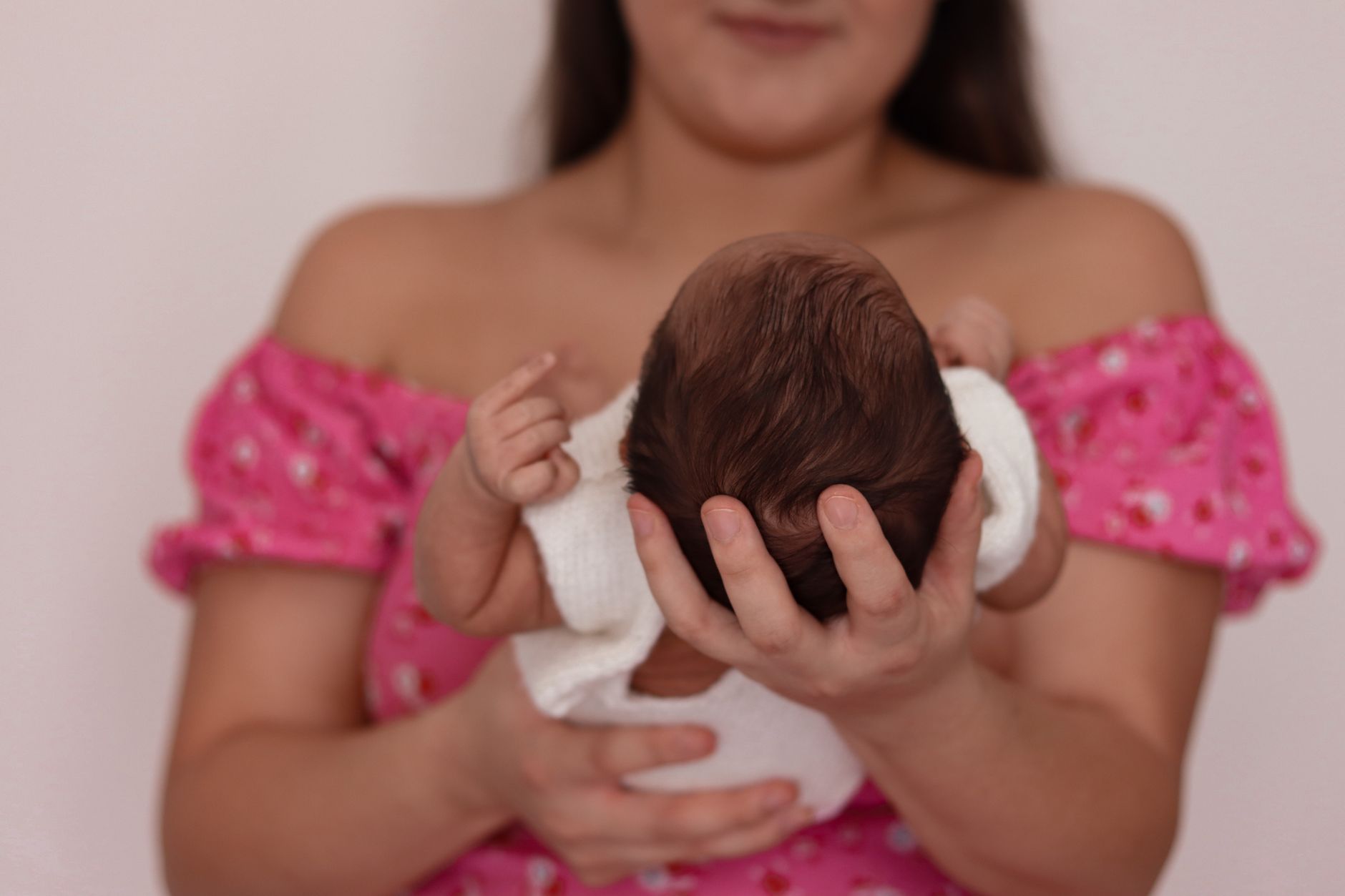 ## What does a rainbow baby mean after a miscarriage or stillbirth?
A rainbow baby is a child born after a previous pregnancy loss—whether a miscarriage, stillbirth, or neonatal death. The term originated in the early 20th century and gained modern popularity through social media, where parents shared stories of hope emerging from heartbreak. But here’s the truth: there’s no single definition. For some, it’s a symbol of resilience, a fresh start after devastation. For others, it’s a painful reminder that healing isn’t simple. The name itself carries emotional weight, and what it *means* to you depends on your journey.
## What does a rainbow baby mean after a miscarriage or stillbirth?
A rainbow baby is a child born after a previous pregnancy loss—whether a miscarriage, stillbirth, or neonatal death. The term originated in the early 20th century and gained modern popularity through social media, where parents shared stories of hope emerging from heartbreak. But here’s the truth: there’s no single definition. For some, it’s a symbol of resilience, a fresh start after devastation. For others, it’s a painful reminder that healing isn’t simple. The name itself carries emotional weight, and what it *means* to you depends on your journey.
Many parents describe the arrival of a rainbow baby as a mix of relief and guilt. "I felt like I was cheating on my lost baby," one reader told us. "But then I realized that love isn’t a zero-sum game." Others find solace in the idea that their new child is a living testament to their ability to love deeply—and to survive loss. Yet, for some, the term feels like a pressure to "move on," which can add another layer of grief.
If you’re struggling with the label, it’s okay to reject it. You might prefer "second chance baby," "hope baby," or simply "my baby." There’s no right or wrong way to name this experience—only what feels true for you.
Key takeaway: A rainbow baby is a deeply personal term. It doesn’t erase the pain of loss, but it can offer a new kind of hope—if you let it.
--- ## How does having a rainbow baby affect emotional healing after loss? The emotional journey of a rainbow baby is as unique as the family it enters. For some, pregnancy and birth bring a sense of closure, as if the universe is saying, "You’re still here. You’re still capable." Others report that the joy of the new baby feels hollow at first, as if grief and hope are living in the same heart but separate rooms.Research from the American Journal of Perinatology suggests that while some parents experience relief after a rainbow baby, others struggle with what’s called "complicated grief"—a prolonged, intense form of grief that doesn’t follow the typical timeline. This is especially true if the loss was recent or particularly traumatic.
One of the most common emotions parents describe is survivor’s guilt. "I felt like I was taking something from my lost baby," shared one mother who lost a child to stillbirth before giving birth to her rainbow baby. "But then I realized that my baby isn’t a replacement—they’re a new life, with their own story." Another parent noted that they had to learn to hold both the joy and the sorrow at once, which took time and patience.
If you’re feeling stuck, consider these steps:
- Give yourself permission to grieve. It’s okay to cry during the rainbow baby’s first bath or to pause during a joyful moment to remember your loss.
- Create a ritual. Some parents plant a tree, light a candle, or write a letter to their lost baby on special occasions like holidays or birthdays.
- Talk to a therapist. Grief counseling can help you process complex emotions in a safe space.
- Join a support group. Organizations like Stillbirthday and Life Begins Again offer communities for parents who’ve experienced loss.
Image placeholder: A parent sitting on a bed with a newborn in their lap, a small framed photo of a previous loss on the nightstand, and a single candle lit beside them.
--- ## Can a rainbow baby change the dynamics of a family after loss? When you add a rainbow baby to a family that’s already grieving, the dynamics can shift in ways both beautiful and complicated. Siblings, partners, and even extended family may react differently—some with excitement, others with confusion or sadness. Here’s what to expect:For partners: Couples often navigate this journey together, but their experiences can diverge. One partner might feel eager to move forward, while the other lingers in grief. Open communication is key. Ask each other: "What do you need right now?" and "How can I support you?" Some couples find it helpful to explore their emotions during pregnancy, using the physical changes as a conversation starter.
For siblings: Older children may struggle to understand why their family is celebrating a new baby after loss. They might feel left out, jealous, or confused. It’s important to explain to them that their sibling is still loved—and that their own feelings are valid. One parent shared that they helped their 6-year-old draw a picture of their lost sibling and hang it in the nursery alongside the rainbow baby’s crib. "It gave her a sense of balance," they said.
For extended family: Grandparents, aunts, uncles, and friends may not know how to react. Some might avoid the topic entirely, while others offer unsolicited advice like, "At least you have another one now." It’s okay to set boundaries. You might say, "We’re still grieving, but we’re also so happy. Can you help us celebrate *and* honor what we’ve lost?"
If you’re wondering how to prepare siblings for a rainbow baby, support groups for parents often include resources for explaining loss to children. Books like *The Invisible String* by Patrice Karst can help little ones understand that love doesn’t disappear, even when it feels like it.
--- ## What are the physical and emotional challenges of pregnancy after loss? Pregnancy after loss can feel like walking through a minefield—every cramp, every nausea, every ultrasound might trigger anxiety. Physically, the risks are real but manageable with care. Emotionally, the journey is often more complex.Physical risks: While most women can safely conceive after a miscarriage or stillbirth, there are some considerations:
- Increased risk of preterm birth or low birth weight. Studies from the New England Journal of Medicine suggest that women who’ve experienced a stillbirth have a slightly higher risk of preterm delivery in subsequent pregnancies.
- Higher chance of another loss. The risk of miscarriage is higher in early pregnancy, but most women who’ve had one loss have a healthy pregnancy next time.
- Emotional triggers. Morning sickness, back pain, or even the sight of a pregnancy test can bring up memories of loss. It’s normal to feel overwhelmed.
Emotional challenges: Many parents describe feeling like they’re "on edge" during pregnancy. One mother of a rainbow baby said, "Every time I felt the baby move, I held my breath for a second, waiting for it to stop." Another shared that she had nightmares about losing the baby, even though she’d already been through that heartbreak.
If you’re feeling anxious, consider these strategies:
- Connect with your body. Practices like rainbow rolls (gentle yoga poses) or prenatal massage can help you feel more grounded.
- Talk to your provider. If you’re experiencing severe anxiety or depression, they can refer you to a therapist or support group.
- Create a "worry list." Some parents find it helpful to write down their fears and then address them one by one. For example, "I’m worried about another miscarriage" → "I’ll talk to my doctor about monitoring."
Image placeholder: A pregnant person sitting on a couch with a notebook, writing in it while holding their belly, surrounded by small framed photos of previous losses.
--- ## How do friends and family react to a rainbow baby after a previous loss? Friends and family often don’t know how to react when a parent shares the news of a rainbow baby. Some might say the "wrong" thing—like "At least you have another one now"—while others might avoid the topic entirely. Here’s how to navigate these reactions:Common responses (and how to handle them):
| Friend/Family Response | How to Respond |
|---|---|
| "At least you have another baby now." | Gently redirect: "We’re still grieving, but we’re also so happy. Can you help us celebrate *and* honor what we’ve lost?" |
| "You should be over it by now." | Set a boundary: "Grief isn’t a timeline. I appreciate your support." |
| "I don’t know what to say." | Offer guidance: "It’s okay to say, ‘I’m so sorry for your loss, and I’m so happy for you now.’ That’s enough." |
| "I’m glad you’re moving on." | Clarify: "We’re not ‘moving on’—we’re still grieving, but we’re also learning to live with both joy and sorrow." |
If you’re feeling overwhelmed by unsupportive reactions, it’s okay to limit contact with those who don’t understand. You might also share resources like our guide to explaining rainbow babies with loved ones to help them learn how to support you.
--- ## What are the cultural and religious perspectives on rainbow babies? Cultural and religious beliefs about rainbow babies vary widely. Some traditions view them as a blessing, while others offer more nuanced perspectives.Christianity: Many Christian communities interpret a rainbow baby as a sign of God’s mercy. The story of Noah’s covenant with God (Genesis 9) is often cited, as the rainbow symbolizes hope after destruction. However, some parents find comfort in the idea that God doesn’t take away love—just changes its form.
Judaism: Jewish traditions often emphasize the sanctity of life, and a rainbow baby is seen as a new gift from God. Some parents light a yahrzeit candle for their lost child on the anniversary of their death while celebrating the rainbow baby’s milestones.
Islam: In Islamic tradition, a rainbow baby is a reminder of Allah’s generosity. Many parents perform additional prayers or charity in honor of their lost child while celebrating the new arrival.
Hinduism: Some Hindu families view a rainbow baby as a way to honor the lost child by creating a new life. Others perform rituals like lighting a deep (oil lamp) for their lost child while welcoming the new baby.
Secular perspectives: Many non-religious parents find meaning in the natural world. The symbolism of a rainbow—light after darkness—resonates deeply. Some create personal rituals, like planting a tree or releasing balloons, to honor their loss while celebrating their new baby.
If you’re exploring cultural or religious practices, consider speaking with a spiritual leader or therapist to find what feels most meaningful to you.
--- ## How does a rainbow baby impact sibling relationships in the family? Older siblings often have complex feelings about a rainbow baby. Some feel excited to have a new brother or sister, while others may struggle with jealousy, confusion, or even anger. Here’s how to help siblings navigate these emotions:Common sibling reactions:
- Jealousy. "Why do you get a new baby but I don’t?"
- Confusion. "Why are we celebrating a new baby when [lost sibling] isn’t here?"
- Anger. "You’re replacing [lost sibling]!"
- Excited curiosity. "Can I help pick out the baby’s clothes?"
Here’s how to support your older child:
- Explain in simple terms. Use books like *The Memory Box* by Joanna Rowland to help them understand that love isn’t a competition.
- Acknowledge their feelings. Say, "It’s okay to feel sad or mad. I feel those things too."
- Involve them in the process. Let them pick out a gift for the new baby or help decorate the nursery.
- Create a space for their sibling. Some parents set up a special area in the nursery where the lost child’s name or a memory box can be displayed.
Image placeholder: A family photo of a parent holding a newborn while an older sibling stands beside them, looking curious but happy.
--- ## What are the signs that a rainbow baby is emotionally healthy after loss? Every child is unique, and their emotional journey will unfold in their own time. However, there are some general signs that a rainbow baby is thriving emotionally:Signs of emotional health:
- They show curiosity about the new baby. Asking questions like, "Why is the baby in the hospital?" or "Can I hold them?" is a good sign.
- They express their feelings. If they say, "I’m sad because my friend isn’t here," that’s healthy—it means they’re processing emotions.
- They engage in play. Drawing pictures, building blocks, or pretending with stuffed animals can help them work through their feelings.
- They feel secure with you. If they come to you when they’re upset or want to cuddle, they’re likely feeling loved and supported.
Signs of distress (when to seek help):
- Withdrawal from family or friends.
- Regression in skills (e.g., bedwetting, thumb-sucking).
- Excessive fear or anxiety about the new baby.
- Difficulty sleeping or eating.
If you notice these signs, consider talking to a child therapist or counselor who specializes in grief. Resources like Children’s Grief Education offer guidance for parents.
--- ## How to explain a rainbow baby to a child who experienced loss Explaining a rainbow baby to a child who’s already grieving requires honesty, simplicity, and empathy. Here’s how to approach it:Step 1: Use simple, age-appropriate language.
For a young child (ages 3–6):
"Our family has a special story. A long time ago, we had a baby who wasn’t here with us. We loved them very much, and we still do. Now, we have a new baby who is here with us now. Both of our babies are very important to us."
For an older child (ages 7–12):
"Sometimes, when a baby is very sick or can’t stay with us, it’s really hard. We miss them every day. But now, we have a new baby who is here with us. Both of our babies are part of our family in different ways."
Step 2: Create a ritual to honor their sibling.
Some parents:
- Light a candle for their lost child on special occasions.
- Plant a tree or flower in their memory.
- Read a book about loss and love together.
Step 3: Answer their questions honestly.
If your child asks, "Why did our baby go away?" you might say:
"Sometimes, babies get very sick, and their bodies can’t stay with us. But their memory stays with us forever. We love them just as much as we love our new baby."
Step 4: Involve them in the new baby’s arrival.
Let them help pick out a gift, write a letter to the new baby, or even hold the baby (if they’re comfortable). This can help them feel included in the joy.
--- ## Rainbow baby support groups for parents who lost a baby Finding a community of parents who understand your journey can make all the difference. Here are some of the best support groups for parents of rainbow babies:Online Communities:
- Rainbow Babies Support Group (Facebook)
- r/rainbowbabies (Reddit)
- Stillbirthday (Offers online forums and local support)
In-Person Groups:
- Local hospitals or clinics. Many offer bereavement support groups for parents who’ve experienced loss.
- Religious organizations. Churches, mosques, temples, and synagogues often have grief counseling or support groups.
- Rainbow Baby Support Groups Near Me (Search for local options)
If you’re unable to attend in person, many groups offer virtual meetings. Don’t hesitate to reach out—you’re not alone in this journey.
--- ## How long does it take to heal emotionally after loss before having a rainbow baby? There’s no "right" timeline for healing after loss. Some parents feel ready to conceive within a few months, while others take years. The decision to try again is deeply personal and should be based on what feels right for you—not societal pressure or guilt.Here are some factors to consider:
- Your emotional readiness. Are you feeling hopeful, or do you still feel numb or overwhelmed?
- Your relationship with your partner. Are you both on the same page, or are you feeling pressure from one another?
- Your physical health. Have you recovered from the loss, or do you still feel exhausted or anxious?
- Your support system. Do you have people who understand your journey and can support you?
If you’re unsure, consider these steps:
- Talk to a therapist. They can help you explore your feelings and make an informed decision.
- Journal or create art. Writing or drawing your emotions can help you process them.
- Connect with other parents. Hearing others’ stories can provide comfort and guidance.
- Give yourself permission to wait. There’s no rush. Your body and heart will know when you’re ready.
Image placeholder: A parent sitting on a park bench, holding a notebook and pen, with a small framed photo of a previous loss on their lap, surrounded by wildflowers.
--- ## What are the risks of pregnancy after miscarriage or stillbirth? While many women go on to have healthy pregnancies after loss, it’s important to be aware of the potential risks. Here’s what research and experts say:Increased risk of:
- Preterm birth (before 37 weeks). Studies suggest that women who’ve experienced a stillbirth have a slightly higher risk of preterm delivery in subsequent pregnancies (source).
- Low birth weight. Babies born to mothers who’ve had a stillbirth may be slightly more likely to be born at a lower weight.
- Another miscarriage. The risk of miscarriage is higher in early pregnancy, but most women who’ve had one loss have a healthy pregnancy next time.
- Emotional distress. Some parents report feeling anxious or on edge during pregnancy, especially during ultrasounds or when they feel the baby move.
How to reduce risks:
- Attend all prenatal appointments. Regular check-ups can help monitor your pregnancy and address any concerns early.
- Discuss your medical history with your provider. They can offer personalized advice based on your situation.
- Consider genetic testing. If you’ve had a stillbirth or miscarriage with a known genetic cause, testing may help identify risks for this pregnancy.
- Prioritize self-care. Stress, lack of sleep, and poor nutrition can impact your pregnancy. Focus on eating well, resting, and managing stress.
If you’re worried about the risks, talk to your healthcare provider. They can tailor your care to your specific needs and offer support throughout your pregnancy.
--- ## How to prepare siblings for a rainbow baby after a previous loss Preparing siblings for a rainbow baby is an act of love—it helps them feel included, understood, and secure. Here’s how to do it:Step 1: Talk about it early. Even before the baby arrives, start conversations about the new addition. Say something like, "We’re going to have a new baby soon, and we’re going to love them very much. But we’ll always love [lost sibling] too."
Step 2: Create a memory box. Fill a small box with photos, drawings, or mementos of your lost child. Let your older child help decorate it or add to it. This gives them a tangible way to honor their sibling.
Step 3: Involve them in the process. Let them:
- Help pick out a gift for the new baby.
- Write a letter to the new baby (or to their lost sibling).
- Help choose a name or decorate the nursery (with your guidance).
Step 4: Set aside time for them. Siblings often feel left out when a new baby arrives. Make sure they have one-on-one time with you—whether it’s reading a book, playing a game, or just talking. This reinforces that they’re still your priority.
Step 5: Be patient. Siblings may react differently over time. Some days, they’ll be excited; other days, they might feel sad or angry. Validate their feelings and remind them that their love for their lost sibling is just as important as their love for the new baby.
Image placeholder: A family photo of a parent holding a newborn while an older child stands beside them, looking excited and holding a small framed photo of a previous loss.
--- ## Rainbow baby vs. surprise baby: what’s the difference in emotional impact? At first glance, a rainbow baby and a surprise baby might seem similar—both are unplanned, both bring joy. But the emotional weight of each is different. Here’s how they compare:| Aspect | Rainbow Baby | Surprise Baby |
|---|---|---|
| Emotional baggage | Carries the weight of past loss; joy may feel layered with grief. | Pure joy—no prior emotional burden. |
| Family dynamics | May require extra attention to sibling relationships and honoring loss. | Usually involves adjusting to a new addition without prior emotional complexity. |
| Social reactions | Friends/family may not know how to react; may require education. | Reactions are typically straightforward—excitement and celebration. |
| Personal journey | Often involves processing grief alongside joy; may take longer to "settle." | Usually a smoother transition into parenthood. |
| Honoring the past | Requires intentional rituals to honor lost children while celebrating the new one. | No prior loss to honor; focus is solely on the new baby. |
That said, every family’s experience is unique. Some parents of rainbow babies find that the emotional depth of their journey brings them closer as a family. Others may feel overwhelmed by the complexity. There’s no "right" way to feel—only what feels true for you.
--- ## How to celebrate a rainbow baby without feeling guilty for the loss Celebrating a rainbow baby doesn’t mean you’ve forgotten your loss—or that you’re "moving on." It means you’re learning to hold both joy and sorrow in your heart at the same time. Here’s how to do it in a way that feels authentic:Step 1: Create a dual celebration.
Some parents:
- Light a candle for their lost child during the baby’s first bath.
- Plant a tree or flower in honor of their lost baby while decorating the nursery.
- Write a letter to their lost child, sharing updates about the new baby.
Step 2: Use symbols of hope.
Rainbows, butterflies, and other symbols of transformation can remind you that healing is possible without erasing the past. Some parents:
- Hang a rainbow mobile in the nursery.
- Choose a name that symbolizes new beginnings.
- Release balloons or lanterns on special occasions.
Step 3: Talk about your loss openly.
If you’re comfortable, share stories of your lost child with friends, family, and even the new baby as they grow. This keeps their memory alive while making room for joy.
Step 4: Give yourself permission to feel.
It’s okay to:
- Cry during the baby’s first ultrasound.
- Pause during a joyful moment to remember your loss.
- Feel guilty one day and relieved the next.
Guilt often comes from the belief that you’re "doing it wrong." But you’re not. You’re simply human—capable of love, loss, and hope all at once.
--- ## What are the best books or resources for parents of rainbow babies? Books and resources can offer comfort, guidance, and validation. Here are some of the most helpful for parents of rainbow babies:Books:
- The Invisible String by Patrice Karst – A beautiful book for children about unbreakable love.
- When a Parent Dies by Jennifer Carrington – A gentle guide for kids grieving a parent (adaptable for siblings).
- The Memory Box by Joanna Rowland – Helps children understand that love doesn’t disappear.
- Rainbow Babies: A Book for Parents Who Have Lost a Baby by Amy Krouse Rosenthal – A short, poignant guide for parents.
- The Grieving Parent’s Guide to Holidays and Special Days by Alan D. Wolfelt – Practical advice for navigating celebrations.
Online Resources:
- Stillbirthday – Support, education, and advocacy for parents who’ve experienced stillbirth.
- Life Begins Again – A community for parents who’ve lost a baby.
- Children’s Grief Education – Resources for helping children process loss.
- Rainbow Baby Support Groups – A list of local and online groups.
Podcasts:
- Still Standing – A podcast for parents who’ve experienced pregnancy or infant loss.
- The Griefcast – A podcast that explores grief in all its forms.
These resources can help you feel less alone and more prepared for the journey ahead.
--- ## Myth vs. Fact: Common Misconceptions About Rainbow BabiesMyth: A rainbow baby means you’ve "moved on" from your loss.
Fact: A rainbow baby doesn’t erase grief. It’s a new chapter, not the end of the story. Many parents find that their love for their lost child remains just as strong—it simply exists alongside their love for the new baby.
Myth: You should wait a certain amount of time before trying to conceive again.
Fact: There’s no "right" timeline. Some parents feel ready to conceive within months; others take years. The decision should be based on what feels right for you, not societal pressure.
Myth: Celebrating a rainbow baby is disrespectful to your lost child.
Fact: Celebrating joy doesn’t mean you’ve forgotten your loss. In fact, many parents find that honoring their lost child while celebrating the new baby brings a sense of balance and healing.
Myth: All parents feel relief after having a rainbow baby.
Fact: Emotions are complex. Some parents feel relief; others feel guilt, anxiety, or sadness. There’s no "right" way to feel.
--- ## Key Takeaways: What Every Parent of a Rainbow Baby Should Know- A rainbow baby is a deeply personal experience—there’s no single "meaning" that applies to everyone.
- It’s okay to feel a mix of joy, grief, guilt, and relief. Your emotions are valid.
- Honoring your lost child doesn’t mean you’re "replacing" them—it means their memory lives on in your heart.
- Support groups and therapy can help you

