f you’re following a low-carb approach (or just want to reduce refined carbs), the goal is to prioritize healthy fats, moderate protein, and non-starchy vegetables. Low-carb diets can help reduce inflammation, especially if you’re sensitive to gluten or sugar, by stabilizing blood glucose levels and potentially reducing insulin spikes.
This dietary pattern emphasizes nutrient-dense whole foods over processed carbohydrates, which often contain ingredients that can exacerbate inflammation. By focusing on sources like avocados, nuts, seeds, and quality proteins, you're providing your body with essential nutrients and healthy fats that support overall skin health and reduce inflammatory markers.
Here’s a low-carb psoriasis-friendly day:
- Breakfast: Chia pudding made with unsweetened almond milk, chia seeds, and topped with walnuts and raspberries.
- Snack: Hard-boiled eggs with a sprinkle of sea salt.
- Lunch: Grilled chicken Caesar salad (no croutons) with romaine, Parmesan, olive oil, and anchovies.
- Snack: Celery sticks with almond butter.
- Dinner: Baked cod with garlic butter, sautéed asparagus, and a side of roasted zucchini.
Key swaps: Skip bread, rice, and potatoes—opt for leafy greens, cruciferous veggies, and healthy fats like olive oil and avocado. If you crave carbs, try cauliflower rice or shirataki noodles.
Note on dairy: Some people with psoriasis do well with low-fat dairy, while others find it triggers flare-ups. If you’re sensitive, swap in coconut yogurt or almond milk-based alternatives. Always listen to your body and consult with a healthcare provider or registered dietitian to tailor your diet.
For another low-carb approach, explore our autoimmune protocol diet sample day, which eliminates nightshades and processed foods—often helpful for autoimmune conditions like psoriasis.
---
Psoriasis Diet Sample Day of Eating for Beginners
If you’re new to the psoriasis diet, don’t overwhelm yourself. Start with small, manageable changes. Focus on adding anti-inflammatory foods first, then gradually reduce triggers. Small, consistent steps are more likely to lead to long-term success than drastic, unsustainable overhauls.
The goal is to build a foundation of healthy eating habits without feeling deprived or stressed, which can ironically worsen psoriasis. Begin by incorporating one new anti-inflammatory food into your daily routine or swapping out a known trigger for a healthier alternative. This gentle introduction allows your body to adjust and helps you identify what truly works for you.
Here’s a beginner-friendly day:
- Breakfast: Oatmeal cooked in water, topped with sliced banana, walnuts, and a drizzle of honey.
- Snack: Apple slices with peanut butter.
- Lunch: Turkey and avocado wrap in a whole-grain tortilla with mixed greens.
- Snack: Carrot sticks with guacamole.
- Dinner: Baked chicken with roasted sweet potatoes and steamed broccoli.
Beginner tips:
- Keep it simple—focus on one or two new foods per week.
- Track your symptoms in a journal to identify triggers.
- If you’re unsure about dairy or gluten, try an elimination diet (under medical supervision) for a defined period.
- Don't aim for perfection; consistency is more important than strict adherence.
For more on easing into a new diet, our DASH diet sample day is a great starting point—it’s gentle, balanced, and easy to adapt.
---
Psoriasis Diet Sample Day of Eating with Grocery List
A well-stocked kitchen makes healthy eating effortless. Planning your meals and having the right ingredients on hand can prevent last-minute unhealthy choices and reduce stress, which is beneficial for psoriasis management.
Consider dedicating a specific time each week for grocery shopping, perhaps after you’ve planned your meals. This proactive approach ensures you have all the necessary components for your psoriasis-friendly diet, making meal preparation quicker and more enjoyable throughout the week.
Below is a grocery list for a week of psoriasis-friendly meals, organized by category.
Proteins:
- Wild-caught salmon or mackerel
- Chicken breast or thighs
- Turkey slices
- Eggs
- Greek yogurt (unsweetened)
- Almond milk or coconut milk
- Lentils or black beans
Vegetables:
- Spinach, kale, or Swiss chard
- Broccoli
- Brussels sprouts
- Asparagus
- Zucchini
- Carrots
- Cherry tomatoes
- Avocados
- Cucumber
- Bell peppers
- Onions and garlic
Fruits:
- Berries (blueberries, strawberries, raspberries)
- Apples
- Bananas
- Oranges or grapefruit
- Pears
Healthy Fats:
- Extra virgin olive oil
- Avocado oil
- Almonds, walnuts, or cashews
- Chia seeds or flaxseeds
- Hummus (check for no added sugar)
- Nut butter (almond, peanut)
Grains & Carbs:
- Quinoa
- Whole-grain bread or tortillas
- Oats (steel-cut or rolled)
- Sweet potatoes
- Brown rice
Dairy (optional, if tolerated):
- Parmesan cheese
- Cottage cheese
Pantry Staples:
- Turmeric
- Garlic powder
- Cinnamon
- Ginger
- Black pepper
- Lemon juice
- Apple cider vinegar
- Herbal teas
Shopping tips:
- Buy frozen berries if fresh aren’t in season—they’re just as nutritious.
- Opt for organic when possible, especially for the "Dirty Dozen" fruits/veggies, as recommended by the Environmental Working Group (EWG).
- Pre-chop veggies to save time during the week.
- Read labels carefully to avoid hidden sugars, artificial ingredients, and inflammatory oils.
For a visual guide to meal prep, imagine a 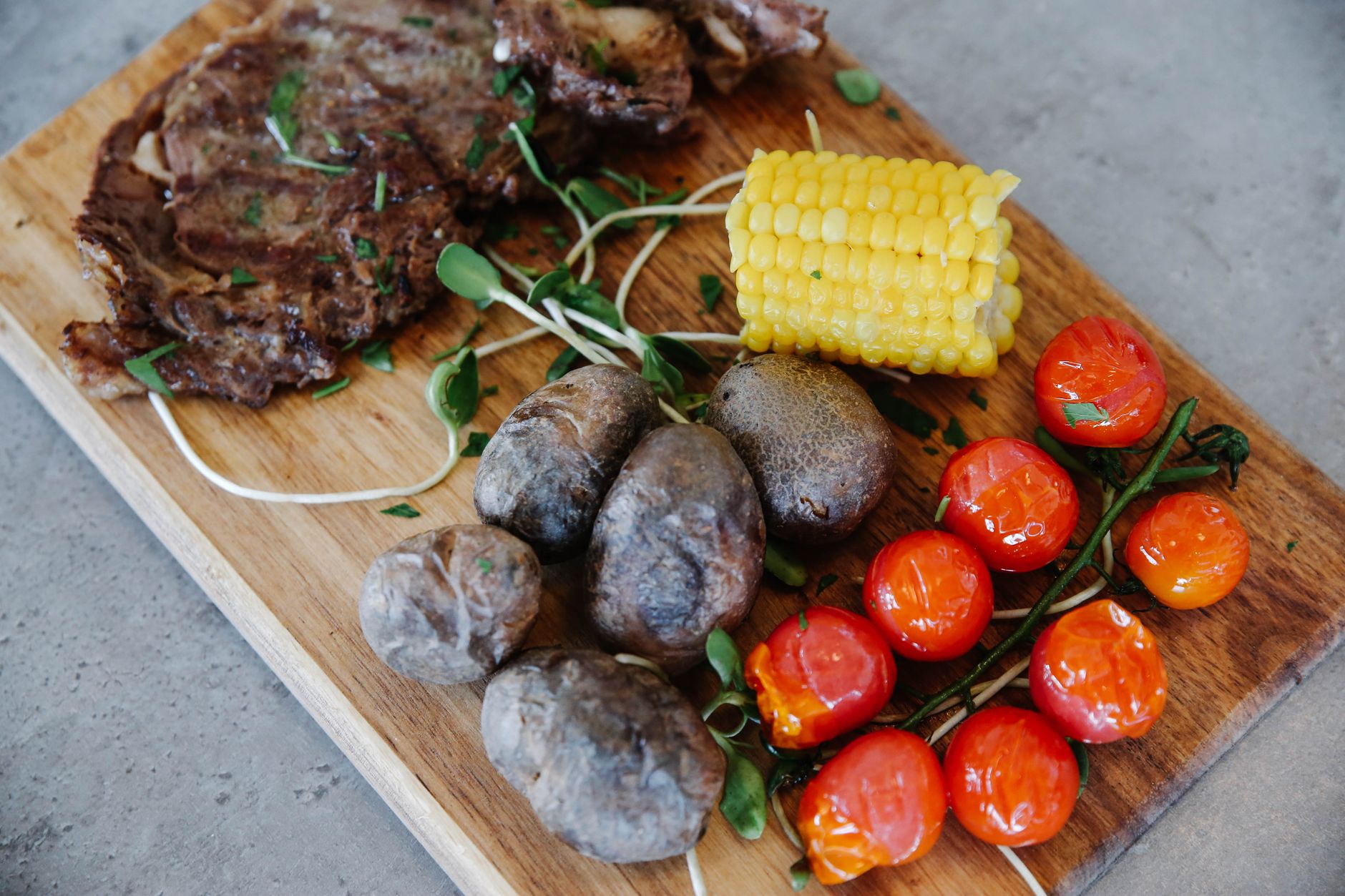 —this is your kitchen’s new normal.
---
Psoriasis Diet Sample Day of Eating for Kids
Kids with psoriasis need a diet that’s not only nutritious but also fun and appealing. The goal is to introduce anti-inflammatory foods in creative ways while keeping meals balanced and kid-friendly, ensuring they get all the nutrients for growth and development.
Making healthy eating an adventure rather than a chore can significantly increase a child's willingness to try new foods. Involve them in the process, from selecting ingredients at the store to helping prepare simple dishes. This sense of ownership can transform mealtime struggles into opportunities for learning and positive eating habits.
Here’s a psoriasis-friendly day for a child (ages 5–12):
- Breakfast: Smoothie bowl with spinach, banana, almond milk, and topped with granola and berries.
- Snack: Whole-grain crackers with almond butter.
- Lunch: Turkey and cheese roll-ups with cucumber slices, carrot sticks, and hummus.
- Snack: Apple slices with peanut butter.
- Dinner: Baked chicken nuggets (homemade with almond flour), roasted sweet potato fries, and steamed green beans.
Kid-friendly tips:
- Let them help with meal prep—kids are more likely to eat what they’ve helped make.
- Use fun shapes (cookie cutters for sandwiches, star-shaped veggies).
- Involve them in grocery shopping—let them pick a new fruit or veggie each week.
- If they’re picky, start with small swaps (e.g., whole-wheat pasta instead of white).
- Offer choices within healthy boundaries to give them a sense of control.
For more on feeding picky eaters, our Aspergers diet sample day offers strategies for sensory-friendly meals.
---
Psoriasis Diet Sample Day of Eating for Athletes
Athletes with psoriasis need a diet that supports both performance and skin health. The focus is on high-energy, nutrient-dense foods that reduce inflammation while fueling workouts, ensuring sustained energy and optimal recovery.
Balancing intense physical activity with psoriasis management means prioritizing omega-3s, antioxidants, and complex carbohydrates. These nutrients not only provide the necessary fuel for training but also help combat exercise-induced inflammation, which can sometimes trigger or worsen psoriasis flare-ups. Adequate protein intake is also crucial for muscle repair and growth.
Here’s a sample day for an active adult (e.g., runner, weightlifter, or weekend warrior):
- Breakfast (pre-workout): Greek yogurt with walnuts, chia seeds, and blueberries.
- Snack (post-workout): Protein shake with almond milk, banana, and peanut butter.
- Lunch: Grilled salmon with quinoa, roasted Brussels sprouts, and a side salad with olive oil dressing.
- Snack: Hard-boiled eggs with a handful of almonds.
- Dinner (post-workout): Lean beef stir-fry with broccoli, bell peppers, and brown rice.
Athlete-specific tips:
- Hydrate well—dehydration worsens psoriasis and impairs performance.
- Prioritize omega-3s (salmon, walnuts) to reduce muscle soreness and inflammation.
- Time carbs around workouts for energy—complex carbs (quinoa, sweet potatoes) are best.
- Consider a post-workout snack with protein and healthy fats to aid recovery.
- Listen to your body's signals and adjust your intake based on training intensity and duration.
For more on fueling performance, our diabetic diet meal plan includes carb timing strategies that also work for athletes.
---
Psoriasis Diet Sample Day of Eating for Pregnant Women
Pregnancy and psoriasis can be a tricky combo—you need to support both your baby’s development and your skin’s health. The key is focusing on nutrient-dense, anti-inflammatory foods while avoiding potential triggers, always in consultation with your healthcare provider.
During pregnancy, nutritional needs increase, and certain dietary considerations become even more critical. Ensuring adequate intake of folate, iron, calcium, and omega-3 fatty acids is paramount for fetal development, while simultaneously choosing foods known to calm inflammation can help manage psoriasis symptoms. The American College of Obstetricians and Gynecologists (ACOG) emphasizes a balanced diet for healthy pregnancy outcomes.
Here’s a safe and nourishing day for a pregnant woman with psoriasis:
- Breakfast: Scrambled eggs with sautéed spinach and whole-grain toast.
- Snack: Cottage cheese with pineapple chunks.
- Lunch: Grilled chicken salad with mixed greens, avocado, and olive oil dressing.
- Snack: Sliced pear with almond butter.
- Dinner: Baked cod with roasted carrots and mashed cauliflower.
Pregnancy-specific notes:
- Avoid high-mercury fish (like swordfish or king mackerel)—opt for salmon or sardines instead.
- Increase folate-rich foods (spinach, lentils) to support your baby’s development.
- If you’re sensitive to dairy, choose fortified plant-based milks (like almond milk with added calcium).
- Consult your healthcare provider before starting any supplements, as some may be contraindicated during pregnancy.
- Ensure adequate iron intake through lean meats, fortified cereals, and leafy greens to prevent anemia.
For more on pregnancy nutrition, our team covers safe eating habits in our pregnancy nutrition guide.
---
Psoriasis Diet Sample Day of Eating for Men
Men with psoriasis often face unique challenges—like balancing diet with active lifestyles or workplace stress. The good news? The same anti-inflammatory foods that help women also support men’s health, focusing on nutrient density and inflammation reduction.
For men, maintaining muscle mass and energy levels while managing psoriasis requires a strategic intake of protein, healthy fats, and complex carbohydrates. Additionally, addressing stress through diet by including magnesium-rich foods can be particularly beneficial, as stress is a known trigger for psoriasis flare-ups in many individuals.
Here’s a sample day for a busy man (office worker, gym-goer, or dad):
- Breakfast: Omelet with mushrooms, spinach, and feta cheese, served with whole-grain toast.
- Snack: Handful of mixed nuts and a small apple.
- Lunch: Grilled steak with roasted asparagus and quinoa.
- Snack: Protein shake with almond milk and peanut butter.
- Dinner: Baked chicken thighs with roasted sweet potatoes and sautéed green beans.
Men’s health focus:
- Prioritize protein to support muscle recovery (especially if you lift weights).
- Include zinc-rich foods (pumpkin seeds, beef) to support immune function.
- Don’t skip breakfast—it helps stabilize energy and reduce cravings.
- If stress is a trigger, include magnesium-rich foods (spinach, almonds) or supplements.
- Focus on fiber intake from whole grains, fruits, and vegetables to support gut health and satiety.
---
Best Foods for Psoriasis
The best foods for psoriasis are those that fight inflammation, support gut health, and provide essential nutrients. By consistently incorporating these into your diet, you can help calm your immune system and potentially reduce the frequency and severity of flare-ups.
Think of your plate as a powerful tool in managing your psoriasis. Each meal is an opportunity to nourish your body with ingredients that actively work against the inflammatory processes underlying the condition. This approach moves beyond simply avoiding triggers to proactively supporting your skin's health from within.
Here’s a breakdown of the top foods to include:
Anti-inflammatory superfoods:
- Fatty fish (salmon, mackerel, sardines)—rich in omega-3s, which reduce inflammation. The American Heart Association (AHA) recommends at least two servings of fatty fish per week.
- Leafy greens (spinach, kale, Swiss chard)—packed with antioxidants and folate, which protect cells from damage.
- Berries (blueberries, strawberries, raspberries)—high in vitamin C and polyphenols, potent antioxidants.
- Nuts and seeds (walnuts, almonds, chia seeds)—provide healthy fats, fiber, and magnesium.
- Turmeric—contains curcumin, a powerful anti-inflammatory compound.
- Olive oil—extra virgin is rich in polyphenols that fight inflammation and support heart health.
Gut-healthy foods:
- Probiotics (sauerkraut, kimchi, kefir)—support a healthy gut microbiome, which may reduce psoriasis flare-ups.
- Prebiotic foods (garlic, onions, bananas)—feed good gut bacteria, fostering a balanced gut environment.
Hydration:
- Water, herbal teas, and coconut water help flush out toxins and keep skin hydrated, which is crucial for managing dry, flaky skin associated with psoriasis.
Foods to limit or avoid:
- Processed sugars and refined carbs (white bread, pastries, soda)—can trigger inflammation by causing rapid blood sugar spikes.
- Gluten (wheat, barley, rye)—some people with psoriasis experience flare-ups when eating gluten, particularly if they have a sensitivity or celiac disease.
- Dairy (milk, cheese, ice cream)—may worsen symptoms in sensitive individuals due to inflammatory proteins or lactose intolerance.
- Nightshade vegetables (tomatoes, potatoes, eggplants)—some people report flare-ups with these, though evidence is anecdotal.
- Alcohol and processed meats (bacon, sausages)—can increase inflammation and oxidative stress.
For a deeper dive into anti-inflammatory eating, our French diet sample day highlights Mediterranean-inspired meals that prioritize fresh, whole ingredients.
---
Psoriasis Diet Plan: The Full Meal Plan
Here’s a **7-day meal plan** to get you started. This plan offers a variety of anti-inflammatory foods designed to support your skin health and overall well-being. Adjust portions based on your activity level and hunger cues, and feel free to swap meals around to suit your preferences and schedule.
Remember, consistency is key, but flexibility is also important to make this diet sustainable in the long run. Don't be afraid to experiment with different seasonings and cooking methods to keep your meals exciting and prevent dietary fatigue.
Day 1:
- Breakfast: Chia pudding with almond milk, walnuts, and berries.
- Lunch: Grilled salmon with quinoa and roasted Brussels sprouts.
- Dinner: Turkey chili with black beans and a side salad.
Day 2:
- Breakfast: Scrambled eggs with spinach and avocado on whole-grain toast.
- Lunch: Chicken Caesar salad (no croutons) with anchovies.
- Dinner: Baked cod with garlic butter and roasted asparagus.
Day 3:
- Breakfast: Oatmeal with banana, walnuts, and cinnamon.
- Lunch: Turkey and avocado wrap with mixed greens.
- Dinner: Lean beef stir-fry with broccoli and brown rice.
Day 4:
- Breakfast: Greek yogurt with chia seeds and berries.
- Lunch: Grilled chicken with quinoa and roasted sweet potatoes.
- Dinner: Baked chicken thighs with roasted green beans and mashed cauliflower.
Day 5:
- Breakfast: Smoothie bowl with spinach, banana, almond milk, and granola.
- Lunch: Lentil soup with a side of whole-grain bread.
- Dinner: Salmon with roasted carrots and quinoa.
Day 6:
- Breakfast: Avocado toast on whole-grain bread with a poached egg.
- Lunch: Grilled shrimp salad with mixed greens and olive oil dressing.
- Dinner: Baked chicken with roasted Brussels sprouts and mashed sweet potatoes.
Day 7:
- Breakfast: Scrambled tofu with sautéed veggies and brown rice.
- Lunch: Turkey and cheese roll-ups with hummus and veggie sticks.
- Dinner: Grilled salmon with roasted zucchini and quinoa.
---
Psoriasis Diet Recipes
Incorporating new recipes into your routine can keep your psoriasis-friendly diet exciting and sustainable. These recipes are simple, flavorful, and packed with anti-inflammatory ingredients to support your skin health.
Don't be afraid to customize these recipes with your favorite herbs and spices, or by swapping in different vegetables based on what's in season. Cooking at home allows you full control over ingredients, ensuring you avoid potential triggers and maximize the nutritional benefits for your psoriasis.
1. Turmeric Golden Milk
Ingredients:
- 1 cup unsweetened almond milk
- 1 tsp turmeric powder
- ½ tsp cinnamon powder
- ¼ tsp ginger powder (or a small slice of fresh ginger)
- Pinch of black pepper (enhances turmeric absorption)
- 1 tsp honey or maple syrup (optional, for sweetness)
Instructions:
- Heat almond milk in a small saucepan over low heat.
- Add turmeric, cinnamon, ginger, and black pepper. Stir well to combine.
- Simmer gently for 5–10 minutes, allowing the flavors to meld. Do not boil.
- Strain the mixture if you prefer a smoother texture, or leave the spices in.
- Sweeten with honey or maple syrup if desired. Drink warm.
Why it helps: Turmeric is a potent anti-inflammatory, and this drink is a soothing nightcap that can help calm your system before bed.
2. Salmon and Quinoa Bowl
Ingredients:
- 1 salmon fillet (about 4-6 oz)
- ½ cup quinoa (cooked)
- 1 cup mixed greens (spinach, kale, or a spring mix)
- ½ avocado, sliced
- 1 tbsp extra virgin olive oil
- Lemon juice and salt to taste
- Optional: cherry tomatoes, cucumber slices, or a sprinkle of toasted seeds
Instructions:
- Preheat your oven to 375°F (190°C). Season the salmon fillet with salt, pepper, and a squeeze of lemon juice.
- Bake salmon for 12–15 minutes, or until cooked through and flaky.
- While salmon bakes, cook quinoa according to package instructions (typically 1 part quinoa to 2 parts water, simmer for 15 minutes).
- Assemble your bowl: start with a bed of mixed greens, then add the cooked quinoa, baked salmon, and sliced avocado.
- Drizzle with olive oil and a final squeeze of lemon juice. Add any optional toppings you enjoy.
Why it helps: This bowl is rich in omega-3s from salmon, fiber from quinoa and greens, and healthy fats from avocado—all key for reducing inflammation.
3. Lentil Soup
Ingredients:
- 1 cup dried lentils (rinsed)
- 1 tablespoon extra virgin olive oil
- 1 medium onion, diced
- 2 carrots, chopped
- 2 celery stalks, chopped
- 1 clove garlic, minced
- 4 cups vegetable broth (low sodium)
- 1 tsp turmeric powder
- ½ tsp cumin powder
- Salt and black pepper to taste
- Optional: fresh parsley for garnish, a squeeze of lemon juice before serving
Instructions:
- Heat olive oil in a large pot or Dutch oven over medium heat. Add diced onion, carrots, and celery. Sauté for 5–7 minutes until softened.
- Add minced garlic, turmeric, and cumin. Cook for another minute until fragrant.
- Stir in the rinsed lentils and vegetable broth. Bring to a boil, then reduce heat to low, cover, and simmer for 25–30 minutes, or until lentils are tender.
- Season with salt and pepper to taste. If desired, blend a portion of the soup for a thicker consistency.
- Serve warm, garnished with fresh parsley and a squeeze of lemon juice. Enjoy with a side of whole-grain bread.
Why it helps: Lentils are a great source of plant-based protein and fiber, supporting gut health, while turmeric adds powerful anti-inflammatory benefits.
---
Psoriasis Diet Benefits
Research shows that a psoriasis-friendly diet can offer several benefits beyond just skin improvement. By reducing systemic inflammation, this way of eating can positively impact various aspects of your health, making you feel better overall.
Many individuals report not only a reduction in skin flare-ups but also improved energy levels, better digestion, and a greater sense of well-being. This holistic approach to managing psoriasis recognizes the interconnectedness of diet, lifestyle, and disease progression.
- Reduces inflammation: Omega-3s and antioxidants in fatty fish, berries, and leafy greens help calm skin flare-ups and reduce systemic inflammation throughout the body.
- Supports gut health: Probiotics and fiber-rich foods may improve gut microbiome balance, which is increasingly linked to lower psoriasis activity and overall immune function.
- Manages weight: High-protein, low-sugar meals help stabilize blood sugar and reduce cravings, contributing to healthy weight management, which is important as obesity can worsen psoriasis.
- Boosts energy: Nutrient-dense foods support overall health, reducing fatigue often associated with psoriasis and chronic inflammation.
- May reduce medication reliance: Some people experience fewer flare-ups with consistent dietary changes, potentially allowing them to adjust their treatment plan with their doctor (never on your own).
- Improves cardiovascular health: The emphasis on whole foods, healthy fats, and lean proteins aligns with heart-healthy eating patterns, reducing the risk of cardiovascular disease, which is often higher in people with psoriasis.
How long until you see results? This varies by person. Some notice improvements in 2–4 weeks, while others take longer, sometimes up to 12 weeks. Consistency is key—track your symptoms in a journal to identify patterns and celebrate small victories.
---
How to Identify Your Psoriasis Food Triggers
While general guidelines exist for a psoriasis-friendly diet, identifying *your* specific food triggers is crucial because everyone's body responds differently. What might be an inflammatory food for one person could be perfectly fine for another.
This personalized approach helps you fine-tune your diet for maximum benefit, avoiding unnecessary restrictions and focusing on what truly makes a difference for your skin. It requires patience and careful observation, but the insights gained can be incredibly empowering.
Food Journaling: Your First Step
Start by keeping a detailed food journal for at least two weeks. Record everything you eat and drink, along with any psoriasis symptoms you experience (e.g., increased redness, itching, new patches, joint pain if you have psoriatic arthritis). Note the severity and timing of these symptoms. This helps you spot patterns between specific foods and your flare-ups.
The Elimination Diet: A Targeted Approach
If journaling reveals potential culprits, an elimination diet can help confirm them. This involves removing suspected trigger foods from your diet for a set period (typically 3-4 weeks), then reintroducing them one at a time.
- Elimination Phase: Completely remove common triggers like gluten, dairy, processed sugar, alcohol, and nightshades. Stick to whole, anti-inflammatory foods.
- Reintroduction Phase: After the elimination period, reintroduce one food group at a time (e.g., dairy) every 3-4 days. Observe your symptoms closely. If symptoms worsen, that food is likely a trigger for you.
Important: Always undertake an elimination diet under the guidance of a healthcare professional or registered dietitian to ensure nutritional adequacy and proper reintroduction.
---
Psoriasis and Gut Health Connection
Emerging research increasingly points to a strong link between gut health and autoimmune conditions like psoriasis. The gut microbiome—the trillions of bacteria, fungi, and other microbes living in your digestive tract—plays a critical role in immune system regulation and inflammation.
An imbalance in the gut microbiome, often called dysbiosis, can lead to increased gut permeability (sometimes referred to as "leaky gut"). This allows undigested food particles and toxins to enter the bloodstream, potentially triggering an inflammatory response that can manifest as psoriasis symptoms on the skin. Supporting a healthy gut is therefore a key strategy in managing psoriasis.
Foods to Support a Healthy Gut
- Probiotic-rich foods: Fermented foods like kimchi, sauerkraut, kefir, and unsweetened yogurt introduce beneficial bacteria to your gut.
- Prebiotic-rich foods: Foods like garlic, onions, asparagus, bananas, and oats contain fibers that feed your good gut bacteria, helping them thrive.
- Fiber-rich plant foods: A diverse range of fruits, vegetables, whole grains, nuts, and seeds provide essential fiber that supports bowel regularity and a healthy microbiome.
- Omega-3 fatty acids: Found in fatty fish, these healthy fats also have anti-inflammatory effects that can benefit gut lining integrity.
Limiting processed foods, artificial sweeteners, and excessive antibiotics can also help maintain a balanced and healthy gut microbiome, further contributing to psoriasis management.
---
Cooking Methods for a Psoriasis-Friendly Diet
How you prepare your food is just as important as the ingredients you choose when managing psoriasis. Certain cooking methods can enhance the anti-inflammatory properties of your meals, while others might inadvertently create compounds that contribute to inflammation.
Opting for gentle cooking techniques helps preserve nutrients and avoids the formation of Advanced Glycation End products (AGEs), which are linked to increased inflammation and oxidative stress. Mindful cooking practices can make a significant difference in how your body responds to your diet.
Recommended Cooking Methods
- Baking: A gentle, dry heat method perfect for fish, chicken, and roasted vegetables. It minimizes the need for excessive oil and preserves nutrients.
- Steaming: Ideal for vegetables, steaming locks in vitamins and minerals without adding extra fats. It's a clean and simple way to cook.
- Grilling (moderately): Grilling can be a healthy option for lean proteins and vegetables, but avoid charring and excessive high heat, which can create inflammatory compounds. Marinate foods beforehand to reduce AGE formation.
- Roasting: Excellent for bringing out the natural sweetness of vegetables like sweet potatoes, Brussels sprouts, and carrots with minimal oil.
- Sautéing: Use healthy fats like extra virgin olive oil or avocado oil over medium heat. This method is quick and great for leafy greens and other quick-cooking vegetables.
- Slow Cooking/Braising: Perfect for creating tender meats and flavorful stews, this method uses low heat over a long period, which is gentle on ingredients.
Cooking Methods to Limit or Avoid
- Deep-frying: High heat and unhealthy oils can create inflammatory compounds and AGEs.
- High-heat searing/charring: While a little char can be flavorful, excessive charring, especially on meats, should be limited.
- Microwaving (for primary cooking): While convenient for reheating, relying on microwaving for cooking can sometimes lead to nutrient loss.
Always use healthy cooking oils and avoid excessive heat to maximize the anti-inflammatory benefits of your psoriasis-friendly diet.
---
Psoriasis Diet Supplements
While food should be your primary focus, certain supplements may support psoriasis management by addressing nutritional deficiencies or providing additional anti-inflammatory compounds. Always consult your healthcare provider before starting any new supplement to ensure it's safe and appropriate for your individual health needs, especially if you're on medication.
Supplements are intended to complement a healthy diet, not replace it. Your doctor can help determine if you have any deficiencies and recommend appropriate dosages, as excessive intake of some vitamins and minerals can be harmful.
Evidence-backed supplements:
- Omega-3 fatty acids (fish oil): Reduces inflammation. Typical dose: 1,000–2,000 mg EPA/DHA daily. Choose high-quality supplements that are third-party tested for purity and mercury content, as advised by the FDA.
- Vitamin D: Low levels are linked to psoriasis severity. Typical dose: 1,000–2,000 IU daily (or as prescribed by your doctor, who may recommend higher doses based on blood tests).
- Turmeric (curcumin): Anti-inflammatory. Typical dose: 500–1,000 mg daily, often with piperine (black pepper extract) to enhance absorption.
- Probiotics: May improve gut health. Choose strains like Lactobacillus and Bifidobacterium, and look for supplements with multiple strains and high colony-forming units (CFUs).
- Zinc: Supports immune function and skin healing. Typical dose: 15–30 mg daily.
Supplements to avoid (unless prescribed):
- High-dose vitamin A (can worsen psoriasis in some cases and can be toxic in large amounts).
- Unregulated "detox" supplements (no scientific evidence they help psoriasis and can sometimes be harmful).
When to take supplements:
- Omega-3s and turmeric: With meals to enhance absorption of fat-soluble compounds.
- Vitamin D: With a meal containing fat (like olive oil or avocado) for optimal absorption.
- Probiotics: Often recommended at bedtime or on an empty stomach for best gut colonization, but follow product-specific instructions.
Food sources to prioritize:
- Omega-3s: Fatty fish, flaxseeds, walnuts.
- Vitamin D: Egg yolks, fortified plant milks, sunlight exposure.
- Turmeric: Fresh turmeric root or powder in cooking.
- Zinc: Pumpkin seeds, lentils, beef.
---
Meal Prep and Portion Control
Meal prepping is your best friend when managing psoriasis. It removes the guesswork from healthy eating, ensures you have anti-inflammatory options readily available, and reduces the likelihood of reaching for convenient but inflammatory processed foods during busy times.
By dedicating a few hours each week to preparing your meals, you're investing in your health and reducing daily stress around food choices. This proactive approach helps maintain consistency with your psoriasis-friendly diet, which is crucial for seeing sustained improvements in your symptoms.
- Batch cook proteins: Grill or bake a week’s worth of chicken, salmon, or tofu. Store in airtight containers for quick additions to salads or bowls.
- Pre-chop veggies: Wash and chop all your veggies for the week. Store in containers with paper towels to absorb moisture, keeping them fresh.
- Portion snacks: Divide nuts, seeds, or hummus into single-serve containers for easy grab-and-go options, preventing overeating.
- Use freezer-friendly meals: Soups, stews, and casseroles freeze well. Label and date them for easy retrieval on busy evenings.
- Plan for leftovers: Cook extra portions of dinner to repurpose into lunch the next day, saving time and reducing waste.
Portion control tips:
- Use smaller plates to naturally reduce portions, tricking your brain into feeling more satisfied.
- Fill half your plate with non-starchy veggies at every meal to boost fiber and nutrient intake without excess calories.
- Measure liquids (like olive oil or dressings) to avoid overusing healthy fats, which are calorie-dense.
- Weigh portions of grains and proteins initially to calibrate your eye, especially if you're aiming for weight management.
For a visual guide, imagine a 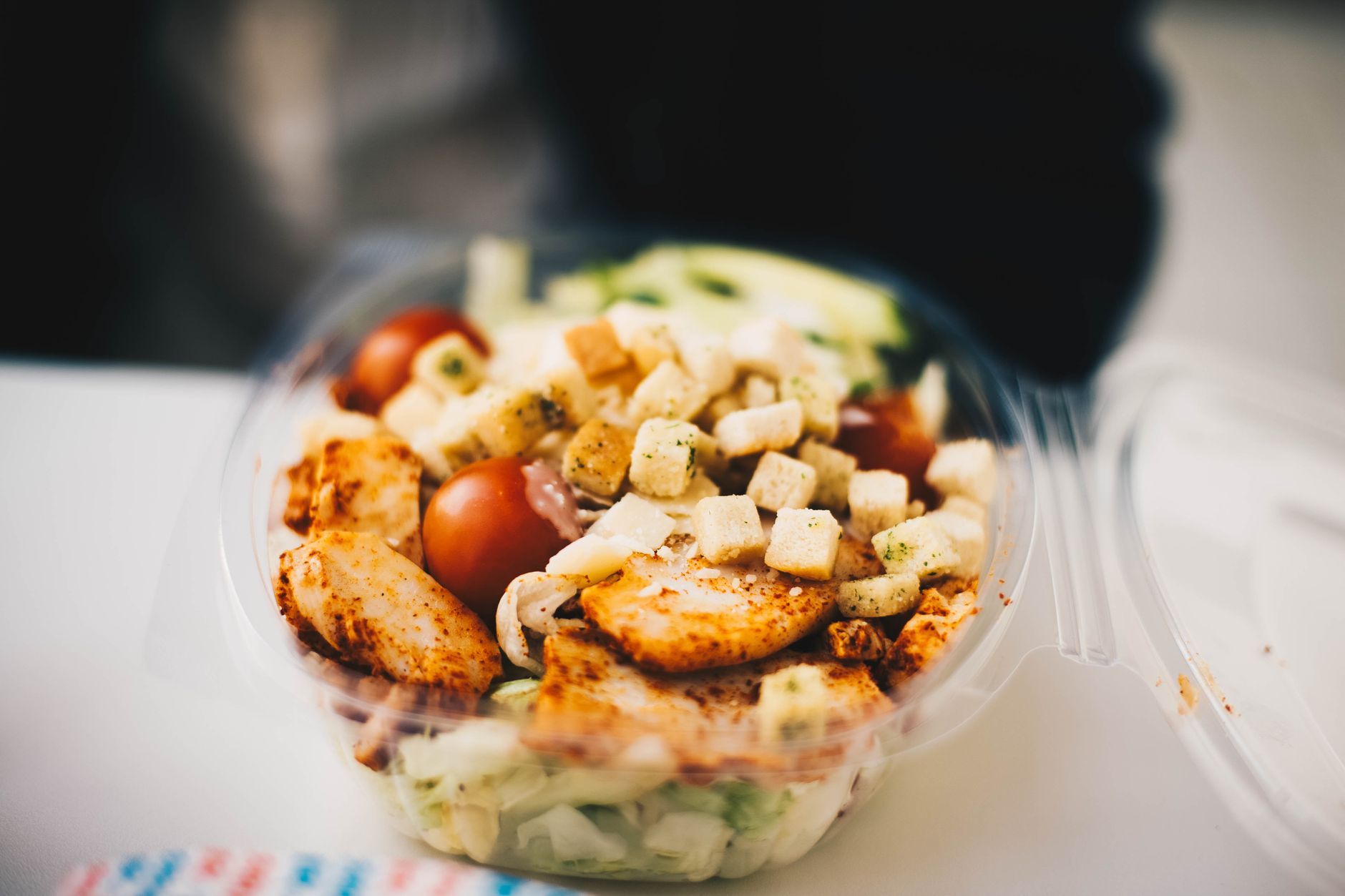 —this is how you stay ahead of the week.
---
Lifestyle Factors and Exercise
Diet isn’t the only piece of the psoriasis puzzle. Lifestyle factors like stress, sleep, and exercise play a huge role in managing symptoms, often influencing the frequency and severity of flare-ups. A holistic approach that integrates these elements is most effective.
Taking care of your mental and physical well-being beyond your plate can significantly enhance your body's ability to cope with psoriasis. These practices work synergistically with your diet to calm inflammation and support overall skin health, creating a more resilient system.
- Exercise: Regular movement reduces stress and inflammation, improves circulation, and can help maintain a healthy weight. Aim for:
- 30 minutes of moderate exercise (walking, swimming, cycling) most days of the week, as recommended by the CDC.
- Strength training 2–3 times a week to support muscle and bone health, which is particularly important if you have psoriatic arthritis.
- Avoid overexertion—listen to your body and choose activities that you enjoy and that don't aggravate your skin.
- Stress management: Stress is a well-known trigger for psoriasis flare-ups. Finding effective ways to manage it is crucial. Try:
- Deep breathing or meditation (apps like Headspace or Calm can help guide you).
- Yoga or tai chi for mind-body connection and gentle movement.
- Journaling to track stress triggers and symptoms, helping you identify patterns and develop coping strategies.
- Spending time in nature, engaging in hobbies, or connecting with loved ones.
- Sleep: Aim for 7–9 hours of quality sleep per night. Poor sleep increases inflammation and can impair your immune system's ability to regulate itself. Tips:
- Keep a consistent sleep schedule, even on weekends.
- Limit screens (phones, tablets, TVs) at least an hour before bed—the blue light can interfere with melatonin production.
- Optimize your sleep environment (cool, dark, quiet) and consider blackout curtains or a white noise machine.
- Skincare: While diet helps internally, topical treatments and a gentle skincare routine matter too:
- Use gentle, fragrance-free cleansers and moisturizers to avoid irritating sensitive skin.
- Moisturize daily with ceramide-based creams to strengthen the skin barrier and lock in hydration.
- Avoid harsh scrubs, extremely hot showers, or vigorous towel drying, which can aggravate psoriatic plaques.
- Follow your dermatologist's recommendations for topical medications consistently.
---
Myth vs. Fact
Psoriasis diet myths can be confusing and lead to unnecessary restrictions or false hopes. Separating fact from fiction empowers you to make informed decisions about your health.
It’s easy to get caught up in anecdotal claims or extreme dietary trends online. Always seek information backed by scientific research and discuss any significant dietary changes with your healthcare provider. Here’s the truth about some common misconceptions:
- Myth: "You can cure psoriasis with diet alone."
Fact: While diet can significantly reduce flare-ups and improve symptoms, it’s not a cure. Psoriasis is a chronic, complex autoimmune condition that often requires a combination of diet, medication, and lifestyle changes for effective management.
- Myth: "You must eliminate all dairy or gluten to manage psoriasis."
Fact: Some people with psoriasis are sensitive to dairy or gluten, but not everyone. These are common triggers, but individual responses vary. Try an elimination diet (under medical supervision) to identify *your* specific triggers before making broad, unnecessary dietary exclusions.
- Myth: "Psoriasis diets are restrictive and boring."
Fact: A psoriasis-friendly diet is flexible, vibrant, and delicious! It focuses on whole, nutrient-dense foods like salmon, berries, nuts, and leafy greens—there are endless flavorful combinations and creative recipes to explore. It's about abundance, not deprivation.
- Myth: "You’ll see results immediately."
Fact: It can take 4–12 weeks of consistent dietary changes to notice improvements in symptoms. Psoriasis is a chronic condition, and healing takes time. Patience, consistency, and tracking your progress are key.
- Myth: "All supplements marketed for psoriasis are effective."
Fact: Many supplements lack scientific evidence for psoriasis treatment. Stick to evidence-backed options like omega-3s, vitamin D, and turmeric, and always consult your doctor before starting any new supplement. The FDA does not regulate supplements in the same way as medications.
---
Key Takeaways
- Focus on anti-inflammatory foods like fatty fish, leafy greens, berries, nuts, and seeds to help calm your immune system.
- Limit processed sugars, gluten, dairy, nightshades, and alcohol if you suspect they trigger your individual flare-ups.
- Meal prep saves time, reduces stress, and ensures you’re consistently eating balanced, psoriasis-friendly meals.
- Supplements like omega-3s, vitamin D, and turmeric may help, but always consult your doctor first to ensure they are appropriate.
- Combine diet with stress management, regular exercise, adequate sleep, and consistent skincare for the most comprehensive results.
- Be patient and consistent—it can take weeks or months to see improvements in symptoms, so track your progress and celebrate small victories.
- Identify your personal food triggers through careful observation and, if necessary, an elimination diet under medical supervision.
- Support your gut health with probiotic and prebiotic-rich foods, as a healthy gut microbiome is linked to reduced inflammation.
---
Frequently Asked Questions
What foods should I avoid if I have psoriasis?
Avoid foods that trigger inflammation or flare-ups for you. Common culprits include processed sugars, refined carbohydrates (like white bread and pastries), excessive red meat, dairy (for some individuals), gluten (if you have a sensitivity), alcohol, and highly processed foods. Keep a food journal to identify your personal triggers.
Can stress really make psoriasis worse?
Yes, stress is a well-documented trigger for psoriasis flare-ups. When you're stressed, your body releases inflammatory chemicals that can exacerbate psoriasis symptoms. Incorporating stress-management techniques like meditation, yoga, deep breathing, and ensuring adequate sleep can significantly help in managing your condition alongside dietary changes.
Is intermittent fasting good for psoriasis?
Some preliminary research suggests that intermittent fasting may help reduce inflammation and improve autoimmune conditions by promoting cellular repair and reducing oxidative stress. However, specific studies on psoriasis are limited, and results vary. If you're considering intermittent fasting, it's crucial to discuss it with your healthcare provider to ensure it's safe and appropriate for your individual health needs and to avoid any potential nutritional deficiencies.
How quickly can diet impact psoriasis symptoms?
The timeline for seeing dietary impacts on psoriasis symptoms varies widely among individuals. Some people may notice subtle improvements within a few weeks (2-4 weeks) of consistent adherence to an anti-inflammatory diet, while for others, it might take longer, up to 3 months or more. Patience and consistency are crucial, as is tracking your symptoms to identify patterns.
Are nightshade vegetables bad for psoriasis?
Nightshade vegetables (like tomatoes, potatoes, eggplants, and peppers) are a controversial topic in psoriasis diets. While some anecdotal reports suggest they can trigger flare-ups in sensitive individuals, scientific evidence is limited and inconsistent. If you suspect nightshades are a trigger for you, try eliminating them for a few weeks and then reintroducing them one at a time, monitoring your symptoms closely. Most people tolerate them well.
---
When to see a doctor or specialist
While dietary changes can be a powerful tool in managing psoriasis, they are part of a comprehensive treatment plan. It's crucial to maintain regular communication with your healthcare provider.
Call your doctor (dermatologist, rheumatologist, or general practitioner) if you experience any of the following:
- Your psoriasis symptoms worsen significantly despite dietary and lifestyle changes.
- You develop new symptoms, such as joint pain or stiffness, which could indicate psoriatic arthritis.
- Your current treatments (topical or systemic) are no longer effective.
- You experience severe itching, pain, or discomfort that significantly impacts your quality of life.
- You have signs of infection (redness, warmth, pus) in your skin lesions.
- You are considering an elimination diet and need guidance to ensure nutritional adequacy.
- You are pregnant or planning to become pregnant and need to adjust your diet or medications.
This article is for informational purposes only and is not a substitute for professional medical advice, diagnosis, or treatment. Always seek the advice of your physician or other qualified health provider with any questions you may have regarding a medical condition.
---
References
- National Psoriasis Foundation. (n.d.). Diet and Nutrition. Retrieved from https://www.psoriasis.org/diet-and-nutrition/
- American College of Obstetricians and Gynecologists (ACOG). (n.d.). Nutrition During Pregnancy. Retrieved from https://www.acog.org/
- American Heart Association (AHA). (n.d.). Fish and Omega-3 Fatty Acids. Retrieved from https://www.heart.org/
- Centers for Disease Control and Prevention (CDC). (n.d.). Physical Activity. Retrieved from https://www.cdc.gov/physicalactivity/index.html
- Environmental Working Group (EWG). (n.d.). Dirty Dozen and Clean Fifteen. Retrieved from https://www.ewg.org/foodnews/
- U.S. Food and Drug Administration (FDA). (n.d.). Dietary Supplements. Retrieved from https://www.fda.gov/food/dietary-supplements
- Mayo Clinic. (n.d.). Psoriasis diet: What helps, what hurts? Retrieved from https://www.mayoclinic.org/diseases-conditions/psoriasis/expert-answers/psoriasis-diet/faq-20058141




