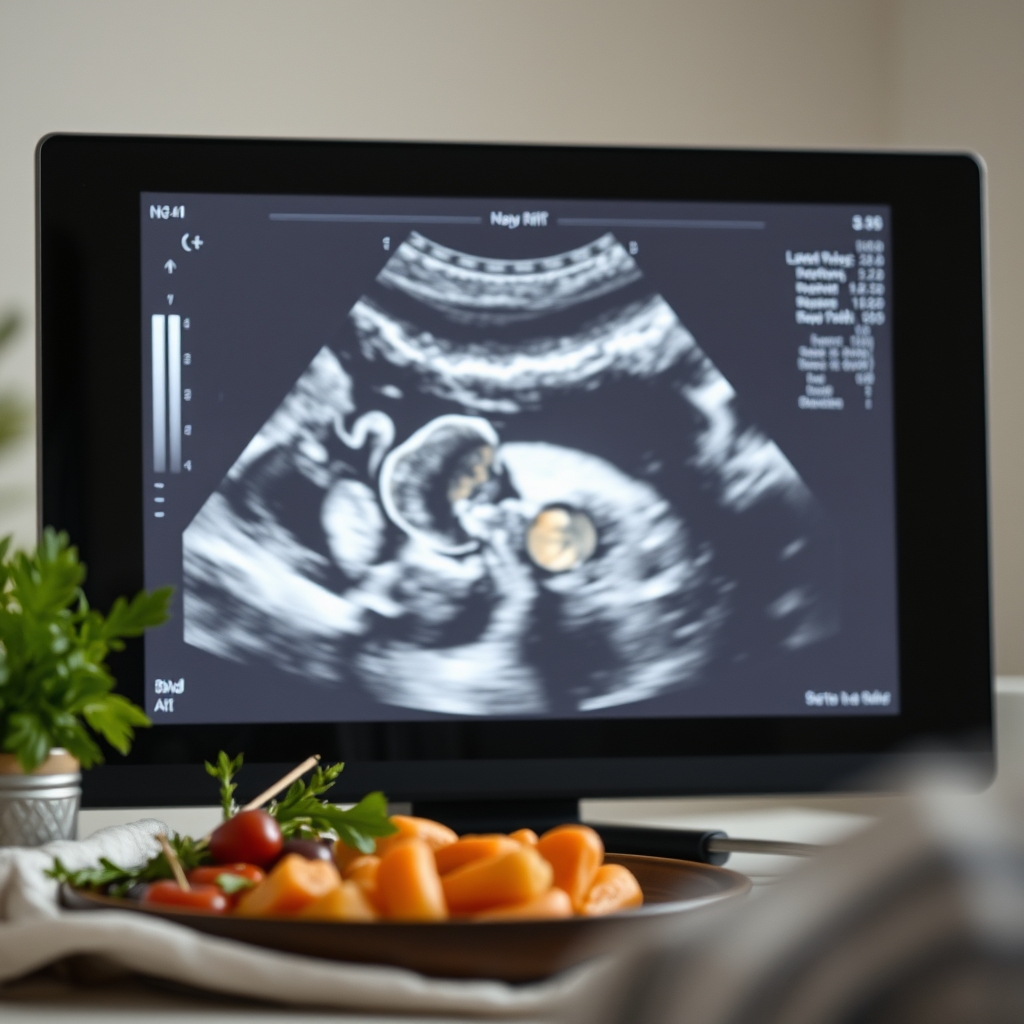
Placenta previa symptoms include painless vaginal bleeding in late pregnancy. Learn the warning signs, risks, and when to seek medical help immediately.
By Shubhra Mishra — a mom of two who turned her own confusion during pregnancy into BumpBites, a global mission to make food choices clear, safe, and stress-free for every expecting mother. 💛
Check whether any food is safe during pregnancy with the BumpBites Food Safety Checker.
Quick take: Placenta previa often shows up as painless vaginal bleeding after the 20th week, but some women have no symptoms at all. If you notice any bleeding, cramping, or sudden pain, call your provider right away. Early ultrasound diagnosis and tailored care can keep both you and your baby safe.
It’s 2 a.m., you’re curled up on the couch, and a sudden gush of blood surprises you. Your heart races, and the first thought that pops into your mind is, “Is this placenta previa?” You’re not alone—thousands of expecting parents wake up to the same alarm. The good news is that placenta previa is a well‑understood condition, and most cases can be managed with careful monitoring and simple lifestyle tweaks.
In this guide we’ll walk through everything you need to know about placenta previa symptoms: what early signs to watch for, why bleeding occurs, how to tell it apart from a miscarriage or placental abruption, and when you should call your doctor. We’ll also cover risk factors, how it’s diagnosed, and practical steps you can take at home. By the end you’ll have a clear, calm roadmap for navigating this common pregnancy complication.
We’ve pulled together guidance from the American College of Obstetricians and Gynecologists (ACOG), the UK’s National Health Service (NHS), and the World Health Organization (WHO) to give you the most reliable, up‑to‑date information. Let’s start with the basics.
What are the early signs of placenta previa?
Placenta previa is a condition where the placenta implants low in the uterus, partially or completely covering the cervical opening. Because the placenta sits near the exit pathway, any disturbance—cervical growth, intercourse, or a routine exam—can trigger bleeding.
Typical early symptoms
Painless bright‑red spotting or bleeding after the 20th week is the classic sign. It often appears suddenly and may be light enough to soak a panty.
Occasional brown discharge that starts weeks before a larger bleed can be an early warning.
Feeling of pressure in the lower abdomen without pain, especially when lying down.
Placenta previa symptoms after 20 weeks
Most bleeding episodes happen after the placenta has moved higher (around 20 weeks) and the uterus has expanded. However, a low‑lying placenta identified on an early scan can still cause spotting before 20 weeks. In these cases, the bleeding is usually minimal and may resolve on its own, but it still warrants a follow‑up ultrasound.
Silent placenta previa symptoms without bleeding
Up to 30 % of women with a confirmed previa report no bleeding at all. In silent cases, the only clue may be a routine ultrasound that shows the placenta covering the cervix. Some mothers describe a vague sense of “something not right” or mild pelvic pressure, but without bleeding, the condition often goes unnoticed until later imaging.
Early‑pregnancy ultrasound can reveal a low‑lying placenta even when you feel fine.
Because silent previa can be discovered only by imaging, many providers schedule a repeat scan around 28 weeks to see if the placenta has “migrated” upward—a natural process that occurs in most pregnancies.
How does placenta previa cause vaginal bleeding in the third trimester?
In the third trimester the uterus expands rapidly, and the cervix begins to thin (efface) and open (dilate) in preparation for labor. When the placenta sits over or near the cervical opening, this natural remodeling can tear the delicate placental tissue, leading to bleeding.
Mechanism of bleeding
The placenta is richly supplied with blood vessels. As the lower uterine segment stretches, those vessels can rupture, releasing bright‑red blood that bypasses the protective mucus plug. Because the placenta is not attached to the uterine wall in the same way as a scar, the bleeding can be brisk and may recur with any activity that puts pressure on the cervix.
Why the bleeding is usually painless
Unlike labor contractions or placental abruption (where the placenta separates abruptly and causes intense uterine cramping), placenta previa bleeding is typically painless. The uterus itself isn’t contracting; it’s simply the placental surface being irritated.
Placenta previa symptoms vs placenta abruption
Feature
Placenta previa
Placental abruption
Bleeding onset
Painless, bright red
Painful, dark red or brown
Uterine tone
Soft, relaxed
Hard, tender
Associated pain
Usually none
Severe abdominal pain
Fetal distress
Possible if bleeding is heavy
Common due to reduced blood flow
ACOG’s 2020 practice bulletin emphasizes that the absence of pain should not delay evaluation—any bleeding after 20 weeks needs prompt ultrasound to rule out abruption or previa (ACOG, 2020). In addition, routine monitoring of fetal heart rate during bleeding episodes helps clinicians decide whether immediate delivery is required.
Can placenta previa cause abdominal pain or cramping?
Most women with placenta previa report no abdominal pain. The hallmark is painless bleeding. However, there are a few scenarios where you might feel discomfort.
When cramping can appear
Labor onset: As the cervix finally dilates, women with previa may feel the usual labor pains, but the bleeding will continue.
Physical strain: Heavy lifting, vigorous sexual activity, or a sudden change in position can cause mild cramping if the low‑lying placenta is tugged.
Concurrent conditions: Some mothers experience both previa and mild uterine irritability from Braxton‑Hicks contractions, which can be mistaken for cramping.
Persistent or severe cramping, especially when paired with bleeding, should be evaluated immediately, as it may indicate a worsening previa or a different problem such as placental abruption. The presence of a hard, tender uterus alongside cramping is a red flag that clinicians watch for closely.
Difference between placenta previa bleeding and miscarriage symptoms
Both placenta previa and early miscarriage can present with vaginal bleeding, but the patterns differ. Knowing the nuance can help you stay calm while you seek care.
Key distinguishing features
Bleeding color: Placenta previa typically produces bright‑red, fresh blood. Miscarriage bleeding often starts as dark brown or “clotted” blood that darkens over time.
Pain level: Miscarriage is usually accompanied by cramping that feels like menstrual cramps and may intensify. Placenta previa bleeding is usually painless.
Timing: Miscarriage bleeding most commonly occurs before 20 weeks, whereas previa bleeding is rare before that point.
Fetal movement: In a miscarriage, fetal movement often stops suddenly. With previa, movement usually continues unless the bleeding is severe.
How can I tell if my bleeding is from placenta previa or a miscarriage?
Start by noting the color and associated pain. If you’re past 20 weeks, the bleeding is bright red, and you feel little or no pain, placenta previa is more likely. Still, any unexplained bleeding warrants a prompt call to your provider for a definitive ultrasound. After an episode, most clinicians will also check fetal heart tones to ensure the baby is still thriving.
When should I call my doctor if I suspect placenta previa?
Because placenta previa can turn a routine day into an emergency, it’s better to err on the side of caution. Call your obstetrician, midwife, or go to the nearest labor‑and‑delivery unit if you notice any of the following:
Sudden bright‑red vaginal bleeding, even if it’s just a small spot.
Bleeding that recurs after a period of calm.
Severe abdominal pain, especially if the uterus feels hard.
Fever, chills, or foul‑smelling discharge (signs of infection).
Decreased fetal movement after a bleeding episode.
Even if the bleeding stops on its own, a professional evaluation is essential. Early assessment can prevent complications and give you peace of mind.
Risk factors that increase likelihood of placenta previa symptoms
Placenta previa is relatively uncommon—affecting about 1 in 200 pregnancies—but certain factors raise your odds.
Known risk factors
Previous cesarean delivery: Scarring on the uterine wall can guide the placenta to implant lower.
Multiple prior pregnancies (multiparity): The uterus stretches and may have areas where the placenta prefers the lower segment.
Twin or higher‑order multiple gestation: More placental surface area increases the chance of low implantation.
Previous placenta previa: Once you’ve had it, the risk of recurrence is higher.
Advanced maternal age (35+): Age‑related uterine changes can affect implantation.
How lifestyle influences risk
While you can’t change a previous C‑section, you can reduce modifiable risks. Quitting smoking, maintaining a healthy weight, and attending all prenatal visits help your provider catch a low‑lying placenta early and plan appropriate care.
How are placenta previa symptoms diagnosed during pregnancy?
Diagnosis hinges on imaging, not on symptom description alone. The gold standard is a transabdominal or transvaginal ultrasound performed by a qualified sonographer.
What tests confirm placenta previa symptoms?
Transabdominal ultrasound (usually done at 18‑20 weeks): Gives an initial view of placental location.
Transvaginal ultrasound: Offers higher resolution for low‑lying placentas and is safe for the fetus.
Doppler flow studies: Assess blood flow to ensure the placenta is still functioning properly.
Serial ultrasounds: Placental position often “migrates” upward as the uterus expands; repeat scans at 28‑32 weeks confirm persistence.
When is placenta previa diagnosed?
Most cases are identified during the routine anatomy scan at 18‑22 weeks. If bleeding occurs earlier, an urgent scan may be ordered. In rare cases, a placenta previa is discovered only after a bleeding episode in the third trimester.
What lifestyle changes can reduce placenta previa symptoms?
While you can’t move an existing placenta, certain habits can lessen the chance of bleeding or make any episodes easier to manage.
Activity modifications
Avoid heavy lifting (>20 lb) after the second trimester.
Limit strenuous exercise that involves jarring motions; opt for low‑impact activities like walking, prenatal yoga, or swimming.
Refrain from sexual intercourse if your provider advises it after a bleeding episode.
Nutrition and hydration
Staying well‑hydrated keeps blood volume stable, reducing pressure on placental vessels. A balanced diet rich in iron, vitamin C, and folic acid supports healthy blood and tissue repair.
Stress reduction
High stress can raise blood pressure, which may exacerbate bleeding. Simple practices—deep breathing, short meditation, or a warm prenatal bath—can keep cortisol levels in check.
Keeping hydrated and nourished helps maintain blood volume and may reduce bleeding risk.
According to NHS guidance, adequate fluid intake (at least 2 liters per day) is a simple yet effective way to support circulation during pregnancy.
How to manage placenta previa symptoms at home
If you’ve been diagnosed with placenta previa and are experiencing mild bleeding, there are safe home‑care steps you can follow while awaiting medical guidance.
Rest in a semi‑reclined position (e.g., propped up with pillows). Lying flat can increase pressure on the placenta.
Apply a cold pack to the lower abdomen for 10‑15 minutes if you feel discomfort—not directly on the skin, but wrapped in a cloth.
Track bleeding: Note the amount, color, and any accompanying symptoms. Bring this record to your next appointment.
Avoid sexual activity and tampon use until cleared by your provider.
Stay in touch with your care team. If bleeding worsens or you develop pain, seek immediate care.
Most providers will ask you to limit activity for a few weeks and will schedule repeat ultrasounds to see if the placenta has moved upward.
Can placenta previa symptoms resolve on their own?
In many cases, the placenta “moves” upward as the uterus expands—a natural process called placental “migration.” Approximately 70‑90 % of low‑lying placentas identified before 20 weeks resolve by the third trimester, eliminating the need for special restrictions (ACOG, 2020).
However, if the placenta remains partially or completely covering the cervical os after 28 weeks, the condition is considered persistent, and delivery planning (often via cesarean section) becomes necessary. Even when the placenta does migrate, any bleeding episodes should still be evaluated because they can signal other issues.
Placenta previa symptoms in twin pregnancy
Twin pregnancies increase uterine stretching, which can raise the chance of a low‑lying placenta. Women carrying twins are also more likely to experience bleeding because there’s more placental surface area that may be near the cervix.
Management is similar to singleton pregnancies—close monitoring with serial ultrasounds and activity modifications—but delivery is usually planned a little earlier (around 36‑37 weeks) to balance the risks of preterm birth against the dangers of hemorrhage.
What are the treatment options for placenta previa symptoms?
Treatment depends on the severity of bleeding, gestational age, and whether the placenta has fully or partially covered the cervix.
Conservative management
Pelvic rest: No intercourse, digital exams, or vigorous activity.
Hospitalization for heavy or recurrent bleeding, where IV fluids and blood products are readily available.
Corticosteroids (e.g., betamethasone) to accelerate fetal lung maturity if an early delivery becomes likely (per ACOG guidelines).
Surgical options
Cesarean delivery: The definitive treatment for complete previa or persistent partial previa after 36 weeks.
Placenta‑preserving hysterectomy (rare): In extreme cases of uncontrolled hemorrhage, the surgeon may need to remove the uterus while preserving the placenta for future fertility considerations.
All decisions are made in partnership with your obstetric team, balancing maternal safety and the baby’s gestational needs.
What foods or supplements should I avoid with placenta previa?
There’s no specific diet that will move a low‑lying placenta, but certain substances can increase bleeding risk. The FDA and ACOG recommend limiting anything that thins the blood or irritates the uterine lining.
Vitamin E megadoses (above 400 IU/day) have been linked to increased bleeding in pregnancy; stay within prenatal vitamin recommendations.
Fish high in mercury (e.g., swordfish, king mackerel) should be avoided, as mercury can affect fetal development and maternal blood pressure.
Herbal teas with anticoagulant properties such as ginger or cinnamon in large amounts—moderation is key.
Alcohol: Even small amounts can affect clotting; most guidelines advise complete abstinence during pregnancy.
Stick to a balanced diet rich in whole grains, lean protein, and plenty of fruits and vegetables. If you’re unsure about a supplement, ask your provider before adding it.
How does placenta previa affect fetal growth?
Placenta previa itself does not usually impair fetal growth because the placenta remains functional and receives adequate blood flow. However, repeated bleeding episodes can temporarily reduce oxygen delivery, which is why clinicians monitor fetal growth with serial ultrasounds.
According to the Royal College of Obstetricians and Gynaecologists (RCOG), most babies born to mothers with previa achieve normal birth weights, but a small percentage may be classified as small‑for‑gestational‑age if significant blood loss occurs. Continuous fetal monitoring and timely delivery when indicated help protect growth and overall health.
What to expect during a hospital stay for placenta previa?
If bleeding becomes heavy or recurrent, many providers admit you for observation. In the hospital, you’ll likely receive IV fluids to maintain blood pressure, and a bedside monitor will track your and the baby’s heart rates.
Doctors may perform a repeat ultrasound, give corticosteroids to mature the baby’s lungs, and keep you on pelvic rest. Most stays last 24‑48 hours if bleeding stabilizes, but some women remain longer for additional monitoring. Nursing staff will also teach you how to safely move and rest to minimize further irritation of the placenta.
Can I travel safely with placenta previa?
Travel is generally safe if you’re not experiencing active bleeding and your provider has cleared you. The key considerations are:
Length of trip: Short trips (under 4 hours) are low risk; longer journeys should include planned breaks and access to medical care.
Mode of transport: Air travel is permissible after the first trimester if you have no complications, but check airline policies and bring a copy of your prenatal records.
Hydration and movement: Stay hydrated and move your legs regularly to prevent blood pooling.
Emergency plan: Know the nearest hospital to your destination and have your provider’s contact information handy.
If you’ve had recent heavy bleeding or are under hospital observation, your provider will likely advise staying home until the situation stabilizes.
From our medical team: Placenta previa can feel frightening, but most women with a diagnosed previa deliver healthy babies. The key is prompt evaluation of any bleeding, consistent prenatal care, and following your provider’s activity recommendations. If you ever feel unsure, a quick call to your care team can provide reassurance and keep complications at bay.
Myth vs. fact
Myth: If you don’t bleed, you can’t have placenta previa.
Fact: Up to one‑third of women with previa have no bleeding; a routine ultrasound is the only reliable way to know.
Myth: All bleeding in the third trimester means a miscarriage.
Fact: Third‑trimester bleeding is more often due to placenta previa or placental abruption than miscarriage, especially after 20 weeks.
Myth: You must stay in the hospital for the entire pregnancy if you have placenta previa.
Fact: Most women with stable, mild bleeding can manage at home with pelvic rest and close monitoring; hospitalization is reserved for heavy or recurrent bleeding.
Key takeaways
Painless bright‑red bleeding after 20 weeks is the hallmark sign of placenta previa.
Immediate medical evaluation is crucial—call your provider for any bleeding, pain, or sudden change in fetal movement.
Ultrasound (especially transvaginal) is the definitive diagnostic tool; repeat scans track placental migration.
Risk factors include prior C‑sections, multiple pregnancies, smoking, and advanced maternal age.
Management ranges from pelvic rest and hospital monitoring to scheduled cesarean delivery after 36 weeks.
Lifestyle tweaks—stay hydrated, avoid heavy lifting, and limit strenuous activity—may reduce bleeding episodes.
Certain supplements (high‑dose vitamin E, herbal anticoagulants) and alcohol should be avoided to minimize bleeding risk.
Travel is usually safe if you’ve been cleared, but always have an emergency plan and stay hydrated.
Fetal growth is typically normal, but repeated bleeding warrants close monitoring.
Hospital stays focus on stabilizing bleeding, monitoring the baby, and preparing for possible early delivery.
Frequently asked questions
What does placenta previa feel like?
Most women describe a sudden gush of painless, bright‑red blood, often without any accompanying cramping. Some may notice only a small spot or brown discharge.
Is vaginal bleeding always a sign of placenta previa?
No. Bleeding can also stem from cervical changes, infection, or placental abruption. An ultrasound is needed to confirm the cause.
Can placenta previa cause no symptoms at all?
Yes. Approximately 30 % of cases are asymptomatic and are discovered incidentally during routine imaging.
How can I tell if my bleeding is from placenta previa or a miscarriage?
Bleeding from previa is usually bright red and painless, occurring after 20 weeks, while miscarriage bleeding often appears darker, may be accompanied by cramping, and typically happens earlier in pregnancy.
When is placenta previa diagnosed?
Most diagnoses occur at the 18‑22 week anatomy scan, but any bleeding episode after 20 weeks triggers an urgent ultrasound for confirmation.
What are the treatment options for placenta previa symptoms?
Management can be conservative (pelvic rest, monitoring, steroids) or surgical (planned cesarean delivery). The choice depends on bleeding severity, gestational age, and placental coverage.
Is it safe to exercise with placenta previa?
Low‑impact activities like walking, prenatal yoga, or swimming are generally safe, but you should avoid high‑intensity or contact sports. Always discuss your exercise plan with your provider.
Can I have a vaginal birth if my placenta moves upward?
If follow‑up ultrasounds show that the placenta no longer covers the cervical opening (a resolved previa), a vaginal birth may be possible. Your care team will assess the final placental position before labor.
Can I take prenatal vitamins if I have placenta previa?
Yes. Standard prenatal vitamins are recommended because they provide essential nutrients without increasing bleeding risk. Avoid high‑dose vitamin E or herbal supplements unless your provider specifically approves them.
Is it safe to get a COVID‑19 vaccine with placenta previa?
Absolutely. The CDC and ACOG endorse COVID‑19 vaccination for pregnant people, including those with placenta previa, as it reduces the risk of severe illness that could worsen bleeding or compromise fetal health.
When to call your doctor
If you experience any of the following, seek medical attention right away: sudden bright‑red bleeding, worsening or repeated bleeding, severe abdominal or pelvic pain, fever or chills, foul‑smelling discharge, or a noticeable drop in your baby's movements. Remember, this article provides general information and is not a substitute for personalized medical advice.
References
American College of Obstetricians and Gynecologists (ACOG). “Placenta Previa.” Practice Bulletin No. 215, 2020.
National Health Service (NHS). “Placenta previa.” Updated 2023.
World Health Organization (WHO). “Maternal health: management of placenta previa.” 2022.
Mayo Clinic. “Placenta previa.” Accessed July 2026.
Royal College of Obstetricians and Gynaecologists (RCOG). “Guideline on placental disorders.” 2021.
Centers for Disease Control and Prevention (CDC). “Pregnancy complications.” 2023.
Society for Maternal-Fetal Medicine (SMFM). “Consensus statement on the management of placenta previa.” 2022.
Food and Drug Administration (FDA). “Guidance on dietary supplements during pregnancy.” 2021.
Not sure about the label on Placenta Previa Symptoms products?
Snap the ingredients list and SafeFilter checks every ingredient for your stage — only 3 free scans this month, then you're locked until reset. Unlimited from $7/mo or lock $50/yr through Aug 31 (16 days left).
When Shubhra Mishra was expecting her first child in 2016, she was overwhelmed by conflicting food advice — one site said yes, another said never. By the time her second baby arrived in 2019, she realized millions of mothers face the same confusion.
That sparked a five-year journey through clinical nutrition papers, cultural diets, and expert conversations — all leading to BumpBites: a calm, compassionate space where science meets everyday motherhood.
Her long-term vision is to build a global community ensuring safe, supported, and free deliveriesfor every mother — because no woman should face pregnancy alone or uninformed. 🌿
🌍 Stand with mothers, shape safer guidance
Join a small circle of experts who review BumpBites articles so expecting parents everywhere can decide with confidence.