Quick take: Most toddlers can thrive on a fortified plant‑based milk if you choose one that matches their calcium, vitamin D, and protein needs, watch for added sugars, and transition gradually. Look for milks with at least 300 mg calcium and 2.5 µg vitamin D per cup, and aim for 16‑24 oz per day spread across meals. Check allergy labels, pick organic when budget allows, and keep an eye on environmental footprints—your toddler’s health and the planet can both win.
Imagine it’s 7 a.m.; you’re in the kitchen, a half‑asleep toddler tugging at your sleeve, and the question that’s been buzzing all night finally surfaces: “Which plant‑based milk should I give my little one?” You’re not alone. Many parents today are swapping dairy for alternatives, but the sheer variety—oat, soy, almond, rice, coconut, pea—can feel overwhelming, especially when you need to meet calcium, vitamin D, protein, and sugar guidelines for a growing child.
In this plant based milk for toddler comparison, we break down the science, safety, cost, and even the planet‑impact of each option. We’ll walk you through the nutrient profiles, highlight allergy considerations, show you how much milk is appropriate, and give practical tips for a smooth transition from cow’s milk. By the end, you’ll have a clear, evidence‑based roadmap to choose the right fortified plant‑based milk for your toddler’s unique needs.
Best plant‑based milks for toddlers with calcium and vitamin D
Calcium and vitamin D are the cornerstones of bone health, especially during the rapid growth phase of ages 1‑3. Dairy provides about 300 mg calcium and 2.5 µg vitamin D per cup; the goal is to match or exceed that with a fortified plant‑based alternative.
Below is a plant based milk toddler calcium content chart 2026 that captures the typical calcium and vitamin D levels found in the most common fortified milks. Values are per 240 ml (1 cup) serving and reflect products that meet U.S. FDA and UK Food Standards Agency fortification standards.
When you compare the numbers, soy and pea milks stand out for protein while oat milk usually leads in calcium. However, the most important factor is that the milk is fortified—unfortified versions often contain less than 50 mg calcium per cup, far below what toddlers need.
For families following the Academy of Nutrition and Dietetics guidelines, the recommended daily calcium for toddlers 1‑3 years is 700 mg. Two cups of fortified soy, oat, or pea milk can provide roughly half of that requirement, making them excellent primary sources when paired with calcium‑rich foods like leafy greens, tofu, or fortified cereals.

How does oat milk compare to soy milk for toddler nutrition?
Oat and soy milks dominate the U.S. and UK markets, but they differ in macro‑ and micronutrient composition. Soy milk is a legume‑derived beverage with a protein profile comparable to dairy (≈7 g per cup). Oat milk, made from whole grain oats, offers a creamier texture and slightly more calcium, but its protein content is lower (≈3 g per cup).
From a plant based milk for toddler comparison standpoint, here are the key take‑aways:
- Protein: Soy delivers roughly double the protein of oat, making it a better match for toddlers who need 13 g of protein per day (American Academy of Pediatrics).
- Calcium: Oat often contains 350 mg per cup, slightly higher than soy’s 300 mg, but both meet the fortification benchmark.
- Sugar: Unsweetened oat milk may have 5 g of naturally occurring sugars from oats, while soy typically has 4 g added sugars. Choose “unsweetened” versions to keep total sugar below 5 g per cup.
- Allergy profile: Soy allergy affects about 0.4 % of children (American College of Allergy, Asthma & Immunology). Oat is generally well tolerated, though cross‑contamination with gluten can be a concern for celiac or gluten‑sensitive toddlers.
Both milks meet the calcium and vitamin D targets when fortified, but soy is the clear protein champion. If your child has a soy allergy, oat becomes the next best choice, provided you select a gluten‑free certified product.
Beyond nutrients, consider the taste and texture: many toddlers prefer the mild sweetness of oat milk, which can make it easier to incorporate into smoothies or warm oatmeal. Soy milk’s more neutral flavor blends well with savory dishes like soups or casseroles, offering flexibility as your child’s palate evolves.
Is almond milk safe for toddlers with nut allergies?
Almond milk is a popular low‑calorie option, but its safety hinges on the presence of tree‑nut allergens. For toddlers with a confirmed almond or other tree‑nut allergy, even “trace‑free” almond milk can trigger reactions because processing facilities often handle multiple nuts.
Guidelines from the American Academy of Allergy, Asthma & Immunology (AAAAI) advise that children with a known tree‑nut allergy avoid all almond‑based products unless a medically supervised oral food challenge proves tolerance. In practice, most pediatric allergists recommend steering clear of almond milk altogether for these children.
For families without nut allergies, almond milk can be a viable choice, but it offers only 1 g of protein per cup—far below the toddler’s daily target. It is also low in calcium unless fortified, so look for versions that list “Calcium‑added” on the label.
Low‑sugar almond milks are increasingly available, often containing 2‑3 g of added sugar per cup. If your toddler has diabetes or you’re watching sugar intake, compare the nutrition facts carefully and prioritize “unsweetened” varieties.
Because almond milk is derived from a single‑ingredient source, it can be a good option for families seeking a “single‑ingredient” product, but the trade‑off is its limited protein and calcium content. Pair it with protein‑rich foods like Greek yogurt or nut‑free cheese to round out the meal.
Nutritional differences between rice milk and coconut milk for toddlers
Rice and coconut milks are often marketed as “light” or “hypo‑allergenic,” but they differ dramatically in macronutrient density.
- Calcium: Fortified rice milk delivers about 250 mg per cup, while fortified coconut milk provides roughly 200 mg. Both fall short of the 300 mg benchmark, so you may need to supplement with calcium‑rich foods.
- Protein: Rice milk is the lowest protein plant‑based milk (≈0.5 g per cup). Coconut milk is similarly low, offering about 0.5 g as well.
- Sugar: Rice milk naturally contains more carbohydrates, resulting in higher sugar content (≈6 g per cup, often from added sugars). Coconut milk tends to be sweeter due to added flavors, averaging 5 g per cup.
- Fat: Coconut milk supplies more saturated fat (≈2.5 g per cup) compared with rice milk’s negligible fat content.
Because of their low protein and calcium, rice and coconut milks are best used as occasional “flavor enhancers” in smoothies or oatmeal, rather than primary dairy substitutes. If your toddler has a soy or nut allergy, fortified pea or oat milk may be a more nutritionally complete alternative.
Both milks are naturally low‑allergen, making them appealing for children with multiple food sensitivities. However, the high carbohydrate load of rice milk can affect blood sugar, so monitor portions closely if your child is prone to energy spikes.
What are the protein levels in pea milk versus dairy milk for toddlers?
Pea protein has surged in popularity due to its high digestibility and neutral flavor. Fortified pea milk typically offers about 8 g of protein per cup—slightly higher than dairy milk’s 8 g, and markedly superior to most other plant‑based milks.
Key advantages of pea milk for toddlers:
- Complete amino acid profile: Pea protein contains all essential amino acids, supporting muscle growth and brain development (International Society of Sports Nutrition).
- Allergy-friendly: Pea is low on the allergen ladder, making it suitable for children with soy, nut, or gluten sensitivities.
- Low sugar: Most fortified pea milks are unsweetened, delivering 4 g of added sugar per cup—well within the American Heart Association’s recommendation of less than 5 g added sugar per day for toddlers.
When comparing to dairy, the calcium and vitamin D content are usually identical if fortified, so pea milk can serve as a true one‑to‑one dairy replacement from a nutritional standpoint.
Pea milk also tends to have a longer shelf life than soy or oat milks, which can be helpful for families who shop weekly rather than daily. Its mild taste blends easily into both sweet and savory dishes, reducing the need for flavor masking.
How to transition a toddler from cow’s milk to plant‑based milk without digestive issues
Switching milks is a big step, but a gradual approach can minimize digestive upset and ensure your child still gets essential nutrients.
- Start with a 3‑day trial: Mix ¼ cup cow’s milk with ¾ cup of the chosen plant‑based milk. Observe for any signs of gas, bloating, or changes in stool.
- Increase proportion: Over the next week, shift the ratio by ¼ cup every 2‑3 days until you’re offering 100 % plant‑based milk.
- Watch calcium intake: Keep a daily log of calcium sources—fortified milk, cheese, yogurt, leafy greens—to ensure you reach the 700 mg target.
- Stay hydrated: Offer water between meals; toddlers can handle up to 24 oz (2 cups) of fortified plant‑based milk per day without compromising iron absorption.
- Monitor growth milestones: Track weight, height, and head circumference at routine pediatric visits. If growth slows, reassess nutrient intake with your pediatrician.
Most toddlers tolerate the switch without issues, but a small subset may experience mild lactose‑related reflux or soy‑related gas. If you notice persistent diarrhea, vomiting, or rash, pause the transition and consult a pediatrician.
During the transition, pairing the new milk with familiar foods—like banana‑oat pancakes or cheese‑topped crackers—can help your child accept the change. Consistency is key; keep offering the plant‑based milk even if the first few attempts are met with a grimace.

Organic vs conventional plant‑based milks for toddlers: which is healthier?
Organic certification primarily addresses pesticide residues and farming practices. For toddlers, who are more vulnerable to environmental toxins, many parents prefer organic milks. However, the nutrient profile—calcium, vitamin D, protein—depends on fortification, not on organic status.
Key points from the U.S. Department of Agriculture (USDA) and European Food Safety Authority (EFSA):
- Both organic and conventional fortified milks meet the same FDA/EFSA fortification standards.
- Organic milks generally contain lower levels of pesticide residues, which may be reassuring for parents concerned about cumulative exposure.
- Price differences can be significant—organic cartons often cost 30‑50 % more per litre. If budget is a constraint, focus on fortified non‑organic milks and rinse fruits and vegetables well to reduce pesticide load.
- Some organic brands skip fortification to keep “clean‑label” claims, which could leave toddlers short on calcium and vitamin D. Always read the label.
Bottom line: Choose an organic milk **only if it is fortified** and fits your budget. Otherwise, a conventional fortified milk is nutritionally equivalent and often more affordable.
Environmental impact of different plant‑based milks for toddler families
Beyond health, many families weigh the ecological footprint of their milk choice. Here’s a concise comparison based on recent life‑cycle assessments (FAO, 2023):
Pea and soy milks have the smallest land and water footprints, while almond milk demands the most water—about ten times more than soy. If environmental stewardship guides your purchase, prioritize pea, soy, or oat milks, especially when paired with organic farming practices.
Remember that local sourcing can further reduce transport‑related emissions. Choosing a brand produced in your region may shave off a few kilograms of CO₂e per litre, a small but meaningful step for eco‑conscious families.
Cost comparison and budgeting for popular plant‑based milks for toddlers
Switching from cow’s milk to a fortified plant‑based alternative can affect the grocery bill. Below is an approximate 2026 cost snapshot for a 1‑liter (34 oz) carton, based on average UK and US supermarket pricing.
For families on a tight budget, rice milk appears cheapest per serving, but remember its low protein and calcium. A cost‑effective strategy is to buy larger bulk containers, watch for sales on fortified soy or oat milks, and supplement with inexpensive calcium‑rich foods like canned salmon with bones or fortified cereals.
If your toddler has diabetes or you need a low‑sugar option, prioritize unsweetened soy, pea, or oat milks—each contains 4‑5 g of added sugar per cup, well below the 5 g threshold recommended by the American Diabetes Association.
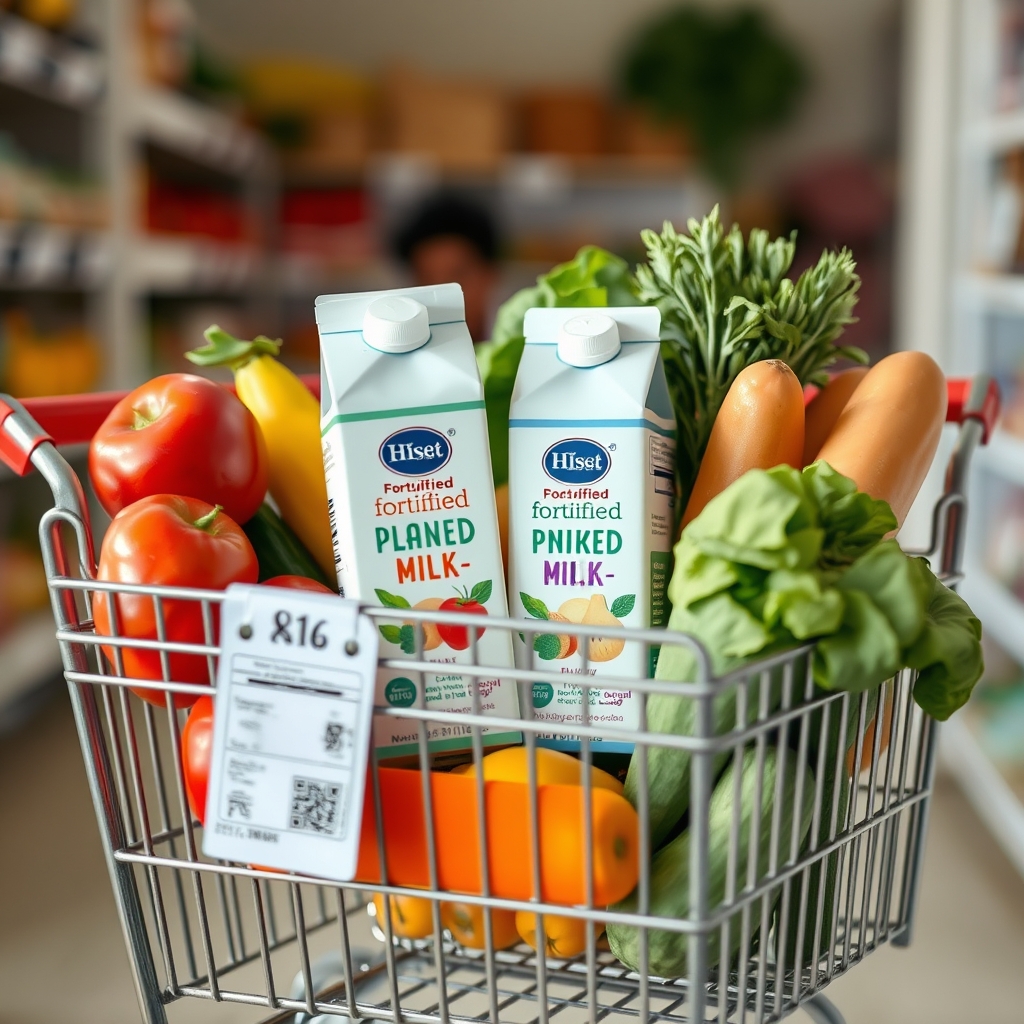
How to read plant‑based milk labels for toddlers
Understanding the nutrition facts panel is essential for making an informed choice. Look for the following key elements:
- Fortification statement: It should list “Calcium‑added” and “Vitamin D‑added” with the exact amounts per serving.
- Protein content: Aim for at least 5 g per cup; soy, pea, and some oat milks meet this benchmark.
- Added sugars: The label must differentiate “added sugars” from “total sugars.” Choose “0 g added sugars” or no more than 5 g per cup.
- Allergen warnings: Look for “Contains soy,” “Contains almonds,” or “May contain traces of nuts.” This is critical for children with known sensitivities.
- Ingredient list: Shorter ingredient lists usually mean fewer additives. Avoid milks with long lists of emulsifiers, gums, or artificial flavors if you prefer a cleaner product.
In the United States, the FDA’s Nutrition Facts label must follow a standardized format, while the UK’s “Nutrition Information” panel provides similar data. Cross‑checking both can help you spot hidden sugars or low‑protein claims that might otherwise be missed.
Allergy testing and when to introduce plant‑based milks
Introducing new foods is a milestone, and timing matters for allergy safety. The American Academy of Pediatrics recommends waiting until a toddler is at least 12 months old before offering fortified plant‑based milks, giving the gut enough time to develop tolerance.
If your child has a known food allergy (e.g., soy, almond, or oat), consider the following steps:
- Consult a pediatric allergist: They can perform skin prick or serum IgE testing to confirm the specific allergen.
- Start with a small amount: Offer a teaspoon of the new milk and observe for 30‑60 minutes for any skin or respiratory reactions.
- Keep a food diary: Record the type of milk, amount, and any symptoms. This helps the allergist fine‑tune recommendations.
- Gradual increase: If the test day is clear, slowly increase the serving size over a week, monitoring for delayed reactions such as eczema flare‑ups.
For children without known allergies, you can safely introduce fortified soy, oat, or pea milk after the first birthday, provided you choose an unsweetened, fortified variety. Always keep a high‑calcium, high‑protein backup (like yogurt or cheese) until the new milk proves well‑tolerated.
Myth vs. fact
Myth: All plant‑based milks are low in calcium, so toddlers need a dairy supplement.
Fact: Fortified soy, oat, pea, and almond milks provide 300 mg or more of calcium per cup, matching dairy when fortified.
Myth: Almond milk is automatically safe for toddlers with nut allergies because it’s “plant‑based.”
Fact: Almond milk contains tree‑nut protein and can trigger allergic reactions; avoid it if your child has a confirmed nut allergy.
Myth: The more “organic,” the higher the nutrient content.
Fact: Organic certification does not guarantee higher calcium, vitamin D, or protein levels; fortification determines nutrient content.
Key takeaways
- Choose fortified plant‑based milks that deliver at least 300 mg calcium and 2.5 µg vitamin D per cup.
- For protein, soy and pea milks are the top performers (≈7‑8 g per cup); oat offers moderate protein, while almond, rice, and coconut are low‑protein.
- Low‑sugar, unsweetened varieties are best for toddlers with diabetes or those you want to keep sugar intake under 5 g per cup.
- Transition gradually (3‑day trial, then increase proportion) to avoid digestive upset.
- Organic milks are safe when fortified but cost more; non‑organic fortified milks are nutritionally equivalent.
- Pea and soy milks have the smallest environmental footprints; almond milk uses the most water.
- Daily serving size for toddlers 1‑3 years is 16‑24 oz (2‑3 cups), split across meals, to meet calcium and protein goals without displacing other foods.
- Read labels carefully for fortification, added sugars, and allergen warnings to ensure the milk you pick truly supports your child’s growth.
Frequently asked questions
Can toddlers drink almond milk instead of cow's milk?
Yes, if the almond milk is fortified with calcium and vitamin D and your child does not have a tree‑nut allergy. However, almond milk provides only about 1 g of protein per cup, so you’ll need to ensure protein comes from other foods.
Which plant‑based milk has the most protein for a toddler?
Fortified pea milk typically offers the highest protein (≈8 g per cup), slightly edging out fortified soy milk (≈7 g per cup). Both meet the toddler protein requirement when paired with other protein sources.
Is oat milk safe for toddlers with gluten sensitivity?
Most oat milks are processed on dedicated gluten‑free lines and labeled “gluten‑free.” If your child has celiac disease or non‑celiac gluten sensitivity, look for a certified gluten‑free oat milk to avoid cross‑contamination.
How much calcium does soy milk provide compared to dairy milk?
Fortified soy milk provides about 300 mg calcium per cup, which is essentially equivalent to the calcium content of fortified cow’s milk (≈300 mg per cup). The key is to choose a soy milk that is labeled “fortified” with calcium.
Do plant‑based milks need to be fortified for toddlers?
Yes. Unfortified plant‑based milks usually contain far less calcium, vitamin D, and protein than dairy milk. Fortified versions meet the USDA and UK guidelines for toddler nutrition.
What are the signs that a toddler is not getting enough nutrients from plant‑based milk?
Watch for slowed growth on pediatric charts, frequent bone or joint pain, irritability, or signs of anemia (pale skin, fatigue). If any of these appear, discuss nutrient intake with your pediatrician.
How many ounces of plant‑based milk can a toddler safely drink each day?
For toddlers 1‑3 years, 16‑24 oz (2‑3 cups) of fortified plant‑based milk per day is appropriate. Exceeding 32 oz may limit iron absorption from other foods and increase calorie intake.
Can I use plant‑based milk in homemade toddler snacks?
Absolutely. Fortified soy, oat, or pea milk can be blended into smoothies, mixed into oatmeal, or used as a base for homemade yogurt. Just keep added sugars low and pair with a source of healthy fat—like avocado or nut‑free seed butter—to round out the snack.
When to see a doctor or specialist
If you notice any of the following, contact your pediatrician promptly:
- Persistent diarrhea, vomiting, or severe constipation after introducing a new milk.
- Rash, swelling, or breathing difficulty—possible allergic reaction.
- Noticeable slowdown in growth percentiles over two consecutive well‑child visits.
- Signs of nutrient deficiency: bone tenderness, frequent fractures, or pale skin.
Depending on the symptom, you may be referred to a pediatric gastroenterologist (for chronic digestive issues), an allergist (for suspected milk allergy), or a pediatric nutritionist (for ongoing nutrient optimization). Remember, this article provides general information and is not a substitute for personalized medical advice.
References
- American Academy of Pediatrics. “Nutrition: What’s New for Toddlers.” 2023.
- U.S. Food and Drug Administration. “Guidance for Industry: Nutrient Content of Infant Formula and Follow‑On Formula.” 2022.
- American College of Allergy, Asthma & Immunology. “Food Allergy Overview.” Updated 2024.
- Academy of Nutrition and Dietetics. “Plant‑Based Milk: A Guide for Parents.” 2024.
- Food and Agriculture Organization of the United Nations. “Life‑Cycle Assessment of Milk Alternatives.” 2023.
- American Diabetes Association. “Nutrition Therapy for Children.” 2023.
- National Institutes of Health. “Calcium Requirements for Children.” 2022.
- Harvard T.H. Chan School of Public Health. “Protein Needs Across the Lifespan.” 2023.
- British Nutrition Foundation. “Fortified Foods and Nutrient Intake in Children.” 2024.
- International Society of Sports Nutrition. “Protein Quality of Plant‑Based Sources.” 2023.
- American Academy of Pediatrics. “Introducing Complementary Foods and Allergens.” 2022.
- World Health Organization. “Guidelines on Nutrient Fortification of Foods for Infants and Young Children.” 2021.



