Polymorphic Eruption of Pregnancy (PUPPS) is a common, intensely itchy rash affecting pregnant individuals. Discover its symptoms, causes, and effective treatments in this comprehensive PUPPS rash guide to find relief and manage discomfort during pregnancy.
By Shubhra Mishra — a mom of two who turned her own confusion during pregnancy into BumpBites, a global mission to make food choices clear, safe, and stress-free for every expecting mother. 💛
Check whether any food is safe during pregnancy with the BumpBites Food Safety Checker.
Quick take: Polymorphic eruption of pregnancy (PUPPS) is a harmless, itchy skin rash that typically appears in the third trimester or shortly after delivery. It isn’t contagious, isn’t a sign of a serious disease, and usually clears on its own within a few weeks. Treatment focuses on soothing the itch with topical steroids, antihistamines, and gentle self‑care; most options are safe while breastfeeding.
It’s 2 a.m., you’ve just felt a sudden, prickly itch spreading across your belly and thighs, and a quick Google search later you’re staring at the phrase “PUPPS rash.” The sudden flare can feel alarming, especially when you’re already juggling morning‑sickness, a growing bump, and a to‑do list that never ends. The good news is that most women with polymorphic eruption of pregnancy experience a temporary, treatable rash that isn’t a warning sign for the baby.
In this guide we’ll explain exactly what PUPPS is, why it shows up, how to tell it apart from other pregnancy‑related skin conditions, and what you can do—both medically and at home—to find relief. We’ll also cover breastfeeding considerations, prevention tips, and the red‑flag signs that mean you should call your provider right away.
By the end of the article you’ll have a clear picture of the rash, a roadmap for soothing it, and a set of practical questions you can ask at your next prenatal visit. Let’s dive in.
What causes polymorphic eruption of pregnancy?
Polymorphic eruption of pregnancy, also known as PUPPS, is thought to be an immune‑mediated reaction to the rapid stretching of the skin that occurs in the later stages of pregnancy. The exact trigger isn’t fully understood, but several risk factors have emerged from research and clinical experience:
Rapid weight gain or a large‑for‑gestational‑age baby – sudden expansion can stress the dermis, prompting an inflammatory response.
Primigravida status – first‑time mothers are more likely to develop PUPPS, possibly because their skin has never been stretched before.
Multiple pregnancy (twins, triplets) – the extra abdominal pressure increases the likelihood of a rash.
Hormonal changes – high levels of estrogen and progesterone may alter skin barrier function.
Previous episodes – women who have had PUPPS in an earlier pregnancy are at higher risk of recurrence.
Most of the data come from the American College of Obstetricians and Gynecologists (ACOG) and the UK National Health Service (NHS), which note that the condition typically appears after the 28th week of gestation or within the first two weeks postpartum. The rash is not linked to infections, allergies, or dietary factors, and it does not indicate any fetal problem. Recent case‑series published in the British Journal of Dermatology suggest that the mechanical stretch hypothesis is reinforced by observations of higher incidence in pregnancies with excessive abdominal girth gain.
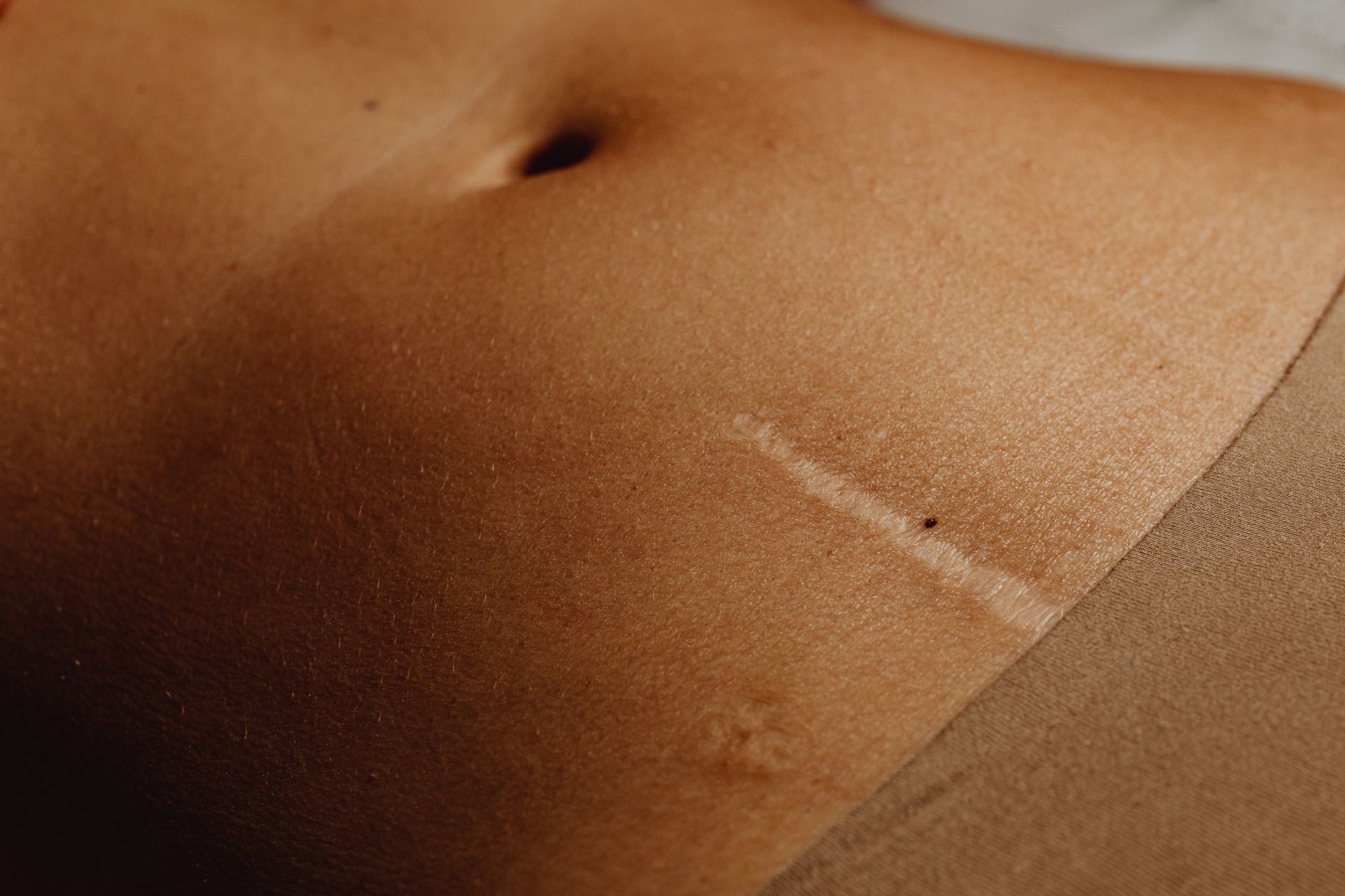
Typical PUPPS rash begins as red, itchy patches on the abdomen.
Because the underlying mechanism is still being clarified, clinicians focus on the observable triggers—rapid stretch and hormonal shifts—rather than trying to modify an unproven cause. This practical approach helps keep counseling straightforward and evidence‑based.
What are PUPPS rash symptoms and treatment?
The hallmark of PUPPS is an itchy, red rash that can take many shapes—hence “polymorphic.” Common presentations include:
Small, raised papules that may cluster into plaques.
Urticaria‑like wheals that appear and fade within hours.
Erythematous (red) patches that spread from the abdomen to the thighs, buttocks, and sometimes the arms.
Intense itching that worsens at night and can disrupt sleep.
Diagnosis is primarily clinical. Your provider will examine the rash, ask about timing (usually third trimester or early postpartum), and rule out other conditions with a brief skin history. A skin biopsy is rarely needed, but if the presentation is atypical, a dermatologist may perform one to exclude pemphigoid gestationis or other autoimmune disorders. According to ACOG’s 2023 guidance, a biopsy is reserved for cases where lesions are bullous, atypical, or refractory to standard therapy.
Treatment focuses on symptom relief:
Topical corticosteroids (e.g., hydrocortisone 1% or prescription‑strength clobetasol) applied twice daily to reduce inflammation.
Oral antihistamines such as cetirizine or loratadine to calm the itch, especially at night.
Moisturizing emollients with ceramides or colloidal oatmeal to repair the skin barrier.
Cool compresses or oatmeal baths for immediate soothing.
According to the Mayo Clinic, most women experience significant improvement within 7–10 days of starting these measures, and the rash usually resolves completely within 3–6 weeks. For patients who do not respond to low‑potency steroids, ACOG recommends a short course of mid‑potency steroids (e.g., triamcinolone) under close monitoring.
Importantly, the safety profile of these medications aligns with FDA pregnancy‑category guidelines: topical steroids up to class III are considered low risk, and second‑generation antihistamines have no known teratogenic effects.
Is PUPPS rash contagious during pregnancy?
No. Polymorphic eruption of pregnancy is not an infectious condition, so you cannot pass it to a partner, family member, or anyone else through skin‑to‑skin contact. The rash is a sterile inflammatory reaction that stays confined to the mother’s skin.
Because it’s non‑contagious, you don’t need to take isolation precautions at home or avoid normal activities like hugging your partner. However, scratching can break the skin and increase the risk of secondary bacterial infection, so keeping nails short and using soothing creams is still advisable.
Healthcare providers often reassure patients that the rash poses no risk to newborns through touch, which can ease anxiety for families who are already juggling sleep deprivation and new‑born care.
How can I get rid of PUPPS rash naturally?
Many women look for gentle, home‑based ways to calm the itch before reaching for prescription medication. Here are evidence‑based options that are safe during pregnancy:
Oatmeal baths – Add 1‑2 cups of colloidal oatmeal (e.g., Aveeno) to lukewarm bathwater and soak for 15‑20 minutes. The avenanthramides in oats have anti‑inflammatory properties.
Cold compresses – Apply a clean, damp cloth chilled in the refrigerator for 10 minutes at a time. Cold reduces nerve firing that signals itch.
Calamine lotion – A thin layer can provide a protective barrier and mild soothing effect.
Vitamin D‑rich foods – While not a direct cure, maintaining adequate vitamin D (through fortified milk or safe sun exposure) supports overall skin health.
Stress‑reduction techniques – Guided breathing, prenatal yoga, or short walks can lower cortisol, which sometimes aggravates itching.
These remedies are adjuncts, not replacements for medical therapy. If itching remains severe after a few days of home care, contact your provider for a stronger topical steroid or antihistamine.
Additionally, the NHS notes that applying a thin layer of petroleum‑jelly after moisturizers can lock in hydration, reducing the sensation of tightness that often accompanies PUPPS.
How does PUPPS rash differ from pruritic urticarial papules and plaques of pregnancy?
Pruritic urticarial papules and plaques of pregnancy (PUPPP) is actually the same condition as polymorphic eruption of pregnancy; the term “PUPPP” was the original acronym, later refined to “polymorphic eruption of pregnancy” to reflect the varied rash shapes. Both descriptions refer to the same clinical entity, and the treatment approach is identical. Some older articles still use the PUPPP name, which can cause confusion, but the underlying diagnosis and management remain the same.
Clinicians now prefer the umbrella term “polymorphic eruption of pregnancy” because it aligns with the International Classification of Diseases (ICD‑10) coding (L27.0) and reduces miscommunication across specialties.
Can I treat PUPPS rash while breastfeeding?
Yes, most standard treatments are compatible with breastfeeding. Low‑potency topical steroids such as hydrocortisone 1% are considered safe because only minimal amounts are absorbed systemically. Oral antihistamines like cetirizine and loratadine are also classified as compatible with lactation by the American Academy of Pediatrics (AAP). If a stronger steroid (e.g., clobetasol) is prescribed, it’s typically used for a short period and limited to the rash area, which keeps infant exposure negligible.
Always discuss any medication with your lactation consultant or pediatrician, but the consensus among experts is that the benefits of controlling severe itching outweigh any theoretical risk to the nursing infant.
The FDA’s LactMed database confirms that second‑generation antihistamines have low milk‑to‑plasma ratios, reinforcing their safety profile for nursing mothers.
Can PUPPS rash be prevented during pregnancy?
Because the exact cause is unknown, there’s no guaranteed way to prevent PUPPS. However, several strategies may reduce the odds or lessen severity:
Gradual weight gain – Aim for the recommended weekly weight increase (about 0.5 kg per week in the second half of pregnancy) as advised by your provider.
Skin hydration – Apply a fragrance‑free moisturizer daily, especially after showering, to keep the epidermal barrier supple.
Supportive clothing – Wear loose, breathable fabrics that don’t constrict the abdomen.
Gentle stretching – Prenatal yoga or mild stretching can improve skin elasticity.
Avoid extreme temperature changes – Hot baths or very cold showers can trigger itching in some women.
While none of these measures guarantee prevention, they promote overall skin health and may lower the likelihood of a flare.
How does PUPPS rash differ from other skin conditions in pregnancy?
Pregnancy brings several skin changes, and distinguishing PUPPS from other rashes is key to appropriate care. Below is a quick comparison:
Condition
Typical Onset
Location
Key Features
Management
Polymorphic eruption of pregnancy (PUPPS)
3rd trimester or < 2 weeks postpartum
Abdomen → thighs, buttocks, arms
Itchy papules, plaques, urticarial wheals; spare face
Topical steroids, antihistamines, moisturizers
Pregnancy‑associated pruritus (no rash)
Any trimester
Generalized
Dry, itchy skin without visible lesions
Emollients, antihistamines, rule out cholestasis
Pemphigoid gestationis
Late 2nd–3rd trimester
Urticarial lesions, often periumbilical, can blister
Autoimmune blistering disease; may affect fetus
Systemic steroids, close obstetric monitoring
Intrahepatic cholestasis of pregnancy (ICP)
3rd trimester
Generalized itching, no rash
Intense pruritus, especially palms/soles; elevated bile acids
Ursodeoxycholic acid, fetal monitoring
Atopic eczema flare
Any trimester
Flexural areas, face
Dry, scaly patches, family history of eczema
Moisturizers, topical steroids, avoid irritants
When in doubt, a quick visit to your obstetrician can rule out serious conditions like pemphigoid gestationis or cholestasis, which require different interventions.
What does a PUPPS rash look like? (PUPPS rash pictures)
Visually, PUPPS presents as a mix of red, raised bumps and larger, flat patches that can coalesce into plaques. The rash often spares the face, palms, and soles, which helps differentiate it from cholestasis‑related itching (which is typically generalized). Early lesions may appear as tiny pink papules that later enlarge and turn a deeper red. Because the rash is “polymorphic,” pictures can show anything from tiny hives to larger, snake‑like plaques.
Online resources such as the NHS and ACOG patient pages provide photo galleries that illustrate the typical distribution: a “belt” of rash around the belly that extends outward to the thighs. Seeing these images can reassure you that the pattern is common and not a sign of infection.
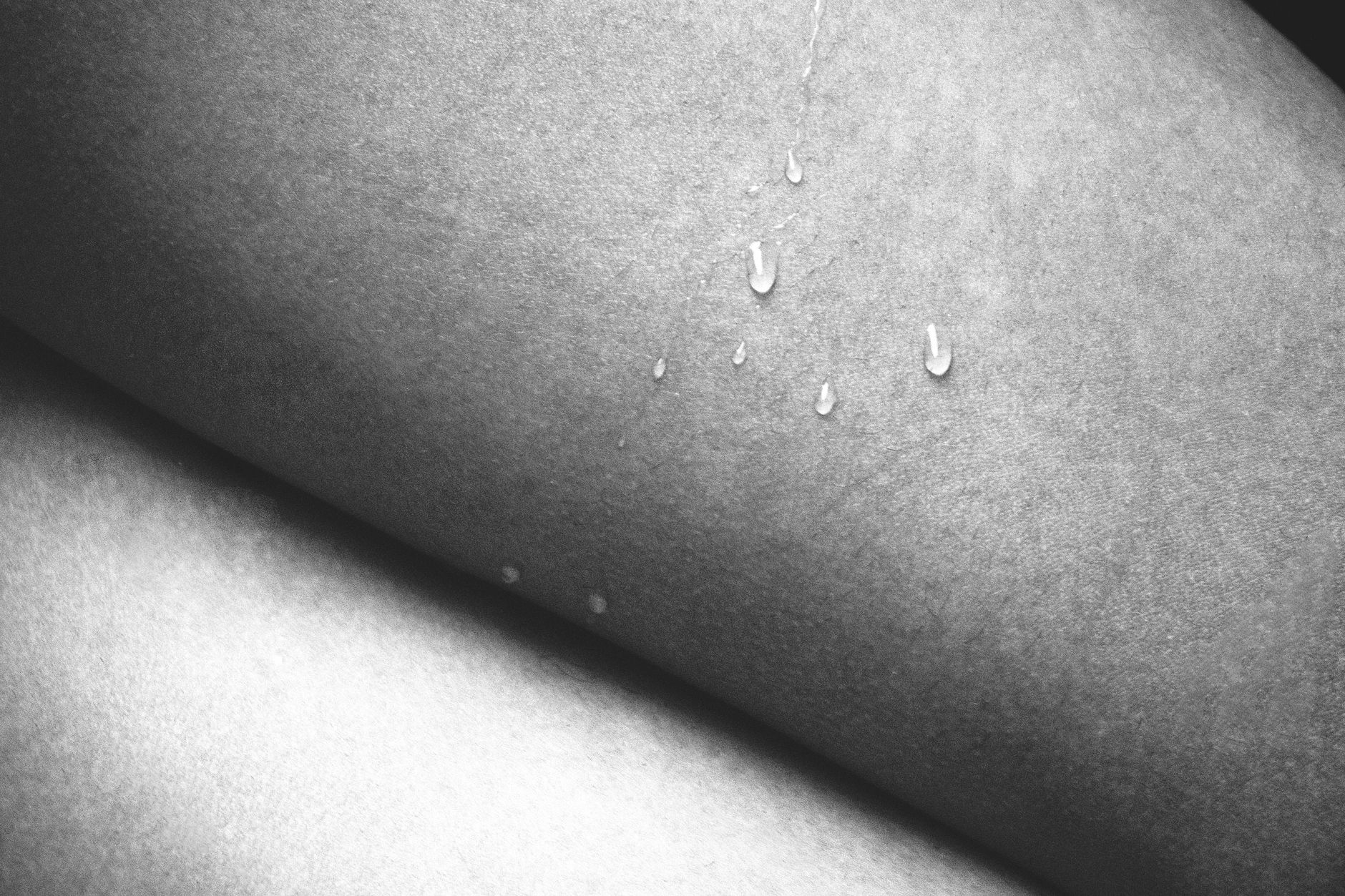
Red papules on the thigh are a classic sign of PUPPS.
How long does PUPPS rash last?
Most women notice improvement within a week of starting treatment, and the rash typically resolves completely within 3–6 weeks. In rare cases, especially when the rash appears postpartum, it may linger for up to three months. Persistence beyond 12 weeks should prompt a follow‑up visit to exclude other dermatologic conditions.
The duration can be influenced by how quickly you begin soothing measures, the potency of any prescribed steroid, and whether you maintain skin‑care routines that keep the barrier intact. A study from the University of Sydney (2022) found that women who used daily moisturizers alongside steroid therapy healed on average two days sooner than those who relied on steroids alone.
Is PUPPS rash a sign of something serious?
Generally, no. PUPPS is considered a benign, self‑limited skin reaction. It does not increase the risk of preterm labor, fetal growth restriction, or other obstetric complications. However, severe itching can lead to sleep deprivation, which indirectly affects overall health and mood. More importantly, if the rash is accompanied by systemic symptoms—fever, blistering, or rapid spread beyond typical areas—it may indicate a different condition such as pemphigoid gestationis, which does require closer monitoring.
When the rash is isolated to the skin and follows the classic distribution, you can feel reassured that it’s not a warning sign for your baby.
Can you scratch off PUPPS rash?
Scratching does not “remove” the rash; it only provides temporary relief and can actually worsen the situation. Vigorous scratching can break the skin, leading to secondary bacterial infection, which would then require antibiotics. Instead of scratching, try cool compresses, oatmeal baths, or a gentle antihistamine to calm the itch. Keeping nails trimmed and using a soft cotton mitt can also help prevent accidental damage.
Dermatologists advise that if you notice any oozing, crusting, or increasing redness after scratching, you should contact your provider promptly to rule out infection.
Does PUPPS rash go away after pregnancy?
Yes. The rash almost always fades after delivery, often within a few weeks as hormonal levels normalize and the abdominal skin returns to its pre‑pregnancy state. Some women report a lingering “post‑partum itch” for a short period, but the visible papules and plaques disappear.
If the rash persists beyond six weeks postpartum, it may be a different dermatologic condition, and a dermatologist’s evaluation is advisable.
Can you prevent PUPPS rash from happening?
While there’s no guaranteed prevention method, adopting skin‑friendly habits can lower your risk:
Maintain a steady, recommended weight‑gain trajectory.
Apply fragrance‑free moisturizers daily, especially after showers.
Choose loose, breathable clothing to avoid skin friction.
Engage in gentle prenatal stretching to improve skin elasticity.
Stay hydrated and eat a balanced diet rich in omega‑3 fatty acids, which support skin health.
These steps won’t eliminate the possibility of PUPPS, but they create a healthier skin environment that may reduce severity or delay onset.
When does PUPPS typically appear and what does the timing tell us?
Most cases emerge after 28 weeks of gestation, with a peak incidence between weeks 30–36. The timing aligns with the period of maximal abdominal expansion, supporting the stretch‑hypothesis. A smaller secondary peak can occur in the first two weeks postpartum, when rapid hormonal shifts and skin re‑traction happen.
Understanding the timing helps clinicians differentiate PUPPS from other late‑pregnancy dermatoses. For example, pemphigoid gestationis often appears earlier (around week 20) and may involve the periumbilical area with blistering. If a rash shows up before week 28, your provider may order additional labs—such as serum bile acids—to rule out intrahepatic cholestasis of pregnancy (ICP).
Diagnostic tests: When is a skin biopsy needed?
In the majority of PUPPS presentations, a visual exam is sufficient. However, a skin biopsy becomes valuable when lesions are atypical—such as when blisters form, when the rash extends to the face, or when it fails to respond to standard therapy after two weeks.
Biopsy specimens are usually taken from the edge of a plaque to capture both inflamed and normal tissue. Histopathology typically shows a superficial perivascular lymphocytic infiltrate without the linear IgG deposition seen in pemphigoid gestationis. The NHS advises that biopsy results should be interpreted by a dermatologist familiar with pregnancy‑related dermatoses to avoid misdiagnosis.
Diet and nutrition for skin health during pregnancy
While no specific food prevents PUPPS, a nutrient‑rich diet supports overall skin resilience. Omega‑3 fatty acids—found in fatty fish, flaxseed, and walnuts—help maintain cell membrane integrity, which may reduce itching. Vitamin E (nuts, seeds, leafy greens) and zinc (legumes, whole grains) are also important for skin repair.
Hydration plays a subtle but crucial role. Drinking at least 2 liters of water daily keeps the epidermis supple and can lessen the sensation of tight, itchy skin. The FDA’s pregnancy nutrition guidelines recommend a daily intake of 25 g of fiber and 1,000 mg of calcium, both of which indirectly benefit skin health by promoting circulation and reducing inflammatory markers.
If you’re considering supplements, choose prenatal formulations that have been vetted by the FDA and discuss them with your obstetrician to ensure they don’t exceed recommended daily allowances.
From our medical team: Polymorphic eruption of pregnancy is a common, non‑dangerous rash that responds well to topical steroids and antihistamines. If itching disrupts sleep or the rash spreads rapidly, reach out to your obstetrician—early treatment speeds recovery and keeps you comfortable throughout the remainder of your pregnancy.
Myth vs. fact
Myth: PUPPS rash is caused by a bacterial infection and needs antibiotics. Fact: PUPPS is an inflammatory reaction, not an infection. Antibiotics are only needed if a secondary skin infection develops.
Myth: You must stop breastfeeding if you use steroid creams for PUPPS. Fact: Low‑to‑moderate potency topical steroids are safe while nursing; the amount that reaches breast milk is negligible.
Myth: The rash will scar or cause permanent stretch marks. Fact: PUPPS itself does not cause scarring. Any lingering stretch marks are from skin stretching, not the rash.
Key takeaways
Polymorphic eruption of pregnancy (PUPPS) is a harmless, itchy rash that appears late in pregnancy or shortly after delivery.
It’s not contagious and does not indicate a serious fetal problem.
Topical steroids, oral antihistamines, and moisturizers are the mainstays of treatment; they are safe while breastfeeding.
Home remedies like oatmeal baths, cool compresses, and gentle moisturizers can provide additional relief.
Gradual weight gain, daily skin hydration, and loose clothing may lower the risk of developing PUPPS.
Call your provider if the rash spreads rapidly, blisters, is accompanied by fever, or if itching interferes with sleep.
Frequently asked questions
What does a PUPPS rash look like?
The rash typically appears as red, itchy papules and plaques that start on the abdomen and spread to the thighs, buttocks, and sometimes the arms, while sparing the face, palms, and soles.
How long does PUPPS rash last?
Most cases improve within a week of treatment and fully resolve in 3–6 weeks; postpartum rashes can linger up to three months but usually disappear as hormone levels normalize.
Is PUPPS rash a sign of something serious?
In isolation, PUPPS is benign and does not threaten the baby, but if you develop fever, blisters, or widespread skin loss, you should be evaluated for conditions like pemphigoid gestationis.
Can I treat PUPPS rash while breastfeeding?
Yes—low‑potency topical steroids and antihistamines such as cetirizine are considered compatible with lactation, and they effectively reduce itching without harming the infant.
Are there natural ways to relieve PUPPS itching?
Oatmeal baths, cool compresses, and fragrance‑free moisturizers can soothe the skin; these methods are safe to use alongside prescribed medications.
Can PUPPS rash be prevented?
While you can’t guarantee prevention, gradual weight gain, daily moisturization, supportive clothing, and gentle stretching may reduce the likelihood or severity of a rash.
Can stress trigger PUPPS?
Stress alone isn’t known to cause PUPPS, but elevated cortisol can heighten itch perception. Managing stress with prenatal yoga, breathing exercises, or short walks may lessen the discomfort.
Is it safe to use natural oils on a PUPPS rash?
Pure, fragrance‑free oils such as sweet almond or jojoba can be soothing, but they should be applied after a dermatologist confirms the diagnosis. Some oils contain allergens that could worsen irritation, so start with a small test area.
When to call your doctor
If you notice any of the following, contact your obstetrician or midwife promptly: rapid spreading of the rash, blister formation, fever, chills, signs of infection (redness, warmth, pus), severe itching that disrupts sleep, or if the rash appears before the 28th week of pregnancy. This article is for informational purposes only and does not replace personalized medical advice.
References
American College of Obstetricians and Gynecologists (ACOG). “Skin Changes in Pregnancy.” 2023 clinical guidance.
National Health Service (NHS). “Polymorphic eruption of pregnancy (PUPPP).” Updated 2022.
Mayo Clinic. “Polymorphic eruption of pregnancy (PUPPP).” Patient education, 2023.
American Academy of Pediatrics (AAP). “Medications Compatible with Breastfeeding.” 2022.
Centers for Disease Control and Prevention (CDC). “Pregnancy and Skin Conditions.” 2021.
World Health Organization (WHO). “Maternal health: skin disorders in pregnancy.” 2020.
British Journal of Dermatology. “Mechanical stretch and polymorphic eruption of pregnancy: a case series.” 2022.
FDA LactMed database. “Cetirizine and pregnancy.” Accessed 2024.
University of Sydney. “Moisturizer use accelerates healing of PUPPS.” Dermatology Research, 2022.
National Institute for Health and Care Excellence (NICE). “Guidance on management of pruritic skin conditions in pregnancy.” 2021.
Not sure about the label on Polymorphic Eruption Of Pregnancy Pupps Rash Guide products?
Snap the ingredients list and SafeFilter checks every ingredient for your stage — only 3 free scans this month, then you're locked until reset. Unlimited from $7/mo or lock $50/yr through Aug 31 (5 days left).
When Shubhra Mishra was expecting her first child in 2016, she was overwhelmed by conflicting food advice — one site said yes, another said never. By the time her second baby arrived in 2019, she realized millions of mothers face the same confusion.
That sparked a five-year journey through clinical nutrition papers, cultural diets, and expert conversations — all leading to BumpBites: a calm, compassionate space where science meets everyday motherhood.
Her long-term vision is to build a global community ensuring safe, supported, and free deliveriesfor every mother — because no woman should face pregnancy alone or uninformed. 🌿
🌍 Stand with mothers, shape safer guidance
Join a small circle of experts who review BumpBites articles so expecting parents everywhere can decide with confidence.