Pregnancy abdominal pain is common, but some symptoms need attention. Learn when it’s normal vs when to seek help for cramping, sharp pain, or discomfort.
By Shubhra Mishra — a mom of two who turned her own confusion during pregnancy into BumpBites, a global mission to make food choices clear, safe, and stress-free for every expecting mother. 💛
Check whether any food is safe during pregnancy with the BumpBites Food Safety Checker.
Quick take: Most abdominal pain in pregnancy is mild, temporary and linked to normal changes like stretching ligaments or gas. Sharp, persistent, or accompanied by bleeding, fever, or dizziness should be evaluated by a provider right away.
It’s 2 a.m., you’ve just felt a sudden twinge in your lower belly and your mind races: “Is this a sign something’s wrong with the baby?” You’re not alone. A lot of expectant parents wonder whether the aches they feel are part of the journey or a warning sign. The good news is that many kinds of belly discomfort are common and harmless, but a few patterns do need prompt medical attention.
🔢 Calculate it for your situation: Use our Abdominal Pain in Pregnancy for a personalized result in seconds.
In this guide we’ll unpack why you might feel pain at any stage of pregnancy, how to tell the difference between normal and abnormal sensations, and what you can safely do to feel better tonight. We’ll also give you a checklist of red‑flag symptoms, practical relief tips, and a short list of questions to bring to your next prenatal visit.
Whether you’re six weeks pregnant and just learning the ropes, or you’re in your third trimester and coping with a growing belly, the information here is designed to calm your nerves and give you clear next steps.
What are the common causes of abdominal pain during pregnancy?
Pregnancy reshapes everything inside your abdomen—from the uterus expanding to the intestines shifting. Those changes create a menu of possible pain triggers, and most of them are benign.
1. Stretching ligaments and round‑ligament pain
The round ligaments run from the front of the uterus to the groin. As the uterus grows, they stretch, and a sudden movement (like standing up quickly) can cause a sharp, stabbing pain on one side of the lower abdomen. This is most common after the 20th week, but some women feel it earlier.
2. Gas, bloating, and constipation
Progesterone relaxes smooth muscle, slowing digestion. That can lead to trapped gas, feeling of fullness, and cramp‑like pain. Bloating often peaks in the second trimester, while constipation may become more noticeable in the third.
3. Braxton‑Hicks (practice) contractions
These are irregular, painless or mildly uncomfortable tightenings of the uterus. They usually start in the second trimester and become more frequent as you near term. They feel like a tightening band around the belly, not a sharp jab.
4. Urinary tract infection (UTI)
A UTI can cause lower‑abdominal or pelvic pain, burning with urination, and sometimes fever. Because UTIs are common in pregnancy, they deserve a quick check‑up, especially if you notice any of those accompanying symptoms.
5. Placental issues (abruption, previa)
These are less common but serious. Placental abruption (where the placenta separates prematurely) can cause sudden, severe abdominal pain, often with vaginal bleeding. Placenta previa (low‑lying placenta) may cause painless bleeding, but when it does cause pain, it’s usually a warning sign.
6. Miscarriage or ectopic pregnancy
Early‑pregnancy cramping paired with spotting or a heavy flow can signal a miscarriage. An ectopic pregnancy (where the embryo implants outside the uterus) often presents as sharp, unilateral pain and should be treated as an emergency.
7. Pre‑eclampsia
Though more commonly associated with high blood pressure and swelling, severe abdominal pain—especially upper‑right quadrant pain—can indicate liver involvement in pre‑eclampsia. This condition typically appears after 20 weeks.
Understanding the source of your discomfort helps you decide whether a home remedy is enough or a medical visit is needed.
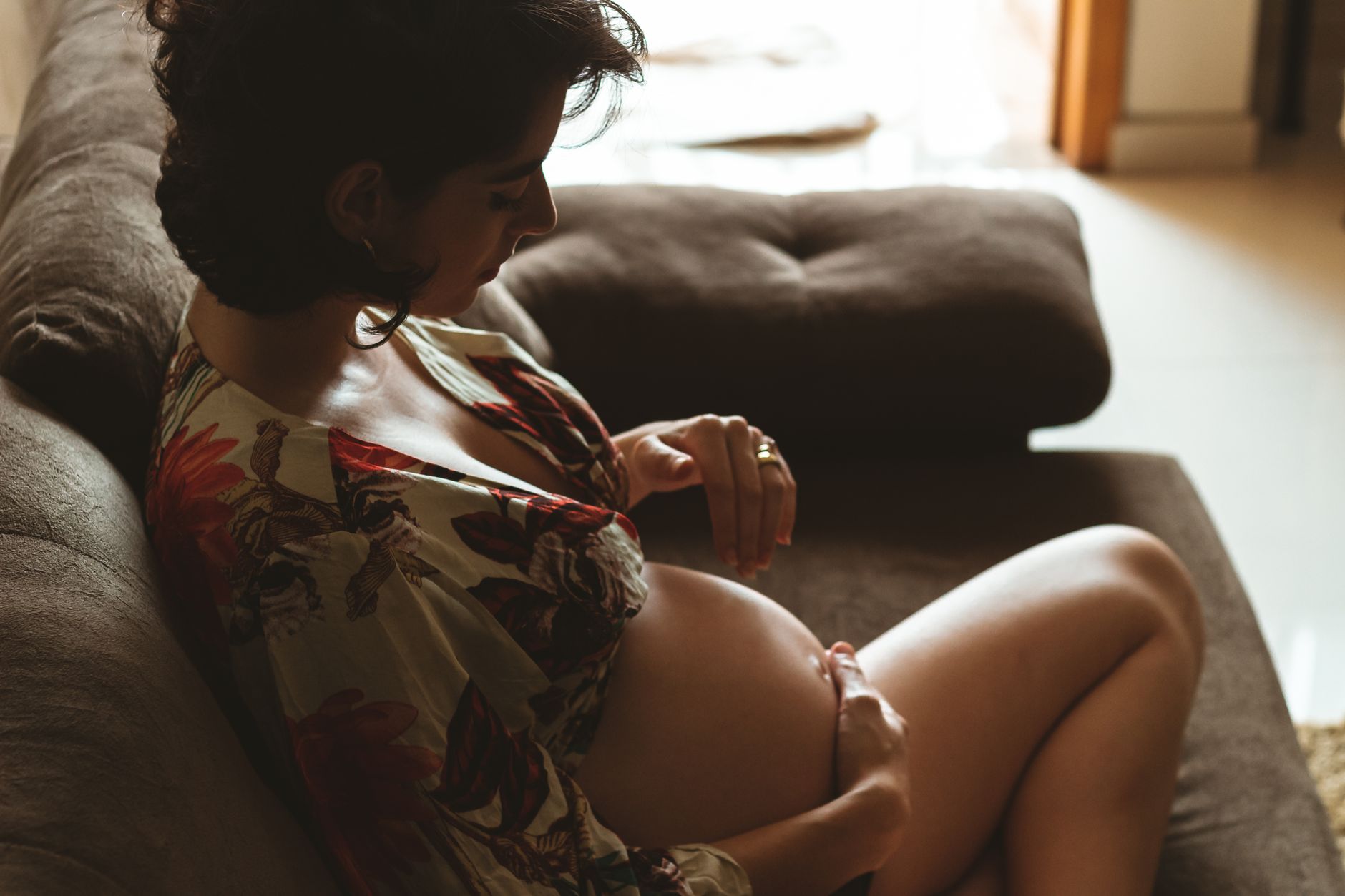
Many moms experience round‑ligament pain after a quick rise from a chair.
How does the type of abdominal pain help you decide if it’s normal or not?
Not a
ll pains are created equal. Paying attention to the quality, timing, and accompanying signs can give you clues about the underlying cause.
Sharp, localized pain
Sharp, stabbing sensations that stay in one spot are often linked to ligament strain, an ectopic pregnancy, or a urinary stone. If the pain is sudden, intense, and doesn’t ease with rest, treat it as a red flag.
Dull, aching pain
A low‑grade, constant ache that spreads across the lower abdomen is more likely to be from stretching ligaments, Braxton‑Hicks, or indigestion. These pains usually improve with gentle movement, hydration, or a warm compress.
Cramps that come and go
Cramps that feel like menstrual cramps and appear after meals or after a full bladder are often gas‑related or a sign of constipation. Drinking water, walking, and eating fiber‑rich foods can ease them.
Pain with other symptoms
When pain is paired with fever, chills, vomiting, heavy bleeding, or a sudden drop in fetal movement, it’s more likely to be a serious condition such as infection, pre‑eclampsia, or placental abruption. Those combinations merit immediate medical evaluation.
Timing by trimester
Trimester
Typical pain sources
Red‑flag signs
First (0‑12 weeks)
Implantation cramping, ectopic pregnancy, miscarriage, gas
Braxton‑Hicks, uterine growth, pressure on organs, pre‑eclampsia
Sudden severe pain, especially upper‑right quadrant, visual changes
Notice how the “red‑flag signs” column stays consistent: any pain that is severe, sudden, or accompanied by systemic symptoms should prompt a call to your provider.
Normal vs. abnormal abdominal pain: what should you expect?
Below is a quick guide to help you gauge whether your belly ache fits into the “normal” bucket.
Normal abdominal discomfort
Feels like a dull ache or mild cramp.
Occurs on one side (often right) and eases with a change in position.
Lasts minutes to a few hours, not constant.
Improves after a warm shower, gentle stretch, or a glass of water.
Not accompanied by bleeding, fever, or a rapid heart rate.
Abnormal abdominal pain
Sharp, stabbing, or burning pain that doesn’t subside after a few minutes.
Persistent, worsening over several hours or days.
Associated with any vaginal bleeding, clots, or passage of tissue.
Accompanied by fever, chills, vomiting, or feeling faint.
Linked to sudden swelling of hands, face, or sudden weight gain.
If you’re unsure, it’s always safer to err on the side of caution and reach out to your midwife, obstetrician, or primary care provider.
When should you be worried? Red‑flag symptoms that need prompt medical attention
Every pregnancy is unique, but certain warning signs are universal. Keep this checklist handy, especially if you’re experiencing a new or worsening pain.
Bleeding or spotting – any amount of vaginal bleeding with abdominal pain should be evaluated.
Severe, constant pain – pain that feels like a “breaking” or “splitting” sensation, especially if it’s unrelieved by rest.
Fever ≥ 100.4 °F (38 °C) – may indicate infection or pre‑eclampsia.
Sudden swelling or rapid weight gain – could signal pre‑eclampsia.
Decreased fetal movement – especially after 28 weeks. Count kicks; fewer than 10 movements in two hours warrants a call.
Vomiting that won’t stop – could signal a serious infection or pre‑eclampsia.
Persistent abdominal pain with urinary symptoms – think UTI or kidney stone.
When any of these appear, contact your provider promptly. In an emergency, go to the nearest labor and delivery unit or call emergency services.
Safe ways to relieve everyday abdominal discomfort
For the many aches that are part of a normal pregnancy, simple home strategies can provide real relief without jeopardizing your baby’s health.
Hydration and nutrition
Drink at least eight 8‑ounce glasses of water a day. Staying hydrated helps prevent constipation and reduces gas buildup. Add a pinch of magnesium‑rich foods—like leafy greens, nuts, and whole grains—to keep muscles relaxed.
Gentle movement
Short walks, prenatal yoga, and pelvic‑tilt exercises stretch the abdominal wall and improve circulation. Even a few minutes of side‑lying stretches can ease round‑ligament pain.
Warm compresses
Apply a warm (not hot) water bottle or a heating pad set on low for 15‑20 minutes. Warmth relaxes muscles and can lessen cramp intensity. Avoid direct heat on the abdomen for more than 20 minutes at a time.
Supportive garments
Pregnancy‑support belts or belly bands can redistribute weight and lessen strain on the ligaments. Choose a breathable, stretchy band that fits snugly but isn’t overly tight.
Dietary tweaks
Eat smaller, frequent meals to avoid bloating.
Limit carbonated drinks and foods that cause gas (beans, cabbage, onions).
Include probiotic‑rich foods like yogurt to aid digestion.
When to use over‑the‑counter options
Acetaminophen (Tylenol) is generally considered safe throughout pregnancy when used at the lowest effective dose, according to the FDA and ACOG (2023). Always confirm with your provider before taking any medication, even “natural” supplements.
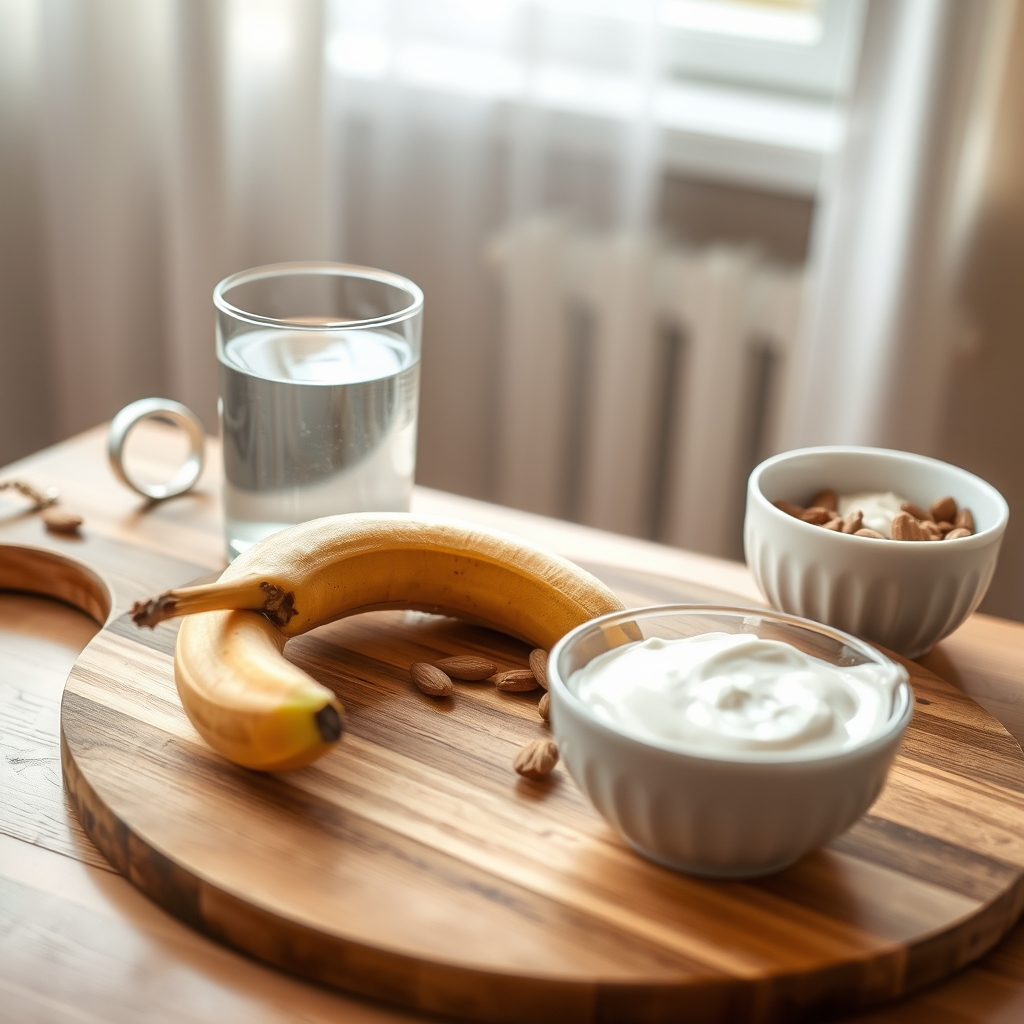
Balanced snacks and hydration can keep abdominal cramps at bay.
Tracking your pain and using tools to stay informed
Keeping a simple pain diary can help you and your provider spot patterns. Note the time of day, pain intensity (on a 0‑10 scale), location, duration, and any triggers or relieving actions. Over a week, you’ll often see whether the discomfort is linked to meals, activity, or hormonal shifts.
If you want a quick way to gauge whether your pain falls within typical ranges, try our Abdominal Pain in Pregnancy calculator. It lets you input the trimester, pain intensity, and associated symptoms, then returns a summary of what’s common and when to schedule a visit.
Preparing for your appointment: what to ask and what to bring
A focused conversation with your clinician can save time and reduce anxiety. Bring your pain diary, note any medications or supplements you’re taking, and be ready to answer these core questions:
When did the pain start, and how has it changed?
Is the pain sharp, dull, cramp‑like, or burning?
Do you notice any bleeding, fluid loss, or discharge?
Have you had fever, chills, vomiting, or changes in fetal movement?
What home measures have you tried, and did they help?
Ask your provider about the safety of any over‑the‑counter remedies you’re considering, and request guidance on safe exercise, diet, and posture adjustments that can reduce future discomfort.
Understanding how pregnancy hormones affect abdominal sensations
Progesterone and relaxin surge early in pregnancy, softening smooth muscle throughout the body. This hormonal shift slows intestinal motility, which explains why constipation and gas are common. Relaxin also loosens the pelvic ligaments, making the pelvis more flexible for delivery but also more prone to strain. The combination can create a “creaky” feeling in the lower abdomen that many describe as “muscle soreness” rather than true pain.
In the third trimester, rising estrogen levels increase blood volume, which can cause mild swelling of the abdominal wall and make you more sensitive to pressure. Knowing that these sensations are hormonally driven can help you separate normal “pregnancy aches” from warning signs that merit medical review, such as sudden, sharp pain unrelated to movement.
Hormonal changes can make the belly feel tighter; a gentle belly band offers support.
When imaging or lab tests are needed
Most abdominal discomfort can be evaluated with a thorough history and physical exam, but certain red‑flag scenarios call for imaging or laboratory work. An ultrasound is the first‑line tool to assess placental location, fetal wellbeing, and to rule out ectopic pregnancy when early bleeding is present. According to ACOG (2023), a transabdominal ultrasound is safe at any gestational age and provides real‑time information without radiation.
Blood tests may be ordered to check for infection (CBC, CRP), liver function (ALT, AST) if pre‑eclampsia is suspected, or kidney function (creatinine) when urinary symptoms are severe. In cases of suspected urinary stones, a low‑dose CT scan may be considered, but only after discussing risks with your provider, as recommended by the NHS (2022) guidelines on renal colic in pregnancy.
Supporting yourself and your partner: coping strategies
Emotional wellbeing can influence how you perceive pain. Couples who share coping plans—like alternating gentle massages, preparing soothing teas together, or setting reminders to stretch—often report lower stress levels. Encourage your partner to help with practical tasks (e.g., preparing high‑fiber meals or fetching a heating pad) so you can focus on rest.
Mind‑body techniques such as guided breathing, progressive muscle relaxation, or short meditation sessions can lower pain perception by activating the parasympathetic nervous system. A 2021 systematic review in the Journal of Obstetric, Gynecologic & Neonatal Nursing found that mindfulness‑based stress reduction reduced reported abdominal discomfort in the second trimester.
Nutrition and foods that can ease or worsen abdominal pain
What you eat can directly impact how your belly feels. High‑fiber foods—like whole grains, fruits, and vegetables—help keep stool soft and reduce constipation‑related cramps. Magnesium‑rich options (spinach, pumpkin seeds, avocado) support muscle relaxation and may lessen ligament pain.
Conversely, foods that are high in fat, heavily processed, or heavily spiced can increase gastric reflux and gas. Carbonated beverages, beans, cruciferous vegetables (broccoli, cabbage), and artificial sweeteners are common culprits. The NHS (2022) advises pregnant people to monitor how specific foods affect them and to keep a simple food‑symptom log alongside the pain diary.
Food group
Helpful for pain?
Examples
High‑fiber
Yes – eases constipation, reduces gas
Oats, berries, lentils, whole‑grain toast
Magnesium‑rich
Yes – relaxes muscles & ligaments
Spinach, almonds, bananas, yogurt
Carbonated drinks
No – can increase bloating & discomfort
Soda, sparkling water
Spicy/acidic foods
Mixed – may trigger heartburn
Citrus, hot sauce, tomato‑based sauces
Adjusting your diet doesn’t mean eliminating all cravings. Aim for balance: a small serving of a favorite treat paired with a fiber‑rich side can keep both your palate and your belly happy.
Alternative and complementary therapies
Many pregnant people explore gentle complementary approaches to manage pain. Prenatal chiropractic care, when performed by a practitioner trained in pregnancy‑specific techniques, can help align the spine and reduce pressure on nerves that sometimes manifest as abdominal discomfort. A 2020 review in the Journal of Manipulative and Physiological Therapeutics reported modest pain relief without adverse fetal outcomes when chiropractors adhered to ACOG safety guidelines.
Acupuncture is another option that some find soothing. The WHO (2021) notes that acupuncture is generally safe during pregnancy if sterile needles are used and points that could induce labor are avoided. Always discuss any complementary therapy with your obstetric provider first, especially if you have a high‑risk pregnancy.
Understanding fetal positioning and its impact on abdominal pain
Where the baby is sitting can change how pressure feels on your abdomen. A breech presentation (feet or buttocks down) often shifts weight toward the upper abdomen, sometimes causing upper‑right quadrant discomfort that mimics liver‑related pain. A head‑down (vertex) position usually distributes weight more evenly, but as the baby grows, the uterus can press against the diaphragm, leading to heartburn and referred abdominal pain.
Your provider can assess fetal position via ultrasound. If positioning appears to be contributing to persistent pain, they may suggest specific positioning pillows, gentle pelvic tilts, or, in later pregnancy, a supervised birth plan that includes optimal positioning for comfort.
Doctor's note
From our medical team: “Most abdominal pain in pregnancy is related to the body’s normal adaptation process. If you track your symptoms and know the red‑flag signs, you’ll feel empowered to seek care when it truly matters. Always trust your instincts—if something feels off, a quick call to your provider can bring peace of mind.”
Myth: All abdominal pain means the baby is in trouble.
Fact: The majority of aches are harmless and stem from normal uterine growth, ligament stretching, or digestive changes. Only a small fraction signal serious complications.
Myth: You should avoid all movement if you have belly pain.
Fact: Gentle movement, such as walking or prenatal yoga, often relieves pain by improving circulation and preventing stiffness. Only avoid activities that cause sharp, worsening pain.
Myth: Over‑the‑counter pain relievers are unsafe during pregnancy.
Fact: Acetaminophen, when used at the lowest effective dose, is widely regarded as safe throughout pregnancy. Always confirm dosage with your provider before taking any medication.
Key takeaways
Most abdominal pain in pregnancy is mild, temporary, and linked to ligament stretching, gas, or Braxton‑Hicks.
Sharp, persistent pain, especially with bleeding, fever, or reduced fetal movement, requires immediate medical evaluation.
Hydration, gentle movement, warm compresses, and supportive garments can ease everyday discomfort.
Keep a simple pain diary and consider using the Abdominal Pain in Pregnancy calculator to monitor trends.
Know the red‑flag symptoms and don’t hesitate to call your provider if they appear.
When you see your clinician, bring your diary and ask about safe pain‑relief options tailored to your trimester.
Hormonal shifts naturally affect how your belly feels; understanding this can reduce anxiety.
Imaging (ultrasound) and lab tests are safe and useful when red‑flag signs emerge.
Partner support and mindfulness practices can lower perceived pain and improve overall wellbeing.
Targeted nutrition and, when appropriate, gentle complementary therapies can further ease discomfort.
Frequently asked questions
What are the causes of abdominal pain during pregnancy?
Most pains are due to round‑ligament stretching, gas, constipation, or Braxton‑Hicks contractions. Less common causes include urinary tract infections, placenta problems, or early‑pregnancy miscarriage.
When should I be worried about abdominal pain during pregnancy?
If the pain is sharp, persistent, or accompanied by bleeding, fever, vomiting, or a sudden drop in fetal movements, you should contact your provider right away.
What are the signs of a miscarriage due to abdominal pain?
Early miscarriage often presents with cramping like period pain, spotting or heavier bleeding, and passage of tissue. If you notice these signs, seek medical care promptly.
Can abdominal pain during pregnancy be a sign of something serious?
Yes. Severe, sudden pain with high fever, heavy bleeding, or upper‑right quadrant discomfort can indicate conditions such as placental abruption, pre‑eclampsia, or infection, all of which need urgent evaluation.
How can I relieve abdominal pain during pregnancy?
Stay hydrated, use warm compresses, practice gentle stretches, wear a supportive belly band, and eat smaller, fiber‑rich meals. Acetaminophen is safe for occasional use, but always confirm with your provider.
What are the differences between normal and abnormal abdominal pain during pregnancy?
Normal pain is mild, intermittent, improves with rest or a warm compress, and lacks alarming symptoms. Abnormal pain is sharp, lasts more than a few minutes, worsens over time, and is often paired with bleeding, fever, or diminished fetal movement.
Is it safe to exercise if I have abdominal pain?
Gentle, low‑impact exercise such as walking or prenatal yoga is usually safe and can actually reduce pain by improving circulation. Stop any activity that makes the pain sharper or causes new discomfort, and discuss any concerns with your provider.
Can probiotics help with gas and bloating during pregnancy?
Probiotic‑rich foods like yogurt or kefir can support a healthy gut microbiome, which may lessen gas and constipation. While research is ongoing, the Mayo Clinic (2022) notes that probiotics are generally safe in pregnancy, but you should still check with your clinician before adding new supplements.
Can I take ibuprofen for abdominal pain in pregnancy?
Ibuprofen belongs to the NSAID class and is generally avoided after the first trimester because it can affect fetal kidney development and reduce amniotic fluid. The FDA and ACOG recommend acetaminophen as the preferred over‑the‑counter pain reliever during pregnancy.
Is it normal to feel abdominal pain after a bump or fall?
Minor bumps can cause temporary soreness, but any trauma that results in persistent pain, spotting, or bruising should be evaluated promptly. Even a seemingly small fall can lead to placental abruption or internal injury, so contact your provider if you notice any concerning signs.
When to call your doctor
If you experience any of the following, call your obstetrician, midwife, or go to the nearest emergency department immediately: heavy vaginal bleeding, severe or unrelenting abdominal pain, fever of 100.4 °F (38 °C) or higher, sudden swelling of the hands or face, persistent vomiting, or a noticeable decrease in fetal movements after 28 weeks.
These guidelines are for informational purposes only and do not replace personalized medical advice. Always discuss your specific symptoms with a qualified healthcare professional.
References
American College of Obstetricians and Gynecologists (ACOG). “Management of Common Gynecologic and Obstetric Complaints,” 2023.
National Health Service (NHS). “Pregnancy symptoms – abdominal pain,” 2022.
World Health Organization (WHO). “Maternal health guidelines: Pregnancy complications,” 2021.
Mayo Clinic. “Round ligament pain in pregnancy,” accessed June 2026.
Centers for Disease Control and Prevention (CDC). “Urinary Tract Infection (UTI) in Pregnancy,” 2022.
Royal College of Obstetricians and Gynaecologists (RCOG). “Placental Abruption,” 2023.
American Academy of Pediatrics (AAP). “Acetaminophen use during pregnancy,” 2022.
National Health Service (NHS). “Renal colic in pregnancy,” 2022.
Journal of Obstetric, Gynecologic & Neonatal Nursing. “Mindfulness‑based stress reduction and pregnancy discomfort,” 2021.
Journal of Manipulative and Physiological Therapeutics. “Chiropractic care for pregnant patients,” 2020.
World Health Organization (WHO). “Acupuncture safety guidelines for pregnant women,” 2021.
Not sure about the label on Pregnancy Abdominal Pain When To Worry Vs Normal products?
Snap the ingredients list and SafeFilter checks every ingredient for your stage — only 3 free scans this month, then you're locked until reset. Unlimited from $7/mo or lock $50/yr through Aug 31 (16 days left).
When Shubhra Mishra was expecting her first child in 2016, she was overwhelmed by conflicting food advice — one site said yes, another said never. By the time her second baby arrived in 2019, she realized millions of mothers face the same confusion.
That sparked a five-year journey through clinical nutrition papers, cultural diets, and expert conversations — all leading to BumpBites: a calm, compassionate space where science meets everyday motherhood.
Her long-term vision is to build a global community ensuring safe, supported, and free deliveriesfor every mother — because no woman should face pregnancy alone or uninformed. 🌿
🌍 Stand with mothers, shape safer guidance
Join a small circle of experts who review BumpBites articles so expecting parents everywhere can decide with confidence.