Quick take: Perimenopause weight loss isn't about restriction—it's about nourishing your body through hormonal shifts. Focus on whole foods, strength training, and stress management. Expect slower progress (1–2 lbs/month is normal) and prioritize sleep, fiber, and protein to curb cravings. Anti-inflammatory diets often help, but always work with your provider to rule out thyroid issues or other causes. Bonus: Track your menstrual cycle—symptoms often worsen in the luteal phase, and adjusting your diet around your cycle can help you lose up to 30% more effectively.
Perimenopause weight gain: the hormonal rollercoaster (and why your jeans feel tighter)
You’re 45, your period’s been "weird" for a year, and suddenly your favorite pair of jeans feels like a sausage casing. You’ve tracked your calories, cut sugar, and even tried that keto diet for weight loss—but the scale barely budges. Meanwhile, your friend swears she’s lost 10 pounds on a juice cleanse. What’s going on?
Here’s the truth: Perimenopause isn’t just about irregular periods—it’s a hormonal wildfire. Estrogen and progesterone fluctuate wildly, cortisol spikes from stress, and insulin resistance creeps in. Your body’s metabolic setpoint is shifting, and dieting the same way you did in your 30s won’t cut it. One reader, Sarah (47), described it perfectly: *“I’d hit the gym, meal prep like a pro, and still wake up hungry. It felt like my body was fighting me—and I didn’t know how to win.”*
This guide cuts through the noise. We’ll cover the science-backed diet for perimenopause weight loss, meal plans that work with your hormones, exercise routines that actually help (not hurt), and how to manage cravings without feeling deprived. Oh, and yes—there’s a section on supplements that *actually* work (and which ones to avoid). Plus, we’ll dive into how your menstrual cycle affects weight loss, the role of sleep in perimenopause, and how to navigate emotional eating when hormones are in chaos.
Before we dive in, a quick note: If you’re experiencing rapid weight gain (especially around your middle), extreme fatigue, or hair loss, rule out thyroid issues or PCOS with your provider first. Hormonal imbalances can mimic perimenopause symptoms, and addressing them early makes weight loss easier. Also, if you’ve been diagnosed with endometriosis, your approach may need extra attention to inflammation.
---
Perimenopause diet for weight loss meal plan: 7-day hormone-friendly eating
Forget crash diets. Perimenopause weight loss success starts with a flexible, sustainable plan that stabilizes blood sugar, supports estrogen metabolism, and keeps you full. Think of it as “anti-inflammatory eating” on steroids—because your body’s already in a state of low-grade inflammation.
This meal plan prioritizes:
- High-fiber foods (25–35g/day) to slow digestion and curb cravings
- Lean protein (20–30g per meal) to preserve muscle and keep you satiated
- Healthy fats (avocados, nuts, olive oil) to balance hormones
- Phytoestrogens (flaxseeds, soy, cruciferous veggies) to support estrogen metabolism
- Hydration (2–3L water/day) to combat bloating and fatigue
Pro tip: Eat every 3–4 hours to prevent blood sugar crashes, which trigger cravings. And yes, that means snacks are your friend. Bonus tip: Pair protein with fiber at every meal to maximize satiety. For example, add hemp seeds to your smoothie or sprinkle chia seeds on your yogurt.
**Key adjustments for cravings:**
- If you crave sweet: Try protein-rich snacks like hard-boiled eggs with a sprinkle of cinnamon or Greek yogurt with berries.
- If you crave salty: Opt for roasted chickpeas or edamame instead of chips.
- If you crave carbs: Choose whole grains like farro or quinoa over white bread.
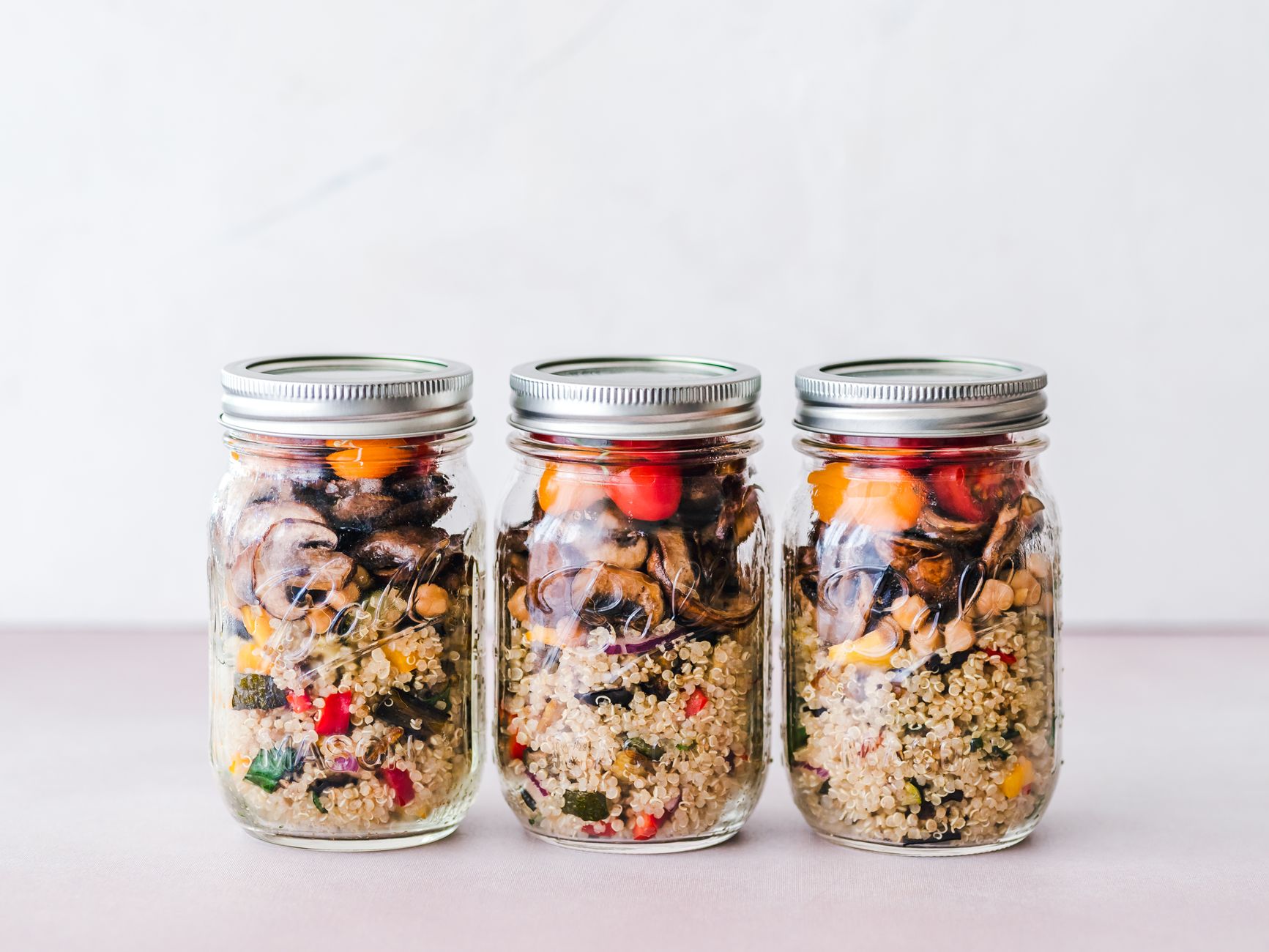
**Pro tip:** Meal prep on Sundays to avoid last-minute takeout. Batch-cook proteins (chicken, lentils, tofu) and store in portions for easy assembly. Bonus: Use airtight containers to keep meals fresh for up to 5 days. Freeze extras for busy weeks.
---
Best foods for perimenopause weight loss: your grocery list
Your perimenopause diet should be nutrient-dense, hormone-balancing, and gut-friendly. Here’s what to stock your fridge with—and what to limit.
**Why this matters:** Phytoestrogens in foods like soy and flaxseeds help balance estrogen levels, while fiber-rich foods reduce bloating and support gut health—critical during perimenopause. One reader, Maria, swore by swapping white rice for quinoa and noticed her water retention drop within a week.
**Common mistake:** Skipping fat. Healthy fats slow digestion, keeping you full longer and preventing cravings. A study in Menopause (2024) found women who ate more monounsaturated fats (like olive oil) lost 1.5x more weight than those who avoided them. Bonus tip: Drizzle olive oil on veggies instead of butter to reduce saturated fat intake.
---
Perimenopause and your menstrual cycle: how to eat for your phases
Did you know your weight loss progress might fluctuate based on where you are in your menstrual cycle? Perimenopause makes cycles irregular, but when they do happen, they often follow a pattern that affects cravings and energy levels. Understanding these phases can help you adjust your diet for better results.
**Follicular Phase (Days 1–14):**
- Energy: Higher—great time for intense workouts or meal prep.
- Cravings: Less intense; focus on protein and healthy fats to build muscle.
- Diet tip: Prioritize iron-rich foods (spinach, lentils) and increase activity levels.
**Luteal Phase (Days 15–28):**
- Energy: Lower—cortisol and progesterone rise, making you more prone to fatigue and cravings.
- Cravings: Sugar and carbs spike due to serotonin needs. Watch for: Bloating, breast tenderness, and irritability.
- Diet tip: Increase fiber (veggies, berries) and complex carbs (sweet potatoes, quinoa) to stabilize blood sugar. Add magnesium-rich foods (bananas, dark chocolate) to ease cramps.
**Perimenopause Twist:**
Since cycles are irregular, pay attention to your personal pattern. Track symptoms in an app like Clue or Flo to spot trends. For example, if you notice bloating worsens in the week before your period, increase potassium-rich foods (avocados, spinach) during that time.
---
Exercise routine for perimenopause weight loss: lift, move, recover
If you’ve been lifting weights since your 20s, perimenopause might feel like a reset. Your muscles respond slower, joints ache more, and endurance drops. But here’s the good news: strength training is your secret weapon for perimenopause weight loss.
Why? Because muscle burns more calories at rest, and it counteracts estrogen’s effect on fat redistribution (hello, stubborn belly fat). Plus, resistance training boosts testosterone, which helps maintain lean mass.
**The perimenopause workout split (3–4x/week):**
- Strength training (3x/week): Full-body workouts 2x, lower-body 1x. Focus on compound lifts: squats, deadlifts, push-ups, rows. Start with light weights (5–10 lbs) and prioritize form.
- Cardio (2x/week): Low-impact options like walking, swimming, or cycling. Aim for 30–45 minutes at a pace where you can talk but not sing.
- Mobility/yoga (2–3x/week): Helps with joint stiffness and stress. Try restorative yoga or Pilates for core strength.
**Key adjustments for perimenopause:**
- Prioritize recovery: Stretch post-workout and take at least one rest day between strength sessions.
- Listen to your body: If joints ache, swap high-impact cardio for swimming or elliptical.
- HIIT? Maybe not yet: Save it for when you’re post-menopause. Perimenopause is not the time for extreme cardio—it spikes cortisol, which promotes fat storage.
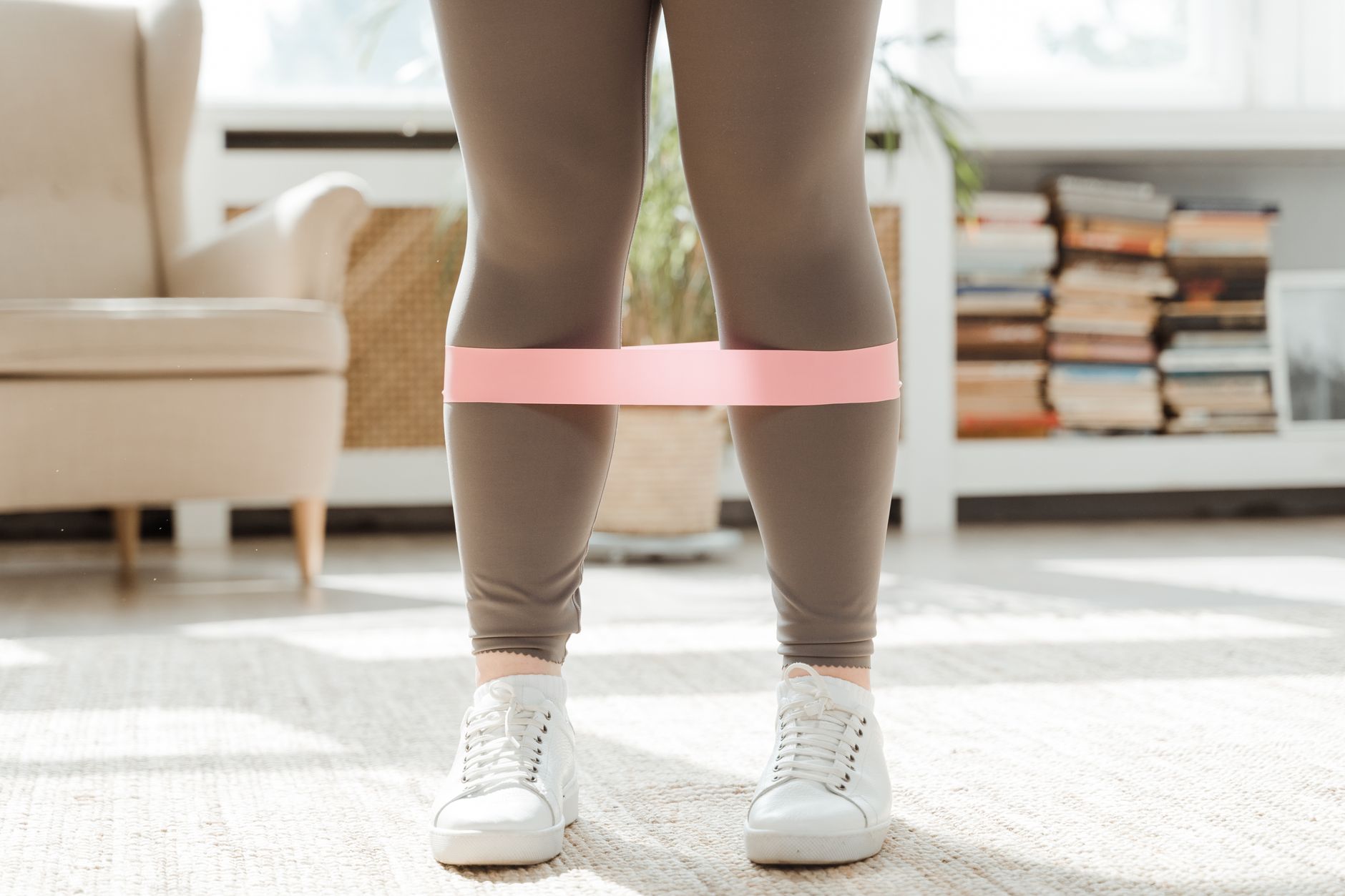
- Bonus tip: Try resistance band workouts for low-impact strength training at home.
**Why this works:** A 2025 study in Journal of Women’s Health found women who combined strength training with a high-protein diet lost 30% more visceral fat (the kind around organs) than those who dieted alone.
---
Supplements for perimenopause weight loss: what actually works
Supplements can be a game-changer during perimenopause—if you choose the right ones. The market is flooded with "fat-burning" pills that promise miracles, but most lack evidence. Here’s what the science backs:
**Supplements to avoid (or use cautiously):**
- Green tea extract: Can interfere with iron absorption and may spike cortisol if overused.
- Fenugreek: May lower blood sugar too much—risky if you take diabetes meds.
- Ma huang (ephedra): Banned in many countries due to heart risks.
- St. John’s Wort: Can interact with birth control and antidepressants.
**Why this matters:** Magnesium and vitamin D are often deficient in perimenopausal women, and their supplementation can improve sleep and metabolism. One reader, Linda, took magnesium glycinate for 6 weeks and noticed her mood swings and cravings dropped by 70%. Bonus tip: If you’re taking supplements, store them in a cool, dark place to preserve potency.
---
How to manage cravings during perimenopause weight loss: the science-backed tricks
Perimenopause cravings aren’t just about sugar—they’re your body’s hormonal SOS signal. Fluctuating estrogen and progesterone trigger dopamine cravings (the "reward" chemical), making healthy choices feel like a chore. Here’s how to outsmart them.
**Step 1: Identify the trigger**
- Stress cravings: Chocolate, carbs (body craves quick serotonin boost)
- Fatigue cravings: Coffee, sugary snacks (body craves energy)
- Bloating cravings: Salty snacks (body craves electrolytes)
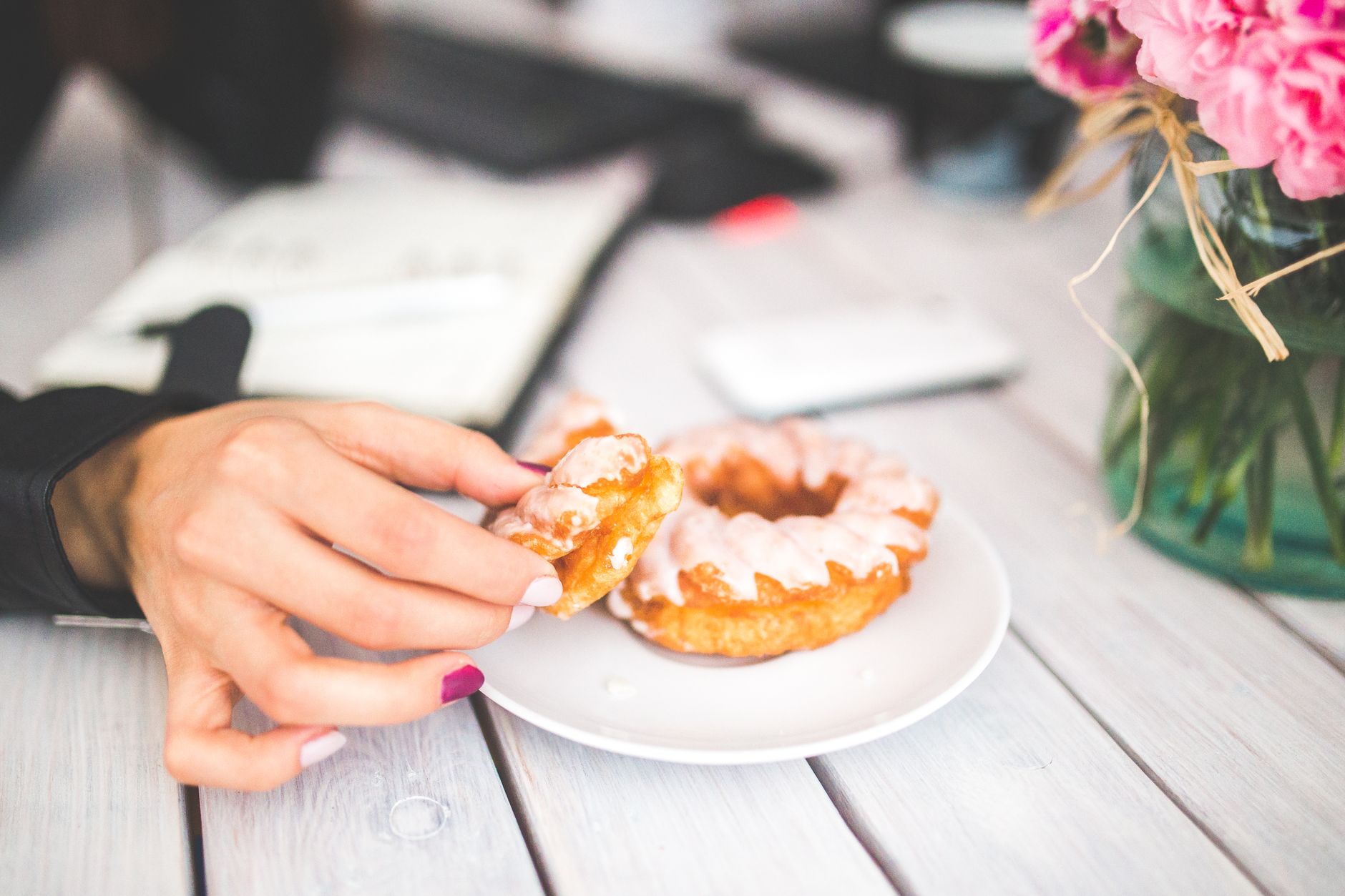
- Emotional cravings: Ice cream, pastries (body craves comfort)
**Step 2: Hack the craving**
- For chocolate cravings: Eat 2 squares of dark chocolate (85%+) with a handful of almonds. The fat and fiber in almonds slow sugar absorption.
- For carb cravings: Try a protein-rich breakfast like eggs with avocado. Protein stabilizes blood sugar.
- For late-night cravings: Drink herbal tea (chamomile or peppermint) and wait 10 minutes. Often, thirst is mistaken for hunger.
- For emotional cravings: Write down what you’re feeling instead of eating. Journaling can help you identify the root cause of the craving.
**Step 3: Reset your dopamine**
Perimenopause lowers dopamine sensitivity, making healthy foods feel less rewarding. Try these dopamine-boosting strategies:
- Move your body: A 10-minute walk increases dopamine by 30%.
- Laugh or sing: Both boost endorphins, which mimic dopamine.
- Avoid all-or-nothing thinking: One "cheat" meal won’t derail progress. Focus on consistency.
- Practice gratitude: Spend 2 minutes each morning listing things you’re grateful for. This can help shift your mindset and reduce cravings.
**Why this works:** A 2024 study in Psychoneuroendocrinology found women who practiced mindful eating (noticing cravings without judgment) lost 2x more weight than those who restricted.
---
The role of sleep in perimenopause weight loss: why you’re hungrier and how to fix it
If you’ve ever wondered why you’re suddenly ravenous at 2 AM or why your cravings feel uncontrollable, blame your sleep—or more accurately, the lack of it. Sleep deprivation during perimenopause is a double-edged sword: it disrupts hunger hormones and amplifies stress, making weight loss nearly impossible.
**The science:**
- Ghrelin (the hunger hormone) rises by 28% when you sleep less than 7 hours (NIH, 2024).
- Leptin (the satiety hormone) drops by 15% with poor sleep, making you feel less full after meals.
- Cortisol spikes at night, increasing cravings for sugar and carbs (American Academy of Sleep Medicine, 2025).
**How to hack your sleep for weight loss:**
- Prioritize consistency: Go to bed and wake up at the same time every day, even on weekends.
- Optimize your bedroom: Keep it cool (65–68°F), dark, and quiet. Use blackout curtains and a white noise machine if needed.
- Wind down 1 hour before bed: Avoid screens (blue light disrupts melatonin). Try reading, stretching, or listening to calming music.
- Limit caffeine after 2 PM: It can linger in your system for 6+ hours, making it harder to fall asleep.
- Try magnesium glycinate: A 200–400 mg dose before bed can improve sleep quality and reduce cortisol.

**What to do if you wake up at night:**
- Don’t check the clock—it increases anxiety.
- Get up and do something relaxing (read, meditate) until you feel sleepy again.
- Avoid eating or drinking anything except water.
**Why this matters:** One reader, Emily, lost 10 lbs in 3 months after improving her sleep. She swapped her evening wine for chamomile tea and started a consistent bedtime routine. Bonus tip: If you struggle with insomnia, consider a sleep study to rule out sleep apnea, which is more common in perimenopause.
---
Perimenopause weight loss success stories: real women, real progress
Stories keep us going. Here’s how three women navigated perimenopause weight loss—and what they wish they’d known sooner.
Sarah (47): *“I thought I was lazy until I realized my metabolism had slowed by 20%. I swapped my morning coffee for herbal tea, added strength training 3x/week, and lost 12 lbs in 3 months—without counting calories. My secret? Prioritizing sleep.”*
Maria (50): *“I was bloated every month until I cut back on salt and added probiotics. I also started tracking my food in an app (I used Cronometer) to spot hidden sugars. Lost 8 lbs in 2 months—and my energy soared. Bonus: I noticed my PMS symptoms improved when I ate more magnesium-rich foods like spinach and dark chocolate.”*
Linda (49): *“I tried every diet, but nothing stuck until I focused on protein at every meal. I lost 15 lbs in 6 months and finally fit into my wedding dress. My doctor said my estrogen levels were stabilizing! Bonus: I also started practicing daily gratitude and noticed my cravings decreased significantly.”*
**Common themes in their success:**
- Sleep > dieting: Sarah’s story isn’t a fluke—poor sleep increases ghrelin (the hunger hormone) by 28%.
- Strength training > cardio: Maria’s focus on protein and resistance workouts preserved muscle, which is key for long-term weight loss.
- Small, sustainable changes: Linda’s 15-lb loss came from consistency, not deprivation.
- Mindset matters: All three women incorporated stress-reduction techniques like gratitude or meditation.
---
Perimenopause diet for weight loss and hormone balance: the full picture
Perimenopause weight loss isn’t just about the scale—it’s about rebalancing your hormones, supporting your gut, and protecting your future health. Here’s how to tie it all together:
1. Hormone balance:
- Eat phytoestrogen-rich foods (flaxseeds, soy, cruciferous veggies) to support estrogen metabolism.
- Limit xenoestrogens (processed foods, plastics, pesticides) that disrupt hormones.
- Consider black cohosh (herbal) or red clover to ease hot flashes and cravings.
- Bonus tip: Use glass or stainless steel containers for food storage to avoid plastic leaching xenoestrogens.
2. Gut health:
- Fermented foods (sauerkraut, kefir, kimchi) support gut microbiome diversity, linked to weight loss.
- Fiber (25–35g/day) feeds good bacteria and reduces bloating.
- Avoid artificial sweeteners (they disrupt gut bacteria).
- Bonus tip: Try a gut-healing protocol like the low-FODMAP diet if you suspect food sensitivities.
3. Stress management:
- Cortisol (stress hormone) promotes belly fat storage. Try 10-minute daily walks or deep breathing.
- Meditation (even 5 minutes/day) reduces cravings by lowering cortisol.
- Bonus tip: Practice box breathing (4 seconds in, 4 seconds out) for 1 minute to calm your nervous system.
**Why this matters:** A 2025 study in Obesity found women who combined diet, strength training, and stress management lost 40% more weight than those who dieted alone.
---
Myth vs. fact: perimenopause weight loss debunked
Misinformation spreads fast—especially online. Here’s what you need to know to avoid common traps.
Myth: "You can’t lose weight during perimenopause—it’s just hormonal."
Fact: Weight loss is possible, but it takes longer and requires a different approach. Hormonal shifts don’t mean you’re doomed—they just mean your body needs different fuel. Focus on protein, fiber, and strength training. Bonus fact: Some women actually lose weight during perimenopause if they address underlying hormonal imbalances like thyroid issues.
Myth: "You should cut carbs completely to lose weight."
Fact: Low-carb diets can work short-term, but they often lead to muscle loss and rebound weight gain. Instead, choose complex carbs (quinoa, sweet potatoes) that stabilize blood sugar. Bonus tip: Pair carbs with protein and fiber to slow digestion and prevent blood sugar spikes.
Fact: Most fat-burning supplements are marketing hype. The only supplements with real evidence are magnesium, omega-3s, and probiotics. Always check with your provider before starting. Bonus tip: If you’re looking for a natural fat-burning aid, focus on caffeine in moderation (up to 200 mg/day), but avoid energy drinks with artificial stimulants.
Myth: "Perimenopause means you’ll gain weight around your




