Discover a **pcos diet sample day of eating** to manage symptoms with balanced meals. Learn what to eat for better insulin sensitivity and hormonal health in
By Shubhra Mishra — a mom of two who turned her own confusion during pregnancy into BumpBites, a global mission to make food choices clear, safe, and stress-free for every expecting mother. 💛
Check whether any food is safe during pregnancy with the BumpBites Food Safety Checker.
Quick take:
A PCOS diet sample day focuses on balanced meals with low-glycemic carbs, lean proteins, healthy fats, and fiber-rich foods to support insulin sensitivity and hormone balance. Think eggs with avocado for breakfast, grilled salmon with quinoa for lunch, and a stir-fry with leafy greens for dinner—plus snacks like Greek yogurt or nuts. The goal isn’t restriction but nourishment that actually helps your body regulate hormones. Start with this 7-day plan to see what works best for you.
You’re staring at your fridge at 10 PM, wondering if you’ll ever feel in control of your PCOS symptoms again.
You’ve read the articles, tracked your cycles, and even tried that "low-carb" phase your friend swore by—but nothing’s stuck. Meal prep feels like a chore, grocery shopping is a minefield of "should I buy this?" moments, and the idea of eating the same thing every day makes you want to scream. That’s why we created this PCOS diet sample day of eating—not as a rigid rulebook, but as a flexible, science-backed framework to help you finally feel like your food is working with your body, not against it.
This isn’t just another "eat less sugar" lecture. It’s a day in the life of meals designed to reduce insulin spikes, support hormone balance, and curb inflammation—all while tasting good enough that you won’t crave takeout at 3 AM. We’ll cover what to eat at every meal, how to prep ahead, and even how to tweak the plan if you’re trying to conceive or navigating perimenopause. And yes, there are snacks—because even the most dedicated dieters need a lifeline between meals.
Here’s the truth: PCOS diets aren’t one-size-fits-all. What works for one woman—like your friend who lost 15 pounds on keto—might leave you exhausted or binge-eating spaghetti. That’s why we’ve designed this guide to be adaptable. You’ll find high-protein options, vegetarian swaps, gluten-free ideas, and even a sample day for weight loss (because, let’s be honest, that’s often the goal). By the end, you’ll have a clear roadmap—plus the confidence to tweak it until it fits your life.
Let’s start with the foundation: what your plate should look like every day.
---
PCOS Diet Sample Breakfast Ideas: Start Your Day Right
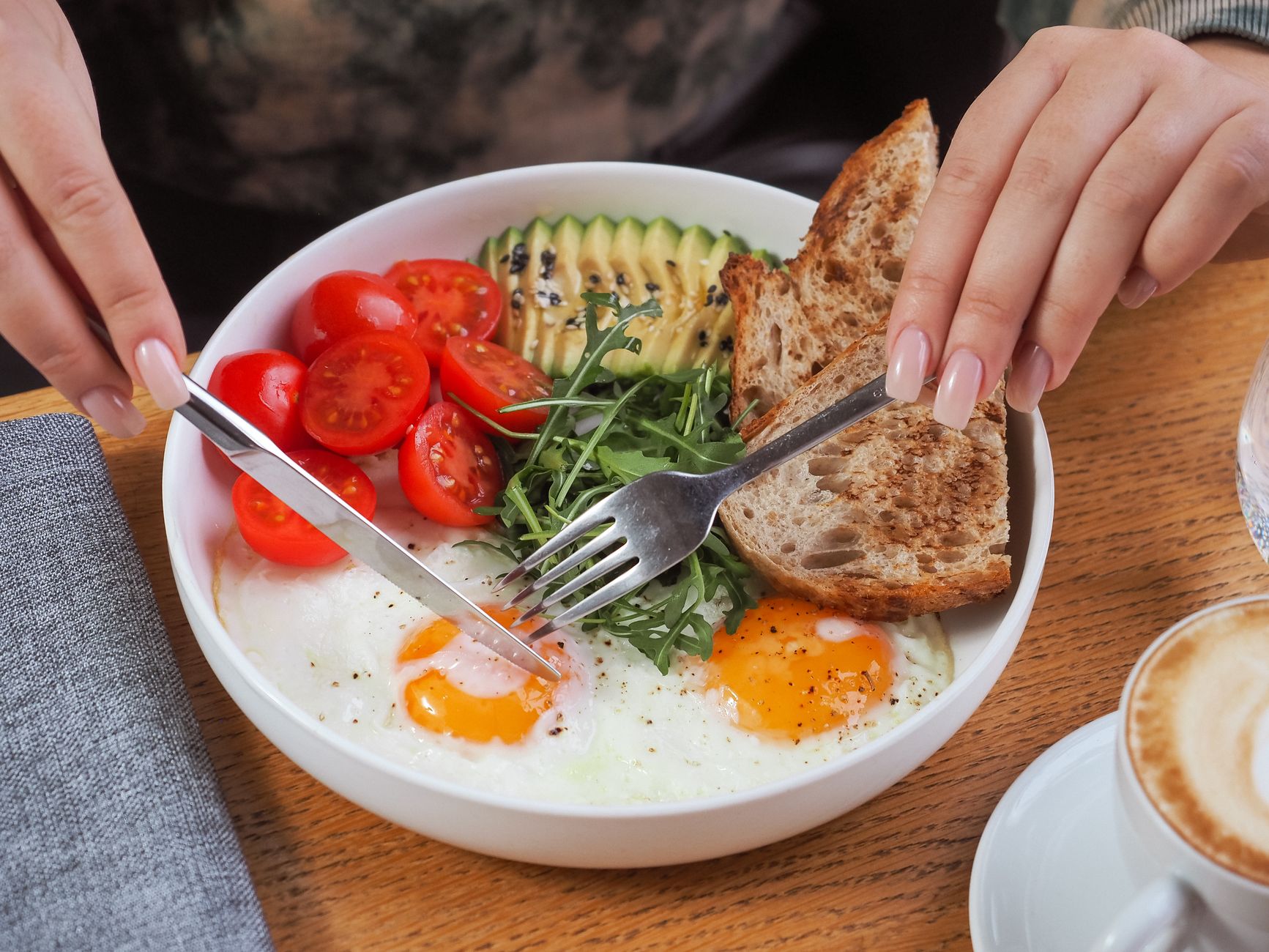
Breakfast is where many women with PCOS trip up—either skipping it (which sends blood sugar crashing) or defaulting to sugary cereals or pastries (which spike insulin and worsen symptoms). The key? Combine protein, fiber, and healthy fats to keep you full and stable. Here’s what works:
Macros (approx.): 45g protein | 25g fat | 15g carbs (net ~10g). Why it works: The eggs provide slow-digesting protein, avocado adds heart-healthy fats, and the fiber from whole grains (or gluten-free seeds) keeps insulin in check.
Option 2: Chia Pudding with Berries (Low-Glycemic, Fiber-Rich)
3 tbsp chia seeds
1 cup unsweetened almond milk
½ cup mixed berries (raspberries, blackberries)
1 tbsp almond butter
Dash of cinnamon
Macros (approx.): 12g protein | 18g fat | 30g carbs (net ~15g). Why it works: Chia seeds absorb liquid to form a gel-like texture, slowing digestion. Berries have a low glycemic index (GI) and are packed with antioxidants. Cinnamon may help improve insulin sensitivity.
Macros (approx.): 28g protein | 12g fat | 8g carbs (net ~6g). Why it works: Salmon is rich in omega-3s, which reduce inflammation—a common issue in PCOS. Cream cheese adds fat to slow digestion, and veggies provide fiber.
Pro Tip: If you’re constantly fatigued, add a handful of walnuts or a tablespoon of flaxseeds to your breakfast for extra magnesium and omega-3s.
What to avoid: Sugary yogurts, white toast with butter, or cereal with milk (the carb + dairy combo can spike insulin).
---
PCOS Diet Sample Lunch Recipes: Midday Meals That Keep You Energized
Lunch is your chance to refuel without the crash. Many women with PCOS struggle with energy slumps post-lunch, often because their meals are carb-heavy or lack protein. Here’s how to fix that:
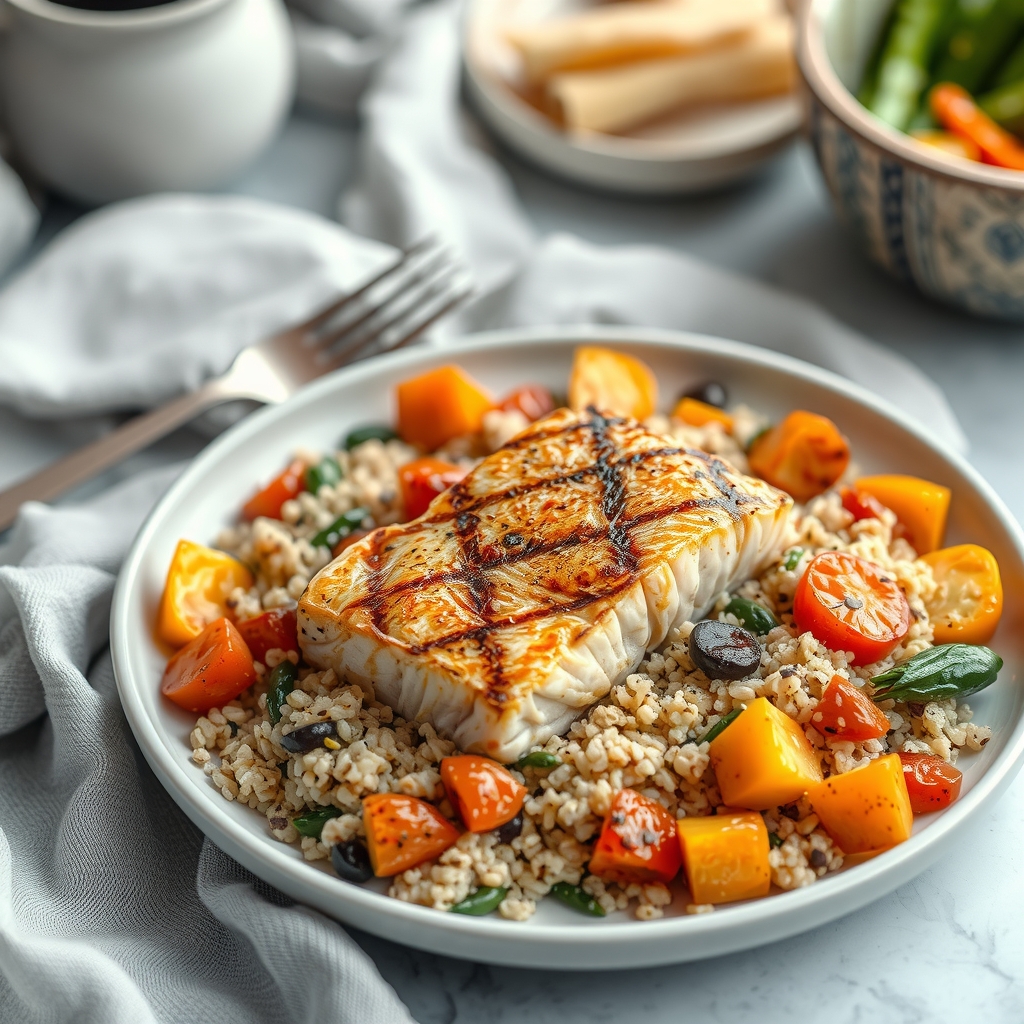
Macros (approx.): 35g protein | 22g fat | 25g carbs (net ~15g). Why it works: Salmon’s omega-3s fight inflammation, quinoa is a complete protein, and roasted veggies provide fiber to slow digestion. The lemon dressing adds vitamin C, which helps with iron absorption (important if you’re anemic).
Macros (approx.): 30g protein | 10g fat | 18g carbs (net ~12g). Why it works: Turkey is lean protein, hummus adds fiber and healthy fats, and veggies keep carbs in check. This is a great gluten-free option if you’re avoiding it.
1 cup mixed veggies (cauliflower, bell peppers, zucchini)
½ cup coconut milk (light)
1 tsp curry powder
½ cup brown rice
Macros (approx.): 22g protein | 15g fat | 40g carbs (net ~25g). Why it works: Lentils are high in fiber and plant-based protein, and coconut milk adds healthy fats. The spices (like turmeric and ginger) have anti-inflammatory benefits. This is a great vegetarian option that still supports insulin sensitivity.
Pro Tip: If you’re watching calories, swap brown rice for extra veggies or a side salad. For a weight-loss twist, reduce the rice portion and add more leafy greens.
What to avoid: Heavy cream sauces, white rice, or pasta with marinara (the carb load can overwhelm insulin). Stick to lean proteins and non-starchy veggies.
---
PCOS Diet Sample Dinner Plan: Wind Down Without the Sugar Crash
Dinner is where many women with PCOS make their biggest mistakes—either overeating carbs (because "it’s the end of the day") or skipping protein entirely. The goal? A balanced meal that supports digestion and hormone balance so you sleep well (and don’t wake up craving chocolate at 2 AM).
Option 1: Baked Chicken with Sweet Potato & Green Beans (High-Protein, Low-GI Carbs)
6 oz baked chicken breast
½ medium roasted sweet potato
1 cup steamed green beans
1 tbsp tahini dressing
Handful of kale
Macros (approx.): 40g protein | 18g fat | 25g carbs (net ~12g). Why it works: Chicken is lean protein, sweet potato has a lower GI than white potatoes, and tahini adds healthy fats to slow digestion. Green beans and kale provide fiber and magnesium.
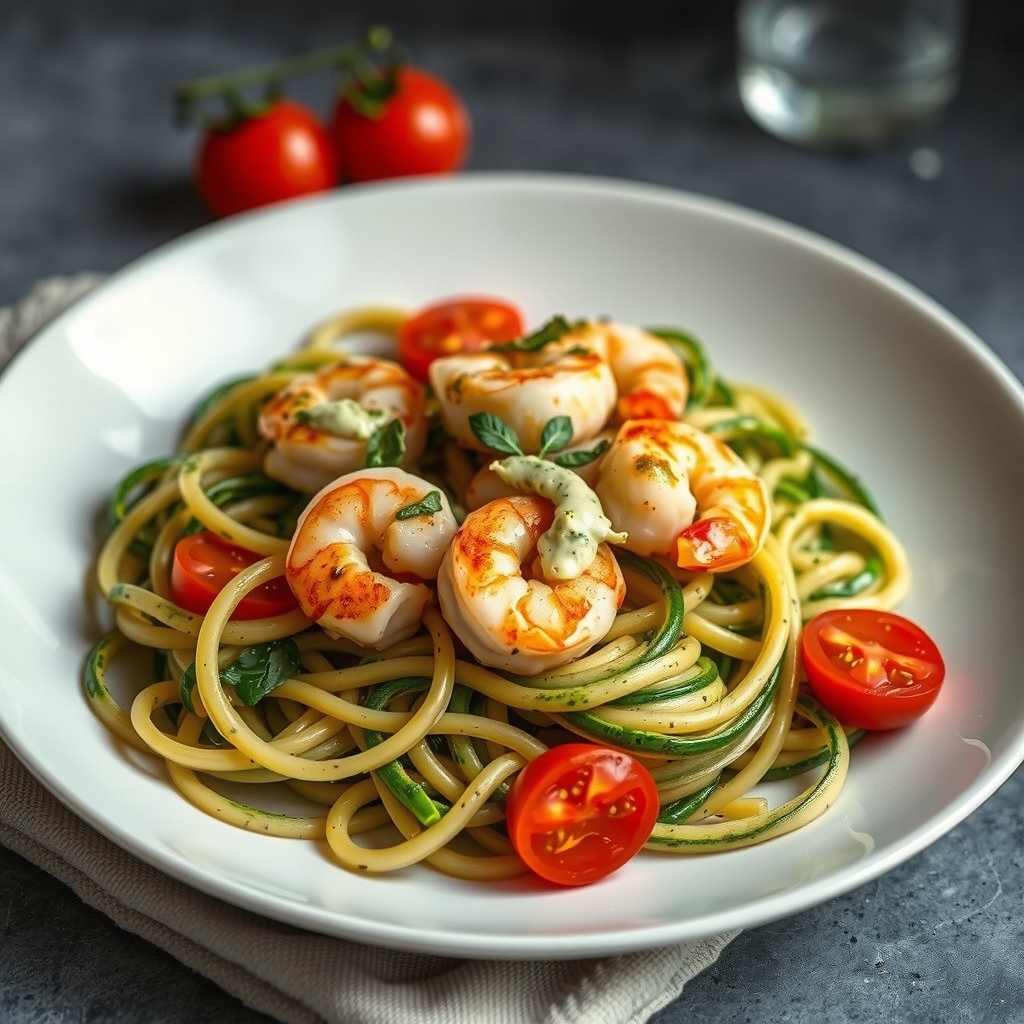
Option 2: Shrimp & Zucchini Noodles with Pesto (Low-Carb, High-Protein)
6 oz shrimp
2 medium zucchini, spiralized
2 tbsp basil pesto
1 tbsp pine nuts
Handful of cherry tomatoes
Macros (approx.): 35g protein | 15g fat | 12g carbs (net ~8g). Why it works: Shrimp is a low-calorie, high-protein option, and zucchini noodles replace pasta without the carb spike. Pesto adds healthy fats, and pine nuts provide crunch and extra nutrients.
Macros (approx.): 38g protein | 20g fat | 10g carbs (net ~8g). Why it works: Beef is rich in iron (important for women with PCOS who often have deficiencies) and zinc, which supports immunity. Broccoli is high in fiber and vitamin C, and cauliflower rice keeps carbs minimal.
Pro Tip: If you’re struggling with weight loss stalls, try reducing portion sizes slightly and adding more veggies to fill up without the calories. For example, swap half the sweet potato for extra green beans.
What to avoid: Heavy cream sauces, fried foods, or meals with refined carbs like white bread or pasta. Opt for lean proteins, non-starchy veggies, and healthy fats.
Snacks are the unsung heroes of a PCOS diet—they prevent blood sugar crashes that lead to cravings and hormonal imbalances. The trick? Combine protein + fiber + healthy fats to keep you full and satisfied. Here are your best bets:
Pro Tip: If you’re craving something sweet, pair fruit (like berries) with protein (like a handful of nuts or a string cheese) to slow digestion. For example, a small apple with 1 tbsp almond butter is better than an apple alone.
What to avoid: Chips and dip, candy bars, or fruit juice (the sugar spikes without the fiber). Stick to whole foods that provide sustained energy.
---
PCOS Diet Sample Grocery List for PCOS: Stock Your Pantry Right
Walking into a grocery store with PCOS can feel like navigating a minefield—what’s safe? What’s a trap? Here’s a simple, no-fuss grocery list to keep your kitchen stocked with PCOS-friendly foods. Organize it by section for easy shopping:
Proteins (Prioritize Lean & Fatty Fish)
Eggs (pasture-raised if possible)
Chicken breast or thighs (skinless)
Turkey breast
Lean beef (grass-fed if possible)
Salmon or sardines (canned in water or olive oil)
Shrimp or scallops
Greek yogurt (unsweetened, plain)
Cottage cheese
Lentils or chickpeas (canned or dry)
Tofu or tempeh (for vegetarian options)
Healthy Fats (The Unsung Heroes)
Avocados
Olive oil (extra virgin)
Avocado oil
Nuts (almonds, walnuts, pistachios)
Seeds (chia, flax, pumpkin, sunflower)
Nut butters (almond, peanut—no added sugar)
Coconut milk (light or full-fat)
Low-Glycemic Carbs (Fiber-Rich & Slow-Digesting)
Sweet potatoes (or regular potatoes in moderation)
Quinoa or buckwheat
Brown rice or basmati rice
Whole-grain bread (or gluten-free options if needed)
Pro Tip: Batch-cook proteins like chicken, turkey, or lentils on Sunday to save time during the week. Store them in the fridge for quick meals. For a faster prep, try pre-cut veggies or frozen berries to add to smoothies.
What to skip: Sugary cereals, white bread, processed snacks (chips, crackers), and drinks with added sugar (even "natural" ones like juice or smoothies). Stick to whole, unprocessed foods whenever possible.
---
PCOS Diet Sample Meal Prep Tips: Save Time Without Sacrificing Health
Meal prep is the secret weapon for sticking to a PCOS diet—it eliminates the "I don’t know what to eat" excuse and keeps you from reaching for convenience foods that sabotage your goals. Here’s how to prep like a pro:
1. Plan Your Meals for the Week
Spend 15 minutes on Sunday mapping out your meals. Use the sample day above as a template, but swap in proteins and veggies you like. For example:
Pro tip: Batch-cook grains and proteins to mix and match during the week. For example, cook 2 cups of quinoa and 2 lbs of chicken on Sunday. Then, you can assemble meals quickly.
2. Prep Your Snacks
Portion out snacks in advance to avoid mindless grazing. Try:
Hard-boiled eggs (peel and store in the fridge)
Cut-up veggies with hummus in small containers
Portioned nuts or seeds in baggies
Pre-made smoothie packs (frozen berries + spinach + protein powder)
3. Use the Right Containers
Invest in glass or BPA-free plastic containers with compartments. This helps you:
Separate proteins from carbs to avoid overloading on one
Keep meals fresh for up to 4 days
Reheat easily (microwave-safe containers are a must)
4. Freeze for Later
Freeze meals like soups, stews, or casseroles in individual portions. Thaw overnight in the fridge or reheat directly from frozen (just add a few extra minutes).
5. Keep It Simple
Don’t overcomplicate it. Start with 2–3 meals you love and master those. For example:
Pre-cook a big batch of quinoa and pair it with roasted veggies and grilled protein.
Make a big pot of lentil curry and freeze portions for easy lunches.
Pre-portion snacks like Greek yogurt with nuts and berries.
Pro Tip: If you’re short on time, try the DASH diet’s meal-prep hack: cook a big pot of beans or lentils, roast a tray of veggies, and grill a bunch of chicken or fish. Then, assemble meals by mixing and matching.
What to avoid: Skipping prep because you’re "too tired." Even 20 minutes of prep on Sunday saves hours of decision fatigue during the week.
---
PCOS Diet Sample Day of Eating for Weight Loss: The Calorie-Adjusted Plan
If your goal is weight loss, the PCOS diet works—but you’ll need to adjust portions and calories slightly. The key is reducing processed carbs, increasing protein, and tracking your intake to create a calorie deficit. Here’s how to modify the sample day for weight loss:
Breakfast: High-Protein, Low-Carb Option
2 scrambled eggs + 1 egg white
½ avocado
1 slice whole-grain toast (or ½ cup cauliflower rice)
Pro Tip: If you’re not losing weight after 2–3 weeks, try reducing carbs further (e.g., swap quinoa for extra veggies) or increasing protein (add a scoop of collagen or whey protein to smoothies). Track your progress by taking weekly photos and measurements—scale weight can fluctuate due to water retention.
What to avoid: Skipping meals to "save calories." This can lead to blood sugar crashes and cravings. Focus on portion control and nutrient density instead.
---
Macronutrient Breakdown for PCOS: What Your Plate Should Look Like
PCOS diets aren’t about restricting—they’re about balancing. The ideal macronutrient split for most women with PCOS is:
Protein: 25–35% of calories (supports muscle, keeps you full, and helps regulate hormones)
Healthy Fats: 30–40% of calories (reduces inflammation, supports hormone production)
Carbs: 25–40% of calories (prioritize low-GI, high-fiber) (fuel without spiking insulin)
Pro Tip: Use a food tracking app like MyFitnessPal or Cronometer to log your meals and adjust portions as needed. Many women with PCOS find that eating every 3–4 hours helps stabilize blood sugar and curb cravings.
What to watch for: If you’re constantly hungry, you may need more protein or healthy fats. If you’re exhausted all the time, you might need more iron or B vitamins (common deficiencies in PCOS).
---
Timing of Meals and Insulin Sensitivity: How to Eat for Hormone Balance
When you eat matters just as much as what you eat—especially for PCOS. Large meals can spike insulin, while smaller, frequent meals help keep blood sugar stable. Here’s how to time your meals for best results:
1. Eat Breakfast Within 1–2 Hours of Waking
Skipping breakfast can lead to blood sugar crashes by lunchtime, triggering cravings. Aim for a balanced meal with protein + fiber + healthy fats within an hour of waking. For example:
Avocado egg toast
Greek yogurt with nuts and berries
Smoked salmon with cream cheese on cucumber slices
2. Space Meals 3–4 Hours Apart
This prevents insulin spikes and crashes, which can worsen PCOS symptoms. If you’re not hungry every 3 hours, try:
Adding a snack (like Greek yogurt or nuts)
Drinking a glass of water before meals
Eating a small bowl of soup before your main meal to fill up on volume
3. Avoid Late-Night Eating
Eating too close to bedtime can disrupt sleep and increase insulin resistance. Try to finish dinner 2–3 hours before bed. If you’re hungry, opt for a light snack like:
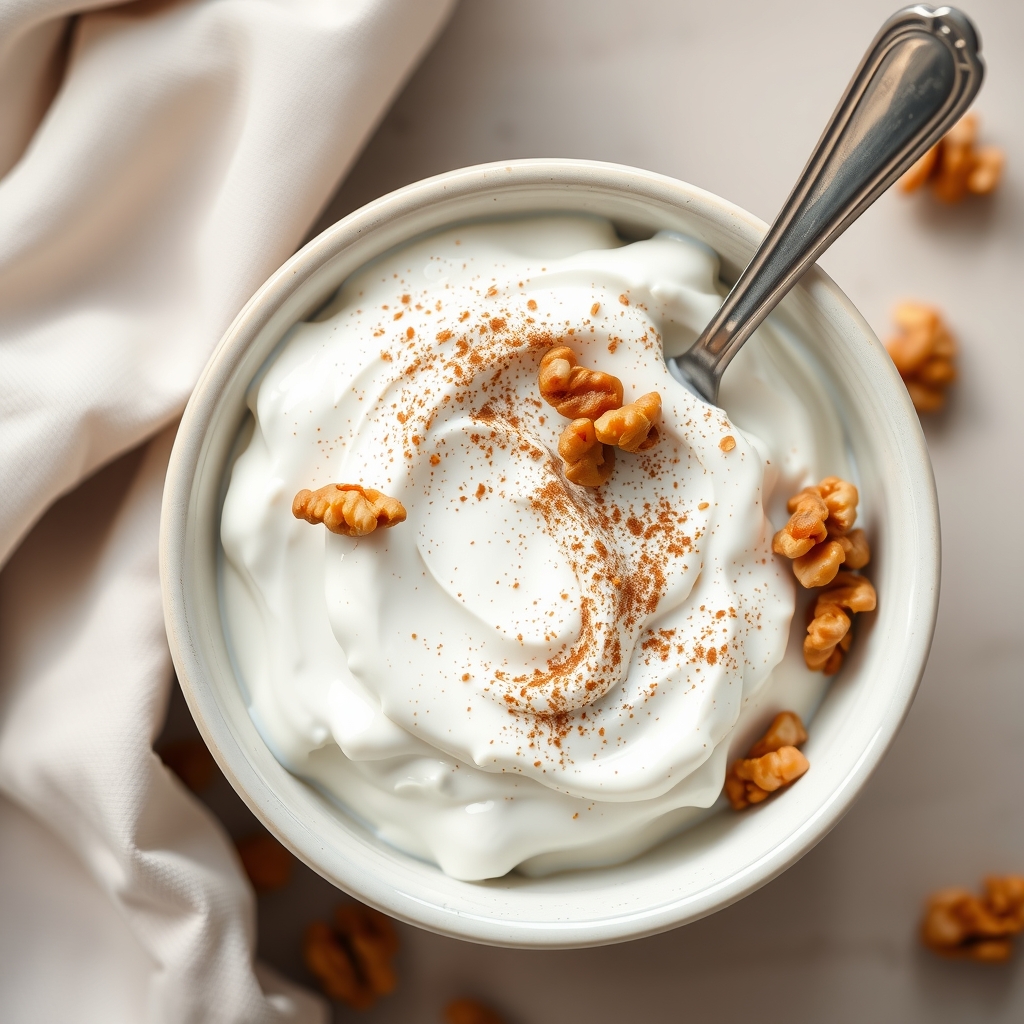
Cottage cheese with cinnamon
A small handful of almonds
Herbal tea with a few squares of dark chocolate
4. Consider Intermittent Fasting (IF) for Some Women
Some women with PCOS benefit from intermittent fasting (e.g., 16:8), which can improve insulin sensitivity. However, it’s not for everyone—especially if you have adrenal fatigue or low blood sugar. If you try IF:
Start with a 12-hour window (e.g., stop eating at 7 PM, eat again at 7 AM).
Listen to your body—if you feel dizzy or fatigued, shorten the fast.
Avoid skipping meals entirely; opt for smaller, balanced meals.
Best Foods for PCOS Diet: The Ultimate Grocery Cheat Sheet
Not all foods are created equal when it comes to PCOS. Some fight inflammation and support hormone balance, while others can worsen insulin resistance. Here’s a quick guide to the best (and worst) foods for PCOS:
Best Foods for PCOS
Food Group
Why It Helps
Examples
Fatty Fish
Rich in omega-3s, which reduce inflammation and improve insulin sensitivity
Not sure about the label on Pcos Diet Sample Day Of Eating products?
Snap the ingredients list and SafeFilter checks every ingredient for your stage — only 3 free scans this month, then you're locked until reset. Unlimited from $7/mo or $50/yr.
When Shubhra Mishra was expecting her first child in 2016, she was overwhelmed by conflicting food advice — one site said yes, another said never. By the time her second baby arrived in 2019, she realized millions of mothers face the same confusion.
That sparked a five-year journey through clinical nutrition papers, cultural diets, and expert conversations — all leading to BumpBites: a calm, compassionate space where science meets everyday motherhood.
Her long-term vision is to build a global community ensuring safe, supported, and free deliveriesfor every mother — because no woman should face pregnancy alone or uninformed. 🌿
🌍 Stand with mothers, shape safer guidance
Join a small circle of experts who review BumpBites articles so expecting parents everywhere can decide with confidence.