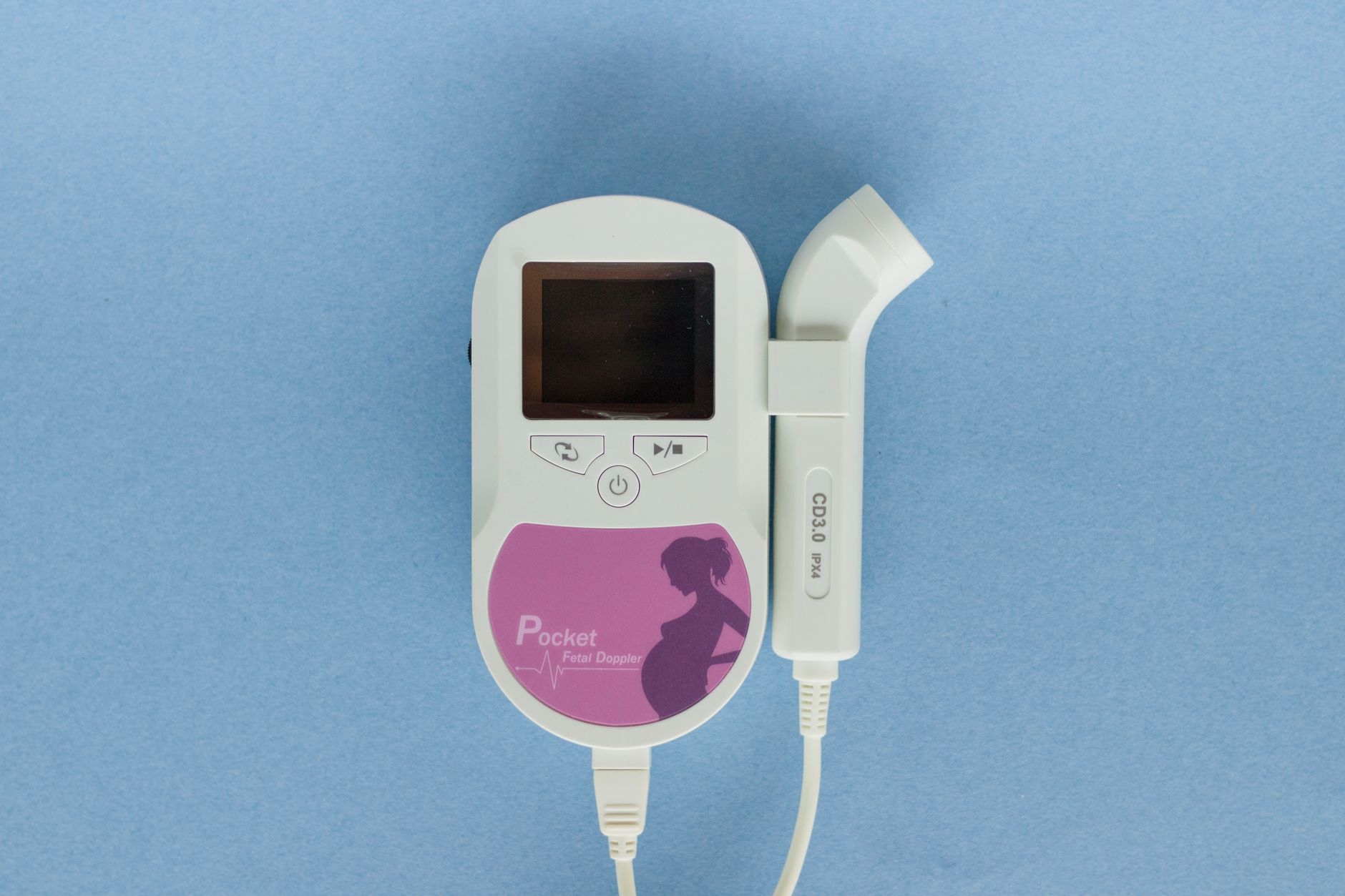
Discover the Modified BPP: NST + AFI combination protocol explained for a healthy pregnancy, including its benefits and implementation
By Shubhra Mishra — a mom of two who turned her own confusion during pregnancy into BumpBites, a global mission to make food choices clear, safe, and stress-free for every expecting mother. 💛
Check whether any food is safe during pregnancy with the BumpBites Food Safety Checker.
Quick take: A Modified Biophysical Profile (BPP) combines a Non‑Stress Test (NST) with an Amniotic Fluid Index (AFI) measurement. It’s a streamlined, bedside‑friendly way to check fetal wellbeing when a full 10‑minute ultrasound isn’t needed. A reassuring score (NST reactive + AFI ≥ 8 cm) means low risk, while a non‑reactive NST or low AFI signals that your provider will likely schedule additional monitoring or an ultrasound.
It’s 2 a.m., you’ve just felt a flutter and, after a quick Google search, the term “Modified BPP” pops up. Your heart races a little—does this mean something is wrong? You’re not alone. Many expectant parents wonder whether the test they’ve been told about is safe, what it actually looks like, and how the results will affect their pregnancy plan.
🔢 Calculate it for your situation: Use our Biophysical Profile (BPP) for a personalized result in seconds.
In this guide we’ll walk through the Modified BPP step by step: what the test is, why doctors order it, how it’s performed, what the numbers mean, and what you should do if the results aren’t reassuring. We’ll also compare it to the full Biophysical Profile, bust a few common myths, and give you a handy checklist of questions to ask at your next appointment.
If you’re comfortable with the basics, you’ll leave this page feeling confident that a Modified BPP is simply another tool to keep you and your baby safe, not a looming alarm.
What is a Modified BPP and what does it include?
The term “Modified BPP” refers to a shortened version of the classic Biophysical Profile. Instead of the full five‑parameter ultrasound (fetal breathing movements, gross movements, tone, heart‑rate reactivity, and amniotic fluid volume), the modified version looks at just two components:
Non‑Stress Test (NST): a cardiotocography (CTG) tracing that records the baby’s heart rate in response to its own movements.
Amniotic Fluid Index (AFI): an ultrasound measurement that estimates the amount of fluid surrounding the baby by dividing the uterus into four quadrants and summing the deepest vertical pocket in each.
Because both NST and AFI can be done at the bedside or in a short outpatient visit, the Modified BPP is often called a “quick screen” for fetal wellbeing. It’s especially useful when a full ultrasound would be logistically challenging, such as in rural clinics or when a provider needs rapid reassurance after a concerning sign (e.g., decreased fetal movements).
In practice, the Modified BPP score is calculated by assigning one point each for a reactive NST and for an AFI ≥ 8 cm. The total possible score is 2. A score of 2 is considered reassuring, while a score of 0 or 1 warrants further evaluation.
While the concept is simple, the underlying physiology is nuanced. A reactive NST suggests that the fetus’s autonomic nervous system is responding appropriately to oxygen fluctuations, whereas the AFI reflects placental perfusion and fetal kidney output. Together they give a snapshot of both neural and circulatory health without the time‑intensive components of a full BPP.
Why do doctors recommend a Modified BPP? (Purpose and indications)
Most
of the time, a Modified BPP is ordered for one of three reasons:
High‑risk pregnancies: Conditions such as pre‑eclampsia, gestational diabetes, maternal hypertension, or intrauterine growth restriction (IUGR) increase the chance of compromised placental function. A quick bedside test helps clinicians decide whether more intensive monitoring is needed.
Late‑pregnancy concerns: After 36 weeks, many providers increase surveillance because the baby’s lungs are maturing and the risk of stillbirth rises. If a mother reports fewer kicks, or if a prior NST was borderline, a Modified BPP can be a fast way to check fetal status.
Logistical or resource constraints: In clinics where full ultrasound rooms are booked or in low‑resource settings, the Modified BPP offers a reliable alternative that still follows ACOG and NICE recommendations for fetal surveillance.
Both the American College of Obstetricians and Gynecologists (ACOG) and the UK's National Institute for Health and Care Excellence (NICE) advise that any fetal surveillance strategy should be individualized. The Modified BPP fits that framework by providing a balance of safety and efficiency.
Another practical driver is patient convenience. A single‑visit Modified BPP can be scheduled during a routine prenatal check‑up, reducing the need for extra trips, parking fees, or time off work. This convenience can improve adherence to surveillance protocols, which is especially important in high‑risk pregnancies where missed appointments increase complications.
How is a Modified BPP performed? (What to expect during NST and AFI)
When you arrive for a Modified BPP, the visit typically lasts 20–30 minutes. Here’s a step‑by‑step walk‑through of what you’ll experience.
Step 1: Preparation
Wear comfortable clothing that allows easy access to your abdomen.
Most clinics ask you to have a comfortably full bladder, but not overly distended, because a moderate amount of urine helps the technician obtain a clear view of the uterus.
Bring a list of any medications, recent fetal movement counts, and any concerns you’ve noticed.
Step 2: The Non‑Stress Test (NST)
A small transducer (the same size as a fingertip) is placed on your abdomen over the baby’s heart. The device picks up the fetal heart rate and any accelerations that occur when the baby moves.
The technician or nurse monitors the tracing for at least 20 minutes. A “reactive” NST is defined by ACOG as at least two accelerations of > 15 bpm lasting ≥ 15 seconds, occurring within a 20‑minute window.
If the tracing is non‑reactive, the test may be extended up to 40 minutes before a conclusion is drawn.
During this period, you’ll be asked to stay still and breathe normally. Some providers suggest a gentle rocking motion or sipping cool water if the baby seems quiet, because mild stimulation can elicit accelerations.
Step 3: Measuring the Amniotic Fluid Index (AFI)
Using the same ultrasound probe, the provider scans the uterus in four quadrants (right upper, left upper, right lower, left lower).
In each quadrant, the deepest vertical pocket of fluid without fetal parts or umbilical cord is measured in centimeters.
The four measurements are added together to give the AFI. An AFI ≥ 8 cm is considered normal; 5–8 cm is borderline; < 5 cm suggests oligohydramnios (low fluid), while > 24 cm may indicate polyhydramnios (excess fluid).
Because both components are performed in the same session, the Modified BPP is often completed without needing a separate sonographer or a full‑size ultrasound suite.
When you’re done, the provider will share the NST result, the AFI number, and the combined score. If you want to calculate your own AFI or see how the score works, you can try the Biophysical Profile (BPP) calculator on our site.
During a Modified BPP, a small transducer captures both the heart‑rate tracing and the amniotic fluid measurement.
Interpreting the NST results (reactive vs. non‑reactive)
The NST is the first half of the Modified BPP score, and its interpretation follows clear ACOG criteria.
Reactive NST: Two or more accelerations of > 15 bpm lasting ≥ 15 seconds within 20 minutes. This pattern suggests that the baby’s nervous system and oxygenation are adequate.
Non‑reactive NST: Fewer than two accelerations in the same period, or a tracing that shows decelerations, bradycardia, or a flat line. A non‑reactive result does not automatically mean distress, but it does raise the need for additional assessment.
When a non‑reactive NST occurs, providers may repeat the test after a short rest period, give a mild stimulant (like a small sip of cold water), or move directly to a full ultrasound to evaluate fetal breathing movements, tone, and other biophysical parameters.
It’s also common for clinicians to consider maternal factors such as caffeine intake, recent activity, or medication that could blunt fetal heart‑rate variability. Adjusting these variables before a repeat NST can sometimes convert a non‑reactive tracing into a reactive one.
The AFI component tells you how much amniotic fluid is surrounding the baby. Fluid levels are a proxy for placental perfusion and fetal kidney function.
AFI (cm)
Interpretation
Typical Management
≥ 8
Normal amniotic fluid
Reassuring; continue routine prenatal care.
5–7.9
Borderline/low‑normal
Increased surveillance; may repeat AFI in 1–2 weeks.
< 5
Oligohydramnios (low fluid)
Further evaluation with full BPP or biweekly NSTs; consider delivery if late‑term and other risk factors present.
> 24
Polyhydramnios (excess fluid)
Assess for maternal diabetes, fetal anomalies, or placental issues; monitor more closely.
It’s worth noting that a single low AFI measurement does not automatically trigger delivery. Providers look at the whole clinical picture—maternal blood pressure, fetal growth, and NST reactivity—before deciding on next steps.
In some cases, a low AFI may be transient, especially after prolonged maternal dehydration. Re‑hydration and repeat measurement after 24–48 hours can clarify whether the finding is persistent or resolves spontaneously.
What does a “normal” Modified BPP score mean?
A score of 2 (reactive NST + AFI ≥ 8 cm) is considered reassuring. In most cases, this indicates that the baby is receiving adequate oxygen and nutrients, and that the pregnancy can continue with routine monitoring.
If the score is 1 (either a reactive NST with low AFI, or a non‑reactive NST with normal AFI), clinicians usually respond with one or more of the following:
Repeat the Modified BPP in 24–48 hours.
Schedule a full BPP, which adds fetal breathing movements, gross movements, and tone to the assessment.
Increase the frequency of NSTs (e.g., twice daily) until the picture clarifies.
A score of 0 (non‑reactive NST + AFI < 8 cm) is considered non‑reassuring. The provider will discuss the risks of continued pregnancy versus early delivery, often recommending a full BPP, possible Doppler studies of the umbilical artery, or, if past 37 weeks, a planned induction.
Even a “non‑reassuring” score does not guarantee a poor outcome; it simply flags the need for closer observation. Many pregnancies with an initial score of 0 progress safely after additional testing clarifies the underlying cause.
How does the Modified BPP compare with a full Biophysical Profile?
Both tests aim to assess fetal wellbeing, but they differ in scope, duration, and resource needs. Below is a side‑by‑side comparison that highlights the key distinctions.
Aspect
Modified BPP (NST + AFI)
Full Biophysical Profile (BPP)
Components
2 – NST, AFI
5 – NST, AFI, fetal breathing, movements, tone
Time required
≈ 20‑30 min
≈ 45‑60 min
Equipment
Bedside CTG + basic ultrasound
Full ultrasound suite, trained sonographer
Scoring
0‑2 (each component = 1 point)
0‑10 (each of 5 components = 2 points)
Sensitivity for fetal distress
Good for high‑risk screening; may miss subtle changes in breathing or tone
Higher sensitivity; detects more nuanced abnormalities
Comprehensive evaluation when NST or AFI is abnormal, or when clinicians need detailed data
Guideline endorsement
Supported by ACOG and NICE as an acceptable alternative to full BPP in selected cases
Considered the gold standard when full assessment is feasible
In short, the Modified BPP is a streamlined, cost‑effective tool that offers most of the safety of a full BPP when the clinical situation allows. It’s not a replacement for a full BPP when the NST is non‑reactive or the AFI is borderline; rather, it serves as a first line that can trigger the more detailed study if needed.
Research published in the *Journal of Maternal-Fetal & Neonatal Medicine* (2021) found that the Modified BPP had a 92 % negative predictive value for adverse outcomes in pregnancies beyond 36 weeks, reinforcing its utility as a screening tool.
Practical tips for patients: preparing, frequency, and what to ask
Even a short test can feel daunting, especially if you’re already anxious about your baby’s health. Here are some evidence‑based tips to help you feel prepared.
Stay hydrated, but not overly full. A comfortably full bladder improves ultrasound windows without causing discomfort.
Schedule the appointment at a time when you’re rested. Fatigue can affect how you perceive fetal movements, and a calm mind helps you stay still during the NST.
Bring a log of fetal kicks. If you’ve noticed a change in movement, write down the number of kicks in a 2‑hour window; this gives the provider a concrete reference.
Ask about follow‑up plans. If the score is non‑reassuring, request a clear timeline: “Will I need a repeat Modified BPP tomorrow, or will we move straight to a full BPP?”
Know the red‑flag symptoms. Persistent abdominal pain, vaginal bleeding, sudden loss of fetal movement, or a fever over 100.4 °F (38 °C) should prompt immediate contact with your care team.
Most providers repeat a Modified BPP every 1–2 weeks in high‑risk pregnancies, but the exact interval depends on your personal risk factors and how your previous tests turned out. If you’re unsure, ask: “Based on my condition, how often should I have a Modified BPP?”
AFI measurement is part of the same session as the NST, giving a rapid snapshot of fluid volume.
When is a Modified BPP not appropriate? Contraindications and limitations
While the Modified BPP is versatile, it isn’t suitable for every situation. Certain maternal or fetal conditions can limit its reliability.
Severe oligohydramnios: When fluid volume is already critically low (< 2 cm), the AFI measurement may be too imprecise to guide management, and a full BPP or Doppler study is preferred.
Maternal obesity (BMI > 35): Excess abdominal tissue can degrade ultrasound image quality, making AFI assessment less accurate.
Active maternal infections: Conditions like chorioamnionitis may require immediate delivery or more intensive monitoring, bypassing the Modified BPP altogether.
Known fetal anomalies: Structural abnormalities that affect movement or fluid dynamics often need a comprehensive ultrasound rather than a simplified screen.
In these scenarios, clinicians usually opt for a full BPP, a detailed Doppler evaluation, or direct delivery planning, depending on gestational age and overall risk. Discuss any known conditions with your provider to understand why a particular test is chosen.
Understanding Doppler studies and how they complement the Modified BPP
Doppler ultrasound assesses blood flow in the umbilical artery, middle cerebral artery, and ductus venosus. These measurements give insight into placental resistance and fetal oxygen extraction, information that the Modified BPP alone cannot provide.
When a Modified BPP yields a score of 1 or 0, many obstetricians add a Doppler study to differentiate between true fetal compromise and a transient change in fluid or heart‑rate patterns. For example, a normal umbilical artery Doppler with a non‑reactive NST may reassure the team, whereas abnormal Doppler waveforms (elevated resistance index) would heighten concern and often prompt delivery planning.
The Society for Maternal‑Fetal Medicine (SMFM) recommends that Doppler assessment be considered in any high‑risk pregnancy where the NST is non‑reactive, especially after 32 weeks gestation. Combining Doppler data with the Modified BPP creates a more complete picture without requiring a full BPP.
Home monitoring and fetal movement counting: integrating with Modified BPP
Many parents use home fetal movement counting as an early warning system. While not a substitute for clinical testing, a well‑documented kick‑count can help interpret a Modified BPP result.
Guidelines from the NHS suggest counting at least 10 movements within a two‑hour window after meals, when the baby is most active. If you notice a decrease in kicks, note the exact time and pattern, then share this log with your provider before the Modified BPP. The combination of objective NST data and subjective kick counts can strengthen clinical decision‑making.
Some mobile apps now sync directly with clinic‑based NST machines, allowing patients to view their heart‑rate tracing in real time. While still emerging, this technology may reduce anxiety and improve compliance, especially for women who travel long distances to prenatal care.
Doctor’s note
From our medical team: The Modified BPP is a safe, evidence‑based option for many high‑risk pregnancies, especially when time or equipment constraints exist. A reactive NST combined with a normal AFI (≥ 8 cm) is reassuring, but remember that no single test can guarantee 100 % safety. Continue routine prenatal visits, keep a daily fetal movement log, and discuss any new symptoms with your provider promptly. If you ever feel uncertain about a result, ask for a full BPP or an additional Doppler study for peace of mind.
🔢 Ready to crunch your numbers? Use our Biophysical Profile (BPP) for a personalized result in seconds.
Myth vs. fact
Myth: “If the NST is non‑reactive, my baby is in trouble.”
Fact: A non‑reactive NST is a signal for closer monitoring, not a definitive diagnosis of distress. Many babies become reactive after a short rest or after a mild stimulant, and further testing clarifies the situation.
Myth: “The Modified BPP is only for women with complications.”
Fact: While it is most commonly used in high‑risk scenarios, a Modified BPP can be ordered for any pregnancy where a quick, bedside assessment is clinically useful—such as after a sudden decrease in fetal movement.
Myth: “If the AFI is low, I will need an early delivery.”
Fact: Low amniotic fluid (oligohydramnios) prompts closer surveillance, but delivery decisions incorporate many factors, including gestational age, NST reactivity, and overall maternal health.
Key takeaways
The Modified BPP combines a Non‑Stress Test and Amniotic Fluid Index, yielding a simple 0‑2 score.
A score of 2 (reactive NST + AFI ≥ 8 cm) is reassuring; scores of 0‑1 usually lead to additional monitoring or a full BPP.
It’s most often recommended for high‑risk pregnancies, late‑term surveillance, or when full ultrasound resources are limited.
Preparation is simple: stay hydrated, bring a fetal‑kick log, and rest before the test.
Ask your provider about the follow‑up plan if the result is non‑reassuring, and always call if you experience red‑flag symptoms.
For a deeper dive or to calculate your own numbers, try the Biophysical Profile (BPP) calculator on BumpBites.
Frequently asked questions
What is the purpose of a Modified BPP?
The purpose is to provide a quick, bedside assessment of fetal wellbeing by checking heart‑rate reactivity (NST) and fluid volume (AFI). It helps clinicians decide whether further testing or closer monitoring is needed, especially in high‑risk or late‑pregnancy situations.
What is a normal Modified BPP score?
A normal or reassuring Modified BPP score is 2, meaning the NST is reactive and the AFI is ≥ 8 cm. This combination suggests adequate oxygenation and fluid balance, allowing routine prenatal care to continue.
How is a Modified BPP performed during pregnancy?
During the visit, a small ultrasound probe records the fetal heart‑rate tracing for 20‑40 minutes (NST) and then measures the deepest fluid pockets in each uterine quadrant (AFI). The two results are added together for a score out of 2.
What do NST and AFI stand for in a Modified BPP?
NST stands for Non‑Stress Test, a cardiotocography that looks for heart‑rate accelerations when the baby moves. AFI stands for Amniotic Fluid Index, a summed measurement of fluid depth across four uterine quadrants.
When is a Modified BPP typically recommended by doctors?
Doctors usually recommend it for high‑risk pregnancies (e.g., pre‑eclampsia, IUGR, diabetes), after a reported decrease in fetal movements, or when a full BPP isn’t feasible due to time or equipment constraints, particularly after 36 weeks gestation.
What happens if my Modified BPP results are abnormal?
If the score is 0‑1, providers may repeat the test, schedule a full BPP, or increase NST frequency. Persistent non‑reactive NSTs or low AFI often lead to closer surveillance, possible Doppler studies, and, if late‑term, discussion of early delivery.
Can I do a Modified BPP at home?
At present, the NST component requires a clinical-grade cardiotocography device, and AFI measurement needs an ultrasound probe. Home fetal‑movement counting can complement a clinic‑based Modified BPP, but the full test must be performed by a qualified provider.
How often should I have a Modified BPP if I have gestational diabetes?
Guidelines from ACOG suggest twice‑weekly NSTs for women with gestational diabetes after 32 weeks, and a Modified BPP may be performed weekly or whenever there’s a change in kick counts. Your provider will tailor the schedule to your glucose control and any other risk factors.
When to call your doctor
If you experience any of the following, contact your obstetric provider or go to the nearest emergency department immediately: sudden or severe abdominal pain, vaginal bleeding, loss of fetal movement for more than 2 hours, fever ≥ 100.4 °F (38 °C), or any new concerning symptoms after a Modified BPP.
This article is for informational purposes only and does not replace personalized medical advice. Always discuss your specific situation with your health‑care provider.
References
American College of Obstetricians and Gynecologists. “Non‑Stress Test (NST) and Biophysical Profile (BPP).” ACOG Practice Bulletin No. 226, 2020.
National Institute for Health and Care Excellence. “Intrapartum care for women with existing medical conditions and their babies.” NICE Guideline NG202, 2021.
Society for Maternal‑Fetal Medicine. “Guidelines for fetal surveillance in high‑risk pregnancies.” SMFM Clinical Consensus, 2022.
Mayo Clinic. “Amniotic fluid index (AFI).” Updated 2023.
World Health Organization. “Maternal health and monitoring during pregnancy.” WHO Recommendations, 2021.
Royal College of Obstetricians and Gynaecologists. “Fetal monitoring.” RCOG Green‑top Guideline No. 55, 2020.
Journal of Maternal‑Fetal & Neonatal Medicine. “Performance of a Modified Biophysical Profile in late‑term pregnancies.” 2021;34(5):845‑852.
National Health Service (NHS). “Kick counting for pregnant women.” Clinical Guidance, 2022.
Not sure about the label on Modified Bpp Nst Afi Combination Protocol Explained products?
Snap the ingredients list and SafeFilter checks every ingredient for your stage — only 3 free scans this month, then you're locked until reset. Unlimited from $7/mo or $50/yr.
When Shubhra Mishra was expecting her first child in 2016, she was overwhelmed by conflicting food advice — one site said yes, another said never. By the time her second baby arrived in 2019, she realized millions of mothers face the same confusion.
That sparked a five-year journey through clinical nutrition papers, cultural diets, and expert conversations — all leading to BumpBites: a calm, compassionate space where science meets everyday motherhood.
Her long-term vision is to build a global community ensuring safe, supported, and free deliveriesfor every mother — because no woman should face pregnancy alone or uninformed. 🌿
🌍 Stand with mothers, shape safer guidance
Join a small circle of experts who review BumpBites articles so expecting parents everywhere can decide with confidence.