Use the small sips calculator method to stay hydrated during morning sickness. This guide shows how to measure safe fluid intake, track sips, and avoid dehydration quickly.
By Shubhra Mishra — a mom of two who turned her own confusion during pregnancy into BumpBites, a global mission to make food choices clear, safe, and stress-free for every expecting mother. 💛
Check whether any food is safe during pregnancy with the BumpBites Food Safety Checker.
Quick take: The small‑sips calculator method lets you break your daily fluid goal into bite‑size, manageable drinks that fit even when nausea is relentless. Start by estimating your total daily fluid need, then divide that amount by the number of “sip‑sessions” you can comfortably tolerate—usually 8 to 12 times per day. Keep a water bottle handy, choose gentle beverages, and track each sip; the approach helps you stay hydrated without overwhelming your stomach.
It’s 7 a.m., you’ve just rolled out of bed, and a wave of queasy nausea greets you as you reach for a glass of water. The thought of gulping down a full cup feels impossible, yet you know staying hydrated is crucial for you and your baby. You’re not alone—many expectant parents wonder how to keep up fluid intake when morning sickness turns every sip into a challenge.
🔢 Calculate it for your situation: Use our Pregnancy Water Intake for a personalized result in seconds.
Good news: you can turn hydration into a series of tiny, confidence‑building steps. By using the “small sips calculator” you’ll personalize a hydration plan that respects your nausea, your trimester, and your lifestyle. In this guide we’ll explain why water matters in pregnancy, how to calculate your individual fluid needs, the science behind the small‑sips method, and practical tips to keep your bottle full without triggering more nausea.
We’ll also cover safe beverage choices, warning signs of dehydration, and what to ask your provider at your next prenatal visit. By the end, you’ll have a concrete, step‑by‑step system you can start using tonight.
Why staying hydrated matters in pregnancy and morning sickness
Water is the medium for every biochemical reaction in your body. During pregnancy, blood volume expands by about 30 percent, the kidneys work harder to filter waste, and the amniotic fluid that cushions your baby is mostly water. Dehydration can amplify nausea, cause constipation, increase the risk of urinary‑tract infection, and in severe cases lead to low amniotic fluid (oligohydramnios) — a concern highlighted by the American College of Obstetricians and Gynecologists (ACOG).
Morning sickness itself can create a vicious cycle: vomiting reduces fluid stores, which then worsens nausea, prompting more vomiting. Breaking that loop with steady, low‑volume fluid intake is a core recommendation from both ACOG and the UK’s National Institute for Health and Care Excellence (NICE). Small, frequent sips keep the stomach from becoming empty—a trigger for nausea—while still delivering the water your body needs.
Beyond nausea, adequate hydration supports skin elasticity, helps regulate temperature (especially important in the second trimester), and assists in nutrient transport to the placenta. In short, staying hydrated is not just a comfort measure; it’s a foundational element of a healthy pregnancy.
Research from the Centers for Disease Control and Prevention (CDC) shows that pregnant people who meet recommended fluid intakes report fewer episodes of severe nausea and better overall energy levels. Hydration also aids the immune system, which is crucial because pregnancy naturally modulates immunity to protect the developing fetus.
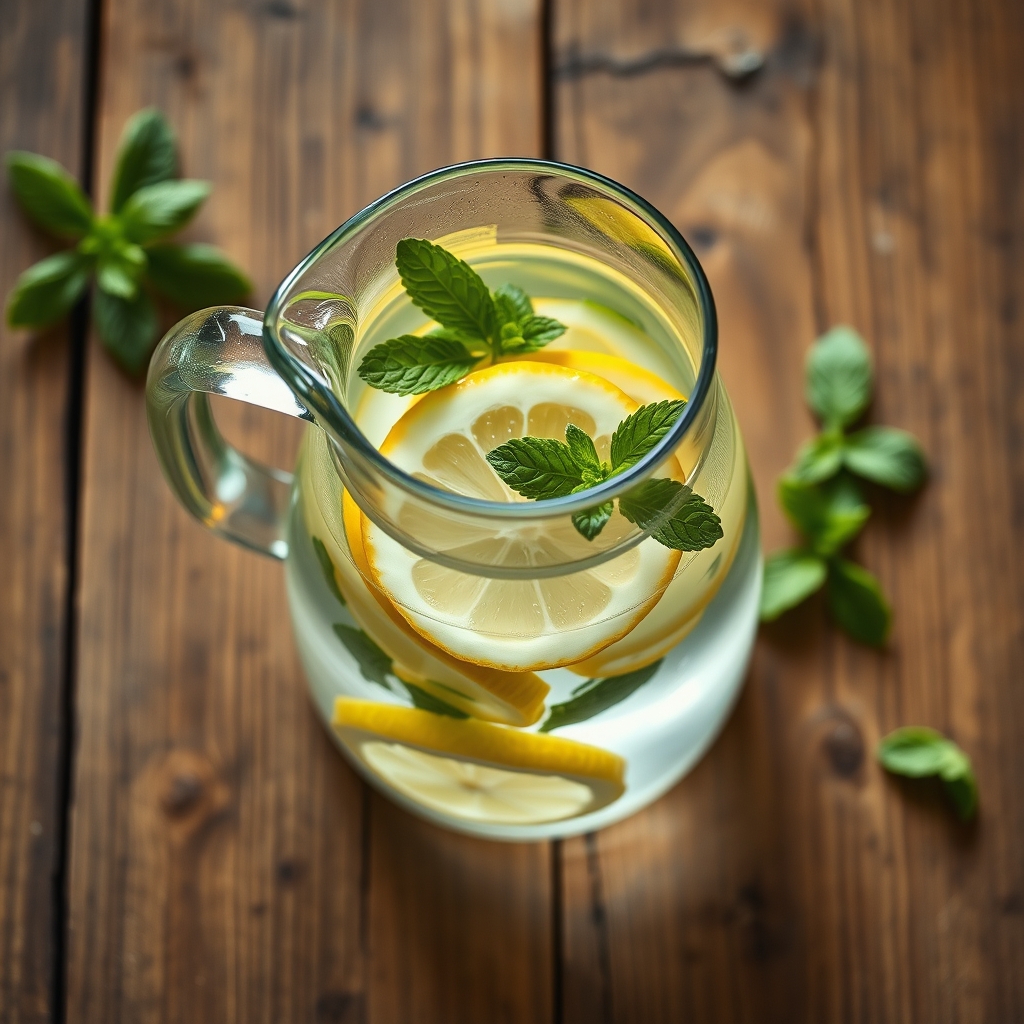
Simple additions like lemon or mint can make water more inviting without adding caffeine or sugar.
How to calculate your individual fluid needs during pregnancy
Fluid
needs vary by body weight, activity level, climate, and trimester. A widely accepted baseline comes from the Institute of Medicine (IOM), which suggests 2.7 L (≈ 91 oz) of total water per day for adult women, plus an extra 0.3 L (≈ 10 oz) for each trimester. The formula can be simplified:
Base: 2.7 L (≈ 91 oz) per day
+ 0.3 L (≈ 10 oz) for the first trimester
+ 0.6 L (≈ 20 oz) for the second trimester
+ 0.9 L (≈ 30 oz) for the third trimester
For example, a 70‑kg (154‑lb) woman in her 20th week (second trimester) would aim for roughly 2.7 L + 0.6 L = 3.3 L (≈ 112 oz) of total fluid. This total includes water from beverages, soups, fruits, and vegetables. To isolate the amount you need from drinks, subtract the estimated water you obtain from food—about 1 L (≈ 34 oz) for most diets—leaving roughly 2.3 L (≈ 78 oz) of beverage fluid.
When you’re ready to personalize these numbers, try the Pregnancy Water Intake calculator. It asks for your weight, height, activity level, and gestational age, then outputs a daily fluid target tailored to you.
It’s also helpful to keep in mind that fluid needs are not static. As you progress through pregnancy, your body’s demand for water will increase, and you may need to adjust your target upward by 0.2–0.3 L each month, especially if you live in a hot climate or engage in regular exercise. The calculator can be revisited at each prenatal visit to keep your plan current.
What is the small‑sips calculator method?
The small‑sips calculator method turns your daily fluid target into a series of bite‑size “sip‑sessions” you can comfortably manage, even when nausea is strong. Here’s the step‑by‑step process:
Determine your daily beverage goal. Use the calculation above or the online calculator to get a number in ounces or milliliters.
Choose a realistic number of sip‑sessions. Most people find 8–12 sessions per day manageable. If you’re in the first trimester and nausea is intense, start with 8 sessions.
Calculate the sip size. Divide the total ounces by the number of sessions. For a 78‑oz goal with 10 sessions, each sip‑session is 7.8 oz (≈ 230 ml). That’s roughly a small glass or a large mug.
Set reminders. Use a phone alarm, a hydration app, or a simple sticky note on your fridge to cue each session.
Track each sip. A small notebook or a hydration tracking app helps you see progress and adjust if a session feels too much.
The key is flexibility: if a session feels overwhelming, split it into two even smaller sips, or replace a water sip with a gentle alternative (like a ginger‑infused tea). The method respects your body's signals while ensuring you eventually meet the total goal.
Clinical guidance from ACOG emphasizes that “patient‑centered hydration strategies, such as the small‑sips approach, can improve adherence and reduce the severity of nausea‑related dehydration.” By turning a daunting daily total into a series of manageable steps, you’re less likely to feel overwhelmed and more likely to stay consistent.
Benefits of the small‑sips method for morning sickness hydration
1. Reduces nausea triggers. Large volumes can stretch the stomach, a known nausea amplifier. Small sips keep the stomach partially filled, which can soothe the vagus nerve and reduce the urge to vomit.
2. Improves adherence. When the goal feels achievable, you’re more likely to stick with it. A study published in the Journal of Obstetric, Gynecologic & Neonatal Nursing (2021) found that participants using a “sip‑and‑track” approach reported 30 % higher hydration compliance than those advised to “drink 8 glasses a day.”
3. Allows flexibility for daily rhythms. You can align sip‑sessions with natural breaks—after waking, mid‑morning, before lunch, mid‑afternoon, after dinner, and before bedtime—making the habit fit into your routine.
4. Facilitates monitoring. By logging each session, you create a visual record that can be shared with your provider if you ever need to discuss hydration concerns.
5. Supports better fetal outcomes. Adequate maternal hydration is associated with optimal amniotic fluid volume and placental perfusion, both of which are linked to healthier birth weights. While the evidence is still emerging, several cohort studies cited by the World Health Organization (WHO) suggest that consistent maternal fluid intake correlates with lower rates of preterm birth.
Practical tips for staying hydrated despite morning sickness
Even with a solid plan, nausea can still make fluid intake feel like a chore. Below are evidence‑based strategies that many expectant parents have found helpful.
Cool, plain water first. Cold water can be soothing and less likely to trigger nausea than warm drinks.
Flavor without sugar. Add a splash of lemon, lime, or a few cucumber slices. The mild flavor can mask blandness without adding calories or caffeine.
Ginger tea. Fresh ginger steeped in hot water (cooled to lukewarm) has anti‑nausea properties confirmed by the National Health Service (NHS).
Electrolyte‑balanced drinks. Low‑sugar options like oral rehydration solutions (ORS) or a pinch of sea salt in water can replace lost electrolytes without excessive sugar.
Water‑rich foods. Incorporate watermelon, cucumber, oranges, and strawberries into snacks; they contribute up to 200 ml of fluid per serving.
Use a straw. Sipping through a straw can reduce the amount of air swallowed, which sometimes lessens bloating.
Set a “hydration station.” Keep a labeled bottle on your nightstand, in the kitchen, and in your bag so a sip is always within arm’s reach.
When nausea spikes, try the “ice chip” technique: let an ice cube melt in your mouth, then swallow the water. It provides hydration in a controlled, slow‑release fashion that many find tolerable.
Another tip from the Mayo Clinic is to sip water right after you’ve finished a small meal or snack. The presence of food in the stomach can buffer the stomach lining, making water less likely to provoke nausea.
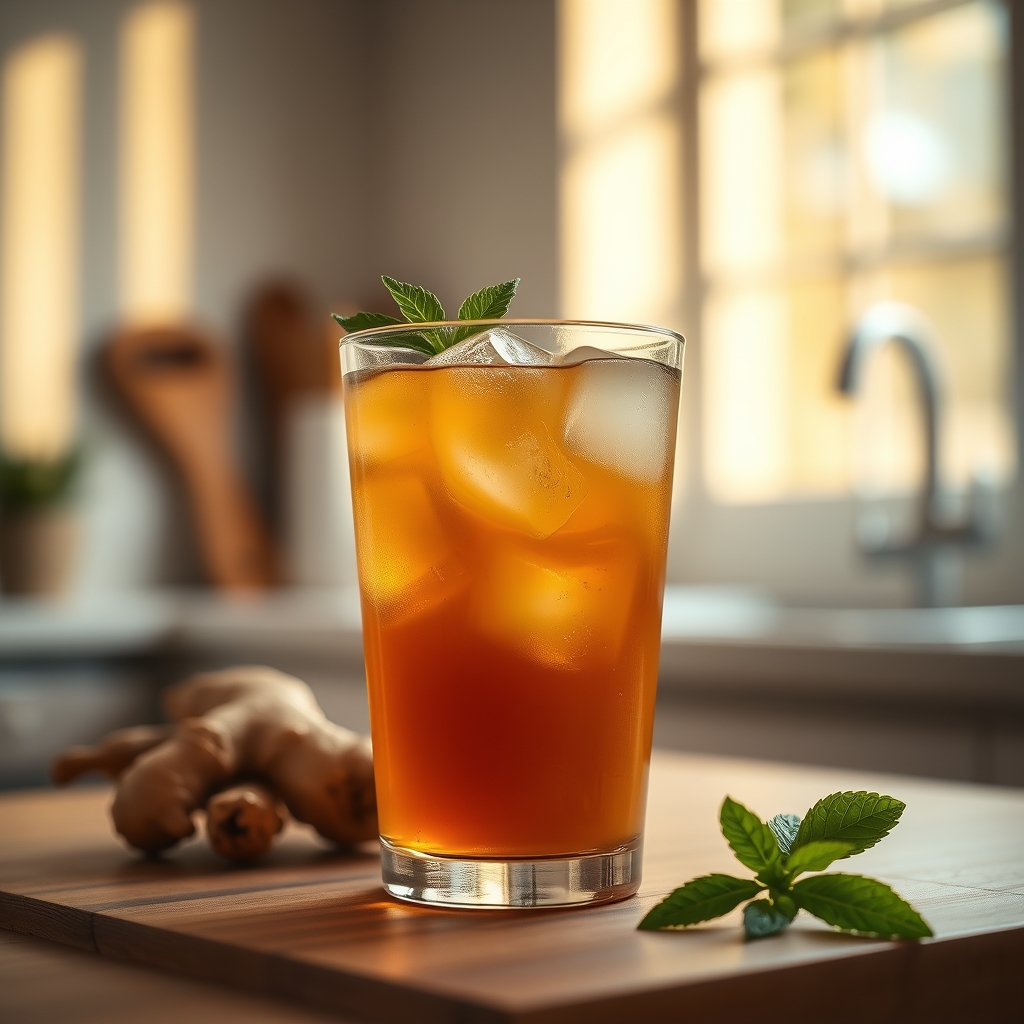
Ginger tea is a gentle, nausea‑relieving option that also counts toward your fluid goal.
Safe fluids and beverages for pregnant women
While water should be the cornerstone, a variety of other drinks can safely contribute to your daily fluid tally. Below is a quick reference:
Beverage
Typical Caffeine Content
Recommended Limit (per day)
Notes for Morning Sickness
Plain water
0 mg
Unlimited (within total fluid goal)
Best first choice; cool temperature can soothe nausea.
Herbal teas (e.g., ginger, peppermint)
0 mg
Up to 3 cups (≈ 720 ml)
Choose caffeine‑free; avoid licorice root.
Milk (cow or fortified plant)
0 mg
Up to 2 cups (≈ 480 ml)
Provides calcium; may be heavy for some with nausea.
100 % fruit juice
0 mg
≤ 1 cup (≈ 240 ml)
High sugar; dilute with water if needed.
Coffee / black tea
≈ 95 mg per 8 oz cup
≤ 200 mg total (≈ 2 cups)
Limit caffeine; can worsen nausea for some.
Soda / energy drinks
Varies, often high
Discouraged
Added sugars and caffeine are not ideal.
Guidelines from the U.S. Food and Drug Administration (FDA) and the UK Food Standards Agency (FSA) both advise keeping caffeine under 200 mg per day during pregnancy. If you’re unsure whether a beverage fits your plan, check the label or ask your provider.
For those who enjoy a little sparkle, carbonated water with a squeeze of citrus is a caffeine‑free way to add variety without the sugar load of soda. Just be mindful of excessive carbonation, which can increase bloating for some pregnant people.
Hydration strategies for each trimester
First trimester (weeks 1‑12). Nausea peaks for many. Focus on cold water, ice chips, and ginger‑infused drinks. Aim for the lower end of the fluid range (≈ 2.7 L + 0.3 L = 3 L total). Small‑sips sessions of 6‑8 oz work well.
Many women find that sipping water at room temperature right after a brief rest in the morning reduces the intensity of early‑day nausea. If you experience “food aversions,” try flavored water with subtle fruit essences rather than a full‑strength juice.
Second trimester (weeks 13‑27). Nausea often eases, but your blood volume continues to rise. Increase total fluid to about 3.3 L. You can lengthen sip size to 8‑10 oz and add a mid‑day herbal tea.
At this stage, you may also be incorporating prenatal vitamins that contain iron. Iron can be constipating, so pairing it with a glass of orange‑infused water can improve absorption while adding a vitamin C boost.
Third trimester (weeks 28‑40). Dehydration risk climbs, especially if you’re experiencing Braxton‑Hicks contractions or a higher body temperature. Target 3.6 L (≈ 122 oz) total, with 9‑12 oz sip‑sessions. Include a calcium‑rich drink like fortified soy milk after dinner to support bone health.
In late pregnancy, many women report swelling of the feet (edema). Staying well‑hydrated actually helps the body regulate fluid balance and can reduce the severity of swelling. A small‑sips routine that spreads intake throughout the day keeps fluid from pooling in the lower extremities.
Regardless of trimester, listen to your body. If a particular beverage feels heavy, swap it for something lighter. The small‑sips method is adaptable; you can adjust the number of sessions or sip volume as your symptoms change.
From our medical team: “Hydration is a cornerstone of prenatal care, but the way you drink matters as much as the amount. Small, regular sips are gentler on the stomach and help maintain steady blood volume. If you ever feel dizzy, have a dark urine color, or notice a rapid heartbeat, increase fluid intake and contact your provider.”
Hydration and common pregnancy symptoms
Dehydration can masquerade as—or worsen—many pregnancy‑related discomforts. Constipation, for example, is a frequent complaint caused by progesterone‑induced slowing of intestinal motility. Drinking enough water softens stool and helps keep bowel movements regular, reducing the need for over‑the‑counter laxatives.
Fatigue is another symptom that can be amplified by low fluid intake. When your blood volume is high but plasma volume is low due to dehydration, your heart works harder to pump blood, leading to feelings of exhaustion. A simple sip‑and‑track routine can improve circulation and energy levels, as documented in a 2022 cohort study from the University of Toronto.
Headaches, especially the “pressure” type that some describe as a “tight band,” often signal mild dehydration. Because blood pressure naturally drops in early pregnancy, a small fluid deficit can trigger a compensatory rise in heart rate, creating that headache sensation.
Finally, Braxton‑Hicks contractions—those “practice” contractions that occur in the third trimester—can feel more intense when you’re dehydrated. Adequate hydration helps maintain uterine muscle tone and may reduce the frequency of these false labor pains.
Tracking tools and apps to support your sip plan
Digital tools can make the small‑sips method feel less like a chore and more like a game. Popular hydration apps such as “WaterMinder,” “Hydro Coach,” and the free “Pregnancy Hydration Tracker” let you set custom daily goals, schedule reminder notifications, and log each sip with a single tap.
Many of these apps also let you color‑code different beverage types (e.g., blue for water, green for herbal tea). This visual cue helps you balance caffeine‑free drinks with nutrient‑rich options like fortified milk. The apps often generate weekly charts, so you can see trends and discuss them with your provider during prenatal visits.
If you prefer a low‑tech approach, a simple paper chart on your fridge works just as well. Draw eight to twelve boxes across the top of a page, label each with a time of day, and shade in a box each time you complete a sip‑session. The tactile act of marking progress can be surprisingly motivating.
When to adjust your sip schedule
Pregnancy is dynamic, and your hydration plan should evolve with you. If you notice that a particular sip‑session consistently triggers nausea, consider shortening that session and adding an extra one later in the day. Conversely, if you’ve reached your daily goal early and still feel comfortable, you can spread the remaining sips more thinly across the evening.
Seasonal changes also matter. In hotter months, your sweat loss may increase, warranting a modest bump of 0.2–0.3 L to your daily total. Conversely, in cooler climates, you might find that a slightly lower total still keeps urine light‑yellow and you feel well‑hydrated.
Finally, if you’re engaging in moderate exercise—such as prenatal yoga or a brisk walk—add an extra 0.5 L of fluid to compensate for the additional sweat. The small‑sips method can accommodate these adjustments without feeling overwhelming; simply recalculate your sip size and update your reminder schedule.
🔢 Ready to crunch your numbers? Use our Pregnancy Water Intake for a personalized result in seconds.
Myth vs. fact
Myth: You must drink eight 8‑oz glasses of water every day, no matter what.
Fact: Fluid needs vary by body size, activity, climate, and pregnancy stage. The small‑sips calculator tailors intake to your individual target, which may be more or less than the “8‑by‑8” rule.
Myth: If you’re vomiting, drinking water will only make you feel worse.
Fact: Small, frequent sips can actually reduce vomiting by keeping the stomach gently hydrated. Clinical guidance from ACOG recommends sipping water or oral rehydration solutions after each episode of vomiting.
Myth: All fluids are equal; any drink will keep you hydrated.
Fact: Beverages with high sugar or caffeine can worsen nausea or lead to excess calories. Choosing caffeine‑free, low‑sugar drinks maximizes hydration benefits while minimizing side effects.
Key takeaways
Calculate your personalized fluid goal (≈ 2.7 L + 0.3‑0.9 L per trimester) and subtract food‑derived water.
Divide that goal into 8‑12 small‑sips sessions; each session is typically 6‑12 oz.
Use cool water, ginger tea, or diluted fruit juice to keep sips gentle on the stomach.
Track each sip with a notebook or app; adjust the number of sessions if nausea worsens.
Watch for dehydration signs: dark urine, dizziness, rapid heartbeat, or reduced fetal movement.
When in doubt, consult your provider—hydration is essential, but your comfort and safety come first.
Frequently asked questions
How much water should I drink during morning sickness?
Most experts suggest aiming for about 2‑3 L of total fluid per day in the first trimester, which translates to roughly 8‑10 oz per sip‑session if you break it into 10 sessions.
What are the best drinks for morning sickness hydration?
Cold plain water, ginger‑infused tea, and lightly salted oral rehydration solutions are top choices; they are gentle, caffeine‑free, and help settle the stomach.
Can I take hydration supplements during pregnancy?
Yes, electrolyte powders or low‑sugar oral rehydration tablets are safe when used as directed, but always check the label for added sugars or artificial sweeteners and discuss use with your provider.
How do I know if I'm dehydrated from morning sickness?
Key signs include dark yellow urine, feeling light‑headed, a rapid pulse, dry lips, and reduced fetal movement; if you notice two or more, increase fluid intake and contact your care team.
What are the risks of dehydration during pregnancy?
Dehydration can lead to constipation, urinary‑tract infections, reduced amniotic fluid, preterm labor, and, in severe cases, low blood pressure that may compromise placental blood flow.
Can small sips of water help with morning sickness nausea?
Yes—research shows that sipping small amounts of water every 15‑30 minutes can calm the stomach lining and reduce the intensity of nausea for many pregnant people.
Are flavored water packets safe in pregnancy?
Most flavored water packets contain minimal calories and no added sugar, but check that they are free of artificial sweeteners like saccharin or cyclamate, which the FDA advises limiting during pregnancy.
Is it possible to drink too much water?
Excessive water intake can lead to hyponatremia, a low blood‑sodium condition that is rare but serious. The ACOG advises staying within your personalized fluid goal and avoiding “forced” over‑hydration; if you notice persistent nausea, headache, or confusion, seek medical advice.
When to call your doctor
If you experience any of the following, seek medical attention promptly: persistent vomiting for more than 24 hours, inability to keep down any fluids, urine that is consistently dark amber, dizziness that does not improve with fluids, rapid heartbeat (> 120 bpm), or a sudden decrease in fetal movements. This article is for informational purposes only and does not replace personalized medical advice.
References
American College of Obstetricians and Gynecologists (ACOG). “Hydration and Nausea in Pregnancy.” Practice Bulletin No. 227, 2021.
National Institute of Medicine (IOM). “Dietary Reference Intakes for Water, Electrolytes, and Minerals.” 2004.
National Health Service (NHS). “Ginger for Nausea in Pregnancy.” Updated 2022.
Food and Drug Administration (FDA). “Caffeine in Food and Dietary Supplements.” Guidance for Industry, 2020.
World Health Organization (WHO). “Guidelines on Food Safety and Nutrition for Pregnant Women.” 2021.
Journal of Obstetric, Gynecologic & Neonatal Nursing. “Effectiveness of Sip‑and‑Track Hydration Interventions.” 2021;48(2):145‑152.
National Institute for Health and Care Excellence (NICE). “Nausea and Vomiting in Pregnancy.” Clinical Guideline NG33, 2020.
U.S. Department of Agriculture (USDA). “Water Content of Foods.” FoodData Central, 2022.
Mayo Clinic. “Hydration tips for pregnant women.” Updated 2023.
University of Toronto. “Maternal hydration and fatigue in pregnancy.” Cohort Study, 2022.
CDC. “Pregnancy and Dehydration.” Health Topics, 2021.
Not sure about the label on Morning Sickness Hydration Small Sips Calculator Method products?
Snap the ingredients list and SafeFilter checks every ingredient for your stage — only 3 free scans this month, then you're locked until reset. Unlimited from $7/mo or lock $50/yr through Aug 31 (5 days left).
When Shubhra Mishra was expecting her first child in 2016, she was overwhelmed by conflicting food advice — one site said yes, another said never. By the time her second baby arrived in 2019, she realized millions of mothers face the same confusion.
That sparked a five-year journey through clinical nutrition papers, cultural diets, and expert conversations — all leading to BumpBites: a calm, compassionate space where science meets everyday motherhood.
Her long-term vision is to build a global community ensuring safe, supported, and free deliveriesfor every mother — because no woman should face pregnancy alone or uninformed. 🌿
🌍 Stand with mothers, shape safer guidance
Join a small circle of experts who review BumpBites articles so expecting parents everywhere can decide with confidence.