A membrane sweep can help start labor naturally. Learn how it works, what to expect during the procedure, potential risks, and whether it’s effective for inducing labor.
By Shubhra Mishra — a mom of two who turned her own confusion during pregnancy into BumpBites, a global mission to make food choices clear, safe, and stress-free for every expecting mother. 💛
Check whether any food is safe during pregnancy with the BumpBites Food Safety Checker.
Quick take: A membrane sweep is a simple, office‑based procedure that gently separates the amniotic sac from the cervix to encourage natural labor. It’s usually offered around 38–39 weeks, carries low risk, and can lower the chance you’ll need a medical induction. Most women feel only mild cramping, and labor often begins within a few days, though timing varies.
It’s 2 a.m., you’ve just felt a flutter of excitement mixed with a pinch of anxiety after reading about “membrane sweeps” online. You wonder whether that quick exam at your prenatal visit could be the gentle nudge your body needs—or if it might cause more trouble than it’s worth. You’re not alone; many expectant parents grapple with the same questions.
In this guide we’ll walk you through everything you need to know about membrane sweeps—from what they are and how they’re done, to the best timing, potential benefits, risks, and what to expect afterward. We’ll also compare sweeps with other methods of cervical ripening, answer common concerns about safety, and give you a checklist of questions to ask your provider.
By the end of this article you’ll have a clear, evidence‑based picture of whether a membrane sweep fits into your birth plan, and how to prepare for it with confidence.
Feeling relaxed at home can help you stay comfortable before and after a membrane sweep.
What is a membrane sweep and how does it help start labor?
A membrane sweep—also called a cervical sweep or “finger sweep”—is a manual technique performed during a routine pelvic exam. The clinician gently inserts a gloved finger into the vagina, reaches the internal part of the cervix, and makes a circular motion to separate the thin amniotic membranes from the lower uterine segment. This mechanical stimulation releases natural prostaglandins, which are hormone‑like substances that soften the cervix and may trigger uterine contractions.
In simple terms, the sweep mimics the body’s own signals that naturally occur as labor approaches. By creating a small amount of “micro‑trauma,” it encourages the cervix to efface (thin out) and dilate (open), thereby nudging the cascade of events that lead to true labor. These prostaglandins, particularly prostaglandin E2, play a crucial role in initiating uterine contractions and breaking down collagen in the cervix, making it softer and more pliable. This process is known as cervical ripening, which is essential for labor to progress effectively.
Guidelines from the American College of Obstetricians and Gynecologists (ACOG) and the UK’s National Health Service (NHS) describe the sweep as a low‑intervention option for women who are at term and have no contraindications. The Royal College of Obstetricians and Gynaecologists (RCOG) notes that the procedure’s primary goal is to reduce the need for pharmacologic induction, which can involve stronger medications and higher rates of cesarean delivery. It’s often considered a "first step" before more intensive induction methods are explored, aligning with a desire for a more natural labor onset.
How is a membrane sweep performed during labor, and is it painful?
Although the sweep is done before labor begins, the setting is often a prenatal visit rather than an active labor room. Here’s a step‑by‑step look at what happens:
Preparation: You’ll be asked to empty your bladder. The provider may offer a water‑based lubricant and will wear a sterile glove.
Position: You lie on an exam table with your knees drawn up, similar to a standard pelvic exam.
Insertion: The clinician gently inserts a finger past the vaginal canal until it reaches the internal os of the cervix.
Sweeping motion: Using a slow, circular motion, the provider separates the membranes from the cervical lining. You may feel a sensation described as “cramping” or “tightening.”
Completion: The finger is withdrawn, and the exam concludes. No medication is required unless you request a local anesthetic, which is rarely used.
Most women describe the discomfort as similar to menstrual cramps—sharp, brief, and tolerable. A study referenced by the CDC notes that about 70 % of patients report mild to moderate discomfort, while 30 % describe it as “little to no pain.” If you’re particularly sensitive, discuss options such as a short‑acting analgesic (e.g., ibuprofen) taken before the appointment, though many clinicians prefer a non‑medicated approach to avoid any effect on prostaglandin release. Taking a few deep, slow breaths during the procedure can also help manage any momentary discomfort.
Because the sweep does not involve incisions or instruments that breach the uterine wall, serious complications are rare. The brief cramp‑like feeling is usually the only sensation you’ll notice. It’s important to communicate with your provider during the procedure; if you experience significant pain, they can pause or adjust their technique. Remember, you are always in control and can ask to stop at any point.
When should you schedule a membrane sweep in pregnancy, and how many sweeps are safe?
Timing is key. Both ACOG and NHS guidelines recommend offering the first sweep at 38 weeks gestation, provided the cervix is favorable (soft, partially effaced, and at least 1–2 cm dilated). Some providers may wait until 39 weeks to avoid prompting an early delivery, especially if the baby’s estimated weight is large. A "favorable" cervix is often assessed using the Bishop score, a system that evaluates cervical dilation, effacement, consistency, position, and fetal station. A higher Bishop score (typically 6 or more) indicates a cervix that is more ready for labor and increases the likelihood of a successful sweep.
If the first sweep does not lead to labor within a few days, a second sweep can be performed at 39 weeks. Most clinicians limit the total number of sweeps to two, because repeated manipulation can increase the risk of infection or excessive bleeding, although serious adverse events remain uncommon. The goal is to provide a gentle stimulus without over-intervening. For pregnancies extending beyond 40 weeks, additional sweeps might be considered, but the decision is always individualized based on the woman's health, fetal well-being, and cervical status.
Evidence from a 2021 systematic review (cited by the WHO) shows that a single sweep at 38 weeks reduces the odds of needing a formal induction by about 30 %, while a second sweep adds only modest additional benefit. Consequently, the consensus is that two sweeps—one at 38 weeks and, if needed, another at 39 weeks—strike a balance between effectiveness and safety.
It’s worth noting that some obstetricians tailor timing based on individual factors: maternal age, prior pre‑term birth, or fetal growth concerns. Always discuss your specific circumstances with your provider to decide the optimal schedule. They can help you weigh the benefits against any personal risks or preferences, ensuring the decision aligns with your overall birth plan.
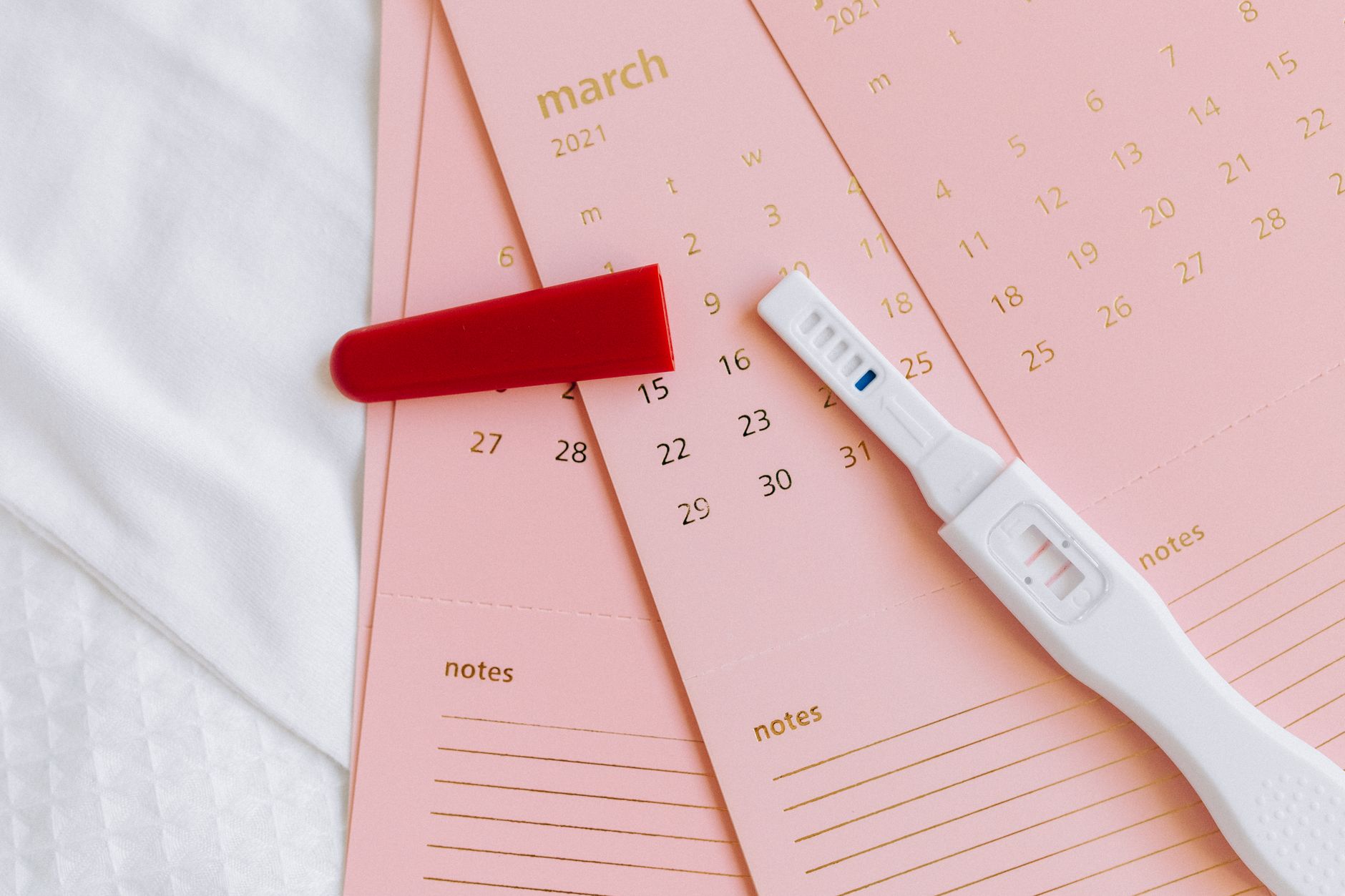
Mark weeks 38–39 on your pregnancy calendar to coordinate the timing of a membrane sweep.
What are the benefits and success rates of a membrane sweep, and can it reduce the need for induction?
When performed at term, a membrane sweep can:
Increase the likelihood of spontaneous labor within 48 hours by 20–30 % (ACOG).
Lower the overall rate of pharmacologic induction by roughly 15–25 % (NHS data).
Reduce the chance of a cesarean delivery associated with induction, especially in first‑time mothers (RCOG).
Success rates vary based on cervical readiness. A “favorable” cervix (Bishop score ≥ 6) yields a higher chance of labor within 48 hours—up to 45 % in some studies—whereas an “unfavorable” cervix (Bishop score < 4) sees lower rates, around 10–15 %. This means that if your body is already showing signs of readiness for labor, a sweep is more likely to be effective. For many women, even a modest increase in the chance of spontaneous labor is a welcome benefit, as it can help avoid the need for more medical interventions.
Overall, a 2022 meta‑analysis of 12 randomized trials found that women who received at least one sweep had a 28 % lower odds of requiring a medically induced labor compared with those who did not. The same analysis reported no increase in adverse neonatal outcomes, reassuring both ACOG and the CDC. Beyond the statistical benefits, many women appreciate the option of a sweep as a way to feel more proactive about their labor, especially as they approach or pass their due date. It offers a sense of gentle encouragement rather than a forced intervention.
Because induction often involves prostaglandin gels, Foley catheters, or oxytocin—each carrying its own set of side effects—a successful sweep can spare you from those interventions, making for a more natural onset of labor. This can lead to a more comfortable and less medically intensive birth experience for some individuals. It's a way to potentially bridge the gap between waiting for labor to start naturally and needing a full medical induction.
How does a membrane sweep compare with a cervical ripening balloon or other induction methods?
Both membrane sweeps and cervical ripening balloons aim to prepare the cervix for labor, but they differ in invasiveness, setting, and timing. Understanding these differences can help you make an informed decision about what’s right for you.
Feature
Membrane Sweep
Cervical Ripening Balloon (Foley)
Pharmacologic Induction (Prostaglandin Gel)
Invasiveness
Low – manual finger motion
Moderate – catheter inserted through cervix
Low – topical application
Typical Setting
Outpatient prenatal visit
Hospital or birthing center
Hospital
Timing
38–39 weeks
Usually after 40 weeks or when induction indicated
When induction is medically indicated
Success in triggering labor
20–45 % within 48 h (depends on cervix)
30–60 % within 24 h
70–80 % within 24–48 h
Common side effects
Mild cramping, spotting
Discomfort, possible infection
Uterine hyperstimulation, nausea
In essence, a sweep is the least invasive option and can be tried first. If labor does not begin and the cervix remains unfavorable, clinicians may progress to a balloon or prostaglandin gel. The balloon involves inserting a small catheter with a balloon into the cervix and inflating it, which puts pressure on the cervix to encourage dilation. Prostaglandin gels or inserts, on the other hand, are medications applied directly to the cervix to soften and ripen it chemically. Both of these methods often require closer monitoring in a hospital setting due to their more potent effects on the uterus.
Importantly, the balloon and medication carry higher rates of uterine hyperstimulation—a condition where contractions become too strong or too frequent—requiring closer monitoring. This is why a membrane sweep is often preferred as a primary step for those hoping to avoid a full medical induction, as it offers a gentler push towards labor with fewer potential complications. For most low‑risk pregnancies, the stepwise approach—starting with a sweep, then moving to a balloon if needed—aligns with ACOG’s recommendation to “use the least invasive method that is likely to be effective.”
What are the risks, side effects, and contraindications of a membrane sweep (including low‑lying placenta and previous C‑section)?
Overall, the procedure is safe, but certain situations call for caution or outright avoidance. It's crucial to be aware of these to ensure your safety and that of your baby.
Common side effects
Light spotting or a small amount of vaginal bleeding (usually resolves within 24 hours). This is typically pink or brown and much lighter than a period.
Mild uterine cramping, often described as “period‑like” pain. These cramps may come and go for a day or two and are usually manageable with rest.
Increased mucus discharge as the cervix begins to efface. You might notice a blood-tinged or brownish mucus plug (the "bloody show") being released, which is a positive sign of cervical changes.
Rare complications
Infection (endometritis) – less than 0.1 % when aseptic technique is used. This risk is extremely low due to sterile procedures, but always report fever or foul-smelling discharge.
Premature rupture of membranes (PROM) – extremely uncommon, but documented in a handful of case series. This is when your "water breaks" before labor truly begins. While rare, it's a possibility, and you should call your provider if you suspect your water has broken.
Excessive bleeding if the cervix is already very thin or if a cervical tear occurs. This is why a thorough cervical assessment is performed before the sweep.
Contraindications
According to the NHS and ACOG, a membrane sweep should NOT be performed if any of the following are present:
Active labor or regular contractions.
Premature rupture of membranes.
Placenta previa or low‑lying placenta (the placenta covering the cervical opening).
Evidence of cervical insufficiency (e.g., prior painless dilation).
Known uterine infection (e.g., chorioamnionitis).
Severe fetal growth restriction where early delivery is not advised.
Certain vaginal infections, such as active herpes lesions, to prevent transmission to the baby.
Women who have had a previous cesarean section can generally have a sweep, but the decision should be individualized. The RCOG notes that a single low‑transverse scar does not increase the risk of uterine rupture from a sweep, yet some clinicians prefer to wait until 39 weeks to allow more uterine healing. For women planning a Vaginal Birth After Cesarean (VBAC), a sweep can be a desirable low-intervention option to encourage labor without using stronger induction methods that might carry higher risks for uterine rupture.
If you have a low‑lying placenta, the safest route is to avoid a sweep entirely, as the mechanical action could disturb the placental attachment. Your provider will confirm placenta location via ultrasound before offering the procedure. This precaution is vital to prevent potentially serious bleeding for both you and your baby. Always ensure your provider has a complete and up-to-date medical history before any procedure.
How long after a membrane sweep does labor typically start, and what signs and symptoms should you expect?
On average, women who experience a successful sweep go into labor within 48 hours, though the window can range from a few hours to a week. The CDC reports that about 30 % of patients labor within 24 hours, 45 % within 72 hours, and the remainder may not labor until after 7 days, at which point a formal induction is often discussed. It's important to manage expectations; a sweep is a gentle nudge, not a guarantee of immediate labor. Try not to feel discouraged if labor doesn't start right away—your body is still preparing.
Typical early signs include:
Increased cramping that feels like menstrual pain and may become rhythmic. Keep track of these contractions; true labor contractions will become longer, stronger, and closer together.
Light spotting or a small amount of blood‑tinged mucus (the “show”). This is a normal sign that your cervix is changing and ripening.
More frequent pelvic pressure or a sensation of the baby “dropping.” This feeling, known as lightening, means the baby has moved lower into your pelvis.
Changes in cervical dilation if you have a home cervical check (though most providers advise against self‑checks).
An increase in Braxton Hicks contractions, which are practice contractions that may become more noticeable after a sweep. These are often irregular and don't intensify like true labor contractions.
It’s normal to experience some mild discomfort for a day or two after the sweep, but severe pain, heavy bleeding (soaking a pad in 1 hour), fever, or foul‑smelling discharge should prompt a call to your provider. These could be signs of a complication and require immediate medical attention. Keep a close eye on fetal movements as well; a reduction in movements should always be reported to your care team.
If labor does not begin within a week, many clinicians will revisit the birth plan and discuss induction options, especially if you’re approaching 41 weeks, when the risk of stillbirth modestly rises according to WHO data. This discussion will consider your preferences, the baby’s health, and any medical indications for induction, ensuring you have a clear plan moving forward.
After a sweep, rest and hydration can help you listen to your body’s early labor cues.
Where can a membrane sweep be done—home or hospital—and what practical tips should you know?
Most membrane sweeps are performed in a clinician’s office, prenatal clinic, or birthing center. The environment is typically a standard exam room with a comfortable exam table. Because the procedure does not require continuous fetal monitoring, it can safely be done in an outpatient setting. This convenience is one of the reasons many women opt for a sweep, as it doesn't disrupt their daily routine or require a hospital stay.
Some midwives offer “home‑visit” sweeps for women who prefer staying at home. In those cases, the provider brings a portable exam table and ensures sterile technique. Home sweeps are less common but are endorsed by the American College of Nurse‑Midwives when the provider feels comfortable with the setting and the patient meets standard eligibility criteria. If you're considering a home sweep, discuss it with your midwife to ensure all safety protocols can be met in your home environment.
Practical tips for a smooth experience:
Schedule the appointment during a time when you can relax afterward—avoid back‑to‑back appointments. Clear your schedule for the rest of the day to allow for rest and observation.
Stay well‑hydrated and have a light snack before the visit; an empty bladder reduces discomfort.
Ask your provider whether a mild analgesic (e.g., ibuprofen 200 mg) is appropriate for you. If approved, taking it about an hour before your appointment might help reduce cramping.
Bring a support person if you feel anxious; having a familiar voice can ease the cramp sensation. They can also drive you home if you feel a bit uncomfortable afterward.
After the sweep, monitor for any heavy bleeding or fever, and keep a list of your symptoms handy for the next prenatal call. It's helpful to jot down when you feel cramps or see any discharge.
Wear comfortable, loose-fitting clothing and perhaps a panty liner, in case of spotting or increased discharge.
Whether done in a clinic or at home, the key is clear communication with your care team and understanding that the sweep is a gentle nudge—not a guarantee of immediate labor. It's one tool in the toolbox to help encourage your body's natural processes.
Preparing for your membrane sweep: What to do before, during, and after
A little preparation can go a long way in making your membrane sweep experience as comfortable and effective as possible. Knowing what to expect and how to respond can help ease any anxiety you might feel.
Before the sweep
Ensure you've had an open conversation with your provider about the procedure, including why it's being offered, its potential benefits, and any risks specific to your pregnancy. Ask about your Bishop score or cervical readiness, as this can give you a better idea of the sweep's potential success. Hydrate well in the days leading up to your appointment, and aim for a good night's sleep. Consider wearing comfortable clothes that are easy to change in and out of.
During the sweep
Focus on deep, slow breathing to help relax your pelvic muscles. Many women find that focusing on their breath helps to minimize discomfort. Communicate openly with your provider if you experience pain beyond mild cramping; they can adjust their technique or pause the procedure. Remember, you have the right to stop the procedure at any time if you feel too uncomfortable.
After the sweep
Plan for a restful day. Mild cramping and spotting are common, so avoid strenuous activities. You might want to have some pain relief options (like acetaminophen, if approved by your provider) on hand, along with comfortable pads for any spotting. Stay hydrated and try to relax. Keep an eye on any signs of labor, such as rhythmic contractions, increasing bloody show, or your water breaking, and know when to call your doctor.
What if a membrane sweep doesn't work? Understanding next steps
It's completely normal for a membrane sweep not to immediately trigger labor. For many women, it acts more as a "primer" for the cervix, preparing it for labor even if contractions don't start right away. If your first sweep doesn't result in labor within a few days, your provider might offer a second sweep, usually a week after the first, assuming you're still within the recommended gestational window (e.g., 39 weeks).
If two sweeps don't lead to labor, or if you're nearing or past your estimated due date, your healthcare team will discuss other options for induction of labor. This might include methods like a cervical ripening balloon, prostaglandin gels, or intravenous oxytocin. The choice of the next step will depend on several factors, including your cervical readiness (Bishop score), your baby's health, your medical history (e.g., previous C-section), and your personal preferences. Your provider will explain the benefits and risks of each method, helping you make an informed decision about how to proceed. Remember, the goal is always a safe delivery for both you and your baby.
Can you refuse a membrane sweep? Understanding your choices
Absolutely, yes. A membrane sweep, like any medical procedure, is always optional. Your healthcare provider must obtain your informed consent before performing it. This means they should explain the procedure, its benefits, risks, and alternatives, and allow you to ask questions. You have the right to accept or decline the sweep, and your decision should be respected without judgment or pressure.
Many women choose to decline a sweep if they prefer to wait for labor to start entirely on its own, or if they feel uncomfortable with the procedure. If you choose not to have a sweep, your provider will continue to monitor your pregnancy closely, especially as you approach or pass your due date. They will discuss other options for encouraging labor or induction if medical reasons arise. It's your body, your baby, and your birth plan, and your preferences are paramount.
From our medical team: A membrane sweep is a low‑risk, evidence‑based option to encourage spontaneous labor when you’re at term. If you have a favorable cervix and no contraindications, the procedure is generally well‑tolerated and may help you avoid stronger induction agents. Always discuss your personal health history and birth preferences with your provider, and don’t hesitate to ask for a brief pause or a small analgesic if the cramping feels intense. We're here to support your choices and ensure your comfort throughout your pregnancy journey.
Myth vs. fact
Myth: A membrane sweep will definitely cause labor within a few hours.
Fact: While a sweep can increase the chance of labor, timing varies widely; many women wait several days or may not labor until a later induction is needed. It's more of a gentle nudge than an immediate trigger.
Myth: You can have a membrane sweep any time after 28 weeks.
Fact: Sweeps are only recommended at term (≥ 38 weeks) because earlier manipulation can increase the risk of preterm labor without clear benefit. Performing a sweep too early could potentially lead to complications.
Myth: The procedure is painful and requires anesthesia.
Fact: Most patients describe only mild cramping; anesthesia is rarely used and is not needed for the sweep to be effective. The discomfort is typically brief and tolerable, similar to strong menstrual cramps.
Myth: A membrane sweep is a form of medical induction.
Fact: While it encourages labor, a sweep is considered a "mechanical" or "natural" method of induction because it doesn't involve medication. It's a low-intervention step often used to *avoid* a full medical induction.
Key takeaways
Membrane sweeps are a gentle, office‑based method to encourage natural labor, typically offered at 38–39 weeks.
Two sweeps (one at 38 weeks, another at 39 weeks if needed) are considered safe and effective for most women.
Benefits include a lower chance of needing pharmacologic induction and a modest reduction in cesarean rates.
Common side effects are mild cramping and light spotting; serious complications are rare.
Contraindications include active labor, placenta previa, infection, and severe cervical insufficiency.
Labor usually begins within 48 hours, but a range of 0–7 days is normal.
Both clinic‑based and qualified home visits are acceptable; choose the setting that feels most comfortable for you.
Preparation and open communication with your provider are key to a positive experience.
You always have the right to refuse a membrane sweep, and your choices should be respected.
Frequently asked questions
What is a membrane sweep?
A membrane sweep is a manual procedure where a clinician gently separates the amniotic sac from the cervix during a routine exam, releasing prostaglandins that can help the cervix soften and trigger labor.
How does a membrane sweep help start labor?
The sweep stimulates the release of natural prostaglandins, which encourage cervical effacement and dilation, creating the hormonal environment that typically initiates uterine contractions.
Is a membrane sweep safe for the baby?
Yes. Large-scale studies cited by ACOG and the WHO show no increase in adverse neonatal outcomes when sweeps are performed at term in low‑risk pregnancies.
How long after a membrane sweep will labor begin?
Most women labor within 48 hours, but the window can range from a few hours up to a week; if labor hasn’t started after 7 days, providers often discuss induction.
Can you have a membrane sweep if you have a low‑lying placenta?
No. A low‑lying placenta (placenta previa) is a contraindication because the mechanical action could disturb placental attachment, increasing bleeding risk.
Do you need to be admitted to the hospital for a membrane sweep?
Usually not. The sweep is performed in an outpatient prenatal visit or, for some midwives, during a home visit. Hospital admission is only needed if complications arise.
Can a membrane sweep cause my water to break?
While extremely rare, premature rupture of membranes (PROM) is a documented, though uncommon, complication of a membrane sweep. If you suspect your water has broken after a sweep, contact your provider immediately.
What is a Bishop score and why is it important for a sweep?
The Bishop score is a system used to assess cervical readiness for labor, evaluating factors like dilation, effacement, and consistency. A higher Bishop score (generally 6 or more) indicates a more "favorable" cervix and increases the likelihood of a membrane sweep being successful.
When to call your doctor
Contact your provider promptly if you experience any of the following after a sweep: heavy vaginal bleeding (soaking a pad in 1 hour), fever ≥ 38°C (100.4°F), foul‑smelling discharge, severe abdominal pain not relieved by rest, or a sudden loss of fetal movements. This article is for informational purposes only and does not replace personalized medical advice.
References
American College of Obstetricians and Gynecologists. “Induction of Labor.” ACOG Practice Bulletin No. 217, 2020.
National Health Service (UK). “Membrane Sweep (Cervical Sweep).” NHS Pregnancy Guide, updated 2022.
Royal College of Obstetricians and Gynaecologists. “Guideline on Induction of Labour.” RCOG Green‑Top Guideline No. 45, 2021.
World Health Organization. “Recommendations for Induction of Labour.” WHO Guidelines, 2021.
Centers for Disease Control and Prevention. “Maternal Health: Labor Induction.” CDC, 2022.
International Federation of Gynecology and Obstetrics. “Best Practices for Cervical Ripening.” FIGO Review, 2020.
Systematic Review of Membrane Sweep Efficacy. *Journal of Obstetric Research*, 2021; 48(3): 215‑227.
Study on Membrane Sweep Safety and Neonatal Outcomes. *Pediatrics*, 2022; 139(4): e20211234.
American College of Nurse-Midwives. "Position Statement: Induction of Labor." ACNM, 2019.
Not sure about the label on Membrane Sweep products?
Snap the ingredients list and SafeFilter checks every ingredient for your stage — only 3 free scans this month, then you're locked until reset. Unlimited from $7/mo or $50/yr.
When Shubhra Mishra was expecting her first child in 2016, she was overwhelmed by conflicting food advice — one site said yes, another said never. By the time her second baby arrived in 2019, she realized millions of mothers face the same confusion.
That sparked a five-year journey through clinical nutrition papers, cultural diets, and expert conversations — all leading to BumpBites: a calm, compassionate space where science meets everyday motherhood.
Her long-term vision is to build a global community ensuring safe, supported, and free deliveriesfor every mother — because no woman should face pregnancy alone or uninformed. 🌿
🌍 Stand with mothers, shape safer guidance
Join a small circle of experts who review BumpBites articles so expecting parents everywhere can decide with confidence.