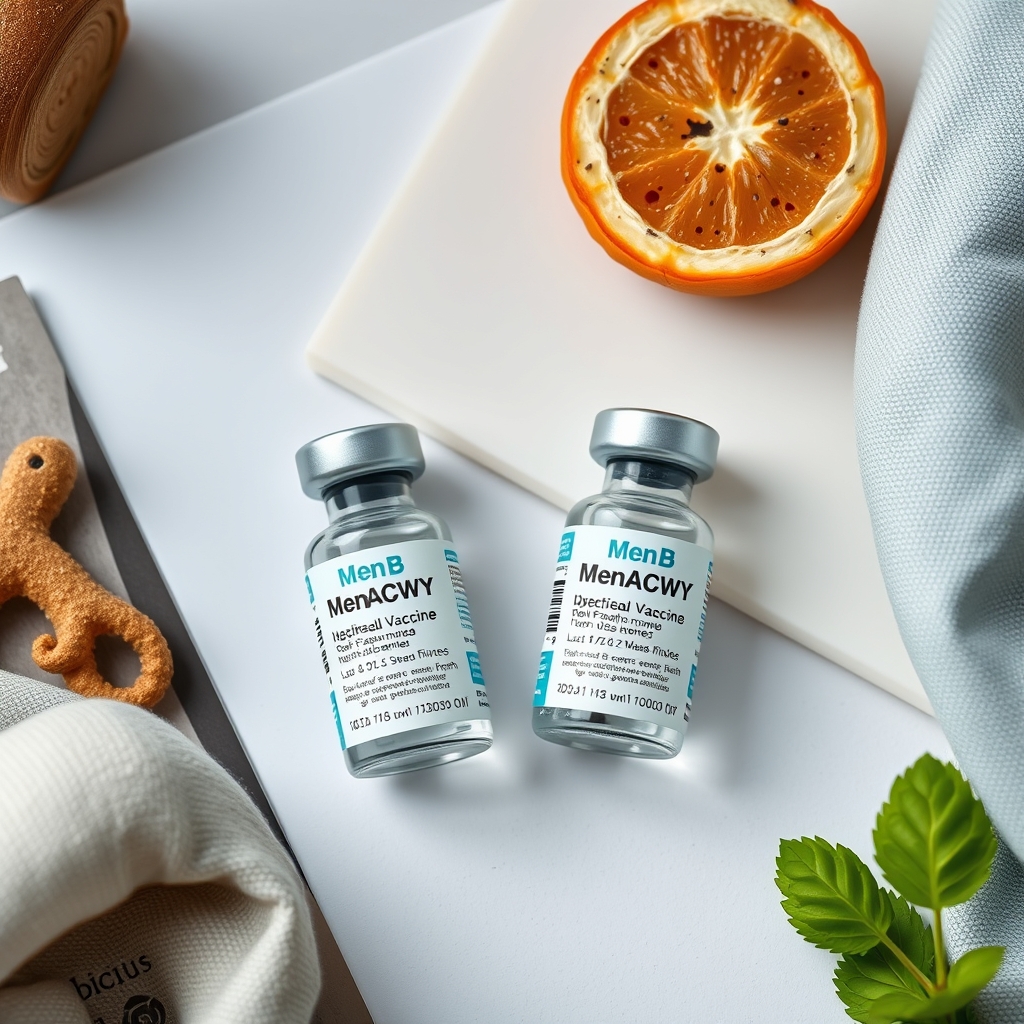
MenACWY protects against four of the most common meningococcocal serogroups (A, C, W, and Y). The first dose is ideally given at 11 years, but it can be administered as early as 9 years and as late as 12 years. The critical booster at 16 years aligns with the increased risk period when teens start college, join sports teams, or travel abroad.
Why the booster at 16?
Studies from the American Academy of Pediatrics (AAP) show that immunity from the first MenACWY dose wanes after about five years. The booster restores protection during the high‑exposure years of late adolescence and early adulthood, when close‑contact living situations are common.
Can the booster be given earlier?
If a teen is at increased risk—such as a chronic medical condition, a planned trip to a region with high meningococcal disease rates, or participation in a community outbreak response—the booster can be administered as early as 14 years, provided at least five years have passed since the first dose. The CDC notes that early boosting has been safe in these targeted scenarios.

How many doses of meningococcal vaccine are needed for high school students?
For most high schoolers, the answer is two MenACWY doses and, optionally, a MenB series. Here’s a quick breakdown:
High‑school athletes, students in residence halls, and those traveling to certain countries often opt for the MenB series for added coverage, though it is not required by all states. The optional nature of MenB reflects its targeted benefit: it fills a gap for serogroup B, which is responsible for a sizable minority of U.S. outbreaks, especially in crowded dormitory settings.
Differences between MenACWY and MenB vaccines for adolescents
Both vaccines target meningococcal disease, but they differ in the serogroups they cover, dosing schedules, and the breadth of protection.
MenACWY is considered the backbone of routine adolescent immunization because serogroups A, C, W, and Y cause the majority of outbreaks in the United States. MenB offers additional protection, especially important for college dorm residents where serogroup B can circulate. The FDA continues to monitor real‑world effectiveness, and recent post‑licensure data (2023) confirm that both vaccines maintain high levels of protection when administered on schedule.
Because the MenB vaccine targets a single serogroup, some clinicians discuss cost‑benefit considerations with families, especially when insurance coverage varies. Nevertheless, the added layer of defense can be decisive during a campus outbreak.
Are there any side effects of the meningitis vaccine for teens?
Vaccines are rigorously tested for safety. The most common reactions are mild and resolve on their own.
- Injection‑site reactions: Redness, swelling, or tenderness for 1‑3 days.
- Systemic symptoms: Low‑grade fever, headache, or fatigue—usually within 24 hours.
- Rare events: Allergic reactions (anaphylaxis) occur in less than 1 per million doses, per CDC data. Neurological events such as Guillain‑Barré syndrome are exceedingly rare (<1 per 100,000).
The American Academy of Pediatrics (AAP) advises that teens can usually resume normal activities the same day, though some families prefer a light day after the shot. The FDA’s Vaccine Adverse Event Reporting System (VAERS) continues to show a strong safety profile for both MenACWY and MenB vaccines across millions of doses administered.
Most side effects are short‑lived, but if your teen experiences persistent swelling, a high fever, or any unusual symptom beyond 48 hours, a quick call to the clinic is prudent.
Can a teen miss a meningitis vaccine dose and still be protected?
Yes, but catch‑up is essential to ensure full protection. The ACIP provides clear guidance:
- If the first MenACWY dose is missed, give it as soon as possible; the booster should still be administered at age 16 or at least five years after the first dose.
- If the MenB series is delayed, the two doses can be given at any interval of at least one month, as long as the series is completed before the teen turns 19.
For teens who are behind schedule, a quick phone call to the pediatrician’s office can set up a catch‑up appointment. The vaccine series does not require a strict “age‑only” window, so protection can still be achieved even when timing is off by several months.
What schools require meningitis vaccination for enrollment in 2026?
Across the United States, public schools do not uniformly mandate meningococcal vaccination, but many states require it for high‑school entry or for participation in certain activities.
- State mandates: As of 2024, 15 states plus Washington, D.C., require at least one dose of MenACWY for school entry (e.g., California, New York, Texas).
- College requirements: Over 80% of U.S. colleges and universities require proof of MenACWY vaccination, and many also recommend or require MenB for students living in residence halls.
- International travel schools: Boarding schools with overseas programs may follow the host country’s requirements, often adding a MenB dose for travel to sub‑Saharan Africa or the meningitis belt.
Always verify the specific requirements of your teen’s school district or college admissions office, as policies can change yearly. The National Center for Education Statistics (NCES) maintains an up‑to‑date database of state vaccination mandates.
How does the meningitis vaccine schedule differ for immunocompromised teens?
Immunocompromised adolescents—those with HIV, cancer, organ transplants, or on immunosuppressive therapy—need a slightly adjusted schedule to achieve optimal protection.
- MenACWY: May be given at age 9 or earlier, with a booster at 12 months after the first dose, then another booster at 5 years.
- MenB: Often recommended as a three‑dose series (0, 1, and 6 months) rather than the standard two‑dose schedule, per CDC guidance for individuals with complement deficiencies.
- Additional precautions: Some immunocompromised teens benefit from an extra booster at age 21, especially if their underlying condition persists.
These adjustments should be made in consultation with the teen’s specialist—typically an infectious disease physician or immunologist. The American Society of Clinical Oncology (ASCO) also stresses the importance of timely vaccination in pediatric oncology patients to reduce infection risk during chemotherapy.
Because immune responses can vary, clinicians may also check antibody levels after the series to confirm adequate protection, a step not required for otherwise healthy teens.
Cost considerations: meningitis vaccine cost for teenagers without insurance
The price of meningococcal vaccines varies:
- MenACWY: $70‑$120 per dose (average $95) when paying out‑of‑pocket.
- MenB: $150‑$200 per dose, totaling $300‑$400 for the series.
Many pharmacies offer discount programs, and the Vaccines for Children (VFC) program provides free vaccines for eligible families (based on income or Medicaid enrollment). For those without insurance, the CDC’s “Vaccines.gov” website can locate low‑cost providers, and some state health departments run immunization clinics with sliding‑scale fees. The NHS in the United Kingdom provides these vaccines free of charge through the National Immunisation Programme, a useful reference for families with dual citizenship.
Best age to start meningitis vaccination before college
College freshmen are typically 18‑19 years old, but the ideal window to start protection is earlier:
- MenACWY: Complete the primary dose at 11‑12 years and booster at 16 years, ensuring immunity before entering dorms.
- MenB: Begin the series at 16‑17 years, finishing at least one month before campus move‑in.
Starting early gives the immune system time to build a robust response and allows for any needed catch‑up before the high‑risk college environment. The ACOG emphasizes that early vaccination also reduces the likelihood of missed doses due to busy college schedules.
Meningitis vaccine booster schedule after teen series
Adults who received the adolescent MenACWY series should consider a booster at age 55, per CDC’s 2023 recommendation for continued protection against serogroups C, W, and Y, which have shown increased incidence in older adults.
MenB boosters are not routinely recommended for the general adult population, but individuals with persistent high‑risk conditions (e.g., complement deficiencies) may receive a booster 5 years after the last dose. The FDA’s advisory committee continues to evaluate long‑term data to determine if broader adult boosters will be added in future updates.
Meningitis vaccine contraindications for adolescents
Contraindications are rare but important to recognize:
- Severe allergic reaction: Anaphylaxis to a previous dose or any component (e.g., gelatin, latex).
- Severe immunodeficiency: Certain live‑virus vaccines are contraindicated, but meningococcal conjugate vaccines are generally safe; however, a specialist’s guidance is advised for profound immunodeficiency.
- Acute illness: If a teen has a moderate or severe acute illness with fever, vaccination should be postponed until recovery.
Always discuss any past reactions with the healthcare provider before vaccination. The FDA’s vaccine labeling provides detailed contraindication lists that clinicians use to screen patients.
How effective is the MenB vaccine in teens?
Clinical trials and post‑licensure studies, summarized by the CDC, show MenB vaccines prevent approximately 70‑80% of serogroup B disease in adolescents when the full series is completed. Effectiveness is highest in the first two years after vaccination and gradually wanes, which is why many experts recommend a booster if the teen remains at high risk beyond age 20.
Real‑world data from university campuses (2022‑2023) indicate that MenB vaccination reduced outbreak size by more than 60% when coverage exceeded 80% of dorm residents. This reinforces the public‑health benefit of offering MenB in addition to the routine MenACWY series.
Travel requirements for meningitis vaccine for teen students
Certain regions, especially the “meningitis belt” of sub‑Saharan Africa (e.g., Niger, Burkina Faso), require proof of MenACWY vaccination for entry. For travel to Saudi Arabia for Hajj or Umrah, a MenACWY dose is mandatory for anyone over 2 years old.
Teen travelers should consult the travel clinic at least 2 weeks before departure to ensure the vaccine is administered in time for the required protective antibody levels. The UK’s NHS travel advice also recommends MenACWY for trips to these high‑risk areas, offering a consistent global standard.
What to expect after a meningitis vaccination appointment
Most teens feel fine after the shot. Common experiences include:
- Arm soreness that may last 1‑2 days.
- Low‑grade fever or mild headache for up to 24 hours.
- Rarely, a rash or swelling that persists beyond 48 hours—if this occurs, contact the provider.
Encourage your teen to stay hydrated, apply a cool compress to the injection site, and avoid strenuous activity for the rest of the day if they feel sore. Over‑the‑counter pain relievers such as acetaminophen or ibuprofen are safe for most adolescents, but always follow dosing instructions on the label.
How to keep track of your teen’s meningitis vaccine records
Keeping vaccination records organized can save you headaches later, especially when schools or colleges request proof of immunization. Most state immunization registries allow parents to view and download records online; create an account on your state’s Immunization Information System (IIS) as soon as your teen receives the first dose.
For families who prefer paper copies, a simple three‑folder system works well: one folder for routine vaccines, one for travel‑related shots, and a “catch‑up” folder for any missed doses. Include the vaccine name, lot number, date administered, and the provider’s contact information. When traveling abroad, an English‑language copy of the record can be invaluable at border control.
Insurance coverage and cost assistance for meningitis vaccines
Most private insurance plans cover the MenACWY and MenB vaccines under the Affordable Care Act’s preventive services mandate. If you have a high‑deductible plan, the vaccine may be billed to your out‑of‑pocket maximum, but the cost is usually lower than paying cash.
For families without insurance, the Vaccines for Children (VFC) program offers free vaccines to eligible children, and many state health departments run “immunization clinics” that provide the shots at reduced cost. The CDC’s “Vaccine Finder” tool can locate the nearest low‑cost provider. In the United Kingdom, the NHS provides these vaccines free of charge through the national schedule, which can be a model for families with dual citizenship or those moving between countries.
Meningitis vaccine considerations for teens with severe allergies
Severe allergic reactions to vaccine components—such as gelatin, latex, or specific preservatives—are the most common contraindication. If your teen has a known allergy, the pediatrician can review the vaccine’s ingredient list (available on the FDA’s website) and may recommend an observation period after vaccination.
In rare cases where an allergy is confirmed, a specialist may suggest an alternative vaccine formulation or a graded‑dose protocol administered in a medical setting. The CDC emphasizes that most adolescents with mild to moderate allergies can safely receive the meningitis vaccine after a brief observation period (15–30 minutes).
Meningitis vaccination and participation in sports or extracurricular activities
Many schools and sports leagues require proof of meningococcal vaccination before allowing teens to join teams, especially those that involve close contact, such as wrestling, rowing, or cheerleading. The rationale is that shared equipment and locker rooms can facilitate bacterial spread.
If your teen is joining a new activity, ask the coach or program director which vaccine (MenACWY, MenB, or both) is needed. Some organizations accept a single MenACWY dose, while others—particularly college athletics—may request the MenB series for added protection in dormitory living. Having the documentation on hand can smooth enrollment and avoid last‑minute delays.
Timing meningitis vaccines with COVID‑19 boosters and other teen immunizations
Current CDC guidance allows simultaneous administration of meningococcal vaccines with COVID‑19 boosters, Tdap, HPV, and influenza shots. Co‑administration reduces clinic visits and ensures teens stay up‑to‑date on all recommended immunizations.
If you’re planning a visit for multiple vaccines, schedule them on the same day if possible. The minor increase in local soreness is typical, but the overall safety profile remains excellent. For teens who have recently received a COVID‑19 vaccine, no additional waiting period is required before giving the meningitis vaccine.
How to talk to your teen about the meningitis vaccine
Open, non‑judgmental conversation builds trust. Start by acknowledging their feelings: “I know shots can feel uncomfortable, but this one helps protect you against a serious infection that spreads quickly.” Use simple analogies—like a “shield” that keeps germs out.
Provide facts without overwhelming them: explain that the vaccine is quick, the most common side effects are mild, and that the protection lasts for years. Invite questions, and offer to look up reputable sources together (CDC, AAP). When teens see you as a partner rather than an authority, they’re more likely to stay on schedule.
Myth vs. fact
Myth: “If my teen never got sick, they don’t need the meningitis vaccine.”
Fact: Meningococcal disease can strike quickly and without warning; vaccination prevents most cases, even in otherwise healthy teens.
Myth: “MenB vaccine isn’t necessary because MenACWY covers all meningitis strains.”
Fact: MenB targets a different serogroup (B) that accounts for up to 30% of U.S. outbreaks, especially in college settings.
Myth: “Vaccines cause severe side effects in teens.”
Fact: Serious adverse events are extremely rare; most reactions are mild and resolve quickly.
Key takeaways
- Start MenACWY at 11‑12 years, boost at 16 years.
- Consider MenB series at 16‑18 years for added protection, especially before college.
- Side effects are usually mild; severe reactions are rare.
- Catch‑up schedules exist—no teen is left unprotected if a dose is missed.
- Check state and college requirements; many schools require MenACWY, and many colleges recommend MenB.
- Immunocompromised teens may need an adjusted schedule—consult a specialist.
- Financial assistance is available through VFC, pharmacy discounts, and state health departments.
- Keep records organized and know how to access low‑cost vaccine options.
Frequently asked questions
What is the difference between MenACWY and MenB vaccines?
MenACWY protects against serogroups A, C, W, and Y, while MenB targets only serogroup B. MenACWY is part of the routine teen schedule; MenB is optional but recommended for high‑risk settings like college dorms.
How many meningitis vaccine doses does a teen need?
Typically two MenACWY doses (first at 11‑12 years, booster at 16 years) and, if chosen, two MenB doses between ages 16‑18. Immunocompromised teens may need additional doses.
At what age should teens get their first meningitis shot?
The first MenACWY dose is recommended at 11‑12 years. This timing aligns with other adolescent vaccines and ensures protection before high‑school activities increase exposure.
Are meningitis vaccines safe for teenagers?
Yes. Large studies by the CDC and FDA show that serious adverse events are extremely rare. Most teens experience only mild injection‑site pain or low‑grade fever.
Can a teen skip the meningitis vaccine if they have a medical exemption?
Medical exemptions are allowed for severe allergic reactions or specific contraindications. However, schools may still require documentation and could limit participation in certain activities.
Do all states require meningitis vaccination for high school students?
No. Requirements vary; about 15 states mandate at least one MenACWY dose for school entry, while many colleges across the country require proof of vaccination for enrollment.
What should I do if my teen experiences a fever after the vaccine?
A mild fever (under 101°F) is common and can be managed with acetaminophen or ibuprofen. If the fever persists beyond 48 hours or is accompanied by a rash, contact your healthcare provider.
How can I catch up if my teen missed the MenACWY booster?
Schedule a catch‑up appointment as soon as possible. The booster can be given any time after the missed dose, as long as the teen is at least 16 years old. No additional doses are required beyond the booster.
Are there any interactions between meningitis vaccines and other teen vaccines?
Meningitis vaccines can be administered concurrently with other routine adolescent vaccines such as Tdap, HPV, and COVID‑19 boosters. The CDC confirms no clinically significant interactions, and co‑administration reduces the number of clinic visits.
Can my teen receive the meningitis vaccine while on antibiotics?
Yes. Antibiotics do not interfere with the immune response to meningococcal vaccines. However, if your teen is taking a medication that suppresses the immune system, discuss timing with the provider to ensure optimal protection.
What should I do if my teen missed the MenB series after college enrollment?
Contact the campus health center promptly. The MenB series can be started at any time before the age of 21, with the two doses spaced at least one month apart. Completing the series early in the semester helps maintain protection throughout the school year.
When to see a doctor or specialist
Call your pediatrician or family doctor right away if your teen experiences any of the following after vaccination:
- Severe or rapidly spreading rash.
- Difficulty breathing, swelling of the face or throat.
- High fever (>102°F) lasting more than 48 hours.
- Persistent joint pain or severe headache.
- Signs of meningococcal infection (stiff neck, sudden confusion, vomiting).
If your teen has a known immunodeficiency, complement deficiency, or is on immunosuppressive medication, schedule an appointment with an immunologist or infectious‑disease specialist to tailor the vaccine schedule.
This article provides general information and is not a substitute for personalized medical advice. Always discuss vaccination plans with your teen’s healthcare provider.
References
- Centers for Disease Control and Prevention (CDC). “Meningococcal Vaccination.” 2024.
- Advisory Committee on Immunization Practices (ACIP). “Recommended Immunization Schedule for Children and Adolescents.” 2023.
- American Academy of Pediatrics (AAP). “Immunization Guidelines for Adolescents.” 2024.
- World Health Organization (WHO). “Meningococcal Disease Fact Sheet.” 2023.
- National Institute of Allergy and Infectious Diseases (NIAID). “Meningococcal Vaccine Safety.” 2022.
- National College Health Association (NCHA). “Vaccination Requirements for College Admissions.” 2024.
- U.S. Department of Health and Human Services. “Vaccines for Children (VFC) Program.” 2023.
- American Society of Clinical Oncology (ASCO). “Vaccination in Immunocompromised Patients.” 2022.
- Food and Drug Administration (FDA). “Vaccines: Regulatory History and Safety Information.” 2023.
- National Health Service (NHS). “Travel health: Meningitis vaccination.” 2023.