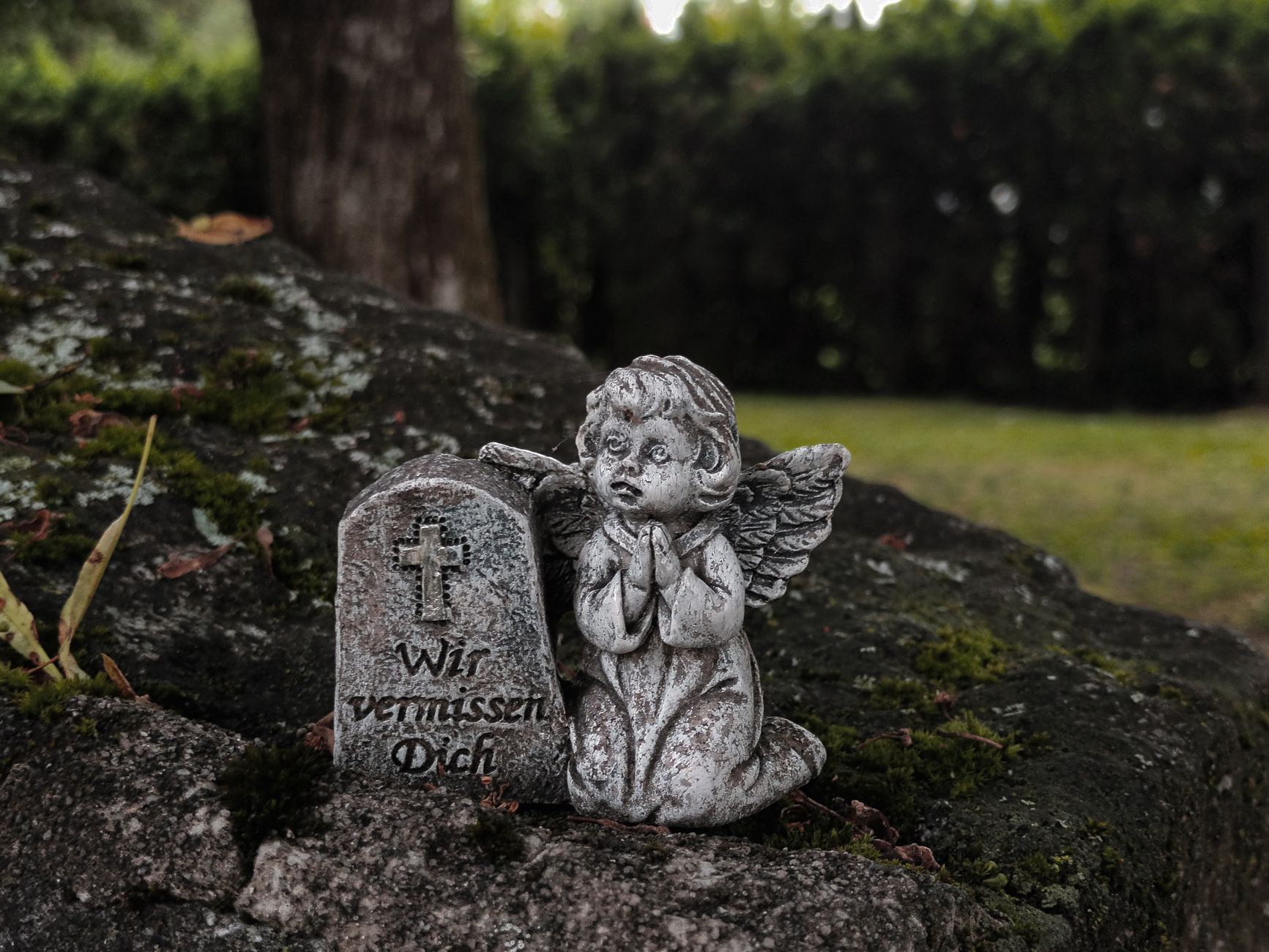
Grieving can be financially draining, especially when medical expenses are high. Fortunately, many heartfelt memorial ideas cost little to nothing. Below is a comparison of low‑cost options, ranging from $0 to $30, that still carry deep meaning.
Even a $0 option—like writing a short letter to your baby and placing it in a favorite book—can become a treasured ritual. The therapeutic benefit of creating something tangible is supported by the American Psychological Association, which notes that expressive activities help process grief and reduce anxiety.
Memorial ideas for a baby boy after miscarriage
When you envisioned a baby boy, specific colors, symbols, or traditions may come to mind. Incorporating masculine‑leaning elements can help you feel connected to the child you imagined.
Common symbols and colors
- Blue or navy ribbons, often tied to the baby’s nursery or a memorial bracelet.
- Small wooden toys or a tiny pair of baby shoes placed in a keepsake box.
- Nature symbols like a sturdy oak leaf or a small rock painted with “Baby [Name].”
One mother wrote, “We placed a tiny blue bootie inside a glass jar with a candle. It felt like a quiet ceremony for our son, and the blue color brings us comfort whenever we look at it.”
Ideas to consider
- Blue‑themed memory candle with a handwritten note.
- Custom engraved keychain with the baby’s initials.
- Small framed ultrasound image paired with a blue ribbon.
- Plant a “boy’s garden”—choose a plant traditionally associated with strength, like a rosemary shrub.
These gestures can be performed alone or shared with family members, allowing everyone to honor the baby boy in a way that feels authentic.
Memorial ideas for a baby girl after stillbirth
For many families, the image of a baby girl conjures gentle hues and delicate symbols. Tailoring a tribute to these preferences can make the memorial feel especially personal.
Gentle symbols and colors
- Soft pink or lavender ribbons tied around a keepsake or placed in a garden.
- Delicate flower seeds—like lavender or rose—planted in a small pot.
- A tiny dress‑shaped ornament placed in a memory box.
A reader described, “We hung a pink ribbon on the swing set where we imagined our daughter playing. Every time the wind catches it, I feel her presence.”
Personalized ideas
- Pink‑themed jewelry, such as a heart‑shaped pendant with the baby’s initials.
- Hand‑painted ceramic figurine of a baby girl, kept on a bedside shelf.
- Garden stone engraved with a gentle phrase like “Forever our little angel.”
These gestures can be integrated into family rituals, such as lighting a candle on the baby’s due date, providing a sense of continuity and remembrance.
How to create a memory box for a pregnancy loss
A memory box serves as a physical sanctuary for the items that represent your baby’s brief journey. It can become a soothing place to turn to on anniversaries, birthdays, or moments of heightened emotion.
Step‑by‑step guide
- Choose a container. A plain wooden box, a decorative tin, or even a sturdy cardboard box works. Look for a size that can hold a few keepsakes without feeling cramped.
- Gather meaningful items. Consider ultrasound photos, a hospital bracelet, a tiny pair of socks, a lock of hair (if applicable), and any letters you write to your baby.
- Line the interior. Use soft fabric—like cotton or felt—to cushion fragile items. Choose a color that feels comforting, such as pastel blue, lavender, or neutral ivory.
- Add personal touches. Include a handwritten note, a small candle, or a pressed flower. Some families also add a small stone or a piece of jewelry that will be kept with the box.
- Seal and store. Close the box and place it in a special spot—on a bookshelf, beside a favorite chair, or in a dedicated memory nook.
When you first opened the box, many mothers feel a wave of emotions. It’s normal to cry, smile, or feel a mix of both. The act of curating items can be therapeutic, as noted by the National Institute of Mental Health, which emphasizes expressive activities as a coping mechanism for loss.
Unique memorial rituals for pregnancy loss
Rituals help turn abstract grief into concrete actions, providing structure and a sense of control. Below are several uncommon yet deeply resonant practices that families have found comforting.
Lighting a “memory lantern” ceremony
On the baby’s due date, gather family members in a quiet outdoor space. Light a solar‑powered lantern and place a small note inside describing hopes for your child. The lantern can then be set afloat on water or hung in a garden, symbolizing the baby’s spirit moving forward.
“Release of balloons” with a written message
Write a short message or prayer on biodegradable paper, attach it to a helium balloon, and release it together. Choose a location where it’s legal and safe, such as a park or a private yard. The floating balloon serves as a visual representation of letting go while honoring the baby’s memory.
Annual “Due‑date” celebration
Some families choose to celebrate the due date with a small gathering, a favorite meal, or a moment of silence. This can involve lighting a candle, playing a lullaby, or simply sharing stories about the baby you imagined.
These rituals can be adapted to cultural or religious traditions. For example, many Jewish families incorporate a “Yahrtzeit” candle, while some Christian families may read a Psalm or prayer.
DIY memorial crafts after pregnancy loss
Hands‑on projects allow you to channel grief into creation, producing tangible symbols of love. Below are three easy‑to‑make crafts that require minimal supplies.
Hand‑print keepsake
Materials: non‑toxic acrylic paint, thick cardstock, frame.
- Lay a piece of cardstock on a flat surface.
- Dip your hand lightly in paint and press onto the card, creating a clear imprint.
- While the paint is still wet, write the baby’s name or a short phrase around the print.
- Let dry, then frame. This piece can be displayed in a hallway or bedroom.
Memory jar of notes
Materials: glass jar, small slips of paper, pens.
- Write short memories, wishes, or feelings on the slips—one per note.
- Fold each note and place them in the jar.
- When you need comfort, draw a note and read it aloud.
Seed‑paper bookmarks
Materials: biodegradable seed paper, scissors, ribbon.
- Cut seed paper into bookmark shapes.
- Write the baby’s name and due date on one side.
- Attach a short ribbon for easy handling.
- When you’re ready, plant the bookmark in soil, and watch the flowers grow as a living tribute.
These crafts can be done alone or with a supportive friend, turning grief into a creative act of remembrance.
Virtual memorial ideas for pregnancy loss
When distance or health concerns prevent an in‑person gathering, digital platforms can provide a space for shared mourning and celebration.
Online tribute page
Create a private website or a page on a service like EverLoved or MyLossStory. Upload photos, ultrasound images, and a short narrative. Invite family and friends to leave messages, light a virtual candle, or share their own memories.
Live‑streamed candle ceremony
Using Zoom or Google Meet, coordinate a ceremony where participants light candles in their own homes at the same time. Each person can say a sentence or a prayer, creating a synchronized moment of collective remembrance.
Digital memory book
Platforms such as Shutterfly or Canva allow you to design a digital scrapbook that can be shared via email or a private link. Include scanned hospital paperwork, letters, and photos. This can become a lasting keepsake that you can print later if desired.
Virtual memorials also give space for those who might feel uncomfortable with a physical gathering. According to the Centers for Disease Control and Prevention, online support groups can reduce feelings of isolation and improve coping outcomes for bereaved parents.
What are some meaningful ways to honor a lost baby?
Beyond the specific ideas above, many families find comfort in simple, heartfelt actions:
- Planting a tree or a flower in the baby’s memory, which grows as a living symbol of love.
- Writing letters to the baby and storing them in a special box or journal.
- Creating a playlist of lullabies or songs that remind you of your hopes for the child.
- Donating to a pregnancy‑loss charity or supporting research in memory of your baby.
These gestures can be done alone or shared with loved ones, reinforcing the sense that your baby’s presence continues to inspire positive actions.
How to involve family in pregnancy loss memorial
Family members often want to help but may not know how. Including them can foster a shared healing journey.
Ideas for involvement
- Siblings’ artwork. Encourage older children to draw or write a short note for the baby. Their contributions can be placed in the memory box.
- Partner’s role. Your partner can help select a ceremony location, write a dedication, or light a candle during a memorial ritual.
- Extended family participation. Ask relatives to bring a favorite memory or a small token—like a pressed flower—to a gathering.
Open communication is key. A simple phrase such as, “I’d love your help with setting up a small remembrance table,” invites participation without overwhelming anyone.
Best books for coping after pregnancy loss
Reading can provide both comfort and practical guidance. Below are three highly regarded titles, each offering a different perspective on grief and healing.
These books are available in most libraries, online retailers, and as e‑books. If you’re unsure which aligns with your personal beliefs, consider reading a sample chapter before committing.
How to talk to children about a pregnancy loss memorial
Children may ask “Where is the baby?” or “Why aren’t we having a baby party?” Age‑appropriate honesty, coupled with reassurance, is essential.
Guidelines by age
- Under 5 years. Use simple language: “Our baby is a special angel who lives in our hearts.” Offer a concrete activity, like placing a handprint in a memory box.
- 5‑9 years. Explain that the baby was in the tummy but didn’t get to stay. Invite them to help plant a flower or draw a picture.
- 10+ years. Provide more detail if they ask, acknowledging feelings and encouraging questions. Involve them in choosing a memorial ritual, such as lighting a candle.
Many families find that creating a “memory garden” together gives children a tangible way to see love growing, which can be especially soothing.
Memorial jewelry options for pregnancy loss
Jewelry can serve as a private, wearable reminder. Below is a comparison of common styles, materials, and price ranges.
When selecting jewelry, consider any metal sensitivities and the durability of the piece for daily wear. Many reputable jewelers—such as Etsy sellers with high ratings or specialized retailers like “Memories in Gold”—offer free engraving and can ship worldwide.
Garden memorial ideas for a miscarriage
Plants symbolize growth, renewal, and the cycle of life. A garden memorial can be as simple as a single potted plant or an entire dedicated plot.
Steps to create a garden tribute
- Choose a location. A quiet corner of your yard, a balcony, or even a community garden plot works.
- Select meaningful plants. Lavender for its calming scent, rosemary for remembrance, or a flowering annual that blooms each spring.
- Personalize the space. Add a small engraved stone, a wind chime, or a bird feeder. Include a plaque with the baby’s name or initials.
- Plant together. Invite family members to help dig, plant, and water. The shared activity can reinforce bonds.
For those limited by space, a “memory pot”—a small container with a seed‑paper tag—offers a compact yet powerful reminder that love can grow even in tight spaces.
Online support groups for pregnancy loss memorial planning
Connecting with others who have walked a similar path can provide ideas, comfort, and validation. Below are three reputable online communities focused on memorial planning.
- Share Pregnancy & Birth. Offers discussion boards for memorial ideas, grief resources, and a “Lost Babies” forum where members share rituals.
- Partners of the Miscarried (POTM). Provides a dedicated “Memorial Planning” chat room with templates for memory boxes, garden markers, and ceremony scripts.
- My Grief Journey. A moderated community that includes a “Creative Projects” section, featuring user‑submitted crafts and DIY tutorials.
All three groups have active moderators and clear community guidelines, ensuring a safe space for sharing. If you prefer a more private setting, many therapists also host virtual support circles that focus on memorial creation.
Myth vs. fact
Myth: You must have a formal funeral to honor a baby who was never born.
Fact: Memorials can be as simple as lighting a candle, planting a seed, or creating a personal keepsake. The important part is that the ritual feels meaningful to you.
Myth: Only women should plan pregnancy loss memorials.
Fact: Partners, families, and friends can all contribute ideas and help execute rituals, fostering shared healing.
Myth: Memorials are only for religious people.
Fact: Secular memorials—such as a garden stone, a memory box, or a digital tribute—are widely embraced across cultures and belief systems.
Key takeaways
- Memorial ideas after pregnancy loss can be personalized, budget‑friendly, and adapted to any cultural or religious context.
- Creating a memory box, garden marker, or piece of jewelry offers a tangible way to process grief and honor your baby.
- Involving family members—especially siblings—strengthens shared healing and creates lasting memories.
- Virtual memorials and online support groups provide connection when in‑person gatherings aren’t possible.
- Professional resources such as ACOG, the CDC, and reputable grief organizations can guide safe and meaningful memorial planning.
Frequently asked questions
What are appropriate memorial ideas after a miscarriage?
Appropriate ideas range from lighting a single candle on the due date, planting a small flower, creating a memory box, or holding a brief family ceremony. Choose what feels most comforting and aligns with your cultural or religious preferences.
Can you have a funeral for a baby that was never born?
Yes, many families hold a funeral‑like service to honor their baby, often called a “baby memorial” or “remembrance ceremony.” It can include prayers, music, a candle lighting, and a moment to share memories. The format is entirely up to you.
How do you create a memory box for a lost pregnancy?
Start with a sturdy box, line it with soft fabric, and fill it with items such as ultrasound photos, a hospital bracelet, a handwritten note, and any tiny clothing or keepsakes. Seal the box and store it in a safe, meaningful spot.
Is it okay to celebrate a baby’s due date after a stillbirth?
Many families find comfort in acknowledging the due date with a quiet ritual—a candle, a favorite song, or a small gathering. It’s a personal choice, and honoring the date can help keep the baby’s memory alive.
What symbols are commonly used in pregnancy loss memorials?
Common symbols include butterflies (transformation), angels (protection), seedlings or flowers (new life), ribbons (awareness), and stars (guidance). Colors often reflect gendered preferences—blue for boys, pink or lavender for girls—but any hue that feels right is appropriate.
How can I involve my partner in planning a memorial after pregnancy loss?
Invite your partner to choose a ritual (like lighting a candle), help select a piece of jewelry, or co‑write a letter to the baby. Sharing tasks creates a joint space for grief and remembrance.
When should I consider professional help after a pregnancy loss?
If grief feels overwhelming, interferes with daily functioning, or lasts beyond several months, seeking a therapist specializing in perinatal loss is advisable. The American Psychological Association recommends early counseling for persistent sadness, anxiety, or depression.
When to see a doctor or specialist
If you notice any of the following, contact a healthcare professional promptly:
- Persistent fever, heavy bleeding, or foul‑smelling discharge after loss (possible infection).
- Severe abdominal pain or inability to urinate.
- Signs of depression that include thoughts of self‑harm, loss of interest in daily activities, or inability to sleep.
- Difficulty bonding with other children or a partner, leading to relationship strain.
For medical concerns, reach out to your OB‑GYN or primary care provider. If emotional distress dominates, consider a therapist with expertise in perinatal grief, a psychiatrist, or a local support group. Remember, this article offers general information and is not a substitute for personalized medical advice.
References
- American College of Obstetricians and Gynecologists (ACOG). “Counseling for Pregnancy Loss.” 2022.
- American Psychological Association (APA). “Guidelines for the Treatment of Bereavement.” 2021.
- Centers for Disease Control and Prevention (CDC). “Perinatal Loss and Mental Health.” 2023.
- National Institute of Mental Health (NIMH). “Grief and Bereavement.” 2022.
- Share Pregnancy & Birth. Community Forums. Accessed July 2026.
- Partners of the Miscarried (POTM). Online Support Groups. Accessed July 2026.
- Betty J. Brazzell, “Empty Cradle, Broken Heart.” 2019.
- John W. James & Russell Friedman, “The Grief Recovery Handbook.” 2020.
- Linda K. Glover, “Hope After Loss.” 2021.