Quick take: A metallic taste in your mouth is a common pregnancy symptom, usually linked to hormonal shifts or prenatal vitamins. It often appears in the first trimester, fades as hormones settle, and isn’t a sign of serious trouble—unless you notice severe gum bleeding, persistent loss of appetite, or other red‑flag symptoms. If any of those arise, call your provider.
Imagine it’s 3 a.m., you’ve just brushed your teeth and notice a faint, iron‑like flavor lingering on your tongue. Your mind jumps to “Is something wrong with the baby?” You’re not alone. Many pregnant people report this strange taste, and most find it harmless.
In this guide we’ll unpack why you might be experiencing a metallic taste, when it typically shows up, how it ties to nausea, which foods can make it worse, and practical ways to soothe it. We’ll also flag the rare situations that merit a call to your OB‑GYN, and give you a clear plan for moving forward.
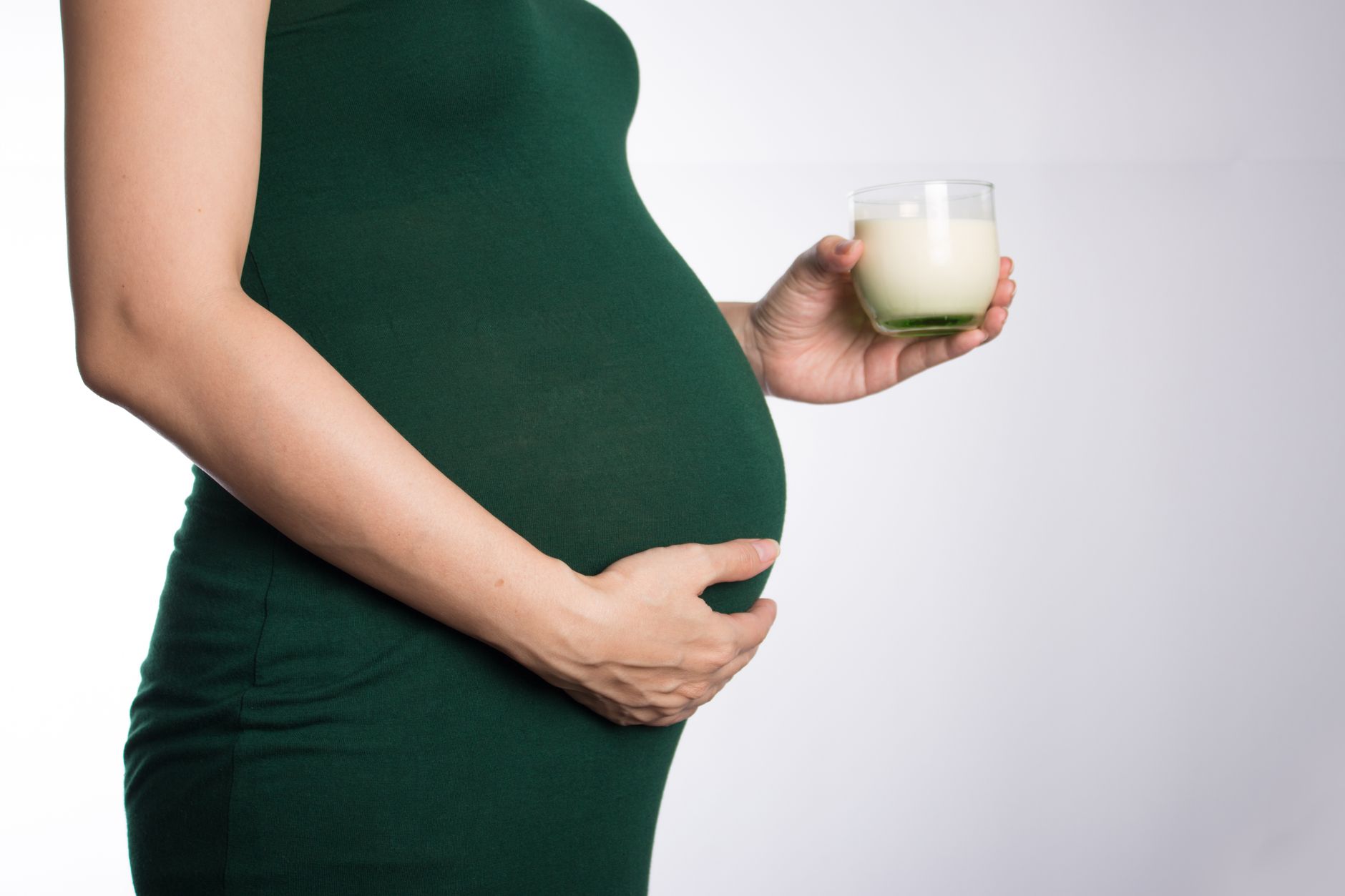
When you first hear the word “metallic,” you probably think of iron or copper. In pregnancy, the sensation often stems from three intertwined factors: hormone fluctuations, vitamin or mineral changes, and oral health shifts.
Hormonal changes
During the first weeks, your body ramps up estrogen and progesterone to support the developing placenta. These hormones can alter the way taste buds respond to flavors, especially the “metallic” receptors. The American College of Obstetricians and Gynecologists (ACOG) notes that taste disturbances affect up to 70 % of pregnant people, most commonly in the first trimester.
Vitamin and mineral shifts
Pregnancy increases the demand for iron, zinc, and B‑vitamins. Iron supplements—whether taken as a separate tablet or incorporated into prenatal vitamins—often have a metallic aftertaste. The National Institutes of Health (NIH) explains that iron’s ferrous form can bind to saliva, creating that familiar “rusty” flavor.
Oral health and gum disease
Hormones also make gum tissue more sensitive and prone to inflammation, a condition called pregnancy gingivitis. When gums bleed or become inflamed, blood‑tinged saliva can contribute to a metallic sensation. A study from the British Dental Journal found that up to 30 % of pregnant patients reported gum‑related taste changes.
Symptoms checklist
- Metallic or “iron‑like” taste that isn’t linked to specific foods
- Occasional nausea or morning sickness
- Increased thirst or dry mouth
- Bleeding or swollen gums
- Recent start of prenatal vitamins or iron supplements
If you notice these signs without severe loss of appetite, you’re likely experiencing a normal pregnancy‑related taste shift.
When a deficiency might be involved
Rarely, a true vitamin deficiency (especially zinc) can produce a metallic taste. Zinc deficiency is linked to altered taste perception, according to the Academy of Nutrition and Dietetics. If you’re not taking a prenatal vitamin or have a restrictive diet, discuss testing with your provider.
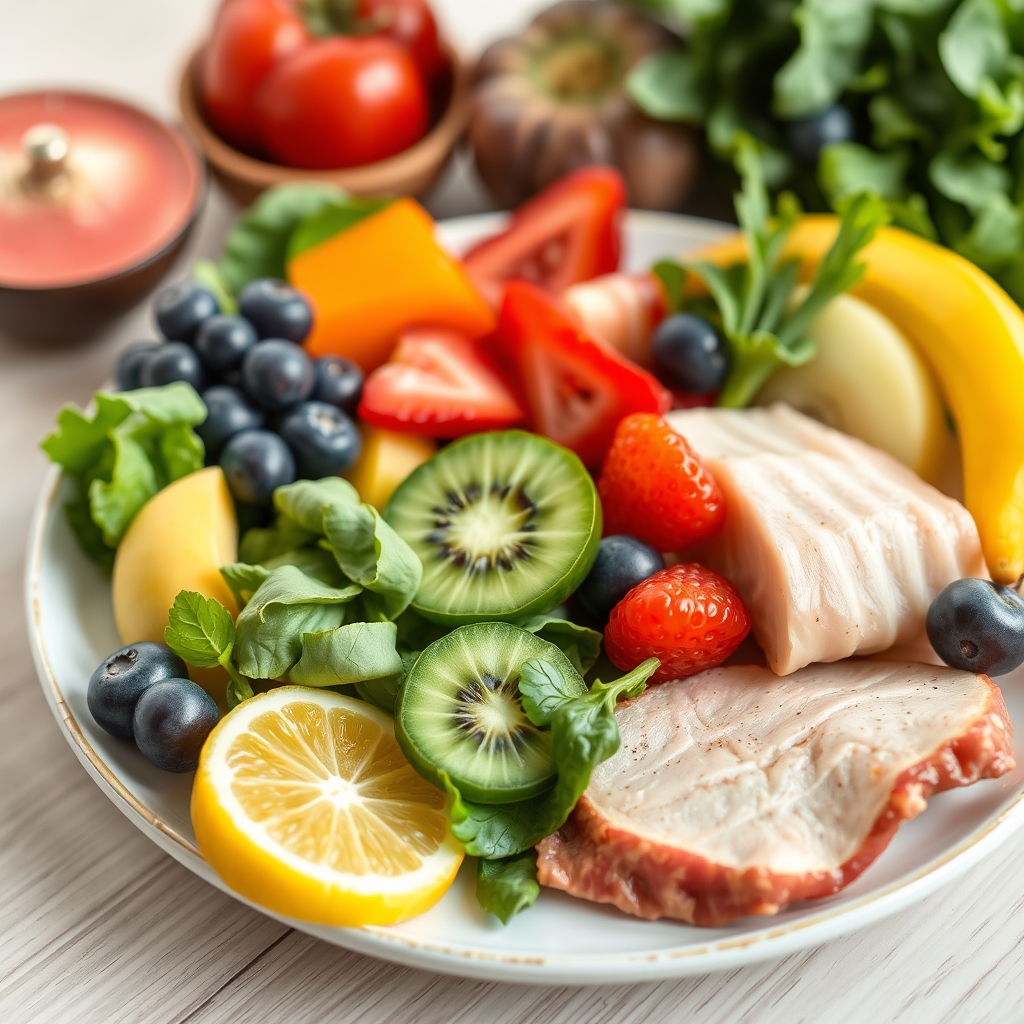 Most people first notice the metallic flavor between weeks 4 and 12, when hormone levels surge. By the second trimester (around week 14‑27), many report a gradual fading as progesterone stabilizes and the body adapts to the new hormonal baseline.
Some experience a resurgence in the third trimester, often linked to increased iron supplementation or heightened gum sensitivity. The pattern isn’t the same for everyone, but these general timelines are useful markers:
- First trimester (0‑13 weeks): Onset is common; taste may be intense.
- Second trimester (14‑27 weeks): Frequency often declines; many women say it “settles down.”
- Third trimester (28‑40 weeks): May return if iron doses increase or gum inflammation worsens.
Understanding the timing helps you anticipate when the symptom might ease, reducing anxiety.
In most cases, a metallic taste is benign. However, there are rare scenarios where the taste could signal an underlying issue that deserves prompt attention.
Red‑flag symptoms
- Severe, persistent nausea that prevents you from staying hydrated
- Sudden loss of appetite leading to rapid weight loss
- Bleeding gums that do not improve with gentle oral hygiene
- Unexplained fever, chills, or abdominal pain
- Metallic taste accompanied by a foul odor (possible infection)
If any of these appear, contact your OB‑GYN or a dentist promptly. While the metallic taste itself isn’t dangerous, it can be a clue that something else needs evaluation.
Treatment options comparison
Most women find relief by tweaking oral care and vitamin timing before considering medical interventions.
While you can’t flip a switch to erase the metallic flavor, several practical steps can make it less noticeable.
Dietary tips
- Stay hydrated: Sip water, herbal teas, or diluted fruit juices throughout the day. The fluid helps wash away lingering metal particles.
- Citrus boost: Lemon, lime, or orange slices can neutralize metallic notes and stimulate saliva production.
Use a straw for cold drinks; it bypasses the tongue surface where the taste buds sit.
- Avoid trigger foods: Dark chocolate, processed meat, and iron‑rich supplements can intensify the sensation.
- Chew sugar‑free gum with mint or citrus flavor to refresh your palate.
Home remedies with evidence
Research from the Harvard T.H. Chan School of Public Health suggests that a combination of vitamin C (from citrus) and proper oral hygiene can reduce metallic taste in up to 60 % of pregnant participants.
- Cold water rinse: Swish a cup of chilled water for 30 seconds after meals.
- Apple cider vinegar drink: Mix 1 teaspoon of raw apple cider vinegar in a glass of water; sip slowly. The acidity can counterbalance metallic flavor.
- Ginger tea: Fresh ginger steeped in hot water (5 minutes) can calm nausea and mask metallic notes.
When to consider adjusting prenatal vitamins
If the metallic taste coincides with the start of a new prenatal vitamin, talk to your provider about a low‑iron or iron‑coated formulation. Many brands offer “gentle‑on‑the‑stomach” versions that release iron later in the digestive tract, reducing taste impact.
Some foods naturally contain metallic compounds or can interact with oral bacteria to produce a metallic aftertaste. Knowing which items to limit can help you feel more comfortable.
- Iron‑rich foods: Red meat, liver, fortified cereals, and spinach may heighten the metallic sensation if you’re already supplementing with iron.
- Processed meats: Sausages, deli meats, and canned fish often contain preservatives that leave a metallic coating on the tongue.
- Dark chocolate and cocoa: The flavonoids can bind with saliva, creating a faint metallic note.
- Artificial sweeteners: Some people report a metallic aftertaste with saccharin or aspartame.
- Metal cookware: Cooking acidic foods (tomatoes, citrus) in aluminum or cast‑iron pans can leach trace metals into the food.
Balancing these foods with fresh fruits, vegetables, and whole grains can keep your palate happier.
Nausea and vomiting—commonly called morning sickness—often appear alongside taste changes. The exact link isn’t fully understood, but several mechanisms are plausible.
Shared hormonal pathways
Both nausea and metallic taste are driven by rapid rises in human chorionic gonadotropin (hCG) and estrogen. The World Health Organization (WHO) cites these hormones as key players in early‑pregnancy sensory changes.
Sensory overload
When you’re nauseated, the brain’s chemoreceptor trigger zone becomes more sensitive, amplifying any unusual taste. A metallic flavor can feel stronger during a bout of nausea.
Practical overlap
Because the two symptoms often travel together, strategies that soothe nausea—such as ginger tea, small frequent meals, and staying upright after eating—also tend to reduce the metallic taste. Likewise, improving oral hygiene can lessen nausea triggers.
For most, the metallic taste fades within weeks to months after delivery. Hormone levels drop dramatically, and the body returns to its pre‑pregnancy baseline.
- First few weeks postpartum: Taste may still feel odd as estrogen and progesterone normalize.
- One to three months: Most people report a complete return to normal flavor perception.
- Beyond three months: Persistent taste changes could indicate an unrelated condition (e.g., medication side effect or dental issue) and warrant a check‑up.
If the metallic taste lingers past six months, schedule an appointment with your primary care provider or dentist to rule out other causes.
Both pregnancy and menopause can bring metallic taste, but the underlying drivers differ. In menopause, declining estrogen can alter taste buds, often accompanied by dry mouth and a sensation of “metallic” after meals.
During pregnancy, the surge of estrogen and progesterone is the primary trigger, usually paired with nausea and increased iron needs. While the symptom feels similar, the timing—pregnancy is a temporary surge, menopause is a gradual decline—helps differentiate the two.
If you’re perimenopausal and also pregnant, the hormonal cocktail can intensify the metallic flavor. In such cases, focusing on hydration, gentle oral care, and balanced nutrition remains the best approach.
Pregnancy gingivitis affects up to 30 % of pregnant people, according to the British Dental Journal. Inflamed gums bleed more easily, releasing blood‑tinged saliva that can be perceived as metallic.
Prevention tips
- Brush gently with a soft‑bristled toothbrush twice daily.
- Floss carefully to remove plaque without injuring gums.
- Use an alcohol‑free antimicrobial mouthwash recommended by your dentist.
- Schedule a dental check‑up early in the second trimester; many dentists recommend treatment after week 12.
Addressing gum health often reduces the metallic taste more effectively than changing diet alone.
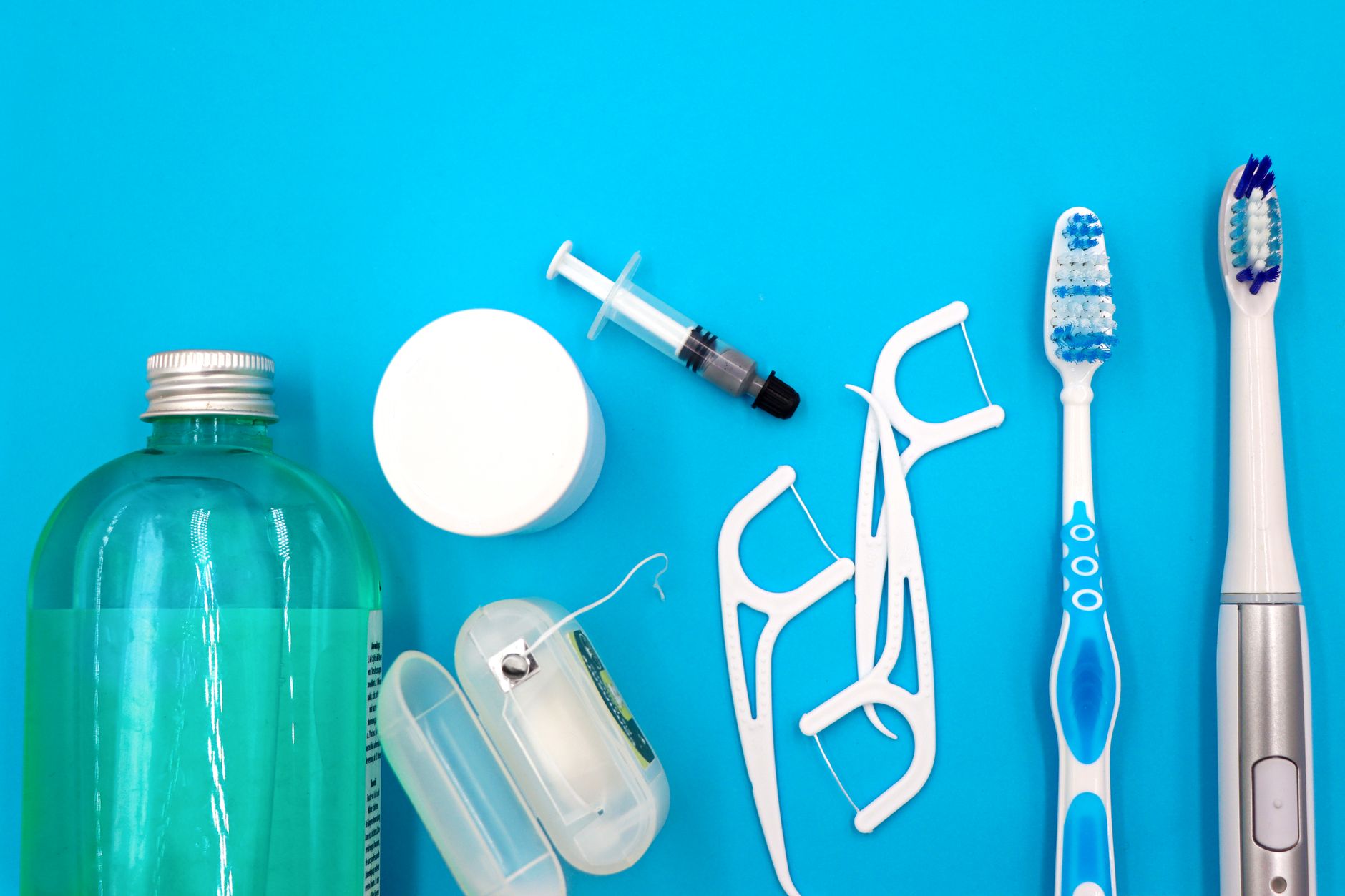
Bringing up sensory changes can feel trivial, but it’s an important conversation because it may guide vitamin choices or uncover a hidden infection. When you schedule your next prenatal visit, consider writing down the following points:
- The exact day you first noticed the metallic taste and how often it occurs.
- Any new supplements or vitamins you started taking around the same time.
- Whether you’ve experienced gum bleeding, persistent nausea, or loss of appetite.
- Foods that seem to worsen or improve the taste.
Presenting this concise list helps your provider quickly assess whether a simple adjustment (like switching to a coated iron tablet) is enough, or if a deeper work‑up is needed. Most clinicians appreciate proactive patients and will often suggest a short trial of a different prenatal vitamin formulation before ordering labs.
Even if the metallic taste makes you wary of iron‑rich foods, you still need enough iron for both you and your baby. Iron deficiency can lead to anemia, fatigue, and, paradoxically, a stronger metallic taste. Here are safe ways to meet your iron needs without amplifying the flavor:
- Pair iron‑rich foods with vitamin C: A glass of orange juice with a spinach salad boosts iron absorption while the citrus masks metallic notes.
- Cook with non‑metallic cookware: Stainless steel or ceramic pots reduce the chance of additional metal leaching into foods.
- Spread iron intake throughout the day: Small portions of iron‑rich foods at each meal are easier on the palate than a single large serving.
- Consider a liquid prenatal vitamin: Some liquid formulations use iron bisglycinate, which is less likely to leave a metallic aftertaste.
Always discuss any major dietary changes with your provider, especially if you have a history of anemia or other blood disorders.
Staying well‑hydrated does more than keep you from feeling thirsty—it actually dilutes the concentration of metal particles in saliva, making the taste less noticeable. The National Health Service (NHS) recommends at least 2‑3 liters of fluid a day for pregnant people, adjusting upward if you’re active or live in a hot climate.
Tips for easy hydration include infusing water with citrus slices, cucumber, or fresh mint; sipping from a reusable bottle throughout the day; and setting phone reminders if you tend to forget. Warm (but not hot) herbal teas like rooibos or peppermint can also be soothing without adding caffeine.
A metallic taste can sometimes dampen appetite, which may affect the recommended weight‑gain range for your trimester. If you find yourself skipping meals, focus on nutrient‑dense, easy‑to‑eat options such as smoothies, yogurt parfaits, or soft‑cooked oatmeal topped with berries.
According to the American College of Obstetricians and Gynecologists (ACOG), steady, moderate weight gain is associated with better outcomes for both mother and baby. If you’re consistently eating less than 1,200 kcal per day or losing weight, bring it up at your next prenatal visit. Your provider may suggest a prenatal nutritionist or a supplemental shake to bridge the gap.
While most metallic tastes are harmless, a few rare conditions can mimic the symptom. For example, early‑onset preeclampsia can cause altered taste perception alongside high blood pressure, proteinuria, and swelling. Additionally, certain medications (e.g., metronidazole for bacterial vaginosis) have a known metallic side effect.
If the metallic taste appears suddenly after starting a new prescription, or if you develop headaches, visual changes, or swelling of the hands and face, contact your OB‑GYN urgently. These red‑flag signs may indicate a condition that needs immediate treatment.
Myth vs. fact
Myth: A metallic taste always means you have too much iron.
Fact: While iron supplements can contribute, hormonal shifts and gum inflammation are more common culprits.
Myth: You should stop taking prenatal vitamins if the taste is unpleasant.
Fact: Prenatal vitamins are essential for fetal development; instead, discuss formulation changes with your provider.
Myth: The metallic taste indicates a problem with the baby.
Fact: In the vast majority of cases, it’s a harmless, temporary sensory change.
Key takeaways
- Metallic taste is a common early‑pregnancy symptom driven by hormonal shifts, iron supplements, and gum changes.
- It typically appears in the first trimester and fades by the second, though it can reappear later if iron intake increases.
- Linking it to nausea is normal; strategies that soothe nausea often help the taste, too.
- Adjusting prenatal vitamin type, staying hydrated, and practicing good oral hygiene are the most effective home remedies.
- Seek medical attention if the taste is accompanied by severe nausea, persistent loss of appetite, or bleeding gums.
- Post‑delivery, the metallic taste usually resolves within three months, but lingering symptoms merit a check‑up.
- Open communication with your OB‑GYN and a balanced nutrition plan ensure you get needed iron without overwhelming your palate.
Frequently asked questions
Most often it’s harmless, reflecting hormonal changes or iron supplements. However, if it’s paired with severe nausea, weight loss, or bleeding gums, call your OB‑GYN.
Hormonal fluctuations, iron‑rich prenatal vitamins, gum inflammation, and certain foods all can produce a metallic sensation.
Yes. Up to 70 % of people report taste changes in the first 12 weeks, and the metallic flavor is one of the most common descriptors.
For most, it eases by the end of the first trimester and may disappear entirely by the second trimester. A few experience it intermittently into the third trimester.
Yes. Iron and certain B‑vitamins in prenatal supplements are known to leave a metallic aftertaste. Switching to a coated or lower‑iron formula often helps.
Hydrating foods, citrus fruits, ginger tea, and sugar‑free mint gum can mask the metallic flavor. Avoid iron‑rich or heavily processed foods that may intensify it.
Metal straws can leach trace amounts of metal into cold liquids, potentially amplifying the sensation. A silicone or glass straw is a safer choice if you’re sensitive to metallic flavors.
Hormonal changes after delivery can linger for weeks, and some people report a mild metallic taste while nursing. Staying well‑hydrated and maintaining good oral hygiene usually helps the symptom fade.
There’s no evidence that a metallic taste in your mouth directly impacts fetal growth. The key is ensuring you still meet nutritional needs, especially iron, even if the taste is off‑putting.
Is it safe to use a tongue scraper during pregnancy?
Yes, a gentle tongue scraper made of soft silicone or plastic can help remove debris and improve taste perception. Avoid aggressive scraping, which can irritate the delicate oral tissues already sensitized by hormones.
When to see a doctor
If you notice any of the following red‑flag symptoms, contact your OB‑GYN or a dentist promptly:
- Persistent, severe nausea that prevents fluid intake
- Rapid weight loss or inability to keep food down
- Bleeding gums that do not improve with gentle brushing
- Foul‑smelling saliva or a sudden bad taste unrelated to food
- Fever, chills, or abdominal pain accompanying the metallic taste
These signs could indicate dehydration, infection, or a nutritional deficiency that warrants professional evaluation. Remember, this article provides general information and is not a substitute for personalized medical advice.
References
- American College of Obstetricians and Gynecologists (ACOG). “Taste Changes During Pregnancy.” 2023.
- National Institutes of Health (NIH). “Iron Supplementation and Taste Perception.” 2022.
- British Dental Journal. “Pregnancy‑Associated Gingivitis: Prevalence and Management.” 2021.
- Harvard T.H. Chan School of Public Health. “Nutritional Interventions for Taste Alterations in Pregnancy.” 2020.
- World Health Organization (WHO). “Hormonal Influences on Sensory Perception in Early Pregnancy.” 2022.
- Academy of Nutrition and Dietetics. “Micronutrient Needs in Pregnancy.” 2023.
- American Society for Reproductive Medicine (ASRM). “Prenatal Vitamin Formulations and Patient Tolerability.” 2021.
- National Institute of Dental and Craniofacial Research (NIDCR). “Oral Health Changes During Pregnancy.” 2022.
- American Psychological Association (APA). “Stress, Nausea, and Sensory Changes in Expectant Mothers.” 2021.
- National Health Service (NHS). “Pregnancy and Taste Changes.” 2022.
- U.S. Food and Drug Administration (FDA). “Guidance on Iron‑Containing Dietary Supplements.” 2021.
- American College of Obstetricians and Gynecologists (ACOG). “Weight Gain During Pregnancy.” 2023.
- National Institute for Health and Care Excellence (NICE). “Hydration Recommendations for Pregnant People.” 2022.



