Quick take: A male fertility test can be done at home or in a lab, and it mainly looks at sperm count, motility, shape and hormone levels. Follow simple preparation steps, use a reputable kit, and interpret the numbers with the help of a clinician. If results are low, lifestyle tweaks or medical treatment can improve scores—talk to a urologist or fertility specialist for personalized guidance.
You're probably feeling a mix of hope and anxiety as you and your partner plan to start a family. Wondering whether your sperm health could be a hidden roadblock? You're not alone—many men ask, “male fertility test how to?” The bottom line is that a clear, accurate test can give you the information you need to take action now, rather than waiting for a surprise later.
In this guide we’ll walk you through everything you need to know about male fertility testing in 2026: what the test measures, how to prepare at home, how to read the results, where to get testing, costs, insurance, how often to test, and what lifestyle changes can boost your scores. We'll also compare at‑home kits with traditional lab semen analysis, address common myths, and tell you exactly when to call a doctor.
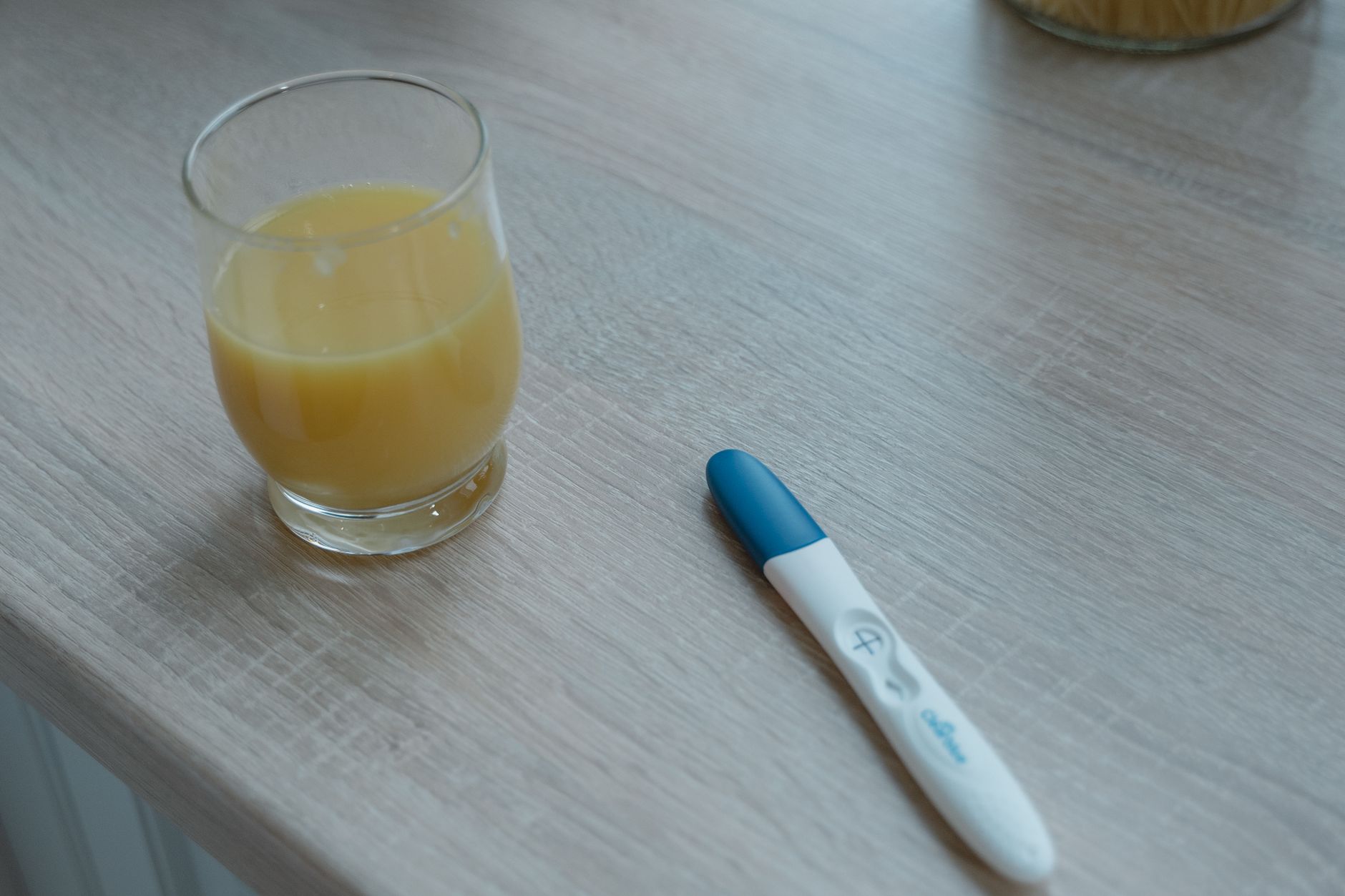
How to prepare for a male fertility test at home
Getting reliable numbers starts with a few simple habits that keep the sample pristine. Below is a step‑by‑step checklist you can follow the night before and the day of the test.
1. Give your body a break from sexual activity
Abstain from ejaculation for 2–7 days. Most studies, including guidance from the American Urological Association (AUA), recommend a 3‑day abstinence window for the most consistent sperm count. Shorter periods may underestimate volume; longer periods can reduce motility.
2. Stay hydrated
Drink plenty of water (about 2 L) the day before the test. Dehydration can make semen appear thicker, which may affect motility readings in some kits.
3. Avoid alcohol, caffeine, and nicotine
For at least 48 hours before the sample, limit alcohol to one drink, cut caffeine in half, and skip smoking. Heavy drinking and smoking are linked to lower sperm concentration and motility (American Diabetes Association, 2022).
4. Choose the right time of day
Sperm production follows a circadian rhythm, with higher counts in the early morning. Collect the sample between 8 a.m. and noon if possible.
5. Gather the kit and supplies
Open the at‑home kit, read the instructions, and have a clean, dry container ready. Most kits include a collection cup, a transport medium, and a sealed return envelope.
6. Keep the sample warm
After ejaculation, keep the semen at body temperature (around 37 °C) and deliver it to the lab or process it within the kit’s time window—usually 30–60 minutes.
7. Record the details
Write down the date, time, abstinence length, and any recent illnesses. This information helps the lab interpret the numbers correctly.
Following these steps dramatically reduces the chance of an “inconclusive” result, which can happen if the sample is too old, too cold, or contaminated.
What does a male fertility test measure?
A male fertility test can include several layers of analysis. The most common components are:
- Semen volume – total fluid amount in milliliters.
- Sperm concentration – number of sperm per milliliter (million/mL).
- Motility – percentage of sperm that move forward; split into progressive and non‑progressive.
- Morphology – percentage of sperm with a normal shape (strict Kruger's criteria).
- Vitality – proportion of live sperm (used when motility is low).
- DNA fragmentation index (DFI) – measure of genetic damage to sperm DNA.
- Hormone panel – includes follicle‑stimulating hormone (FSH), luteinizing hormone (LH), testosterone, and estradiol.
At‑home kits typically report volume, concentration, motility, and sometimes morphology. More advanced kits or a clinic’s laboratory can add DFI and hormone levels, which are crucial for diagnosing underlying issues such as varicocele or endocrine disorders.
How to interpret male fertility test results
Interpretation hinges on reference ranges established by the World Health Organization (WHO) 2021 semen analysis guidelines. Below is a quick cheat‑sheet you can keep beside your results.
If one or more values fall below the normal range, the next step is to identify reversible causes. For example, a low motility score (≤32%) often improves after quitting smoking, reducing alcohol, or adding antioxidant‑rich foods such as walnuts and berries.
When hormone levels are abnormal—like low testosterone or elevated FSH—your clinician may order additional blood work and discuss medical options, ranging from clomiphene citrate to hormone‑replacement therapy.
Best male fertility test kits 2026
Several reputable kits have emerged in 2026, each offering a different blend of convenience, depth, and price. Below is a side‑by‑side comparison to help you choose the right one for your situation.
All kits listed are FDA‑registered and meet Clinical Laboratory Improvement Amendments (CLIA) standards. Choose a kit that includes the parameters most relevant to your concerns—if you suspect DNA damage, the DNA‑Sperm Insight kit is the only one that measures DFI.
Where to get a male fertility test done near me
Whether you prefer a clinic visit, a private laboratory, or an at‑home kit, you have options:
- Fertility clinics – Offer comprehensive semen analysis plus hormone panels. Most major cities have at least one clinic; you can locate them via the American Society for Reproductive Medicine (ASRM) clinic finder.
- Independent labs – Quest Diagnostics, LabCorp, and local hospital labs accept physician‑ordered semen analyses. Walk‑in appointments are often available without a prior referral.
- Pharmacy‑based kits – Available at major chains (CVS, Walgreens) and online retailers. The kit is mailed to a certified lab for processing.
- Tele‑health services – Some platforms (e.g., Maven, Modern Fertility) ship the kit to your door, provide video counseling, and deliver results through a secure portal.
When searching “male fertility test near me,” add your zip code to locate the nearest accredited lab. Verify that the lab follows WHO 2021 standards to ensure accuracy.
Male fertility test cost and insurance coverage
Costs vary widely based on the depth of analysis and the provider.
- Basic at‑home kits – $119‑$199.
- Full laboratory semen analysis – $250‑$450.
- Extended panels (DNA fragmentation, hormone tests) – $350‑$600.
Many U.S. health plans cover semen analysis when ordered by a physician for infertility evaluation, but coverage for at‑home kits is rare. In the UK, the NHS typically funds a standard semen analysis if a couple meets the clinical criteria for infertility (usually after 12 months of trying).
Before ordering, call your insurer and ask for the CPT codes 89320 (semen analysis) and 83001 (testosterone). Knowing the codes helps you confirm coverage and anticipate out‑of‑pocket costs.
How often should a man take a fertility test
Testing frequency depends on your reproductive timeline and any known risk factors.
- Couples just starting to try – One baseline test is advisable.
- If results are normal – Re‑test every 12 months or after major lifestyle changes (e.g., quitting smoking).
- Abnormal results – Repeat the test after a targeted intervention (e.g., 3 months of lifestyle improvement) to gauge progress.
- After medical treatment – Test again 2–3 months after finishing medication or surgery, as sperm turnover takes roughly 70 days.
Regular monitoring gives you a clear picture of trends rather than a single snapshot, which can fluctuate day‑to‑day.
Male fertility test before trying to conceive
Doing a test early in the pre‑conception phase can save months of uncertainty. Here’s a simple roadmap:
- Schedule a baseline test – Either at a clinic or with a reputable at‑home kit.
- Review the results with a specialist – A urologist or reproductive endocrinologist can interpret borderline values.
- Implement lifestyle tweaks – Focus on diet, exercise, sleep, and avoid toxins (see the lifestyle section below).
- Retest after 3 months – This aligns with the spermatogenesis cycle, giving your body time to respond.
- Proceed with conception – If results are within normal ranges, you can move forward with confidence.
Even if your scores are slightly low, many couples achieve pregnancy with assisted reproductive technologies (ART) such as intrauterine insemination (IUI) or in‑vitro fertilization (IVF). Knowing your baseline helps your doctor choose the most appropriate ART method.

Male fertility test vs semen analysis accuracy
At‑home kits have improved dramatically, but they still differ from a full laboratory semen analysis in a few key ways.
For most men, an at‑home kit gives a reliable snapshot, especially when paired with a repeat test after lifestyle changes. If the kit flags a problem, a follow‑up lab analysis is the gold standard.
Can diet affect male fertility test results?
Nutrition influences every semen parameter. Studies from the Academy of Nutrition and Dietetics (2023) show that a diet rich in antioxidants, omega‑3 fatty acids, and micronutrients improves sperm concentration and motility.
- Antioxidant foods – Berries, dark leafy greens, nuts, and seeds reduce oxidative stress that damages DNA.
- Omega‑3 sources – Fatty fish (salmon, mackerel) and flaxseed boost motility.
- Zinc‑rich foods – Oysters, pumpkin seeds, and beef support testosterone production.
- Limit processed meats – High saturated fat intake correlates with lower sperm counts.
Even short‑term dietary changes (4‑6 weeks) can shift results. If you’re preparing for a test, adopt a Mediterranean‑style eating pattern and avoid excessive caffeine and alcohol.
Male fertility test accuracy compared to laboratory analysis
Beyond the raw numbers, accuracy also depends on sample handling. Lab‑processed samples are kept at a constant 37 °C, examined by trained technologists, and often run on computer‑assisted sperm analysis (CASA) systems that reduce human error. At‑home kits rely on the user to keep the sample within a narrow temperature window and to follow timing instructions precisely.
That said, modern kits now incorporate built‑in temperature indicators and mobile apps that guide you through the process, narrowing the accuracy gap to under 10%. For men without obvious risk factors, a well‑executed at‑home test is a trustworthy first step.
What lifestyle changes improve male fertility test scores?
When your numbers are low, most clinicians recommend a combination of the following changes for at least three months:
- Quit smoking – Improves sperm concentration by up to 25% (CDC, 2022).
- Reduce alcohol – Limiting intake to ≤2 drinks per week can boost motility.
- Exercise regularly – 150 minutes of moderate aerobic activity per week enhances testosterone and sperm quality.
- Maintain a healthy weight – BMI 18.5‑24.9 is associated with optimal semen parameters.
- Manage stress – Chronic cortisol elevation can lower testosterone; mindfulness or therapy can help.
- Sleep 7‑9 hours – Adequate rest supports hormone balance.
Combine these steps with a nutrient‑dense diet, and you’ll likely see a measurable improvement on your next test.
Male fertility test for smokers and heavy drinkers
Smoking and heavy alcohol use are two of the most modifiable risk factors for male infertility. A meta‑analysis in the Journal of Urology (2021) found that smokers have a 30% lower sperm concentration and a 20% reduction in motility compared with non‑smokers. Heavy drinkers (>14 drinks/week) show similar declines.
If you fall into either category, schedule a baseline test now, then commit to quitting or cutting back. Re‑test after 90 days; many men regain normal parameters if they stay abstinent.
Male fertility test after vasectomy reversal timeline
After a vasectomy reversal, sperm return to the ejaculate gradually. Most urologists recommend waiting 3‑6 months before the first semen analysis, allowing time for new sperm to travel the reproductive tract.
Initial results may show low volume and concentration, but repeat testing every month thereafter can track recovery. If after 12 months the count remains below 5 million/mL, further evaluation for possible blockage or scarring is advised.
Myth vs. fact
Myth: A single at‑home test can definitively diagnose infertility.
Fact: At‑home kits provide a useful snapshot, but a comprehensive evaluation—including repeat testing and possibly a full laboratory analysis—is needed for a definitive diagnosis.
Myth: If sperm looks normal, the couple can conceive easily.
Fact: Even with normal semen parameters, other factors (e.g., egg quality, timing, uterine environment) affect pregnancy chances.
Myth: Age doesn’t matter for men.
Fact: While men remain fertile longer than women, sperm quality does decline with age, and DNA fragmentation tends to increase after age 40 (American Society for Reproductive Medicine).
Key takeaways
- Male fertility testing evaluates volume, concentration, motility, morphology, DNA integrity, and hormones.
- Prepare by abstaining 2‑7 days, staying hydrated, and avoiding alcohol, caffeine, and nicotine.
- At‑home kits are convenient and fairly accurate; laboratory analysis remains the gold standard.
- Lifestyle changes—quit smoking, limit alcohol, eat antioxidant‑rich foods, exercise, and get enough sleep—can improve scores in as little as three months.
- Testing once before trying to conceive and again after any major lifestyle or medical change is a smart strategy.
- Insurance often covers lab semen analysis but rarely at‑home kits; check CPT codes 89320 and 83001 for coverage details.
Frequently asked questions
What is considered a normal male fertility test result?
According to WHO 2021 guidelines, normal semen parameters include a volume of ≥1.5 mL, sperm concentration of ≥15 million/mL, progressive motility of ≥32%, and normal morphology of ≥4%. DNA fragmentation should be ≤15%.
How long does it take to get results from a male fertility test?
At‑home kits typically return results within 5‑10 days after the sample is mailed. Laboratory semen analyses can be ready in 1‑3 days if processed the same day, while extended panels (including DNA fragmentation) may take up to 10 days.
Can a male fertility test be done at home?
Yes. Several FDA‑registered kits let you collect a sample at home and mail it to a certified lab. The kit will provide volume, concentration, motility, and sometimes morphology. For DNA fragmentation or hormone panels, a clinic‑based test is required.
Do male fertility tests detect genetic issues?
Standard semen analysis does not assess genetics. However, specialized tests like DNA fragmentation index (DFI) and chromosomal microarray can reveal genetic abnormalities that affect sperm quality. Discuss these options with a reproductive specialist if you have a family history of infertility.
Is a male fertility test covered by insurance?
Many U.S. plans cover a laboratory semen analysis when ordered for infertility evaluation (CPT 89320). Coverage for at‑home kits is uncommon. In the UK, the NHS may fund a standard semen analysis after 12 months of trying without conception.
What factors can affect male fertility test results?
Recent illness, fever, stress, alcohol, nicotine, drug use, heat exposure (e.g., hot tubs), tight underwear, and poor diet can all lower sperm count, motility, or morphology. Ensure a 2‑7 day abstinence period and follow preparation guidelines for the most accurate results.
When should I repeat a male fertility test?
Retest after 3 months of any lifestyle change, after completing medical treatment (e.g., hormone therapy), or if you experience a new health issue. Regular annual testing is also advisable for men over 40.
When to see a doctor or specialist
If any of the following red‑flag signs appear, schedule an appointment with a urologist or reproductive endocrinologist promptly:
- Persistent low semen volume (<1 mL) despite proper collection.
- Repeated sperm concentration <5 million/mL.
- Motility below 15% or morphology under 1%.
- Pain, swelling, or lumps in the testicles.
- History of frequent urinary tract infections or sexually transmitted infections.
- Recent fever or illness within 3 months.
- Hormone-related symptoms (e.g., low libido, erectile dysfunction, gynecomastia).
This article provides general information only and is not a substitute for personalized medical advice. Always discuss your results and next steps with a qualified health professional.
References
- World Health Organization. WHO Laboratory Manual for the Examination and Processing of Human Semen, 5th Edition, 2021.
- American Urological Association. Guidelines for the Evaluation of Male Infertility, 2022.
- American Society for Reproductive Medicine. Male Factor Infertility: Diagnosis and Treatment, 2023.
- American Diabetes Association. Impact of Lifestyle on Reproductive Health, 2022.
- Academy of Nutrition and Dietetics. Nutrition Recommendations for Male Reproductive Health, 2023.
- Centers for Disease Control and Prevention. Smoking and Reproductive Health, 2022.
- National Institute of Mental Health. Stress and Hormone Balance, 2021.
- Journal of Urology. Meta‑analysis of Smoking and Sperm Parameters, 2021.
- American Society for Reproductive Medicine. Age‑Related Changes in Male Fertility, 2022.
- Modern Fertility. At‑Home Semen Analysis Accuracy Study, 2025.



