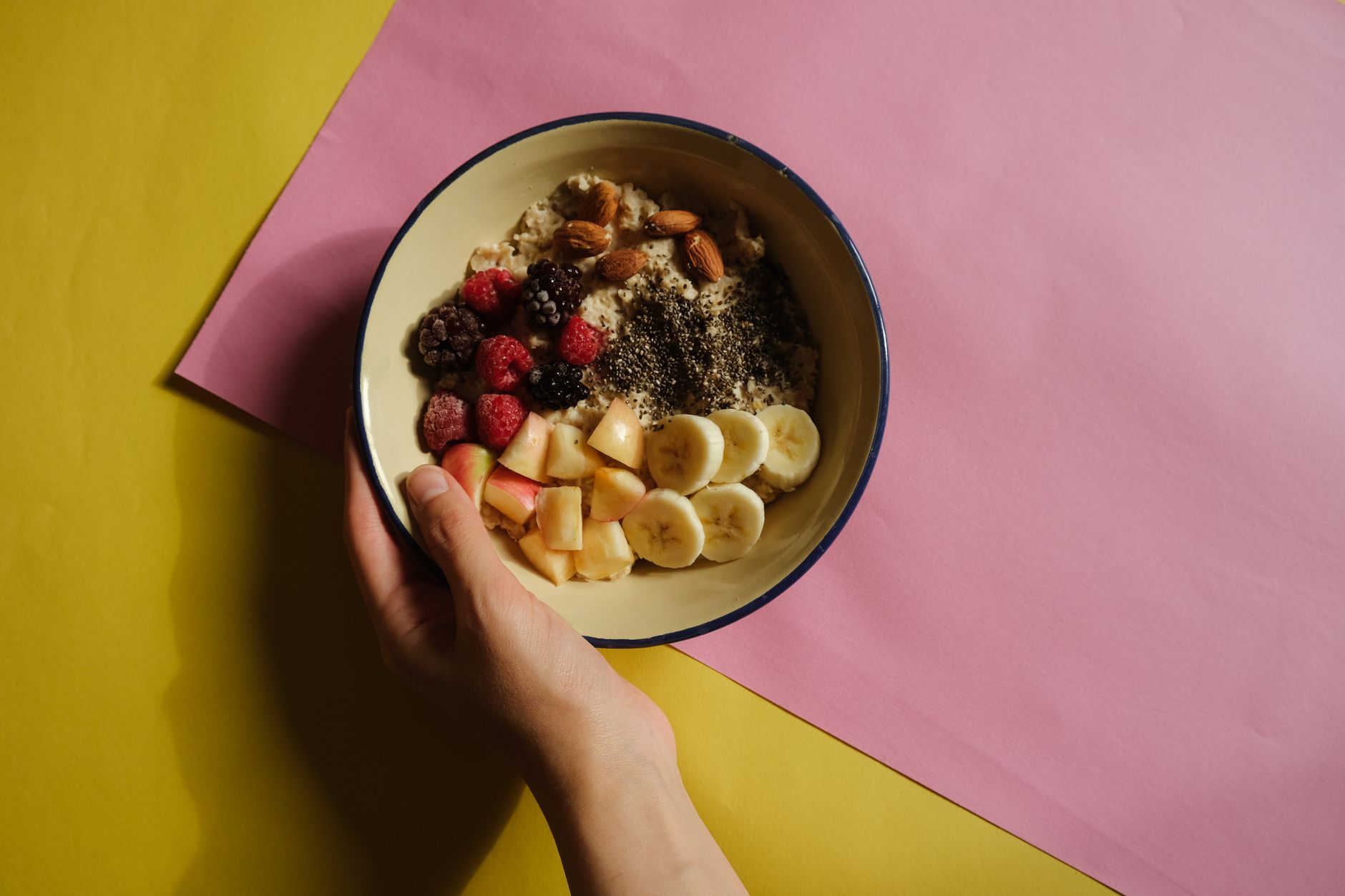
Quick take: A low cholesterol diet focuses on foods that help lower LDL ("bad") cholesterol while keeping you full and energized. Think oatmeal for breakfast, grilled salmon for dinner, and snacks like nuts and berries. Your grocery cart should be packed with fiber, healthy fats, and plant-based proteins—avoid trans fats, excessive saturated fats, and processed foods. For a full day of eating, start with a fiber-rich breakfast, pair lean proteins with veggies at lunch, and end with a heart-healthy dinner. Monitor your cholesterol levels with your provider every 1–2 years, especially if you have risk factors like family history or high blood pressure.
What is a low cholesterol diet, and how does it work?
Picture this: You’re scrolling through your phone at 2 a.m., heart pounding as you re-read your latest lab results. Your LDL ("bad") cholesterol is higher than you’d like—and now you’re staring at the fridge, wondering what the heck you’re supposed to eat to bring it down. You’ve heard eggs are off-limits, but your mom swears by them. You’ve seen those "heart-healthy" ads, but they all seem to contradict each other. Sound familiar?
You’re not alone. Millions of women—especially those juggling careers, kids, and aging parents—find themselves googling "low cholesterol diet sample day of eating" at 3 a.m. because they want answers now. The good news? Diet can move the needle on your cholesterol numbers, and it doesn’t have to mean giving up flavor or satisfaction.
A low cholesterol diet isn’t about deprivation—it’s about swapping in foods that support your heart while keeping your energy up. The goal is to reduce LDL cholesterol (the sticky kind that clogs arteries) while boosting HDL ("good" cholesterol) and keeping triglycerides in check. Think of it like tuning a car: you’re not just removing the bad fuel, but adding the right kind to keep everything running smoothly.
Current evidence from the National Heart, Lung, and Blood Institute (NHLBI) and the Mayo Clinic shows that diet changes can lower LDL by 5–15% in just a few weeks—without medication. The key? Fiber, healthy fats, and smart swaps. But here’s the catch: It’s not just about what you eat—it’s about what you stop eating. Trans fats and excessive saturated fats (like those in fried foods or fatty cuts of meat) are the real villains here.
Many women tell us they feel overwhelmed by the conflicting advice online. One day, they’re told to eat more eggs; the next, they’re warned off them entirely. That’s why we’re breaking it down: this is what a real, doable low cholesterol diet looks like for a day of eating—plus the science-backed swaps to make it work for you.
If you’ve ever wondered whether a low cholesterol diet is safe for you (especially if you’re pregnant or trying to conceive), or how long it actually takes to see results, we’ve got those answers too. Let’s dive in.
Nutritional guidelines and macro targets for lowering cholesterol
Befo
re we get to the meal plan, it’s helpful to know the how behind the diet. Lowering cholesterol isn’t about calorie counting per se—it’s about macronutrient balance and food choices. Here’s what the science says works:
- Fiber: Aim for 25–30 grams per day (mostly soluble fiber, which binds to cholesterol in your gut and helps remove it). Oats, beans, apples, and flaxseeds are your best friends.
- Healthy fats: Swap saturated fats (butter, lard, fatty meats) for unsaturated fats (olive oil, avocados, nuts, fatty fish). These help raise HDL and lower triglycerides.
- Plant-based proteins: Legumes, tofu, and tempeh are great alternatives to red meat, which is high in saturated fat.
- Limit: Trans fats (found in processed snacks, margarine, and some baked goods), excessive saturated fats (fried foods, fatty cuts of beef), and added sugars (which can raise triglycerides).
- Calories: There’s no one-size-fits-all number, but most women need around 1,600–2,200 calories per day, depending on activity level. Focus on nutrient density over calorie counting.
For comparison, the DASH diet—another top-ranked heart-healthy plan—has similar guidelines but also emphasizes whole foods and portion control. If you’re curious about how it stacks up, we’ve got a full breakdown of that diet’s sample day here.
How does this translate to a real day of eating? Let’s walk through a sample day that hits all these targets—without feeling like a chore.
Low cholesterol diet sample day of eating: Breakfast ideas
Breakfast sets the tone for your day—and your cholesterol. Many women skip it or grab something quick (like a sugary cereal or a bagel with cream cheese), which can spike blood sugar and triglycerides. Instead, aim for a meal that’s high in fiber and protein to keep you full and satisfied.
Here are five low cholesterol breakfast ideas that hit the mark:
- Overnight oats with chia seeds and berries
- ½ cup rolled oats
- 1 tbsp chia seeds
- ½ cup unsweetened almond milk
- ½ cup mixed berries (blueberries, strawberries)
- 1 tsp honey (optional)
- 1 tbsp chopped walnuts
Why it works: Oats are packed with soluble fiber (beta-glucan), which can lower LDL by up to 10% per the NHLBI. Chia seeds add more fiber and omega-3s, while berries provide antioxidants.
- Greek yogurt parfait with flaxseeds and granola
- ¾ cup nonfat Greek yogurt
- ¼ cup granola (low-sugar, high-fiber)
- 1 tbsp ground flaxseeds
- ½ cup sliced peaches or pears
Why it works: Greek yogurt is high in protein and probiotics, which support gut health—linked to better cholesterol profiles. Flaxseeds add plant-based omega-3s, which help lower triglycerides.
- Avocado toast with smoked salmon
- 1 slice whole-grain bread
- ½ avocado, mashed
- 2 oz smoked salmon
- Red pepper flakes (optional)
- Handful of baby spinach
Why it works: Avocados are rich in monounsaturated fats, which help raise HDL. Smoked salmon provides omega-3s, and whole-grain bread adds fiber.
- Smoothie with spinach, banana, and almond butter
- 1 cup unsweetened almond milk
- 1 cup baby spinach
- ½ banana
- 1 tbsp almond butter
- ½ cup frozen berries
- 1 tbsp ground flaxseeds
Why it works: Spinach is high in folate and fiber, while almond butter adds healthy fats. The flaxseeds boost omega-3 intake without a fishy taste.
- Scrambled tofu with turmeric and veggies
- ½ block firm tofu, crumbled
- ½ tsp turmeric
- ¼ cup diced bell peppers
- ¼ cup diced tomatoes
- 1 tsp olive oil
- Handful of microgreens
Why it works: Tofu is a plant-based protein that doesn’t contain cholesterol. Turmeric has anti-inflammatory benefits, and veggies add fiber and vitamins.
Pro tip: If you’re short on time, batch-cook overnight oats or smoothie ingredients the night before. Meal prep is your friend—especially when it comes to heart health.
Low cholesterol diet sample day of eating: Lunch recipes
Lunch is where many women fall off the wagon—opt for takeout, a quick sandwich, or a bowl of pasta. But with a little planning, you can make lunch a cholesterol-lowering powerhouse. The key? Lean proteins + fiber-rich veggies + healthy fats.
Here are three low cholesterol lunch recipes that are easy to make and even easier to eat:
- Grilled chicken and quinoa bowl with roasted veggies
- 4 oz grilled chicken breast
- ½ cup cooked quinoa
- ½ cup roasted Brussels sprouts
- ¼ cup cherry tomatoes
- 1 tbsp tahini-lemon dressing (tahini + lemon juice + water)
- Handful of arugula
Why it works: Chicken breast is lean protein, quinoa is a complete grain with fiber, and tahini adds healthy fats. Roasted veggies provide fiber and antioxidants.
- Lentil and vegetable soup with whole-grain bread
- 1 cup cooked lentils
- ½ cup diced carrots
- ½ cup diced celery
- ½ cup diced tomatoes
- 1 cup low-sodium vegetable broth
- 1 tsp olive oil
- 1 slice whole-grain bread
Why it works: Lentils are high in fiber and plant-based protein. The veggies add volume and nutrients, while olive oil keeps the dish satisfying.
- Stuffed bell pepper with black beans and brown rice
- 1 medium bell pepper, halved and deseeded
- ½ cup cooked brown rice
- ½ cup black beans
- ¼ cup corn
- 2 tbsp salsa
- 1 tbsp Greek yogurt (instead of sour cream)
Why it works: Black beans and brown rice are fiber powerhouses, and bell peppers add vitamin C. Greek yogurt replaces sour cream for a lower-fat option.
If you’re craving something different, try swapping in diabetic-friendly swaps like cauliflower rice or zucchini noodles. The diabetic diet shares many heart-healthy principles, like focusing on non-starchy veggies and lean proteins.
Common mistake: Adding cheese or heavy sauces to these meals. Stick to herbs, lemon, olive oil, or Greek yogurt for flavor without the extra saturated fat.
Low cholesterol diet sample day of eating: Dinner options
Dinner is where many people indulge—think fried foods, heavy sauces, or large portions of meat. But with a few smart swaps, you can keep your cholesterol in check while still enjoying flavor. The goal? Lean proteins + healthy fats + plenty of veggies.
Here are four low cholesterol dinner options that are heart-healthy and delicious:
- Baked salmon with roasted asparagus and quinoa
- 4 oz salmon fillet
- ½ cup cooked quinoa
- ½ cup roasted asparagus
- 1 tsp olive oil
- Lemon wedges
- Handful of microgreens
Why it works: Salmon is one of the best sources of omega-3s, which lower triglycerides and raise HDL. Quinoa adds fiber, and asparagus provides folate.
- Turkey and vegetable stir-fry with brown rice
- 4 oz lean ground turkey
- ½ cup mixed stir-fry veggies (bell peppers, broccoli, snap peas)
- ½ cup cooked brown rice
- 1 tsp sesame oil
- 1 tsp soy sauce (low-sodium)
- 1 tsp grated ginger
Why it works: Turkey is lean protein, and stir-fry veggies add fiber and vitamins. Brown rice is a whole grain that supports heart health.
- Stuffed zucchini boats with ground turkey and tomatoes
- 1 medium zucchini, halved lengthwise
- 3 oz lean ground turkey
- ¼ cup diced tomatoes
- ¼ cup diced onions
- 1 tsp Italian seasoning
- 1 tsp olive oil
Why it works: Zucchini is low-calorie and high in fiber, while turkey keeps the meal lean. Tomatoes add lycopene, an antioxidant that supports heart health.
- Mushroom and spinach risotto with white beans
- ½ cup Arborio rice
- ½ cup vegetable broth
- ½ cup white beans (rinsed)
- ½ cup sautéed mushrooms
- ½ cup baby spinach
- 1 tbsp nutritional yeast (for a cheesy flavor)
Why it works: White beans add fiber and plant-based protein, while mushrooms and spinach provide umami and nutrients. Arborio rice is a lower-carb alternative to traditional risotto.
Pro tip: If you love pasta, try swapping half the pasta for lentils or chickpeas—they’re high in fiber and protein, and you won’t even notice the difference.
For more inspiration, check out how a French diet sample day keeps heart health in mind—it’s all about fresh, seasonal ingredients and smart portioning.
Low cholesterol diet sample day of eating: Snack and beverage options
Snacks can make or break your cholesterol goals. Many women reach for chips, candy, or processed snacks, which are often high in trans fats or added sugars—both of which can raise LDL. Instead, opt for crunchy, creamy, or hydrating snacks that keep you full and support your heart.
Here are 10 low cholesterol snack ideas to keep you on track:
- Handful of almonds or walnuts (unsalted)
- Apple slices with 1 tbsp almond butter
- Cottage cheese with pineapple chunks
- Hummus with cucumber and carrot sticks
- Edamame with sea salt
- Popcorn (air-popped, no butter)
- Dark chocolate (70% or higher) with strawberries
- Roasted chickpeas (seasoned with paprika)
- Celery sticks with peanut butter
- Herbal tea (like green tea) with a slice of lemon
Beverages matter too! Avoid sugary sodas and sweetened coffees—they can spike blood sugar and triglycerides. Instead, try:
- Water with lemon or cucumber
- Unsweetened herbal or green tea
- Black coffee (no added sugar)
- Sparkling water with a splash of 100% fruit juice
Common mistake: Adding heavy cream or whipped cream to coffee or tea. Stick to plant-based milks (like almond or oat) or skip it entirely.
Low cholesterol diet sample day of eating: Grocery list and meal prep tips
Now that you’ve seen the meals, let’s talk shopping and prep. The key to a successful low cholesterol diet is planning ahead. Here’s what to stock your fridge and pantry with—and how to make it last all week.
Grocery list essentials:
Proteins:
- Chicken breast or turkey
- Salmon or mackerel (fresh or frozen)
- Egg whites (or whole eggs in moderation)
- Tofu or tempeh
- Lentils or chickpeas
- Black beans or kidney beans
Whole grains:
- Oats
- Quinoa
- Brown rice
- Whole-grain bread or wraps
- Whole-wheat pasta
Fruits & veggies:
- Berries (blueberries, strawberries, raspberries)
- Apples or pears
- Leafy greens (spinach, kale, arugula)
- Broccoli, Brussels sprouts, asparagus
- Bell peppers, carrots, celery
- Avocados
Healthy fats:
- Olive oil
- Avocado oil
- Almonds, walnuts, or pecans
- Chia seeds or flaxseeds
- Hummus or tahini
Dairy (or alternatives):
- Nonfat Greek yogurt
- Low-fat cottage cheese
- Unsweetened almond milk or oat milk
Meal prep tips:
- Cook grains in bulk (quinoa, brown rice, oats) and store in the fridge for up to 5 days.
- Chop veggies ahead and store in airtight containers for quick stir-fries or salads.
- Portion snacks into small containers to avoid overeating.
- Use freezer-friendly meals like soups, stews, or cooked proteins to pull out on busy nights.
- Keep healthy fats on hand (like nuts or avocado) for quick additions to meals.
For more on meal prep strategies, check out our Low FODMAP Diet Sample Day guide—many of the tips apply to heart-healthy eating too.
Pro tip: If you’re new to cooking, start with one-pot meals (like stir-fries or soups) to save time and cleanup.
Low cholesterol diet sample day of eating: 7-day meal plan
Here’s a 7-day low cholesterol meal plan based on the meals and snacks above. Rotate these ideas to keep your meals interesting!
Note: Adjust portion sizes based on your calorie needs. If you’re more active, you may need larger portions of grains or proteins.
How to reduce cholesterol with diet: Key swaps and habits
Diet changes don’t have to be drastic—small, consistent swaps add up. Here are the most effective diet changes for lowering cholesterol, backed by science:
- Swap saturated fats for unsaturated fats
- Instead of: Butter, lard, fatty cuts of meat
- Try: Olive oil, avocado oil, nuts, seeds, fatty fish
- Add more soluble fiber
- Instead of: Refined grains (white bread, pasta)
- Try: Oats, beans, apples, citrus fruits, flaxseeds
- Choose plant-based proteins
- Instead of: Red meat or processed meats (sausage, bacon)
- Try: Lentils, chickpeas, tofu, tempeh, chicken breast
- Limit trans fats
- Avoid: Fried foods, margarine, packaged snacks, baked goods with "partially hydrogenated oils"
- Watch added sugars
- Avoid: Sugary drinks, candy, pastries, flavored yogurts
- Try: Fresh fruit, cinnamon, vanilla extract
- Increase omega-3s
- Try: Fatty fish (salmon, mackerel), flaxseeds, chia seeds, walnuts
How long does it take to lower cholesterol with diet? Most women see improvements in LDL levels within 2–4 weeks, with the biggest changes happening in the first 3 months. However, everyone’s response is different—some may need 6 months to see significant shifts. Monitor your progress with regular lab tests (every 1–2 years, or as advised by your provider).
For more on how diet impacts heart health, check out our diabetic diet guide—many of the principles overlap, especially when it comes to fiber and healthy fats.
Low cholesterol diet benefits for heart health
A low cholesterol diet isn’t just about numbers—it’s about reducing your risk of heart disease, the leading cause of death in women. Here’s how it helps:
- Lowers LDL cholesterol, reducing plaque buildup in arteries.
- Raises HDL cholesterol, which helps clear LDL from your bloodstream.
- Lowers triglycerides, which can reduce inflammation and improve blood vessel function.
- Supports blood pressure control by reducing sodium and increasing potassium (found in veggies and whole grains).
- Reduces inflammation through antioxidants in fruits, veggies, and healthy fats.
- Helps manage weight, which is linked to lower cholesterol and better heart health.
Myth: "Eating eggs will raise my cholesterol."
Fact: While eggs contain cholesterol, most people’s bodies regulate LDL levels regardless of dietary cholesterol. The real culprits are saturated and trans fats. If you love eggs, enjoy them in moderation (up to 7 per week) as part of a balanced diet. The Mayo Clinic notes that for most people, dietary cholesterol has a minimal impact on blood cholesterol levels compared to saturated and trans fats.
Myth: "A low cholesterol diet means eating bland, boring food."
Fact: Far from it! Herbs, spices, citrus, and healthy fats add flavor without the extra saturated fat. Think lemon-garlic salmon, roasted veggies with balsamic glaze, or spicy chickpea curry. Take inspiration from the French diet, which is both heart-healthy and delicious.
Myth: "I don’t need to worry about cholesterol until I’m older."
Fact: Heart disease risk starts early. The NHLBI recommends that women start tracking cholesterol levels in their 20s, especially if there’s a family history of heart disease. Lifestyle changes now can prevent issues later.
Key takeaways for a low cholesterol diet
- Focus on soluble fiber (oats, beans, apples, flaxseeds) to lower LDL.
- Swap saturated fats (butter, fatty meats) for unsaturated fats (olive oil, nuts, fatty fish).
- Choose plant-based proteins (lentils, tofu, chickpeas) over red meat.
- Avoid trans fats (found in fried foods and processed snacks).
- Limit added sugars (sugary drinks, candy, pastries).
- Eat omega-3-rich foods (salmon, flaxseeds, walnuts) 2–3 times per week.
- Meal prep to stay on track—batch-cook grains, chop veggies ahead, and portion snacks.
- Monitor your cholesterol levels every 1–2 years, or as advised by your provider.
- If diet alone isn’t enough, talk to your provider about medication options.
Frequently asked questions about a low cholesterol diet
What is a low cholesterol diet?
A low cholesterol diet is a heart-healthy eating plan that focuses on reducing LDL ("bad") cholesterol while keeping HDL ("good" cholesterol) high. It emphasizes fiber, healthy fats, and plant-based proteins while limiting saturated and trans fats, added sugars, and processed foods. The goal is to support heart health and reduce the risk of heart disease.
How many calories should I eat on a low cholesterol diet?
There’s no one-size-fits-all calorie target, but most women need around 1,600–2,200 calories per day, depending on activity level. The key is nutrient density over calorie counting—focus on whole foods like veggies, fruits, lean proteins, and whole grains. If you’re unsure, consult a registered dietitian to tailor a plan to your needs.
Can I eat eggs on a low cholesterol diet?
Yes! While eggs contain dietary cholesterol, most people’s bodies regulate LDL levels regardless of dietary cholesterol. For most women, enjoying up to 7 eggs per week as part of a balanced diet is fine. The bigger concern is saturated and trans fats, which have a stronger impact on LDL. If you have diabetes or a family history of heart disease, your provider may recommend limiting eggs further.
What are the best low cholesterol foods?
The best low cholesterol foods are those high in soluble fiber, healthy fats, and plant-based proteins. Top picks include:
- Oats (beta-glucan fiber)
- Beans and lentils (