

Quick take: A low FODMAP diet sample day for pregnancy might start with scrambled eggs on gluten-free toast, move through grilled chicken with quinoa and steamed carrots for lunch, and end with baked salmon with roasted potatoes and a side of spinach. Snacks include rice cakes with almond butter and fresh blueberries. Always check with your provider before starting this diet, especially during pregnancy, as nutrient needs are higher and some foods may need to be avoided entirely.Low FODMAP Diet Sample Day of Eating: The Complete 2026 Guide
It was 2:37 AM when you finally sat up in bed, the glow of your phone casting a soft blue light on your swollen belly. You’d spent the last hour Googling "why does my stomach hurt all the time?" again, this time landing on Monash University’s FODMAP guidelines. The words "low FODMAP" had popped up in three different articles, and suddenly, it felt like the answer you’d been searching for. But then came the panic: *What do I even eat?* You’re pregnant, your IBS has been flaring up like a firework show, and the idea of another day of bloating—while also feeding two people—is enough to make you want to cry into your pillow.
You’re not alone. Many women discover the low FODMAP diet during pregnancy, either because they’ve been managing IBS or IBD (inflammatory bowel disease) before conception, or because pregnancy itself has triggered digestive discomfort for the first time. The good news? A well-planned low FODMAP diet can help reduce bloating, gas, and abdominal pain—giving you the relief you need to enjoy this special time. The bad news? It can feel overwhelming to figure out what’s safe, what’s nutritious, and how to keep your energy up for both you and your growing baby.
This guide is your lifeline. We’ll walk you through a complete low FODMAP diet sample day of eating for pregnancy, including breakfast, lunch, dinner, snacks, and hydration tips. You’ll get a low FODMAP grocery list, meal prep strategies for busy moms, and answers to the most pressing questions—like whether dairy is off-limits and how to avoid nutrient gaps. By the end, you’ll have a clear, actionable plan to eat well without the discomfort.
Before we dive in, it’s critical to note: always consult your healthcare provider before starting a low FODMAP diet during pregnancy. While this diet can be incredibly helpful for managing digestive symptoms, pregnancy increases your need for certain nutrients (like folate, iron, and calcium), and some foods may need to be avoided entirely due to safety concerns. We’ll cover the safety boundaries and nutritional considerations you need to know, but your provider’s guidance is non-negotiable.
--- ## Low FODMAP Breakfast Ideas for Pregnant Women: Gentle Start to Your DayMornings can be a minefield when you’re pregnant and dealing with digestive issues. The last thing you want is a breakfast that leaves you feeling stuffed, gassy, or worse—like you’ve eaten a bag of marbles. The key to a low FODMAP breakfast is balancing protein, healthy fats, and low-FODMAP carbs to keep you full and stable. Here’s how to start your day right.
One reader we spoke to, Sarah, had been struggling with nausea and bloating in her first trimester. She tried everything—ginger tea, bland crackers, even toast with peanut butter—but nothing stuck. Then she swapped her usual whole wheat toast for gluten-free toast and paired it with scrambled eggs cooked in olive oil. "By the end of the week, my stomach felt like a calm lake instead of a stormy sea," she said. "I could actually enjoy my morning coffee without feeling like I was going to explode."
Here are three low FODMAP breakfast ideas that are gentle on your digestive system and packed with nutrients for you and your baby:
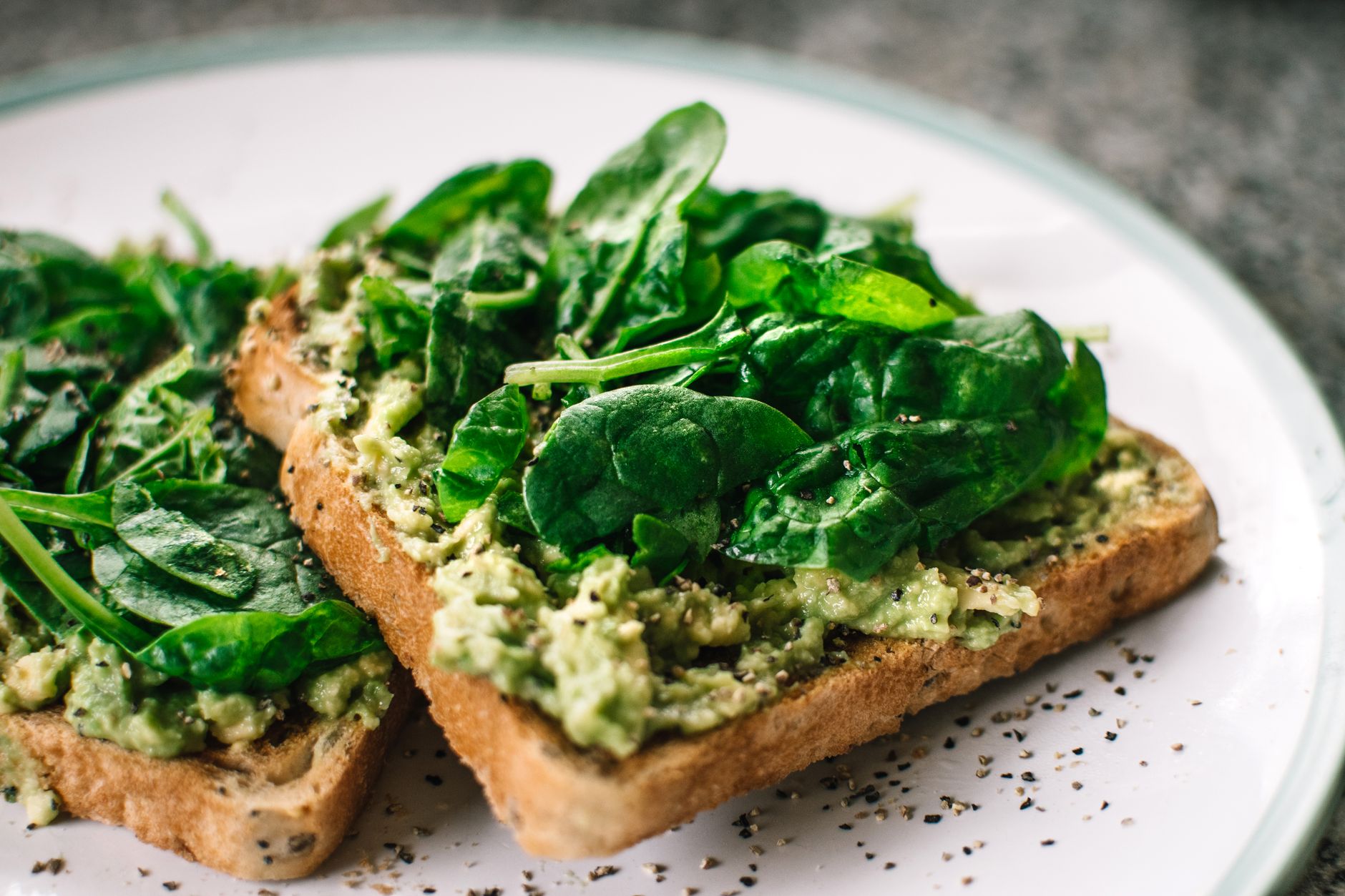
- Scrambled Eggs with Gluten-Free Toast and Avocado
- 2 eggs, scrambled in olive oil or butter (low-FODMAP fats)
- 1 slice gluten-free toast (check for low-FODMAP brands like Schär or Udi’s)
- ½ avocado, sliced (low-FODMAP in moderation)
- Handful of spinach (cooked or sautéed in olive oil)
- Pinch of salt and pepper
Why it works: Eggs are a powerhouse of protein and choline, which is crucial for your baby’s brain development. Avocado provides healthy fats and fiber (though fiber can sometimes cause bloating, cooking it softens its impact). Gluten-free toast offers carbs without the FODMAPs found in wheat.
- Greek Yogurt Parfait with Low-FODMAP Toppings
- ½ cup lactose-free Greek yogurt (like Dairy Ease or a brand with a lactose-free label)
- ¼ cup raspberries (low-FODMAP in small amounts)
- 1 tbsp chia seeds (soaked in water for 10 minutes to reduce bloating)
- 1 tbsp almond butter (smooth, not chunky)
- Drizzle of honey (in moderation)
Why it works: Lactose-free yogurt provides calcium and probiotics, which support gut health. Raspberries are a low-FODMAP fruit (stick to ½ cup or less), and chia seeds are rich in omega-3s. Almond butter adds healthy fats without the high-FODMAP nuts like cashews or pistachios.
- Oatmeal with Low-FODMAP Add-Ins
- ½ cup certified gluten-free oats (cooked in water or lactose-free milk)
- 1 tbsp almond butter
- ½ tsp cinnamon
- 1 tbsp maple syrup (low-FODMAP sweetener)
- Optional: 1 tbsp lactose-free yogurt for creaminess
Why it works: Gluten-free oats are a great low-FODMAP carb source. Almond butter adds protein and healthy fats, while cinnamon can help stabilize blood sugar. This breakfast is gentle on digestion and easy to digest early in the morning.
Lunch is where many women hit a wall when following a low FODMAP diet, especially during pregnancy. You need energy to keep up with your little one, but high-FODMAP foods like onions, garlic, and beans can leave you feeling like you’ve been hit by a truck. The trick is to focus on lean proteins, low-FODMAP veggies, and easy-to-digest carbs.
One of our contributors, Maria, swore by meal prepping her lunches on Sundays. "I used to spend my lunch hour in the bathroom after eating at work," she admitted. "Now, I pack my meals in advance, and I don’t have to worry about what’s safe. My stomach stays flat, and I have the energy to play with my toddler after work."
Here’s a sample low FODMAP lunch plan for a day, designed to keep you full and satisfied:
- Grilled Chicken with Quinoa and Steamed Carrots
- 4 oz grilled chicken breast (marinated in olive oil, lemon juice, and salt)
- ½ cup cooked quinoa (low-FODMAP grain)
- 1 cup steamed carrots (cut into sticks)
- 1 tbsp olive oil and lemon dressing (no garlic or onion)
- Handful of spinach (sautéed lightly)
Why it works: Chicken is a lean protein that’s easy to digest and packed with iron, which is critical during pregnancy. Quinoa provides complex carbs and fiber (though fiber can be tricky, cooking it softens its impact). Carrots are low-FODMAP and rich in beta-carotene, which supports your baby’s vision development.
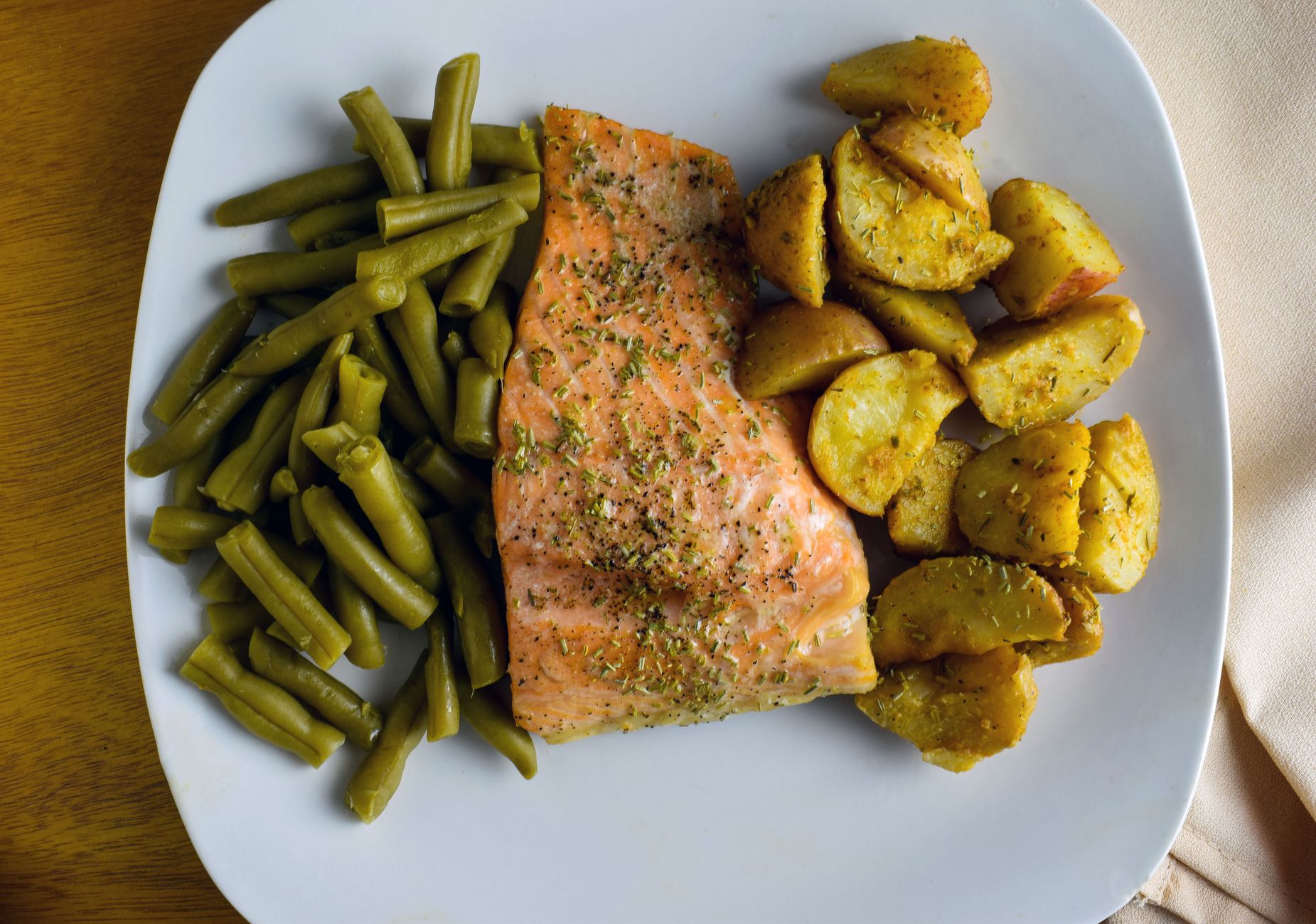
- Baked Salmon with Roasted Potatoes and Green Beans
- 4 oz baked salmon (seasoned with dill, salt, and olive oil)
- ½ cup roasted potatoes (peeled and cut into small cubes)
- 1 cup steamed green beans (trimmed)
- 1 tbsp lactose-free butter
Why it works: Salmon is one of the best sources of omega-3 fatty acids, which support your baby’s brain and eye development. Potatoes are a low-FODMAP carb when roasted and peeled, and green beans are gentle on digestion.
- Turkey and Cheese Roll-Ups with Cucumber Slices
- 3 slices lactose-free cheese (like Babybel or a brand with a lactose-free label)
- 3 oz sliced turkey breast (low-FODMAP deli meat)
- 1 cucumber, sliced into rounds
- 1 tbsp hummus (low-FODMAP, like made with carrot-based ingredients)
Why it works: This is a quick, no-cook option that’s perfect for busy days. Turkey provides protein, and lactose-free cheese offers calcium. Cucumber is hydrating and low-FODMAP, while hummus adds a creamy texture without the high-FODMAP chickpeas.
Dinner is often the meal where we crave comfort—think creamy pasta, garlic bread, or a hearty stew. But during pregnancy, these can be digestive nightmares. The secret? Swap high-FODMAP ingredients for low-FODMAP alternatives without sacrificing flavor or satisfaction. Many women find that cooking at home gives them the most control over ingredients, but if you’re eating out, there are still safe options.
One mom we interviewed, Priya, had always loved Italian food. After her first trimester, she realized that even a small portion of pasta with marinara made her feel like she’d eaten a bag of rocks. "I thought I’d have to give up my favorite meals forever," she said. "But then I discovered that I could make a low-FODMAP version of my favorite dishes—same flavors, no bloat."
Here are three low FODMAP dinner ideas that are comforting, nutritious, and gentle on your digestive system:
- Lemon Garlic-Free Herb Chicken with Mashed Potatoes
- 4 oz chicken breast or thigh, cooked in olive oil with herbs (thyme, rosemary, salt)
- ½ cup mashed potatoes (made with lactose-free milk and butter)
- 1 cup steamed broccoli (cut into small florets)
- 1 tbsp olive oil and lemon dressing (no garlic)
Why it works: This dish is a classic for a reason—it’s comforting, protein-rich, and easy to digest. The herbs add flavor without the FODMAPs, and mashed potatoes provide a creamy, low-FODMAP carb.
- Baked Cod with Roasted Zucchini and Rice
- 4 oz baked cod (seasoned with lemon, salt, and olive oil)
- ½ cup cooked white rice (low-FODMAP grain)
- 1 cup roasted zucchini (cut into small pieces)
- 1 tbsp olive oil
Why it works: Cod is a mild, flaky fish that’s low in mercury and high in protein. Zucchini is a low-FODMAP veggie that absorbs flavor beautifully, and white rice is a gentle carb that won’t trigger bloating.
- Stuffed Bell Peppers with Ground Turkey and Quinoa
- 1 small bell pepper (red or yellow, low-FODMAP when ripe)
- ½ cup cooked ground turkey (seasoned with salt, paprika, and olive oil)
- ¼ cup cooked quinoa
- 1 tbsp lactose-free cheese (optional)
Why it works: Bell peppers are low-FODMAP when ripe, and this dish is packed with protein and fiber (though fiber can be tricky, the cooking process softens it). Quinoa adds a nutty flavor and extra nutrients.
Snacks are your secret weapon during pregnancy—especially when you’re managing IBS. The right snacks can keep your energy up, curb cravings, and prevent those dreaded hunger pangs that lead to poor choices. The wrong snacks? Well, let’s just say you’ll know within minutes.
One reader, Emma, had been dealing with relentless cravings for chips and crackers. "I thought I’d have to give up snacks entirely," she said. "But then I discovered that rice cakes with almond butter and fresh blueberries kept me full and my stomach happy."
Here are some of the best low FODMAP snacks for pregnancy, all designed to keep bloating at bay:
- Rice Cakes with Almond Butter and Blueberries
- 2 rice cakes (low-FODMAP)
- 1 tbsp almond butter (smooth)
- ¼ cup fresh blueberries (low-FODMAP in small amounts)
Why it works: Rice cakes are a low-FODMAP carb, almond butter provides healthy fats, and blueberries offer antioxidants without the high-FODMAP fruits like apples or pears.
- Lactose-Free Yogurt with Chia Seeds
- ½ cup lactose-free yogurt
- 1 tbsp chia seeds (soaked in water for 10 minutes)
- 1 tsp honey (low-FODMAP sweetener)
Why it works: Yogurt is a great source of calcium and probiotics, and chia seeds add omega-3s. The soaking reduces their potential to cause bloating.
- Hard-Boiled Eggs with Salt and Pepper
- 2 hard-boiled eggs
- Pinch of salt and pepper
- Optional: 1 tbsp lactose-free mayo (for dipping)
Why it works: Eggs are a complete protein and easy to digest. They’re also portable and filling, perfect for a quick snack.
- Popcorn (Air-Popped) with Olive Oil
- ½ cup air-popped popcorn (no butter or seasoning)
- 1 tsp olive oil (drizzled lightly)
Why it works: Popcorn is a low-FODMAP snack when made plain, and olive oil adds healthy fats. Avoid pre-packaged popcorn with high-FODMAP seasonings.
- Olives and Crackers
- ¼ cup green olives (low-FODMAP)
- 4 gluten-free crackers (like Rice Thins)
Why it works: Olives are a salty, satisfying snack, and gluten-free crackers provide a low-FODMAP carb. Just be sure to check labels for hidden high-FODMAP ingredients.
One of the biggest challenges of the low FODMAP diet is knowing exactly what to buy—and what to avoid. The good news? Once you’ve stocked your pantry with the right ingredients, meal prep becomes a breeze. Below is a comprehensive low FODMAP grocery list for a week, organized by category, to help you get started.
Pro tip: Always check labels for hidden high-FODMAP ingredients, like garlic or onion powder in seasonings, or lactose in cheese. Brands can change their formulations, so double-check even if you’ve bought something before.
### **Produce** - **Low-FODMAP Vegetables**: Carrots, zucchini, spinach, green beans, broccoli, bell peppers (red/yellow), cucumber, lettuce (romaine or butter), potatoes (peeled and cooked), pumpkin (cooked), and celery (in moderation). - **Low-FODMAP Fruits**: Blueberries (½ cup or less), strawberries, raspberries (½ cup or less), kiwi (1 small), and pineapple (small amounts). - **Herbs and Spices**: Basil, cilantro, parsley, dill, thyme, rosemary, salt, pepper, cinnamon, and paprika. ### **Proteins** - Chicken breast or thighs (plain or marinated in olive oil/lemon) - Turkey breast (plain or deli slices) - Salmon, cod, or tilapia (fresh or frozen) - Eggs (pasture-raised if possible) - Lactose-free cheese (Babybel, lactose-free cheddar, or brands like Dairy Ease) - Lactose-free Greek yogurt or yogurt alternatives (like coconut yogurt) ### **Grains and Carbs** - Certified gluten-free oats - White rice (basmati or jasmine) - Quinoa - Gluten-free bread or wraps (check labels for low-FODMAP brands like Schär or Udi’s) - Rice cakes or gluten-free crackers (Rice Thins) ### **Fats and Oils** - Olive oil - Coconut oil - Almond butter (smooth, no added high-FODMAP ingredients) - Lactose-free butter - Avocado (in moderation) ### **Snacks** - Popcorn (plain, air-popped) - Olives (green or black) - Rice cakes - Lactose-free chocolate (like Enjoy Life or a brand with a lactose-free label) - Chia seeds or flaxseeds ### **Pantry Staples** - Honey (in moderation) - Maple syrup (low-FODMAP sweetener) - Lactose-free milk (or plant-based milk like almond or coconut) - Nutritional yeast (for a cheesy flavor without lactose)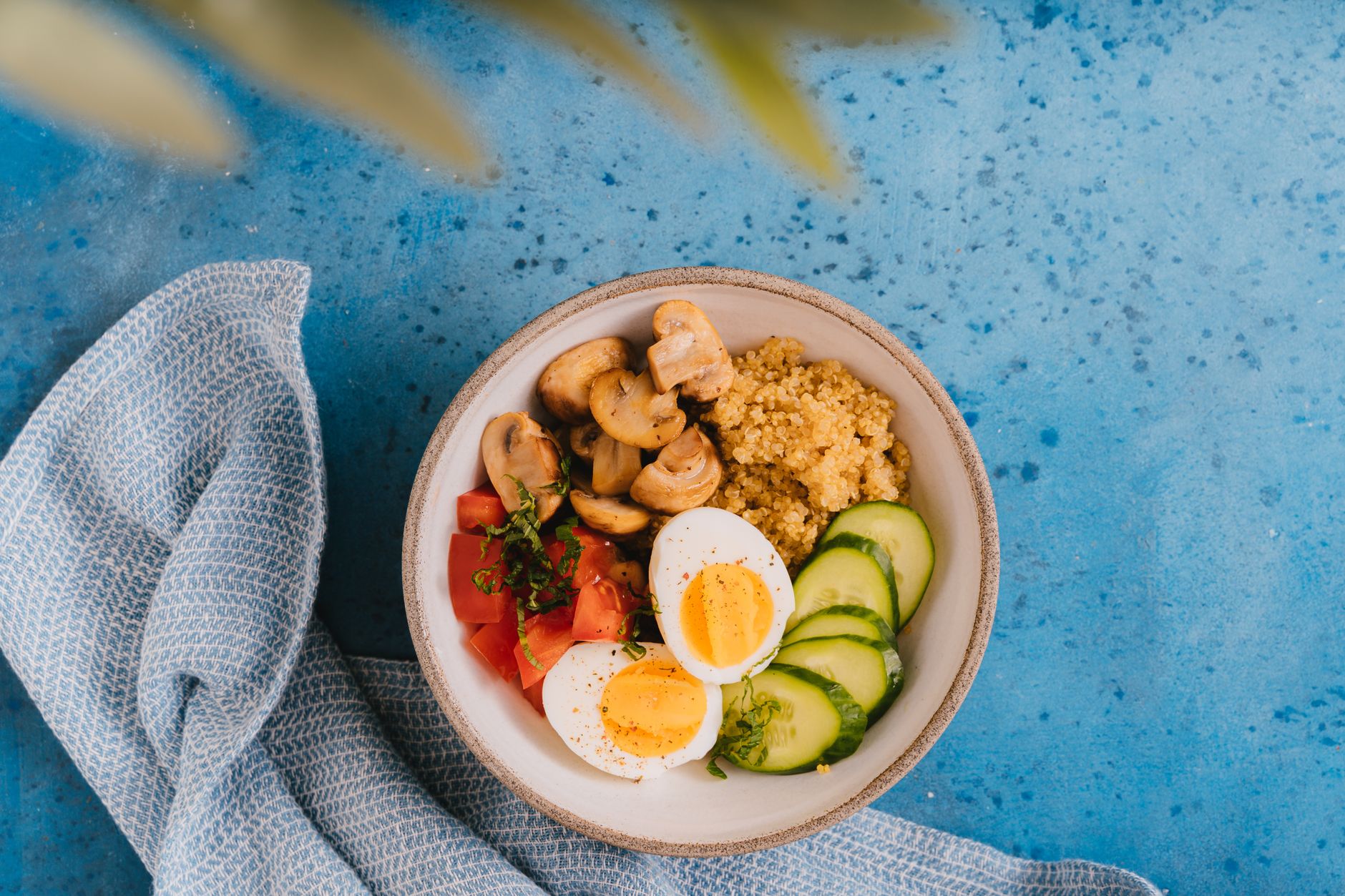
If there’s one thing pregnancy teaches you, it’s that time is a luxury. Meal prep is your best friend when you’re juggling a low FODMAP diet, a growing belly, and the demands of daily life. The key is to focus on batch-cooking proteins and low-FODMAP carbs, then assembling meals quickly during the week.
One mom we talked to, Lisa, prepped all her meals on Sundays. "I’d spend 2 hours cooking, but then I had lunches and dinners ready for the week," she said. "No more last-minute takeout or questionable fast food. And my stomach stayed flat—no more bathroom breaks at work!"
Here’s how to meal prep like a pro:
- Cook Proteins in Bulk
- Grilled chicken, turkey, or salmon can be portioned into containers and stored for up to 4 days.
- Hard-boil a batch of eggs for quick snacks or salads.
- Prep Low-FODMAP Carbs
- Cook quinoa, white rice, and gluten-free oats in advance. Store in the fridge for up to 5 days.
- Roast potatoes or carrots in bulk and freeze portions.
- Chop Veggies Ahead
- Wash and chop low-FODMAP veggies like spinach, zucchini, and carrots. Store in airtight containers in the fridge for up to 3 days.
- Portion Snacks
- Divide nuts (like almonds), seeds, or lactose-free yogurt into single-serve containers for easy grab-and-go options.
- Use Freezer-Friendly Meals
- Soups, stews, and casseroles can be frozen in portions for quick reheating.
**Pro Tip:** Label your containers with the date and contents to avoid confusion. And always reheat leftovers thoroughly to kill any bacteria.
--- ## Low FODMAP Hydration Tips for Pregnant Women: Staying Hydrated Without the BloatStaying hydrated is crucial during pregnancy—especially when you’re following a low FODMAP diet. Dehydration can worsen bloating and constipation, while proper hydration helps flush out excess sodium and keeps your digestive system moving smoothly. The challenge? Some hydrating foods and drinks can also be high in FODMAPs.
One reader, Sophie, had been struggling with dehydration because she assumed she couldn’t drink anything but water. "I thought I had to avoid all fruits and herbal teas," she said. "But then I realized there are plenty of low-FODMAP hydrating options that still taste great."
Here’s how to stay hydrated without triggering bloating:
- Water: The Foundation
Drink at least 8–10 cups of water daily. Add slices of cucumber or lemon (in moderation) for flavor without FODMAPs.
- Low-FODMAP Herbal Teas
- Peppermint tea (soothes digestion)
- Fennel tea (helps with bloating)
- Chamomile tea (calming and digestive-friendly)
Skip teas with high-FODMAP herbs like ginger (in large amounts) or chamomile (if you’re sensitive to it).
- Coconut Water (in Moderation)
Coconut water is hydrating and low in FODMAPs, but stick to small amounts (½ cup or less) to avoid excess sugar.
- Low-FODMAP Fruits for Hydration
- Watermelon (in moderation)
- Strawberries
- Blueberries (½ cup or less)
These fruits are hydrating and low in FODMAPs, making them great for summer days.
- Avoid High-FODMAP Hydrators
- Apple juice (high in sorbitol)
- Pear juice (high in fructose)
- Large amounts of pineapple or mango (high in fructose)
The low FODMAP diet isn’t just for people with IBS or IBD—it can also be incredibly beneficial during pregnancy, especially if you’re experiencing digestive symptoms like bloating, gas, constipation, or diarrhea. Here’s why it might be worth trying:
- Reduces Bloating and Discomfort
Many women experience increased bloating during pregnancy due to hormonal changes and pressure on the digestive tract. The low FODMAP diet can help reduce this by eliminating fermentable carbs that feed gut bacteria and cause gas.
Improves Constipation While some low-FODMAP foods are low in fiber, others (like rice and quinoa) can still help regulate bowel movements. Staying hydrated and including gentle fibers (like those in cooked carrots or oats) can ease constipation.
- May Alleviate Heartburn
While heartburn isn’t directly caused by FODMAPs, reducing bloating and improving digestion can indirectly help. Some women find that avoiding high-FODMAP foods like onions and garlic reduces stomach pressure.
- Supports Gut Health
The low FODMAP diet can help calm an irritated gut, which is especially important during pregnancy when your body is undergoing so many changes.
**Note:** If you don’t have digestive issues, the low FODMAP diet isn’t necessary. However, if you’re struggling with bloating, gas, or discomfort, it may be worth a short trial under your provider’s guidance.
--- ## How to Transition to a Low FODMAP Diet in Pregnancy: A Step-by-Step GuideSwitching to a low FODMAP diet during pregnancy requires a gradual approach to avoid nutrient deficiencies and ensure your body adjusts smoothly. Here’s how to do it safely:
- Consult Your Provider
Before making any dietary changes, talk to your obstetrician or a registered dietitian who specializes in digestive health. They can help you assess whether the low FODMAP diet is right for you and monitor your nutrient intake.
- Start with a Low-FODMAP Challenge Phase
Eliminate high-FODMAP foods for 2–6 weeks to see if your symptoms improve. Track your food and symptoms in a journal to identify triggers.
- Reintroduce Foods Gradually
After the challenge phase, work with a dietitian to reintroduce high-FODMAP foods one at a time to see which ones your body tolerates. This helps you create a personalized diet plan.
- Focus on Nutrient-Dense Foods
Ensure you’re getting enough folate, iron, calcium, and vitamin D. Consider a prenatal vitamin if needed, and discuss supplements with your provider.
- Avoid Extreme Restrictions
Don’t eliminate entire food groups unless necessary. For example, while lactose can be an issue for some, you may still be able to tolerate small amounts of lactose-free dairy.
Knowing what to avoid is just as important as knowing what to eat on a low FODMAP diet. Here’s a quick reference guide to high-FODMAP foods to steer clear of during pregnancy:
High-FODMAP Foods to Avoid:- Onions, garlic, shallots, leeks, and chives
- Apples, pears, mangoes, and peaches (in large amounts)
- High-lactose dairy like milk, ice cream, and regular cheese
- Beans, lentils, and chickpeas
- Wheat and rye (unless gluten-free)
- High-fructose sweeteners like honey (in large amounts) and agave
- Excessive sorbitol-containing foods like watermelon (in large amounts) and plums
Many women confuse the low FODMAP diet with a gluten-free diet, especially during pregnancy when digestive issues are common. While both diets eliminate certain foods, they serve different purposes. Here’s how they compare:
| Feature | Low FODMAP Diet | Gluten-Free Diet |
|---|---|---|
| Primary Purpose | Manages digestive symptoms like bloating, gas, and diarrhea caused by fermentable carbs. | Avoids gluten for people with celiac disease, gluten sensitivity, or wheat allergies. |
| Foods Eliminated | Onions, garlic, apples, dairy (lactose), beans, some sweeteners, and high-fructose foods. | Wheat, barley, rye, and sometimes oats (unless certified gluten-free). |
| Nutritional Impact | May require careful planning to avoid nutrient gaps (e.g., calcium, folate). | Can lead to deficiencies if not balanced (e.g., fiber, B vitamins). |
| Temporary vs. Permanent | Often a short-term diet to identify triggers, followed by a reintroduction phase. | Permanent for those with celiac disease or gluten sensitivity. |
| Best For | People with IBS, SIBO, or digestive discomfort during pregnancy. | People with celiac disease, gluten sensitivity, or wheat allergies. |
**Key Takeaway:** If you have IBS or digestive issues, the low FODMAP diet may be more beneficial. If you have celiac disease, a gluten-free diet is necessary. Some women need both—especially if they have overlapping sensitivities.
--- ## Low FODMAP Diet Side Effects in Pregnancy: What to Watch ForThe low FODMAP diet is generally safe during pregnancy, but like any dietary change, it can have side effects—especially if not managed properly. Here’s what to watch for:
- Nutrient Deficiencies
Eliminating certain food groups can lead to low intake of folate, calcium, iron, and vitamin D. Always monitor your diet with your provider.
- Constipation
Low-FODMAP foods are often lower in fiber, which can worsen constipation. Stay hydrated and include gentle fibers like cooked carrots or oats.
- Fatigue or Dizziness
If you’re not eating enough calories or nutrients, you may feel low energy. Focus on balanced meals and consider a prenatal vitamin if needed.
- Rebound Symptoms When Reintroducing Foods
After the low FODMAP challenge phase, reintroducing high-FODMAP foods can temporarily worsen symptoms. This is normal and part of the process.
**When to See Your Provider:** If you experience severe fatigue, dizziness, or persistent digestive issues despite following the diet, contact your healthcare team. They can help you adjust your plan or rule out other conditions.
--- ## Low FODMAP Meal Plan for the First Trimester: Gentle Start to Your JourneyThe first trimester is often the most challenging for digestive comfort, thanks to hormonal changes and morning sickness. A low FODMAP meal plan can help you avoid triggers while still getting the nutrients you and your baby need. Here’s a sample plan for the first trimester:
### **Breakfast Options** - Scrambled eggs with gluten-free toast and avocado - Lactose-free Greek yogurt with chia seeds and raspberries - Oatmeal with almond butter and maple syrup ### **Lunch Options** - Grilled chicken with quinoa and steamed carrots - Baked salmon with roasted potatoes and green beans - Turkey and cheese roll-ups with cucumber slices ### **Dinner Options** - Lemon herb chicken with mashed potatoes - Baked cod with zucchini and white rice - Stuffed bell peppers with ground turkey and quinoa ### **Snacks** - Rice cakes with almond butter and blueberries - Lactose-free yogurt with chia seeds - Hard-boiled eggs with salt and pepper - Popcorn (plain, air-popped) --- ## Myth vs. Fact: Clearing Up Common Misconceptions About Low FODMAP During PregnancyThere are plenty of myths floating around about the low FODMAP diet—especially during pregnancy. Let’s set the record straight:
### **Myth: You Have to Eliminate All Carbs** Fact: The low FODMAP diet eliminates certain fermentable carbs (like those in onions and garlic), but you can still enjoy low-FODMAP carbs like rice,

