Mastering a laundry routine for family of 4 is achievable with smart strategies. Get practical tips, schedules, and product recommendations to simplify wash
By Shubhra Mishra — a mom of two who turned her own confusion during pregnancy into BumpBites, a global mission to make food choices clear, safe, and stress-free for every expecting mother. 💛
Check whether any food is safe during pregnancy with the BumpBites Food Safety Checker.
Quick take: Managing laundry for a family of four can feel like a never-ending cycle, but with a strategic approach, it's entirely possible to lighten the load and keep your household running smoothly. Establishing a flexible schedule, choosing the right gentle detergents, involving your kids, and implementing smart organization and stain-fighting techniques can transform laundry from a dreaded chore into a manageable part of your week.
If you’re a parent of two, you know the feeling: the laundry basket seems to multiply overnight, overflowing with tiny socks, muddy jeans, and stained baby onesies. It’s easy to feel overwhelmed by the sheer volume of clothes, towels, and bedding that cycles through your home each week. Many modern moms tell us that keeping up with laundry for a family of four often feels like a full-time job in itself, adding unnecessary stress to an already busy schedule.
But what if it didn't have to be that way? What if you could reclaim some of your time and minimize the "laundry mountain" that seems to constantly loom? The good news is that with a few smart strategies, a little organization, and the right products, you can create a laundry routine for family of 4 that actually works for you and your household.
This guide is designed to help you tackle the family laundry challenge head-on. We’ll explore efficient schedules, gentle detergent choices, clever organization hacks for small spaces, and even how to get your kids involved. Get ready to transform your laundry experience from a source of dread into a streamlined, manageable task.
What is the most efficient laundry schedule for a family of 4?
One of the biggest hurdles when it comes to family laundry is figuring out how often should a family of 4 do laundry to keep up. The answer isn't one-size-fits-all, but rather depends on your family's lifestyle, the size of your laundry space, and your personal preferences. The goal is to establish a realistic and flexible laundry schedule that prevents the piles from becoming insurmountable.
Consider Your Options: Daily Mini-Loads vs. Weekly Marathon Sessions
The Daily Mini-Load Approach: This involves doing one to two small loads of laundry each day. It keeps the laundry mountain from growing too large, and clothes are consistently clean. This can be great for families with limited space, as you don't have large piles waiting to be washed, dried, or folded. It also means you're never running out of essential items like school uniforms or favorite outfits. However, it does require a consistent daily effort.
The Weekly Marathon Session: Many families prefer to dedicate one or two specific days a week (e.g., Saturday and Sunday, or Monday and Thursday) to doing all the laundry. This allows you to batch tasks and get it all done at once. The advantage here is that you're only thinking about laundry on those designated days. The downside? You might have larger piles building up, and it can feel like a huge chore on those days, often consuming several hours.
Creating a Hybrid Schedule for Optimal Efficiency
For many families of four, a hybrid approach proves to be the most effective laundry system for a family of 4. This might look like:
Daily essentials: Washing one load of specific items each day, such as baby clothes, school uniforms, or work clothes that are needed frequently. This keeps the most critical items in rotation.
Weekly bulk loads: Dedicating a larger block of time on a weekend day to tackle bedding, towels, and less urgent items that can accumulate throughout the week.
When you're trying to figure out how often should a family of 4 do laundry to keep up, consider that the average family of four generates about 8-10 loads of laundry per week. If you have active kids, participate in sports, or have a baby, this number could be even higher. Spreading these loads out can feel less daunting than tackling them all at once.
The key is flexibility. Life with kids is unpredictable, and your laundry schedule should be able to bend without breaking. If one day gets away from you, don't sweat it. Just pick it up the next day. The goal is to make laundry a routine, not a crisis.
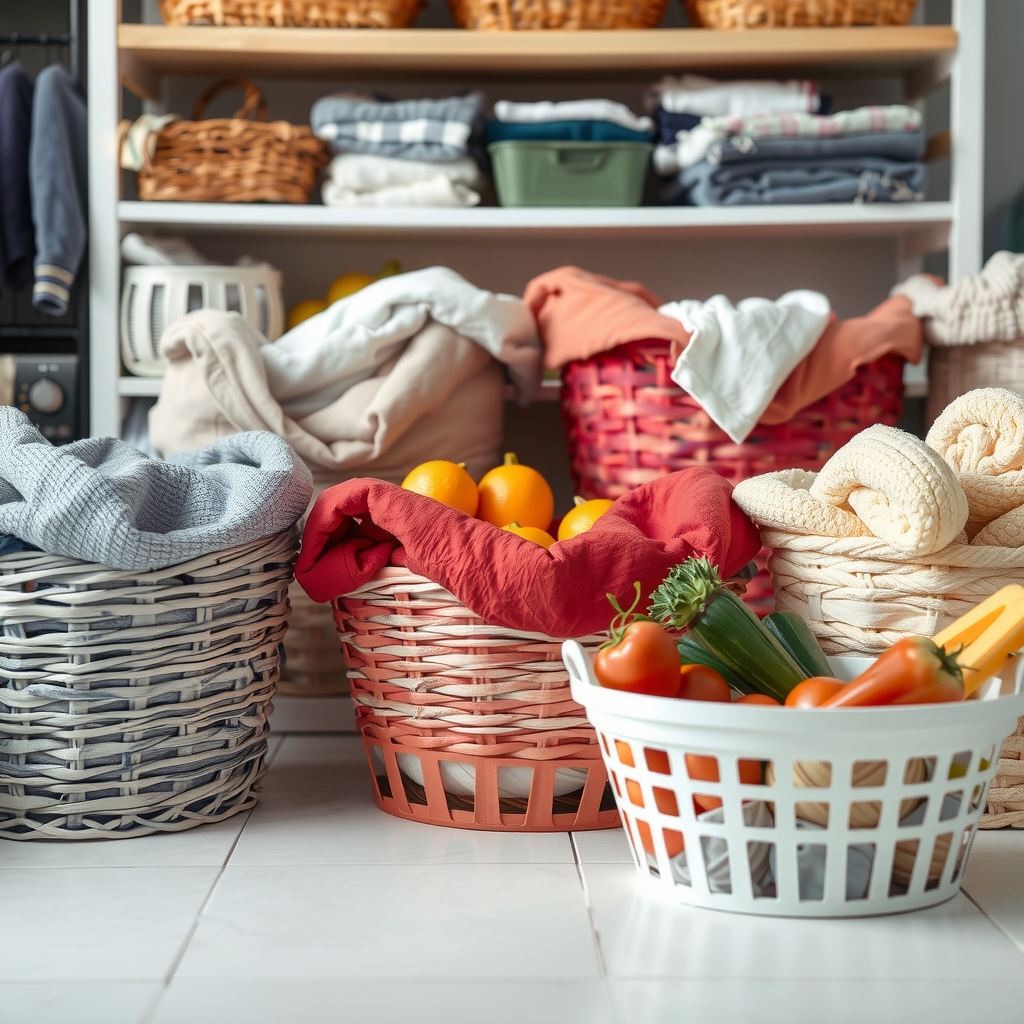
Sorting laundry into dedicated baskets can make your routine more efficient.
Best laundry detergents for sensitive skin and baby clothes
When you have a family, especially with little ones or individuals prone to skin sensitivities, the choice of laundry detergent becomes much more important than just cleaning power. You want a detergent that is effective at removing dirt and stains but also gentle enough to prevent irritation, rashes, or allergic reactions. This is particularly crucial for best laundry products for baby clothes, as their delicate skin is highly susceptible to harsh chemicals.
"Free & Clear" Formulas: This is your primary indicator. "Free" typically means free of dyes and perfumes, which are common irritants. "Clear" refers to the absence of optical brighteners, another potential sensitizer. These detergents are designed to minimize the risk of skin reactions.
Hypoallergenic: While not a regulated term by the FDA, detergents labeled "hypoallergenic" are generally formulated with fewer common allergens. Look for reputable brands that back this claim with testing.
Plant-Based or Eco-Friendly: Many plant-based detergents use naturally derived ingredients that can be gentler on both skin and the environment. However, "natural" doesn't always mean "non-allergenic," so still check for fragrance and dye content.
Dermatologist-Tested: Some brands will specify that their products have been tested by dermatologists, offering an extra layer of reassurance for sensitive skin.
Enzyme-Based (with caution): Enzymes are excellent at breaking down stains (like food and protein). While generally safe, some individuals with extremely sensitive skin may react to certain enzymes. If you find a "free & clear" enzyme-based detergent, it’s usually a good option for stain fighting without added irritants.
Ingredients to Avoid
To protect sensitive skin, it’s best to steer clear of detergents containing:
Fragrances/Perfumes: These are a leading cause of skin irritation and allergic reactions. Even "natural" fragrances can be problematic for some.
Dyes: Added for aesthetic purposes, dyes offer no cleaning benefit and can be significant irritants.
Optical Brighteners: These chemicals make clothes appear brighter by converting UV light into visible blue light. They can remain on fabrics after rinsing and potentially irritate skin.
Chlorine Bleach: While effective for whitening and sanitizing, bleach is very harsh and can irritate skin and respiratory systems. Opt for oxygen-based bleaches or natural alternatives like white vinegar for brightening.
For a deeper dive into specific brands and what makes them suitable for the most delicate skin, you might find our article on Best Baby Laundry Detergent: Safe & Gentle Choices for Newborns particularly helpful. Remember, if you notice any skin irritation, switch detergents immediately and consult your pediatrician or dermatologist if symptoms persist.
How to organize laundry in a small home with kids?
Living in a smaller home with a bustling family of four means every inch of space counts, especially when it comes to managing the inevitable deluge of laundry. An efficient laundry organization ideas for small spaces family can make a huge difference in keeping clutter at bay and your routine running smoothly. The goal is to create designated zones and systems that are easy to maintain, even when life gets chaotic.
Smart Sorting Systems for Tight Spaces
The first step in effective organization is sorting. Instead of one giant hamper, consider multiple smaller ones:
Multi-Bin Hampers: Invest in a hamper with two or three divided sections. Label them for lights, darks, and delicates, or by family member. This saves you time on wash day.
Personal Hampers: Give each family member, especially older children, a small hamper in their room. This encourages them to put their dirty clothes away and can be a designated spot for their clean, folded laundry awaiting put-away.
Collapsible Baskets: These are lifesavers for small homes. Use them for clean laundry, then fold them flat and stash them away when not in use.
Mesh Laundry Bags: Keep a few mesh bags near your hamper for delicates, socks, or small baby items. This keeps them together in the wash and prevents them from getting lost.
Maximizing Vertical Space and Clever Storage
When horizontal space is limited, look up! Vertical storage is your best friend:
Over-the-Door Solutions: An over-the-door hanging organizer with multiple pockets can store detergent, stain removers, dryer sheets, and even small items like socks or underwear.
Wall-Mounted Shelves or Cabinets: If you have a dedicated laundry nook, even a small one, install shelves above your washer and dryer. Use clear bins or labeled baskets on these shelves to keep supplies tidy and accessible.
Rolling Carts: A slim, rolling cart can slide into narrow spaces between appliances or cabinets, offering extra storage for detergents, lint rollers, and other essentials. Its mobility means you can pull it out when needed and tuck it away.
Stackable Bins: Clear, stackable bins are great for storing folded items or even sorting clean clothes for each family member before they're put away.
Creating a Designated "Laundry Zone"
Even if you don't have a dedicated laundry room, you can create a functional "laundry zone":
Folding Surface: A simple, sturdy folding table that can be tucked away, a counter in the kitchen or bathroom, or even the top of your dryer can serve as your folding station. The key is to have a consistent spot to minimize migration of clean clothes.
Hidden Hampers: If visible hampers bother you, consider ones that slide into cabinets or are disguised as furniture.
Compact Drying Racks: Retractable wall-mounted drying racks or compact accordion racks can be pulled out for air-drying delicate items and then folded away.
By implementing these strategies, you're not just organizing laundry; you're streamlining a significant household chore, making your small home feel more spacious and serene. Remember, the best system is one you can consistently maintain.
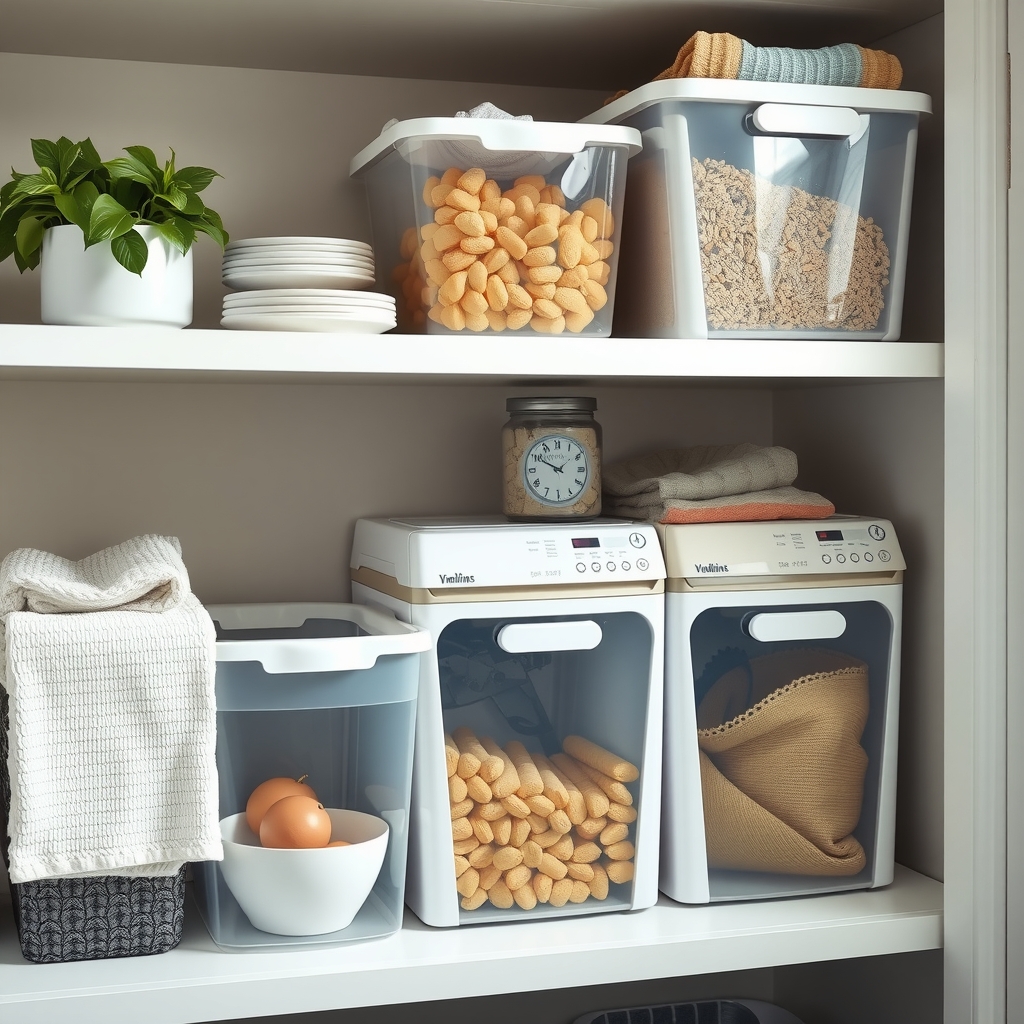
Utilize vertical space with shelves and clear, labeled bins to keep your laundry area tidy.
Tips for getting kids to help with laundry chores
One of the best ways to make laundry less overwhelming for busy moms is to share the load – literally! Involving your children in household chores, including laundry, not only lightens your burden but also teaches them valuable life skills, responsibility, and teamwork. The trick is to assign age-appropriate tasks and make it a positive, consistent part of their routine.
Age-Appropriate Laundry Tasks
You might be surprised at how early children can start helping. Here’s a breakdown of tasks by age:
Toddlers (2-3 years):
Put dirty clothes in the hamper (make it a game!).
Match socks from a clean pile (great for motor skills and pattern recognition).
Carry small, light items of folded laundry to their room.
Preschoolers (4-5 years):
Sort clothes by color (lights/darks) or by family member.
Help load clothes into the washing machine (with supervision).
Transfer wet clothes from washer to dryer (carefully!).
Fold simple items like washcloths, towels, or their own underwear.
School-Age Children (6-9 years):
Measure and add detergent (with guidance).
Fold and put away their own clothes, including shirts and pants.
Hang clothes on a drying rack.
Help with folding sheets and towels.
Bring their own laundry hamper to the laundry area.
Pre-Teens and Teens (10+ years):
Do their own loads of laundry from start to finish.
Help with more complex folding (fitted sheets!).
Clean the lint trap.
Take out the trash from the laundry room.
Help younger siblings with their laundry tasks.
Making Laundry Chores Engaging and Positive
Getting kids to help isn't just about assigning tasks; it's about fostering a sense of contribution and making it a positive experience:
Start Early: The younger they start, the more natural it feels. It becomes part of the family routine rather than a new, dreaded chore.
Teach, Don't Just Tell: Show them exactly how to do a task, demonstrating patience and breaking it down into small steps. Do it together a few times.
Make it Fun: Play music while folding, turn sorting into a "color game," or time how fast you can fold a stack of towels.
Use Positive Reinforcement: Praise effort and contribution, not just perfection. "Thank you for helping with the socks, that really speeds things up!" is more effective than criticizing a wonky fold.
Be Consistent: Integrate laundry help into their weekly responsibilities. A chore chart can be helpful for older kids.
Lead by Example: If you approach laundry with a positive attitude, your children are more likely to follow suit. Let them see you doing your part.
Give Choices (where possible): "Do you want to help sort the darks or fold the towels first?" This gives them a sense of control.
One BumpBites reader shared, "My five-year-old loves 'helping' me match socks. We turn on a podcast, and it's our little ritual. It's not always perfect, but it's time together, and it takes a small task off my plate." Remember, the goal isn't immediate perfection, but building habits and teaching responsibility. Over time, these small contributions add up to significant help for the whole family.
Dealing with stubborn stains on baby and toddler clothes
Baby and toddler clothes are magnets for stains. From spit-up and diaper blowouts to pureed carrots and grass, it often feels like every outfit comes with a new challenge. Knowing how to effectively pre-treat and tackle these stubborn marks is key to keeping their tiny wardrobes looking fresh and extending the life of their clothes. Effective sorting and pre-treatment methods for family laundry are crucial here, especially for the most common culprits.
The Golden Rules of Stain Removal
Before diving into specific stain types, remember these universal principles:
Act Fast: The fresher the stain, the easier it is to remove. Don't let stains set in.
Blot, Don't Rub: Rubbing can spread the stain and push it deeper into the fabric fibers. Always blot with a clean cloth.
Test First: Always test any stain remover on an inconspicuous area of the garment to ensure it doesn't cause discoloration or damage.
Rinse from the Back: For many stains, rinsing from the back of the fabric can help push the stain out rather than further in.
Avoid Heat Until Gone: Heat (from a dryer or hot water) can set stains, making them permanent. Only dry a garment once you're certain the stain is gone.
Common Baby and Toddler Stains and How to Treat Them
Here’s a practical guide to addressing the most frequent culprits:
Stain Type
Common Culprits
Effective Treatment Steps
Food (General)
Purees, fruit, juice, formula
Scrape off solids. Rinse with cold water from the back. Apply an enzyme-based stain remover or dab with liquid laundry detergent. Let sit 15-30 min, then wash as usual.
Grease/Oil
Butter, oil, crayon, some food stains
Blot excess. Apply dish soap or a grease-cutting pre-treatment directly to the stain. Rub gently. Let sit 10-15 min. Wash in the warmest water safe for fabric.
Poop/Diaper Blowout
Human waste
Remove solids. Rinse thoroughly with cold water. Pre-soak in cold water with an enzyme-based detergent for 30 min to several hours. Wash in warmest water safe for fabric with a good detergent. Sun-drying can help bleach out residual stains naturally.
Grass/Mud
Outdoor play
Allow mud to dry, then brush off excess. For grass, apply an enzyme-based stain remover or liquid laundry detergent. Rub gently. Let sit 15-30 min. Wash as usual.
Blood
Nosebleeds, scraped knees
Rinse immediately with cold water. Do NOT use hot water, as it sets bloodstains. If fresh, dab with hydrogen peroxide (test first!) or soak in cold water with an enzyme cleaner. Wash in cold water.
Vomit/Spit-Up
Stomach contents
Scrape off solids. Rinse with cold water. Pre-soak in cold water with enzyme detergent or a baking soda paste. Wash in warmest water safe for fabric.
Additional Tips for Stain-Fighting Success
Sunlight is Your Friend: For residual yellow or brown stains (especially from poop), hanging clothes in direct sunlight after washing can work wonders. The UV rays have a natural bleaching effect.
Oxygen Bleach: For white or colorfast items, an oxygen-based bleach (like OxiClean) can be very effective and is generally safer for delicate fabrics than chlorine bleach.
Pre-Soaking: For heavily soiled or stained items, a good pre-soak in a bucket of water with an enzyme detergent or a stain-fighting booster can make a big difference.
Check Before Drying: Always double-check that the stain is completely gone before putting the item in the dryer. If not, re-treat and re-wash.
Mastering stain removal takes practice, but with these strategies, you'll be well-equipped to keep your little one's clothes looking their best, no matter what messes they create.
Time-saving laundry hacks for busy moms
For busy moms, time is a precious commodity. Laundry, with its multiple stages of washing, drying, folding, and putting away, can feel like a huge drain. But with a few clever time-saving laundry hacks for busy moms, you can significantly streamline the process and reclaim valuable minutes (or even hours!) in your week. These strategies focus on efficiency and minimizing effort at every step.
Streamlining the Wash Cycle
Pre-Sorted Hampers: As discussed, having separate hampers for lights, darks, and delicates means no time lost sorting on laundry day. This is a game-changer.
Full Loads, Not Overloaded: While it's tempting to cram as much as possible into one wash, overloading your machine prevents clothes from getting properly clean and can damage the appliance. Aim for full, but not stuffed, loads.
Quick Wash Settings: For lightly soiled items or clothes that just need a refresh, use the quick wash cycle. It saves water and energy, and gets clothes clean faster.
Designated Laundry Day for Specifics: If you have school uniforms or work clothes that need to be ready by a certain day, make that a mini-laundry day for just those items. This ensures you're never scrambling last minute. Just like planning for 30 Minute Dinners for Family: Quick, Healthy Meals for Busy Moms helps with mealtime, a dedicated mini-laundry day helps with clothes.
Drying and Folding with Efficiency in Mind
Fold Straight from the Dryer: This is arguably one of the most impactful hacks. As soon as the dryer buzzes, take out the clothes and fold them immediately. The warmth helps reduce wrinkles, and you avoid the dreaded "wrinkle mountain" that requires re-fluffing or ironing. If you can't fold it all, at least fold the items prone to wrinkling.
"No-Fold" Items: Some items don't need folding. Hang shirts, dresses, and pants directly from the dryer. For items like socks and underwear, just toss them into designated drawer bins.
Laundry Basket Method: Give each family member their own laundry basket for clean clothes. Once folded, place their items directly into their basket. They are then responsible for taking their basket to their room and putting clothes away. This significantly reduces the "mom as delivery service" role.
Use Mesh Bags for Small Items: Keep baby socks, toddler mittens, or other tiny items in a mesh laundry bag during washing and drying. This prevents them from getting lost or eaten by the dryer monster.
Say Goodbye to Ironing (Mostly): Many modern fabrics are wrinkle-resistant. For items that aren't, try hanging them immediately after drying or using a wrinkle-release spray. If ironing is absolutely essential, batch it with other ironing tasks once a week rather than doing it piecemeal.
General Time-Saving Strategies
Delegate, Delegate, Delegate: As mentioned in a previous section, involve your family! Even small contributions add up. From sorting to putting away, every bit helps.
One-Touch Rule: Try to handle each item of laundry only once. From the hamper, to the washer, to the dryer, to the closet/drawer. Each extra touch adds time.
Listen to a Podcast or Audiobook: Turn laundry time into "me time" by listening to something engaging. It makes the task feel less tedious and more productive.
Don't Be a Perfectionist: Sometimes, "good enough" is perfectly fine. Not every shirt needs to be folded perfectly, and not every item needs to be wrinkle-free. Prioritize what truly matters for your family and let go of the rest.
By implementing these hacks, you'll find that the laundry burden for your family of four feels significantly lighter, freeing you up for other important family activities or some much-needed relaxation. Remember, managing a household is about making smart choices and sometimes, that means deciding what choices make sense for your family's overall well-being and how to best allocate your precious time.
How to reduce laundry for a family of 4
The most effective way to manage the endless cycle of laundry for a family of four isn't just to get better at doing it, but to actually reduce the sheer volume of clothes that need washing in the first place. Less laundry means less time spent sorting, washing, drying, and folding, which is a huge win for any busy mom. Implementing simple strategies to reduce laundry for a family of 4 can make a significant impact on your weekly routine.
Rethink the "Wear Once" Mentality
Many items of clothing don't need to be washed after a single wear, especially if they haven't gotten visibly dirty or sweaty. This is one of the easiest ways to cut down on laundry volume.
Re-wear Clothes: Encourage family members to re-wear items like jeans, sweaters, pajamas, and even some shirts if they are clean and odor-free. Have a designated spot, like a hook or a specific drawer, for "worn but clean" clothes.
Pajamas: Unless they've had an accident or gotten particularly sweaty, pajamas can typically be worn for 2-3 nights.
Outerwear: Jackets, hoodies, and vests rarely need frequent washing unless they're stained or very dirty.
School Uniforms: If uniforms are worn daily, consider if the pants or skirts can be worn more than once between washes, especially if kids change into play clothes immediately after school.
Strategic Use of Towels and Bedding
Towels and bedding are major contributors to laundry piles. Small changes here can add up.
Fewer Towels: Assign each family member a specific color towel or a hook for their towel. Encourage them to hang it up to dry after use and re-use it for 2-3 days before washing.
Hand Towels: Use separate hand towels for drying hands in the bathroom and kitchen, and change these more frequently than bath towels.
Bedding Schedule: You don't necessarily need to wash all bedding weekly. Sheets can often go 1-2 weeks, while duvets or comforters might only need cleaning every 1-3 months, unless there's an accident. Pillowcases, which come into contact with faces, might be changed more frequently.
Minimize Stains and Dirt
Prevention is always easier than cleaning.
Bibs and Smocks: For babies and toddlers, bibs during meals and smocks for messy play are essential. They protect clothing from spills and stains, meaning the outfit underneath stays clean.
Change into "Play Clothes": As soon as kids come home from school or daycare, have them change into designated play clothes. This keeps their nicer outfits clean for longer.
Aprons for Cooking/Crafts: Encourage older kids and adults to wear an apron when cooking, baking, or doing messy crafts.
Protective Pads: For babies, consider waterproof pads or extra layers in cribs or on changing tables to catch accidents before they reach sheets or clothing.
Streamline Clothing Choices
Sometimes, the volume of laundry is simply due to having too many clothes.
Capsule Wardrobe for Kids: Consider creating a mini capsule wardrobe for your children. Fewer items that mix and match easily mean less decision fatigue and often, less laundry. Focus on durable, easy-care fabrics.
Assess and Declutter: Regularly go through everyone's closets and drawers. Donate or discard clothes that are too small, worn out, or haven't been worn in a long time. Less clothing means less to wash.
By consciously adopting these habits, your family will generate less dirty laundry, and you'll find yourself with more free time and a less daunting laundry pile. It's a win-win for everyone.
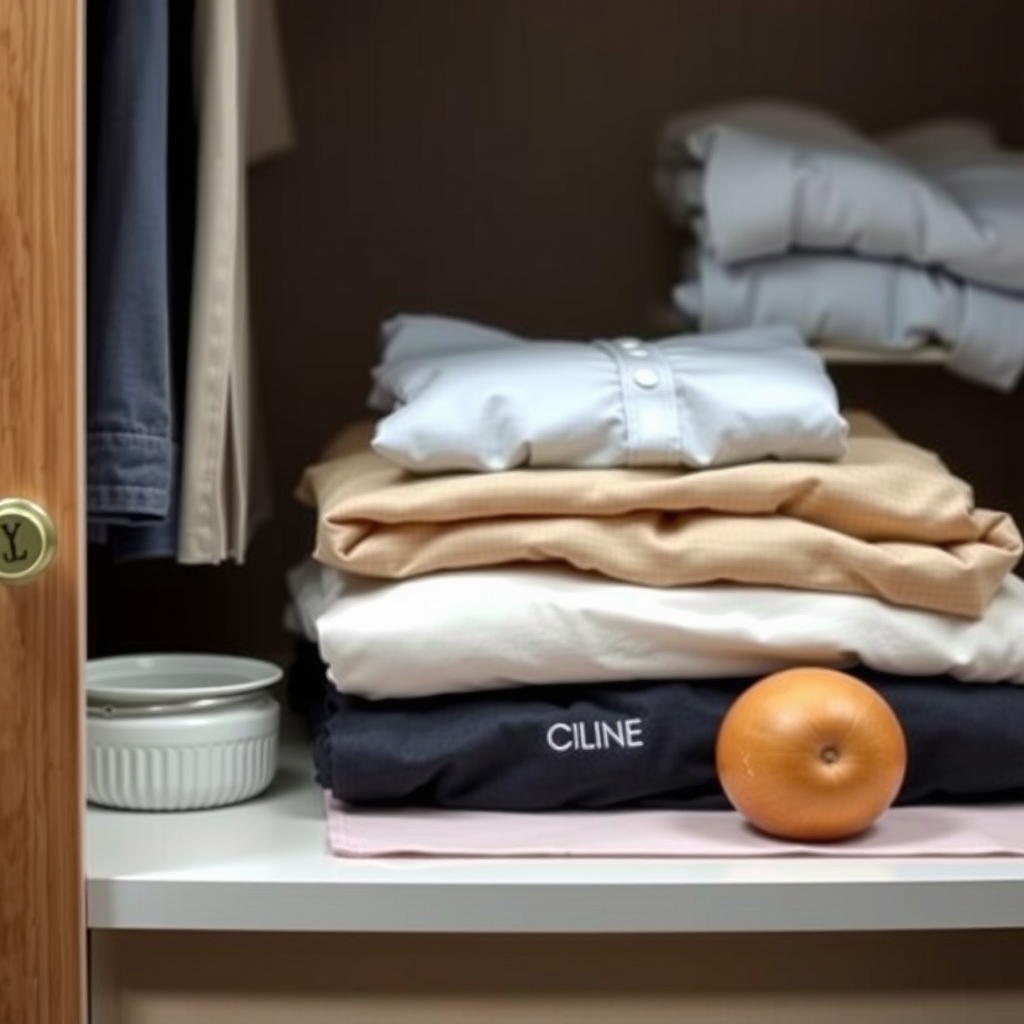
Reducing the volume of clothes and keeping a tidy closet can significantly cut down on laundry.
Myth vs. Fact
Let's bust some common laundry myths that might be adding unnecessary work to your routine.
Myth: All baby clothes need to be washed with special "baby" detergent.
Fact: While many parents opt for specific baby detergents, what's most important is choosing a detergent that is free of dyes, perfumes, and harsh chemicals. Many "free and clear" adult detergents are perfectly safe and gentle enough for baby clothes and sensitive skin. Always check ingredients and consider doing a patch test if you're unsure.
Myth: Hot water is always best for getting clothes clean and removing stains.
Fact: Not necessarily. While hot water can be effective for some items (like heavily soiled whites and towels), it can also set certain stains (like blood or protein-based stains), shrink fabrics, and fade colors. Cold water is often sufficient for most daily laundry, saves energy, and is gentler on clothes. Always check fabric care labels for recommended temperatures.
Myth: You need to wash clothes immediately after wearing them, even if they're not dirty.
Fact: Many items, such as jeans, sweaters, pajamas, and even some shirts, can be worn multiple times before needing a wash, especially if they haven't been stained or exposed to heavy sweat. Having a designated spot for "worn but clean" items can significantly reduce your laundry load over the week.
Key Takeaways
Establish a flexible laundry schedule (daily mini-loads, weekly bulk, or a hybrid) that suits your family's needs.
Choose "free & clear," hypoallergenic detergents for sensitive skin and baby clothes, avoiding dyes and perfumes.
Organize your laundry space with multi-bin hampers, vertical storage, and designated folding areas, especially in small homes.
Involve children in laundry chores with age-appropriate tasks to teach responsibility and lighten your load.
Act quickly on stubborn stains, pre-treating with appropriate methods before washing and avoiding heat until the stain is gone.
Implement time-saving hacks like folding immediately from the dryer, using mesh bags, and delegating tasks to family members.
Reduce overall laundry volume by re-wearing clothes, strategic towel use, and minimizing stains with bibs and play clothes.
Frequently Asked Questions
How many loads of laundry does a family of 4 do a week?
A typical family of four often generates anywhere from 8 to 15 loads of laundry per week, depending on factors like age of children, activity levels, and how often clothes are changed. Families with babies or active children involved in sports may be on the higher end of this range.
What is the best laundry system for a busy family?
The best laundry system for a busy family is often a hybrid approach. This involves doing one or two small, focused loads daily (like baby clothes or school uniforms) and dedicating a larger block of time on a weekend day for bulkier items like bedding and towels. Pre-sorting laundry into separate hampers also significantly streamlines the process.
How do you keep up with laundry when you have kids?
Keeping up with laundry with kids involves consistency, delegation, and smart strategies. Establish a routine, even if it's just one load a day. Involve children in age-appropriate tasks like sorting or putting away their clothes. Use time-saving hacks like folding straight from the dryer and pre-treating stains immediately. Don't aim for perfection, aim for progress.
What are some time-saving laundry tips?
Key time-saving tips include pre-sorting laundry into designated hampers, folding clothes immediately as they come out of the dryer, using mesh bags for small items, and delegating tasks to family members. Consider re-wearing clothes that aren't visibly dirty to reduce the overall volume of laundry.
How do I make laundry less overwhelming?
To make laundry less overwhelming, break it down into smaller, manageable tasks. Don't let piles accumulate; tackle them regularly. Create a system that works for your household, whether it's daily mini-loads or scheduled marathon sessions. Involve your family, use effective products, and remember that "good enough" is often perfectly fine.
What temperature should I wash baby clothes?
Generally, baby clothes can be washed in cold or warm water. Cold water is often sufficient for most daily washes and helps prevent shrinking and fading. For heavily soiled items or those with protein-based stains (like formula or poop), warm water might be more effective, but always check the garment's care label and avoid hot water unless necessary, as it can set some stains.
When to see a doctor / specialist
This article provides general information and practical tips for managing your family's laundry routine. It is not intended as medical advice. If you or your child experiences persistent skin irritation, rashes, or allergic reactions that you suspect are related to laundry detergents or fabric softeners, discontinue use of the product immediately. Consult with a pediatrician for your child or a dermatologist for yourself to identify the cause of the irritation and receive appropriate medical advice and treatment. They can help determine if the reaction is due to a specific product or another underlying skin condition.
Not sure about the label on Laundry Routine For Family Of 4 products?
Snap the ingredients list and SafeFilter checks every ingredient for your stage — only 3 free scans this month, then you're locked until reset. Unlimited from $7/mo or $50/yr.
When Shubhra Mishra was expecting her first child in 2016, she was overwhelmed by conflicting food advice — one site said yes, another said never. By the time her second baby arrived in 2019, she realized millions of mothers face the same confusion.
That sparked a five-year journey through clinical nutrition papers, cultural diets, and expert conversations — all leading to BumpBites: a calm, compassionate space where science meets everyday motherhood.
Her long-term vision is to build a global community ensuring safe, supported, and free deliveriesfor every mother — because no woman should face pregnancy alone or uninformed. 🌿
🌍 Stand with mothers, shape safer guidance
Join a small circle of experts who review BumpBites articles so expecting parents everywhere can decide with confidence.