
Quick take: Juggling family life and laundry can feel like an endless battle, but it doesn't have to be. By implementing smart schedules, using effective stain hacks, organizing your space, and involving your kids, you can transform laundry from a dreaded chore into a manageable part of your week. These practical strategies are designed to save you time, reduce stress, and keep your household running smoothly.The sight of a growing laundry pile can feel like a silent accusation, a never-ending task that looms over even the best-laid plans. For busy moms, it's not just about getting clothes clean; it's about finding precious minutes in an already packed day, battling stubborn stains from tiny humans, and trying to keep the whole process from completely overwhelming your home. If you've ever stared at a mountain of mismatched socks or wondered if you'll ever see the bottom of the laundry basket, you're definitely not alone. We get it. Life with kids is a beautiful whirlwind, but it leaves little room for inefficient chores. That's why we've gathered the most effective, genuinely helpful laundry hacks designed specifically for the modern mom. Forget unrealistic expectations; we're talking about strategies that fit into your real life, save you time, and bring a much-needed sense of calm to your laundry routine. From creating a schedule that actually works to tackling those infamous baby stains and even getting your little ones to lend a hand, this guide is packed with actionable advice. Let's reclaim your laundry room — and a little bit of your sanity — together.
Essential Laundry Hacks for Busy Moms: A Real-Life Guide
On this page
- Creating a Realistic Laundry Schedule for Busy Families
- Batching and Delegating for Efficiency
- The "Laundry Day" Myth
- Time-Saving Laundry Tips for New and Busy Moms
- Washing Wisely
- Smart Drying Techniques
- Folding and Putting Away Faster
- Tackling Stubborn Baby Stains Effectively and Naturally
- Natural Stain Removal Arsenal
- Stain Removal Guide for Common Baby Messes
- Smart Laundry Organization Ideas for Any Space
- Hampers and Baskets: The Foundation of Organization
- Vertical Storage Solutions
- Creating a Functional Laundry Zone
- Laundry Products That Make Life Easier for Busy Parents
- Detergents and Stain Fighters
- Drying Aids and Accessories
- Considering Allergies and Sensitivities
- Getting Kids Involved in Laundry Chores (Age-by-Age)
- Toddlers (1-3 years)
- Preschoolers (3-5 years)
- School-Aged Children (6-10 years)
- Pre-Teens and Teens (11+ years)
- Making it Fun and Rewarding
- Simple Strategies to Prevent Laundry Pile-Ups
- The "One Load a Day" Mentality
- The "Wear It Again" Rule
- Decluttering Wardrobes
- Strategic Hamper Placement
- The "Landing Strip" for Clean Clothes
- Eco-Friendly Laundry Hacks for Moms on a Budget
- Wash in Cold Water
- Line Dry Whenever Possible
- Make Your Own Laundry Detergent
- Use Natural Fabric Softeners
- Reduce Detergent Usage
- Buy Durable, Quality Clothes
- Myth vs. Fact
- Key Takeaways
- Frequently Asked Questions
- How do busy moms do laundry?
- What is the most efficient way to do laundry with kids?
- How do I make laundry easier with a baby?
- What are some time-saving laundry tips?
- How do you stay on top of laundry with a family of 5?
- What is a good laundry routine for a family?
- When to See a Doctor / Specialist
- References
Discover effective laundry hacks for busy moms. Our guide offers practical tips, from quick sorting to stain removal, making laundry day manageable. Reclaim

By Shubhra Mishra — a mom of two who turned her own confusion during pregnancy into BumpBites, a global mission to make food choices clear, safe, and stress-free for every expecting mother. 💛
Wondering about another food?
Check whether any food is safe during pregnancy with the BumpBites Food Safety Checker.
Washing Wisely
* **Pre-sort as you go:** Place separate hampers for darks, lights, delicates, and towels in your laundry area or even in individual bedrooms. This eliminates the need for a big sorting session before each load. * **Maximize each load:** Make sure your washing machine is full but not overstuffed. An overstuffed machine won't clean clothes effectively and can even cause damage. A good rule of thumb is to leave enough space for your hand to fit comfortably at the top of the load. * **Quick washes for lightly soiled items:** Not everything needs a heavy-duty cycle. For clothes that are just slightly worn or need a refresh, use a quick wash setting. This saves water, energy, and time. * **Mesh laundry bags are your friend:** Use them for socks, delicates, baby items, or anything small that tends to get lost. This keeps them together through the wash and dry cycles, saving you time sorting later.Smart Drying Techniques
* **Wool dryer balls:** These natural, reusable balls reduce drying time, soften clothes, and can even reduce static, all without harsh chemicals. Add a few drops of essential oil for a fresh scent. * **Shake out before drying:** A quick shake of each item before it goes into the dryer helps to un-wrinkle it and allows for more even airflow, leading to faster drying. * **Don't over-dry:** Over-drying can damage clothes, set wrinkles, and waste energy. Remove items as soon as they're dry. * **Air dry strategically:** Delicate items or clothes prone to shrinking can be hung to dry. Invest in a collapsible drying rack you can set up indoors or outdoors. This also saves energy.Folding and Putting Away Faster
* **Fold straight from the dryer:** This is perhaps the most crucial time-saver. As soon as the dryer finishes, pull out the clothes and fold them immediately. The warmth helps release wrinkles, and you avoid the dreaded "wrinkle set." * **Simplified folding methods:** Learn a quick folding technique for t-shirts or towels. Many online tutorials demonstrate methods that take seconds. Don't aim for perfection; aim for neat enough. * **"Put away as you go" or "basket to drawer":** Instead of creating a giant pile of folded clothes, put away each load as soon as it's folded. For items going to different rooms, use smaller baskets to separate them, making it easy to carry and deposit. * **Minimize ironing:** Many fabrics don't require ironing if removed promptly from the dryer and folded. For items that do, use a wrinkle-release spray or hang them in the bathroom while you shower for a steam-out.
Tackling Stubborn Baby Stains Effectively and Naturally
Baby clothes are adorable, but they're also magnets for some of the toughest stains: spit-up, pureed carrots, diaper blowouts, and mysterious smudges that appear out of nowhere. The good news is that many common baby stains can be tackled effectively with natural, gentle methods that are safe for sensitive skin and the environment. The golden rule of stain removal, especially for baby clothes, is **act fast!** The sooner you treat a stain, the higher your chance of complete removal. Always blot (don't rub) the stain, and avoid putting stained items in the dryer, as heat can set the stain permanently.Natural Stain Removal Arsenal
* **Cold Water:** For most fresh stains (especially protein-based like spit-up or blood), cold water is your first line of defense. Rinse or soak immediately. * **Dish Soap:** A small amount of gentle dish soap (like Dawn) can be surprisingly effective on greasy food stains. Apply directly, rub gently, and rinse. * **White Vinegar:** Excellent for odors, brightening whites, and tackling mildew. Add ½ cup to the wash cycle or use a diluted solution (1:1 water to vinegar) as a pre-treatment. * **Baking Soda:** A natural deodorizer and mild abrasive. Make a paste with water and apply to tough stains, letting it sit before washing. * **Lemon Juice:** A natural bleach for whites. Mix with water and apply to stains, then let the item air dry in the sun. Be cautious with colored fabrics as it can bleach them. * **Sunlight:** The ultimate natural stain remover for many baby stains, particularly diaper blowouts. After washing, hang stained items (especially whites) in direct sunlight. The UV rays have a powerful bleaching effect.Stain Removal Guide for Common Baby Messes
| Type of Stain | Quick Action | Natural Remedy | Pro Tip |
|---|---|---|---|
| Poop/Blowout | Scrape off solids, rinse immediately under cold running water from the back of the fabric. | Soak in cold water with a few drops of dish soap. For stubborn stains, apply a paste of baking soda and water, let sit for 30 min, then wash. Sun-dry for bleaching. | Don't rub! Wear gloves. If possible, rinse in the toilet before taking to the sink. |
| Spit-Up/Vomit | Scrape off solids, rinse immediately with cold water. | Soak in cold water, then pre-treat with a mix of dish soap and water. Wash as usual. | Protein-based, so avoid hot water initially which can cook the protein into the fabric. |
| Pureed Fruits/Veggies | Rinse with cold water from the back of the fabric. | For berry/dark fruit stains, try lemon juice and sun exposure on whites. For other food, pre-treat with dish soap or baking soda paste. | These can be tricky due to natural dyes. Sunlight is especially good for these. |
| Grease/Oil | Blot excess oil. Sprinkle cornstarch or baking soda on the stain to absorb grease. | Apply a few drops of dish soap directly to the stain, rub gently, and let sit for 15-30 min before washing in warm water. | Avoid water until the grease is absorbed by powder or treated with dish soap. |
| Grass/Dirt | Allow mud/dirt to dry, then brush off excess. | Mix white vinegar and water (1:1) and apply to the stain. Let sit, then scrub gently with an old toothbrush. Wash in cold water. | Enzyme-based stain removers (natural ones exist) are also effective for grass. |
| Blood | Rinse immediately with cold water. | Soak in cold water with a pinch of salt for 30 min. For dried blood, make a paste of baking soda and water. | Always cold water! Heat will set blood stains permanently. |
Smart Laundry Organization Ideas for Any Space
An organized laundry area, no matter how small, can dramatically improve efficiency and reduce stress. When everything has a place, the process feels less chaotic. Whether you have a dedicated laundry room or just a corner in your bathroom or basement, these ideas can help you maximize your space.Hampers and Baskets: The Foundation of Organization
* **Sorting hampers:** Invest in multi-compartment hampers (e.g., "Lights," "Darks," "Delicates") to encourage pre-sorting. Place them strategically where clothes are usually shed. * **Personal hampers:** Give each family member their own hamper in their bedroom. This teaches responsibility and contains dirty clothes to their source. * **Collapsible baskets:** For small spaces, collapsible laundry baskets can be tucked away when not in use, saving floor space. * **Rolling carts:** If you need to transport laundry from different rooms to a central machine, a rolling cart can be a lifesaver.Vertical Storage Solutions
* **Shelving:** Install open shelves above your washer and dryer. Use them to store detergents, stain removers, and other supplies in attractive containers. * **Wall-mounted drying racks:** These fold flat against the wall when not in use, providing a convenient spot to air dry delicates or hang clothes straight from the dryer. * **Over-the-door organizers:** Perfect for small items, cleaning supplies, or even a few pairs of shoes that need a quick refresh. * **Utility carts:** A slim, rolling utility cart with multiple tiers can hold various laundry essentials and tuck away into tight spaces.Creating a Functional Laundry Zone
* **Folding surface:** Even a small pull-out shelf or a sturdy ironing board can serve as a dedicated folding area. Folding immediately is key to preventing piles. * **Dedicated space for supplies:** Keep all your laundry detergents, fabric softeners, stain removers, and mesh bags in one accessible spot. Clear containers can make it easy to see what you have and when you need to restock. * **Lost sock basket:** A small basket or bag labeled "Lost Socks" can collect all those single socks, giving their partners a chance to reappear later. Periodically match them up, or turn the permanent singles into cleaning rags. * **Garment rack:** A small, portable garment rack is useful for hanging clothes directly from the dryer to prevent wrinkles, or for items that need to air dry.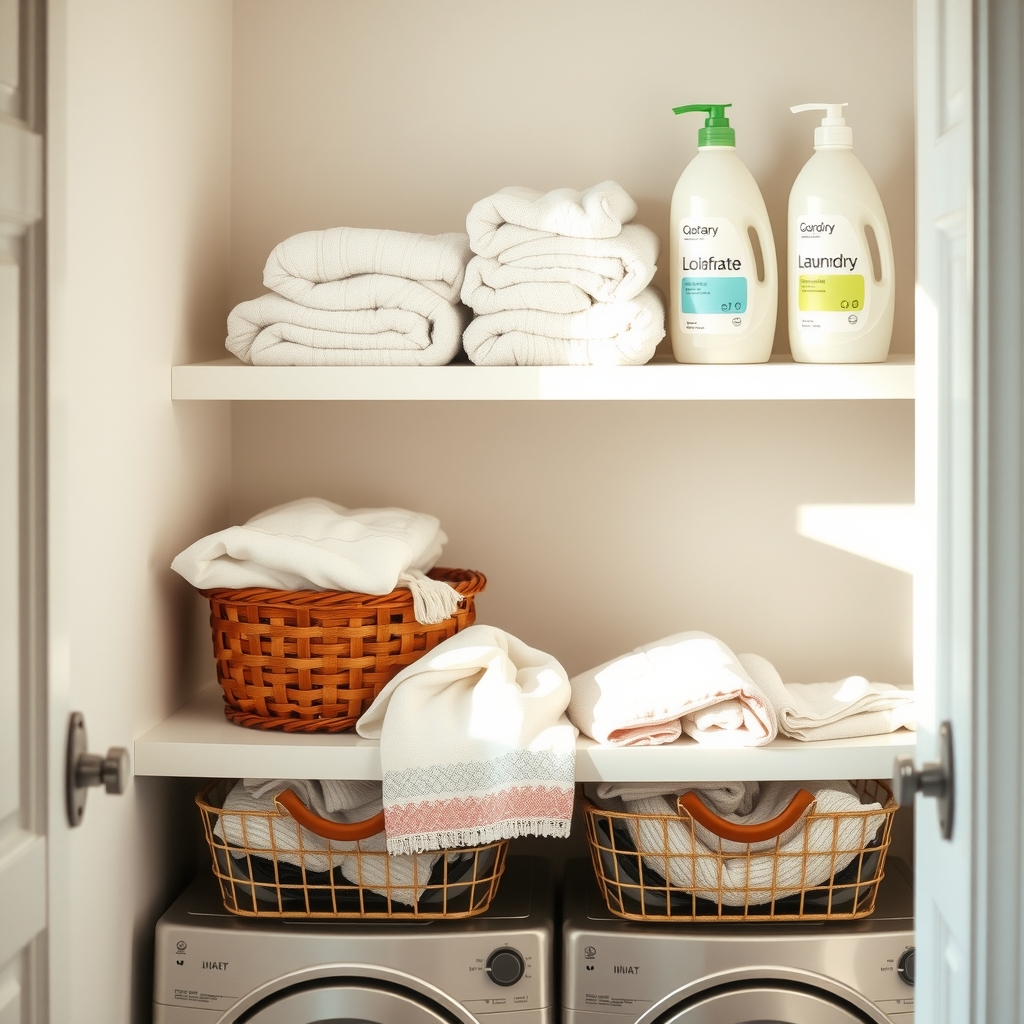
Laundry Products That Make Life Easier for Busy Parents
The right laundry products can truly simplify your routine, making the entire process quicker, more effective, and less of a headache. While there are countless options on the market, focusing on smart choices can make a big difference for busy parents.Detergents and Stain Fighters
* **Laundry Pods/Packs:** These pre-measured doses are a game-changer for speed and convenience. No more messy spills or guessing how much detergent to use. They're especially great for older kids who are starting to help with laundry, as they eliminate measuring. * **Concentrated Detergents:** If you prefer liquid, concentrated formulas mean you use less product per load, saving space and often money. Look for formulas designed for cold water washing to maximize energy savings. * **Targeted Stain Removers:** While natural remedies are fantastic, sometimes a dedicated stain remover is needed for particularly stubborn messes. Keep a gentle, enzyme-based stain pre-treater on hand for food, grass, or protein stains. Many brands offer "free and clear" options for sensitive skin. * **Odor Eliminators:** For sweaty sports gear or musty towels, an in-wash odor eliminator can be a lifesaver. Baking soda (as mentioned) is a great natural option, but specific products can also target tough smells.Drying Aids and Accessories
* **Wool Dryer Balls:** We can't stress these enough! They reduce drying time, soften clothes naturally, and are reusable for hundreds of loads. They're a fantastic alternative to chemical-laden dryer sheets, especially for families with sensitivities. * **Mesh Laundry Bags:** Essential for protecting delicates, preventing tiny baby socks from disappearing, and keeping items like reusable breast pads or small toys contained during washing. * **Lint Rollers:** Keep one in your laundry area and by the door for a quick touch-up on dark clothes or to remove pet hair before heading out.Considering Allergies and Sensitivities
For families with babies or children with sensitive skin, eczema, or allergies, choosing "free and clear" or hypoallergenic laundry products is crucial. These products are typically free from dyes, perfumes, and harsh chemicals that can cause irritation. Always read labels carefully and, when introducing a new product, test it on a small batch of laundry first. The Environmental Working Group (EWG) also provides ratings for laundry products, helping you make informed, safer choices.Getting Kids Involved in Laundry Chores (Age-by-Age)
Involving children in household chores, including laundry, isn't just about getting help; it's about teaching responsibility, life skills, and teamwork. Even toddlers can lend a hand, and as they grow, their contributions can become increasingly valuable. The key is to make tasks age-appropriate and, whenever possible, a little fun.Toddlers (1-3 years)
* **Putting clothes in the hamper:** Provide an easily accessible hamper and make it a game to toss dirty clothes inside. * **Matching socks:** After clothes are dry, give them a pile of socks to match up. Don't worry about perfection; it's about the activity. * **"Helping" to load the washer/dryer:** Let them put a few items into the machine as you load it. Supervise closely.Preschoolers (3-5 years)
* **Sorting clothes:** Teach them to sort by color (darks/lights) or by family member. Use labeled hampers to make it easier. * **Folding small items:** Teach them to fold washcloths, small towels, or even their own underwear. Again, focus on participation, not perfection. * **Putting away their own clothes:** Designate an easy-to-reach drawer or shelf for their folded clothes.School-Aged Children (6-10 years)
* **Loading and unloading the washer/dryer:** With supervision, they can manage full loads. Teach them about different cycles. * **Folding and putting away their own clothes:** They should be able to fold most of their clothes and put them away in their drawers or closet. * **Helping with general folding:** They can help fold towels, sheets, and other family laundry. * **Bringing their hamper to the laundry area:** Make this a regular expectation.Pre-Teens and Teens (11+ years)
* **Doing their own laundry, start to finish:** This is the ultimate goal. Teach them how to operate the machine, measure detergent (or use pods), treat stains, and put everything away. * **Taking turns with family laundry:** Establish a rotation where different family members are responsible for a full cycle of family laundry on specific days. * **Changing bed linens:** This is a great extension of laundry responsibility.Making it Fun and Rewarding
* **Turn it into a game:** "Basket-ball" for putting clothes in the hamper, or a race to see who can match the most socks. * **Praise and encouragement:** Focus on their effort and willingness to help, not just the outcome. "Thank you for helping with the laundry, that was a huge help!" * **Charts and checklists:** For older kids, a simple checklist can help them remember the steps involved in doing a load of laundry. * **Connect chores to privileges:** While not always necessary, sometimes tying chores to screen time or allowance can provide extra motivation.Simple Strategies to Prevent Laundry Pile-Ups
The never-ending laundry pile is a common source of stress for busy parents. It's not just about the dirty clothes; it's the sheer volume that can feel overwhelming. Implementing strategies to prevent these pile-ups from forming in the first place is key to maintaining a sense of control and calm in your home.The "One Load a Day" Mentality
As mentioned earlier, this is a powerful strategy. Instead of letting laundry build up for days, commit to doing one load, from start to finish, every day. This keeps the volume manageable and prevents the "laundry mountain" from ever forming. It might sound like more frequent work, but a small daily task is often less daunting than a colossal weekend chore.The "Wear It Again" Rule
Not everything needs to be washed after a single wear. Jeans, sweaters, pajamas (if only worn at night), and outer layers can often be worn multiple times before needing a wash. Teach your family to hang up lightly worn clothes rather than tossing them into the hamper. This significantly reduces the overall volume of laundry.Decluttering Wardrobes
Fewer clothes mean less laundry. Period. Periodically go through your own wardrobe and your children's closets. Donate or discard items that are too small, worn out, or simply not worn. The less you have, the less you have to wash, fold, and put away. This also makes getting dressed easier and keeps closets organized.Strategic Hamper Placement
Place laundry hampers where dirty clothes naturally accumulate. This might mean one in each bedroom, one in the bathroom, and perhaps even a smaller one in the mudroom for coats and scarves. This makes it easy for everyone to deposit their dirty clothes rather than leaving them on the floor.The "Landing Strip" for Clean Clothes
Sometimes, the biggest bottleneck isn't washing or drying, but the act of putting away clean clothes. Designate a "landing strip" — a bench, a specific basket, or a shelf — where folded clothes go before they are put into drawers or closets. The rule is: once a basket is folded, it must be put away before the next load is started. This prevents clean laundry from mingling with dirty or simply sitting in piles. For specific family members, you can even use a family meal plan template-style checklist to ensure everyone knows their role in putting away their own clean clothes.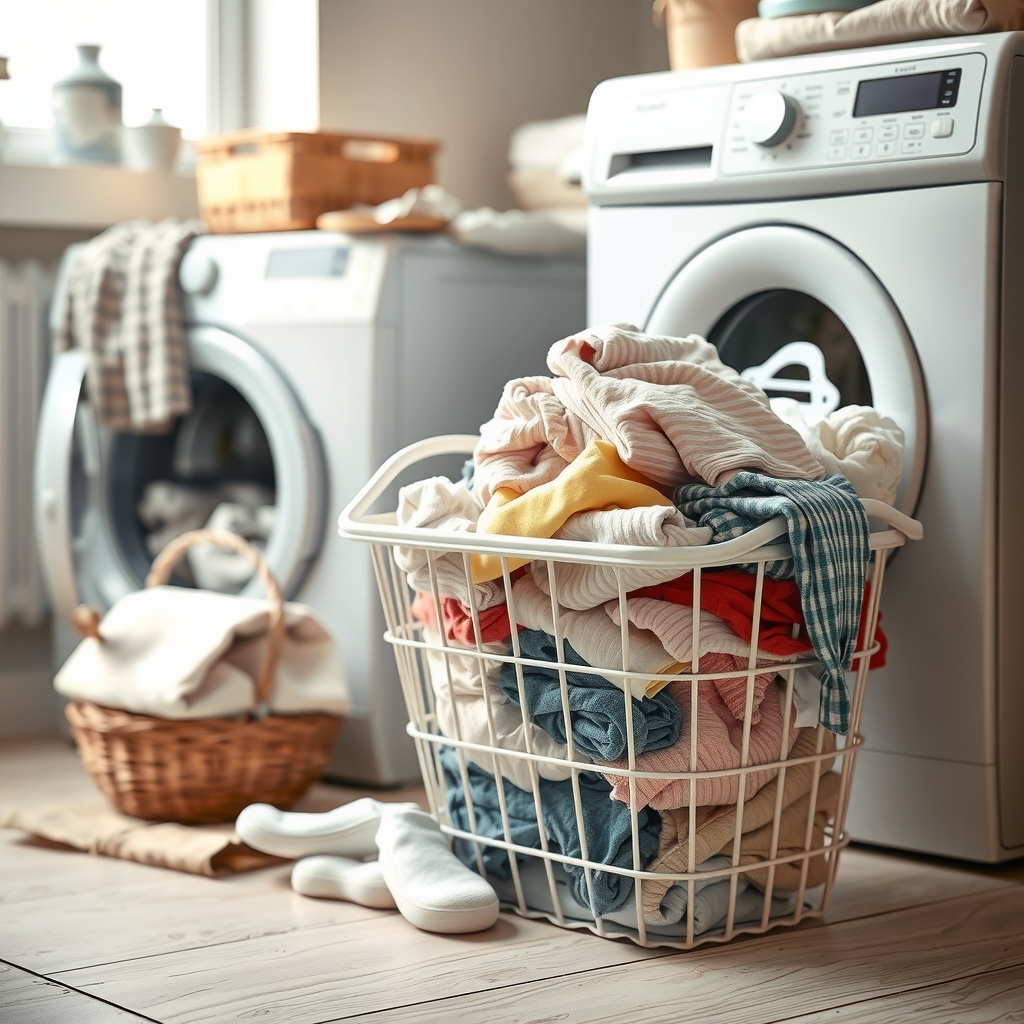
Eco-Friendly Laundry Hacks for Moms on a Budget
Being a busy mom often means keeping an eye on the family budget, and laundry can be a surprisingly significant expense between water, electricity, and detergents. The good news is that many eco-friendly laundry practices also happen to be budget-friendly. By making a few simple changes, you can reduce your environmental footprint and save money at the same time.Wash in Cold Water
This is perhaps the simplest and most impactful eco-friendly hack. Heating water accounts for about 90% of the energy your washing machine uses. Modern detergents are formulated to be just as effective in cold water, even for tough stains. Switching to cold water for most loads saves a significant amount on your electricity bill and is gentler on clothes, helping them last longer.Line Dry Whenever Possible
The dryer is another major energy consumer. Whenever weather permits, hang your clothes outside on a clothesline or on an indoor drying rack. Sunlight not only dries clothes naturally but also acts as a natural sanitizer and whitener. This eliminates dryer sheet costs and significantly reduces your electricity usage. For items that need to be soft, like towels, you can still put them in the dryer for 10-15 minutes with wool dryer balls after line drying.Make Your Own Laundry Detergent
DIY laundry detergent can be incredibly cost-effective. Simple recipes often involve ingredients like Borax, washing soda, and a bar of natural soap (like Fels-Naptha or Castile soap), which are inexpensive and last a long time. There are many recipes available online for both powdered and liquid versions. This also allows you to control the ingredients, avoiding harsh chemicals and perfumes.Use Natural Fabric Softeners
Instead of buying chemical-laden fabric softeners, use white vinegar. Add ½ cup to your washing machine's fabric softener dispenser during the rinse cycle. It naturally softens clothes, removes detergent residue, and helps to eliminate odors, all without leaving a vinegar smell once the clothes are dry. It's also much cheaper than commercial softeners.Reduce Detergent Usage
Many people use too much laundry detergent, especially with concentrated formulas. Using more than necessary doesn't make clothes cleaner; it can actually leave residue on clothes and in your machine, leading to buildup and odors. Start with the recommended amount on the packaging and consider reducing it slightly, especially if you have soft water or lightly soiled loads.Buy Durable, Quality Clothes
While it might seem counterintuitive to save money, investing in fewer, higher-quality clothes that last longer can save you money in the long run. Durable fabrics withstand more washes and wear, reducing the need for frequent replacements and the associated laundry cycles. Look for natural fibers like organic cotton, linen, or hemp, which are often more sustainable and long-lasting.Myth vs. Fact
Myth: You need hot water to get clothes truly clean, especially for baby items.
Fact: For most laundry, cold water is perfectly effective. Modern detergents are designed to work well in cold temperatures, saving energy and preserving fabric colors. For baby clothes, cold water is often better for protein-based stains like spit-up or poop, as hot water can set these stains. For sanitization, a hot wash is sometimes recommended, but for everyday cleaning, cold water is usually sufficient and more eco-friendly.
Myth: Overfilling your washing machine saves time by doing fewer loads.
Fact: Overfilling your washing machine is counterproductive. It prevents clothes from moving freely, meaning detergent and water can't circulate effectively, resulting in poorly cleaned clothes. It also puts undue strain on your machine, potentially leading to costly repairs, and can cause excessive wrinkling. Always leave enough space for your hand to fit comfortably at the top of the load.
Myth: Fabric softener is essential for soft, fresh-smelling laundry.
Fact: While fabric softener can make clothes feel softer and add a scent, it's not essential. Many people find that wool dryer balls effectively soften clothes naturally. For odor control and softening, white vinegar in the rinse cycle is a highly effective and budget-friendly alternative. Fabric softeners can also build up on clothes, reducing absorbency (especially for towels) and potentially irritating sensitive skin.
Key Takeaways
- Create a realistic laundry schedule, such as "one load a day" or a "zone" system, to prevent overwhelming pile-ups.
- Implement time-saving hacks like pre-sorting, using laundry pods, and folding clothes immediately from the dryer.
- Tackle stubborn baby stains effectively and naturally using cold water, dish soap, baking soda, white vinegar, and sunlight.
- Organize your laundry space with sorting hampers, vertical storage, and a dedicated folding area to improve efficiency.
- Choose laundry products that genuinely simplify your routine, like wool dryer balls and concentrated detergents, considering hypoallergenic options for sensitive skin.
- Involve children in age-appropriate laundry tasks to teach responsibility and lighten your load.
- Prevent laundry pile-ups by practicing the "wear it again" rule, decluttering wardrobes, and placing hampers strategically.
- Save money and help the environment by washing in cold water, line drying, and using natural alternatives like white vinegar.
Frequently Asked Questions
How do busy moms do laundry?
Busy moms often manage laundry by breaking it down into smaller, more frequent tasks instead of one big "laundry day." This might involve doing one load from start to finish each day, pre-sorting as clothes are discarded, and quickly folding items right out of the dryer. They also rely on smart organization and involve family members to share the load.What is the most efficient way to do laundry with kids?
The most efficient way to do laundry with kids is to streamline each step. This includes pre-sorting clothes into designated hampers, using quick wash cycles for lightly soiled items, leveraging wool dryer balls to speed up drying, and folding immediately after drying. Getting kids involved in age-appropriate tasks also significantly boosts efficiency.How do I make laundry easier with a baby?
To make laundry easier with a baby, focus on immediate stain treatment with cold water and natural remedies, and integrate laundry into your daily routine during nap times or feeding sessions. Use mesh bags for tiny items, choose sensitive skin-friendly detergents, and embrace the power of sunlight for natural stain removal and sanitizing.What are some time-saving laundry tips?
Key time-saving laundry tips include pre-sorting clothes into separate hampers, using laundry pods for quick dosing, maximizing each load without overfilling, and removing and folding clothes immediately from the dryer to avoid wrinkles and save ironing time. Using wool dryer balls also significantly reduces drying time.How do you stay on top of laundry with a family of 5?
Staying on top of laundry with a family of 5 requires a structured approach. Implement a "one load a day" or "zone" schedule, assign each family member their own hamper and involve older children in doing their own laundry or specific family loads. Decluttering wardrobes and adopting the "wear it again" rule also drastically reduces the overall volume.What is a good laundry routine for a family?
A good laundry routine for a family is one that is consistent and distributed. This could mean dedicating certain days to specific types of laundry (e.g., Monday for towels, Tuesday for darks) or doing one load daily. The routine should also include immediate folding and putting away, and clear expectations for all family members to contribute.When to See a Doctor / Specialist
This article provides general information and practical tips for managing laundry in a busy household and is not a substitute for professional medical advice. If you or a family member experience skin irritation, allergic reactions, or respiratory issues that you suspect are related to laundry detergents or products, please consult a dermatologist, allergist, or your primary care provider. For any health concerns, always speak with a qualified healthcare professional.References
- American Academy of Dermatology Association. (n.d.). Eczema: Tips for washing clothes. Retrieved from https://www.aad.org/public/diseases/eczema/childhood/eczema-clothing-tips
- Environmental Working Group. (n.d.). EWG's Guide to Healthy Cleaning. Retrieved from https://www.ewg.org/guides/cleaners/
- Mayo Clinic. (2023). Eczema: Lifestyle and home remedies. Retrieved from https://www.mayoclinic.org/diseases-conditions/eczema/diagnosis-treatment/drc-20371006
- U.S. Department of Energy. (2022). Clothes Washers. Retrieved from https://www.energy.gov/energysaver/clothes-washers
Editor's pick for this topic
Not sure about the label on Laundry Hacks For Busy Moms products?
Snap the ingredients list and SafeFilter checks every ingredient for your stage — only 3 free scans this month, then you're locked until reset. Unlimited from $7/mo or $50/yr.
Informational only — not medical advice.
About the Author
When Shubhra Mishra was expecting her first child in 2016, she was overwhelmed by conflicting food advice — one site said yes, another said never. By the time her second baby arrived in 2019, she realized millions of mothers face the same confusion.
That sparked a five-year journey through clinical nutrition papers, cultural diets, and expert conversations — all leading to BumpBites: a calm, compassionate space where science meets everyday motherhood.
Her long-term vision is to build a global community ensuring safe, supported, and free deliveriesfor every mother — because no woman should face pregnancy alone or uninformed. 🌿
🌍 Stand with mothers, shape safer guidance
Join a small circle of experts who review BumpBites articles so expecting parents everywhere can decide with confidence.
⚠️ Always consult your doctor for medical advice. This content is informational only.
Long-form pregnancy guides
Hand-curated deep-dive guides — go beyond the article above.
More Pregnancy guides
- Efficient Laundry Routine for Family of 4: A Mom's Honest Guide
- Leading cause of death in pregnant women: real numbers and risks
- Leg Cramps During Pregnancy: Causes, Relief, and When to Worry
- Let Down Reflex Problems: Causes, Symptoms, and Solutions
- High Leukocyte Count in Pregnancy: What It Means for You
- LGBTQ Parenting Resources: An Honest Guide for Modern Moms
- Understanding Libido Changes During Pregnancy: What to Expect
- Life Insurance for Baby: Is It Worth It? 2026 Complete Guide
- Why Life Insurance for Parents Is a Smart Financial Move
- Life Insurance for New Parents
Recommended picks

Prenatal pick
Ritual — Ritual Essential Prenatal
Choline + DHA + folate from methylfolate (not synthetic).

Prenatal pick
Nordic Naturals — Nordic Naturals Prenatal DHA (Strawberry Softgels)
Premium fish-oil DHA in strawberry softgels — gentle on the stomach.