Quick take: Creating a morning routine as a busy mom isn't about achieving perfection, but about finding small, consistent moments for yourself and your family to start the day with more calm and purpose. Even a few intentional minutes can significantly boost your mental well-being and productivity, helping you navigate the inevitable chaos with a clearer head. The key is flexibility, realistic expectations, and preparing the night before.
The alarm blares. Or maybe it's not the alarm, but a tiny human voice, or a baby's cry. You open your eyes, and instantly, the to-do list for the day floods your mind. For many moms, mornings can feel less like a fresh start and more like an immediate dive into a chaotic sprint. Between getting kids ready, managing household tasks, and preparing for your own day, finding a moment for yourself often feels like an impossible dream.
If you're constantly feeling overwhelmed or behind before noon, you're not alone. The desire for a peaceful, productive start to the day is universal, especially for busy moms. While social media might paint pictures of serene, hour-long yoga sessions before the kids wake up, the reality for most of us is far different. But here’s the good news: a successful morning routine doesn't have to be elaborate or picture-perfect. It just needs to be realistic, adaptable, and genuinely helpful for *you*.
This guide is designed for every mom – whether you're navigating newborn sleepless nights, chasing energetic toddlers, juggling work and school runs, or simply yearning for a moment of quiet before the day truly begins. We’ll explore how to craft a morning routine for busy moms that prioritizes both your well-being and your family's needs, offering practical strategies, time-saving hacks, and honest advice to help you reclaim your mornings.

How to Create a Realistic Morning Routine When You Have Toddlers
Moms with toddlers often face the unique challenge of unpredictable wake-up times and high-energy demands from the moment little feet hit the floor. Creating a morning routine here isn't about rigid adherence, but about establishing flexible rhythms that bring a sense of order without sacrificing spontaneity. The goal is to set yourself up for success, even if "success" sometimes means simply getting everyone fed and dressed.
Start by identifying your absolute non-negotiables. What are 1-2 things you need to do for yourself before the toddler tornado begins? This might be five minutes of quiet coffee, a quick stretch, or just getting dressed first. Even if your toddler wakes up early, having one small thing you consistently do for yourself can anchor your morning.
Embrace the "Tiny Habits" Approach
Instead of aiming for a full hour of solitude, think in 5-10 minute increments. Can you brush your teeth, splash water on your face, and get dressed before your toddler needs you? Can you prepare your coffee the night before so it's ready to brew with the push of a button? These tiny habits, consistently practiced, add up. According to the American Psychological Association (APA), establishing routines, even small ones, can reduce stress by creating a sense of predictability and control in your day.
Prepping the Night Before is Your Superpower
For moms with toddlers, evening prep is crucial. Lay out clothes for yourself and your child. Pack lunch boxes. Set out breakfast items that can be easily grabbed or quickly assembled. If your toddler often wakes hungry, consider having a pre-portioned snack or easy fruit ready. Having fewer decisions to make in the morning dramatically reduces friction and saves valuable time.
Involve Them (When Possible)
Toddlers thrive on routine and feeling helpful. While they might not be making their own breakfast, they can help choose their clothes, put toys in a basket, or carry their own snack cup. This not only saves you a tiny bit of effort but also fosters independence and cooperation, making them feel like an active participant rather than just an observer.
Be Flexible and Forgiving
Toddlers are masters of disruption. Teething, sickness, or a sudden growth spurt can throw any routine off course. When your meticulously planned morning goes awry, practice self-compassion. Your routine is a framework, not a prison. Adjust as needed, and remember that tomorrow is a new day. A "good enough" morning is often better than a perfectly planned one that creates more stress when it inevitably deviates.
No Time? Try This 5-Minute Morning Routine for Working Moms
Working moms, especially those with early starts or long commutes, often feel the most time-crunched. The idea of a 30-minute meditation session before heading out the door is laughable. But even five minutes can be transformative. This isn't about adding more to your plate; it's about being incredibly intentional with the little time you have.
The Ultra-Minimalist 5-Minute Plan
- 1 Minute: Hydrate & Breathe. As soon as you're awake, drink a glass of water. While you're doing this, take 3-5 deep, slow breaths. This simple act rehydrates your body after sleep and signals to your nervous system to calm down.
- 1 Minute: Quick Stretch or Body Scan. Stand up and do a quick stretch – reach for the sky, touch your toes, roll your neck. Or simply do a quick body scan, noticing any tension and consciously relaxing those areas. This helps shake off sleepiness and gets your blood flowing.
- 1 Minute: One "Win" Task. Do one small thing that will make your day easier. This could be making your bed, putting away one thing from last night, or writing down your top priority for the day. This creates a sense of accomplishment early on.
- 1 Minute: Mindful Moment. While you're getting dressed or brushing your teeth, practice mindfulness. Notice the sensations – the water on your skin, the texture of your clothes. Avoid getting lost in future worries.
- 1 Minute: Prep Your Fuel. Grab your pre-made breakfast (overnight oats, a banana, a protein bar) and fill your water bottle. This ensures you're nourished and hydrated on the go.
Maximizing Those Five Minutes
The key to a successful 5-minute routine is preparation. Lay out your clothes, pack your bag, and prepare any breakfast items the night before. This eliminates decision fatigue and ensures every precious morning minute is spent on intentional action, not searching for socks.
For working moms with anxiety or stress, these tiny, consistent moments can be grounding. "One reader described how just 3 minutes of focused breathing before her kids woke up changed the entire tone of her morning commute," says one of our community members. "It didn't solve all her problems, but it gave her a buffer of calm."
What Should a Mom's Morning Routine Include for Self-Care and Productivity?
A truly effective morning routine isn't just about getting things done; it's about nurturing yourself so you have the energy and resilience to tackle the day's demands. Self-care doesn't have to be luxurious; it can be integrated into your existing tasks. Productivity isn't about doing more, but about doing the right things efficiently.
Core Components for Self-Care
- Hydration: Start with a glass of water. It kick-starts your metabolism and brain function.
- Movement: Even 5-10 minutes of stretching, yoga, or a quick walk around the block can improve mood and energy levels. The American Heart Association (AHA) recommends regular physical activity for overall well-being.
- Mindful Moment: Whether it's meditation, prayer, journaling, or simply sipping coffee in silence, dedicate a few minutes to quiet reflection. This helps clear your mind and set a positive tone.
- Nourishment: A balanced breakfast provides essential fuel. Even if it's quick, make it count.
- Connect with Your Body: Take a moment to notice how you feel physically and emotionally. Are you tired? Stressed? Acknowledging these feelings without judgment is a powerful act of self-care.
Boosting Productivity in Your Routine
- Prioritize One Task: Before the day gets away from you, identify the single most important task you need to accomplish. This helps you focus and prevents overwhelm.
- Quick Tidy: Spend 2-5 minutes tidying one small area – loading the dishwasher, clearing a counter. A clear space can lead to a clearer mind.
- Review Your Schedule: Briefly look at your calendar and to-do list for the day. This helps you mentally prepare and anticipate potential conflicts.
- Prepare for the Day Ahead: Lay out clothes, pack bags, prepare meals. The less you have to think about later, the more productive you'll be.
For moms with newborns, self-care might look like simply taking a shower, or eating a meal with both hands. For single moms juggling work and kids, finding time for exercise might mean doing a quick online workout while the kids are still in bed or playing independently. The key is to define what self-care and productivity mean for *you* in your current season of life.

Morning Routines: Stay-at-Home Moms vs. Working Moms (Key Differences)
While the core desire for a peaceful and productive morning is universal, the specific structure and priorities of a morning routine can differ significantly between stay-at-home moms (SAHMs) and working moms (WMs).
Stay-at-Home Moms (SAHMs)
SAHMs often have more flexibility in their morning schedule, but also face the challenge of being "on call" for their children all day. Their mornings might not have a hard deadline for leaving the house, but they need to set a tone for a day that often involves continuous childcare and household management.
- Focus: Setting a positive tone for the entire day, preparing for household tasks, and ensuring self-care before the demands of the day fully kick in.
- Potential for Flexibility: May not need to rush out the door, allowing for slightly longer self-care activities like a full cup of coffee in silence, a longer stretch, or more involved breakfast prep.
- Integrating Kids: More opportunities to involve children in daily tasks like making beds, tidying, or simple meal prep, teaching them responsibility.
- Challenges: Risk of neglecting personal time if there's no external deadline. Mornings can blend into the rest of the day without clear boundaries.
A SAHM might use her morning to plan the day's activities, batch cook, or tackle a quick cleaning task before children fully wake, knowing that once they are up, her time will be largely dedicated to them.
Working Moms (WMs)
WMs typically have strict deadlines – daycare drop-offs, school bus schedules, and commute times. Their routines are often highly optimized for efficiency and speed, with less room for leisurely activities.
- Focus: Maximum efficiency, getting everyone out the door on time, and preparing for professional responsibilities.
- Time-Saving Hacks: Heavy reliance on overnight prep (lunches, clothes, bags), quick breakfasts, and streamlined getting-ready processes.
- Self-Care in Pockets: Self-care is often condensed into very small, intentional pockets of time (e.g., the 5-minute routine mentioned above, or listening to a podcast during a commute).
- Challenges: High stress due to time constraints, potential for burnout, and guilt over not having enough "leisurely" time with children in the morning.
A working mom's morning might involve waking up before the kids to get dressed and have a quick coffee, then a whirlwind of getting kids ready, eating a pre-prepared breakfast, and rushing out the door. The goal is often to minimize friction and maximize efficiency to meet external demands.
Overlap and Shared Principles
Despite the differences, both types of moms benefit from:
- Night-before prep: Reduces morning stress significantly.
- Prioritizing self-care: Even if it's just 5 minutes, it's crucial for mental well-being.
- Flexibility: Life with kids is unpredictable; routines need to bend.
- Realistic expectations: Perfection is the enemy of progress.
How to Wake Up Earlier Without Feeling More Exhausted
The idea of waking up before your kids might sound like a dream – or a nightmare, especially if you're already sleep-deprived. Yet, for many moms, those quiet moments before the household stirs are invaluable for self-care and preparing for the day. The key is to approach this change strategically and prioritize sleep quality.
The Gradual Shift
Don't jump from waking at 7 AM to 5 AM overnight. Start by setting your alarm 10-15 minutes earlier than usual for a few days. Once that feels comfortable, shift it back another 10-15 minutes. Continue this until you reach your desired wake-up time. This allows your body to adjust gradually, minimizing the shock and fatigue.
Prioritize Sleep Quality and Quantity
Waking up earlier won't work if you're not getting enough sleep overall. This means making an effort to go to bed earlier. "Sleep is not a luxury, it's a necessity for physical and mental health," states the National Institutes of Health (NIH). Focus on good sleep hygiene:
- Consistent Bedtime: Go to bed and wake up at roughly the same time every day, even on weekends.
- Create a Wind-Down Routine: 30-60 minutes before bed, dim the lights, avoid screens, and engage in relaxing activities like reading, a warm bath, or gentle stretching.
- Optimize Your Sleep Environment: Ensure your bedroom is dark, quiet, and cool.
- Limit Caffeine and Alcohol: Especially in the afternoon and evening, as they can disrupt sleep.
Find Your "Why"
What will you do with that extra time? If you don't have a clear purpose, it's easy to hit snooze. Will you use it for quiet reflection, exercise, planning, or simply enjoying a hot cup of coffee in peace? Having a compelling reason to wake up will motivate you on those chilly, dark mornings.
Leverage Light and Sound
Use a sunrise alarm clock that gradually brightens your room, mimicking natural dawn. This can help regulate your circadian rhythm and make waking up feel more natural. Similarly, a gentle, non-jarring alarm sound can ease you into the day, rather than a jarring buzz.
Keep a glass of water by your bed and drink it as soon as you wake up. Dehydration can contribute to feelings of fatigue, and a quick rehydration can help you feel more alert.
For moms with newborns or those who are severely sleep-deprived, waking up earlier might not be realistic. In these phases, focus on optimizing the sleep you do get and prioritize essential self-care during the day, even if it's during a baby's nap. A minimalist morning routine for overwhelmed moms might simply be "wake, hydrate, get dressed."
Quick & Healthy Breakfast Ideas for Moms on the Go
Breakfast is often the first meal to be sacrificed when time is tight, but it's crucial for sustained energy and focus. The good news is that "quick" doesn't have to mean "unhealthy." Here are some ideas that prioritize nutrition and speed:
No-Cook & Grab-and-Go Options (Under 5 minutes prep)
- Overnight Oats: Prepare these the night before. Mix rolled oats, milk (dairy or non-dairy), chia seeds, and your choice of fruit/sweetener in a jar. Grab and go from the fridge.
- Yogurt Parfait: Layer Greek yogurt (high in protein), berries, and a sprinkle of granola or nuts. Assemble in 2 minutes.
- Hard-Boiled Eggs & Fruit: Boil a batch of eggs at the start of the week. Pair 2 eggs with an apple or banana for a balanced protein and fiber boost.
- Smoothie Pack: Portion fruit, spinach, and protein powder into freezer bags. In the morning, dump into a blender with liquid (milk/water) and blend.
- Whole-Grain Toast with Avocado & Everything Bagel Seasoning: Quick, satisfying, and full of healthy fats.
- Cottage Cheese with Berries: Simple, protein-packed, and requires no cooking.
Quick Cook & Minimal Prep (5-10 minutes prep)
- Microwave Egg Muffins: Whisk eggs with veggies and a splash of milk, pour into greased muffin tins, and bake ahead of time. Reheat one or two in the microwave.
- Quick Breakfast Burrito: Scramble an egg, warm a tortilla, add a slice of cheese and some pre-cooked beans or salsa.
- Protein Pancakes/Waffles (Frozen): Keep a stash of healthy frozen options. Pop them in the toaster and top with nut butter or fruit.
- Peanut Butter Banana Toast: Whole-grain toast with nut butter and sliced banana. Add a sprinkle of chia seeds for extra fiber.
Batch Prep for the Week
Dedicate an hour on the weekend to make a big batch of:
- Hard-boiled eggs
- Overnight oats (multiple jars)
- Egg muffins
- Chopped fruit and veggies for smoothies
- Homemade granola bars
The Academy of Nutrition and Dietetics emphasizes the importance of a balanced breakfast for sustained energy and cognitive function. By having these options ready, you eliminate decision fatigue and ensure you're fueling your body effectively, even on the busiest mornings.
Involving Your Kids in the Morning Routine to Save Time
Getting kids ready can often be the biggest time sink in a busy mom's morning. Instead of doing everything for them, empower them to be active participants. This not only saves you time but also teaches them valuable life skills and fosters independence. The approach will vary significantly depending on their age.
For Toddlers and Preschoolers (Ages 2-5)
- Choice, Not Command: Offer limited choices to give them a sense of control. "Do you want the blue shirt or the red one?" "Pancakes or cereal?"
- Picture Schedules: Create a simple visual schedule with pictures of getting dressed, brushing teeth, eating breakfast. This helps them understand the sequence and what's next.
- "Helpful" Tasks: Assign age-appropriate "jobs" like putting their dirty clothes in the hamper, bringing their plate to the sink, or putting on their shoes (even if they're on the wrong feet initially!).
- Make it a Game: "Can you get dressed before the timer goes off?" "Let's see who can find their socks first!"
For School-Age Kids (Ages 6+)
- Personal Responsibility: They should be largely responsible for getting themselves dressed, brushing teeth, and making their bed.
- Lunch Packing: Involve them in packing their own lunches the night before, or at least choosing components from prepped options.
- Breakfast Prep: Older kids can pour their own cereal, make toast, or even blend a simple smoothie.
- Morning Chores: Assign a small morning chore, like feeding a pet, emptying the dishwasher, or tidying their room.
General Strategies for All Ages
- Prep the Night Before: This is non-negotiable. Lay out clothes, pack backpacks, prepare lunch ingredients.
- Clear Expectations: Discuss the morning routine with your children. Explain why it's important to work together and what each person's role is.
- Positive Reinforcement: Praise effort and cooperation. "Thank you for getting dressed so quickly!" goes a long way.
- Avoid Distractions: Limit screen time in the morning. Devices can quickly derail the routine and make kids slower.
Involving kids doesn't mean your mornings will be perfectly smooth immediately. There will still be resistance and dawdling. But consistently encouraging their participation will lead to a more efficient and cooperative morning over time. It's an investment in their independence and your sanity.
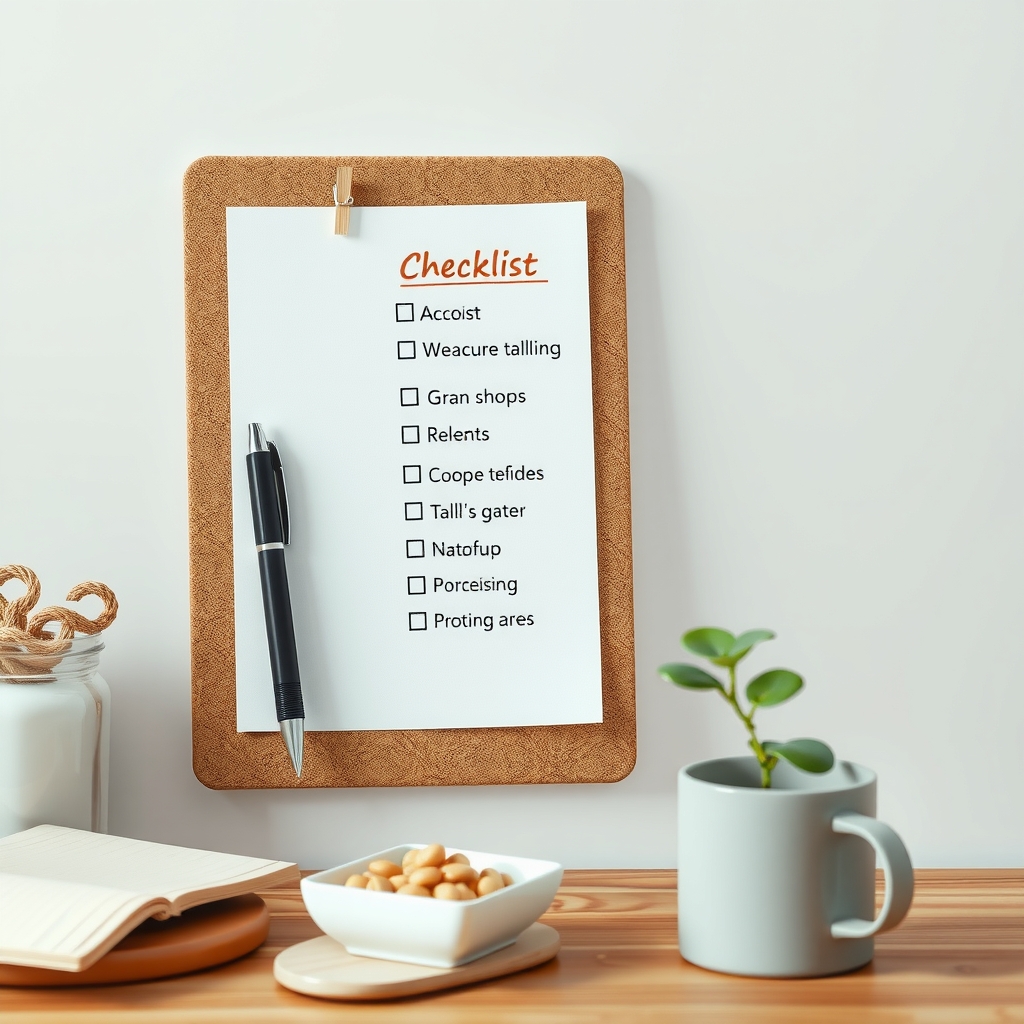
Your Morning Routine Checklist (Printable Template)
A checklist can be incredibly helpful for visualizing your morning and ensuring you don't forget important steps. You can adapt this template to fit your specific needs and print it out to keep visible.
This checklist is a starting point. Feel free to add or remove items to match your family's unique rhythm and the age of your children. For moms with a newborn, the "kids' routine" column might focus on feeding, changing, and a few minutes of tummy time, with mom's self-care integrated around those needs.
Common Morning Routine Mistakes for Moms & How to Avoid Them
Even with the best intentions, it's easy to fall into traps that derail your morning routine. Recognizing these common pitfalls can help you adjust and create a more sustainable plan.
1. Trying to Do Too Much, Too Soon
Mistake: You decide you'll wake up an hour earlier, do a full workout, meditate for 20 minutes, and make a gourmet breakfast on day one. This often leads to burnout and giving up entirely.
Solution: Start small. Choose 1-2 new habits and integrate them gradually (e.g., wake 15 minutes earlier for a glass of water and deep breaths). Build momentum before adding more.
2. Neglecting Night-Before Prep
Mistake: Waking up to a chaotic kitchen, unmade lunches, and no idea what to wear. This immediately puts you behind and creates stress.
Solution: Make evening prep a non-negotiable part of your routine. Lay out clothes, pack lunches, organize bags, tidy the main living areas. This investment of 15-30 minutes the night before pays dividends in morning calm.
3. Hitting Snooze Repeatedly
Mistake: Thinking those extra 5-10 minutes of broken sleep are beneficial. They actually make you feel more groggy and rush your morning.
Solution: Place your alarm clock across the room so you have to physically get out of bed to turn it off. Once you're up, stay up. Focus on improving overall sleep quality so you don't feel the need to snooze.
4. Getting Sucked into Screens
Mistake: Checking emails, social media, or news as soon as you wake up. This immediately puts you into a reactive state and fills your mind with external demands before you've even had a moment for yourself.
Solution: Implement a "no screens for the first 30 minutes" rule. Use that time for hydration, movement, or quiet reflection. Your brain needs time to transition from sleep to wakefulness without being bombarded.
5. Expecting Perfection and Getting Discouraged by Disruptions
Mistake: Believing your routine needs to be flawlessly executed every single day, and then feeling like a failure when a sick child, a late night, or an unexpected event throws it off.
Solution: Embrace flexibility. Your routine is a guide, not a rigid set of rules. Acknowledge that disruptions happen. On those days, focus on the absolute essentials (e.g., everyone fed, dressed, and out the door). Forgive yourself, and reset tomorrow. "Many women tell us that learning to be flexible and kind to themselves was the biggest factor in sticking with a routine long-term," one reader shared.
6. Lack of Clear "Why"
Mistake: Going through the motions without understanding why you're doing each step. This makes it hard to stay motivated.
Solution: Connect each part of your routine to a personal benefit. "I drink water to feel energized." "I stretch to ease my back pain." "I plan my day to reduce stress." Your "why" is your fuel.
Myth vs. Fact: Morning Routines for Moms
Myth: A successful morning routine requires waking up before dawn and completing an elaborate self-care ritual.
Fact: A successful morning routine is one that is realistic and sustainable for *your* life. For some, that might be an hour of quiet time; for others, it's 5 minutes of mindful breathing and a quick breakfast. The "best" routine is the one you can stick to consistently, not the most Instagrammable one.
Myth: Once you establish a morning routine, it should never change.
Fact: Life with kids is constantly evolving. A morning routine that works for a newborn phase will look very different when you have a toddler, or school-aged children, or when you transition back to work. Your routine should be a living document, adaptable to new seasons and challenges. Be prepared to revisit and revise it every few months.
Myth: Morning routines are only for productivity; they don't impact mental health.
Fact: A well-structured morning routine can significantly boost mental health. It provides a sense of control, reduces decision fatigue, creates space for self-care, and can lower stress and anxiety by providing predictability in an often unpredictable life. Even small moments of calm can have a profound positive effect on your emotional well-being.
Key Takeaways for Busy Moms
- A morning routine is a flexible framework, not a rigid set of rules; tailor it to your life stage and kids' ages.
- Even 5-10 minutes of intentional self-care can make a significant difference in your mental well-being and energy.
- Night-before preparation is your most powerful tool for a smoother, less stressful morning.
- Involve your children in age-appropriate ways to foster their independence and save you time.
- Prioritize sleep quality to make waking up earlier feel more sustainable, not more exhausting.
- Be kind to yourself: disruptions are inevitable, so practice flexibility and don't strive for perfection.
Frequently Asked Questions
What is a good morning routine for a busy mom?
A good morning routine for a busy mom is one that is realistic, sustainable, and includes small moments for self-care, efficient prep, and family connection. It often starts with a few minutes for yourself (hydration, quick stretch, quiet reflection), followed by getting yourself ready, then efficiently getting kids ready, eating a healthy breakfast, and a final check before heading out the door. The specific timings and activities will vary based on your family's needs.
How do I create a morning routine with a baby?
Creating a morning routine with a baby requires immense flexibility and acceptance of disruption. Focus on the absolute essentials: feeding the baby, changing diapers, and getting yourself minimally ready (e.g., dressed, hydrated). Your "self-care" might be a 5-minute shower or eating a meal with both hands. Prioritize sleep whenever possible, and use baby's nap times for quick self-care or essential tasks. Don't aim for perfection; aim for progress and survival.
What are the benefits of a morning routine for moms?
The benefits of a morning routine for moms are numerous: reduced stress and anxiety, increased sense of control and predictability, improved mental clarity and focus, enhanced productivity throughout the day, more consistent self-care, and a more positive start to the day for the entire family. It creates a foundation that helps you navigate the inevitable challenges of motherhood with greater resilience.
How can moms wake up before their kids?
To wake up before your kids without feeling exhausted, start by shifting your wake-up time gradually (10-15 minutes earlier every few days). Prioritize excellent sleep hygiene by going to bed earlier consistently, optimizing your sleep environment, and having a relaxing wind-down routine. Have a clear purpose for that extra time to motivate you, and use light-based alarms to support your natural circadian rhythm.
What should I include in my morning routine for self-care?
For self-care, a mom's morning routine should include hydration (a glass of water), a few minutes of mindful movement (stretching, yoga), a quiet moment for reflection (journaling, meditation, or simply sipping coffee in silence), and nourishing breakfast. These don't need to be long; even 5-10 minutes dedicated to these activities can significantly impact your well-being.
How do I stay consistent with a morning routine as a mom?
Staying consistent as a mom involves realistic goal-setting (don't overcommit), strong night-before preparation, embracing flexibility for inevitable disruptions, and connecting to your personal "why" for each step. Reward small wins, don't strive for perfection, and be kind to yourself when things go off track. Regularly review and adjust your routine as your family's needs change.
When to See a Doctor or Specialist
While a morning routine can significantly improve daily well-being, it's important to recognize when deeper issues might be at play. If you're consistently struggling with extreme fatigue, persistent low mood, overwhelming anxiety, or difficulty concentrating despite implementing good routines and sleep hygiene, it might be time to speak with a healthcare provider.
- Persistent Fatigue: If chronic exhaustion impacts your daily life and doesn't improve with rest, it could indicate underlying issues like anemia, thyroid dysfunction, or sleep disorders.
- Overwhelming Anxiety or Depression: If your anxiety or feelings of sadness are constant, interfere with your ability to function, or you feel hopeless, please reach out to your primary care physician or a mental health professional (therapist, psychiatrist).
- Severe Sleep Disturbances: If you consistently struggle to fall or stay asleep, or suspect conditions like sleep apnea, a sleep specialist can offer diagnosis and treatment.
- Difficulty Coping: If you feel consistently overwhelmed, unable to cope with daily demands, or are experiencing panic attacks, a mental health professional can provide support and strategies.
This article is for informational purposes only and is not a substitute for professional medical advice, diagnosis, or treatment. Always seek the advice of your physician or other qualified health provider with any questions you may have regarding a medical condition.
References
- American Psychological Association (APA). Stress Management.
- National Institutes of Health (NIH). Why Sleep Is So Important.
- American Heart Association (AHA). Physical Activity Recommendations for Adults.
- Academy of Nutrition and Dietetics. The Importance of Breakfast.
- Mayo Clinic. Sleep deprivation: What are the risks?



