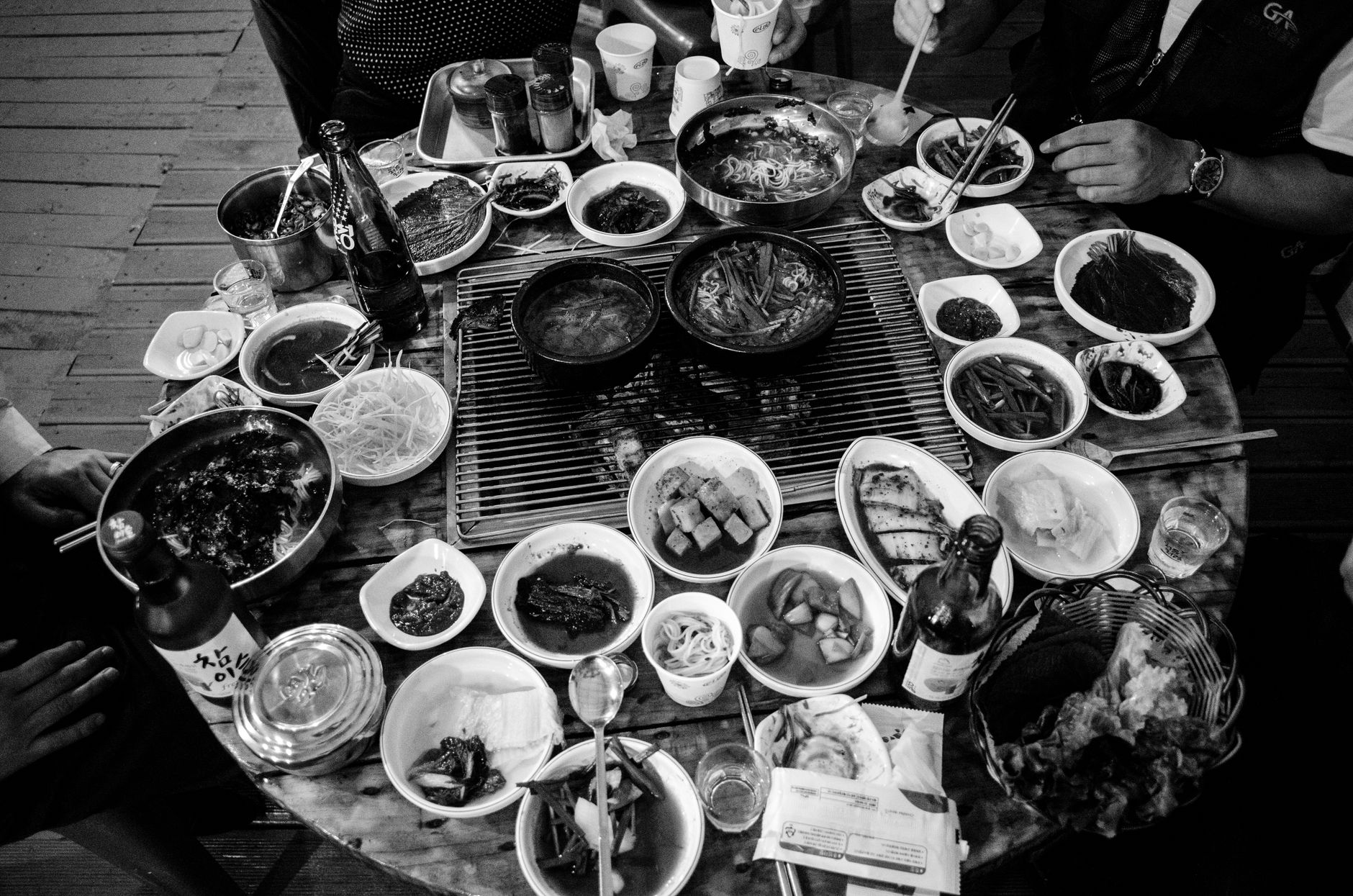
women who are pregnant or breastfeeding, nutritional needs shift significantly, and concerns about diet safety are perfectly natural. The good news is that the traditional Korean diet, with its emphasis on whole, nutrient-dense foods, can be a wonderfully healthy choice during these crucial stages, provided a few modifications and safety guidelines are followed.
General Safety Considerations
During pregnancy and breastfeeding, food safety is paramount. When following any diet, including a Korean one, remember these general principles:
- Food Hygiene: Always ensure ingredients are fresh and properly stored. Cook meats and fish thoroughly to safe internal temperatures.
- Avoid Raw or Undercooked Foods: This includes raw fish (sashimi), unpasteurized dairy, and undercooked eggs, which can pose risks of foodborne illness. While some traditional Korean dishes might include raw elements, it’s best to avoid them during pregnancy.
- Hydration: Staying well-hydrated is always important, especially when breastfeeding. The Korean diet often includes brothy soups, which contribute to fluid intake.
Key Modifications for Pregnancy
While the core principles of the Korean diet are beneficial, expectant mothers should make a few specific adjustments:
- Monitor Sodium Intake: As mentioned, some Korean dishes can be high in sodium. While sodium is essential, excessive intake can contribute to fluid retention and may be a concern for some pregnant individuals. Opt for low-sodium soy sauce, rinse kimchi (which reduces its probiotic content but also sodium), and moderate your consumption of very salty banchan.
- Ensure Adequate Protein and Iron: Pregnancy increases the demand for protein and iron. Make sure your Korean meals include ample sources like lean beef, chicken, fish (cooked well), tofu, and eggs. Many Korean stews and soups are excellent for this. Pair iron-rich foods with Vitamin C (found in many Korean vegetables) to enhance absorption.
- Calcium and Vitamin D: While the Korean diet is rich in many nutrients, it might not always be the highest in calcium or Vitamin D, especially if dairy is limited. Ensure you're getting enough through fortified plant milks, calcium-rich vegetables (like leafy greens), and possibly a supplement as advised by your doctor.
- Avoid Certain Herbs/Spices in Excess: Some traditional Korean herbal remedies or very high concentrations of certain spices might be advised against during pregnancy. Stick to culinary amounts of common spices like garlic, ginger, and chili, and always consult your doctor before consuming any herbal supplements.
- Food Temperature: Avoid extremely hot or spicy foods if they cause discomfort or heartburn, which can be common during pregnancy.
- No Restrictive Dieting: Pregnancy is not the time for weight loss. Focus on nutrient density and meeting your increased caloric needs, rather than following a diet with a primary goal of shedding pounds.
Considerations for Breastfeeding Moms
For breastfeeding mothers, the Korean diet continues to be a great source of nourishment, supporting both your health and milk production:
- Caloric Needs: Breastfeeding requires significant energy. Ensure you're consuming enough calories to support milk supply, typically an additional 300-500 calories per day, depending on individual factors. The varied and satisfying nature of Korean meals can help you meet these needs.
- Hydration is Key: Milk production relies heavily on hydration. Continue to drink plenty of water, herbal teas, and brothy soups.
- Nutrient Diversity: The wide array of vegetables, proteins, and whole grains in the Korean diet provides a broad spectrum of nutrients that can pass into breast milk, supporting your baby's development.
- Spicy Foods and Baby: While some babies can be sensitive to very spicy foods consumed by the mother, many babies tolerate them perfectly fine. If you notice your baby becomes fussy or gassy after you eat a particularly spicy Korean dish, you might consider moderating the heat level.
- Fermented Foods for Gut Health: The probiotics in kimchi and other fermented foods are excellent for your gut health, which can indirectly benefit your baby's developing microbiome.
Postpartum Recovery and the Korean Diet
The traditional Korean diet is particularly well-suited for postpartum recovery. Many traditional postpartum Korean meals are specifically designed to be warming, nutrient-dense, and restorative.
- Seaweed Soup (Miyeokguk): This is a quintessential postpartum dish, believed to replenish iron stores, aid in uterine contraction, and support milk supply. It's rich in minerals and often made with beef or seafood.
- Warming Foods: Many Korean dishes incorporate warming spices like ginger and garlic, which are traditionally believed to aid circulation and recovery.
- Nutrient Repletion: The focus on lean proteins, iron-rich ingredients, and a wide array of vegetables helps replenish the body after childbirth and supports the demands of breastfeeding. This makes it an excellent choice for healthy Korean recipes for new moms.
Always consult with your healthcare provider or a registered dietitian for personalized dietary advice during pregnancy and breastfeeding. They can help ensure your specific nutritional needs are met and address any individual concerns.
How to create a healthy 7-day Korean meal plan for beginners?
Starting a new way of eating can feel daunting, but creating a healthy 7-day Korean meal plan for beginners is simpler than you might think. The key is to focus on the core principles and gradually introduce new ingredients and cooking methods. This approach is not only sustainable but also allows you to discover new flavors and truly enjoy the process. Whether you're aiming for general wellness, improved gut health, or even looking into a Korean diet for weight loss before pregnancy, a well-structured plan is your best friend.
Understanding the Building Blocks
Every Korean meal typically consists of a few essential components, which makes meal planning straightforward:
- Grains (Bap): Usually rice – white, brown, or mixed grain. This is the foundation.
- Soup or Stew (Guk or Jjigae): A warm, flavorful broth-based dish, often with vegetables, tofu, meat, or seafood.
- Main Dish (Banchan): While "banchan" technically refers to all side dishes, there's often one primary protein-focused dish like grilled fish, a small portion of marinated meat (bulgogi), or tofu.
- Side Dishes (Banchan): A variety of small, vegetable-based dishes. This is where you get most of your fiber and micronutrients. Kimchi is almost always present.
For beginners, don't feel pressured to make five different banchan from scratch for every meal. Start with 2-3 simple ones, and build up as you get more comfortable. Many banchan can be made in larger batches and enjoyed over several days.
Portion Control and Mindful Eating
While the Korean diet doesn't typically emphasize strict calorie counting, mindful eating and appropriate portion sizes are important for health and weight management.
- Listen to Your Body: Eat until you are comfortably full, not stuffed.
- Focus on Vegetables: Fill half your plate with non-starchy vegetables and banchan.
- Moderate Rice: While rice is a staple, be mindful of your portion size, especially if weight management is a goal. A typical serving is about one cup cooked.
- Lean Protein Focus: Choose lean proteins and keep portions to about the size of your palm.
- Enjoy the Experience: The Korean diet is about savoring diverse flavors and textures. Eating slowly and appreciating your food can enhance satisfaction and prevent overeating.
Planning for Weight Loss (If Applicable)
If your goal is to use the Korean diet for weight loss, particularly if you're aiming for a healthy weight before pregnancy, here are some strategic adjustments:
- Increase Fiber & Protein: Prioritize higher fiber whole grains (brown rice, multi-grain rice) and ensure adequate lean protein at each meal. This combo is incredibly satiating.
- Reduce Rice Portions: Slightly decrease the portion size of rice and compensate by increasing your intake of non-starchy vegetable banchan and soups.
- Choose Leaner Proteins: Focus on fish, tofu, chicken breast, and lean cuts of beef. Limit dishes that are high in oil or fatty meats.
- Watch Sodium: High sodium can lead to water retention, which might mask weight loss. Be mindful of sodium in sauces and fermented foods, opting for lower-sodium versions or rinsing kimchi.
- Limit Sugary Drinks and Snacks: Stick to water, unsweetened tea, and fresh fruit for snacks. Avoid processed sweets and sugary beverages.
Remember, sustainable weight loss is a gradual process. Aim for a healthy, balanced approach rather than drastic restrictions. Consistency is key. If you are exploring various dietary approaches for weight loss, you might also find resources on other structured plans like the Atkins Diet Meal Plan helpful for comparison and understanding different methodologies.
This sample 7-day Korean diet meal plan is designed for beginners, focusing on accessible ingredients and relatively easy preparations. It provides a balanced intake of nutrients, highlighting the core principles of the Korean diet. Remember, this is a template; feel free to swap banchan, adjust spice levels, and substitute proteins based on your preferences and what's available.
7-Day Korean Diet Meal Plan
Here’s a basic shopping list to get you started. Focus on fresh, whole ingredients.
Produce:
- Cabbage (Napa cabbage for kimchi, regular for stir-fries)
- Radish (Korean radish if available, otherwise daikon)
- Cucumber
- Spinach
- Bean sprouts
- Carrots
- Zucchini
- Onions
- Garlic
- Ginger
- Scallions (green onions)
- Mushrooms (shiitake, oyster, enoki)
- Bell peppers
- Lettuce (for wraps)
- Sweet potatoes
- Apples, berries, pears, bananas, oranges (for snacks/dessert)
Pantry & Staples:
- Rice (white, brown, mixed grain)
- Kimchi (store-bought or homemade)
- Gochujang (Korean chili paste)
- Doenjang (Korean soybean paste)
- Soy sauce (low sodium if preferred)
- Sesame oil
- Rice vinegar
- Gochugaru (Korean chili flakes)
- Roasted sesame seeds
- Korean glass noodles (dangmyeon)
- Dried anchovies (for broth, optional)
- Dried kelp (dashima, for broth, optional)
- Seaweed snacks
- Almonds (for snacks)
- Unsweetened soy milk (optional)
Protein:
- Tofu (firm and soft)
- Eggs
- Chicken breast or thighs (boneless, skinless)
- Thinly sliced beef (for bulgogi, e.g., sirloin or ribeye)
- Mackerel or other white fish
- Canned tuna (for kimbap, optional)
Simple Recipe Ideas for Busy Parents
For those juggling busy schedules, these easy Korean meal prep ideas for busy parents can make following the diet much more manageable.
- Quick Kimchi Fried Rice: Sauté day-old rice with kimchi, a splash of soy sauce, and a fried egg. Add any leftover veggies or proteins. Ready in 10-15 minutes.
- One-Pan Chicken & Veggie Stir-fry: Marinate chicken pieces in soy sauce, garlic, ginger, and sesame oil. Stir-fry with a bag of pre-cut frozen mixed vegetables. Serve with pre-cooked rice.
- Batch Cook Banchan: Dedicate an hour once or twice a week to make larger batches of easy banchan like seasoned spinach, bean sprouts, or stir-fried zucchini. These keep well in the fridge for 3-4 days.
- Simple Soups/Stews: Soups like Doenjang Jjigae or Sundubu Jjigae are often one-pot wonders. Use pre-chopped garlic and ginger, and quick-cooking vegetables.
- Pre-Marinate Proteins: Marinate beef for bulgogi or chicken for stir-fries the night before, or even freeze in marinade for quick defrosting.
Remember, convenience doesn't have to mean sacrificing health. A little planning goes a long way.
Key Korean ingredients and essential pantry staples for your diet
Embarking on a Korean diet journey means familiarizing yourself with some key ingredients that are fundamental to its unique flavors. Don't worry, you don't need a pantry full of obscure items overnight. Start with these essentials, and you’ll be well on your way to creating authentic and delicious Korean meals. Many of these ingredients also contribute to the traditional Korean food list for gut health.
Must-Have Fermented Foods (Kimchi, Gochujang, Doenjang)
These are the cornerstones of Korean cuisine, providing depth of flavor and gut-healthy probiotics.
- Kimchi: The most famous Korean fermented side dish, typically made from napa cabbage and a spicy seasoning paste. It's rich in probiotics, vitamins A and C, and antioxidants.
- How to use: Serve as a side dish with almost any meal, stir into fried rice, add to stews (kimchi jjigae), or use as a topping for noodles.
- Gochujang (Korean Chili Paste): A savory, sweet, and spicy fermented condiment made from gochugaru (chili powder), glutinous rice, fermented soybeans, and salt. It provides a unique umami depth.
- How to use: Essential for bibimbap, tteokbokki (spicy rice cakes), marinades for spicy meats (e.g., spicy pork bulgogi), and various stews.
- Doenjang (Korean Soybean Paste): A fermented soybean paste, similar to Japanese miso but with a stronger, earthier, and more complex flavor. It's a key ingredient for many soups and stews.
- How to use: Primarily used as the base for doenjang jjigae (soybean paste stew), a dipping sauce for raw vegetables, or in marinades.
Other Essential Flavor Bases
These ingredients build the aromatic and savory foundations of Korean dishes.
- Gochugaru (Korean Chili Flakes): Coarsely ground red chili powder, ranging in spiciness. It gives Korean food its characteristic red color and heat.
- How to use: Used in kimchi making, spicy stews, marinades, and as a seasoning for banchan.
- Soy Sauce (Ganjang): A staple in most East Asian cuisines. Korean soy sauce (Guk-ganjang for soups, Jin-ganjang for general cooking) has specific uses, but a good quality all-purpose soy sauce works for most beginners. Opt for low-sodium if you're watching salt intake.
- How to use: Marinades, dipping sauces, seasoning for stir-fries and banchan.
- Sesame Oil (Chamgireum): Toasted sesame oil is a finishing oil, prized for its distinct nutty aroma. A little goes a long way.
- How to use: Drizzled over banchan, soups, bibimbap, and used in marinades and dressing for its fragrant flavor.
- Garlic & Ginger: Fresh garlic and ginger are used generously in almost every savory Korean dish, providing robust flavor and numerous health benefits.
- How to use: Mince or grate into marinades, stir-fries, stews, and banchan.
- Scallions (Green Onions): Used as both an aromatic and a garnish.
- How to use: Chopped into stir-fries, soups, and sprinkled fresh over dishes before serving.
Grains and Proteins
These are your primary sources of energy and building blocks.
- Rice: Short-grain white rice is traditional, but brown rice or mixed-grain rice (often with black rice, barley, or millet) are excellent whole-grain alternatives for added fiber and nutrients.
- How to use: Served as the staple with almost every meal.
- Tofu (Dubu): A versatile plant-based protein, available in various textures (soft, firm, extra-firm).
- How to use: In stews (sundubu jjigae, kimchi jjigae), stir-fries, grilled, or pan-fried.
- Eggs (Gyeran): A quick and easy protein source.
- How to use: Fried on top of bibimbap, steamed (gyeran jjim), or in egg rolls (gyeran-mari).
- Fish & Seafood: Mackerel, anchovies (for broth), and various other fish are common.
- How to use: Grilled, pan-fried, or simmered in stews.
- Lean Meats: Thinly sliced beef (for bulgogi) or chicken are used in moderation.
- How to use: Marinated and grilled/pan-fried, or in stir-fries and stews.
- Korean Glass Noodles (Dangmyeon): Made from sweet potato starch, these clear, chewy noodles are a key ingredient in japchae.
- How to use: Stir-fried with vegetables and meat in japchae, or added to soups and stews.
Where to Buy Korean Ingredients
Finding these ingredients is easier than you might think:
- Asian Grocery Stores: Your best bet for the widest selection and most authentic brands. Look for Korean-specific markets if available.
- International Aisle of Supermarkets: Many larger mainstream grocery stores now carry kimchi, gochujang, soy sauce, and sesame oil in their international foods section.
- Online Retailers: Websites specializing in Asian groceries can deliver directly to your door, especially useful for less common items.
- Farmer's Markets: Sometimes you can find fresh napa cabbage, radishes, and other produce suitable for Korean cooking.
Adapting the Korean diet for specific dietary needs or restrictions
The beauty of a whole-foods-based diet like the Korean diet is its adaptability. While traditional, it can be customized to fit a variety of dietary needs, preferences, or health conditions. Whether you have allergies, follow a vegetarian lifestyle, or need to manage specific nutrient intakes, there are ways to make the Korean diet work for you.
Allergy Considerations (Gluten, Soy, Nuts)
Korean cuisine, like many Asian cuisines, heavily uses soy and often contains nuts. Gluten is also present in many traditional sauces.
- Gluten-Free:
- Soy Sauce: Most traditional soy sauces contain wheat. Opt for tamari, a gluten-free soy sauce alternative, or coconut aminos.
- Gochujang & Doenjang: Some brands may contain wheat or barley. Read labels carefully and look for certified gluten-free versions.
- Glass Noodles (Dangmyeon): These are naturally gluten-free as they are made from sweet potato starch.
- Rice Cakes (Tteok): Also typically gluten-free, made from rice flour.
- Soy-Free:
- This is more challenging as soy is fundamental (soy sauce, doenjang, tofu).
- Soy Sauce: Use coconut aminos as a substitute.
- Tofu: Replace with other proteins like chicken, fish, or mushrooms.
- Doenjang: There isn't a direct perfect substitute for the flavor, but you can rely more on other umami sources like mushrooms, seaweed, and fish sauce (if not vegan).
- Nut Allergies:
- Sesame oil and sesame seeds are very common. If you have a severe sesame allergy, you'll need to avoid these, which significantly changes the flavor profile.
- For other nuts, it's generally easier to avoid as they are not as prevalent, but always check ingredients lists, especially for prepared sauces or snacks.
Vegetarian and Vegan Adaptations
The Korean diet is naturally very plant-forward, making it relatively easy to adapt for vegetarian and vegan lifestyles.
- Protein Sources:
- Tofu: A primary plant-based protein. Use firm tofu for stir-fries and soft tofu for stews.
- Mushrooms: Shiitake, oyster, and enoki mushrooms are commonly used and provide an umami depth.
- Legumes: While not as central as in some other diets, you can incorporate beans or lentils into some dishes.
- Plant-Based Meats: Many Korean dishes can be adapted using plant-based mince or protein alternatives.
- Broths:
- Traditional broths often use dried anchovies or beef. Substitute with vegetable broth, dried shiitake mushroom broth, or kombu (dried kelp) broth for a rich umami flavor.
- Kimchi:
- Most store-bought kimchi contains fish sauce or salted shrimp. Look for vegan kimchi brands or make your own using vegetarian alternatives for fermentation.
Managing Sodium Intake
As noted earlier, sodium can be a concern. Here's how to manage it without sacrificing flavor:
- Choose Low-Sodium Products: Opt for low-sodium soy sauce and check labels on gochujang and doenjang.
- Rinse Kimchi: Rinsing kimchi under water can reduce its sodium content, though it may also wash away some probiotics.
- Use Herbs & Spices: Rely more on fresh garlic, ginger, scallions, chili flakes (gochugaru), and sesame oil for flavor instead of excessive salt or sauces.
- Homemade Sauces: Making your own dipping sauces and marinades allows you to control the salt content.
- Balance with Fresh Foods: Counterbalance saltier banchan with plenty of fresh, unseasoned vegetables and plain rice.
Foods to Limit or Avoid on a Traditional Korean Diet
While the focus is on what to include, understanding what is typically limited helps maintain the integrity and health benefits of the diet.
- Highly Processed Foods: This includes packaged snacks, sugary cereals, fast food, and convenience meals high in artificial ingredients, unhealthy fats, and added sugars.
- Excessive Added Sugars: While some dishes have a touch of sweetness, large amounts of added sugar (e.g., in sugary drinks, desserts, or overly sweet marinades) are not traditional.
- Deep-Fried Foods: While some Korean street food is fried, it's not a staple of the daily diet. Focus on steaming, grilling, stir-frying, and boiling.
- High-Fat Dairy Products: Traditional Korean cuisine does not typically feature dairy products like cheese, butter, or cream.
- Large Portions of Red Meat: While beef is enjoyed, it's usually in smaller, leaner portions, often marinated and served with many vegetables.
Tips for successful Korean diet meal prep and sticking to your plan
Adopting a new eating pattern like the Korean diet can be an exciting step towards better health, but consistency is key. For many, the biggest hurdle is finding the time and energy to prepare meals, especially for busy parents or those with demanding schedules. With a few smart meal prep strategies and tips, you can make the Korean diet a sustainable and enjoyable part of your routine.
Weekly Meal Prep Strategies
Effective meal prep is about planning ahead and using your time wisely.
- Batch Cook Grains: Cook a large batch of your preferred rice (white, brown, or mixed grain) at the beginning of the week. Store it in individual portions in the fridge or freezer. This saves significant time for each meal.
- Prepare Banchan in Advance: Many banchan (side dishes) are meant to be eaten cold or at room temperature and keep well in the refrigerator for 3-5 days. Dedicate an hour or two on a Sunday to make several types of banchan, such as seasoned spinach, bean sprouts, stir-fried zucchini, or cucumber salad.
- Chop Vegetables: Pre-chop and store vegetables like carrots, zucchini, onions, and bell peppers for stir-fries, stews, or salads. This makes throwing together a meal much quicker during the week.
- Pre-Marinate Proteins: Prepare marinades for beef bulgogi or chicken stir-fries and let the meat soak for a day or two in the fridge, or even freeze marinated portions for later use.
- Cook Large Batches of Soup/Stew: Many Korean soups and stews (jjigae or guk) taste even better the next day. Make a large pot and portion it out for lunches or dinners throughout the week.
- Utilize Freezing: Kimchi jjigae, doenjang jjigae, and even portions of cooked rice or marinated meats can be frozen for longer storage, providing quick grab-and-go options.
Smart Cooking Techniques
Beyond traditional Korean cooking, incorporating these general smart cooking habits can streamline your process.
- One-Pot Wonders: Embrace dishes that can be cooked in a single pot or pan, minimizing cleanup. Many stews and stir-fries fall into this category.
- Quick Blanches: For many banchan, vegetables are quickly blanched. This is a fast way to cook them while retaining nutrients and a crisp texture.
- High-Heat Stir-Frying: This method cooks vegetables and proteins quickly, preserving their texture and flavor.
- Pressure Cookers/Instant Pots: These appliances can drastically cut down cooking time for rice, tough cuts of meat for stews, or even some soups.
Eating Out and Socializing
Sticking to your plan doesn't mean you have to avoid social gatherings or eating out.
- Choose Wisely at Korean Restaurants: Opt for dishes like bibimbap (ask for extra veggies, less gochujang/oil), grilled fish, vegetable-heavy stews, or lean bulgogi. Be mindful of portion sizes and avoid overly fried or cheesy dishes.
- Bring a Dish: If you're going to a potluck or gathering, offer to bring a healthy Korean-inspired dish, like a large japchae (glass noodle salad) or a variety of banchan.
- Focus on Balance: If you have a meal that's higher in sodium or less traditional, balance it with lighter, more plant-focused meals for the rest of the day or week.
Common Mistakes to Avoid
Even with the best intentions, it's easy to fall into common traps when starting a new diet.
- Ignoring Sodium Content: While delicious, many Korean sauces and fermented foods are high in sodium. Be mindful of this, especially if you have blood pressure concerns.
- Over-Reliance on White Rice: While traditional, relying solely on white rice without balancing it with plenty of vegetables and lean protein can lead to higher carbohydrate intake without sufficient fiber. Mix it up with brown or multi-grain rice.
- Not Enough Variety in Banchan: Getting stuck making the same one or two side dishes can lead to nutrient deficiencies and boredom. Experiment with different vegetables and seasonings.
- Expecting Instant Results: The Korean diet is a sustainable lifestyle, not a quick fix. Focus on long-term health benefits rather than immediate drastic changes.
- Neglecting Hydration: Don't forget to drink plenty of water throughout the day, especially if you're consuming spicier foods.
- Being Too Strict: Don't aim for perfection. If you deviate from the plan, simply get back on track with your next meal. The goal is progress, not perfection.
By implementing these strategies, you can enjoy the delicious and healthful benefits of the Korean diet without feeling overwhelmed, making it a sustainable choice for your wellness journey.
Myth vs. Fact
Myth: The Korean diet is always super spicy and hard to eat.
Fact: While Korean cuisine is known for its bold, spicy flavors, not all dishes are intensely hot. Many banchan are mild, savory, or sweet, and you can always adjust the amount of gochugaru (chili flakes) or gochujang (chili paste) in your homemade dishes to suit your preference. There are plenty of delicious non-spicy options like bulgogi, japchae, and various soups.
Myth: You'll lose a lot of weight quickly on the Korean diet.
Fact: The Korean diet is not a crash diet; it's a balanced, whole-foods-based eating pattern that can support healthy weight management and overall wellness. While many people do experience gradual weight loss due to increased fiber, lean protein, and reduced processed foods, the primary benefit is often improved health, gut function, and sustained energy, rather than rapid weight loss in just a week.
Myth: Following a Korean diet is too complicated and requires special cooking skills.
Fact: While some traditional Korean dishes can be intricate, many staples are quite simple and accessible for beginners. The core principles—lots of vegetables, rice, and a protein—are easy to grasp. With basic cooking skills and a few essential ingredients, you can prepare delicious and healthy Korean meals. Our 7-day meal plan focuses on beginner-friendly options.
Key Takeaways
- The traditional Korean diet is a highly nutritious, plant-forward eating pattern rich in vegetables, fermented foods, whole grains, and lean proteins.
- It offers significant health benefits, including improved gut health, support for weight management, and reduced risk of chronic diseases.
- The Korean diet is generally safe and beneficial during pregnancy and breastfeeding with specific modifications like monitoring sodium, ensuring adequate protein/iron, and avoiding raw foods.
- Creating a 7-day Korean meal plan involves focusing on core components: rice, soup, a main protein, and various vegetable banchan.
- Essential pantry staples include kimchi, gochujang, doenjang, soy sauce, sesame oil, garlic, ginger, and gochugaru, readily available at Asian markets or international aisles.
- The diet is adaptable for specific needs like gluten-free, soy-free, or vegetarian/vegan, by choosing appropriate substitutions and reading labels carefully.
- Effective meal prep, such as batch cooking rice and banchan, pre-chopping vegetables, and making large batches of stews, is crucial for sticking to the plan.
When to see a doctor or specialist
While the traditional Korean diet is a generally healthy and balanced eating pattern, it's always wise to consult with a healthcare professional or a registered dietitian if you have specific health concerns or dietary needs.
You should talk to your doctor or a registered dietitian if:
- You have any existing health conditions such as diabetes, heart disease, kidney disease, or high blood pressure, as dietary changes may impact your medication or condition management.
- You are pregnant or breastfeeding and need personalized advice to ensure you meet all your nutritional requirements safely.
- You have known food allergies or intolerances (e.g., gluten, soy, nuts) and need guidance on safe and effective substitutions within the Korean diet framework.
- You are experiencing digestive issues, unexplained weight changes, or other new symptoms after starting the diet.
- You are considering using the Korean diet for specific health goals, like significant weight loss, and want to ensure it's appropriate and safe for your body.
- You are struggling to incorporate the diet into your lifestyle or feel overwhelmed by the changes.
This article provides general information and is not a substitute for professional medical advice, diagnosis, or treatment. Always seek the advice of your physician or other qualified health provider with any questions you may have regarding a medical condition.
References
- Harvard T.H. Chan School of Public Health. The Nutrition Source: Fermented Foods.
- World Health Organization (WHO). Salt Reduction.
- American Heart Association (AHA). Healthy Eating.
- National Institutes of Health (NIH). Dietary Guidelines for Americans.