Discover a 2026-approved Atkins diet sample day of eating with high-protein, low-carb meals. Learn how to structure your meals for fat loss and energy—no
By Shubhra Mishra — a mom of two who turned her own confusion during pregnancy into BumpBites, a global mission to make food choices clear, safe, and stress-free for every expecting mother. 💛
Check whether any food is safe during pregnancy with the BumpBites Food Safety Checker.
Quick take: The Atkins diet emphasizes a controlled carbohydrate intake, starting with a very low-carb "Induction" phase. A typical Atkins diet sample day of eating during Induction focuses on protein, healthy fats, and non-starchy vegetables, aiming for around 20 net carbs daily. While effective for some, it's crucial to understand the phases, food lists, and potential nutritional considerations, especially if you have specific dietary needs or health conditions. Always consult a healthcare provider before starting a new diet.
Feeling overwhelmed by conflicting diet advice, especially when trying to understand something as specific as an Atkins diet sample day of eating? You're not alone. Many women come to us looking for clear, practical guidance on how to navigate popular eating plans like Atkins, which has been around for decades. Whether you're curious about low-carb living, looking to manage weight, or simply want to understand the framework, getting a clear picture of what a typical day looks like is the first step.
The Atkins diet, developed by Dr. Robert C. Atkins, is a low-carbohydrate eating plan designed to help your body shift from burning carbs for energy to burning fat. This process, known as ketosis, is at the heart of the diet's initial phase. But Atkins isn't just about cutting carbs; it's a phased approach meant to help you find a sustainable way of eating that works for your body.
In this guide, we'll break down what an Atkins diet sample day of eating truly entails, from the strict Induction phase to the more flexible later stages. We'll provide practical meal ideas, discuss important considerations for women at different life stages, including those who are vegetarian or pregnant, and highlight common pitfalls to avoid. Our goal is to give you genuinely helpful, scientifically grounded information so you can make informed choices for your health.
What does a typical Atkins Induction day of eating look like?
The Atkins Induction phase is the most restrictive part of the diet, typically lasting for two weeks. During this time, your goal is to consume no more than 20 grams of "net carbs" per day. Net carbs are calculated by subtracting fiber and sugar alcohols from total carbohydrates. This phase is designed to kickstart ketosis, where your body begins burning fat for fuel instead of carbohydrates.
For many, the idea of limiting carbs to just 20 grams can seem daunting, but the focus shifts to generous portions of protein, healthy fats, and specific non-starchy vegetables. You're encouraged to eat until you're satisfied, which helps to minimize hunger cravings as your body adapts.
Atkins Induction: Allowed Foods
During the Induction phase, your plate will be filled with nutrient-dense, low-carb options. Here’s a general list of what you can enjoy:
Protein: Beef, poultry (chicken, turkey), pork, lamb, fish (salmon, tuna, cod), shellfish (shrimp, crab, lobster), eggs (any style). Aim for 4-6 ounces per meal.
Non-Starchy Vegetables: These are your primary source of carbohydrates during Induction. Focus on leafy greens like spinach, kale, lettuce, and collard greens. Other options include broccoli, cauliflower, asparagus, green beans, bell peppers, celery, cucumbers, mushrooms, and zucchini. Aim for 12-15 grams of net carbs from vegetables daily.
Dairy: Full-fat hard cheeses (up to 4 ounces daily), heavy cream (a few tablespoons daily), unsweetened full-fat Greek yogurt (in moderation, check carb counts).
Nuts and Seeds: Small amounts of certain nuts and seeds are allowed in later phases, but generally restricted during Induction due to their carb content. Check specific Atkins guidelines for very small allowances of things like flax seeds.
Atkins Induction: Foods to Restrict or Avoid
To stay within the 20 net carb limit, many common foods are off-limits during Induction:
Fruits: All fruits, including berries, are generally avoided during Induction due to their sugar content. Small amounts of berries may be introduced in later phases.
Legumes: Beans, lentils, chickpeas.
Sugars and Sweeteners: Table sugar, honey, maple syrup, high-fructose corn syrup, artificial sweeteners (some may be allowed in moderation, but natural options like stevia are preferred).
Processed Foods: Foods with added sugars, trans fats, or high carb counts.
Alcohol: Generally avoided during Induction.
Atkins Induction Sample 7-Day Meal Plan (20 Net Carbs)
Here’s a practical look at what a week of eating might look like during the Atkins Induction phase. Remember to adjust portion sizes to feel satisfied while staying within your carb limits. Track your net carbs diligently, especially from vegetables and dairy.
Meal
Day 1
Day 2
Day 3
Day 4
Day 5
Day 6
Day 7
Breakfast
Scrambled eggs (2-3) with spinach and cheddar cheese, cooked in butter.
Omelet with mushrooms, bell peppers, and feta cheese.
2 hard-boiled eggs with 1/2 avocado.
Breakfast sausage patties (2) with a side of sautéed kale.
Cottage cheese (full-fat, 1/2 cup) with a sprinkle of flax seeds.
Scrambled eggs (2-3) with bacon (2 slices) and a few cherry tomatoes.
Avocado and egg "boats" (baked eggs in avocado halves).
Lunch
Large chef salad with grilled chicken, mixed greens, cucumber, olives, full-fat ranch dressing.
Tuna salad (made with mayo, celery) served in lettuce cups.
Leftover steak from dinner, served with a side salad (oil & vinegar).
Chicken Caesar salad (no croutons) with extra Parmesan.
Shrimp salad (made with mayo, dill) with sliced bell peppers.
Hard-boiled eggs (2) with cheese slices and celery sticks.
Turkey and cheese roll-ups (use large lettuce leaves instead of tortillas).
Dinner
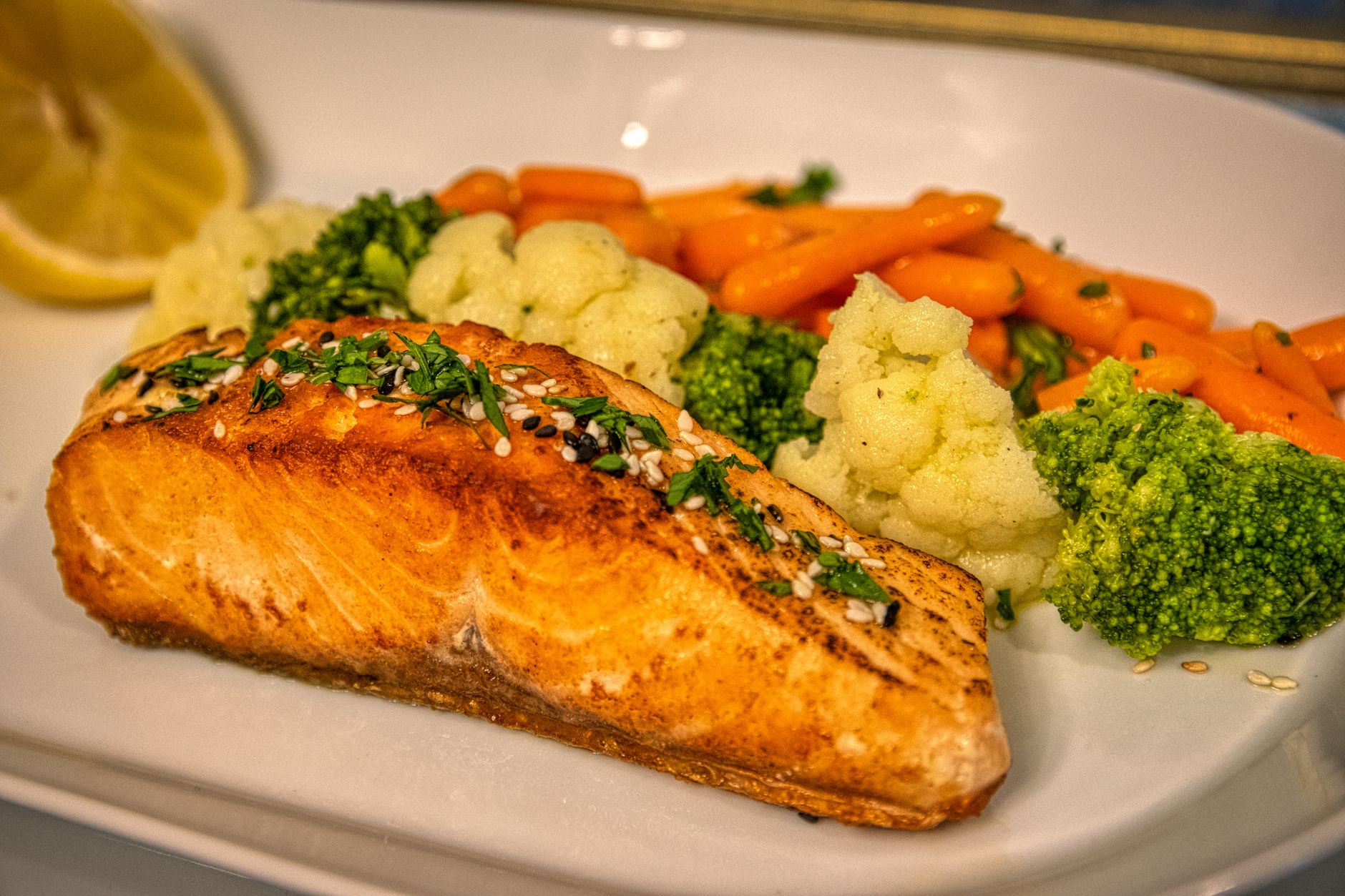
Baked salmon with roasted asparagus and a side of buttered broccoli.
Cheeseburger (no bun) with lettuce, tomato, onion, pickles, and a side salad.
Chicken stir-fry with a variety of non-starchy vegetables (broccoli, bell peppers, zucchini) and soy sauce (low-sodium).
Pork chops with creamed spinach.
Grilled steak with a large side of mixed greens with avocado.
Meatloaf (no breadcrumbs) with mashed cauliflower.
Baked cod with green beans and a dollop of butter.
Snacks (Optional, choose 1-2)
Cheese stick
Small handful of olives
Celery sticks with cream cheese
Hard-boiled egg
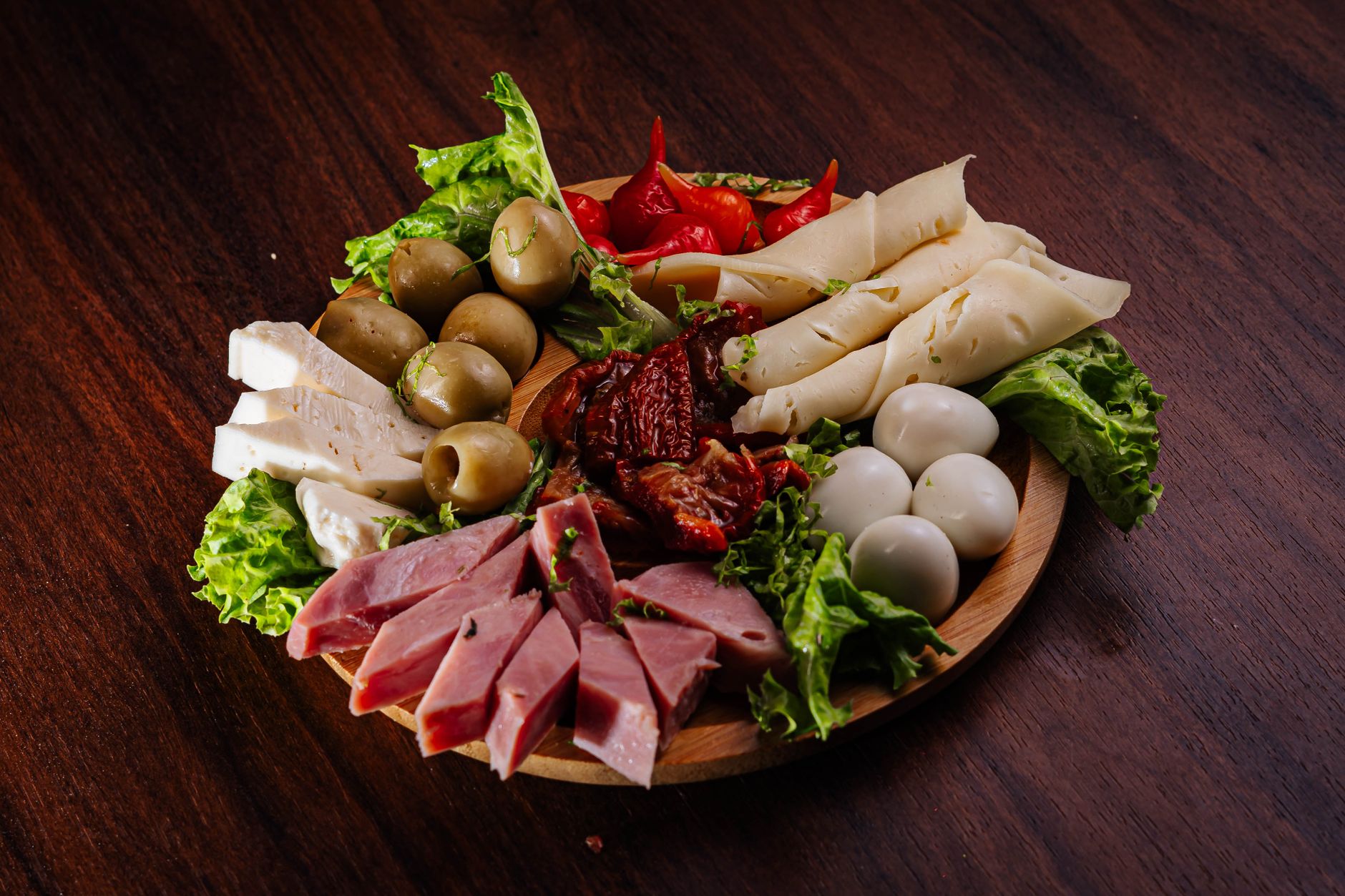
A few slices of turkey or ham
Small piece of avocado
Sugar-free gelatin
This sample plan provides a good starting point. Remember that portion sizes and specific carb counts can vary, so always check labels and adjust as needed. The key is to prioritize whole, unprocessed foods and keep a close eye on your daily net carb intake.
A delicious and compliant meal for the Atkins Induction phase, focusing on protein, healthy fats, and non-starchy vegetables.
Atkins diet sample day for pregnancy: Is it safe and what to eat?
The question of whether diets like Atkins are safe during pregnancy is a critical one, and for good reason. Pregnancy is a time of immense nutritional need, and restricting entire food groups without careful medical supervision can pose risks to both mother and baby. While you might be exploring low-carb options for managing gestational diabetes or weight gain, it's essential to approach this with extreme caution and always under the guidance of your healthcare provider.
The American College of Obstetricians and Gynecologists (ACOG) and other leading health organizations generally recommend a balanced diet during pregnancy, including a variety of carbohydrates, proteins, and fats. Severely restricting carbohydrates, as in the Atkins Induction phase, can lead to ketosis. While nutritional ketosis is generally considered safe for healthy adults, its effects during pregnancy are not fully understood, and some studies suggest potential risks.
Potential Concerns for Atkins During Pregnancy
Nutrient Deficiencies: Strict low-carb diets often limit fruits, certain vegetables, and whole grains, which are vital sources of folic acid, iron, calcium, and fiber—all crucial for fetal development and maternal health. For instance, adequate fiber is key to preventing constipation, a common pregnancy complaint.
Ketosis and Fetal Development: While research is ongoing, some concerns exist regarding the long-term effects of maternal ketosis on fetal brain development. It's an area where medical consensus leans towards caution.
Energy Levels: Pregnancy requires a significant increase in energy. A very low-carb diet might leave some pregnant women feeling fatigued, especially in the first trimester when nausea and exhaustion are common.
Gestational Diabetes Management: While a low-carb approach can help manage blood sugar for gestational diabetes, the strictness of Atkins Induction is rarely recommended. A more moderate, medically supervised carbohydrate-controlled plan, often guided by a registered dietitian, is usually preferred.
What to Eat (and Avoid) if Considering a Modified Low-Carb Approach During Pregnancy
If your doctor or a registered dietitian recommends a *modified* low-carb approach (not strict Atkins Induction) to manage a condition like gestational diabetes, the focus should be on nutrient density and moderation, rather than severe restriction.
Prioritize Complex Carbs: Instead of eliminating carbs, choose complex carbohydrates like whole grains (oats, quinoa), legumes, and starchy vegetables (sweet potatoes, corn) in controlled portions. These provide sustained energy and fiber.
Ample Protein and Healthy Fats: Continue to emphasize lean proteins (chicken, fish, eggs, tofu) and healthy fats (avocado, nuts, seeds, olive oil). These are crucial for fetal growth and satiety.
Plenty of Fruits and Vegetables: Include a wide variety of fruits and non-starchy vegetables. Berries, apples, and leafy greens are packed with vitamins, minerals, and antioxidants.
Hydration: Stay well-hydrated with water, especially important during pregnancy to prevent dehydration and support amniotic fluid.
The Verdict: The strict Atkins Induction phase is generally NOT recommended during pregnancy or breastfeeding due to potential risks and the difficulty of meeting all nutritional needs. If you have specific concerns about weight or blood sugar during pregnancy, please consult your OB/GYN or a registered dietitian who specializes in prenatal nutrition. They can help you create a safe, balanced, and personalized eating plan. Trying to follow a Keto Diet Sample Day of Eating during pregnancy also carries similar risks and should be discussed with your medical team.
Atkins diet sample day for vegetarians: Meal ideas and substitutions
Adapting the Atkins diet for vegetarians presents a unique set of challenges, particularly during the strict Induction phase. Most traditional Atkins meals heavily rely on meat, poultry, and fish for protein and fat. However, with careful planning and smart substitutions, it is possible to follow a vegetarian Atkins plan, though it often requires more diligence to meet protein needs without exceeding carbohydrate limits.
Challenges for Vegetarian Atkins
Protein Sources: Many common vegetarian protein sources, such as beans, lentils, and some soy products, contain higher carbohydrate counts than their animal-based counterparts.
Hidden Carbs: Processed vegetarian alternatives (e.g., veggie burgers) can often contain fillers and starches that increase carb counts.
Nutrient Gaps: Without meat, vegetarians need to be extra mindful of getting enough iron, B12, and omega-3 fatty acids, which are often found in animal products.
Key Vegetarian Protein Sources for Atkins
Eggs: A versatile and excellent low-carb protein.
Cheese: Full-fat hard cheeses are a good source of protein and fat.
Tofu and Tempeh: Unprocessed, firm tofu and tempeh are lower in carbs and high in protein. Always check labels, as carb content can vary.
Nuts and Seeds: While higher in carbs than eggs or cheese, small portions of certain nuts (almonds, walnuts, pecans) and seeds (chia, flax, hemp) can provide protein, healthy fats, and fiber. Use sparingly during Induction.
Protein Powders: Unsweetened, low-carb plant-based protein powders (e.g., pea protein) can be a useful supplement.
Avocado: A fantastic source of healthy fats and some protein.
Vegetarian Atkins Induction Sample Day
Here’s an example of how a vegetarian might structure an Atkins Induction day, focusing on eggs, cheese, non-starchy vegetables, and mindful use of other plant-based options.
Breakfast: Scrambled eggs (2-3) with sautéed spinach, mushrooms, and a sprinkle of feta cheese, cooked in olive oil.
Lunch: Large salad with mixed greens, cucumber, bell peppers, olives, half an avocado, and crumbled firm tofu (sautéed or baked for texture). Dress with olive oil and vinegar.
Dinner: Eggplant lasagna (using thinly sliced eggplant instead of pasta sheets) layered with ricotta cheese (full-fat), mozzarella, and a low-carb marinara sauce.
Snacks: Cheese stick, a small handful of almonds (check carb count carefully), celery sticks with cream cheese, or half an avocado.
Substitutions and Tips:
Tofu/Tempeh: Always press tofu to remove excess water before cooking to improve texture and flavor. Marinate tempeh in low-carb sauces for added taste.
Fats: Don't shy away from healthy fats like olive oil, coconut oil, avocados, and nuts to ensure satiety and energy.
Vegetable Variety: Experiment with different non-starchy vegetables to keep meals interesting and ensure a wide range of nutrients.
Reading Labels: This is paramount for vegetarians on Atkins. Many plant-based products have hidden sugars and starches.
Supplementation: Consider discussing a B12 supplement with your doctor, as this is primarily found in animal products.
Following a vegetarian Atkins plan requires dedication to tracking carbs and ensuring adequate protein intake. It can be done, but it demands more active meal planning and label scrutiny than a standard Atkins approach. For more general healthy eating, you might explore a Flexitarian Diet Sample Day, which offers more flexibility for plant-forward eating.
Easy Atkins diet snacks for a busy day: Quick and compliant options
When you're following a low-carb plan like Atkins, hunger can strike unexpectedly, especially during the initial Induction phase. Having a list of quick, compliant snacks on hand is crucial for staying on track and avoiding temptation. The best Atkins snacks are high in protein and healthy fats, which help keep you feeling full and satisfied between meals, without adding unnecessary carbs.
Go-To Atkins-Compliant Snack Ideas
Cheese Sticks or Cubes: Pre-portioned and easy to grab. Opt for full-fat varieties like cheddar, mozzarella, or Colby.
Hard-Boiled Eggs: Cook a batch at the beginning of the week for a quick protein boost. They're incredibly versatile and satisfying.
Avocado Slices: A fantastic source of healthy monounsaturated fats and fiber. Sprinkle with a little salt and pepper.
Olives: Green or black olives are low in carbs and high in healthy fats.
Celery Sticks with Cream Cheese: A classic combo that provides crunch and creamy satisfaction. Ensure your cream cheese is full-fat and plain.
Turkey or Ham Roll-Ups: Slice of deli meat (check for added sugars/carbs) rolled around a piece of cheese or a pickle spear.
Small Handful of Nuts (Limited during Induction): Almonds, walnuts, or pecans can be enjoyed in very small, measured portions after the first week of Induction, watching net carbs carefully. They are excellent sources of healthy fats.
Pork Rinds: A surprisingly zero-carb crunchy snack. Just be mindful of sodium content.
Sugar-Free Gelatin: A light, sweet treat that won't derail your carb count.
Leftover Cooked Meat: A few slices of roasted chicken, turkey, or beef from dinner can make an excellent mini-meal snack.
Tips for Busy Days
Meal Prep Your Snacks: Dedicate a few minutes each week to wash and chop vegetables, boil eggs, and portion out cheese or nuts into small containers. This makes healthy choices effortless when hunger hits.
Keep Them Visible: Store compliant snacks in easy-to-reach places in your fridge or pantry, so they're the first thing you see.
Read Labels: Always double-check labels, even for seemingly "healthy" options. Many pre-packaged snacks have hidden sugars or starches.
Hydrate: Sometimes, thirst can be mistaken for hunger. Drink a glass of water first and wait a few minutes before reaching for a snack.
Having a variety of these easy Atkins-friendly snacks on hand means you’ll be prepared for any hunger pangs, helping you stay consistent with your low-carb goals throughout your busy day. This is a common strategy for any controlled eating plan, similar to how one might approach an Autoimmune Protocol Diet sample day of eating where specific foods are restricted.
Keep these simple, satisfying snacks on hand to stay on track with your Atkins plan, even on the busiest days.
Atkins diet acceptable drinks: Hydration guide for your sample day
Staying well-hydrated is always important, but it becomes particularly crucial when following a low-carb diet like Atkins. As your body shifts into ketosis, it can excrete more water and electrolytes, which can lead to dehydration and symptoms often referred to as "keto flu" (headaches, fatigue, muscle cramps). Choosing the right beverages can help mitigate these effects and keep you feeling your best.
Your Best Hydration Choices on Atkins
Water: This is your primary beverage. Aim for at least 8 glasses (64 ounces) per day, and more if you’re active or in a warm climate. You can infuse water with slices of cucumber, lemon, lime, or a few berries (sparingly, especially in Induction) for flavor without adding carbs.
Black Coffee: Unsweetened black coffee is acceptable. Be mindful of how much caffeine you consume, especially if you're sensitive. Avoid adding sugar, milk, or flavored syrups, which can quickly add carbs. A splash of heavy cream is generally okay.
Tea: Unsweetened herbal teas, green tea, black tea, and white tea are all excellent choices. Again, avoid added sugar or high-carb milk.
Broth (Bone Broth or Vegetable Broth): Especially helpful during the Induction phase, broth provides essential electrolytes like sodium, potassium, and magnesium, which can be depleted on a low-carb diet. It's also warming and satisfying.
Diet Soda (in moderation): While technically carb-free, diet sodas contain artificial sweeteners which some people find can trigger cravings or have other health implications. Use sparingly.
Club Soda/Sparkling Water: A great alternative to sugary sodas. You can add a squeeze of lemon or lime for flavor.
Beverages to Avoid or Limit
Sugary Drinks: Regular sodas, fruit juices (even 100% fruit juice), sweetened teas, energy drinks, and sports drinks are loaded with sugar and carbs.
Milk: Cow's milk contains lactose, a natural sugar, making it too high in carbs for Induction. Small amounts of unsweetened almond milk or coconut milk can be used, but always check labels.
Alcohol: Generally discouraged during Induction. Many alcoholic beverages, especially beer and sugary cocktails, are high in carbs. Dry wines and spirits might be introduced in later phases in strict moderation, but alcohol can also slow down fat burning.
Focusing on water and unsweetened beverages is key to successful hydration on the Atkins diet. Consider adding a pinch of salt to your water or sipping on broth to replenish electrolytes, especially if you experience symptoms like headaches or fatigue during the initial phase. This mindful approach to hydration is a fundamental aspect of maintaining well-being on any structured eating plan, not just Atkins. For instance, even on a Dash Diet Sample Day of Eating, which is less restrictive, hydration remains a cornerstone of health.
Common mistakes on an Atkins sample day: How to avoid pitfalls
Starting any new diet can come with a learning curve, and the Atkins diet is no exception. While the principles seem straightforward, it's easy to make common mistakes that can hinder your progress, lead to discomfort, or even make the diet feel unsustainable. Being aware of these pitfalls can help you navigate your Atkins journey more smoothly.
1. Not Tracking Net Carbs Diligently
The Mistake: Assuming certain foods are low-carb without checking, or underestimating carb counts in vegetables, sauces, or dairy.
How to Avoid: For at least the first few weeks, meticulously track everything you eat using a food diary or a dedicated app. Pay close attention to serving sizes and read all food labels. Remember that net carbs are total carbs minus fiber.
2. Not Eating Enough Fat
The Mistake: Focusing solely on protein and restricting fat, leading to hunger, low energy, and a lack of satiety. Many people still carry the old "fat is bad" mentality.
How to Avoid: Healthy fats are essential on Atkins. They provide energy, help you feel full, and are crucial for nutrient absorption. Include olive oil, avocado oil, butter, avocados, nuts (in later phases), and fatty cuts of meat or fish. Don't be afraid to add extra butter to your vegetables or use full-fat dressings.
3. Insufficient Electrolyte Intake
The Mistake: Experiencing symptoms like headaches, fatigue, dizziness, and muscle cramps (often called "keto flu") due to a depletion of sodium, potassium, and magnesium.
How to Avoid: Actively replenish electrolytes. Add a pinch of sea salt to your water, drink bone broth, eat plenty of leafy green vegetables (rich in potassium and magnesium), and consider an electrolyte supplement if advised by your doctor.
4. Neglecting Fiber and Non-Starchy Vegetables
The Mistake: Focusing too much on meat and cheese and not enough on the allowed non-starchy vegetables, leading to constipation and nutrient deficiencies.
How to Avoid: Ensure you're consuming 12-15 grams of net carbs daily from a variety of non-starchy vegetables like spinach, broccoli, cauliflower, and asparagus. These provide essential fiber, vitamins, and minerals.
5. Not Drinking Enough Water
The Mistake: Dehydration, which exacerbates "keto flu" symptoms and can make you feel sluggish.
How to Avoid: Carry a water bottle and sip throughout the day. Aim for at least 8 glasses, and increase intake if you're active or notice signs of dehydration.
6. Going "Too Low" on Calories
The Mistake: Restricting calories too severely, which can slow metabolism, lead to nutrient deficiencies, and make the diet difficult to sustain.
How to Avoid: The Atkins diet encourages eating until satisfied, not calorie counting in the Induction phase. Focus on nutrient-dense, allowed foods. If you're genuinely hungry, eat more protein and healthy fats.
7. Not Planning Ahead
The Mistake: Getting caught unprepared for meals or snacks, leading to unhealthy, high-carb choices out of convenience.
How to Avoid: Plan your meals and snacks in advance. Shop for compliant foods, prepare ingredients, and have grab-and-go options readily available. This proactive approach is key to long-term success on any structured eating plan.
By being mindful of these common mistakes and actively working to avoid them, you can increase your chances of success and make your Atkins journey a more positive and sustainable experience.
Beyond Induction: Sample day of eating for Atkins Phase 2 and 3
The Atkins diet is not meant to be a permanent state of severe carb restriction. After the initial Induction phase, the program gradually reintroduces more carbohydrates as you move into Phase 2 (Ongoing Weight Loss, or OWL) and Phase 3 (Pre-Maintenance). This phased approach helps you discover your personal "Carbohydrate Balance" (CBL) – the amount of carbs you can consume while still maintaining weight loss or your goal weight.
Atkins Phase 2: Ongoing Weight Loss (OWL)
Once you've completed Induction and are within 10-15 pounds of your goal weight, you can transition to OWL. In this phase, you gradually increase your net carb intake by 5 grams per week, starting from 25 net carbs daily, and slowly reintroduce a wider variety of foods.
Carb Increase: Add 5 grams of net carbs each week, from new food categories.
New Foods Introduced:
More vegetables (e.g., small portions of starchy vegetables like carrots, peas)
Berries (strawberries, blueberries, raspberries)
Nuts and seeds (almonds, walnuts, sunflower seeds)
Legumes (chickpeas, lentils – in very small amounts)
Some full-fat dairy (e.g., plain Greek yogurt, cottage cheese)
Goal: Continue to lose weight steadily while identifying which carbohydrate foods and quantities your body tolerates best.
Sample Day of Eating for Atkins Phase 2 (approx. 30-40 net carbs)
Breakfast: Scrambled eggs (2-3) with spinach, mushrooms, and cheddar. Side of 1/4 cup mixed berries.
Lunch: Large salad with grilled chicken, mixed greens, avocado, cucumber, bell peppers, and 1/4 cup black beans. Olive oil and vinegar dressing.
Dinner: Baked salmon with a larger portion of roasted asparagus and broccoli. Small side of 1/2 cup cooked quinoa (ensure it fits your carb limit).
Snacks: Small handful of almonds, a cheese stick, 1/2 cup plain full-fat Greek yogurt.
Atkins Phase 3: Pre-Maintenance
This phase begins when you are within 5-10 pounds of your goal weight. The goal is to fine-tune your carbohydrate intake to find your true "Carbohydrate Balance" (CBL) – the maximum amount of net carbs you can eat daily without gaining weight. This involves slowly adding 10 grams of net carbs per week.
Carb Increase: Add 10 grams of net carbs each week.
New Foods Introduced:
More fruits (apples, oranges, peaches)
Starchy vegetables (sweet potatoes, corn)
Whole grains (whole wheat bread, brown rice, oats)
Goal: Transition to a sustainable eating pattern that allows you to maintain your weight for life.
Sample Day of Eating for Atkins Phase 3 (approx. 50-70 net carbs, highly individualized)
Breakfast: Omelet with vegetables and cheese. Small bowl of oatmeal (1/4 cup dry) with a few berries.
Lunch: Turkey and avocado sandwich on whole-wheat bread (1 slice). Side salad.
Dinner: Lean beef stir-fry with a wide array of vegetables (broccoli, carrots, snow peas) and 1/2 cup brown rice.
Snacks: Apple with a small amount of almond butter, cottage cheese with a few slices of peach, a handful of walnuts.
The later phases of Atkins are about learning to live with carbohydrates in a controlled and balanced way, making it a more flexible and sustainable lifestyle than the initial strict Induction. It's about finding what works for your unique body and maintaining your health long-term.
As you progress through Atkins, you'll gradually reintroduce more nutrient-dense foods like berries, nuts, and certain dairy products.
Myth vs. Fact
The Atkins diet has been around for decades, and with that comes a lot of information – and misinformation. Let's clear up some common myths about this low-carb approach.
Myth: The Atkins diet is just about eating unlimited bacon and butter.
Fact: While Atkins does emphasize healthy fats and protein, it's not a free-for-all on saturated fats. The diet encourages lean protein sources and healthy fats like olive oil and avocado. It's a structured plan that prioritizes nutrient-dense foods, even in the Induction phase, with a strong focus on non-starchy vegetables. The goal is to eat until satisfied, not to overeat fatty foods excessively.
Myth: You can never eat fruit on the Atkins diet.
Fact: This is only true for the initial Induction phase. As you progress into Phases 2 and 3, fruits are gradually reintroduced. Berries are typically the first fruits allowed due to their lower carb content and high antioxidant levels. Later, a wider variety of fruits, including apples and oranges, can be incorporated as you discover your personal carbohydrate tolerance. The diet is designed for long-term sustainability, which includes a return to a broader range of healthy foods.
Myth: The Atkins diet is unhealthy because it's too restrictive and lacks essential nutrients.
Fact: While the Induction phase is indeed restrictive, the Atkins diet, when followed correctly through all its phases, is designed to be nutritionally sound. It emphasizes protein, healthy fats, and a wide array of non-starchy vegetables from the start. As you progress, fruits, nuts, seeds, and whole grains are reintroduced. The key is to consume nutrient-dense whole foods and to manage carbohydrate intake thoughtfully, ensuring you're getting all necessary vitamins and minerals. However, like any diet, it requires careful planning to avoid deficiencies, and professional guidance is always recommended.
Key takeaways
The Atkins diet begins with a strict Induction phase (20 net carbs/day) focused on protein, healthy fats, and non-starchy vegetables to initiate ketosis.
A typical Induction day includes eggs, meat, fish, full-fat dairy, and generous portions of approved vegetables.
Adapting Atkins for vegetarians is possible but requires careful planning to ensure adequate protein from eggs, cheese, tofu, and limited nuts/seeds, while staying within carb limits.
Strict Atkins Induction is generally not recommended during pregnancy or breastfeeding due to potential risks and the difficulty of meeting all nutritional needs; always consult a healthcare provider.
Staying well-hydrated with water, unsweetened coffee/tea, and broth is crucial to prevent dehydration and electrolyte imbalances.
Common mistakes include not tracking carbs, insufficient fat intake, electrolyte depletion, and neglecting fiber from vegetables.
Later Atkins phases (OWL and Pre-Maintenance) gradually reintroduce more carbohydrates and a wider variety of foods, including berries, nuts, and whole grains, to find a sustainable carbohydrate balance.
Frequently asked questions
What is a typical day on the Atkins diet?
A typical day on the Atkins diet, especially during the initial Induction phase, focuses on protein sources like eggs, meat, or fish, healthy fats such as olive oil or avocado, and a generous amount of non-starchy vegetables like spinach, broccoli, and bell peppers. Your net carbohydrate intake will be limited to around 20 grams per day, ensuring your body shifts to burning fat for energy.
Can you eat fruit on Atkins Induction?
No, generally, fruit is not allowed during the strict Atkins Induction phase. Fruits, even berries, contain natural sugars that would quickly exceed the 20 net carb daily limit. Fruits are gradually reintroduced in later phases of the diet, starting with lower-carb options like berries, as you progress towards finding your personal carbohydrate tolerance.
Is the Atkins diet healthy for a pregnant woman?
The strict Atkins Induction phase is generally not recommended for pregnant women. Pregnancy requires a balanced intake of various nutrients, including carbohydrates, to support fetal development and maternal health. Severely restricting carbs can lead to nutrient deficiencies and potential risks, which are not fully understood during pregnancy. Always consult your OB/GYN or a registered dietitian before considering any restrictive diet during pregnancy.
What foods are restricted on Atkins Phase 1?
During Atkins Phase 1 (Induction), restricted foods include all grains (bread, pasta, rice), starchy vegetables (potatoes, corn, peas), all fruits, legumes (beans, lentils), and any foods with added sugars or high-fructose corn syrup. Alcohol is also generally avoided during this initial phase to maximize fat burning and carb control.
How much weight can you lose in a week on Atkins?
Weight loss during the first week of Atkins Induction can be significant, often ranging from 3 to 6 pounds or more. This initial rapid weight loss is primarily due to the reduction of water weight as carbohydrate stores (glycogen) are depleted. Subsequent weight loss typically slows to a more steady pace of 1-3 pounds per week as your body adapts to burning fat.
What are the easiest low-carb meals for Atkins?
Some of the easiest low-carb meals for Atkins include scrambled eggs with cheese and vegetables, grilled chicken or fish with a large side salad, bunless cheeseburgers, or simple stir-fries with lean protein and non-starchy vegetables. The key is to keep ingredients simple, focus on protein and healthy fats, and use quick-cooking methods to stay compliant without much fuss.
When to see a doctor / specialist
While the Atkins diet can be an effective weight management tool for many, it's not suitable for everyone. It is crucial to consult a healthcare provider, such as your primary care physician or a registered dietitian, before starting the Atkins diet, especially if you have any pre-existing health conditions like diabetes, kidney disease, heart disease, or a history of eating disorders. Women who are pregnant, breastfeeding, or trying to conceive should particularly avoid the strict Induction phase without explicit medical guidance.
Seek immediate medical attention if you experience severe symptoms such as persistent dizziness, extreme fatigue, kidney pain, heart palpitations, or any signs of electrolyte imbalance. This article is intended for informational purposes only and does not constitute medical advice. Always discuss your dietary choices and health concerns with a qualified healthcare professional.
References
American College of Obstetricians and Gynecologists (ACOG). (2024). Nutrition During Pregnancy.
Academy of Nutrition and Dietetics. (2023). Position of the Academy of Nutrition and Dietetics: Vegetarian Diets.
Centers for Disease Control and Prevention (CDC). (2023). Healthy Eating for a Healthy Weight.
Harvard T.H. Chan School of Public Health. (2024). The Nutrition Source: Low-Carbohydrate Diets.
Mayo Clinic. (2023). Ketogenic diet for weight loss.
National Institutes of Health (NIH). (2023). Dietary Guidelines for Americans.
Not sure about the label on Atkins Diet Sample Day Of Eating products?
Snap the ingredients list and SafeFilter checks every ingredient for your stage — only 3 free scans this month, then you're locked until reset. Unlimited from $7/mo or $50/yr.
When Shubhra Mishra was expecting her first child in 2016, she was overwhelmed by conflicting food advice — one site said yes, another said never. By the time her second baby arrived in 2019, she realized millions of mothers face the same confusion.
That sparked a five-year journey through clinical nutrition papers, cultural diets, and expert conversations — all leading to BumpBites: a calm, compassionate space where science meets everyday motherhood.
Her long-term vision is to build a global community ensuring safe, supported, and free deliveriesfor every mother — because no woman should face pregnancy alone or uninformed. 🌿
🌍 Stand with mothers, shape safer guidance
Join a small circle of experts who review BumpBites articles so expecting parents everywhere can decide with confidence.