Concerned about jaundice in newborns? Our calculator helps determine when phototherapy is needed based on bilirubin levels, ensuring timely care for your baby. Get clear answers now.
By Shubhra Mishra — a mom of two who turned her own confusion during pregnancy into BumpBites, a global mission to make food choices clear, safe, and stress-free for every expecting mother. 💛
Check whether any food is safe during pregnancy with the BumpBites Food Safety Checker.
Quick take: Newborn jaundice is common and usually harmless, but high bilirubin levels can be serious. Doctors use guidelines, often visualized as a nomogram or "phototherapy calculator," to determine if your baby needs phototherapy. This decision is based on your baby's age in hours, their bilirubin level, and specific risk factors, ensuring they receive the right care at the right time.
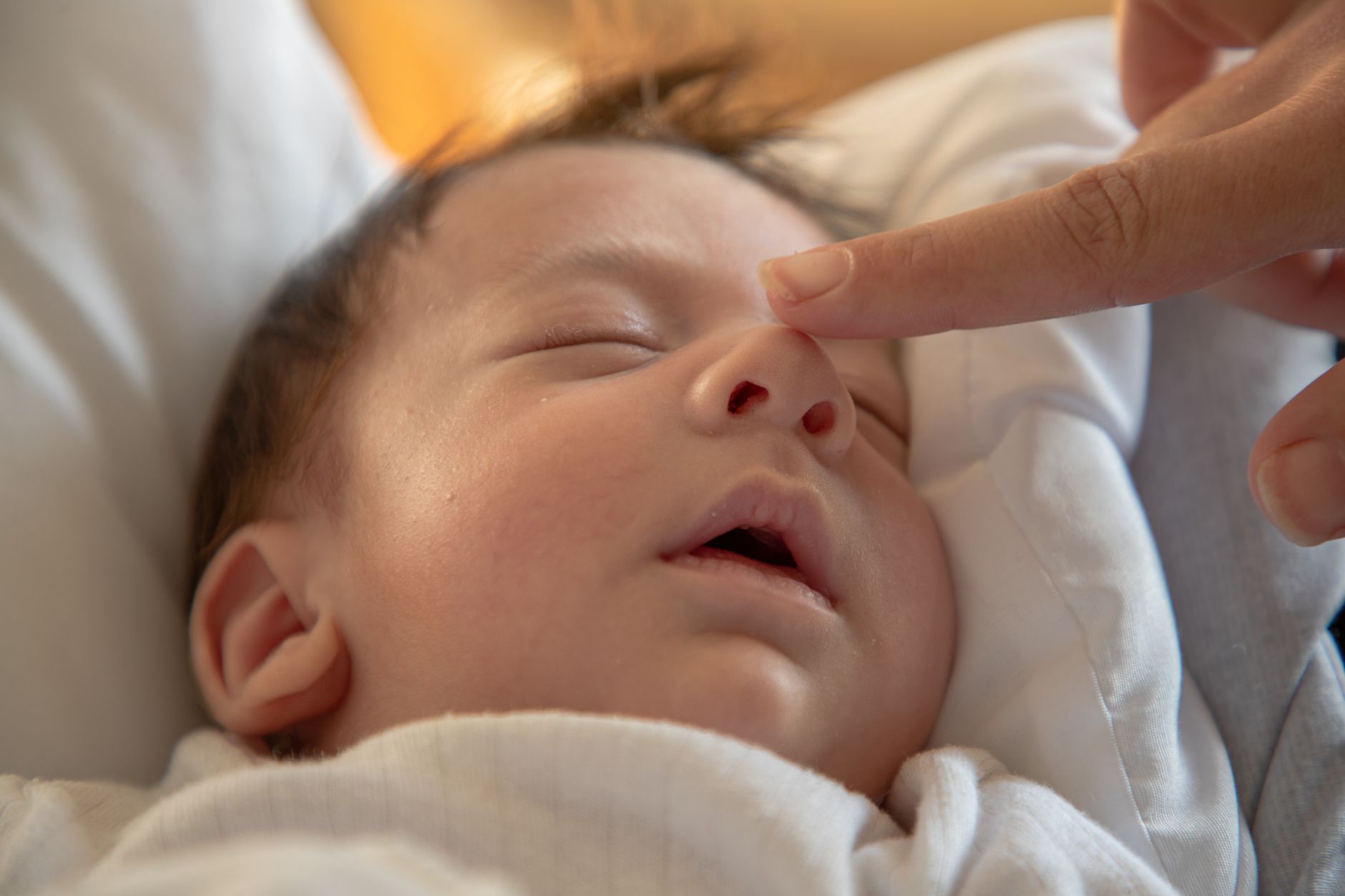
It’s late at night, and you’re gently nudging your newborn awake for a feeding. In the dim light, you notice a subtle yellow tinge to their skin, especially on their face. You might find yourself zooming in on photos from earlier in the day, wondering, "Was it always like that?" The worry quickly sets in: Is this normal? Is my baby okay?
You’re not alone. Jaundice is incredibly common in newborns, affecting about 60% of full-term babies and up to 80% of preterm babies. For most, it's a mild, temporary condition that resolves on its own. However, for a small percentage of infants, bilirubin levels can rise to a point where intervention, like phototherapy, becomes necessary to prevent more serious complications.
Understanding when to be concerned, how doctors make decisions about treatment, and what to expect can bring immense peace of mind. While there isn't a simple "calculator" you plug numbers into at home, medical professionals use specific charts and guidelines – often referred to as nomograms – that act as a framework to decide if phototherapy is needed. These tools consider several crucial factors, including your baby's age in hours, their total bilirubin level, and any individual risk factors they might have.
In this comprehensive guide, we'll demystify newborn jaundice, explain how doctors assess the need for phototherapy, discuss what treatment entails, and empower you with the knowledge to monitor your baby's health at home.
What is Newborn Jaundice, and Why Does It Happen?
Newborn jaundice, also known as neonatal jaundice or hyperbilirubinemia, is a condition characterized by a yellow discoloration of a baby's skin and the whites of their eyes. This yellow hue is caused by an excess of bilirubin in the blood. Bilirubin is a yellow pigment that's a natural byproduct of the breakdown of red blood cells.
Before birth, your placenta handles the removal of bilirubin from your baby's body. However, once born, your baby's own liver has to take over this job. A newborn's liver is still immature and often isn't fully efficient at processing and removing bilirubin from the bloodstream. This temporary inefficiency is the primary reason why jaundice is so common in the first few days and weeks of life.
Here's a closer look at why it happens:
Increased Red Blood Cell Turnover: Newborns have a higher concentration of red blood cells than adults, and these cells have a shorter lifespan. This means more red blood cells are breaking down, leading to a greater production of bilirubin.
Immature Liver Function: As mentioned, a newborn's liver isn't fully developed. It's not as effective at conjugating bilirubin (converting it into a water-soluble form that can be excreted in stool and urine) as an adult liver. This leads to a buildup of unconjugated bilirubin.
Reabsorption in the Intestines: Sometimes, bilirubin that has been processed by the liver and passed into the intestines can be reabsorbed back into the bloodstream instead of being excreted. This is especially common if a baby isn't feeding well or having frequent bowel movements.
Types of Newborn Jaundice
Jaundice can generally be categorized into a few types:
Physiological Jaundice: This is the most common type, affecting the majority of newborns. It typically appears 2 to 4 days after birth and resolves on its own within a couple of weeks as the baby's liver matures. It's considered a normal, benign condition.
Breastfeeding Jaundice (Breast-nonfeeding Jaundice): This type can occur when a baby isn't getting enough breast milk, often due to feeding difficulties or infrequent feedings in the first few days of life. Insufficient milk intake can lead to dehydration and fewer bowel movements, which means less bilirubin is excreted. This is different from breast milk jaundice.
Breast Milk Jaundice: This less common type can appear after the first week of life and may persist for several weeks or even months. It's thought to be caused by certain substances in breast milk that interfere with the liver's processing of bilirubin. While it can cause higher bilirubin levels, it's generally harmless and doesn't usually require stopping breastfeeding.
Pathological Jaundice: This is the most concerning type and is often present within the first 24 hours after birth or reaches very high levels. It can be caused by underlying medical conditions such as blood group incompatibility (like Rh or ABO incompatibility), genetic disorders, infections, liver diseases, or a deficiency of certain enzymes. Pathological jaundice requires prompt medical attention and treatment.
While most jaundice is harmless, it's crucial to monitor bilirubin levels because very high levels of unconjugated bilirubin can be toxic to a baby's developing brain. This condition, known as kernicterus, can lead to permanent neurological damage, including cerebral palsy, hearing loss, and developmental delays. This is why healthcare providers take jaundice seriously and use specific guidelines to determine when intervention is needed.
A subtle yellow tint to the skin or eyes can be the first sign of newborn jaundice.
Understanding Bilirubin: The Key to Jaundice
Bilir
ubin is a complex substance, but understanding its two main forms can help you grasp why jaundice occurs and why doctors monitor it so closely. These forms are unconjugated (indirect) bilirubin and conjugated (direct) bilirubin.
Unconjugated (Indirect) Bilirubin
This is the form of bilirubin that is produced when red blood cells break down. It's not water-soluble, meaning it can't be easily dissolved in water and excreted by the body. Instead, it binds to a protein called albumin in the bloodstream and is transported to the liver. This is the type of bilirubin that causes the yellow color of jaundice and, in very high levels, can cross the blood-brain barrier and potentially harm the brain, leading to kernicterus.
Conjugated (Direct) Bilirubin
Once unconjugated bilirubin reaches the liver, an enzyme converts it into conjugated bilirubin. This form is water-soluble and can be excreted into the bile, then passed into the intestines and eliminated from the body through stool and, to a lesser extent, urine. When doctors measure bilirubin levels, they usually look at the "total serum bilirubin" (TSB), which is the sum of both unconjugated and conjugated bilirubin. Sometimes, they'll also measure the "direct" or "conjugated" bilirubin separately, particularly if the jaundice is prolonged or appears unusual.
Normal Bilirubin Levels and Why High Levels Are Concerning
It's important to remember that some level of bilirubin is normal in everyone, including newborns. The concern arises when the levels become excessively high. For adults, a normal total bilirubin level is typically less than 1.2 mg/dL (20.5 µmol/L). For newborns, these levels are naturally higher due to the reasons we've discussed. However, what constitutes a "high" level for a newborn isn't a single fixed number; it depends heavily on the baby's age in hours and other risk factors.
The danger of very high unconjugated bilirubin lies in its ability to be neurotoxic. If it accumulates in the brain, it can cause a type of brain damage called kernicterus. This rare but serious condition can lead to lifelong issues such as:
Cerebral palsy
Hearing loss
Vision problems
Intellectual disabilities
Dental enamel dysplasia
Because of these potential severe outcomes, healthcare providers are diligent in monitoring newborn bilirubin levels and intervening with treatments like phototherapy when necessary. The goal of treatment is to lower the bilirubin level quickly and safely before it reaches harmful concentrations in the brain.
How Doctors Decide: The Phototherapy Threshold Calculator Explained
When you hear about a "phototherapy calculator" for newborns, it's not usually a simple app or website where you just type in a number and get a yes/no answer. Instead, doctors and nurses use evidence-based guidelines and charts called bilirubin nomograms (also known as phototherapy nomograms) to make informed decisions. These nomograms are visual tools that plot a baby's total bilirubin level against their age in hours, taking into account various risk factors.
The most widely used guidelines come from organizations like the American Academy of Pediatrics (AAP) and the National Institute for Health and Care Excellence (NICE) in the UK. These guidelines provide specific thresholds for initiating phototherapy, which vary based on several critical inputs:
Inputs for Determining Phototherapy Need
Baby's Age in Hours: This is perhaps the most crucial factor. A bilirubin level of 10 mg/dL (171 µmol/L) might be perfectly normal for a 72-hour-old baby, but it could be a warning sign for a baby who is only 12 hours old. The risk of kernicterus increases with higher bilirubin levels *and* younger age. Doctors use charts that have different lines for intervention based on the baby's exact age in hours since birth.
Total Serum Bilirubin (TSB) Level: This is the measured amount of bilirubin in your baby's blood. It's typically obtained through a blood test (heel stick). Sometimes a transcutaneous bilirubin (TcB) measurement (a non-invasive skin test) is used as a screening tool, but a TSB is usually required to confirm the level if TcB is elevated.
Risk Factors: These are conditions or circumstances that increase a baby's risk of developing severe hyperbilirubinemia or make them more vulnerable to bilirubin's neurotoxic effects. Key risk factors include:
Preterm Birth: Babies born before 37 weeks gestation have immature livers and are at a significantly higher risk for severe jaundice and kernicterus. Their thresholds for phototherapy are much lower.
Isoimmune Hemolytic Disease: This occurs when the mother's antibodies attack the baby's red blood cells (e.g., Rh incompatibility, ABO incompatibility). This leads to rapid breakdown of red blood cells and a quick rise in bilirubin.
G6PD Deficiency: Glucose-6-phosphate dehydrogenase deficiency is a genetic condition that makes red blood cells more fragile and prone to breakdown, leading to high bilirubin.
Asphyxia: A lack of oxygen at birth.
Lethargy or Sepsis: Signs of illness or infection.
Acidosis: A condition where there's too much acid in body fluids.
Albumin Level: Low albumin levels mean less protein is available to bind to bilirubin, increasing the risk of free bilirubin crossing the blood-brain barrier.
Family History: A sibling who required phototherapy for jaundice.
Bruising or Cephalohematoma: Significant bruising from birth trauma or a cephalohematoma (a collection of blood under the scalp) can increase bilirubin as the blood breaks down.
Exclusive Breastfeeding with Suboptimal Intake: Especially in the first few days, if a baby isn't feeding well, they may become dehydrated and have fewer bowel movements, hindering bilirubin excretion.
Interpreting the Calculator Results (Nomograms)
When a healthcare provider uses a nomogram, they plot your baby's TSB level on the chart based on their age in hours. The chart has different zones or lines that indicate the risk level and the appropriate course of action:
Low-Risk Zone: Bilirubin levels are below the threshold for intervention. The baby might have mild jaundice, but it's expected to resolve on its own with continued feeding and monitoring.
Intermediate-Risk Zone: Bilirubin levels are approaching the treatment threshold. The baby will likely require closer monitoring, repeat bilirubin tests, and potentially increased feeding.
High-Risk Zone (Phototherapy Recommended): Bilirubin levels have crossed a specific line on the chart, indicating that phototherapy is needed to prevent levels from rising to dangerous concentrations.
Exchange Transfusion Zone: In very rare and severe cases, bilirubin levels may be so high that they cross the line for an exchange transfusion, a procedure where a baby's blood is gradually replaced with donor blood to quickly lower bilirubin.
The lines on these nomograms are adjusted based on the baby's risk factors. For example, a preterm baby or a baby with hemolytic disease will have lower thresholds for phototherapy compared to a healthy, full-term baby. This nuanced approach ensures that treatment is individualized and targeted to those who truly need it, minimizing unnecessary interventions while protecting vulnerable infants.
If you're curious to understand how these factors interact, you can explore the Newborn Bilirubin Calculator on BumpBites, which provides an interactive way to see how age and bilirubin levels influence treatment recommendations according to clinical guidelines.
Phototherapy uses special blue lights to help break down bilirubin in a baby's skin, making it easier for their body to excrete.
Bilirubin Levels for Phototherapy: What Do the Numbers Mean?
Understanding the specific bilirubin levels that trigger phototherapy can feel complex because, as we've discussed, there isn't a single magic number. The threshold for intervention is dynamic, meaning it changes based on your baby's age in hours and their individual risk factors. However, we can look at general ranges and how they are interpreted.
General Thresholds and How They Change
Healthcare providers use specific guidelines, like those from the American Academy of Pediatrics (AAP) and the National Institute for Health and Care Excellence (NICE), to guide their decisions. These guidelines typically present nomograms with different curves for various risk categories:
Full-term, low-risk babies (≥38 weeks gestation, healthy): These babies have the highest thresholds for phototherapy. For example, a TSB level might need to be around 15 mg/dL (257 µmol/L) at 24-48 hours of age, increasing to 18-20 mg/dL (308-342 µmol/L) by 72 hours or later before phototherapy is initiated.
Full-term, medium-risk babies (≥38 weeks gestation with risk factors, or 35-37 weeks gestation and healthy): These babies have slightly lower thresholds. A TSB level might trigger phototherapy around 12-14 mg/dL (205-240 µmol/L) at 24-48 hours, rising to 15-18 mg/dL (257-308 µmol/L) later. Risk factors here could include isoimmune hemolytic disease, G6PD deficiency, or significant lethargy.
Preterm, high-risk babies (<35 weeks gestation, or those with significant risk factors): These babies are the most vulnerable, and their thresholds for phototherapy are significantly lower. Treatment might begin with TSB levels as low as 5-8 mg/dL (85-137 µmol/L) in the first 24-48 hours, depending on gestational age and other factors.
It's crucial to remember that these are examples, and exact numbers vary based on specific guidelines, the baby's exact age in hours, and the complete clinical picture. Your doctor or midwife will always interpret your baby's TSB level in the context of their unique situation.
Example Bilirubin Thresholds for Phototherapy (AAP Guidelines, Simplified)
The following table provides a simplified overview, illustrating how thresholds change with age and risk. **Please note: This table is for informational purposes only and should not be used for self-diagnosis or treatment decisions. Always consult with a healthcare professional.**
High-Risk Baby (<35 weeks OR significant risk factors)
24 Hours
~12 mg/dL (205 µmol/L)
~10 mg/dL (171 µmol/L)
~8 mg/dL (137 µmol/L)
48 Hours
~15 mg/dL (257 µmol/L)
~13 mg/dL (222 µmol/L)
~10 mg/dL (171 µmol/L)
72 Hours
~18 mg/dL (308 µmol/L)
~16 mg/dL (274 µmol/L)
~12 mg/dL (205 µmol/L)
96+ Hours
~20 mg/dL (342 µmol/L)
~18 mg/dL (308 µmol/L)
~14 mg/dL (240 µmol/L)
(These values are approximate and derived from AAP guidelines for illustrative purposes. Actual clinical nomograms are more precise and detailed.)
What Happens if Bilirubin Levels Get Too High?
If bilirubin levels rise significantly above these phototherapy thresholds and remain untreated, the risk of kernicterus increases. This is why vigilance and timely intervention are so critical. Doctors will often order repeat bilirubin tests to monitor the trend – a rapidly rising level is more concerning than a slowly increasing one. The goal of phototherapy is to prevent bilirubin from reaching levels that could cause brain damage.
When Is Observation Sufficient?
For most babies with physiological jaundice, bilirubin levels will stay below these intervention thresholds. In these cases, observation and ensuring adequate feeding are usually sufficient. Your healthcare provider might recommend:
Frequent Feedings: Especially for breastfed babies, ensuring at least 8-12 feedings in 24 hours helps stimulate bowel movements, which aids in bilirubin excretion.
Monitoring for Worsening Jaundice: You'll be advised on how to visually check your baby for increasing yellowness and when to seek further medical advice.
Follow-up Bilirubin Test: Sometimes a repeat TcB or TSB test is scheduled within 24-48 hours to ensure levels are decreasing or stabilizing.
The decision-making process is a careful balance between avoiding unnecessary treatment and ensuring the safety of your baby's developing brain. Trust that your medical team is using robust, evidence-based guidelines to make the best recommendation for your little one.
Types of Phototherapy: Hospital, Home, and What to Expect
Phototherapy is the most common and effective treatment for newborn jaundice. It works by using special lights to change bilirubin into a form that the baby's body can excrete more easily through urine and stool, without requiring liver conjugation. It's a non-invasive treatment that has been safely used for decades.
How Phototherapy Works
The blue-green spectrum of light used in phototherapy penetrates the baby's skin and is absorbed by the bilirubin molecules. This light energy converts unconjugated bilirubin into water-soluble isomers (structural changes to the molecule) that can be excreted directly by the kidneys and liver, bypassing the need for conjugation by the still-immature liver.
Types of Phototherapy Delivery
Phototherapy can be administered in a few different settings, depending on the severity of the jaundice and other factors:
Hospital Phototherapy:
Overhead Lights: This is the most common form. Your baby will be placed unclothed in an open bassinet or incubator under special fluorescent or LED lights that emit light in the blue-green spectrum.
Fiber Optic Blankets (BiliBlankets): These blankets contain fiber optic cables that deliver light directly to your baby's skin. They can be used alone or in conjunction with overhead lights, often allowing your baby to be held while receiving treatment.
What to Expect:
Eye Protection: Your baby's eyes will be covered with soft eye patches to protect them from the bright light.
Frequent Feedings: Babies under phototherapy need frequent feedings (every 2-3 hours) to help them excrete bilirubin and prevent dehydration. Your medical team will help facilitate breastfeeding or bottle-feeding.
Monitoring: Your baby's temperature will be monitored regularly, as phototherapy can sometimes cause a slight increase. Their bilirubin levels will be checked periodically (typically every 4-12 hours) to track the effectiveness of the treatment.
Skin Exposure: To maximize the skin surface exposed to the light, your baby will usually wear only a diaper.
Parental Interaction: While your baby needs to be under the lights for most of the time, short breaks for feeding, diaper changes, and cuddles are usually allowed and encouraged.
Home Phototherapy:
Criteria: Home phototherapy is typically considered for full-term babies with moderate jaundice whose bilirubin levels are high enough to warrant treatment but not so high that they require intensive hospital care or are rapidly rising. The baby must be otherwise healthy and stable, with parents who can reliably follow instructions and monitor their baby.
Equipment: Most home phototherapy involves the use of a fiber optic blanket (BiliBlanket) that wraps around the baby. Sometimes, a small overhead light unit might be used, but blankets are more common for home use due to their portability and ease of use.
What to Expect:
Training: You'll receive thorough instructions on how to use the equipment, protect your baby's eyes (if using an overhead unit), ensure proper skin exposure, and monitor for any issues.
Frequent Monitoring: Bilirubin levels will still need to be checked regularly, often daily, through visits from a home health nurse or trips to a lab. You'll also need to monitor your baby's feeding, diaper output, and overall well-being.
Support: You'll have access to a healthcare team for questions and concerns.
Duration of Phototherapy
The length of phototherapy varies. It can range from as little as 24-48 hours to several days, depending on how quickly your baby's bilirubin levels decrease. Treatment usually continues until the bilirubin level drops to a safe range, well below the phototherapy threshold, and is stable or continuing to decline. Sometimes, after phototherapy is stopped, a "rebound" bilirubin level is checked a day or two later to ensure it hasn't risen again.
It can be challenging for parents to see their newborn under lights, especially if it means a longer hospital stay or limited skin-to-skin time. However, remember that phototherapy is a safe and highly effective treatment designed to protect your baby from potential harm. The medical team will do their best to support you and facilitate bonding during this time.
The Benefits and Risks of Phototherapy
Like any medical intervention, phototherapy comes with both significant benefits and some potential, usually mild, risks. Understanding these can help you feel more confident in the treatment decision.
Benefits of Phototherapy
The primary and most crucial benefit of phototherapy is its effectiveness in lowering bilirubin levels, thereby preventing the serious neurological complications associated with severe hyperbilirubinemia, especially kernicterus. Phototherapy is highly successful in treating jaundice in the vast majority of cases, often preventing the need for more invasive treatments like exchange transfusions.
Prevention of Kernicterus: This is the paramount benefit. By rapidly reducing bilirubin, phototherapy protects your baby's developing brain from permanent damage.
Non-Invasive: Compared to an exchange transfusion (which involves replacing the baby's blood), phototherapy is a gentle, non-invasive treatment that doesn't require needles beyond the initial blood tests.
Readily Available: Phototherapy units are standard equipment in most neonatal and pediatric units, and home units are increasingly available for less severe cases.
Effective: It works quickly to convert bilirubin into an excretable form, often showing a noticeable drop in TSB levels within hours of initiation.
Potential Risks and Side Effects of Phototherapy
While generally very safe, phototherapy can have some temporary and usually mild side effects:
Dehydration: The lights can cause increased insensible water loss (water evaporating from the skin). This is why ensuring adequate fluid intake through frequent feedings is crucial during phototherapy.
Skin Rash: Some babies may develop a temporary, harmless reddish rash or bronzing of the skin. This usually resolves on its own once phototherapy is stopped.
Diarrhea: Increased stool frequency or loose stools can occur as the baby excretes more bilirubin.
Bronze Baby Syndrome: A rare, temporary, and usually harmless grayish-brown discoloration of the skin can occur in babies with conjugated hyperbilirubinemia (when direct bilirubin levels are also elevated). This typically resolves without intervention once phototherapy is discontinued.
Temperature Fluctuations: Babies may become slightly overheated or, less commonly, too cool under the lights. Close monitoring of their temperature helps manage this.
Eye Irritation: Although protective eye patches are used, sometimes mild eye irritation can occur. This is why proper placement of eye shields is essential.
Parent-Baby Bonding Concerns: While not a physical risk, having a baby under phototherapy can be emotionally challenging for parents. It might limit skin-to-skin contact and direct interaction, leading to feelings of anxiety or separation. Healthcare providers aim to minimize these impacts by encouraging breaks for feeding and cuddling.
It's important to discuss any concerns you have about these potential side effects with your healthcare provider. They can provide reassurance and ensure your baby is comfortable and well-cared for during treatment.
Home phototherapy allows babies to receive treatment in a familiar environment, often with a fiber optic blanket.
Monitoring Jaundice at Home: What Parents Can Do
Even if your baby doesn't need phototherapy, or after they've completed treatment, it's important for you as a parent to know how to monitor for jaundice at home. Early detection of worsening jaundice is key to ensuring timely intervention if needed.
Visual Checks for Jaundice
The most important tool you have for monitoring jaundice at home is your eyes. Here’s how to do a reliable visual check:
Good Lighting is Key: Always check your baby's skin in bright, natural light (daylight near a window) or under bright, white fluorescent lights. Yellow light from incandescent bulbs can make it harder to detect the yellow tint.
Blanching the Skin: Gently press a finger on your baby's forehead, nose, or chest. If the skin looks yellow when you lift your finger (instead of temporarily white), it's a sign of jaundice. This works best on lighter skin tones.
Check the Eyes and Gums: For babies with darker skin tones, checking the whites of their eyes (sclera) or their gums can be more revealing. A yellow tinge in these areas is a strong indicator of jaundice.
Progression: Jaundice typically starts in the face and spreads downwards to the chest, abdomen, and then the limbs as bilirubin levels rise. If you notice the yellow color spreading or becoming more intense, it's a concern.
Feeding and Hydration
Adequate feeding is crucial for helping your baby excrete bilirubin:
Frequent Feedings: Ensure your baby is feeding frequently – at least 8-12 times in 24 hours for breastfed babies, and according to their feeding schedule for formula-fed babies. Frequent feeding stimulates bowel movements, which helps remove bilirubin from the body.
Ensure Good Latch/Intake: For breastfed babies, make sure your baby is latching well and effectively transferring milk. If you're concerned about milk intake, consult a lactation consultant or your healthcare provider.
Wet and Dirty Diapers: Keep track of your baby's wet and dirty diapers. A well-fed baby should have at least 6-8 wet diapers and several dirty diapers per day after the first few days of life. Fewer than this could indicate inadequate feeding and dehydration, which can worsen jaundice.
Bilirubin and Bowel Movements
Bilirubin is primarily excreted through stool. The color of your baby's stool can give you clues:
Normal Stool: In the first few days, babies pass meconium (dark, tarry stools). As they start feeding well, stools transition to green-brown, then mustard yellow (for breastfed babies) or tan (for formula-fed babies).
Pale or Clay-Colored Stool: While rare, very pale or clay-colored stools can be a sign of a more serious liver problem that prevents bilirubin from being excreted. This warrants immediate medical attention.
Common Myths and Misconceptions
Sunlight Treatment: While sunlight does contain the blue spectrum light that breaks down bilirubin, it's NOT recommended as a treatment for jaundice at home. It's impossible to safely regulate the amount of beneficial light exposure without risking sunburn, overheating, or eye damage to your baby. Modern phototherapy units are specifically designed for safe, controlled, and effective treatment.
Water Supplementation: Giving water to a jaundiced baby is generally not recommended. It can fill them up without providing necessary calories, potentially reducing milk intake and hindering bilirubin excretion. Breast milk or formula provides all the hydration and nutrition your baby needs.
If you notice any signs of worsening jaundice, or if your baby seems unusually sleepy, difficult to wake, or isn't feeding well, contact your healthcare provider immediately. Trust your instincts as a parent – if something feels off, it's always best to get it checked.
From our medical team: "Newborn jaundice can be a source of anxiety for new parents, but it's important to remember that most cases are mild and resolve without complication. Our primary concern is identifying the small percentage of babies who are at risk for severe jaundice. This is why we rely on objective measurements of bilirubin levels, combined with a careful assessment of your baby's age and individual risk factors, to guide our treatment decisions. Early detection and appropriate intervention, such as phototherapy, are incredibly effective in preventing serious outcomes, ensuring your baby's healthy development."
Myth vs. Fact: Sunlight is a safe and effective treatment for newborn jaundice at home.
Myth: Many people believe that placing a jaundiced baby in direct sunlight through a window can help treat their jaundice.
Fact: While sunlight does contain the beneficial blue-green light spectrum, it's impossible to safely and effectively administer phototherapy using sunlight at home. Exposing a newborn to direct sunlight carries significant risks of sunburn, overheating, and dehydration. It's also difficult to ensure adequate skin exposure without protective clothing, which would block the beneficial light. Medical phototherapy units are specifically designed to deliver the correct wavelength and intensity of light safely, without these risks. Always follow your doctor's recommendations for jaundice treatment.
Myth vs. Fact: Jaundice means there's something wrong with my breast milk.
Myth: If your breastfed baby develops jaundice, it means your breast milk isn't good or is causing the problem.
Fact: There are two types of jaundice related to breastfeeding: "breastfeeding jaundice" (also called breast-nonfeeding jaundice) and "breast milk jaundice." Breastfeeding jaundice occurs in the first few days if a baby isn't getting enough breast milk, leading to dehydration and fewer bowel movements. This isn't a problem with the milk itself, but with milk intake. Breast milk jaundice, which is less common and appears later, is due to certain substances in breast milk that can temporarily interfere with bilirubin processing. Neither means your breast milk is "bad," and most experts recommend continuing breastfeeding while monitoring or treating jaundice. Talk to a lactation consultant if you have concerns about milk intake.
Myth vs. Fact: All babies with jaundice need phototherapy.
Myth: Any yellowing of the skin means a baby needs medical treatment.
Fact: The vast majority of newborns (around 60-80%) develop physiological jaundice, which is mild, appears after 24 hours, and resolves on its own without intervention as their liver matures. Only a smaller percentage of babies will have bilirubin levels high enough to warrant phototherapy. The decision is carefully made based on the baby's age in hours, their total bilirubin level, and specific risk factors, using established medical guidelines and nomograms. Many babies with mild jaundice simply need frequent feeding and monitoring.
Key Takeaways
Newborn jaundice is common, but medical professionals use specific guidelines (often visualized as nomograms or "calculators") to determine if phototherapy is needed.
The decision for phototherapy is based on your baby's age in hours, their total bilirubin level, and individual risk factors like prematurity or blood type incompatibility.
Phototherapy uses special blue-green lights to change bilirubin into a form your baby can easily excrete, preventing potentially serious brain damage (kernicterus).
Phototherapy can be done in the hospital or, for less severe cases, at home using fiber optic blankets.
Ensure your baby feeds frequently (8-12 times in 24 hours) to help them excrete bilirubin through bowel movements.
Monitor your baby's skin color in good light, pressing gently to check for yellowness, and watch for any signs of worsening jaundice or illness.
Frequently Asked Questions
What bilirubin level is too high for a newborn?
There isn't a single "too high" bilirubin level for all newborns; it depends critically on your baby's age in hours and their individual risk factors (like prematurity or certain medical conditions). For example, a total bilirubin level of 10 mg/dL might be acceptable for a 4-day-old full-term baby, but concerning for a baby who is only 12 hours old or for a preterm baby. Doctors use specialized charts (nomograms) to interpret bilirubin levels in the context of these factors and determine if intervention like phototherapy is needed.
How long does a newborn need phototherapy?
The duration of phototherapy varies, typically lasting from 24 to 72 hours, but sometimes longer depending on how quickly your baby's bilirubin levels decrease. Treatment continues until the bilirubin level drops to a safe range, well below the phototherapy threshold, and is stable or continuing to decline. Your medical team will monitor levels with blood tests and advise when it's safe to stop treatment.
What are the signs a newborn needs phototherapy?
The primary sign that a newborn needs phototherapy is a bilirubin level that crosses the treatment threshold on a medical nomogram, as determined by a blood test. Visually, signs of worsening jaundice might include the yellow discoloration spreading below the chest to the abdomen or limbs, becoming more intense, or if your baby appears excessively sleepy, difficult to wake, has a high-pitched cry, or isn't feeding well. Any of these symptoms warrant immediate medical evaluation.
Can I treat newborn jaundice at home?
Mild physiological jaundice can often be managed at home by ensuring frequent feedings to promote bilirubin excretion through stool. However, actively treating jaundice that requires phototherapy should only be done under medical supervision. While home phototherapy using specialized equipment (like fiber optic blankets) is an option for some babies with moderate jaundice, it's prescribed and monitored by a healthcare provider. Never use home remedies like direct sunlight exposure, as this is unsafe and ineffective for treating significant jaundice.
What happens if newborn jaundice is not treated?
If severe newborn jaundice (high unconjugated bilirubin levels) is not treated, the bilirubin can cross the blood-brain barrier and cause a serious type of brain damage called kernicterus. Kernicterus can lead to permanent neurological problems, including cerebral palsy, hearing loss, vision problems, and intellectual disabilities. This is why healthcare providers carefully monitor bilirubin levels and intervene with phototherapy when necessary to prevent these severe complications.
How do doctors decide if a baby needs phototherapy?
Doctors decide if a baby needs phototherapy using evidence-based guidelines, most commonly visualized as bilirubin nomograms. They plot your baby's total serum bilirubin (TSB) level against their exact age in hours since birth. This plot is then compared to different risk lines on the nomogram, which are adjusted for factors like gestational age (preterm vs. full-term), presence of hemolytic disease, G6PD deficiency, or other conditions. If the TSB level crosses the treatment line for your baby's specific risk profile, phototherapy is recommended.
When to Call Your Doctor
While most cases of newborn jaundice are harmless, it's crucial to know when to seek immediate medical attention. Call your doctor or midwife right away if your baby:
Develops jaundice in the first 24 hours after birth.
Has jaundice that is spreading or becoming more intense (e.g., yellowing extends to the arms, legs, or below the belly button).
Has a temperature higher than 100.4°F (38°C) or lower than 97.7°F (36.5°C).
Is feeding poorly, difficult to wake for feedings, or refusing to feed.
Seems unusually sleepy, lethargic, or listless.
Has fewer wet or dirty diapers than expected for their age.
Has a high-pitched cry, arching of the back, or stiff body.
Develops very pale or clay-colored stools.
You simply feel that something is wrong or you are worried.
Remember, this article is for informational purposes only and does not provide medical advice. Always consult with your healthcare provider for any health concerns or before making any decisions related to your medical care.
References
American Academy of Pediatrics (AAP). Management of Hyperbilirubinemia in the Newborn Infant 35 or More Weeks of Gestation. Pediatrics, 2004.
National Institute for Health and Care Excellence (NICE). Jaundice in newborn babies under 28 days: identification and management. NICE guideline [CG98], 2010 (updated 2016).
Mayo Clinic. Infant Jaundice.
Centers for Disease Control and Prevention (CDC). Jaundice and Kernicterus.
American College of Obstetricians and Gynecologists (ACOG). Neonatal Jaundice.
When Shubhra Mishra was expecting her first child in 2016, she was overwhelmed by conflicting food advice — one site said yes, another said never. By the time her second baby arrived in 2019, she realized millions of mothers face the same confusion.
That sparked a five-year journey through clinical nutrition papers, cultural diets, and expert conversations — all leading to BumpBites: a calm, compassionate space where science meets everyday motherhood.
Her long-term vision is to build a global community ensuring safe, supported, and free deliveriesfor every mother — because no woman should face pregnancy alone or uninformed. 🌿
🌍 Stand with mothers, shape safer guidance
Join a small circle of experts who review BumpBites articles so expecting parents everywhere can decide with confidence.