
Travel Food Safety in Pregnancy: The Complete International Eating Guide for 2026
Babymoons, business trips + family visits — how to eat safely anywhere in the world while pregnant. Region-by-region rules (Asia, Latin America, Africa, Europe, Middle East, US), water + ice safety, street food guidance, cruise + all-inclusive eating, foodborne-illness risk + treatment, what to pack + when to call a doctor abroad. NHS Fit for Travel, CDC + WHO aligned.

In a nutshell
- T2 (14-28 weeks) is the optimal travel window — past T1 risks + before T3 fatigue + travel restrictions.
- Water is the #1 travel food safety issue — drink only factory-sealed bottled water, boiled water, or chemically-treated filtered water in high-risk regions. NO tap water, NO ice cubes from tap.
- Higher-risk regions (food-safety): South Asia, sub-Saharan Africa, parts of Central + South America, the Middle East. Lower-risk: Western Europe, US, Canada, Australia, Japan, Singapore, South Korea.
- The 'busy stall' rule for street food — high turnover means food doesn't sit. Avoid street food in T1; cautious yes in T2/T3 with the cooked-to-order + visible flames rule.
- Common travel foodborne risks in pregnancy: traveller's diarrhoea (mostly mild), typhoid + hepatitis A (vaccinate before travel), listeriosis (avoid soft cheese / deli meat / cold prepared food).
- Pack: ORS rehydration sachets, your prenatal multi, paracetamol-only pain meds, antacids, anti-nausea bands, hand sanitiser, mosquito repellent + a copy of your maternity notes.
- Most airlines stop flying women after 36 weeks (single) / 32 weeks (multiples). Always carry a fitness-to-fly letter from your midwife / OB.
When in pregnancy to travel — the T2 sweet spot
Most healthcare providers consider the second trimester (14-28 weeks) the optimal window for travel. The first trimester carries higher miscarriage risk + nausea / fatigue / vomiting that make travel miserable. The third trimester brings flight restrictions, increased preterm labour risk + travel insurance complications. T2 is sweet-spot territory — energy back, bump still manageable, very low complication risk in low-risk pregnancies.

14-28
Optimal weeks
T2 sweet spot for travel
36 wk
Airline cut-off
Singleton — most airlines (32 weeks for multiples)
20-50%
Traveller's diarrhoea
Risk in high-risk regions over 2-week trip
5-10×
Listeria risk in pregnancy
vs general population — affects travel food choices
When NOT to travel
- Active threatened miscarriage or recent bleeding.
- Cervical insufficiency, history of preterm labour, or cervical cerclage.
- Severe pre-eclampsia, hypertension, severe anaemia, gestational diabetes that's poorly controlled.
- Placenta praevia after 20 weeks.
- Multiple pregnancy beyond 32 weeks.
- Active deep vein thrombosis or recent embolism history.
- Travel to areas with active Zika, malaria, or other teratogenic infectious disease outbreaks — without sufficient mitigation.
- Within 4 weeks of an estimated due date (in case of preterm birth abroad).
Before you go — vaccines + insurance + planning
Vaccines in pregnancy
Some pregnancy-safe vaccines + others to avoid. Plan vaccinations 6-8 weeks before travel for maximum protection. Sources: NHS Fit for Travel, CDC Yellow Book, WHO.
- SAFE in pregnancy — Hepatitis A, Hepatitis B, Tdap (tetanus / diphtheria / pertussis), inactivated influenza, COVID-19, polio (IPV), typhoid (inactivated injection only — NOT oral live vaccine), rabies (post-exposure or pre-exposure if travelling to remote rabies-endemic areas), meningococcal.
- AVOID if possible (live vaccines) — MMR (measles/mumps/rubella), varicella (chickenpox), yellow fever (risk-benefit discussion required if going to a yellow fever zone; sometimes given anyway with documented justification), oral typhoid, BCG.
- Yellow Fever — required for entry to many African + South American countries. Some destinations grant medical exemption certificate for pregnancy. Discuss with travel medicine clinic.
- Malaria prophylaxis — chloroquine + proguanil safe in pregnancy; mefloquine usually avoided in T1; doxycycline contraindicated. Some areas have no safe prophylaxis option in pregnancy — your team may recommend avoiding the trip.
Travel insurance
Standard travel insurance often EXCLUDES pregnancy-related complications + birth abroad. You need pregnancy-specific cover with: complications of pregnancy, premature labour, neonatal care, repatriation of mother + baby. UK options: Allianz Travel Insurance (pregnancy add-on), Staysure, Cover for You. Read the policy small print — many cap pregnancy cover at 24-28 weeks.
Documents to carry
- Maternity hand-held notes / digital pregnancy record.
- Fit-to-fly letter from your midwife or OB (essential from 28 weeks).
- List of medications you're on, with generic names (in case you need replacements abroad).
- Travel insurance card + emergency contact numbers.
- List of recommended hospitals at your destination (your insurer can provide).
- Embassy / consulate contact details.
- Blood type + Rhesus status documentation.
- GHIC card (Europe) or equivalent reciprocal-healthcare card.
Water + ice safety — the #1 travel food rule

Contaminated water is the single biggest food safety risk for travellers in pregnancy. Pathogens that cause everything from mild diarrhoea to hepatitis A, typhoid, listeriosis + cholera can all transmit via water — even water that looks clean.
Water safety hierarchy (safest to riskiest)
- Factory-sealed bottled water — break the seal yourself; reject any bottle with a broken seal.
- Boiled water (rolling boil for 1 minute; 3 minutes at altitude above 2,000m).
- Filtered water through a 0.1-micron filter + treated with chlorine dioxide tablets (Aquatabs).
- UV sterilisation (SteriPen, Crown SteriPen) — works on clear water, less reliable on cloudy.
- AVOID: tap water, ice cubes from tap, fountain drinks, unsealed bottles, tank water, well water, water given by helpful locals (no matter how clean it looks).
Where water matters beyond drinking
- Tooth brushing — use bottled water in high-risk regions. Tiny amounts swallowed accidentally do count.
- Ice cubes — universally suspect. Even at high-end hotels in high-risk countries.
- Washing fruit + vegetables — peeling is safer than washing. 'Cook it, peel it, or forget it.'
- Salad — washed in tap water = high risk. Avoid salads in high-risk regions unless at a verified-safe hotel.
- Open coffee + tea — boiling makes it safe IF served fresh hot. Reheated water is risky.
- Mixed drinks + cocktails — alcohol does NOT kill all pathogens at typical concentrations.
- Showers — incidental water swallowed is low risk; keep mouth closed.
Restaurant rules that work anywhere in the world
Most travel foodborne illness comes from poor food handling, not from any specific cuisine. These rules work for pregnant travellers anywhere — from Michelin restaurants to roadside eateries.
Universal pregnancy travel food rules
- Cook it, peel it, boil it, or forget it — the classic CDC traveller's rule, more important in pregnancy because of the higher listeria + salmonella + listeriosis stakes.
- Eat hot food hot, cold food properly refrigerated — lukewarm food is the danger zone where bacteria multiply.
- Fully cooked meat, poultry, eggs + fish — no rare, no medium-rare, no runny yolks abroad. Same as at home but doubly important.
- Avoid soft + unpasteurised cheeses — brie, camembert, feta, queso fresco, soft blue, fresh paneer at unknown sources. Hard aged cheeses (parmesan, mature cheddar) are fine.
- No deli meats / cold cuts / pâté unless heated until steaming hot. Hot-out-of-the-oven sliced ham is fine; the deli platter at room temperature is not.
- No raw sprouts — alfalfa, bean, mung sprouts. High listeria + salmonella risk universally.
- No raw fish / sushi / sashimi / ceviche abroad in pregnancy — even in Japan where it's normally safe, the risk-benefit doesn't favour it in pregnancy.
- No raw or undercooked eggs — including aioli, hollandaise, fresh mayonnaise, mousse desserts, runny scrambled.
- Eat where locals + tourists eat (busy, high turnover). Empty restaurants mean food has been sitting.
- Restaurant cleanliness signals — clean tables, clean staff hands, refrigerated display cases, hot food piping hot. Don't ignore your nose.
- Ask for hot food to be re-warmed to steaming hot if it arrives lukewarm.
- Pre-cooked buffet food — only eat if it's piping hot at the moment you take it. Foods that have been sitting at room / warm temperature for hours are high risk.
When in doubt, ask
It's culturally acceptable in most places to ask how something was prepared. 'Is this milk pasteurised?' 'Is this water boiled?' 'Is this cheese hard or soft?' 'Is this meat well-done?' Better to ask + sometimes get a no than risk illness. Most restaurants are happy to accommodate pregnant guests.
Street food — the cooked-to-order rule

Street food has a fearsome reputation in pregnancy advice — but in reality, the variable is preparation method, not the location. A piping-hot freshly-grilled kebab from a busy street stall is often safer than a pre-cooked sandwich left in a refrigerator-less display.
Safer street food
- Cooked-to-order in front of you on visible flames / sizzling oil / boiling water.
- Busy stall with constant turnover (locals trust it; food doesn't sit).
- Naan / roti / tandoor breads fresh from the oven.
- Soups + broths kept at rolling boil.
- Hot tea + coffee brewed fresh.
- Fruit you peel yourself (banana, orange, pomegranate, lychee).
- Sealed bottled drinks (coke, sprite, sealed coconut water).
Higher-risk street food in pregnancy
- Pre-cooked food sitting at room temperature on display.
- Chaat / fresh chutneys made with tap water.
- Pani puri / golgappa — the water is often unfiltered.
- Pre-cut fruit (mango cubes, watermelon slices) — cut on tap-water-washed boards.
- Salads + raw vegetables.
- Ice cream from unsealed scoop containers (may be left soft + refrozen — listeria risk).
- Fresh juices made with tap water + ice.
- Sushi + sashimi from any open street stall.
- Raw oysters or shellfish from any source.
- Sliced meats / deli platters at room temperature.
Region-by-region food safety

Lower-risk regions (Western standards)
Western Europe (UK, France, Germany, Italy, Spain, Netherlands, Scandinavia), United States, Canada, Australia, New Zealand, Japan, Singapore, South Korea, Taiwan. Generally safe tap water, well-regulated food safety, low foodborne illness risk for travellers. Standard pregnancy food safety still applies (no soft cheeses, no rare meat, no raw fish in pregnancy) but water + ice can be from the tap.
Medium-risk regions
Most of Eastern Europe, the Caribbean, Mexico (resort areas), Turkey, UAE, South Africa, urban Brazil, urban Argentina. Tap water generally not safe to drink (use bottled). Restaurants in tourist + business areas generally safe; street food varies. Hotel buffets in 4-5 star are usually safe; budget accommodation more variable.
Higher-risk regions
South Asia (India, Pakistan, Bangladesh, Nepal, Sri Lanka), most of sub-Saharan Africa, parts of South America (rural Bolivia, Peru, Ecuador), parts of Central America, the Middle East outside the UAE / Israel, parts of Southeast Asia (rural Vietnam, Laos, Cambodia, Myanmar). Strict water + food safety rules. Hepatitis A + typhoid + cholera vaccines often recommended. Higher risk of traveller's diarrhoea.
Special considerations
- India — variability is huge. 5-star hotels in major cities have international-standard food safety; street food, smaller restaurants, train food + roadside dhabbas are higher risk. Filtered + bottled water everywhere. Fresh juices from sealed-glass storefronts often safer than open stalls.
- Mexico — resort all-inclusives generally safe; tap water no; ice from tap no; street tacos cooked-to-order on visible grills are often safer than salads at restaurants.
- Egypt + Morocco — bottled water always; mint tea is safe (boiled); fresh salad + raw vegetables higher risk.
- Thailand + Vietnam — cooked street food at busy stalls is often safer than tourist-restaurant Western food (which sits longer). Boat-noodle stalls + busy phở stalls are typical examples of busy + fresh + safe.
- Sub-Saharan Africa — bottled water always; vaccines important; consider risk of malaria + Zika; sushi / raw food never; meat well-done.
Specific cuisines + their safety profiles
Japanese — sushi + sashimi
Even in Japan where raw fish standards are world-class, AVOID sushi + sashimi + raw fish in pregnancy. Many sushi restaurants offer cooked options (eel unagi, cooked salmon, tempura rolls, tamago / egg sushi). Ramen, udon, donburi rice bowls, tempura, yakitori, sukiyaki + shabu-shabu (both fully cooked at table) are all great pregnancy-friendly choices.
Thai, Vietnamese + South-East Asian
Generally pregnancy-friendly — emphasis on cooked dishes, soups, rice + noodle stir-fries. Avoid: papaya salad (som tam — raw + may contain unpasteurised fish sauce), raw beef pho (ask for fully-cooked / 'chín'), larb (Lao raw-meat dish), kinilaw / ceviche, raw seafood, ice in drinks at street stalls. Yes to: pho with cooked beef, pad thai, curries with cooked meat, vegetable stir-fries, steamed dumplings, hot-pot.
Indian + South Asian
Cooked Indian food is generally very pregnancy-friendly (most dishes are well-cooked). Avoid: panipuri / golgappa (the water), street chaat with chutneys, raw onion sliced on shared cutting boards, fresh paneer from unknown sources, unsealed lassi from street stalls, ice cream from open containers, mishti doi (raw eggs in some versions). Yes to: dal, sabzi, biryani, curries, fresh rotis + naans, dahi from sealed packets / commercial brands, hot chai from boiling pots.
Mediterranean (Greek, Italian, Spanish)
Generally safe with the usual pregnancy rules. Avoid: raw / cured meats (prosciutto, salami, jamón) unless heated; soft + unpasteurised cheeses (fresh mozzarella, brie, blue, fresh ricotta from unknown sources, feta unless verified pasteurised); raw oysters; ceviche; carpaccio; runny eggs in carbonara / aioli / fresh mayonnaise. Yes to: pasta with cooked sauces, pizza margherita (hot from the oven), grilled fish + meat, hard cheeses (parmesan, aged manchego, mature pecorino), gelato from clean reputable places.
Mexican + Latin American
Avoid: ceviche, raw oysters, raw fish, queso fresco + unpasteurised dairy, unwashed salads, street tacos with raw garnishes. Yes to: tacos al pastor + tacos asados (cooked-to-order on hot grill), tamales, quesadillas (cooked), pozole (boiled soup), pollo asado, fajitas, freshly-made tortillas, beans + rice.
Middle Eastern + North African
Avoid: raw beef tartare (kibbeh nayyeh — raw), unwashed salads (fattoush, tabouleh — ask about washing water), hummus + baba ganoush left at room temperature on tables, unsealed feta. Yes to: kebabs + shawarma cooked-to-order, tagines, kofta, soups + stews, hot pita / khubz fresh from oven, falafel piping hot, mansaf, koshary.
Chinese + East Asian
Generally pregnancy-friendly — emphasis on cooked dishes. Avoid: century eggs (preserved raw eggs), drunken shrimp (live raw shrimp in alcohol), raw / lightly-cooked fish dishes, salted preserved meats (high sodium + sometimes uncertain preparation), congee from street stalls (the water). Yes to: dim sum (steamed), hot pot (you cook your own), stir-fries, rice dishes, noodles, congee from busy clean restaurants.
Cruise ships + all-inclusive resorts

Cruise ship eating in pregnancy
Cruise ships are heavily regulated for food safety but outbreaks (norovirus especially) happen + spread fast in confined environments. Most cruise lines restrict travel after 24-28 weeks; check before booking.
- Eat at the made-to-order stations (omelettes, grilled meat, pasta cooked-to-order) rather than the standing buffet.
- Avoid the buffet sushi / sashimi / oyster bar entirely.
- Hot food piping hot at the moment of serving.
- Wash hands obsessively + use ship-provided hand sanitiser before every meal.
- Don't share serving utensils — use new ones if any look used.
- Skip the ice from communal dispensers if a norovirus outbreak has been announced.
- If you develop diarrhoea, report it immediately + isolate per ship policy.
All-inclusive resort eating
- Generally safe at 4-5 star international brands (Hilton, Marriott, Hyatt, Iberostar, RIU).
- Buffets — eat from the hot section + the cooked-to-order station. Skip the sushi bar, the deli platter, the salad bar in higher-risk regions.
- Drink bottled water even at the resort if you're in a higher-risk region.
- Skip the ice in pool / poolside cocktails — those ice cubes often come from tap.
- Beach BBQ + grill stations are generally safe (cooked-to-order, piping hot).
- Avoid pre-made sandwiches sitting on the bar all afternoon.
- Most resorts can accommodate special pregnancy dietary requests — ask the concierge.
Flying + airport eating
Bringing food on board
Bring snacks. Pregnancy nausea + low blood sugar mid-flight is miserable + airline food is unpredictable. Allowed in carry-on (UK + US + most international):
- Solid foods — sandwiches, fruit, sealed snacks, energy bars, nuts, dried fruit, sealed chocolate.
- Hard cheeses, sealed crackers, oatcakes.
- Empty water bottle to fill after security.
- Sealed yoghurt / smoothie / liquid foods are subject to the 100ml liquids rule.
- Most international destinations restrict bringing fresh fruit / meat / dairy INTO the country — eat them on the plane or before you land.
Airline food in pregnancy
- Pre-order a special meal (most airlines: vegetarian, vegan, gluten-free, child meal, fruit platter). Often higher-quality + freshly prepared.
- Reject any meal that arrives lukewarm — ask for it to be reheated.
- Skip the deli meat option + the soft cheese option in business / first class.
- Eat the cooked items: chicken, pasta with cooked sauce, rice + curry.
- Drink: only sealed water bottles, sealed cans of juice, sealed coffee / tea (the on-board hot water is heated above pasteurisation temperature so OK).
- Don't drink the on-board ice — it's often from tank water that's lower quality.
Hydration on flights
Airline cabins are very dry (humidity often <15%) + you dehydrate fast. Drink water every hour. Get up + walk every 60-90 minutes to reduce DVT risk (much higher in pregnancy). Wear graduated compression socks for long-haul.
Travel foodborne illness in pregnancy — risk + treatment
Pregnant women are at higher risk of severe outcomes from several foodborne illnesses + some can cross the placenta + harm the baby.
| Illness | Source | Pregnancy risk | Treatment |
|---|---|---|---|
| Traveller's diarrhoea (E. coli, Campylobacter) | Contaminated water + food | Dehydration + electrolyte imbalance | ORS, sometimes antibiotics (azithromycin pregnancy-safe) |
| Listeriosis | Soft cheese, deli meat, smoked seafood, raw produce | Miscarriage, stillbirth, preterm labour, neonatal listeriosis (10-30% case mortality) | Hospital IV antibiotics — emergency |
| Salmonella | Undercooked eggs, poultry, unpasteurised dairy | Severe dehydration, occasional bacteraemia, preterm labour | Hydration, sometimes antibiotics |
| Hepatitis A | Contaminated water, raw shellfish, raw vegetables washed in tap | Fulminant hepatitis higher risk in T3, preterm labour | Supportive care; vaccinate before travel |
| Typhoid (Salmonella typhi) | Contaminated water + food in South Asia, Africa, Latin America | Severe systemic illness; can cause miscarriage or preterm labour | Antibiotics (azithromycin); vaccinate before travel |
| Cholera | Contaminated water in outbreak areas | Severe dehydration → shock; affects baby via dehydration | Massive rehydration + antibiotics |
| Norovirus | Cruise ships, hotels, cold-prepared food | Severe vomiting + dehydration; usually self-limited 24-48h | Hydration |
| Toxoplasmosis | Undercooked meat, unwashed vegetables, cat litter | Congenital toxoplasmosis — neurological + ophthalmological damage | Spiramycin in pregnancy |
| Brucellosis | Unpasteurised dairy in Middle East, Mediterranean, parts of Africa + Asia | Spontaneous abortion, intrauterine infection | Antibiotics; prevent via avoiding unpasteurised dairy |
Traveller's diarrhoea management in pregnancy
20-50% of travellers to high-risk regions get traveller's diarrhoea (TD) over a 2-week trip. Most cases are mild + self-limited. In pregnancy, the priority is rapid rehydration + monitoring for signs of dehydration / preterm labour.
Immediate management
- Stop eating solid food for 4-6 hours. Sip ORS continuously.
- Mix ORS sachets (oral rehydration salts) with bottled or boiled water. The WHO formula is the gold standard.
- If no ORS available: 1 L bottled water + 6 tsp sugar + ½ tsp salt — sip slowly.
- Avoid sugary drinks (juice, regular soft drinks) — they worsen diarrhoea via osmotic effect.
- Resume bland food after symptoms ease — BRAT diet (bananas, rice, applesauce, toast). Add yoghurt, plain congee, plain pasta.
- Continue ORS for 24-48 hours after symptoms resolve to fully rehydrate.
Medications
- ORS — first line. Stock at home + carry in travel kit.
- Paracetamol — safe for fever in pregnancy.
- Loperamide (Imodium) — generally avoided in pregnancy especially T1; consult before using.
- Antibiotics — azithromycin 500 mg/day for 3 days is the pregnancy-safe choice for moderate-severe TD. Ciprofloxacin commonly avoided in pregnancy.
- Bismuth subsalicylate (Pepto-Bismol) — contains salicylate; AVOID in pregnancy.
- Probiotics — Saccharomyces boulardii is sometimes recommended; modest evidence.
When TD needs urgent medical care
- Bloody diarrhoea or persistent fever above 38.5°C.
- Signs of dehydration (very dry mouth, no urine for 6+ hours, dizziness on standing, dark concentrated urine, sunken eyes).
- Vomiting that prevents you keeping fluids down.
- Reduced fetal movements.
- Cramping that feels like contractions, or any vaginal bleeding.
- Diarrhoea lasting more than 3 days despite ORS + bland diet.
Your pregnancy travel medical kit

- ORS sachets — 10 sachets minimum. Hard to find abroad in the right formulation.
- Prenatal vitamins — extra supply (10 days more than trip length) in original packaging.
- Paracetamol — for pain + fever.
- Antacids — Gaviscon, Rennies, Tums (calcium-based).
- Simethicone for gas (pregnancy-safe).
- Anti-nausea wristbands (Sea-Band) for travel sickness + morning sickness.
- Hand sanitiser — 60%+ alcohol, multiple small bottles.
- Hand wipes — for the table, your hands, baby surfaces.
- Antiseptic spray + plasters for minor cuts.
- Mosquito repellent — DEET 20-30% is pregnancy-safe (don't go above 50%); picaridin is an alternative.
- Thermometer.
- Sunscreen SPF 30+ mineral-based preferred.
- Compression socks for long-haul flights.
- A small printed copy of your maternity notes.
- Travel insurance card + your obstetrician's number.
- Pre-cooked snacks — protein bars, nuts, dried fruit, oatcakes — for the first 24 hours in case of arrival delays.
When to call a doctor abroad
Don't wait until you're back home to seek care for pregnancy-relevant symptoms. Most international hospitals + clinics in tourist areas have English-speaking staff + can manage routine + emergency pregnancy care competently.
Get same-day medical care abroad if:
- Vaginal bleeding of any amount.
- Reduced or absent fetal movements (after week 24).
- Severe abdominal pain or cramping.
- Severe persistent headache, vision changes, swelling — possible pre-eclampsia.
- Fever above 38.5°C that doesn't respond to paracetamol.
- Severe vomiting / inability to keep fluids down for 24+ hours.
- Diarrhoea with blood, mucus, fever, or that lasts more than 48-72 hours.
- Calf pain / swelling / redness (possible DVT).
- Sudden severe shortness of breath (possible PE).
- Painful urination + back pain (UTI / kidney infection).
- Signs of premature labour — regular cramping, lower back pain, water leaking.
- Any new pregnancy concern that you'd call your midwife about at home.
How to find care
- Call your travel insurance assistance line FIRST — they direct you to vetted hospitals + arrange payment.
- Embassy / consulate for emergencies + connecting with medical evacuation.
- iSOS or International SOS (corporate / travel medicine) — gold standard for serious cases.
- GHIC card (Europe) works at state hospitals.
- Major international hospital chains: International Medical Center (Mumbai/Cairo/Dubai), Bumrungrad (Bangkok), Bangkok Hospital, American Hospital (Paris/Istanbul), Mount Elizabeth (Singapore), Asklepios (Germany).
Returning home — what to watch for
Some travel-acquired infections have incubation periods of days to weeks + present after you're home. Tell your midwife / GP about recent international travel at any antenatal appointment for at least 8 weeks after return.
Symptoms in the 8 weeks after return — get checked
- Fever — could be malaria, typhoid, hepatitis, dengue.
- Jaundice (yellowing of skin / eyes) — hepatitis A possible.
- Persistent diarrhoea — giardia, amoebic dysentery, post-infectious IBS.
- Skin rash — measles, Zika, dengue, chikungunya.
- Severe headache + photophobia + neck stiffness — possible meningitis.
- Painful joints + body aches — Zika, chikungunya, dengue.
- Mosquito-borne illness symptoms even if you didn't notice bites.
Frequently asked questions
Is it safe to fly in T1?
Yes for low-risk pregnancies — flying does not cause miscarriage. But T1 is the highest-natural-miscarriage period anyway + the experience is often miserable (nausea, fatigue). Most women find T2 substantially more comfortable for travel.
Is airport scanner radiation safe?
Yes. Backscatter + millimetre-wave scanners use very low energy + don't deliver radiation doses that affect pregnancy. If you're concerned, you can request a pat-down instead — but it's not necessary.
Can I take my prenatal vitamins through security?
Yes — solid vitamins go through standard screening. Liquid vitamins are subject to the 100ml rule. Bring extra supply for the duration plus 10 days.
What about eating airplane meals — are they safe?
Generally yes for hot meals (cooked + heated above pasteurisation temperature). Skip the deli platter, the salad with dressing, the soft cheese option. Pre-order a special meal (vegetarian or fruit platter) for higher-quality options.
Can I drink hotel-room coffee abroad?
Boiled water (in kettles / coffee machines that bring to rolling boil) is safe. The water itself isn't a risk if heated above 100°C. The risk is in cold beverages + lukewarm hot drinks made with sub-boiling-temperature water.
Is street food really that bad in pregnancy?
It depends. Cooked-to-order on visible flames at a busy stall is often very safe — sometimes safer than restaurant food that's been sitting. Pre-cooked, room-temperature, water-based street food (chaat, panipuri, salad) is high risk. Use judgement, not blanket avoidance.
Should I worry about Zika?
Yes if you're travelling to active-transmission countries (consult CDC + WHO maps — these update frequently). Many travel medicine specialists advise delaying travel to active Zika regions during pregnancy. If unavoidable, strict mosquito protection + post-travel testing.
Can I drink coconut water from a vendor?
Yes IF it's served straight from a freshly-cut coconut you can see them open in front of you. Pre-poured coconut water sitting in glasses is higher risk.
What if I get traveller's diarrhoea — can I still fly home?
Yes, but be well-hydrated before boarding + carry extra ORS. Most airlines accept passengers with mild GI symptoms. Severe symptoms (fever, blood, dehydration) warrant local medical care before flying — delay if needed.
Are the food rules different at 5-star resorts?
Western-brand international 5-stars in higher-risk regions usually have water filtration systems + international food safety standards. But ice from poolside dispensers + buffet food sitting for hours are still risky. Apply the same restaurant rules + use bottled water for tooth brushing if you're not sure.
I'm visiting family in India / Pakistan — do I really need to be this careful?
Yes. The same water + food safety rules apply at family home as at restaurants. Many family kitchens use tap water. Drink bottled or filtered + boiled. Avoid raw chutneys + salads. Yes to dal, sabzi, roti, rice, cooked dishes + sealed dahi packets.
Can my partner eat sushi while I can't?
Yes — they're not pregnant. The food restrictions apply to you, not to them. Most couples handle this fine with a sense of humour + a different order.
Sources
- NHS Fit for Travel — Pregnancy
- CDC Yellow Book — Pregnant Travelers
- ACOG — Travel During Pregnancy FAQ
- RCOG — Air Travel and Pregnancy (Scientific Impact Paper No 1)
- WHO — International Travel and Health: Pregnant Travellers
- DuPont HL (2017). Persistent diarrhea: a clinical review. JAMA 315(24):2712-23.
- Carroll ID, Williams DC (2008). Pre-travel vaccination and medical prophylaxis in the pregnant traveler. Travel Med Infect Dis 6(5):259-275.
More guides
Foods to Avoid During Pregnancy: The MD-Reviewed UK & US List
Every food you should skip — and why — in clear plain English. Listeria, mercury, toxoplasmosis, vitamin A excess, alcohol + caffeine. Cross-checked against NHS, NICE, ACOG + FDA.
Read
Seafood During Pregnancy: The Complete Mercury, Omega-3 + Safety Guide for 2026
Which fish are safe in pregnancy, which to limit, which to avoid — plus mercury content per species, omega-3 + DHA needs, sushi safety, smoked fish + shellfish rules, and the surprising truth about tinned tuna. Cross-checked against NHS, FDA, EFSA + ACOG.
Read
Indian & South Asian Pregnancy Foods: A Practical, Research-Backed Guide
A complete, culturally-rooted guide to eating well in pregnancy — Hindu, Muslim, Sikh, Jain + Christian traditions. Daal, dahi, ghee, paan, papaya, and 60+ everyday foods, decoded by trimester with NHS / NICE / RCOG safety guidance.
Read
Educational only — not medical advice. Always consult your midwife, GP or paediatrician for personalised guidance. Medical disclaimer.
Recommended picks

Mama-approved pick
Baby Jogger — Baby Jogger City Mini GT2 All-Terrain Stroller
All-terrain wheels + one-hand quick-fold.
Mama-approved pick
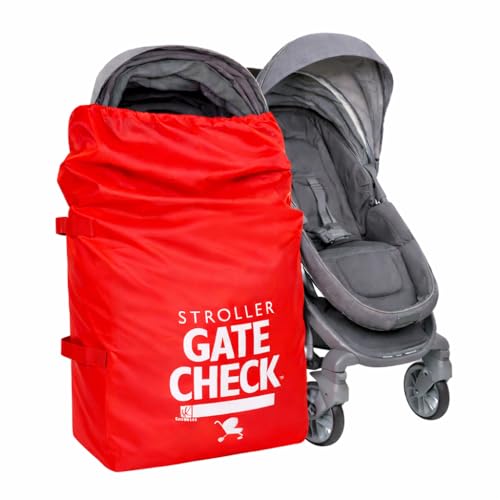
J.L. Childress — J.L. Childress Gate Check Bag for Single + Double Strollers
Protects stroller during airline gate-check — universal fit.