The Silverman score quickly identifies newborn breathing difficulty and guides immediate response. Use our calculator to assess, then follow recommended interventions for optimal care.
By Shubhra Mishra — a mom of two who turned her own confusion during pregnancy into BumpBites, a global mission to make food choices clear, safe, and stress-free for every expecting mother. 💛
Check whether any food is safe during pregnancy with the BumpBites Food Safety Checker.
Quick take: The Silverman Anderson Score is a simple bedside tool that grades newborn breathing difficulty on a 0‑10 scale. A score 0‑2 means the baby is breathing comfortably, 3‑5 suggests mild‑to‑moderate distress, and 6‑10 signals severe respiratory trouble that needs urgent medical care. Use the calculator linked below to get an instant score and follow the response steps we outline.
It's 2 a.m., the house is quiet, and you hear your newborn’s chest rise and fall a little faster than usual. You glance at the monitor, notice a few sighs, and wonder: “Is this normal, or should I be worried?” You’re not alone—many new parents experience that sudden, gut‑wrenching alarm when a baby’s breathing seems off. The good news is that there’s a quick, evidence‑based way to turn that worry into action: the Silverman Anderson Score.
🔢 Calculate it for your situation: Use our Silverman-Andersen Score for a personalized result in seconds.
In this article we’ll explain exactly what the Silverman Anderson Score measures, walk you through a step‑by‑step calculation, show you how to interpret the numbers, and give you clear guidance on when to seek help. We’ll also compare it to the more familiar Apgar score, discuss common reasons newborns struggle to breathe, and outline the treatment options you might hear from a pediatrician. By the end you’ll have a handy mental checklist and a trusted online calculator so you can respond confidently if your little one shows signs of respiratory distress.
What is the Silverman Anderson Score?
The Silverman Anderson Score (often shortened to the Silverman Score) is a bedside assessment developed in the 1970s to grade the severity of respiratory distress in newborns, especially preterm infants. It evaluates five observable signs, each scored 0, 1, or 2, for a total possible range of 0 to 10. The five components are:
Chest movement (upper chest retraction): How much the upper chest sinks during inspiration.
Intercostal retractions: The inward pull of the muscles between the ribs.
Lower chest retraction: The sinking of the lower rib cage.
Airway sounds (nasal flaring): Whether the nostrils flare with each breath.
Respiratory effort (expiratory grunt): Presence of a grunting sound on exhalation.
Each sign is assessed by watching the baby for a minute or two, or by listening with a stethoscope if needed. A score of 0 indicates no observable distress; 10 reflects severe, life‑threatening difficulty. The scale is simple enough for a neonatal nurse, but also understandable for parents who have been taught the basics of newborn assessment during hospital discharge.
Because the score focuses on visual and auditory cues, it works without fancy equipment. That makes it a valuable tool for both hospital staff and, with proper guidance, vigilant parents who want to monitor their infant’s breathing at home. In practice, clinicians use the score as part of a broader assessment that includes heart rate, oxygen saturation, and blood gas values, ensuring a comprehensive picture of the baby’s condition.
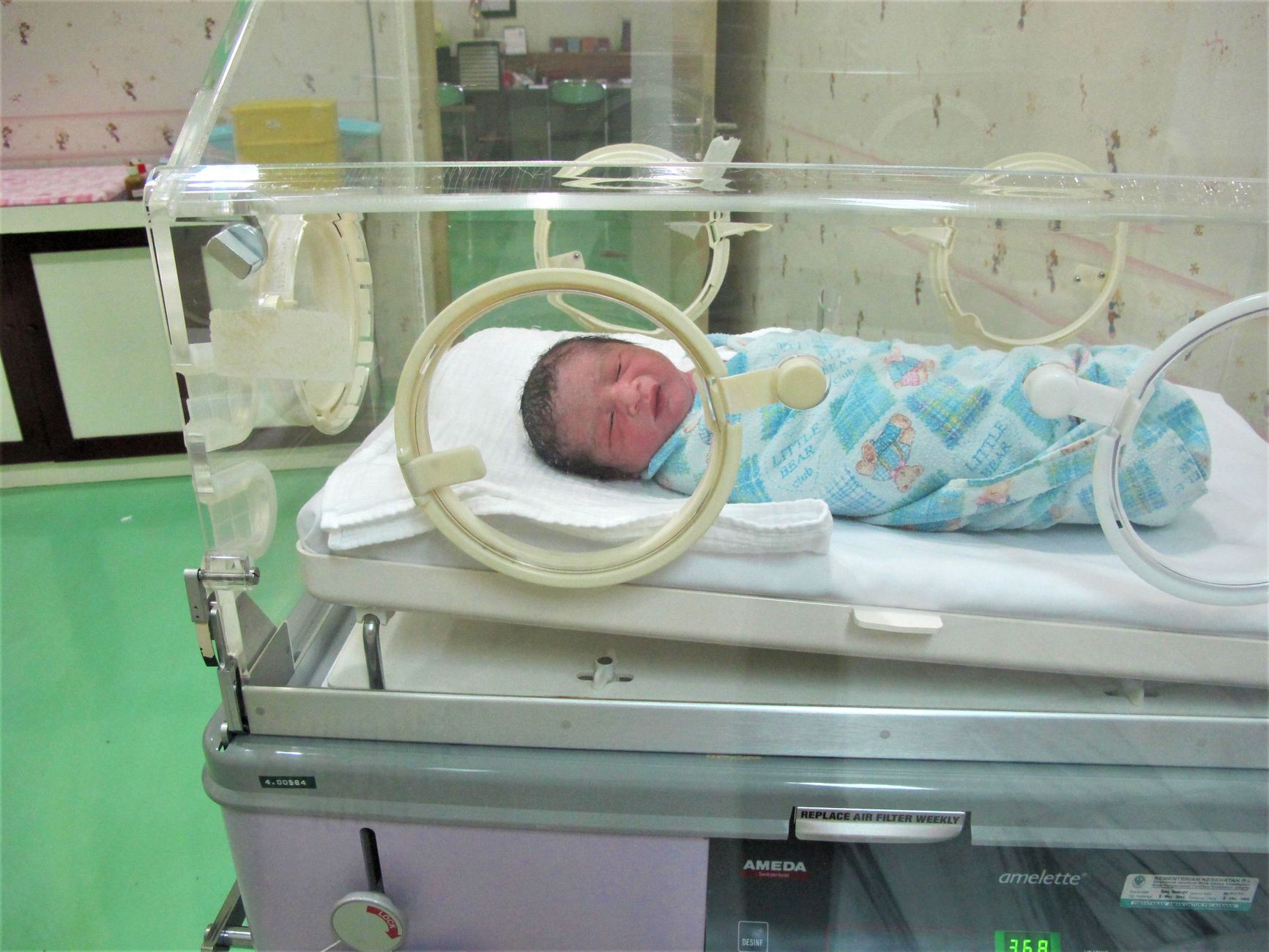
Watching for chest retractions is the first step in scoring newborn breathing difficulty.
How to assess your newborn’s breathing difficulty
Befor
e you reach for a calculator, you need to know what to look for. Here’s a quick visual guide you can keep by the bedside:
Upper chest retraction: Look at the area just below the clavicles. In a calm baby the skin moves smoothly. If you see a noticeable dip with each inhale, give it 1 point; a deep, rapid sinking gets 2 points.
Intercostal retractions: Watch the spaces between the ribs. Minimal pulling scores 0; slight pulling scores 1; marked pulling scores 2.
Lower chest retraction: Observe the lower rib cage near the abdomen. No dip = 0; mild dip = 1; pronounced dip = 2.
Nasal flaring: Notice the nostrils. If they stay relaxed, score 0; if they flare a little, 1; if they flare markedly with each breath, 2.
Expiratory grunt: Listen carefully. A silent exhale scores 0; a faint grunt scores 1; a loud, persistent grunt scores 2.
It helps to have a second pair of eyes—your partner, a sibling, or a nurse—especially for the subtle signs like intercostal retractions. If you’re unsure, err on the side of caution and give the higher score; the next step is to seek professional evaluation.
When you first learn these signs in the hospital, nurses often demonstrate them on a mannequin or a volunteer infant. Re‑creating that observation at home can feel intimidating, but remember that the signs are dramatic enough that most parents can spot them after a few practice minutes. Use a soft lamp or natural daylight to illuminate the chest without casting harsh shadows, and keep a notepad handy to jot down each score as you go.
Once you’ve observed each of the five signs, you can plug the numbers into an online calculator for an instant total. Here’s how to do it efficiently:
Gather your observations. Write down the score (0‑2) you assigned to each component. A quick note like “Upper 1, Intercostal 0, Lower 1, Nasal 0, Grunt 1” is enough.
Open the calculator. Go to the linked calculator page on BumpBites. The interface shows five dropdown menus labeled exactly as the components above.
Select each score. Click the appropriate number for each sign. The tool automatically adds them together.
Read the total. The calculator displays the sum (0‑10) and highlights the corresponding clinical interpretation (e.g., “Mild distress”).
Save or screenshot. For your records, note the total and the time you performed the assessment. This helps your pediatrician see trends over the first few hours or days.
Because the calculator is built into the BumpBites site, it’s free, mobile‑friendly, and doesn’t require you to install any app. You can repeat the assessment every hour if you’re monitoring a newborn with known risk factors, such as prematurity or a recent surfactant deficiency.
For families who prefer a paper record, the calculator also offers a printable worksheet that you can keep next to the crib. This dual format satisfies both tech‑savvy parents and those who find a handwritten chart more reassuring.
Use the online calculator to turn your observations into a single, actionable number.
Interpreting the score: what each level indicates
The total number you obtain isn’t just a statistic—it tells you how the baby’s lungs are coping. Below is a quick reference table that most neonatologists use to guide immediate care.
Score
Interpretation
Typical Clinical Action
0‑2
Minimal or no distress
Routine monitoring; no urgent intervention needed
3‑5
Mild‑to‑moderate distress
Supplemental oxygen, close observation, consider CPAP if worsening
6‑8
Moderate‑to‑severe distress
Continuous positive airway pressure (CPAP) or high‑flow nasal cannula; prepare for possible ventilation
9‑10
Severe distress
Urgent intubation and mechanical ventilation; consider surfactant therapy in preterm infants
In practice, a score of 5 is a red flag that the baby is working harder to breathe. Many hospitals will start low‑flow oxygen at 0.2–0.3 L/min and reassess after 15–30 minutes. If the score climbs to 6 or higher, the care team typically escalates to CPAP (continuous positive airway pressure) to keep the alveoli open and improve gas exchange.
Remember that the score is a snapshot. A baby who scores 4 now may improve to 2 with a gentle cuddle and a clear airway, or the reverse if the underlying cause worsens. Always track trends alongside other vital signs like heart rate and oxygen saturation. The combination of a rising Silverman score and a falling SpO₂ (below 90 %) is a strong trigger for escalation, as recommended by the ACOG and NICE guidelines.
How the Silverman score differs from the Apgar score
The Apgar score, assigned at 1 minute and again at 5 minutes after birth, looks at heart rate, respiration effort, muscle tone, reflex irritability, and skin color. While both scores assess newborn well‑being, they serve different purposes:
Timing: Apgar is a rapid birth‑assessment tool; Silverman is used when respiratory distress is suspected, often within the first few hours to days.
Focus: Apgar includes cardiovascular and neurologic components; Silverman zeroes in on respiratory mechanics.
Granularity: A newborn can have a perfect Apgar (10) yet still show early signs of respiratory trouble that the Silverman score would detect.
Clinical decisions: Apgar guides immediate resuscitation needs; Silverman guides ongoing respiratory support, such as oxygen, CPAP, or intubation.
Because the two scores complement each other, many NICUs record both. For parents, the Silverman score is more actionable when you’re watching for changes after the first hour of life.
Common causes of breathing difficulty and how they relate to the score
Understanding why a baby might be struggling helps you interpret the score in context. Here are the most frequent culprits:
Transient tachypnea of the newborn (TTN): Often seen in term infants delivered by cesarean. It causes rapid breathing and mild retractions, usually scoring 2‑4 on the Silverman scale. TTN typically resolves within 24–48 hours with supportive oxygen.
Respiratory distress syndrome (RDS) in preterm infants: Surfactant deficiency leads to stiff lungs, prominent retractions, nasal flaring, and grunting—often a score 6 or higher. Treatment may involve surfactant replacement and mechanical ventilation.
Meconium aspiration syndrome (MAS): When a newborn inhales meconium‑stained fluid, the airway can become obstructed, producing high retractions and grunting (score 7‑9). Immediate suction and possible ventilation are required.
Pneumonia or sepsis: Infection can cause inflammation and reduced lung compliance, reflected in a rising Silverman score over hours. Antibiotics and respiratory support are standard.
Bronchopulmonary dysplasia (BPD) risk: Chronic lung injury in very preterm infants may be tracked over weeks using the Silverman score; a persistently high score (≥6) signals risk for BPD.
Each condition shares the same physical signs—retractions, nasal flaring, grunting—so the score itself doesn’t differentiate cause, but it alerts clinicians to the severity, prompting further diagnostic testing (chest X‑ray, blood gases, etc.). The NHS emphasizes that early identification of a rising score can shorten the time to definitive therapy, improving outcomes.
Managing a newborn with a high Silverman score
When the score climbs into the moderate‑to‑severe range (≥6), time‑sensitive interventions become essential. The exact plan depends on the baby’s gestational age, underlying diagnosis, and how quickly the score is rising.
Oxygen therapy
Low‑flow supplemental oxygen (0.2–0.5 L/min) via nasal cannula can raise SpO₂ (oxygen saturation) above 90 percent in many mildly distressed infants (score 3‑5). Continuous pulse‑oximetry is recommended so you can see the effect within minutes.
Continuous positive airway pressure (CPAP)
CPAP delivers a steady pressure (usually 5–6 cm H₂O) that keeps the alveoli open, reducing retractions and grunting. It’s the first‑line support for scores 6‑8, especially in preterm infants with RDS. CPAP can be delivered via nasal prongs or a mask, and modern devices have built‑in alarms for pressure changes.
Mechanical ventilation
If the score reaches 9‑10, or if the baby shows worsening acidosis, bradycardia, or apnea despite CPAP, intubation and mechanical ventilation become necessary. Neonatologists will often administer surfactant through a thin catheter (INSURE technique) before full ventilation in preterm infants.
Adjunct therapies
Surfactant replacement: Essential for RDS in babies < 32 weeks gestation.
Antibiotics: Given empirically if infection is suspected.
Fluid management: Careful balance to avoid pulmonary edema, which can worsen retractions.
All these interventions aim to reduce the visual signs that drive the Silverman score—retractions, flaring, and grunting—so the number drops, indicating the baby is breathing more comfortably.
CPAP is often the first step for a newborn scoring 6‑8 on the Silverman scale.
When to monitor at home versus in the hospital
Not every newborn with a modest Silverman score needs to stay in a neonatal intensive care unit (NICU). The decision hinges on gestational age, underlying diagnosis, and how stable the baby’s vital signs are. For term infants with TTN who score 2‑4 and maintain an SpO₂ above 92 % on room air, many hospitals discharge them with a brief observation period and clear home‑monitoring instructions.
Preterm infants (< 34 weeks) or those with RDS often remain in a NICU until they are off supplemental oxygen and have a stable Silverman score below 3 for at least 24 hours. The AAP recommends a minimum of 48 hours of observation for infants who required CPAP, to ensure the lungs have matured enough to sustain breathing without assistance.
If you’re taking your baby home, keep a log of the score, the time of each assessment, and any changes in skin color or feeding behavior. A simple spreadsheet on your phone can serve as a useful trend tracker that you can share with your pediatrician during follow‑up visits.
Practical home‑care tips to support breathing
Even when your baby is stable, small environmental adjustments can make breathing easier. Here are evidence‑based actions you can take right now:
Maintain optimal room temperature: Keep the nursery at 22‑24 °C (71‑75 °F). Over‑heating can increase metabolic demand and worsen tachypnea, while a cold room may trigger shivering and higher oxygen consumption.
Use a humidifier: Gentle, cool‑mist humidification (40‑60 % relative humidity) helps keep airway secretions thin, reducing the work of breathing. Clean the device daily to prevent mold growth.
Positioning: A slight incline (10‑15 degrees) can relieve abdominal pressure and improve diaphragmatic excursion. Avoid swaddling that restricts chest movement; instead, use a breathable swaddle that allows the hips and shoulders to move freely.
Feeding techniques: Offer smaller, more frequent feeds if the baby tires quickly. A semi‑upright feeding position reduces the risk of aspiration, which can trigger coughing and grunting.
Minimize exposure to irritants: Keep tobacco smoke, strong fragrances, and heavy cleaning chemicals away from the baby’s environment. The CDC notes that airborne pollutants can exacerbate respiratory distress in newborns.
These steps don’t replace medical care, but they can smooth the transition from hospital to home and keep the Silverman score low enough that you and your provider feel comfortable monitoring without invasive support.
Oxygen saturation: how it works with the Silverman score
Oxygen saturation (SpO₂) measures the percentage of hemoglobin that’s carrying oxygen. While the Silverman score looks at physical signs, SpO₂ gives a quantitative read‑out of how well the lungs are oxygenating the blood. In most neonatal units, a saturation of 90‑95 % on room air is considered acceptable for a healthy term infant.
When the Silverman score rises, you’ll often see a parallel dip in SpO₂. This correlation is why many clinicians use both tools together: the score tells you “how hard” the baby is working, and the pulse oximeter tells you “how well” the baby is being oxygenated. If a baby has a score of 4 but a saturation of 88 %, the team may start low‑flow oxygen sooner than the score alone would suggest, following ACOG recommendations for early intervention.
Using a home pulse oximeter safely
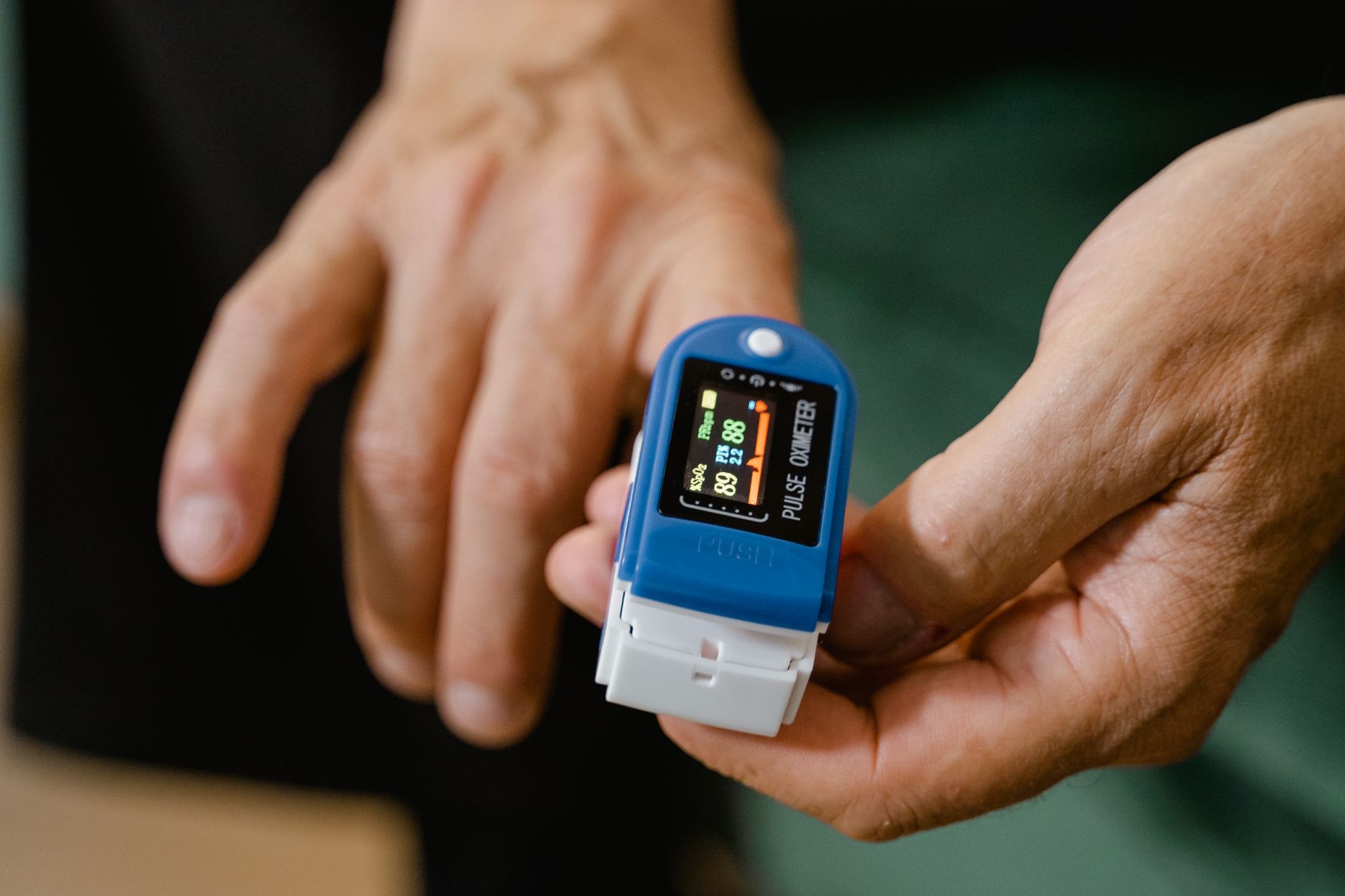
Many parents purchase a handheld pulse oximeter for peace of mind. These devices are inexpensive and easy to use, but they require proper placement and interpretation. Clip the sensor gently on a fingertip or the heel, ensuring the skin is warm and free of nail polish. Readings can be affected by movement, so keep the baby calm and still for a few seconds before noting the number.
Remember that a single low reading isn’t an emergency unless it’s accompanied by a high Silverman score, cyanosis, or apnea. Use the oximeter as a trend monitor—record the value each time you calculate the Silverman score, and share the chart with your pediatrician. The NHS advises that home oximetry is most useful for infants with known lung disease or after discharge from a NICU stay.
A home pulse oximeter can help you track oxygen saturation alongside the Silverman score.
Long‑term outlook and follow‑up
Most infants who experience early respiratory distress recover fully, especially when the underlying cause is transient (like TTN). However, a persistently high Silverman score beyond the first week may signal chronic lung disease, such as bronchopulmonary dysplasia (BPD). Regular follow‑up with a pediatric pulmonologist is advised for infants who required prolonged ventilation or high‑flow oxygen.
Neurodevelopmental assessments are also part of long‑term care. Studies cited by the WHO indicate that severe neonatal respiratory distress, if not promptly managed, can be associated with subtle learning difficulties later in childhood. Early intervention services, including speech and occupational therapy, can mitigate these risks.
For parents, the most reassuring metric is the trend: a downward trajectory in the Silverman score, combined with stable weight gain and normal feeding patterns, predicts a good prognosis. Keep your baby’s health record up to date, and don’t hesitate to ask your pediatrician about the meaning of each score you record.
Doctor’s note
From our medical team: The Silverman Anderson Score is a reliable bedside tool, but it should never replace a full clinical evaluation. If you notice any rapid change in the score, or if the baby develops a new symptom—such as a bluish color around the lips, a heart rate under 100 bpm, or a sudden drop in oxygen saturation—call your pediatrician or go to the nearest emergency department immediately. The score is most useful when paired with continuous monitoring and professional judgment.
🔢 Ready to crunch your numbers? Use our Silverman-Andersen Score for a personalized result in seconds.
Myth vs. fact
Myth: A Silverman score of 5 means the baby will definitely need a ventilator. Fact: A score 5 indicates moderate distress, which often improves with supplemental oxygen or CPAP. Ventilation is reserved for scores ≥ 9 or for babies who do not respond to less invasive measures.
Myth: The Silverman score is only for premature infants. Fact: While preterm babies are at higher risk, term infants can also develop respiratory distress from TTN, MAS, or infection, and the score applies to any newborn with breathing concerns.
Myth: You can diagnose the cause of distress just by looking at the score. Fact: The score quantifies severity, not etiology. Further tests (chest X‑ray, labs) are needed to pinpoint the underlying problem.
Key takeaways
Watch for five specific signs—upper chest, intercostal, and lower chest retractions, nasal flaring, and expiratory grunt.
Score each sign 0‑2; add them for a total of 0‑10.
A score 0‑2 is reassuring; 3‑5 warrants close monitoring; 6‑8 calls for CPAP or high‑flow oxygen; 9‑10 means urgent ventilation.
Use the online Silverman‑Andersen Score calculator for quick totals and trend tracking.
Compare the Silverman score to the Apgar score: the former focuses on breathing mechanics, the latter on overall newborn vitality.
If the baby’s score rises quickly, or if you notice cyanosis, apnea, or a heart rate under 100 bpm, seek medical care right away.
Simple home adjustments—room temperature, humidification, positioning, and feeding technique—can help keep the score low while you await professional care.
Frequently asked questions
What does a Silverman score of 5 mean?
A score of 5 indicates mild‑to‑moderate respiratory distress. The baby may have some chest retractions and possibly nasal flaring, but usually responds to supplemental oxygen and close observation.
How is the Silverman Anderson score calculated?
It’s calculated by assigning 0, 1, or 2 points to each of five signs—upper chest retraction, intercostal retractions, lower chest retraction, nasal flaring, and expiratory grunt—and summing the points for a total between 0 and 10.
Is a Silverman score of 3 normal for a newborn?
A score of 3 falls in the low‑moderate range. It suggests the baby is experiencing some breathing effort but is often stable with minimal intervention such as low‑flow oxygen.
What are the signs of respiratory distress in newborns?
Key signs include rapid breathing (tachypnea), visible chest retractions, nasal flaring, grunting on exhalation, cyanosis (bluish skin), and irregular heart rate. The Silverman score captures the first four of these.
When should I seek medical help for my newborn's breathing?
Call your pediatrician or go to the emergency department if the baby shows a Silverman score ≥ 6 that does not improve after a few minutes of oxygen; develops cyanosis; has a heart rate below 100 bpm; stops breathing (apnea); or if the score rises rapidly over a short period.
Can the Silverman score predict the need for ventilation?
High scores (≥ 9) strongly correlate with the need for mechanical ventilation, but the decision also depends on blood gases, overall clinical picture, and response to less invasive supports like CPAP.
Can I safely use the Silverman score at home?
Yes, with guidance. The score is designed for bedside use by trained staff, but parents can apply it after discharge if they feel comfortable observing the five signs. Always pair the score with continuous pulse‑oximetry and contact your provider if the total exceeds 5 or if you notice any worsening symptoms.
Do I need any special equipment to assess my newborn?
No high‑tech tools are required—just a well‑lit space, a quiet environment, and a simple timer. Some families find a handheld pulse‑oximeter helpful for confirming oxygen saturation, but the core score relies only on visual and auditory cues.
How often should I reassess the Silverman score at home?
For a stable infant, checking every 4–6 hours is usually sufficient. If the baby has known risk factors—such as prematurity, recent surfactant therapy, or a prior high score—more frequent checks (every 1–2 hours) can catch rapid changes early. Always note the time and any accompanying symptoms before contacting your provider.
Can skin color affect the Silverman score assessment?
Skin color itself isn’t a component of the Silverman score, but it can influence how you perceive signs like nasal flaring or chest retractions. Ensure good lighting and, if needed, compare both sides of the face. If you’re uncertain, ask a clinician to demonstrate the signs on a baby with similar skin tone during a follow‑up visit.
When to call your doctor
If you notice any of the following, seek immediate medical attention: a Silverman score ≥ 6 that does not improve after a few minutes of oxygen; persistent grunting; nasal flaring that worsens; chest retractions that become deep; cyanosis of lips or fingertips; heart rate under 100 bpm; or any apnea episodes lasting longer than a few seconds.
This article provides general information only and does not replace personalized medical advice. Always discuss your baby’s condition with a qualified health professional.
References
American College of Obstetricians and Gynecologists (ACOG). “Management of Neonatal Respiratory Distress.” Practice Bulletin, 2022.
National Institute for Health and Care Excellence (NICE). “Neonatal respiratory support guidelines.” NG34, 2021.
World Health Organization (WHO). “Newborn care: guidelines for assessment and immediate care.” 2020.
American Academy of Pediatrics (AAP). “Guidelines for CPAP and mechanical ventilation in preterm infants.” Pediatrics, 2021.
Royal College of Obstetricians and Gynaecologists (RCOG). “Silverman Anderson Score – clinical use.” Clinical Handbook, 2022.
U.S. Food and Drug Administration (FDA). “Neonatal ventilator safety and performance.” Guidance Document, 2023.
National Health Service (NHS). “Respiratory distress in newborns – signs and treatment.” 2022.
American Thoracic Society (ATS). “Surfactant therapy for neonatal RDS.” Consensus Statement, 2021.
Centers for Disease Control and Prevention (CDC). “Neonatal sepsis and respiratory complications.” 2022.
When Shubhra Mishra was expecting her first child in 2016, she was overwhelmed by conflicting food advice — one site said yes, another said never. By the time her second baby arrived in 2019, she realized millions of mothers face the same confusion.
That sparked a five-year journey through clinical nutrition papers, cultural diets, and expert conversations — all leading to BumpBites: a calm, compassionate space where science meets everyday motherhood.
Her long-term vision is to build a global community ensuring safe, supported, and free deliveriesfor every mother — because no woman should face pregnancy alone or uninformed. 🌿
🌍 Stand with mothers, shape safer guidance
Join a small circle of experts who review BumpBites articles so expecting parents everywhere can decide with confidence.