Quick take: Newborn metabolic screening is a routine heel‑prick test done shortly after birth to detect rare but serious metabolic disorders. Results are usually available within a few days; most babies screen normal. If an abnormal result appears, follow‑up testing and specialist referral are essential, and most insurance plans cover the screening.
Imagine holding your newborn for the first time, feeling a mix of awe and anxiety. A nurse gently whispers, “We’ll do a quick heel‑prick in a moment—just a tiny pinch.” That moment can feel overwhelming, especially when you’ve never heard of “newborn metabolic screening.” You’re not alone. Many parents wonder why a tiny blood drop can matter so much, how the test works, and what happens if something unusual shows up.
In this guide we’ll walk you through everything you need to know about newborn metabolic screening: why it’s done, how it’s performed, what conditions it looks for, when the test happens, how to read the results, what follow‑up steps may be required, and how insurance and cost play into the picture. By the end you’ll feel confident about the process and prepared for any outcome.
Newborn metabolic screening is a public‑health test that checks a small blood sample for dozens of metabolic, endocrine, and genetic disorders that can cause serious health problems if left untreated. The test, often called the “heel‑prick test,” looks for conditions that affect how the body processes sugars, proteins, fats, and other nutrients. Early detection allows doctors to start treatment—usually dietary changes or medication—before irreversible damage occurs.
Why is it important? Many metabolic disorders, such as phenylketonuria (PKU) or medium‑chain acyl‑CoA dehydrogenase deficiency (MCADD), have no outward signs at birth. Without screening, symptoms may not appear until weeks or months later, by which time developmental delays, seizures, or organ damage could have already begun. The Centers for Disease Control and Prevention (CDC) estimates that newborn screening prevents thousands of deaths and disabilities each year in the United States.
State health departments, guided by the CDC’s Newborn Screening Program and the American Academy of Pediatrics (AAP), mandate screening for a core panel of disorders. Each state may add optional conditions based on local prevalence. In the UK, the NHS offers a similar test called the “newborn blood spot screening,” covering nine core conditions.
While both tests use a heel‑prick blood sample, they differ in focus. Metabolic screening primarily detects enzyme deficiencies and metabolic pathway disruptions, whereas genetic screening looks for chromosomal abnormalities (e.g., Down syndrome) or single‑gene disorders. Some states combine panels, but the terms are not interchangeable. Understanding the distinction helps you ask the right questions about what the test will reveal.
Consent practices vary by state. In most U.S. states, the screening is considered a standard public‑health service, and parental consent is implied unless the parents opt out in writing. Some states, such as New York and California, require a brief consent form that explains the purpose of the test. In the UK, the NHS obtains verbal consent at the time of collection. If you have concerns, ask the hospital staff for a copy of the consent information.
Beyond the legal formality, many families find that a brief conversation with the nurse eases anxiety. Knowing why the test matters and what the results could mean gives you a sense of control during an otherwise hectic postpartum period.
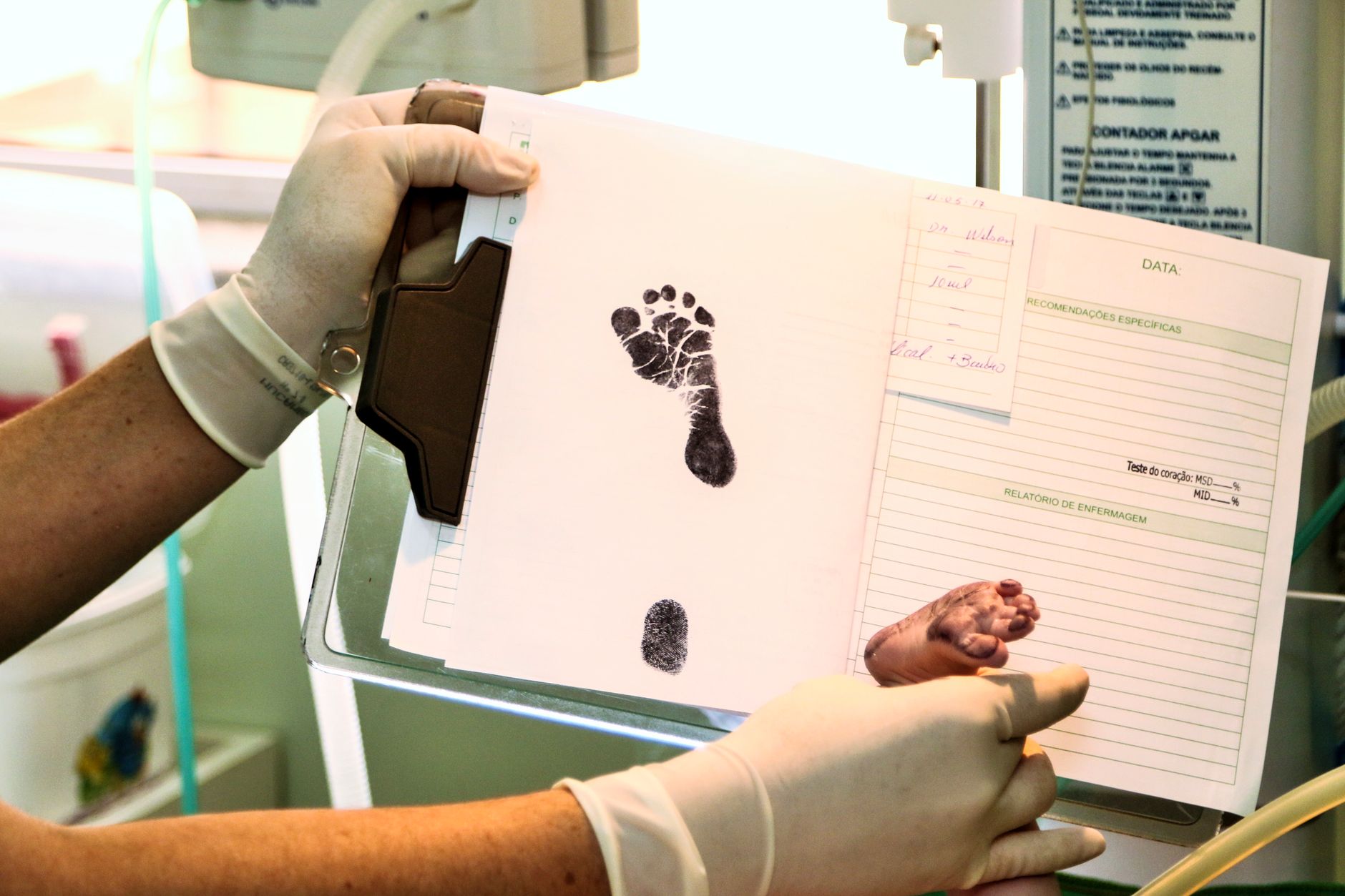
The test is performed using a simple heel‑prick. After the baby is stable and feeding well—usually between 24 and 48 hours after birth—a nurse or technician cleans the infant’s heel with an antiseptic swab, selects a spot on the lateral side of the foot, and uses a small lancet to make a quick puncture. A few drops of blood are collected onto a specialized filter paper card (often called a Guthrie card). The whole procedure takes less than a minute and causes only a brief sting.
Once the blood dries (about 15 minutes), the card is sent to a state laboratory. There, technicians use tandem mass spectrometry (MS/MS) to analyze the sample for multiple metabolites simultaneously. Some states also use enzyme assays or DNA‑based methods for specific conditions.
- Preparation: The baby’s heel is warmed with a warm blanket to increase blood flow.
- Cleaning: An antiseptic wipe cleans the puncture site.
- Puncture: A sterile lancet makes a quick, shallow puncture.
- Collection: Blood drops are placed on the filter paper card, filling the designated circles.
- Drying: The card rests flat for 15–20 minutes to dry.
- Transport: The dried card is mailed or couriered to the state lab.
The process is safe; complications such as infection or bruising are rare, occurring in less than 1 % of cases. The American Academy of Pediatrics notes that pain can be minimized by using a soothing voice, swaddling, and offering a pacifier.
For parents who are particularly anxious about pain, ask the nurse whether a topical anesthetic (e.g., lidocaine cream) is available. Many hospitals now keep a small tube on hand, and applying it a few minutes before the prick can make the sensation even milder.
False positives—initial results that suggest a disorder when none exists—are a known challenge. Rates vary by condition; for example, the false‑positive rate for PKU is about 0.5 %, while for MCADD it can be up to 1–2 %. Overall, approximately 1–2 % of screened infants receive a false‑positive result, prompting confirmatory testing. While stressful, the follow‑up process is designed to quickly rule out a true disorder.
Each state’s screening panel includes a core set of disorders, typically ranging from 30 to 70 conditions. Below is a checklist of the most common conditions screened in the United States, grouped by category.
- Amino acid disorders: Phenylketonuria (PKU), Maple syrup urine disease (MSUD), Homocystinuria.
- Organic acid disorders: Propionic acidemia, Methylmalonic acidemia, Isovaleric acidemia.
- Fatty‑acid oxidation disorders: Medium‑chain acyl‑CoA dehydrogenase deficiency (MCADD), Very‑long‑chain acyl‑CoA dehydrogenase deficiency (VLCADD).
- Endocrine disorders: Congenital hypothyroidism, Congenital adrenal hyperplasia (CAH).
- Hemoglobinopathies (in some states): Sickle cell disease, Beta‑thalassemia.
- Immune deficiencies (selected states): Severe combined immunodeficiency (SCID).
- Other metabolic conditions: Biotinidase deficiency, Galactosemia.
Some states add optional disorders, such as Pompe disease or Krabbe disease, based on regional prevalence. The exact list for your state can be found on your state health department’s website.
Because the panel is broad, a single heel‑prick can provide information about many seemingly unrelated pathways. This efficiency is why newborn metabolic screening is considered one of the most cost‑effective public‑health interventions available.
Premature infants (<37 weeks gestation) often have delayed enzyme activity, so many states recommend a repeat screen at 2–4 weeks of age in addition to the standard 24‑48‑hour test. This “second‑screen” approach improves detection of conditions like MCADD, which may be missed on the initial sample.
In most hospitals, the test is performed between 24 and 48 hours after birth, once the baby has had time to feed and stabilize. The timing is crucial: the infant’s metabolic pathways are active, and enough blood volume can be drawn safely. If the baby is ill, in the NICU, or born preterm, the test may be delayed until the infant is medically stable, but no later than 7 days after birth for most conditions.
Some states have a “late‑screen” window up to 30 days for infants who missed the initial test. However, early testing remains the gold standard because many metabolic disorders can cause symptoms within the first week of life.
When the test is scheduled, the nursing staff will usually let you know the exact time. If you’re traveling home from the hospital or have a home birth, ask the provider ahead of time about where and when the heel‑prick will be performed.
Costs can vary based on the laboratory used and whether additional optional tests are ordered. Most insurance plans, including Medicaid, cover the core screening at no out‑of‑pocket cost, but it’s wise to verify coverage with your provider.
If you have a high‑deductible plan, you may still receive a bill for the lab work, but many hospitals will bill the state health department directly, sparing you the hassle.
Results are typically reported as “normal,” “borderline,” or “abnormal.” A normal result means the metabolites fall within the established reference range for that age and condition. Borderline results may indicate a slightly elevated or low value that warrants a repeat sample. Abnormal results suggest a potential metabolic disorder and trigger confirmatory testing.
Below is a quick guide to what each result category means:
- Normal: No immediate action needed; continue routine pediatric care.
- Borderline/Screen‑positive: A second dried‑blood‑spot sample is usually requested within a few days.
- Abnormal/Positive: Referral to a metabolic specialist (often a pediatric geneticist or metabolic physician) for confirmatory testing, which may include plasma amino acids, urine organic acids, or enzyme assays.
Most parents receive results within 5–7 days after the sample is collected. If you haven’t heard back within two weeks, it’s reasonable to call your pediatrician’s office for an update.
When you receive the report, you’ll typically see a list of metabolites with values and a “flag” indicating whether each is within range. The lab will also include a short interpretation and next‑step recommendations. Keep this document handy; you’ll likely need to share it with a specialist.
False positives are most common for conditions with low prevalence. For example, the false‑positive rate for congenital hypothyroidism is about 5 %, while for SCID it can reach 10 % due to the test’s high sensitivity. These numbers underscore why a positive screen is not a definitive diagnosis—confirmatory testing is essential.
If the screening indicates a possible disorder, the healthcare team will act quickly. The typical pathway includes:
- Repeat screening: A second heel‑prick may be done to verify the initial result.
- Confirmatory testing: Blood, urine, or genetic tests are ordered to pinpoint the exact disorder.
- Specialist referral: A pediatric metabolic specialist or geneticist evaluates the confirmatory results.
- Initiation of treatment: Depending on the disorder, treatment may involve dietary modifications (e.g., low‑phenylalanine diet for PKU), supplementation (e.g., biotin for biotinidase deficiency), or medication.
- Family counseling: Genetic counseling helps families understand inheritance patterns and future pregnancy planning.
During this period, it’s normal to feel anxious. Keep a notebook of questions, bring a copy of the screening results to each appointment, and ask the specialist about the expected timeline for diagnosis and treatment.
Many hospitals have a “care coordinator” who will call you with the next steps. If you haven’t been assigned one, ask your pediatrician to connect you with the metabolic team’s nurse navigator.
Follow‑up options comparison table
All follow‑up actions are coordinated through your pediatrician. In most cases, treatment can begin within two weeks of the abnormal screen, preventing any disease‑related damage.
While medical treatment is the cornerstone for metabolic disorders, some families ask about natural or dietary approaches. Evidence‑based options include:
- Biotin supplementation: For biotinidase deficiency, high‑dose biotin (5‑10 mg/day) is the standard of care and has a strong safety record.
- Low‑phenylalanine diet: In PKU, a diet restricting high‑protein foods and using phenylalanine‑free medical formulas reduces brain toxicity. The Academy of Nutrition and Dietetics emphasizes the need for professional supervision.
- Medium‑chain triglyceride (MCT) oil: For MCADD, adding MCT oil under medical guidance can provide an alternative energy source during fasting periods.
These “natural” strategies are always prescribed and monitored by a metabolic specialist; they are not over‑the‑counter alternatives.
In the United States, newborn metabolic screening is considered a preventive service and is covered by virtually all private insurance plans, Medicaid, and the Children’s Health Insurance Program (CHIP). The Affordable Care Act mandates coverage without cost‑sharing for preventive services, which includes newborn screening.
Some states bill the screening directly to the state health department, which then reimburses hospitals. This means families typically incur no out‑of‑pocket expense. However, if an abnormal result leads to additional confirmatory tests, some of those may involve co‑pays or deductibles, depending on your plan.
Internationally, the United Kingdom’s NHS provides the screening free of charge to all residents. Canada’s provinces also cover the test as part of publicly funded health care.
If you’re uninsured or have a high‑deductible plan, contact your state health department. Many offer assistance programs that ensure the test is still performed at no cost to the family.
Early identification through newborn metabolic screening dramatically improves outcomes. For conditions like PKU, children who begin treatment within the first weeks of life typically achieve normal intellectual development and growth. In congenital hypothyroidism, prompt levothyroxine therapy prevents the cognitive deficits that once plagued untreated children.
Long‑term studies from the AAP and the National Institutes of Health show that children who receive timely treatment have quality‑of‑life scores comparable to peers without the disorder. However, lifelong monitoring is often required, especially for disorders that can fluctuate with illness or diet. Parents should expect periodic lab checks and, in some cases, adjustments to dietary regimens as the child grows.
Families often report that early diagnosis reduces the emotional burden later on. Knowing the condition and having a treatment plan in place allows parents to focus on normal milestones rather than worrying about unknown health threats.
While the United States and Canada use tandem mass spectrometry as the primary platform, many European countries incorporate additional DNA‑based assays for conditions like cystic fibrosis. The United Kingdom’s NHS screens for nine core conditions, focusing on those with proven health‑economic benefit. Australia’s National Newborn Screening Program includes 27 conditions and emphasizes parental education through dedicated online portals.
Despite regional variations, the core principle remains the same: a simple heel‑prick can uncover hidden metabolic disorders that would otherwise go unnoticed. If you are traveling abroad for delivery, check the local screening guidelines early; some countries may not automatically test for certain rare disorders that are part of your home state’s panel.
Some countries also provide a “second‑tier” screen that uses next‑generation sequencing to confirm borderline results, reducing false‑positive rates. This technology is gradually being adopted in the U.S. but is not yet universal.
How to advocate for your child during the screening process
Advocacy starts with asking informed questions. When the test is scheduled, you might ask:
- “Which specific conditions are included in our state’s panel?”
- “What is the laboratory’s turnaround time for results?”
- “If the result is abnormal, what is the next step and who will coordinate care?”
Bring a notebook or a digital note‑taking app to every appointment. Write down the name of the specialist, the expected timeline for confirmatory testing, and any dietary or medication instructions. If language barriers exist, request a medical interpreter—both the ACOG and NHS stress the importance of clear communication for optimal outcomes.
Finally, remember that you are a partner in your child’s health team. Trust your instincts, and if something feels off after the heel‑prick (e.g., excessive bruising, prolonged bleeding), contact the pediatrician right away. Prompt communication can prevent delays in critical follow‑up.
What role does genetic counseling play after an abnormal newborn screen?
Genetic counseling is a supportive service that helps families understand the implications of an abnormal screen. A certified genetic counselor will review the confirmatory test results, explain inheritance patterns, and discuss recurrence risk for future pregnancies.
Many parents find that counseling reduces anxiety by turning a complex lab report into plain‑language explanations. Counselors also provide resources for connecting with support groups, dietary specialists, and educational materials tailored to the specific disorder.
In the United States, genetic counseling is often covered by insurance when ordered by a physician. If you do not have coverage, ask the metabolic clinic whether a sliding‑scale fee or community‑based service is available.
How do state newborn screening programs differ in the conditions they test?
Each state decides its core panel based on recommendations from the Secretary’s Advisory Committee on Heritable Disorders and the U.S. Department of Health and Human Services. While the core panel is fairly uniform, optional conditions vary widely. For example, California includes Pompe disease, while Texas does not.
These differences can affect families with a known family history of a condition that is not on their state’s panel. In such cases, targeted testing can be ordered separately, often through a pediatrician or a genetics clinic.
When you move to a new state, the newborn screening program resets. Even if your child was previously screened, the new state will perform its own heel‑prick to ensure coverage of that state’s specific panel.
Myth vs. fact
Myth: The heel‑prick is extremely painful and can cause lasting harm.
Fact: The procedure causes a brief, mild sting comparable to a vaccination. Complications are rare, and pain can be mitigated with soothing techniques.
Myth: If the newborn screens normal, the baby will never develop metabolic problems.
Fact: Screening catches many, but not all, metabolic disorders. Rare conditions may not be included in the state panel, so ongoing pediatric care remains essential.
Myth: Parents can skip the test if they have a family history of a metabolic condition.
Fact: Even with a known family history, the newborn screen is still recommended because it provides an unbiased baseline and may detect other disorders not present in the family.
Key takeaways
- Newborn metabolic screening is a routine heel‑prick test performed 24–48 hours after birth to detect serious metabolic disorders early.
- The test checks for a core panel of 30‑70 conditions, including PKU, MCADD, congenital hypothyroidism, and more.
- Results are usually available within a week; a normal result means no further action is needed.
- Abnormal or borderline results trigger repeat testing, confirmatory labs, and referral to a metabolic specialist.
- Most insurance plans, Medicaid, and public health programs cover the screening at no cost to families.
- False positives occur in about 1‑2 % of screened newborns, but confirmatory testing quickly clarifies the situation.
- Early detection through newborn metabolic screening leads to dramatically better long‑term outcomes for affected children.
- Genetic counseling and clear communication with specialists are essential after an abnormal result.
Frequently asked questions
The purpose is to identify rare metabolic, endocrine, and genetic disorders that can cause severe health issues if untreated. Early detection enables prompt treatment—often dietary changes or medication—preventing irreversible damage.
Most laboratories return results within 5–7 days after the blood spot is collected. If the baby is in the NICU or the sample needs to be sent to an out‑of‑state lab, it may take up to two weeks.
The main risk is minor pain from the heel‑prick. Rare complications include bruising, infection, or a small scar at the puncture site. The CDC and AAP consider the benefits to far outweigh these minimal risks.
Core disorders include phenylketonuria (PKU), medium‑chain acyl‑CoA dehydrogenase deficiency (MCADD), congenital hypothyroidism, congenital adrenal hyperplasia (CAH), galactosemia, biotinidase deficiency, and several amino‑ and organic‑acid disorders. State‑specific additions may cover sickle cell disease, SCID, and others.
Yes, a “fail” (abnormal) result indicates a potential disorder and prompts further testing. However, many initial abnormal screens are false positives; confirmatory testing determines the final diagnosis.
No special preparation is required. Ensure the baby has fed at least once before the test, as adequate blood flow improves sample quality. If your baby is preterm or ill, the healthcare team will decide the optimal timing.
What should I do if my baby’s screening result is abnormal?
Contact your pediatrician promptly. They will arrange a repeat screen and refer you to a metabolic or genetic specialist. Keep the screening card, ask for a copy of the results, and write down any questions you have before the specialist appointment.
In most countries, the heel‑prick is performed in a hospital, birthing center, or certified clinic to ensure proper technique and timely transport of the dried blood spot. Home collection is not standard because the sample must reach a certified laboratory within a specific time frame for accurate analysis.
If my baby is in the NICU, will the screening still happen?
Yes. NICU infants are usually screened once they are medically stable, often between 48 hours and 7 days of age. Some hospitals also schedule a second screen for NICU babies to catch conditions that might be missed on the first sample.
How often should follow‑up labs be done after a confirmed diagnosis?
Follow‑up frequency depends on the specific disorder. For PKU, labs are typically drawn every 1–3 months in the first two years, then every 3–6 months thereafter. For congenital hypothyroidism, thyroid‑stimulating hormone (TSH) levels are checked every 1–2 months in infancy, then yearly after the child is stable.
Is there a way to speed up the confirmatory testing process?
Providing a clear, complete copy of the original screening result and ensuring the baby’s sample is collected correctly the first time can reduce delays. Some state labs also offer “expedited” pathways for conditions that can cause rapid deterioration, such as MCADD.
When to see a doctor / specialist
If any of the following occur, seek medical attention right away:
- Persistent vomiting, lethargy, or seizures in the first few days of life.
- Unexplained jaundice or poor feeding beyond the first week.
- Any abnormal result on the newborn metabolic screening report.
- Family history of a metabolic disorder coupled with a borderline screen.
- Signs of hypothyroidism: prolonged sleepiness, constipation, or a swollen tongue.
For abnormal screening results, the appropriate specialist is a pediatric metabolic physician or a geneticist. If the result points to an endocrine issue (e.g., congenital hypothyroidism), a pediatric endocrinologist will be involved. Always discuss next steps with your primary pediatrician, who can coordinate referrals.
References
- American Academy of Pediatrics. “Newborn Screening.” AAP, 2023.
- Centers for Disease Control and Prevention. “Newborn Screening Programs.” CDC, 2022.
- National Institutes of Health. “Metabolic Disorders.” NIH, 2023.
- U.S. Department of Health & Human Services. “Newborn Screening and Early Intervention.” HHS, 2022.
- American College of Medical Genetics and Genomics. “Guidelines for Newborn Screening.” ACMG, 2021.
- World Health Organization. “Newborn Screening: Global Overview.” WHO, 2022.
- National Newborn Screening and Genetics Resource. “State-by-State Screening Panels.” NNSGR, 2023.
- American Association of Clinical Endocrinology. “Congenital Hypothyroidism Screening.” AACE, 2022.
- Academy of Nutrition and Dietetics. “Dietary Management of PKU.” AND, 2023.
- American College of Obstetricians and Gynecologists. “Screening and Testing in the Newborn Period.” ACOG Committee Opinion No. 823, 2022.
- National Health Service (UK). “Newborn Blood Spot Screening Programme.” NHS, 2023.
- Food and Drug Administration. “Tandem Mass Spectrometry in Newborn Screening.” FDA, 2021.